

Interesting Wins: What Race Directors Need to Understand About Social Media
It was a whirlwind of a week for me. I’m typing this while sitting on a plane bound for Portland, having departed Tucson at around 7:00am.
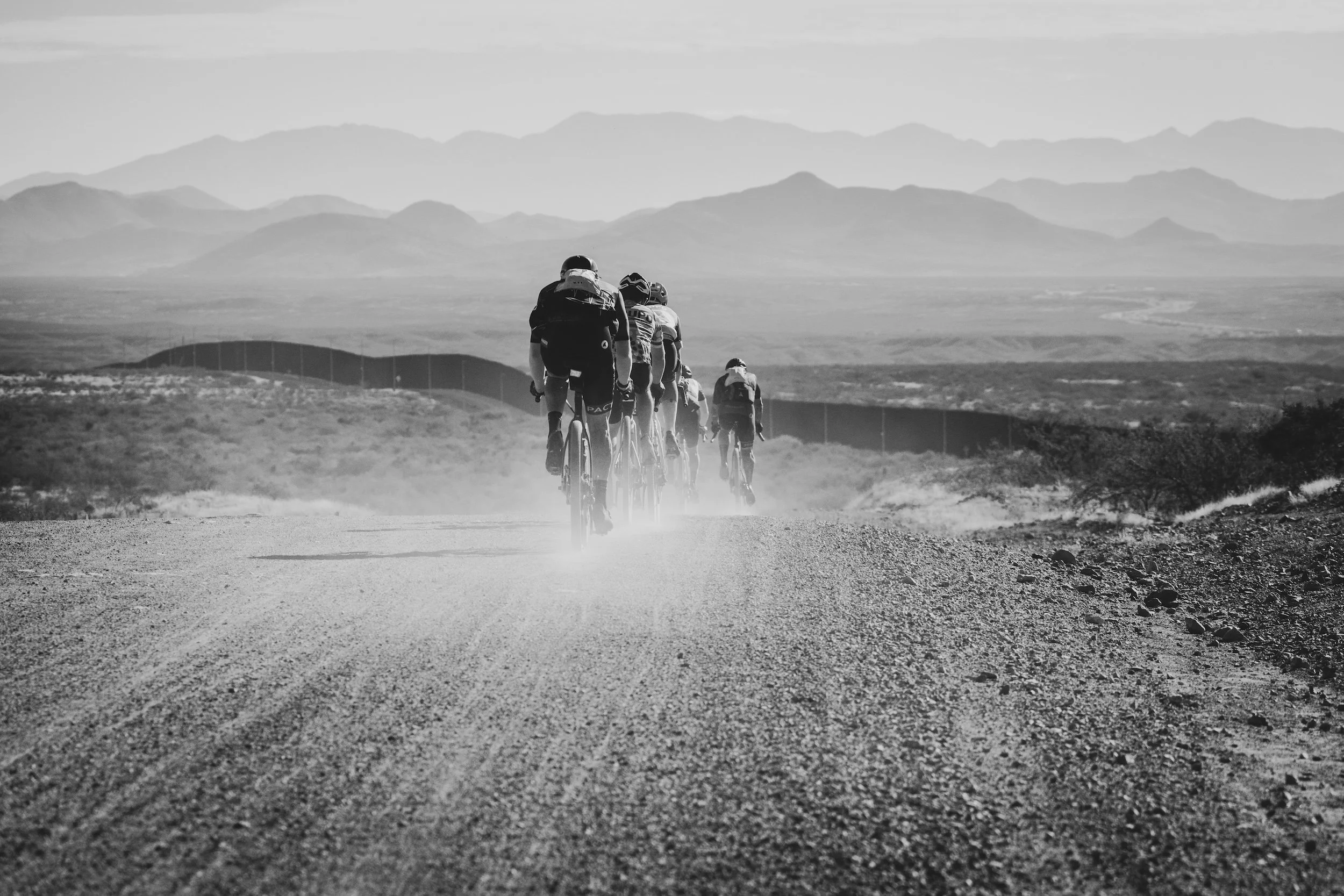
I’ve spent the past week driving the backroads of the desert, shooting photos, meeting with friends who are race organizers, and attending and speaking at the Bicycle Industry Summit.

How Race Directors and Rural Tourism Leaders Should Be Using A.I.
A.I. is everywhere, whether we like it or not.
Scroll through social media, and you’ll quickly come across content that was obviously created with artificial intelligence. From generic race promotions to cheesy videos and synthetic captions that all sound suspiciously similar, A.I.-generated content is becoming increasingly difficult to escape … or avoid.
The question is no longer whether you should use A.I. for your marketing and communications. It’s how you should use it … and more importantly, how much?
Why Paid Advertising Still Matters for Bike Races and Rural Tourism
Last week, I made the argument that bike races and rural communities should stop paying for reach and attention through paid ads. Instead, I argued that it would be more prudent to build your own media ecosystem.
I still stand by that, especially when it comes to building your own media ecosystem.
However, today, I want to pivot. If you have built (or are building) your own media ecosystem, paid ads can actually accelerate what you’re doing.

Why Bike Races Should Stop Paying for Attention
We live in the attention economy.
The primary goal is simply to be noticed. Sure, this applies to personal brands, but I am more interested in how this impacts bike races, trail orgs, and rural communities. You’re competing for attention. Just to get noticed …
As I’ve shared recently, this has occupied so much of my attention lately. We're not only tackling it in the classroom in one of my writing-for-social-media classes, but I also wrestle with it for my personal brand and Trail Builder Magazine.
If we can’t get people to “stop the scroll” and pay attention to our content, we’re losing out. For bike races, that means people registering for your race. For rural communities, it’s about people discovering that your community exists.
There’s organic content (social media, articles, etc.), and then there’s paid content (ads). Which one deserves your attention?

Are You Wasting Time on the Wrong Social Media Platforms?
I’m active on eight different social media platforms.
Instagram. Facebook. LinkedIn. Threads. X. Bluesky. YouTube. TikTok.
And yet, if you’re a race director, trail org, or rural tourism leader, I’m probably not going to recommend that you do the same.
Why?
Because there’s a difference between posting content and having a social media strategy.
Over the past couple of days, I’ve been asking questions about whether you should focus on one or two platforms or try to be everywhere.
The conversations have been fascinating.
In this week’s article, I share why I’ve chosen to maintain a presence across so many platforms, the pros and cons of going deep versus going wide, and how to decide where to invest your limited time and resources.

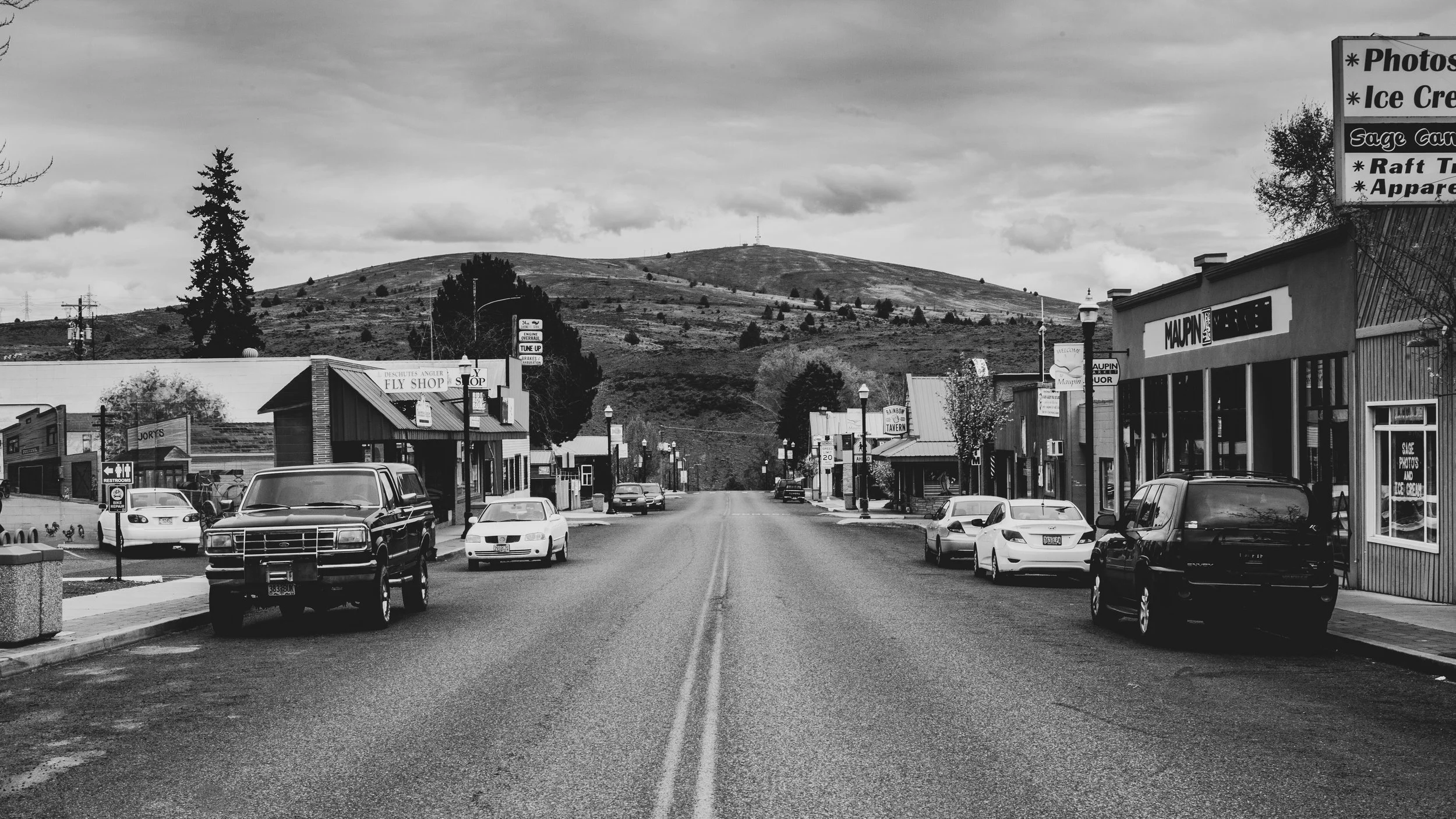
What Does It Take to Become a Trail Town?
The Oregon Outback is a place most people outside of Oregon don’t even know exists.
When most people think of Oregon, they picture the rain-drenched coast, the volcanic spine of the Cascade Mountains, ubiquitous waterfalls, the Columbia River Gorge, and … did I mention rain?
The Oregon Outback is different.

Playing the Long Game: How Long-Form Content Builds an Audience Over Time
In social media, there’s no such thing as one algorithm.
TikTok is different from Instagram, which is different from YouTube, and so on. Even platforms like Instagram have separate systems determining what shows up in Reels, feed posts, Stories, and other parts of the app.
Not only that, but each platform is constantly changing.
While the algorithms are different, they increasingly have one thing in common: they are optimized around interest. Translation? A lot of the content served to us is based on what we’re currently interested in, consuming, engaging with, and searching for.

Visibility Starts With Attention: Why I Created the Visibility Lab
Attention. We all crave it.
But in this case, I’m talking about attention as it relates to a brand, whether that be a rural community, a bike race, a trail organization, or another organization doing meaningful work in the outdoor space.
You see, we could have the most quaint and welcoming town or host a gravel race with stunning scenery and champagne gravel, but if we can’t capture people’s attention so they know we exist, we’re in trouble.
It all starts with attention.
Visibility.

Why Social Media Engagement Matters for Bike Races
Race directors, how important is social media to your race?
Ok, that's a silly question.
Maybe a better question is this: How are you using social media to build a community around your race?
It’s easy to think about social media primarily as a promotional tool. Registration opens, so you post about it. Prices increase next week, so you remind everyone. You announce sponsors, share course maps, post countdowns, and eventually flood your feed with photos and videos from race weekend.
All of those things have their place and indeed are important.
But social media can do something much more valuable for your race. It can help you build relationships with the people you eventually want to show up.
And that starts with engagement.

Gravel Cycling as Rural Economic Development: Why Bike Races Can Put Small Towns on the Map
Sometimes it's hard to admit that a gravel bike race is not going to save a rural town. Communities that have experienced decades of population loss, industry changes, declining tax bases, or fewer local businesses are dealing with challenges far more complicated than anything a cycling event can solve.
