
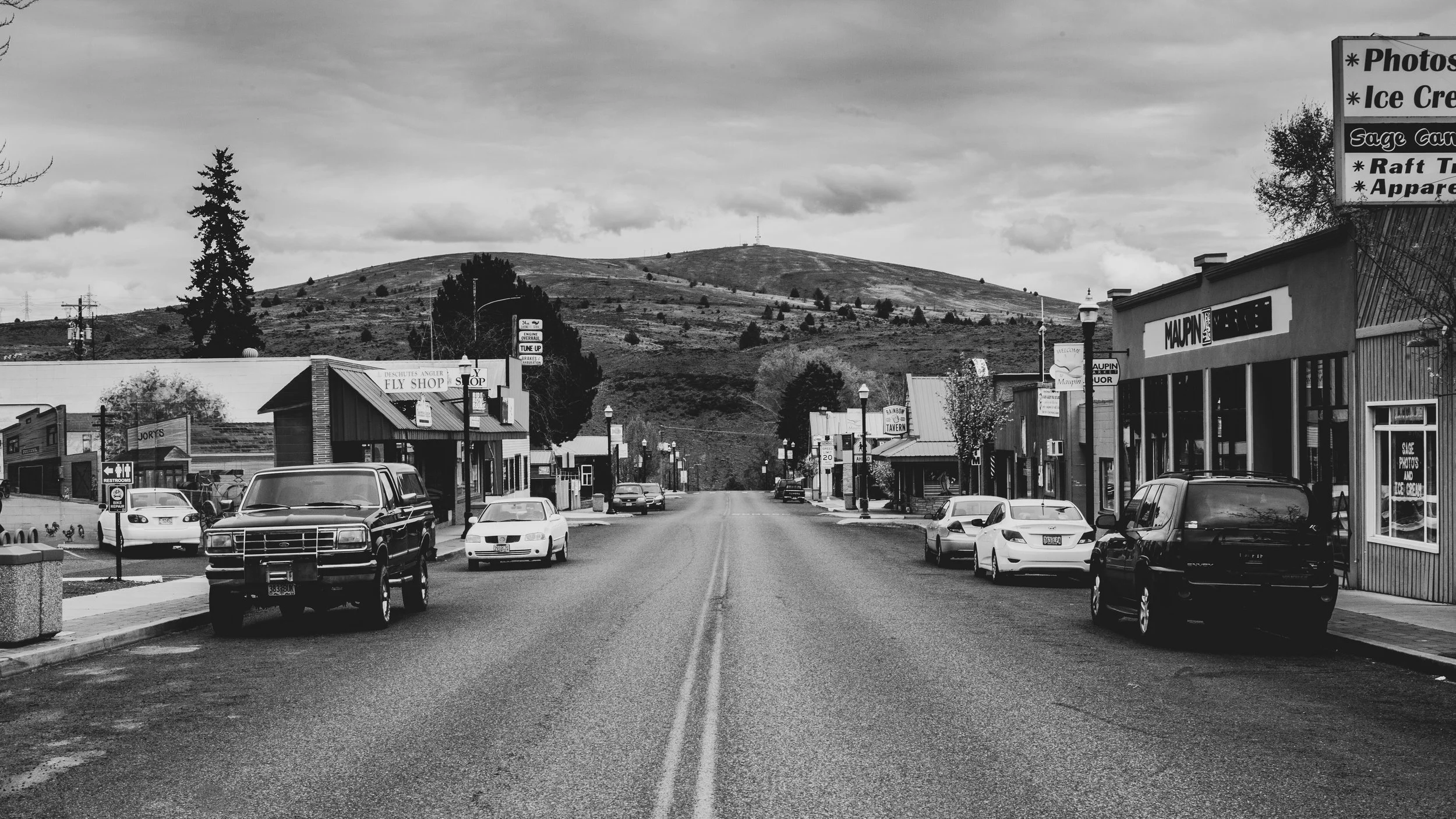
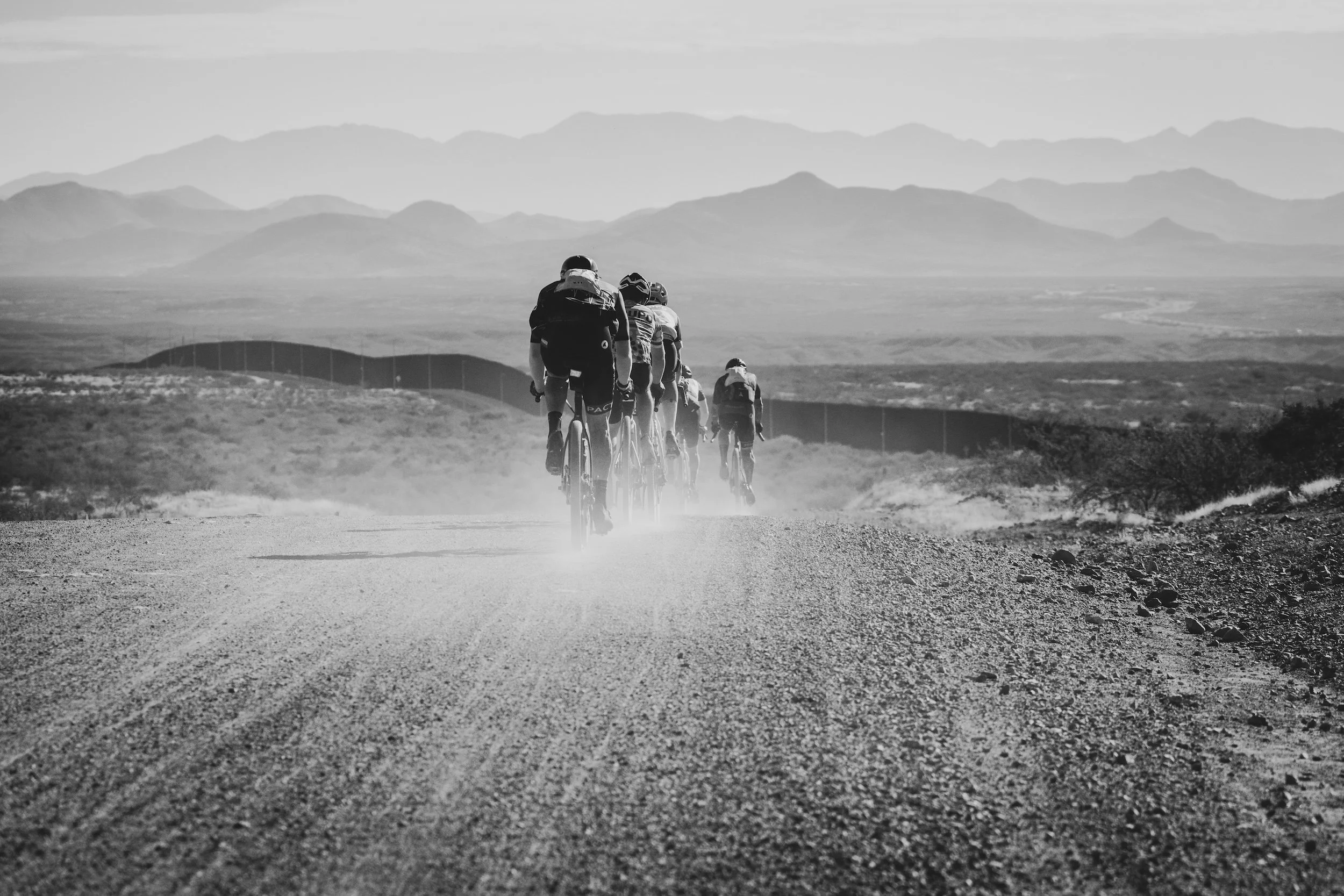
Why Paid Advertising Still Matters for Bike Races and Rural Tourism
Last week, I made the argument that bike races and rural communities should stop paying for reach and attention through paid ads. Instead, I argued that it would be more prudent to build your own media ecosystem.
I still stand by that, especially when it comes to building your own media ecosystem.
However, today, I want to pivot. If you have built (or are building) your own media ecosystem, paid ads can actually accelerate what you’re doing.

Why Bike Races Should Stop Paying for Attention
We live in the attention economy.
The primary goal is simply to be noticed. Sure, this applies to personal brands, but I am more interested in how this impacts bike races, trail orgs, and rural communities. You’re competing for attention. Just to get noticed …
As I’ve shared recently, this has occupied so much of my attention lately. We're not only tackling it in the classroom in one of my writing-for-social-media classes, but I also wrestle with it for my personal brand and Trail Builder Magazine.
If we can’t get people to “stop the scroll” and pay attention to our content, we’re losing out. For bike races, that means people registering for your race. For rural communities, it’s about people discovering that your community exists.
There’s organic content (social media, articles, etc.), and then there’s paid content (ads). Which one deserves your attention?

Why Social Media Engagement Matters for Bike Races
Race directors, how important is social media to your race?
Ok, that's a silly question.
Maybe a better question is this: How are you using social media to build a community around your race?
It’s easy to think about social media primarily as a promotional tool. Registration opens, so you post about it. Prices increase next week, so you remind everyone. You announce sponsors, share course maps, post countdowns, and eventually flood your feed with photos and videos from race weekend.
All of those things have their place and indeed are important.
But social media can do something much more valuable for your race. It can help you build relationships with the people you eventually want to show up.
And that starts with engagement.

Gravel Cycling as Rural Economic Development: Why Bike Races Can Put Small Towns on the Map
Sometimes it's hard to admit that a gravel bike race is not going to save a rural town. Communities that have experienced decades of population loss, industry changes, declining tax bases, or fewer local businesses are dealing with challenges far more complicated than anything a cycling event can solve.

What Makes a Great Bike Race? 5 Ingredients That Matter
It is exhilarating to shoot photos at bike races. It doesn't matter if it's gravel, MTB, or road; I am genuinely giddy when I'm out on the road or trail with a camera in hand, waiting for the first racers to come into view.
Anticipation sharpens alertness. Before the lead racer gets to me, I'm constantly surveying the setting for interesting camera angles and perspectives. Then once the first rider zips by, it's run-and-gun photo shooting for the rest of the race.
It's in the moments in between that I have time to think and reflect about not just the race, but the whole spectacle of race weekend festivities.

Content Marketing for Bike Races: How to Drive More Registrations
Race directors, I have a question for you.
How much money are you spending on advertising your race?
Facebook and Instagram ads. Google Ads. Sponsored posts. Cycling media. Maybe a boosted post here and there when registration numbers need a little help.
Now for the harder question: Is it actually driving registrations?

Beyond the Registration Push: Why I Wrote a Content Marketing Guide for Race Directors
Most race directors know how to promote a race.
Far fewer know how to build a brand.
Every year I see race directors pour enormous amounts of energy into registration announcements, sponsor posts, deadline reminders, and race-week updates. Then for many, almost as quickly as the finish line is packed away, the content stops.
The race disappears from social media.
The website sits unchanged for months.
Momentum fades.
Then, months before the race begins again next year, the process starts all over again.
I keep thinking there has to be a better way.

Long-Form Content in a Short-Form World: Why Towns and Bike Races Need Both
Your latest social media post could be thoughtful, beautifully produced, and genuinely useful.
It could also disappear from your followers’ feeds before most of them ever knew it existed.
Social media is a lot of fun for me. Over time, I have trained my algorithms to show me content I am interested in. My feeds are filled with bikes, trails, outdoor recreation, photography, small towns, rural tourism, and content marketing. All fun stuff.
But when it comes to creating and publishing social media content, there is a reality we cannot ignore.

Every Race Has a Personality. Your Social Media Should Show It.
I’ve worked with a lot of race directors over the years.
Different regions. Different disciplines. Different goals.
But one thing always stands out to me the moment I show up on race day: Every race has a personality.
You can feel it before the start. Some races feel more grassroots and raw. Others feel polished, sleek, and fast. Some are quiet and community-driven. Others feel like a full-on festival or party.

Shooting a Mountain Bike Race with a $40 Camera (What I Learned)
I have an affinity for older DSLR cameras.
My first full-frame was a Canon 5D Mk II, which I still shoot with on occasion. Beyond that, I’ve built up a collection of 15–20+ year old Canon bodies—XTi, XT, XS, 20D, 30D, and more.
It started as a teaching tool.
Every fall, I teach an intro to photography course. Instead of handing students the latest gear, I give them cameras I’ve picked up at thrift stores or on eBay for $10–$40.
And honestly? They’re perfect for learning.
