It was a whirlwind of a week for me. I’m typing this while sitting on a plane bound for Portland, having departed Tucson at around 7:00am.
I’ve spent the past week driving the backroads of the desert, shooting photos, meeting with friends who are race organizers, and attending and speaking at the Bicycle Industry Summit.
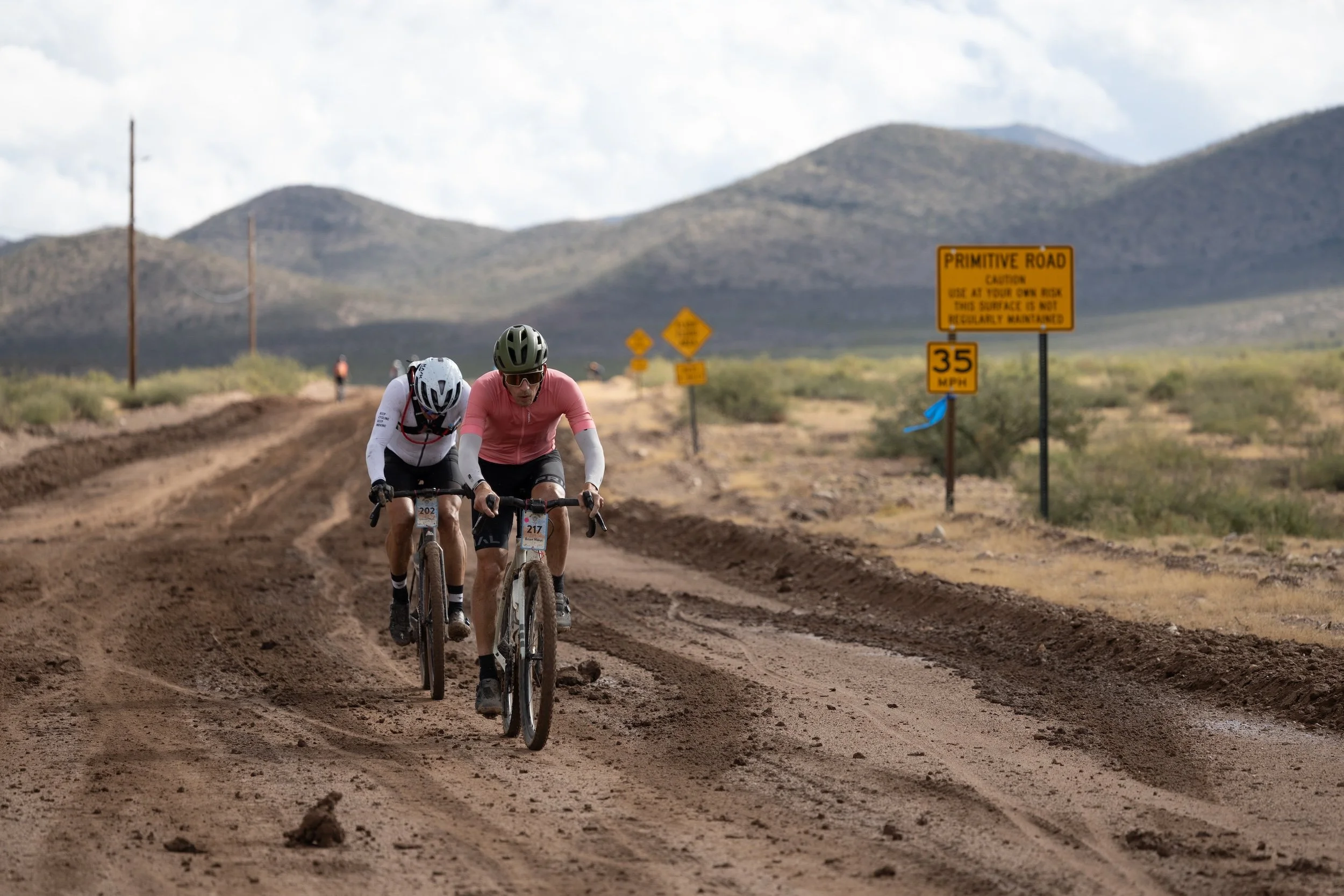
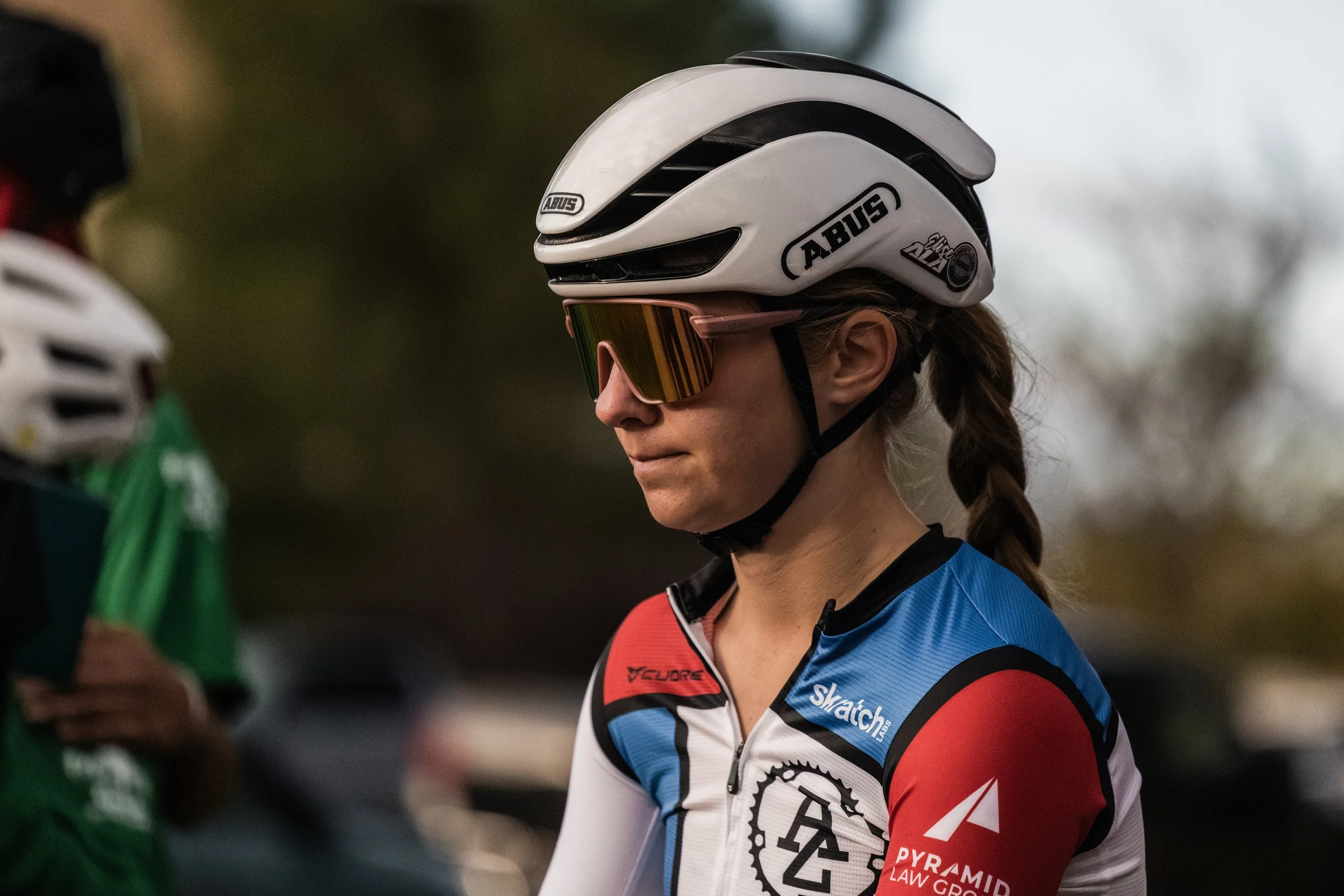
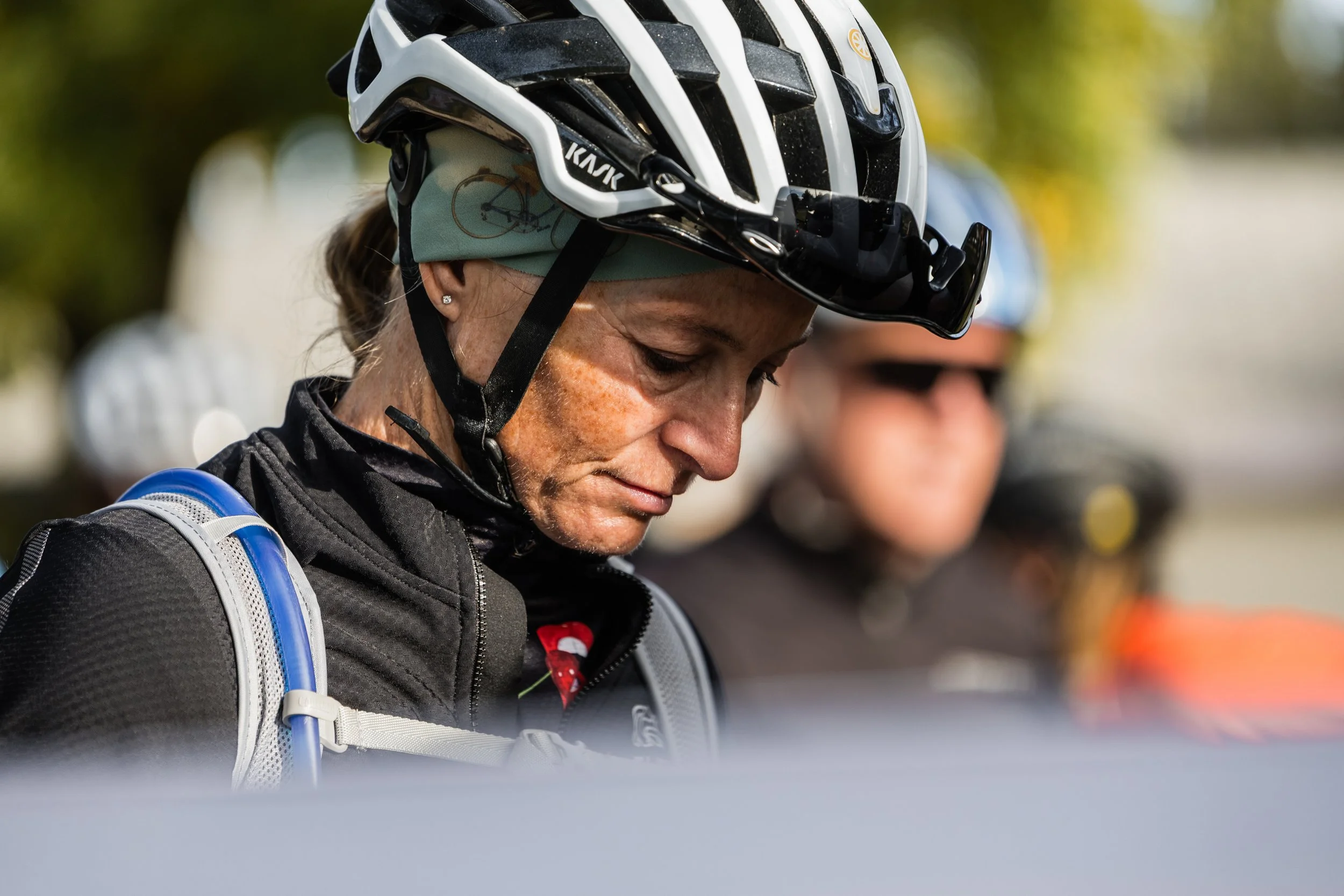
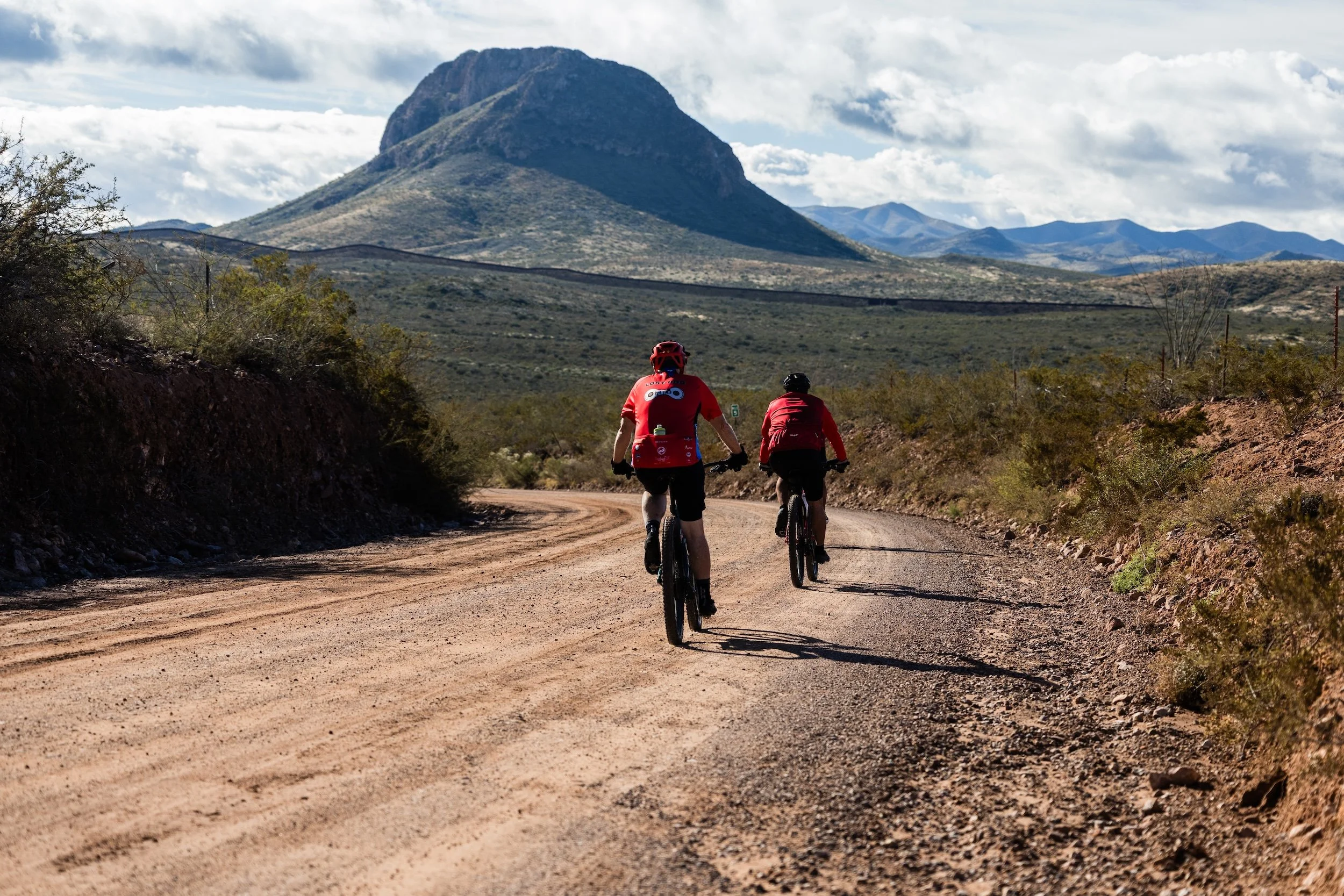
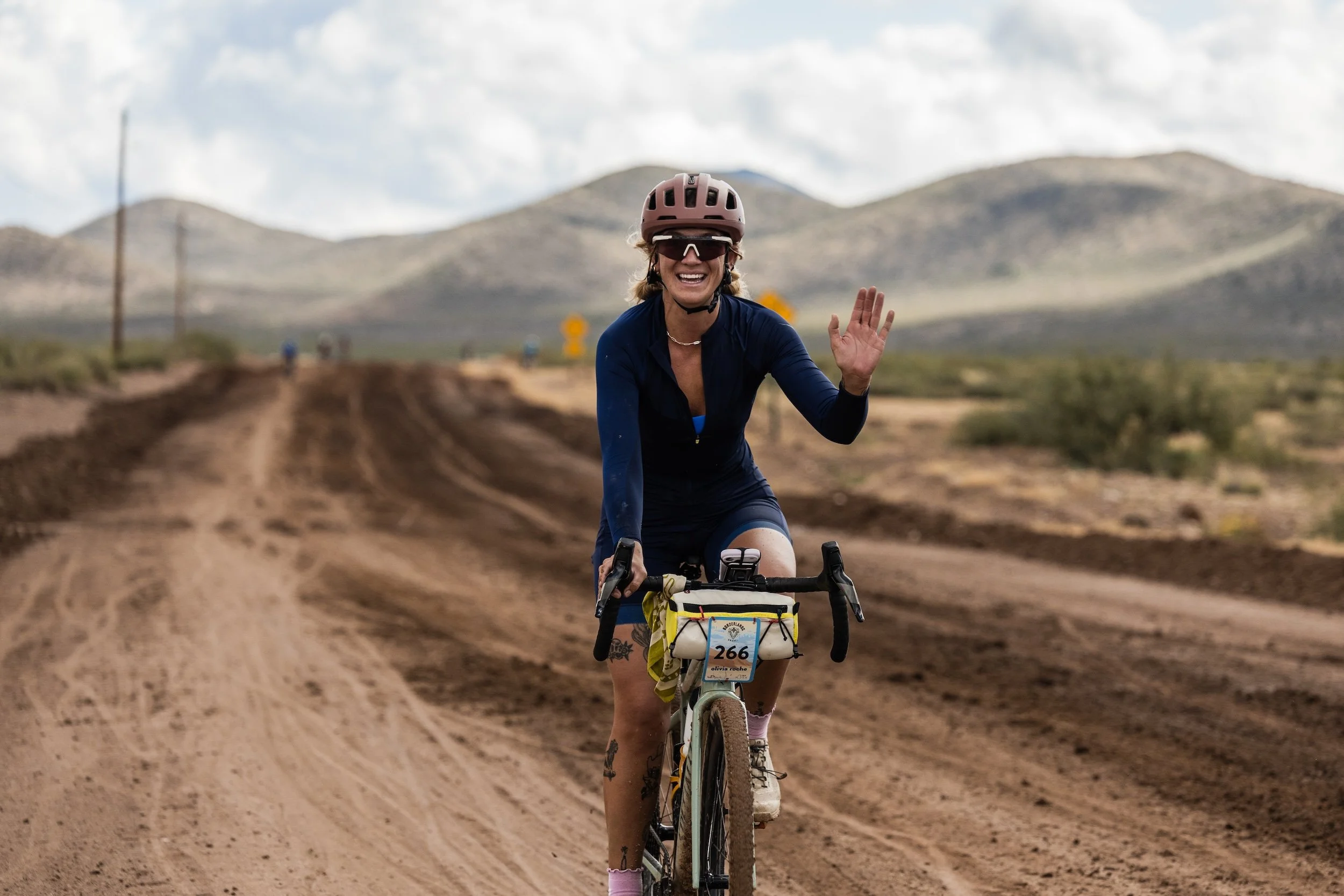
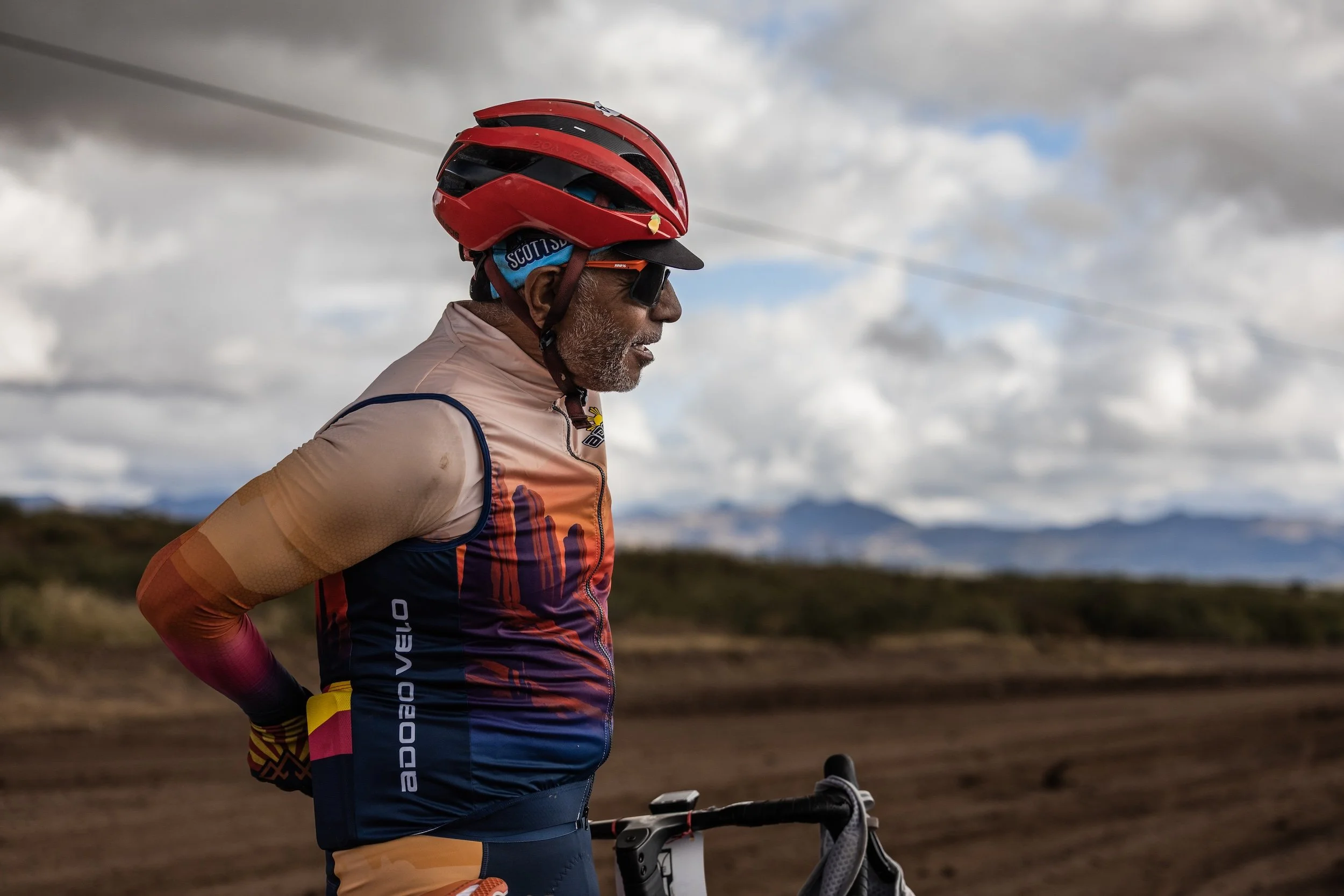
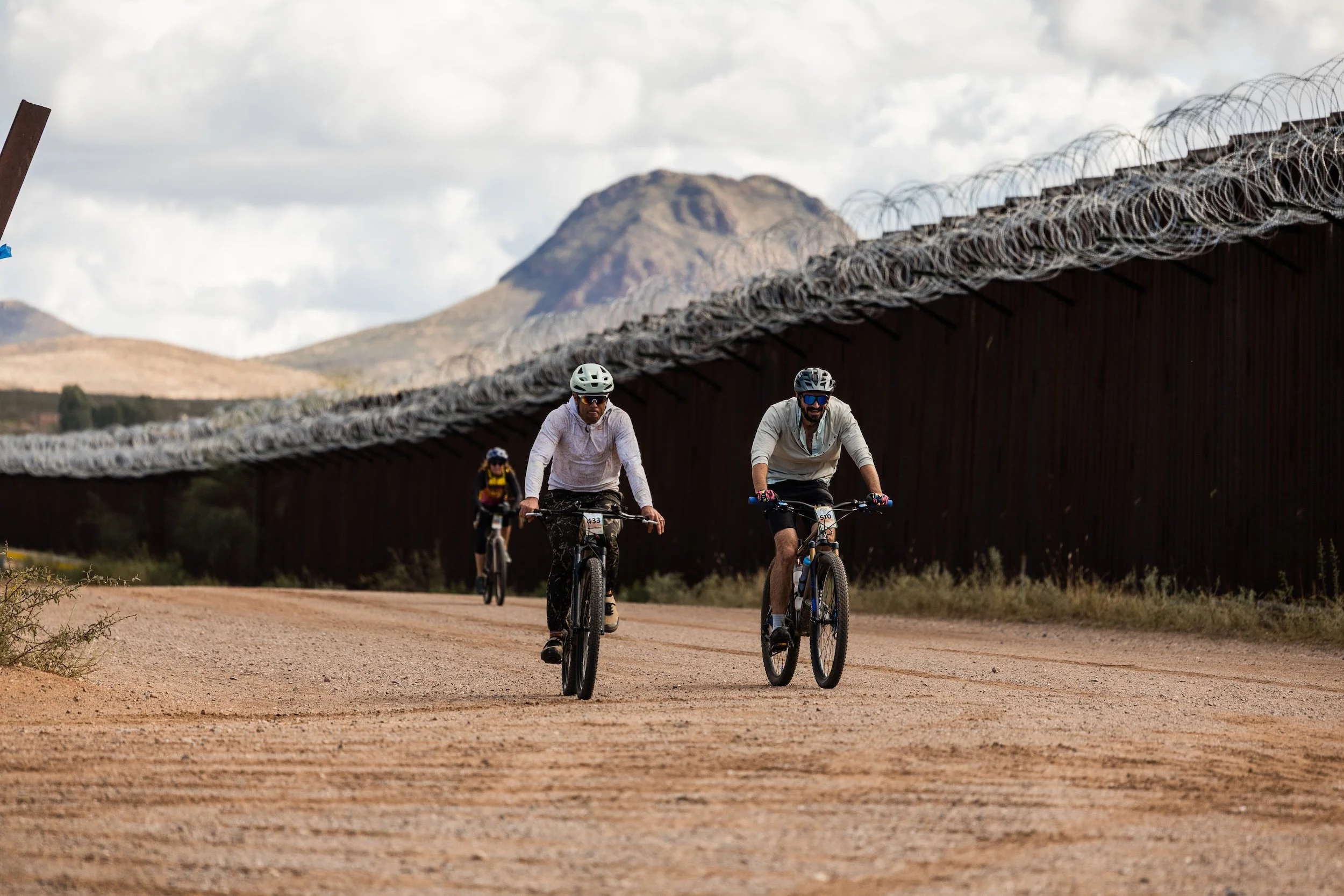
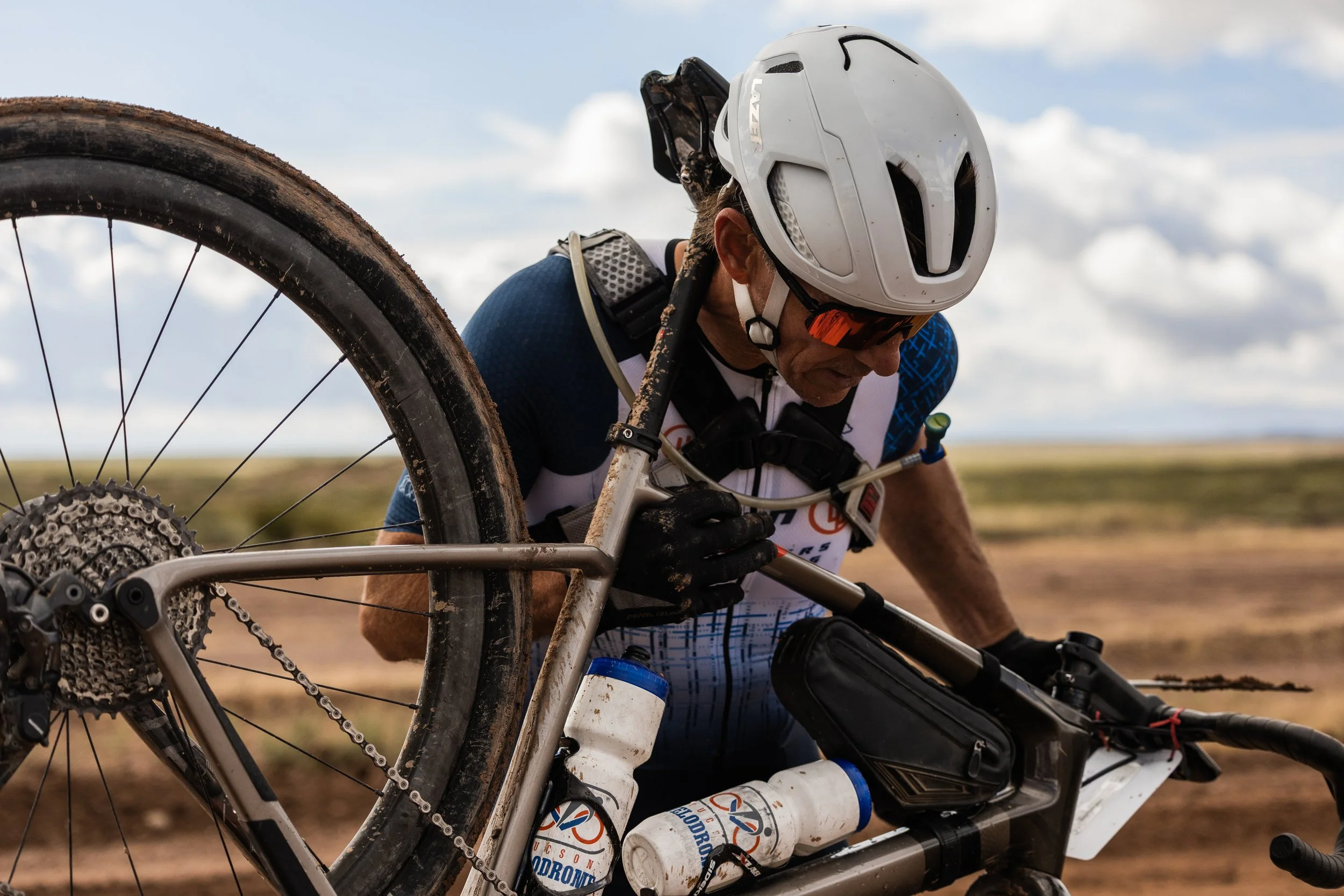
Apart from a torrential downpour the night before, the BorderLands Gravel race went off without a hitch. The rain did muddy up portions of the medium and long courses. Those who came into gravel from road cycling were probably especially annoyed with the mud. For mountain bikers? Just another day in the dirt.
My role for the weekend was capturing photo and video content for social media. Fun times as always, and we’re already planning for next year’s race. Lots of work to be done.
Rather than flying back to Portland immediately after the race only to turn around and come back to Tucson a day or two later for the conference, I stayed in town.
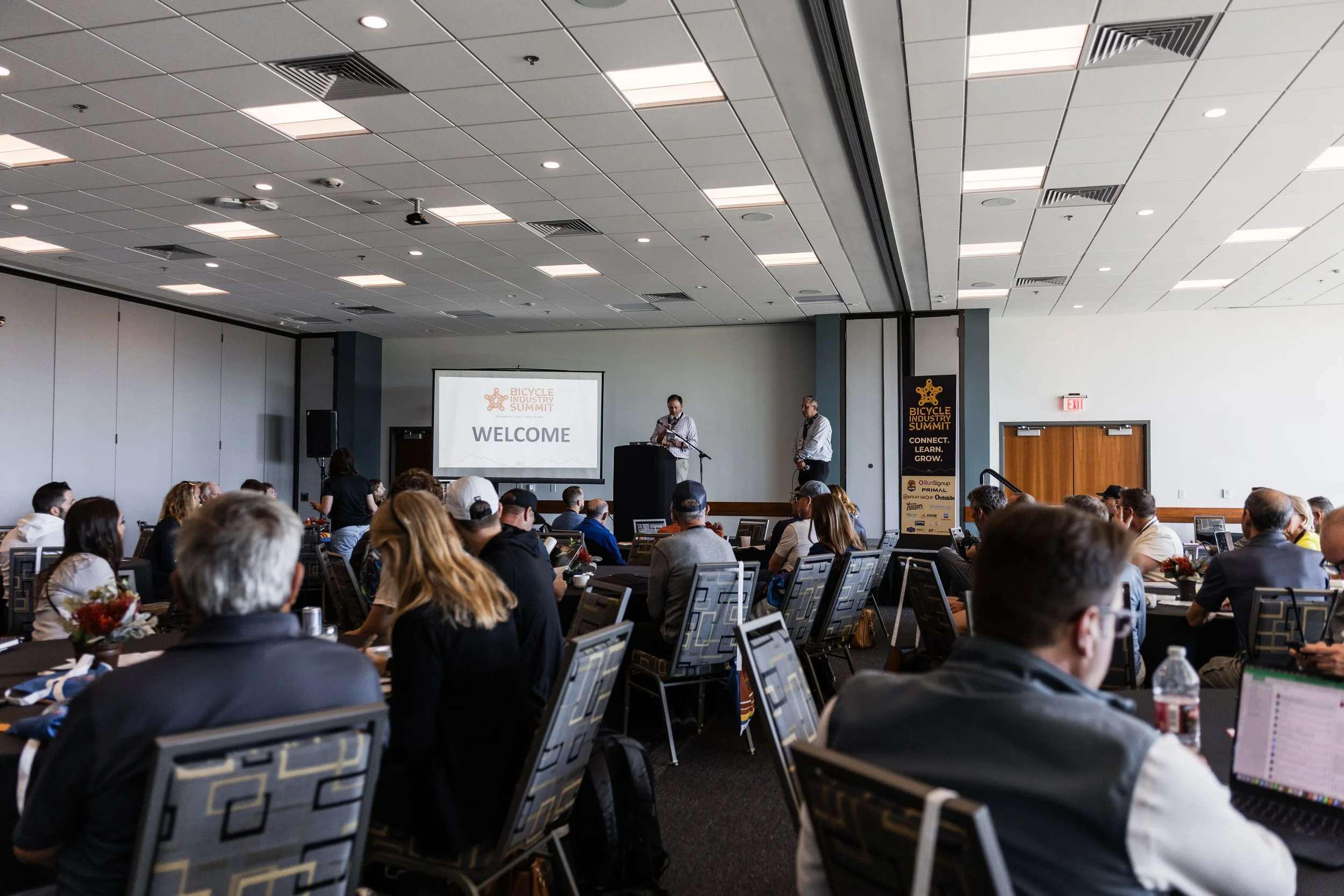
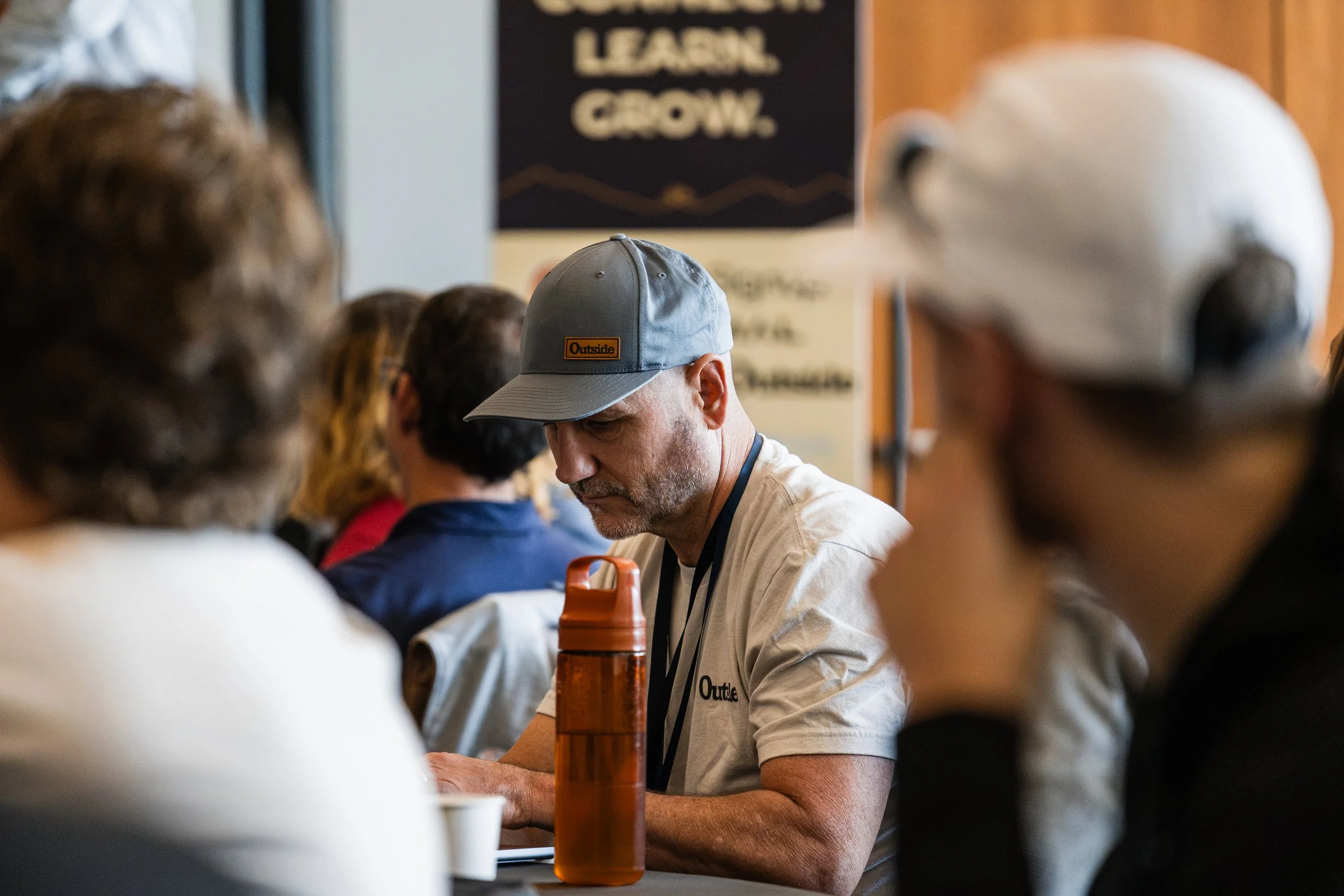
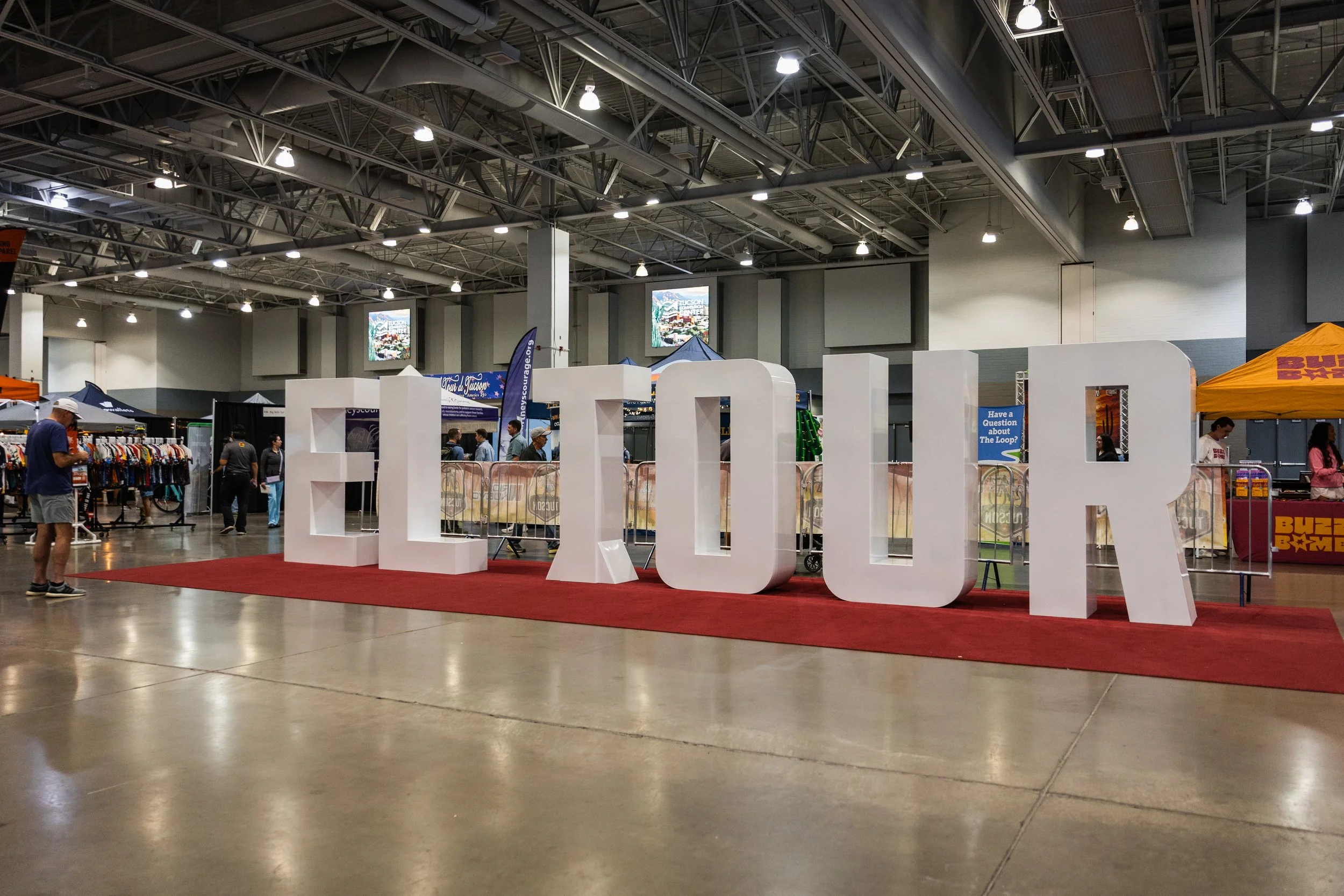
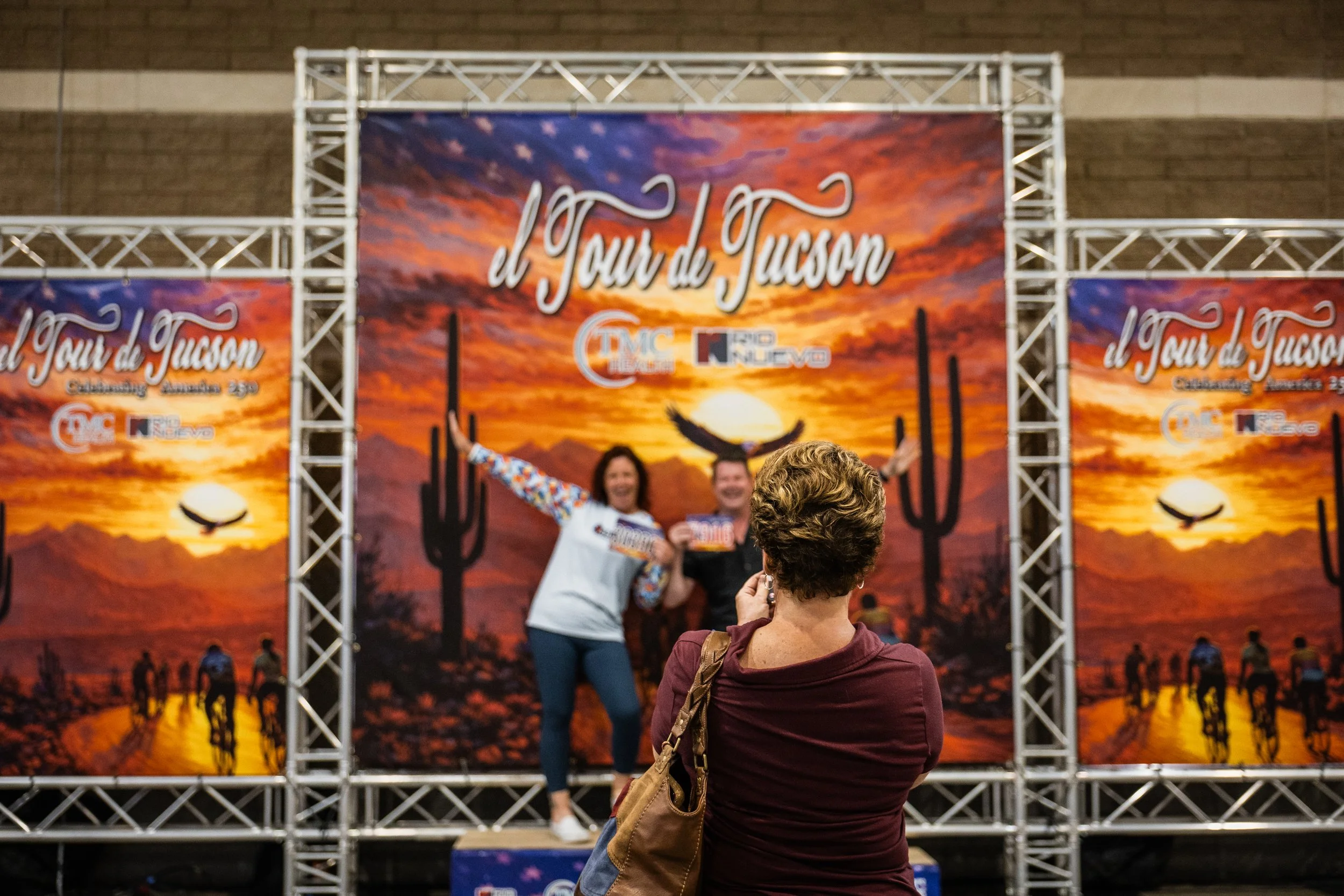
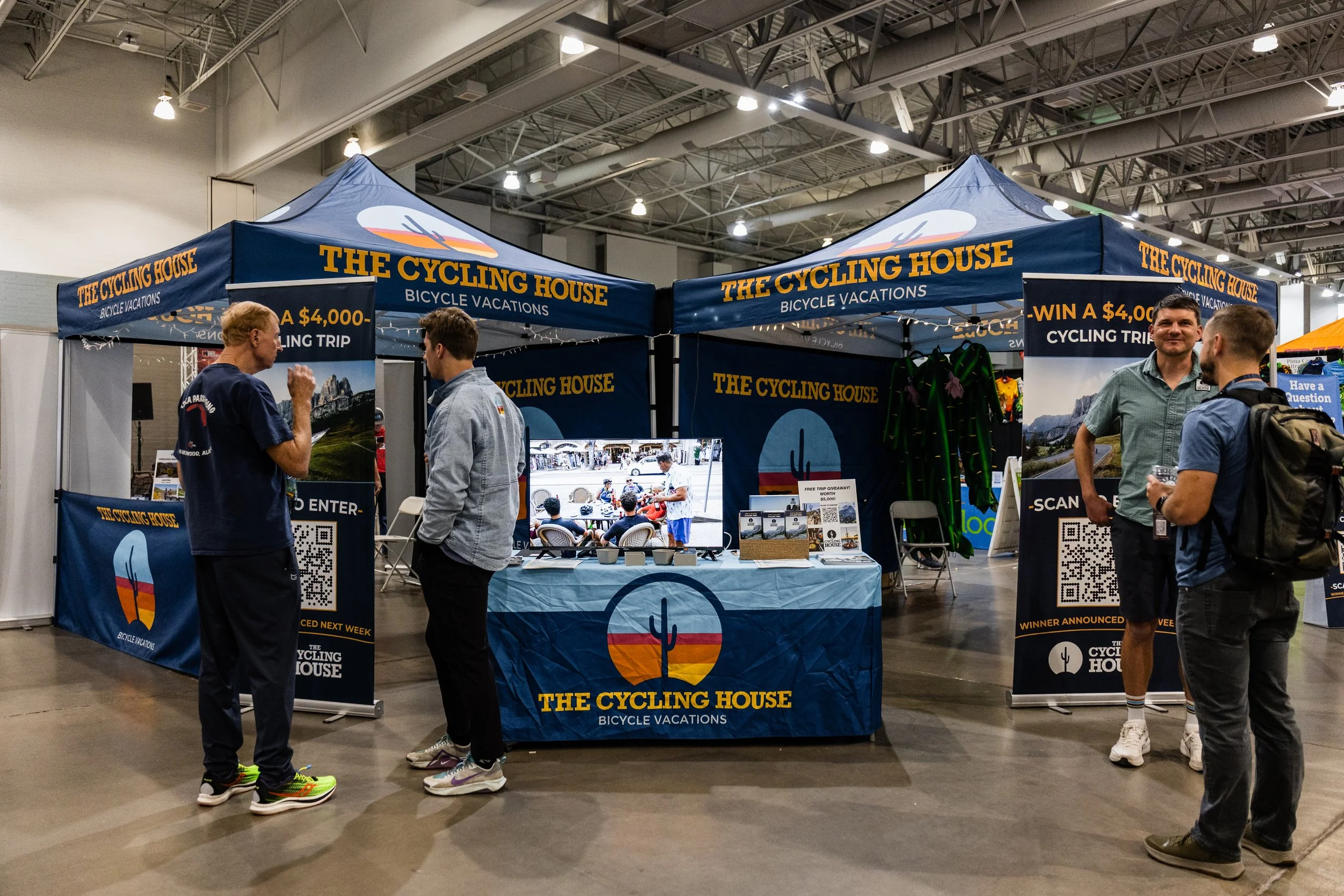
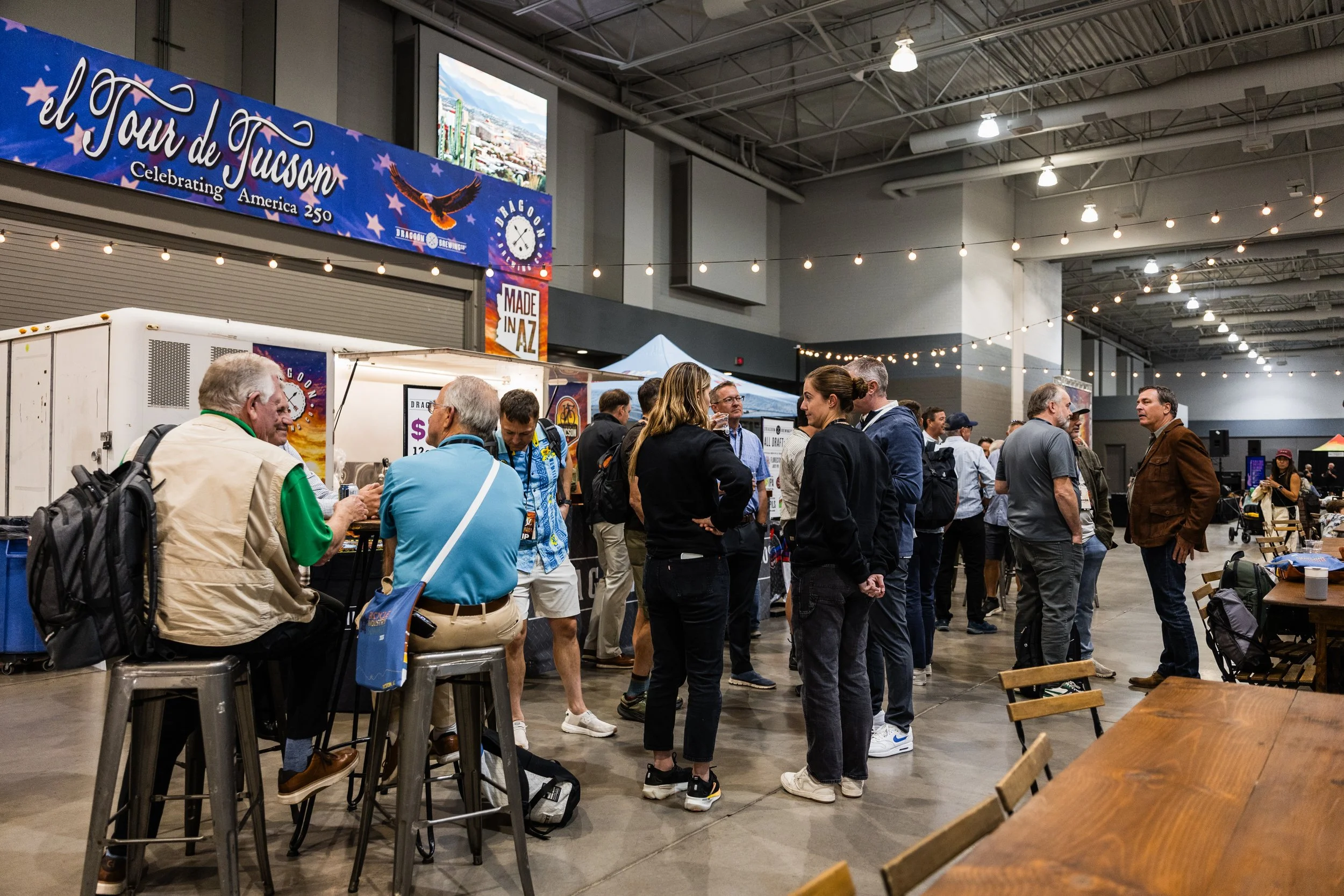
I didn’t know what to expect of the Bicycle Industry Summit. It was designed to coincide with the massive El Tour de Tucson, which features over ten thousand cyclists. We had brands and race organizers from all over together in one room. It was a special time, and I had the wonderful privilege of meeting so many amazing people.
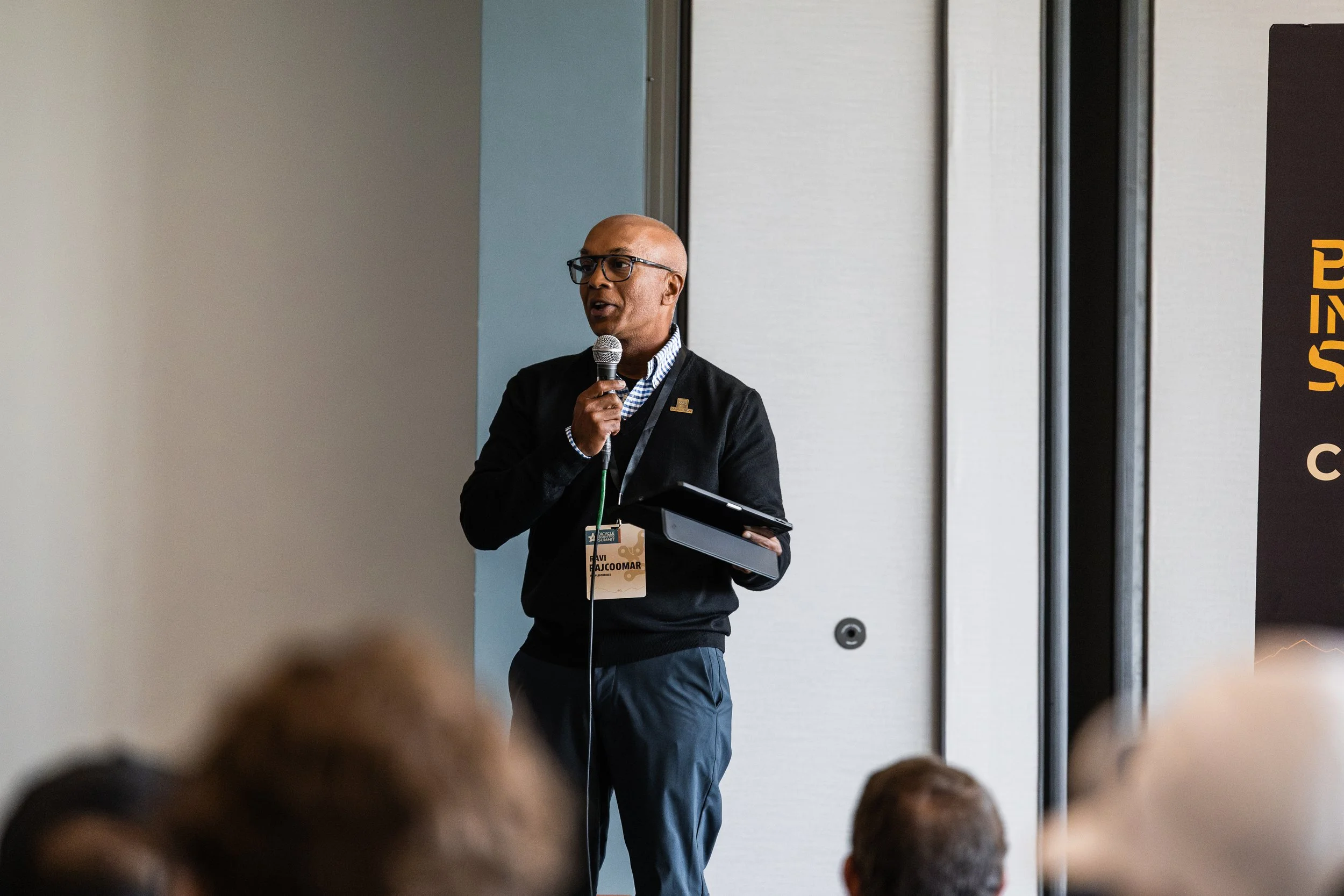
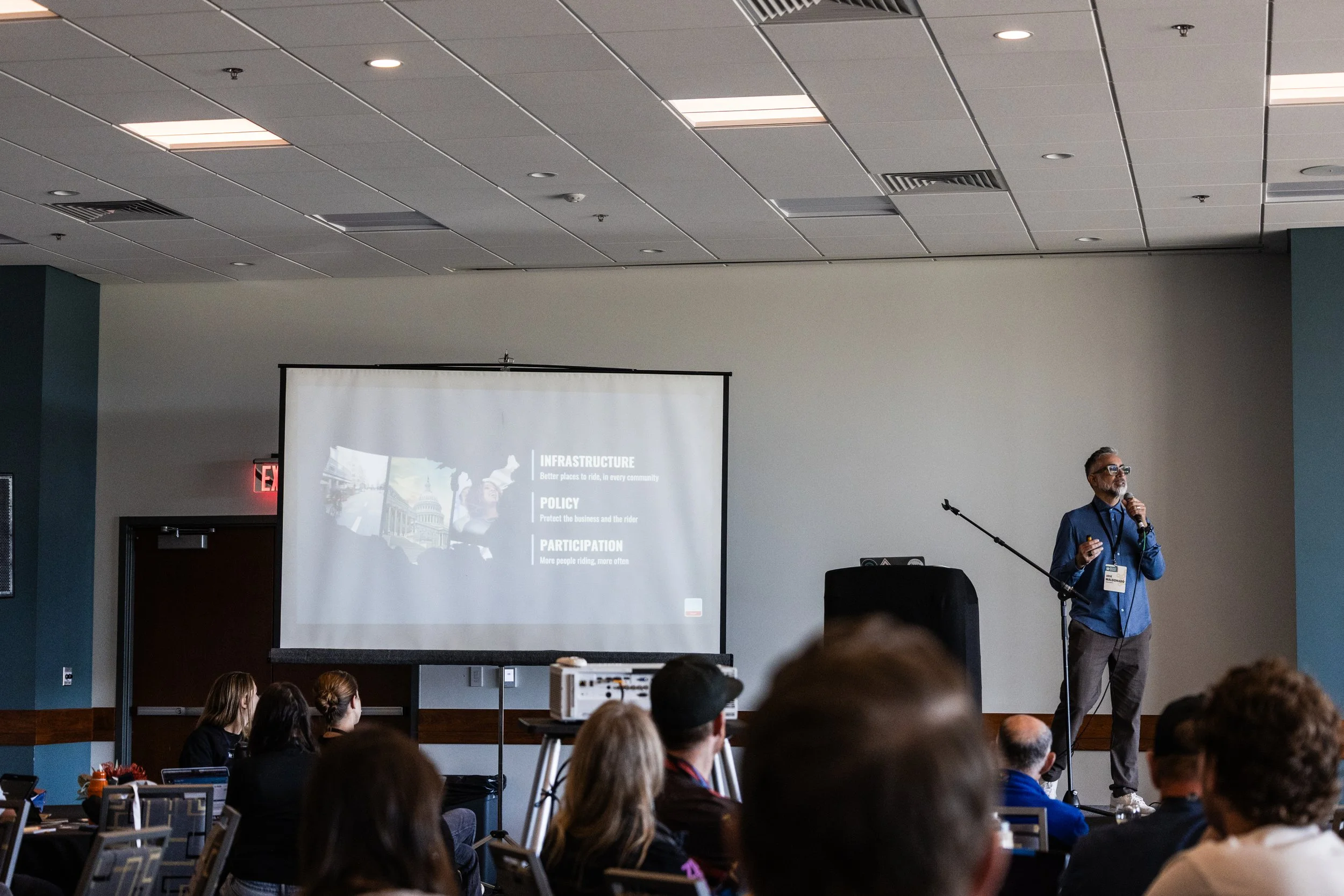
My breakout session was titled “Content That Connects: Social Media Strategies for Cycling Events.”
In the room were all kinds of race organizers, ranging from those who put on one race a year to those who organize 10 or more, and everything in between. It was even fun to have the co-founder of the Sea Otter Classic there as well.
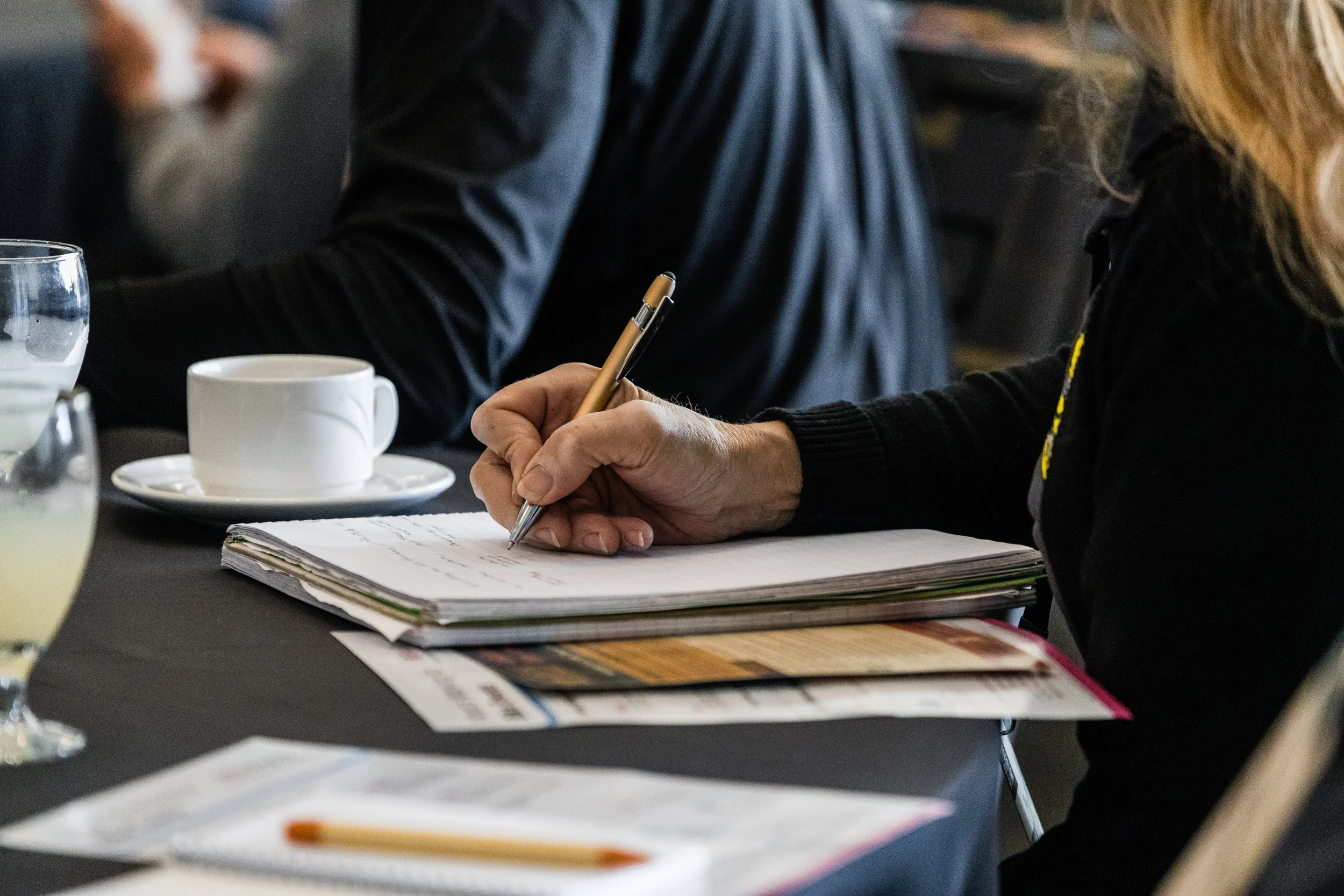
In all honesty, I wish I’d had more time to sit and listen to everyone else. There was, and is, lots of experience and wisdom in that room.
But I was there to talk about social media, and those who came to my workshop were there for that same reason.
How do we crack the nut of social media?
The Challenge of Getting Noticed on Social Media
I spent a good bit of time on the front end talking about how we even create the kind of content that people notice. In other words, creating scroll-stopping content.
That’s easy to type and even talk about, but oh so hard to do.
There’s so much competing for our time and attention on social media. If you’re a race organizer, your content sits in the same feed as cat videos, goofy AI content, other races, your friend’s wedding, ads, recommended posts, and so much more.
And yet, here we all are, trying to create a piece of content that punches through all of that noise. The goal? First, simply to get people to notice. Then, ultimately, to stop, watch, read, or click.
That’s the game.
While it’s never been easier to create, publish, and distribute content, it’s never been more difficult to get noticed. Also, the algorithm doesn’t necessarily care if you’ve been able to amass a decent-sized following. If your content isn’t captivating, let alone interesting, people will keep scrolling.
Conversely, you could have a brand-new account with 157 followers, but if you create compelling content, your lack of followers won’t necessarily limit its reach.
Interesting wins every time.
It all then goes back to how we create interesting content. Maybe the first question should be, what does our audience find interesting?
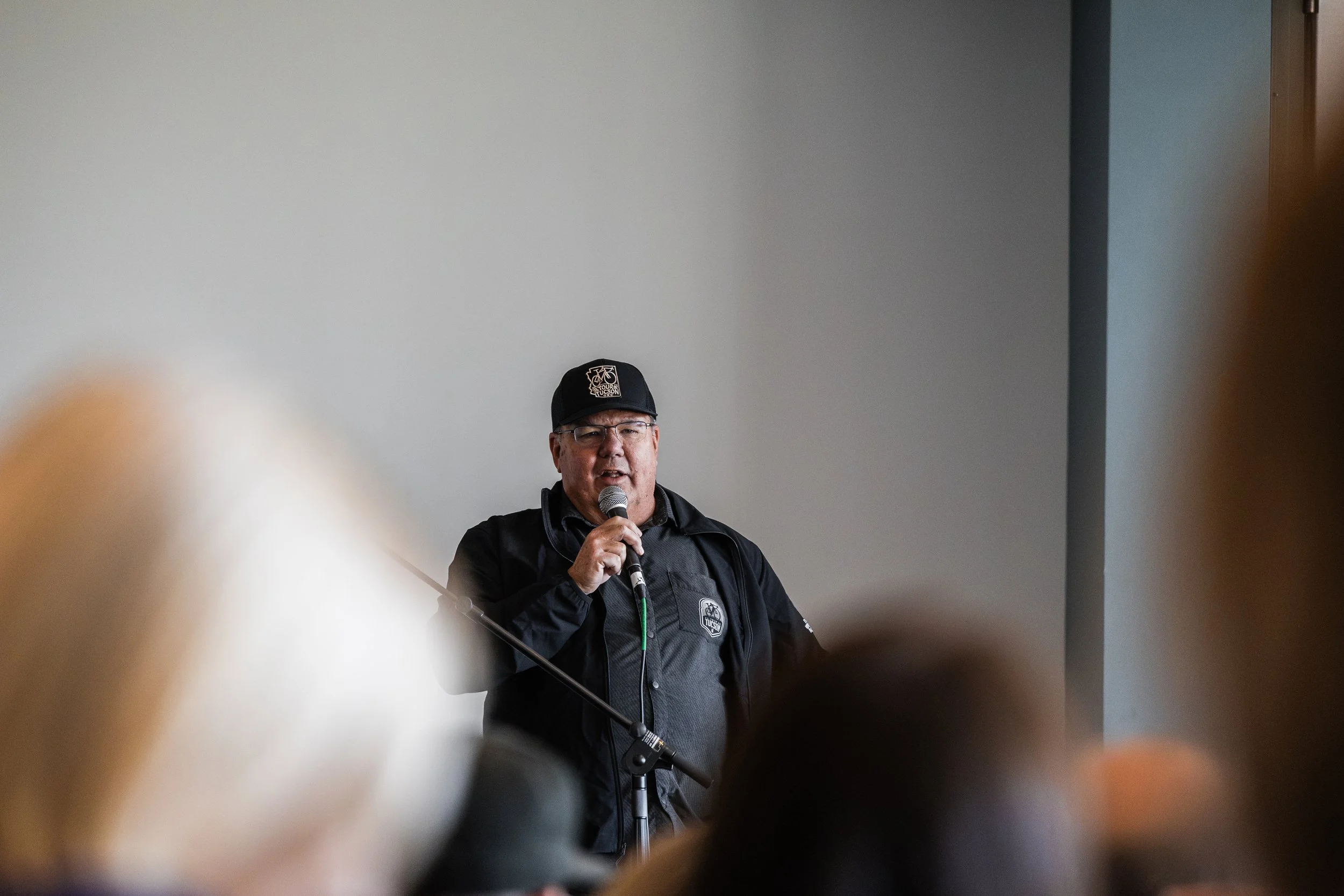
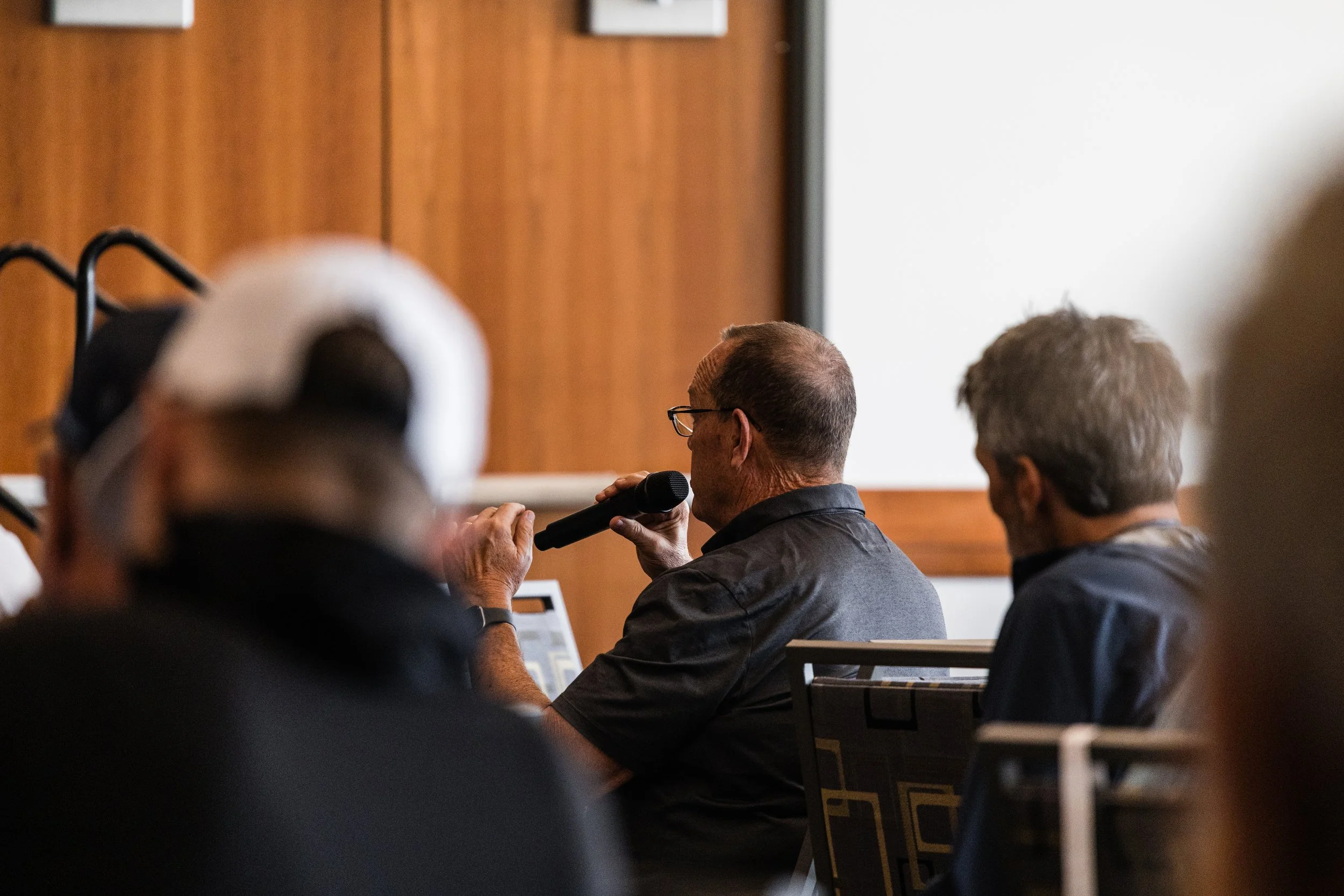
What Does Your Audience Actually Find Interesting?
As a race organizer, director, or promoter, you’re obviously trying to get as many people as possible to register for your race.
However, you also know that if you simply spam “register now” content, people will eventually tune you out. You might as well scream into cyberspace. No one will hear you.
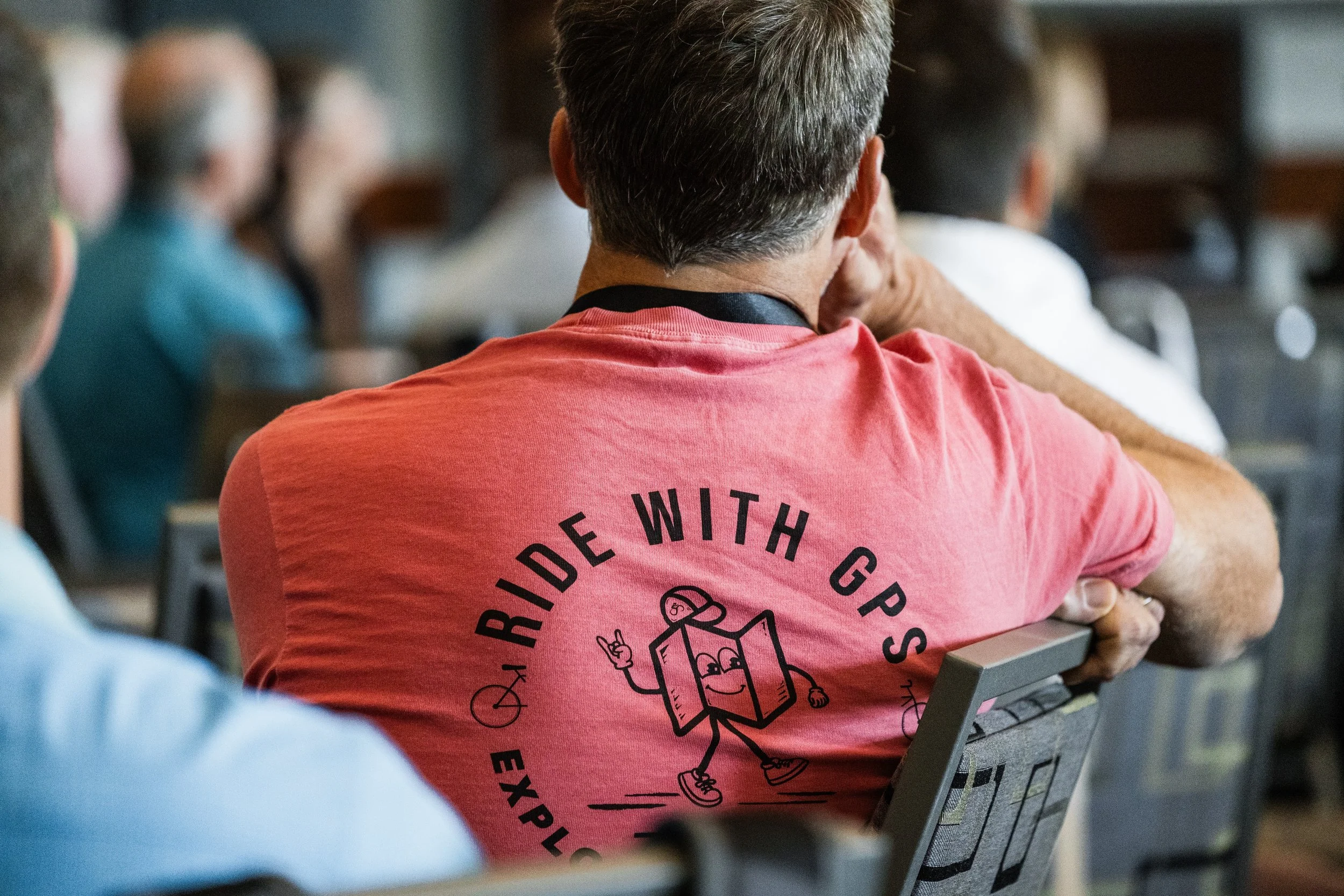
One of the fun little exercises we did during the workshop was having everyone pull out their phones, open their social media app of choice, and scroll until they found a piece of content that caught their attention.
And so we talked about it. Again, what is not only interesting, but what makes us stop?
For some, it was a catchy graphic. For others, a video. Some gravitated toward educational content, while others leaned more toward entertainment. There wasn’t one particular format that worked for everyone.
This is the same thing each and every one of your potential race attendees does whenever they open social media throughout the day, each and every day. They’re not necessarily looking for your race. They’re looking for something interesting.
Your job is to create something worth stopping for.
Beyond Scroll-Stopping Content
Of course, getting someone to stop scrolling is only the beginning.
We don’t want people to simply stop. We want them to watch, read, like, comment, share, and ultimately take action. But here’s where I think race organizers sometimes get things backward.
We start with what we want people to do rather than what they might find interesting.
We want registrations, so we create registration posts. We want people to know about our sponsors, so we create sponsor posts. We want people to know that prices increase next week, so we create another reminder.
There’s certainly a place for all of that content. But if that’s the extent of our social media strategy, we’re missing an enormous opportunity.
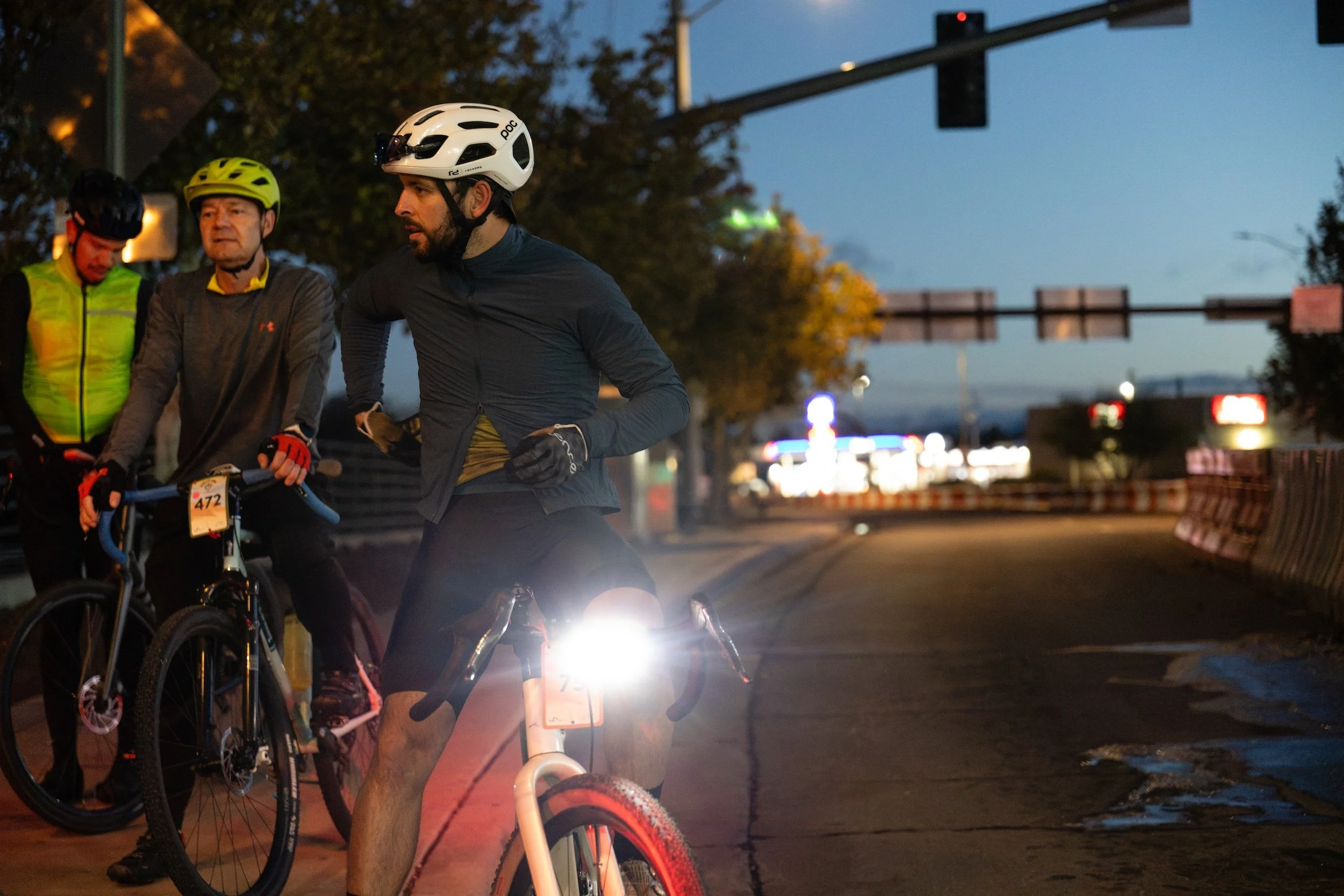
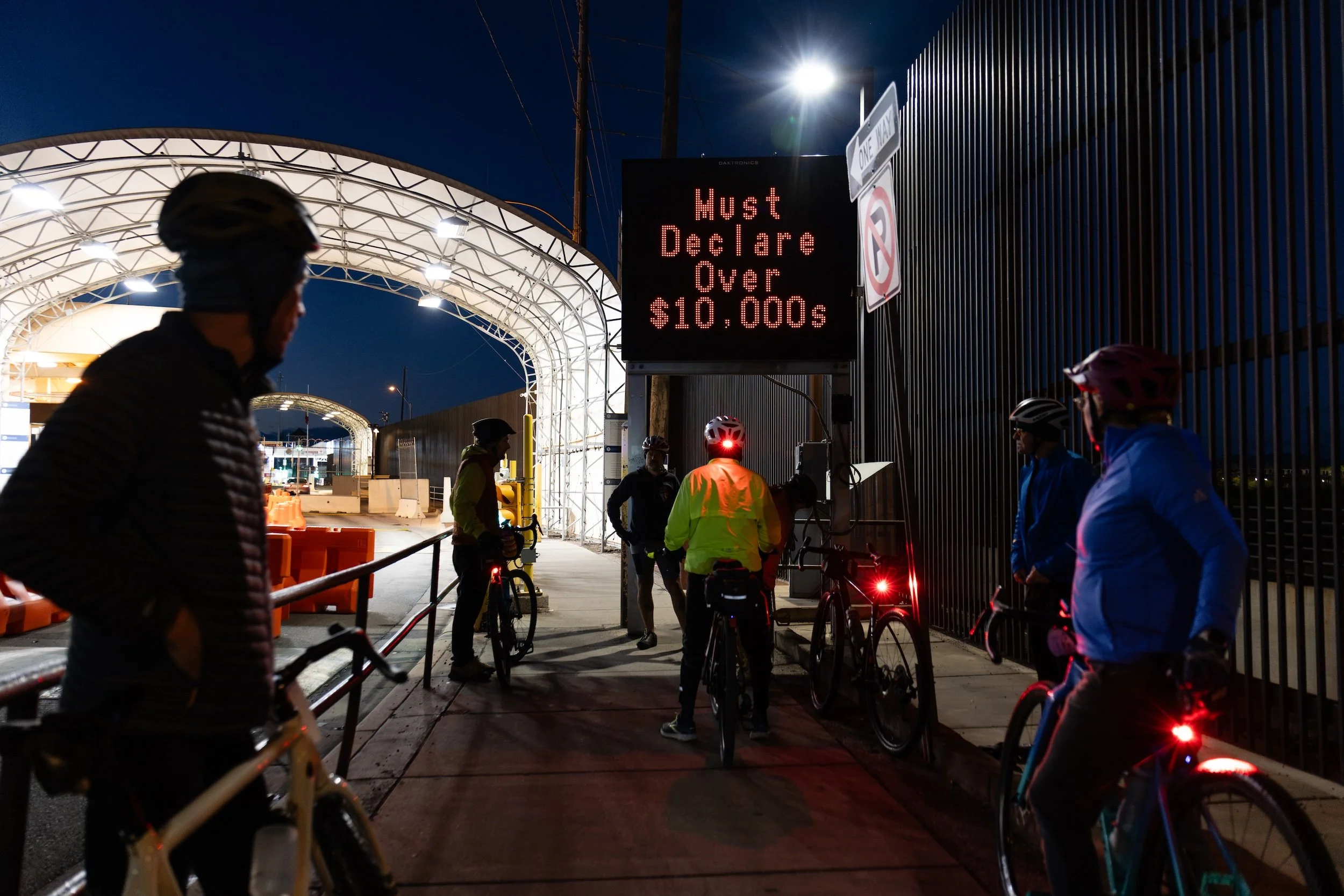
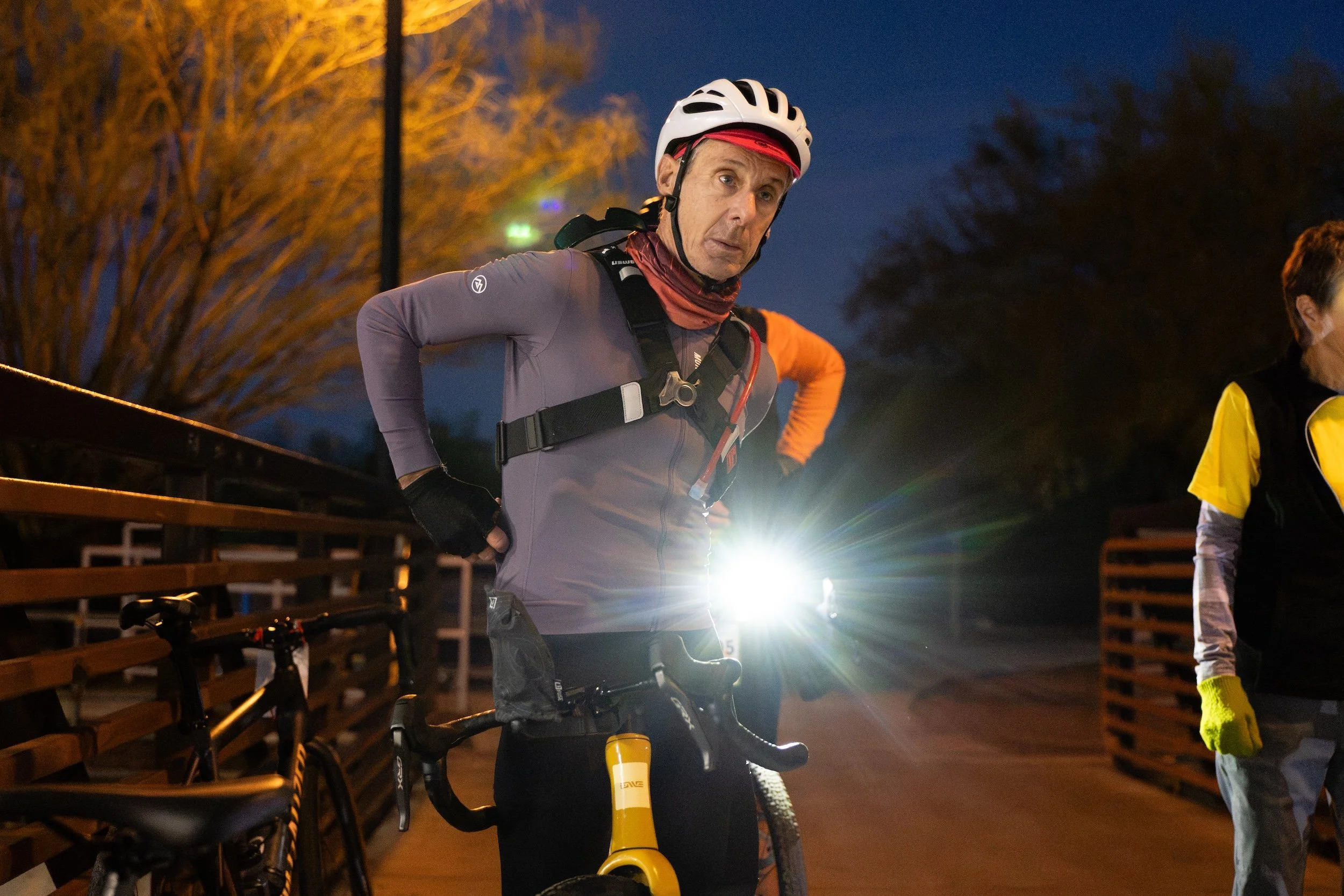
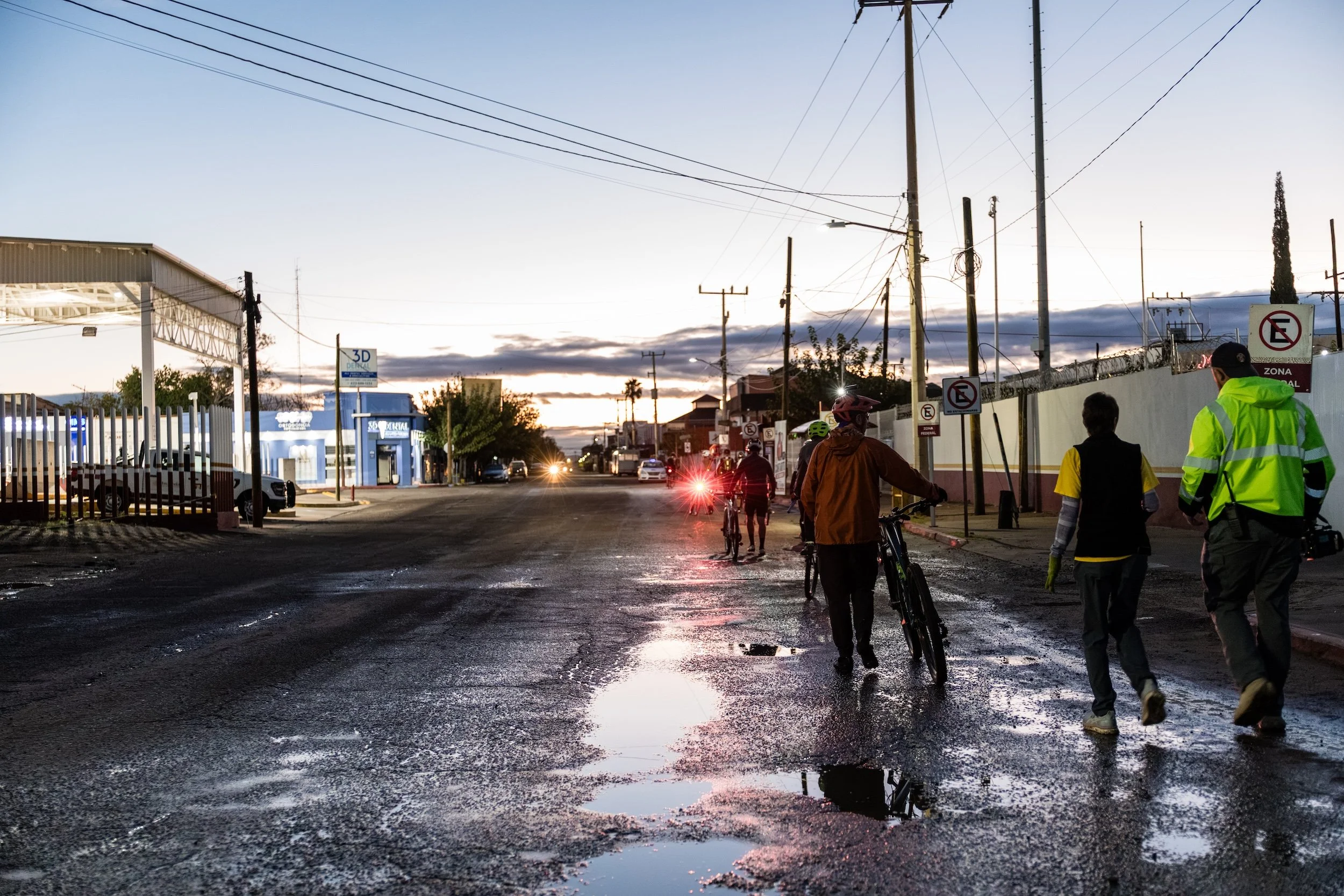
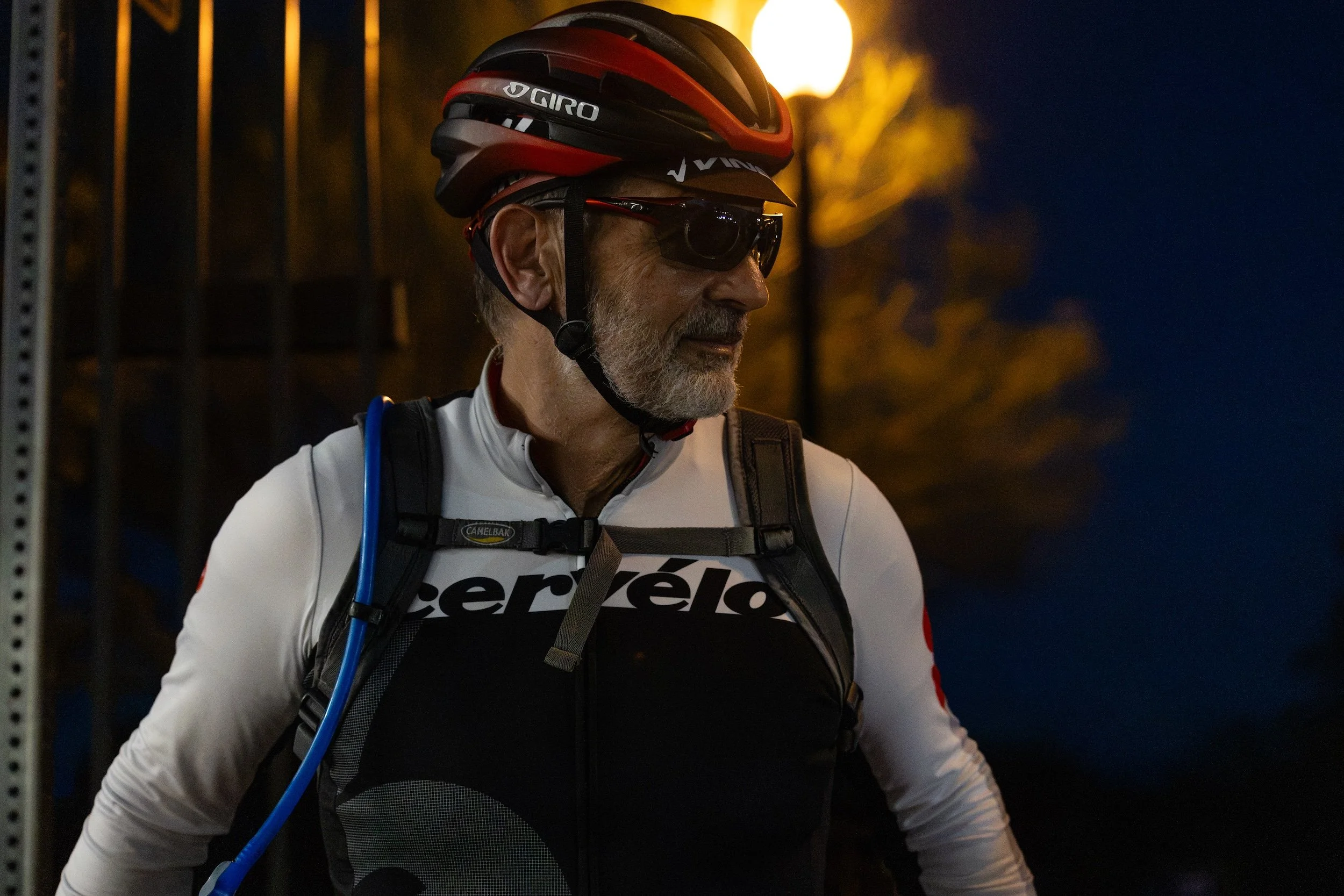
Think about everything surrounding your race that people might find interesting. The landscape. The course. The community. The personalities. The stories of riders who return year after year. The volunteers who make everything happen. The small towns that welcome hundreds or thousands of cyclists for a weekend.
There’s an abundance of interesting content waiting to be discovered. And much of it has little to do with asking someone to register. That’s where I think the real opportunity lies.
Stop Thinking Like a Race Promoter. Start Thinking Like Your Audience.
One of the things I continually emphasize when working with race directors is that social media isn’t simply a promotional channel. It’s an opportunity to build a relationship with an audience.
And relationships aren’t built by constantly asking people for something. They’re built through shared interests, experiences, stories, and conversations. This is why I encourage race organizers to think beyond their registration numbers and consider the kind of audience they’re building throughout the year.
Are you creating content that people would enjoy even if they weren’t planning to register for your race? Would someone share your post with a friend because it’s funny, inspiring, educational, or simply interesting? Would someone who has never heard of your event stop scrolling because your content caught their attention?
When people consistently encounter content they enjoy, they begin to recognize your race. They become familiar with its personality, its location, and the experience you’re creating.
Over time, that familiarity can build trust and interest. And when registration opens, you’re no longer introducing yourself to a complete stranger. You’re inviting someone who’s already familiar with your story to become part of it.
Interesting Is the Starting Point
As my flight makes its way north toward Portland, I’ve been reflecting on the conversations from the Summit and the challenges race organizers face.
There’s no shortage of enthusiasm, creativity, or passion among the people putting on cycling events. What I heard, though, is that many are trying to figure out how to translate that passion into social media content that actually connects with people.
I don’t think the answer is necessarily posting more frequently, spending more money on advertising, or chasing every new social media fad. It starts with understanding your audience.
What do they care about? What makes them laugh? What inspires them? What would make them stop scrolling for a few seconds? What stories can you tell that no other race can?
To me, that’s where your opportunity lies. Because in a social media world overflowing with content, being interesting isn’t just a nice bonus. It’s where getting noticed begins.