What Does It Take to Become a Trail Town?
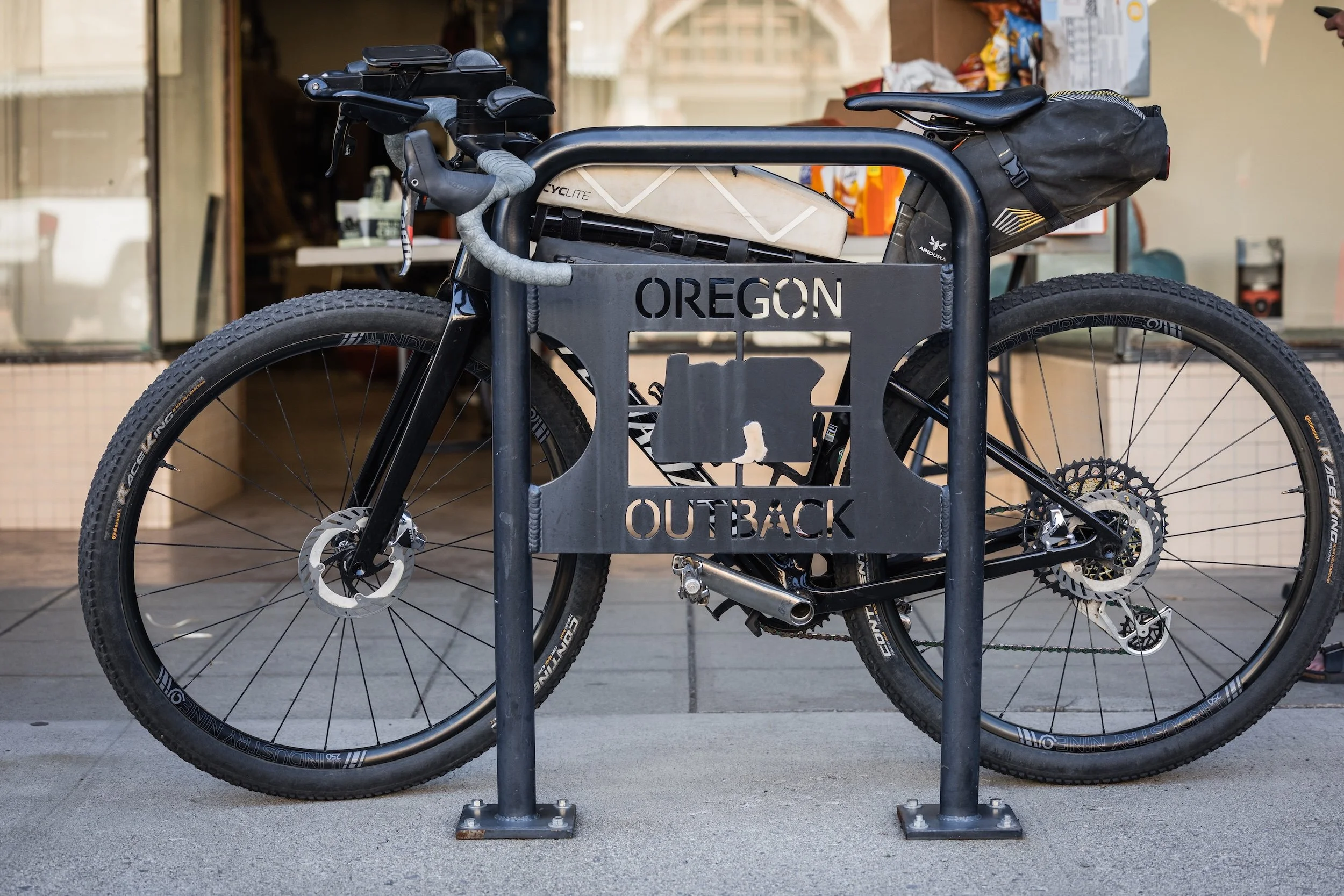
The Oregon Outback is a place most people outside of Oregon don’t even know exists.
When most people think of Oregon, they picture the rain-drenched coast, the volcanic spine of the Cascade Mountains, ubiquitous waterfalls, the Columbia River Gorge, and … did I mention rain?
The Oregon Outback is different.
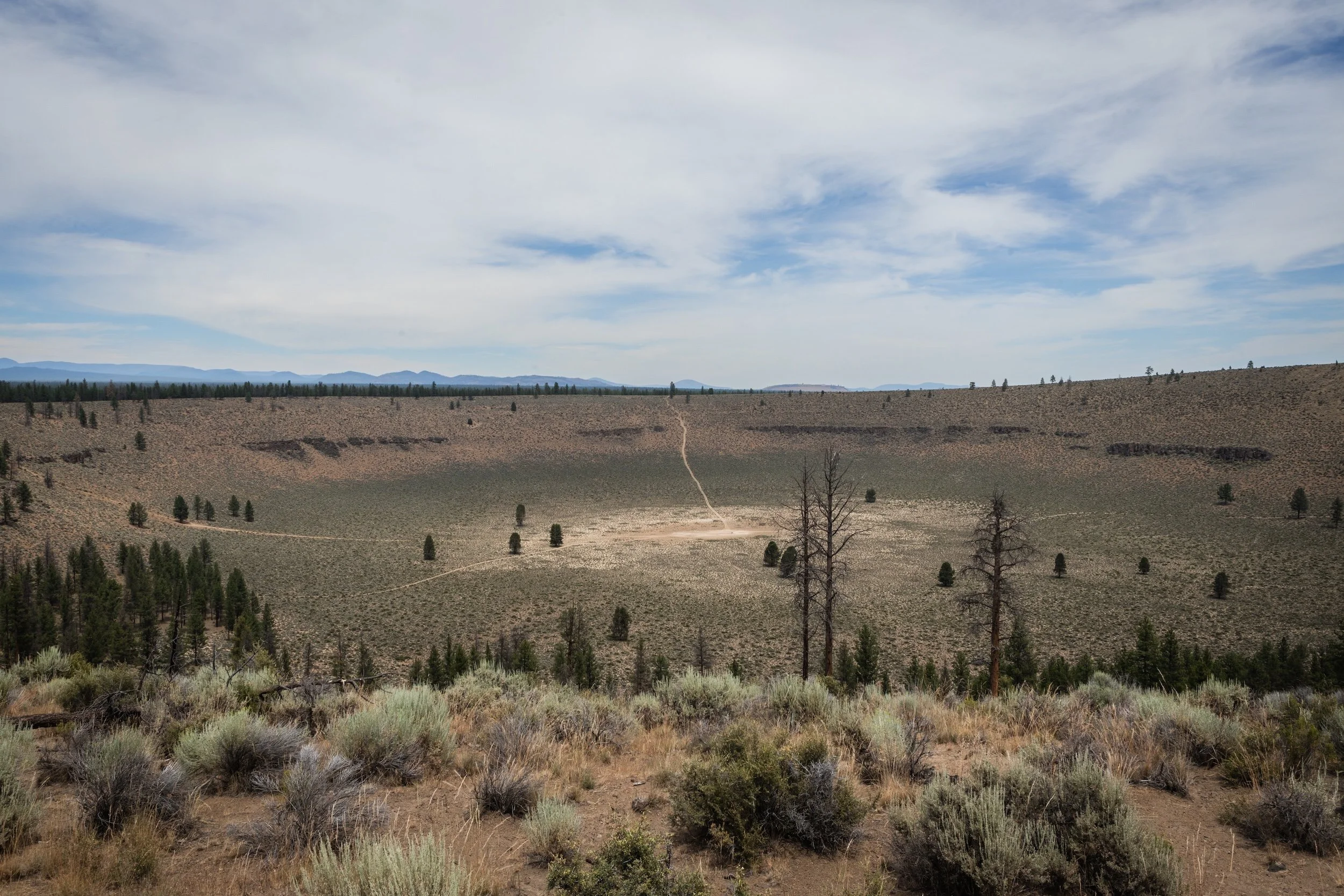
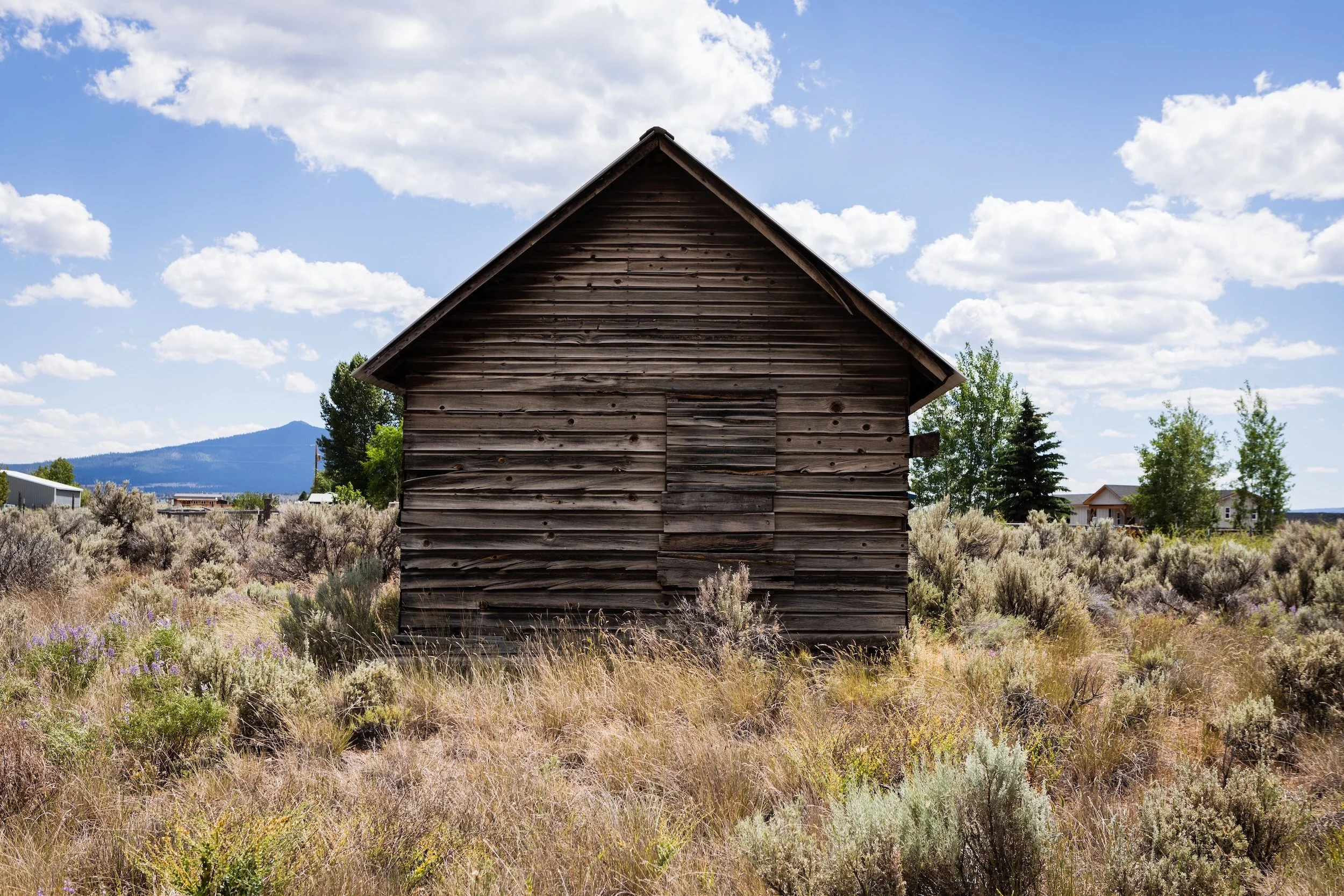
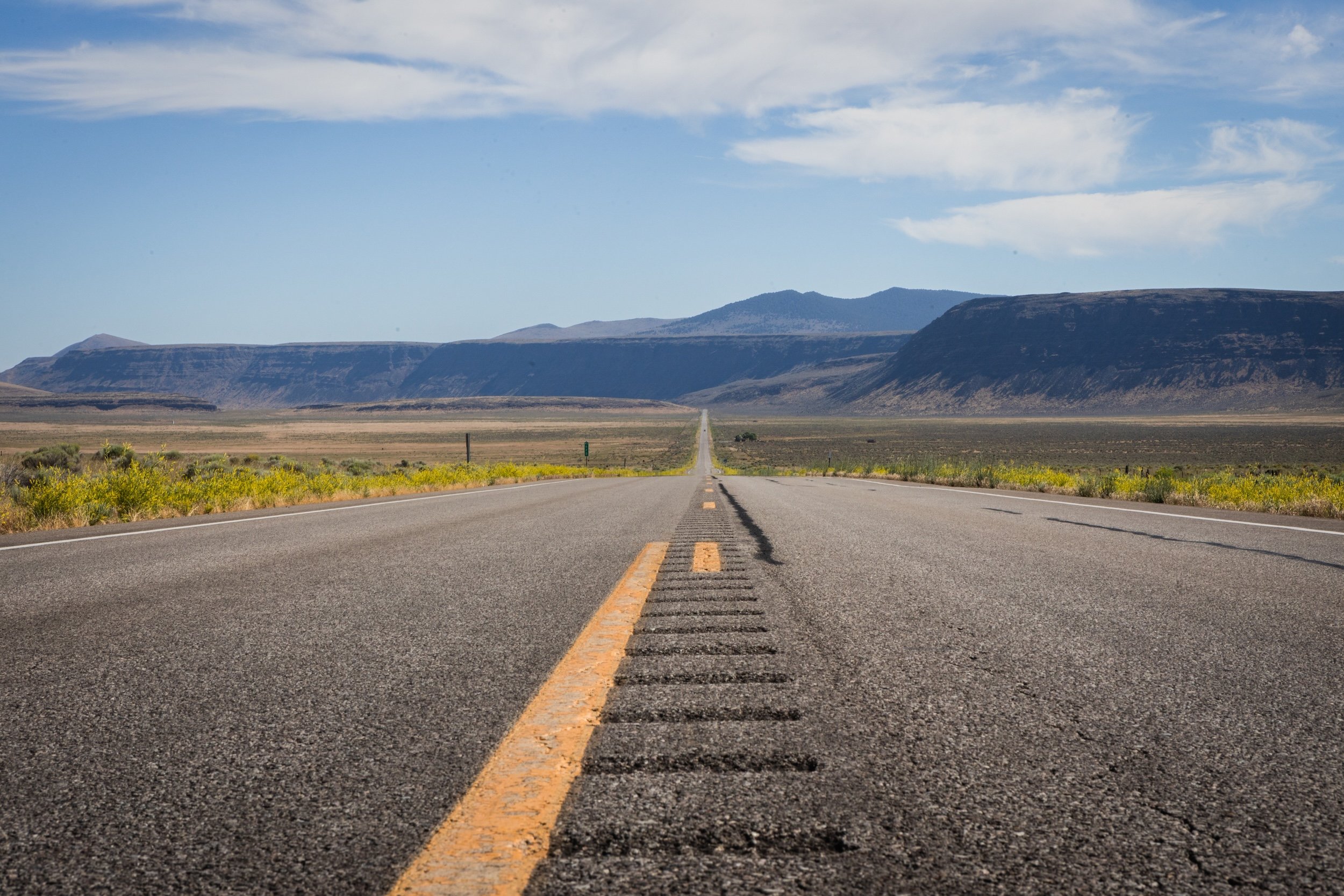
It’s a sparsely populated, high-desert landscape filled with sagebrush and very little rainfall. It’s remote. It’s not the kind of place you accidentally stumble upon. You have to want to go there.
I sometimes wonder if it’s because so few people visit that people didn’t feel the need for much creativity when naming its geological wonders. That might explain places with names like Crack-in-the-Ground and Hole-in-the-Ground.
Maybe it’s because I live in Portland, on the rainy side of the state, but the Outback has become one of my favorite places to explore.
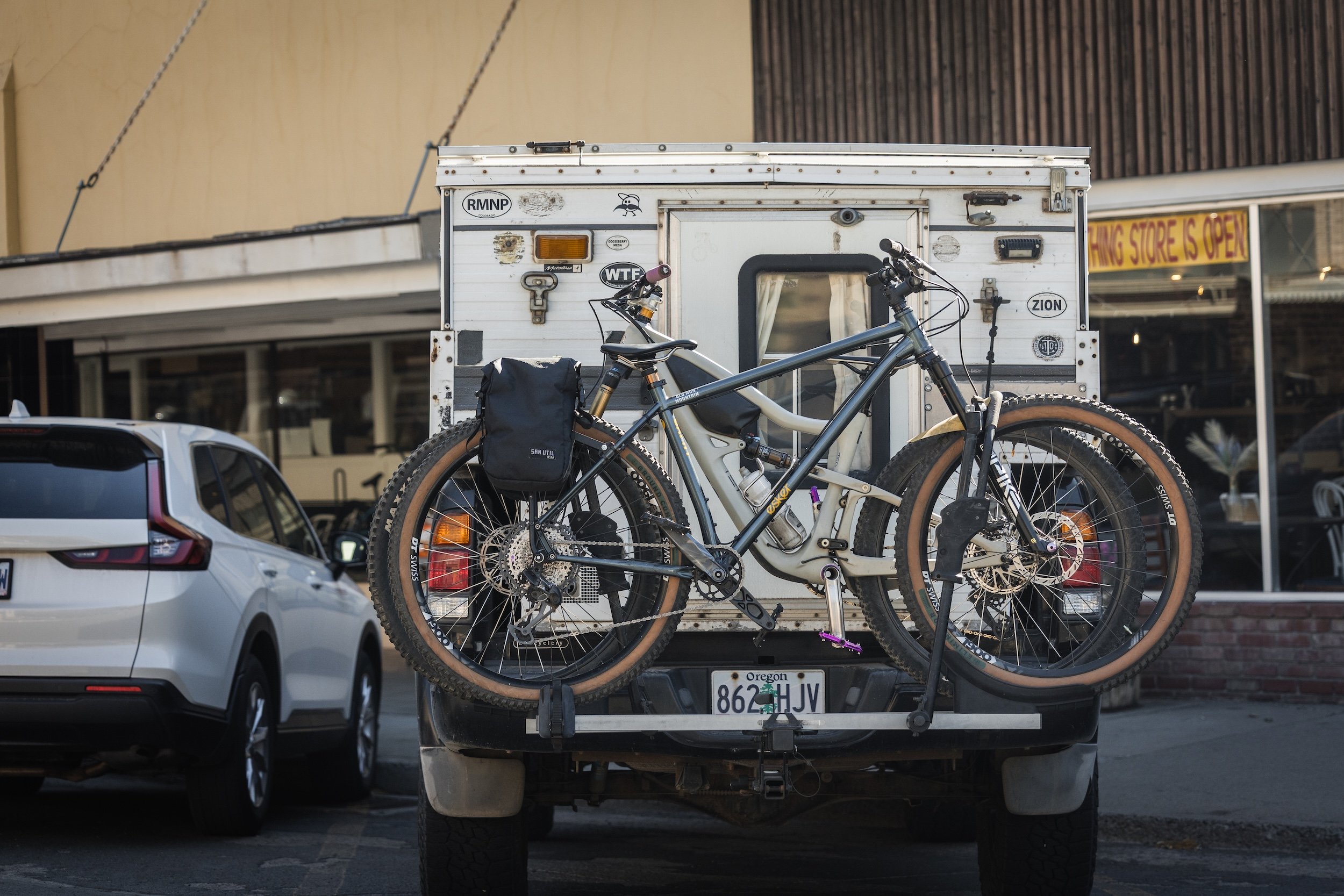
Over the summer, I made the six-hour trek a few times for events related to my role as a board member of the Oregon Timber Trail Alliance. The first was for a trail work party. Then I returned for the launch of the Oregon Timber Trail Grand Depart, where a plucky group of intrepid adventurers set out to race and ride the 670-mile route stretching from the California border north toward Washington.
The Oregon Timber Trail is broken into four tiers. The first, the Fremont Tier, comprises 207 miles traversing a section of the Oregon Outback.
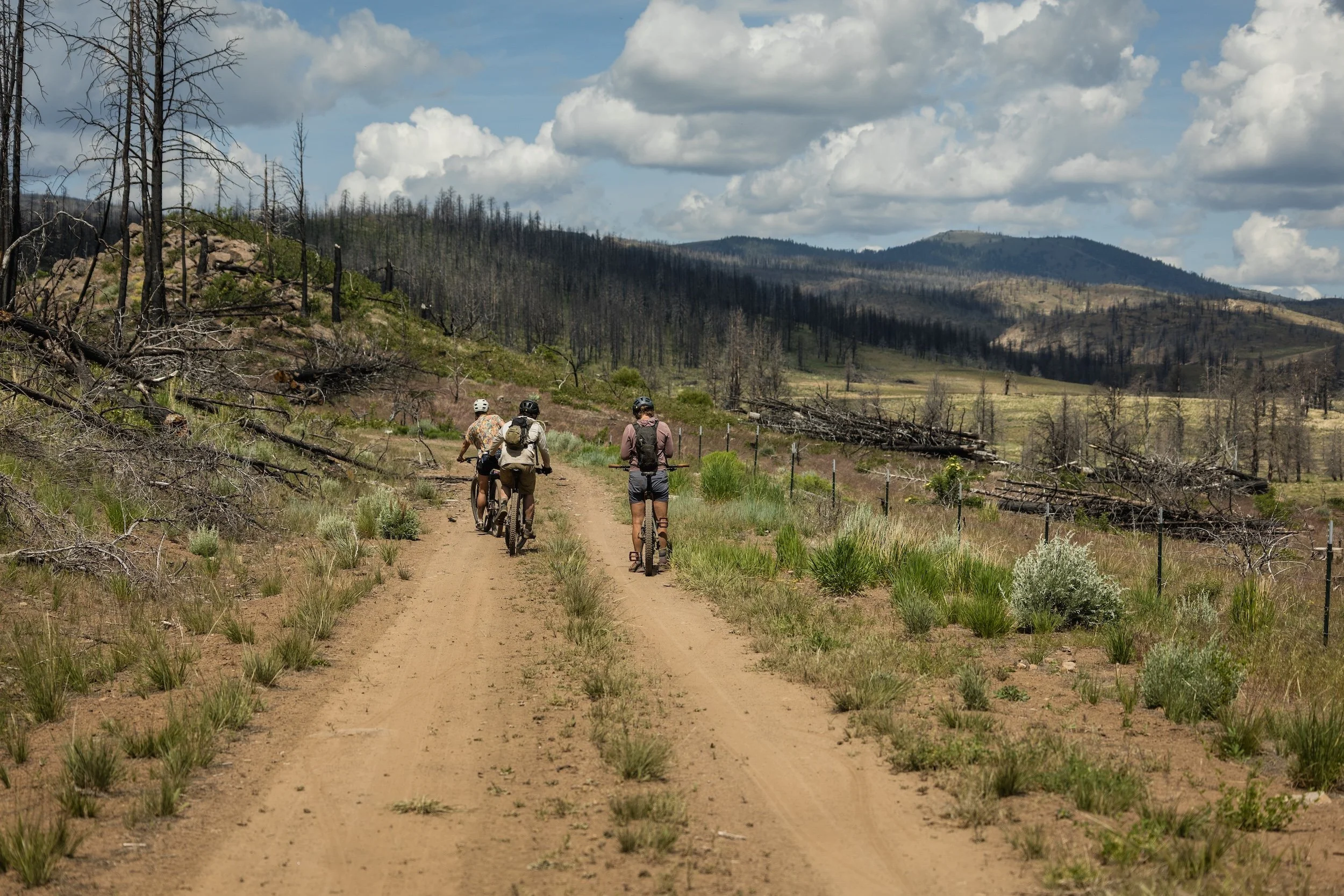
It’s the kind of remote riding that people can love and loathe at the same time. Sparsely used trails mean plenty of deadfall, and maintaining trails this remote is an ongoing challenge.
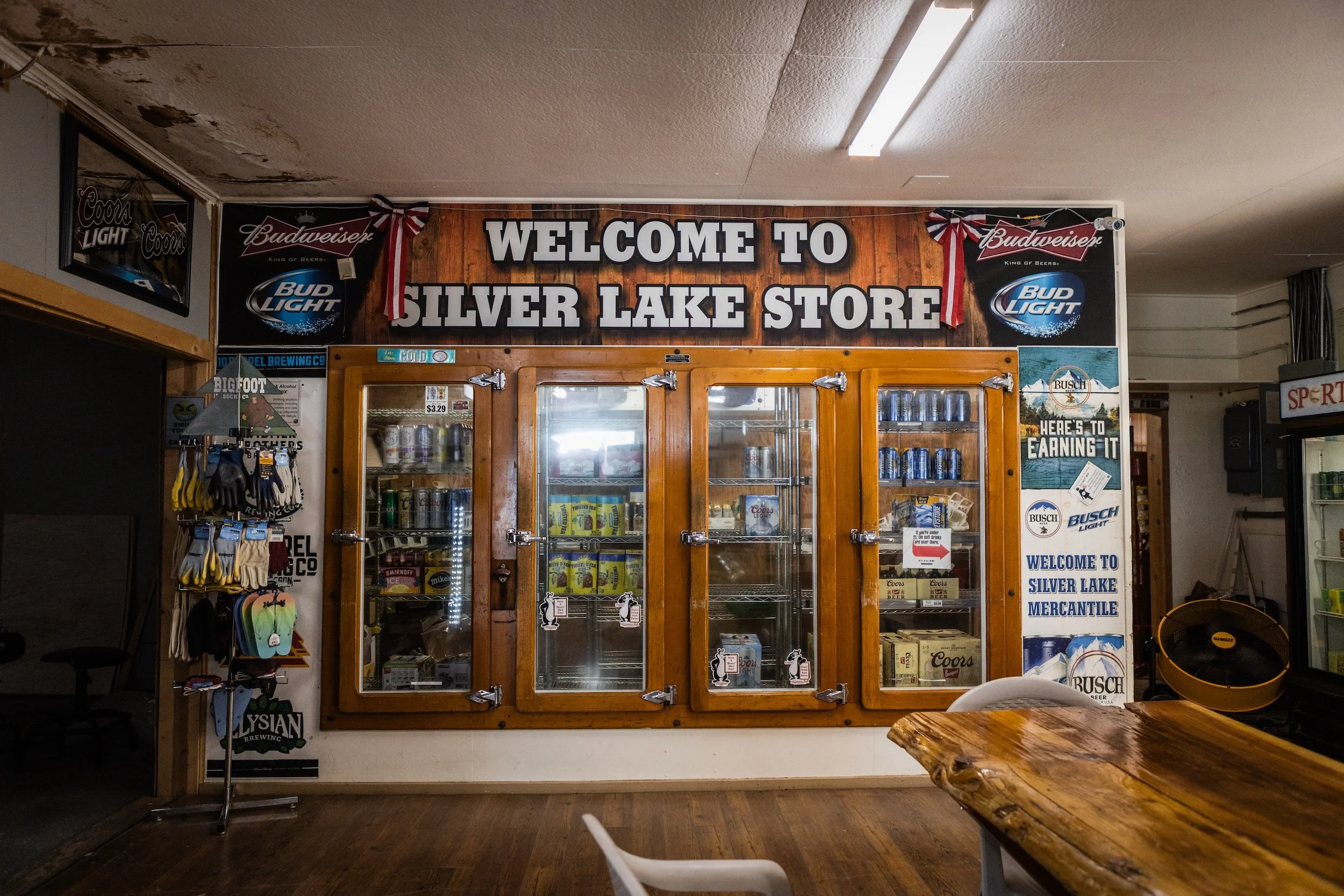
Along the Fremont Tier, we’ve identified three resupply towns: Paisley, Silver Lake, and Chemult. These are small communities where riders can find food, water, supplies, and a brief connection to civilization before heading back into the Outback.
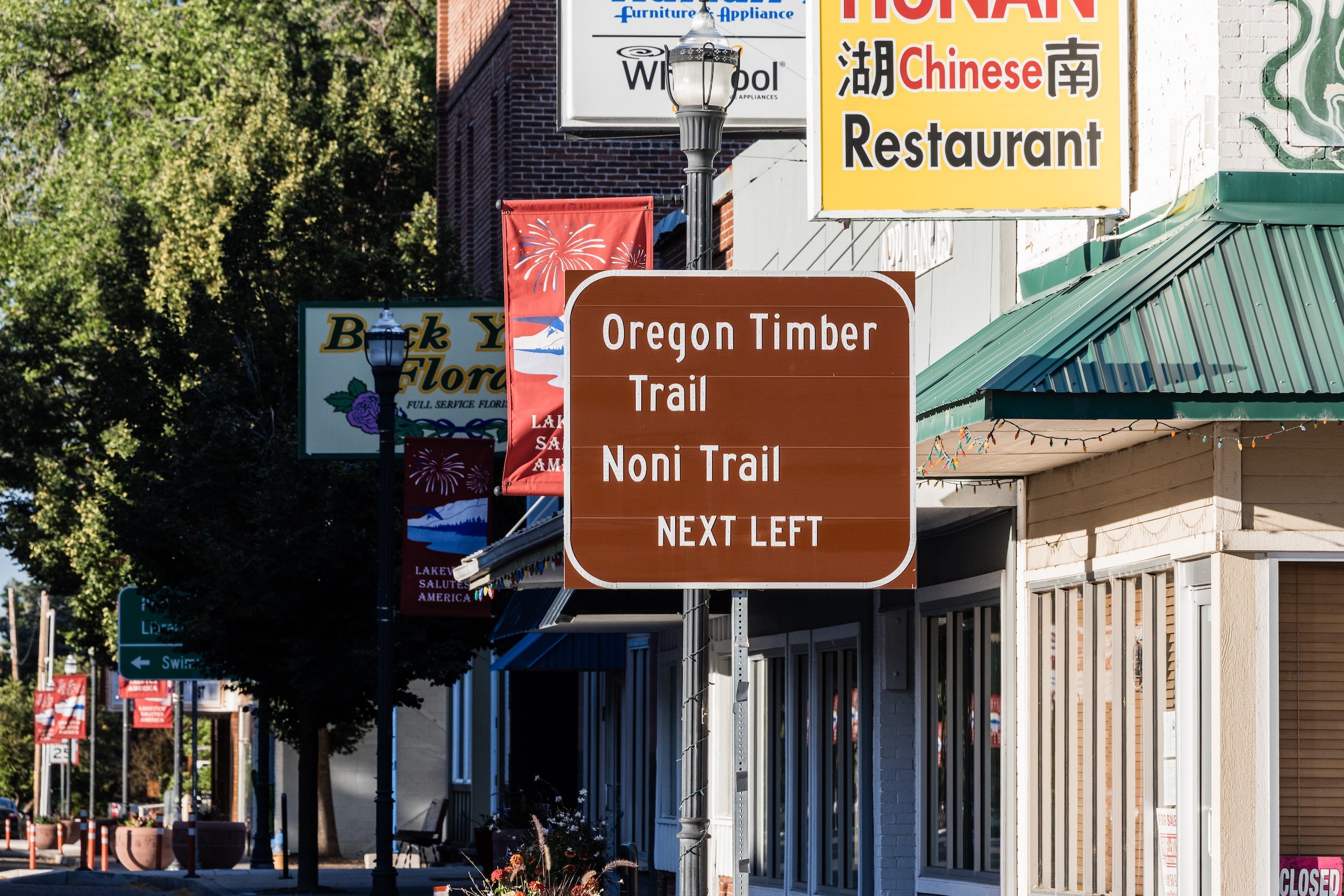
The route itself begins in Lakeview, a larger community that serves as a gateway to this landscape.
The connective tissue binding these communities together isn’t only their location in the Outback. Many are also wrestling with the economic challenges familiar to rural communities across the American West.
My first visit earlier this year was just an overnighter. With roughly 12 hours of driving packed into two days, I had plenty of time to think.
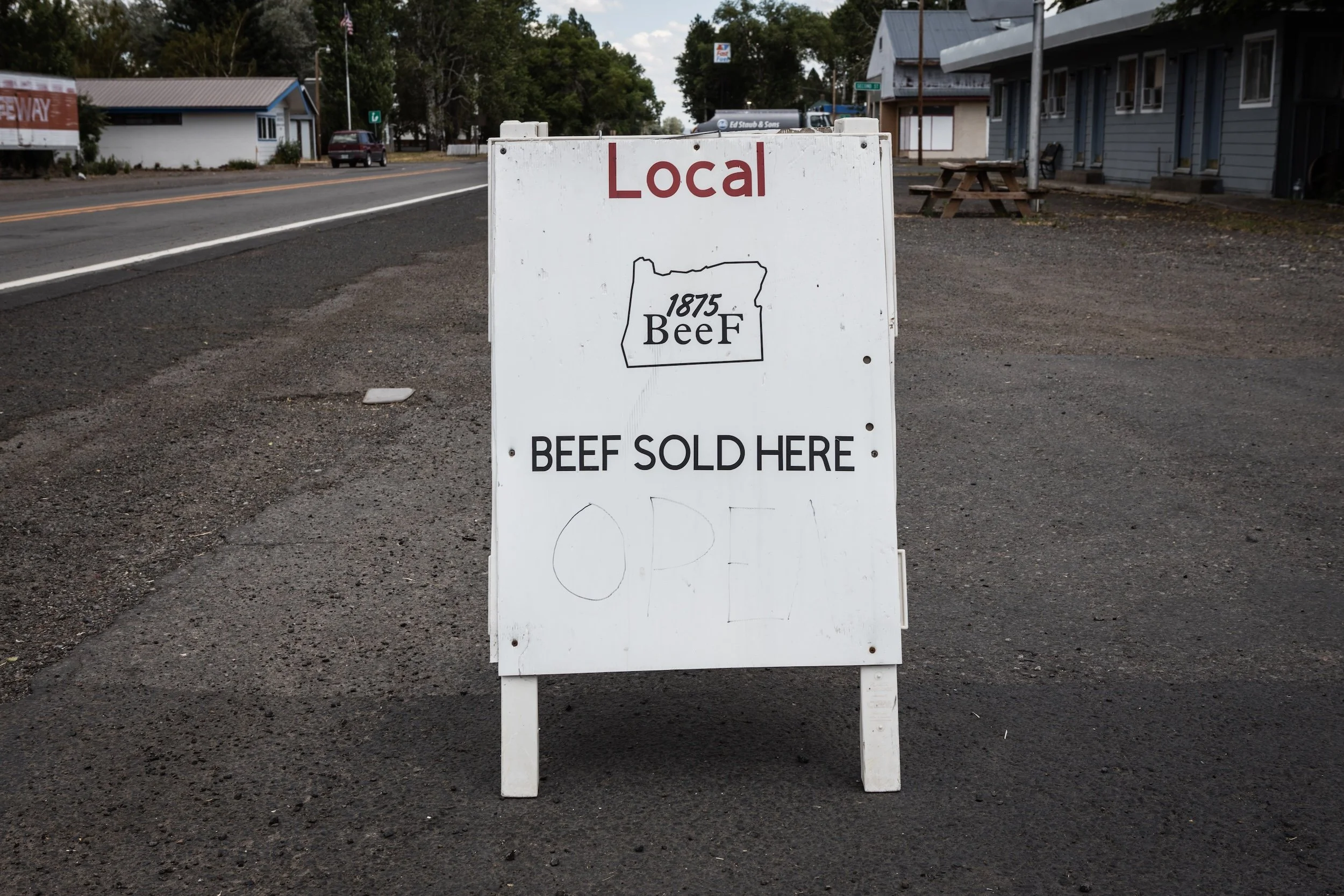
Passing through these towns, I’d stop for food or something to drink and, inevitably, snap a few photos.
One question kept coming back to me:
What economic impact does the Oregon Timber Trail have on these communities?
Right now, the number of riders traveling the entire route is relatively small, so the direct economic impact is likely modest. But the Oregon Timber Trail doesn’t exist in isolation. Other routes crisscross the Outback. Riders venture into the backcountry for shorter loops and day trips. And portions of the region are accessible to people willing to make the drive from places like Bend.
That led me to a bigger question.
What would it take for one of these communities to become a true “trail town”?
Thinking Beyond a Town With Trails
At first, the answer might seem obvious.
Build more trails. Attract more riders. Give them places to eat, sleep, and resupply. Put up some signs. Create a map. Start marketing the community as a mountain bike destination.
But that describes a town near trails. A trail town is something more.
The concept asks us to think about the relationship between a trail and the community it passes through or connects to.
Do residents see the trail as part of their community? Do local businesses understand and welcome trail users? Are trail organizations connected with business owners, tourism organizations, land managers, and local government? Is there infrastructure that makes it easier for people to access and use the trail? Is there a culture of stewardship around it?
And perhaps most importantly, does the community see the trail as an asset worth investing in for the long term?
Those questions are huge far beyond Paisley, Silver Lake, Chemult, or Lakeview.
They matter anywhere trail builders and trail organizations are working to create, maintain, advocate for, and protect trails.
Trail builders may build the trail, but whether it becomes part of a community's identity, economy, and everyday life depends on what happens beyond the dirt.
So, What Is a Trail Town?
Amy Camp of Cycle Forward has spent years working with communities on the Trail Town model. One of the most useful ways she describes the concept is that being a Trail Town can be both a formal designation and a mindset.
To me, that second part is important.
A community doesn’t suddenly become a Trail Town because someone puts a logo on a sign at the edge of town. Nor does it necessarily need to participate in a formal Trail Town program before it can begin thinking like one.
Instead, it begins with intentionally embracing the trail and the people who use it.
That can mean helping visitors find their way from the trail into town. It can mean making sure riders know where they can get food, refill water, find lodging, buy supplies, or make a repair.
But it also goes deeper.
A Trail Town can incorporate trails into its identity. Businesses understand why trail users matter. Residents recognize the trail as an asset. Community leaders consider trails when discussing economic development, transportation, tourism, recreation, and quality of life.
The trail and the town begin functioning less like two separate things and more like parts of the same ecosystem.
Trails Can Create Economic Opportunity, But It’s Not Automatic
Economic development is understandably one of the biggest reasons communities become interested in trails.
A rider coming through a small community may need breakfast, coffee, groceries, a hotel room, camping, bike repairs, or a post-ride beer. Multiply those purchases across hundreds or thousands of trail users and outdoor recreation can become meaningful economic activity.
That possibility can be particularly attractive in rural communities searching for ways to diversify their economies.
But putting a trail near a town does not automatically produce those benefits, like we’re seeing with the Oregon Timber Trail.
A trail user can ride all day and never spend a dollar in the community if there isn’t an obvious connection between the trail and town.
Where does the trail enter the community? Is downtown easy to find? Is there somewhere to safely leave a bike? Are businesses open when trail users arrive? Can visitors easily figure out where to eat, sleep, refill water, or buy supplies?
Perhaps even more fundamentally, do trail users know the community wants them there?
These questions move the conversation beyond trail construction and into placemaking, hospitality, infrastructure, communications, and community development.
That is where the Trail Town idea becomes particularly interesting to me.
The goal isn’t simply to attract more people onto a trail, but to create a mutually beneficial relationship between trails, trail users, residents, businesses, and the broader community.
Why Should Trail Builders Care?
This is where I think the Trail Town conversation becomes especially relevant to the Trail Builder Magazine audience.
Trail builders understandably spend a lot of time thinking about the trail itself.
Where should it go? Who owns or manages the land? How will it be funded? What does the environmental review process look like? Who will build it? How will volunteers be involved? And once the trail exists, who is going to maintain it?
Those are essential questions.
But there is another set of questions worth asking.
What role will this trail play in the community? Who benefits from it? Who knows about it? Who feels ownership of it? Who will advocate for it five, ten, or twenty years from now?
The answers can directly affect the long-term future of a trail system.
A local restaurant owner who sees mountain bikers regularly stopping for lunch has a reason to care about the trails. A hotel owner whose rooms fill during a trail event has a reason to care. A resident who uses the trail for an evening walk has a reason to care. A local official who sees outdoor recreation supporting businesses and contributing to quality of life has a reason to care.
Those people might never swing a McLeod or spend a Saturday clearing deadfall, but they can become part of the constituency that supports trails.
Building Trails Is Also Building Relationships
This brings us back to the Oregon Outback.
Could Paisley become a Trail Town?
Could Lakeview?
Could Silver Lake or Chemult?
I don’t know.
And that uncertainty is part of what makes the question interesting.
The answer isn’t simply a matter of counting miles of trail.
It would require conversations about what residents want, what businesses need, what land managers can support, what visitors are looking for, how recreation fits alongside other industries, and what kind of future each community wants for itself.
In other words, becoming a Trail Town is a community development question as much as it is a trail question.
And those conversations are happening far beyond Oregon.
Continuing the Conversation at the Trail Town Exchange
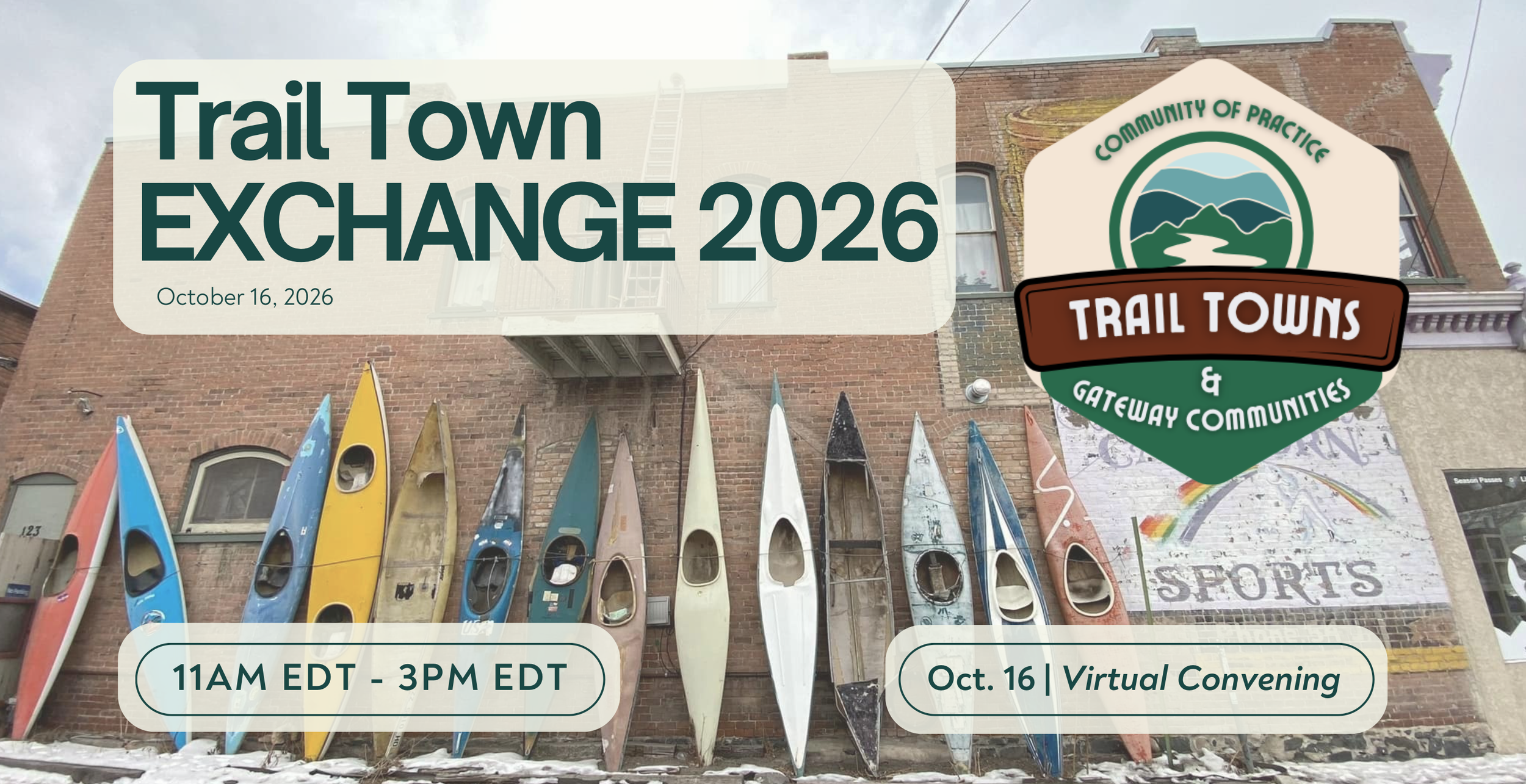
On October 16, people working in trail towns, gateway communities, agencies, trail organizations, and partner organizations will come together virtually for the Trail Town Exchange.
The free event is designed around something that can be surprisingly difficult to find in the trail world: opportunities for communities to learn directly from one another.
Participants will explore what it means to be a Trail Town, how sustainable Trail Town programs are built, and how communities can use trails to strengthen local economies, stewardship, resilience, placemaking, and quality of life.
There will be case studies, practical resources, opportunities to learn about funding and technical assistance, and conversations with people wrestling with many of the same questions in their own communities.
I’ll also be participating in the facilitated breakout conversations, where I’ll be moderating a discussion around “Why Storytelling Matters.”
It’s a subject that fits naturally into this larger conversation.
Communities can build incredible trails. Trail organizations can put thousands of volunteer hours into maintaining them. Businesses can support them. Partnerships can form around them.
But if we never tell those stories, how will the broader community understand what those trails make possible?
I believe that storytelling can help connect a trail to the people who don’t ride it.
Join the Trail Town Exchange
If your trail org is thinking about the relationship between trails and the community around them, the Trail Town Exchange offers an opportunity to learn from others asking many of the same questions.
The event is FREE, virtual, and takes place on October 16.
Whether your community already considers itself a Trail Town, is beginning to explore the idea, or simply wants to better connect its trails with the people and places surrounding them, there should be plenty to learn from the conversation.