Gravel Cycling as Rural Economic Development: Why Bike Races Can Put Small Towns on the Map
Sometimes it's hard to admit that a gravel bike race is not going to save a rural town. Communities that have experienced decades of population loss, industry changes, declining tax bases, or fewer local businesses are dealing with challenges far more complicated than anything a cycling event can solve.
But that does not mean gravel cycling cannot play a meaningful role in rural economic development. In the right community, with the right strategy, a gravel event can introduce visitors to a place they otherwise might never have discovered. It can generate spending for local businesses, give a community a reason to tell its story, create new partnerships, elevate awareness of a destination, and give people a reason to come back.
That is where I believe the real opportunity lies. The more I shoot race photography, the more I see that gravel cycling should not be viewed simply as another category of bike racing. For rural communities, it can become part of a broader tourism, placemaking, and economic development strategy.
Really? Let’s explore this more …
Why Rural Communities Have a Natural Advantage for Gravel Cycling
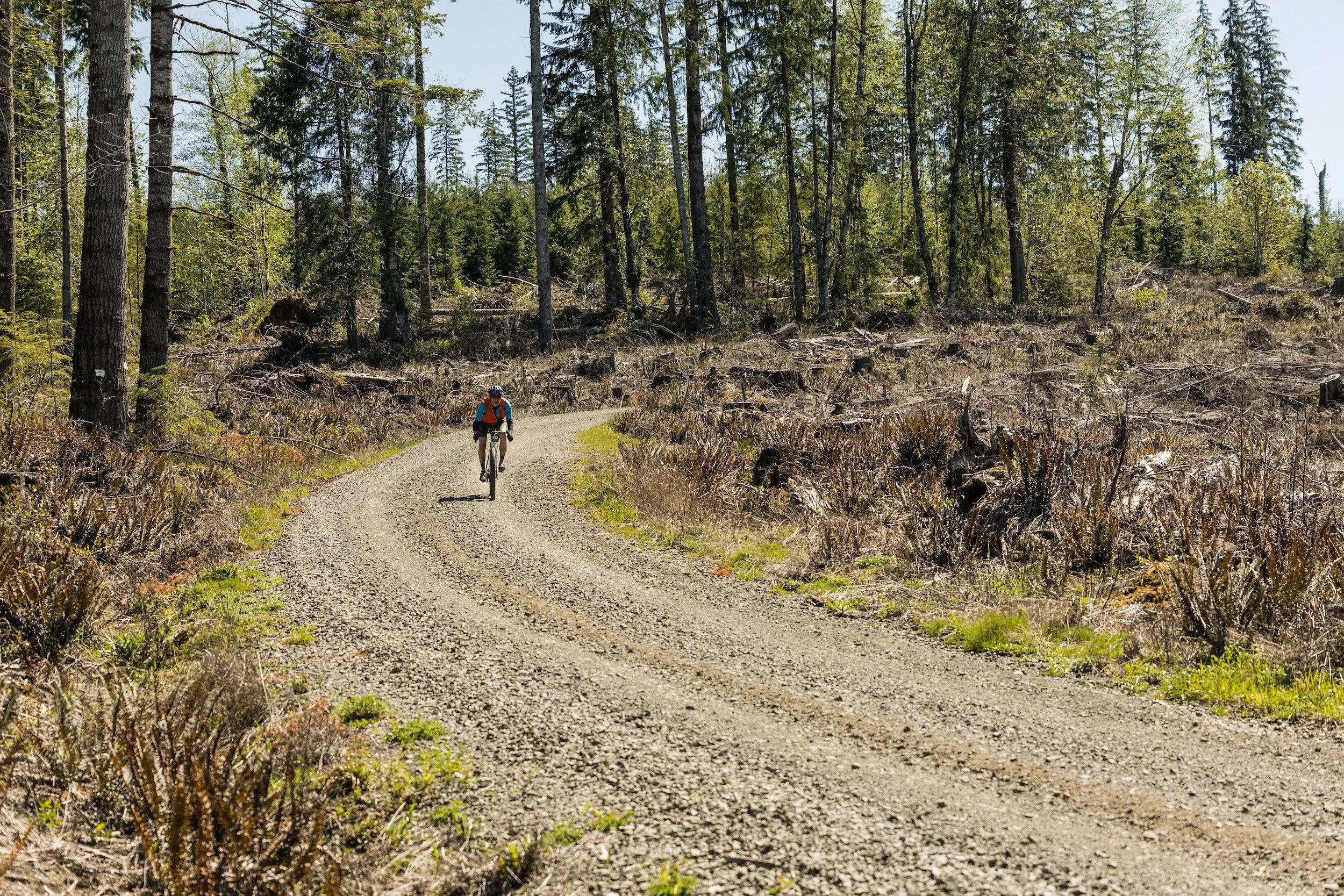
One reason gravel cycling works so well in rural communities is relatively simple: the infrastructure often already exists. Miles and miles of gravel roads weave through farmland, forests, deserts, mountains, ranchland, and other rural landscapes. These roads were not built for cyclists. They were built to connect farms, ranches, public lands, mines, timber operations, and remote communities.
That history is part of what makes them interesting. Unlike a purpose-built sporting venue, gravel racing often uses the existing landscape exactly as it is. Riders are experiencing roads, often raw and chunky, that already have a purpose, history, and relationship with the communities around them.
But the roads themselves are only part of the opportunity. Rural communities also possess something that is increasingly valuable in tourism: a strong sense of place.
There are historic downtowns, local restaurants, coffee shops, old hotels, museums, agricultural traditions, public lands, regional foods, unique landscapes, generational stories, and people who know the history of the place because their families have lived there for decades. A gravel route can become the thread connecting all of these things together.
That is why the strongest gravel events that I've seen do more than stitch together an interesting course. They answer a bigger question: Why here?
Why should someone drive several hours to ride these roads instead of the gravel roads closer to home? The answer cannot simply be about mileage and elevation. The place itself has to matter.
How Gravel Races Can Support Rural Economic Development
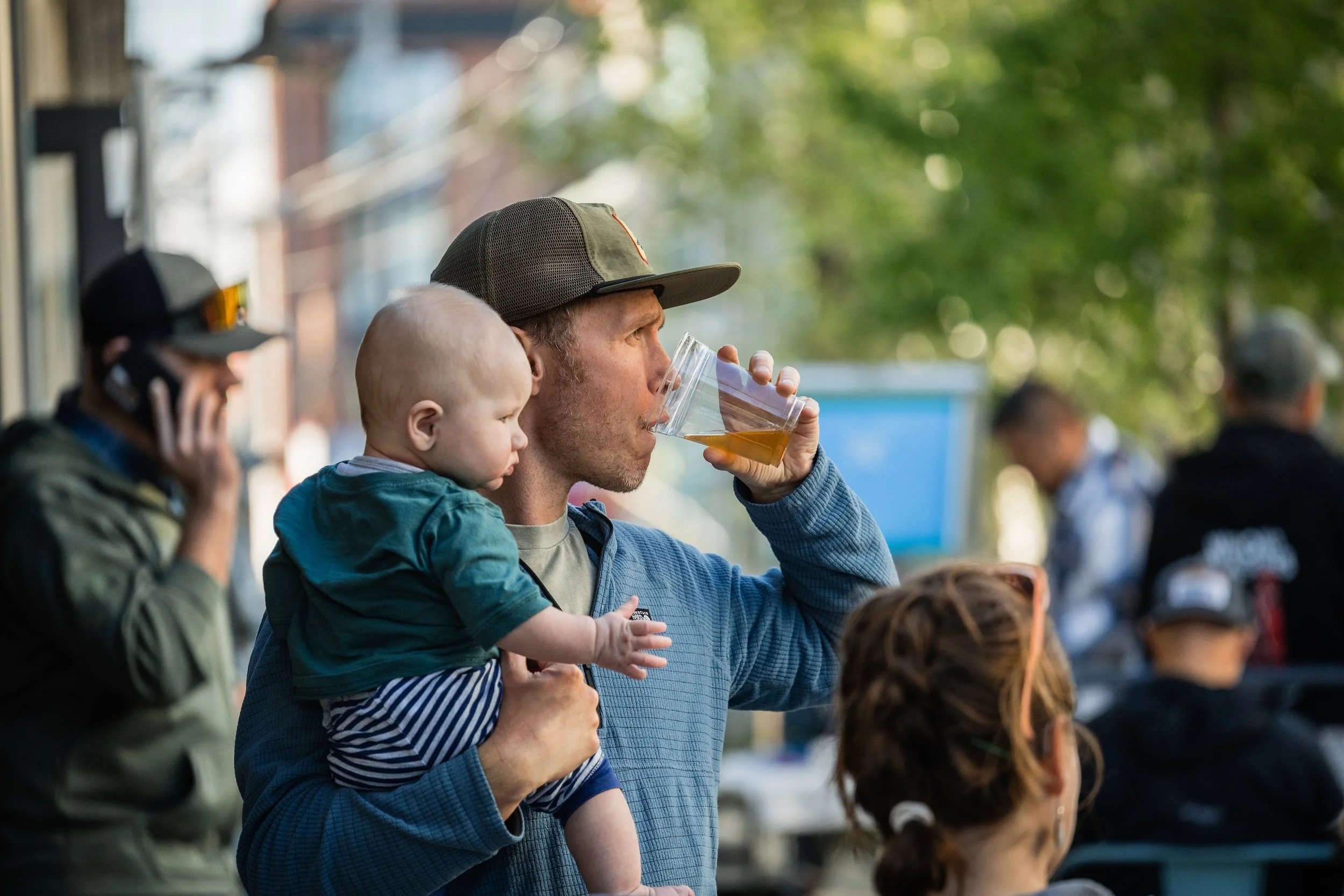
The most obvious economic benefit of a gravel race is visitor spending.
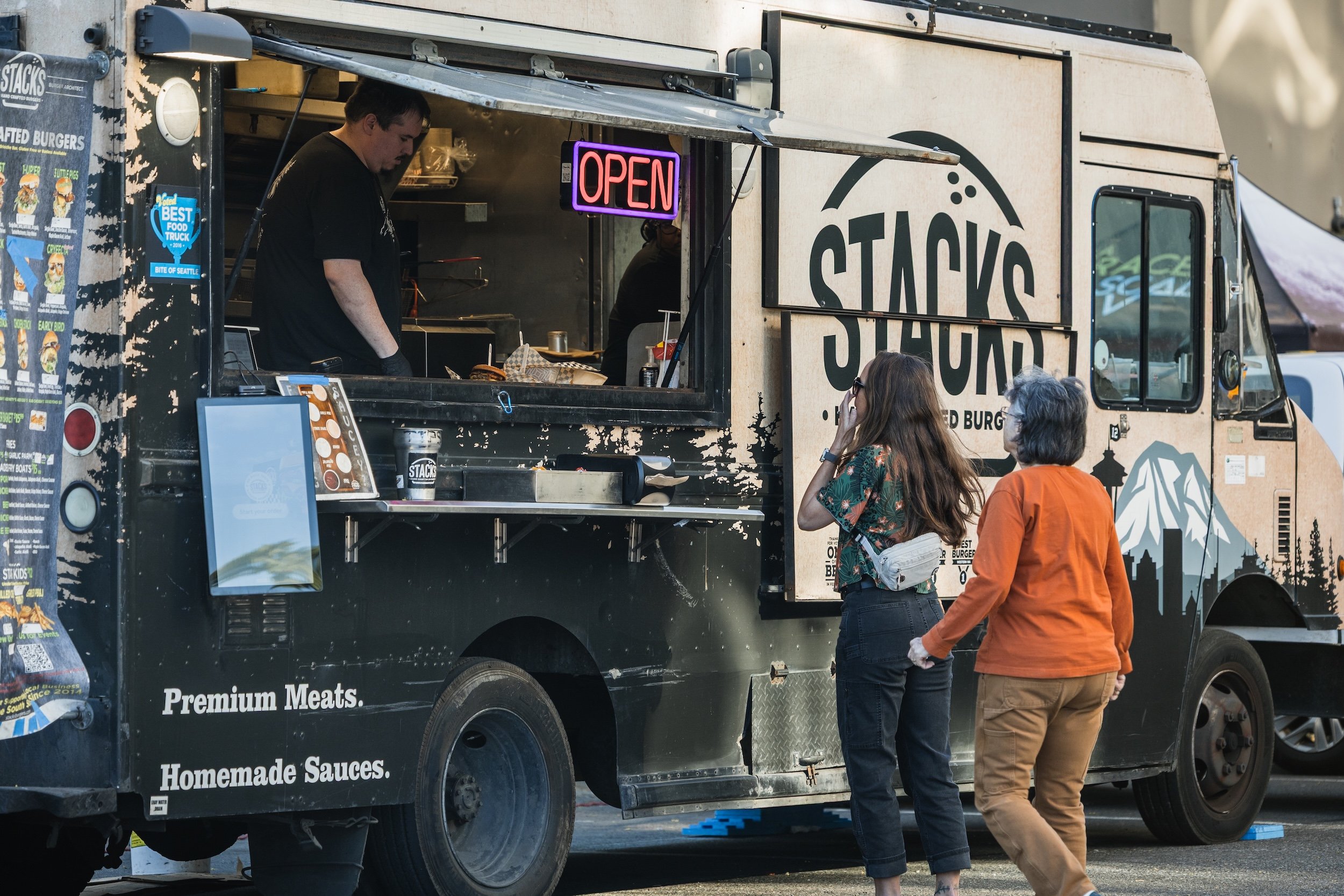
Riders travel to town, book lodging, buy meals, fill up their vehicles, buy coffee (if a town has a coffee shop), stop at stores, and often bring family members or friends with them. Some arrive a day early or stay another night after the event.
This is stuff I've been writing a lot about over the past year.
Yes, it all matters, but simply bringing people into a community does not automatically translate into meaningful local economic impact. The more important question is how much of that spending actually circulates through the local economy.
That requires intention, both from the race organizer and the town staff.
If riders stay thirty miles away, eat at national chains, race, and immediately drive home, the community hosting the event captures considerably less value. Race organizers and tourism leaders need to deliberately connect visitors with local businesses.
That could mean creating lodging guides, restaurant lists, coffee shop recommendations, downtown maps, pre-race activities, museum discounts, local vendor villages, post-race gatherings, or other reasons for visitors to interact with the community. It could also mean building partnerships that intentionally direct racers toward locally owned businesses before, during, and after race weekend.
The goal is to capture more of the economic activity their visit generates.
Gravel Races Can Put Small Towns on the Map
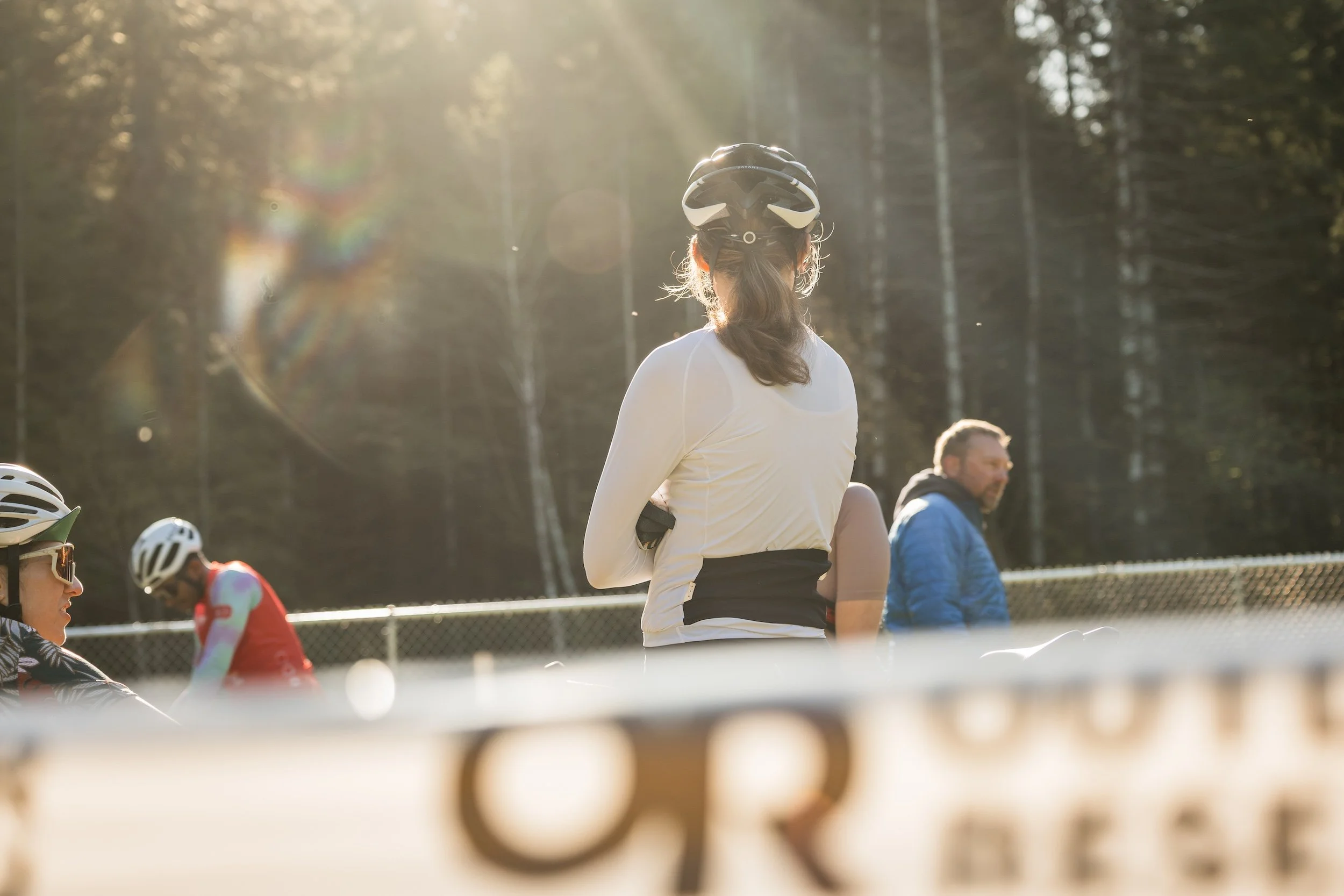
The economic value of a race weekend matters, but I believe one of the most overlooked benefits of gravel cycling is awareness.
Marketing people often talk about the top of the sales funnel. Before someone can buy something, visit somewhere, register for an event, or recommend a destination, they first have to know it exists.
That sounds obvious, yet many rural communities struggle primarily with visibility. They may have incredible landscapes, unique history, good restaurants, interesting trails, and welcoming people. The problem is that most people have never heard of them.
This is where an outdoor event can become incredibly valuable. A gravel race gives people a reason to visit a place they might never have considered otherwise.
I have seen this firsthand through my work with Borderlands Gravel in Douglas, Arizona. Many riders were familiar with destinations elsewhere in southern Arizona (e.g., Tucson, Patagonia, etc.). Some had traveled nearby, but Douglas itself was not necessarily on their radar.
The race is on the very front end of changing that. The city tourism site now has a dedicated gravel cycling page, which I helped put together.
All of this matters because the first visit someone takes to Douglas might be because of a bike race, but the second visit could look entirely different. Someone may return with a spouse, come back for another cycling trip with friends, or revisit the area to hike, explore, eat, camp, photograph the landscape, or simply spend more time in a place they only briefly encountered on race weekend.
That makes the race more than an event, as it also becomes destination marketing for the town.
Why Place-Based Storytelling Matters for Gravel Races
Gravel racing is experiencing no shortage of events, which creates another challenge for race directors and communities. A race needs to distinguish itself from countless other events competing for the same riders, travel dollars, attention, and calendar space.
For years, race marketing has often focused primarily on the measurable parts of the experience: 50 miles, 100 miles, 5,000 feet of climbing, aid stations, finisher awards, race categories, and technical course information.
Those details are important, but they are also easy for another event to replicate.
Place is much harder to copy.
The desert borderlands of southern Arizona feel different than central Oregon. Eastern Kansas feels different than the Oregon Coast. A ranching community has a different story than a former mining town. These differences are assets. It's what makes each community unique.
This is where rural communities possess a tremendous advantage. They do not necessarily need to manufacture a brand identity because, in many cases, that identity already exists. The work is learning how to recognize it and tell the story well.
What makes this place different? Who lives here? What shaped the community? What happened along these roads? What industries formed the local economy? What foods are connected to the region? What does the landscape communicate? What do local residents value?
A gravel race becomes much more memorable when riders feel as though they have experienced a place rather than merely completed a course.
That is why I increasingly believe that, yes, the course is part of the story, but the community is the brand.
Gravel Cycling Is One Piece of a Larger Rural Economic Development Strategy
None of this means every rural community should launch a gravel race. Nor does it mean an event will automatically create lasting economic development.
There are legitimate issues to consider, including road access, landowners, permitting, emergency response, community support, environmental impact, capacity, funding, volunteer burnout, and long-term event sustainability. A race should be part of a broader strategy rather than viewed as a quick solution.
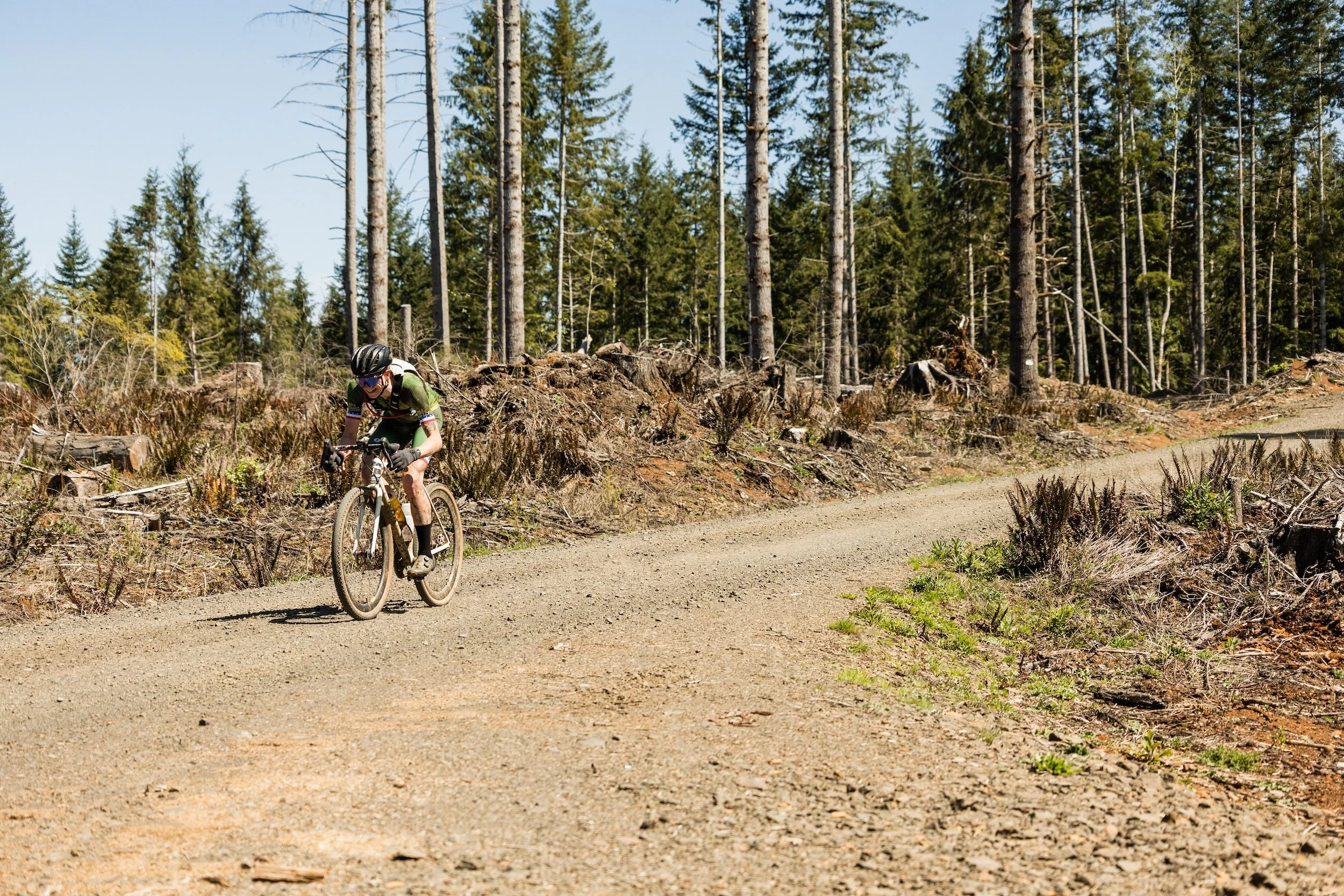
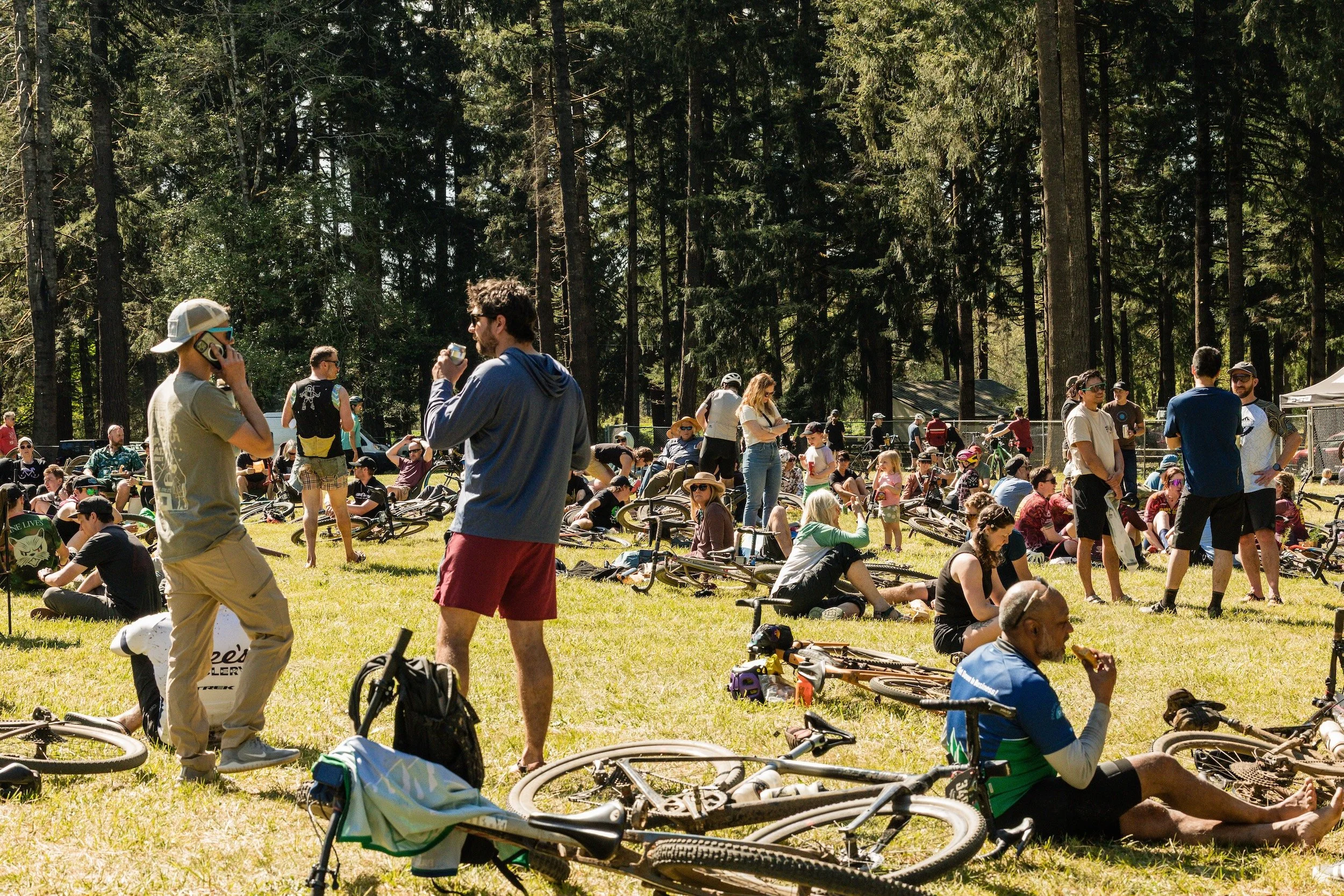
But for communities already surrounded by gravel roads, beautiful landscapes, interesting stories, local businesses, and people willing to collaborate, the opportunity is worth exploring. I even think of my struggling small town in Iowa where I grew up. I'd give anything for it to be 10% of what is happening at UNBOUND Gravel in Emporia, Kansas, or Cascadia Super Gravel near McCleary, Washington (where these photos are from).
Outdoor recreation influences where people travel and how they spend their time. Gravel cycling sits at an interesting intersection of recreation, tourism, storytelling, community identity, and rural economic development.
That gives small communities something valuable: a reason for people to visit, a reason for people to discover the place, and a reason to tell the community’s story to people who may never have encountered it otherwise.
A gravel race will not save rural America. But when an event is rooted in place, connected to local businesses, embraced by the community, and supported by a year-round storytelling strategy, it can put a rural community on someone’s radar.
And sometimes awareness is where the next opportunity begins.