A.I. is everywhere, whether we like it or not.
Scroll through social media, and you’ll quickly come across content that was obviously created with artificial intelligence. From generic race promotions to cheesy videos and synthetic captions that all sound suspiciously similar, A.I.-generated content is becoming increasingly difficult to escape … or avoid.
The question is no longer whether you should use A.I. for your marketing and communications. It’s how you should use it … and more importantly, how much?
Unless you’re a self-proclaimed tech Luddite, chances are you’ve already experimented with A.I.
So have I.
Over the past two-plus years, I’ve spent considerable time testing, experimenting, and discovering what A.I. can do, what it can’t do, and what I believe it shouldn’t do.
For race directors and rural tourism leaders, I think there are some important lessons worth sharing.
But first, a little backstory.
How I Started Experimenting With A.I.
When ChatGPT launched in November 2022, I wasn’t particularly interested. Throughout 2023, I kept hearing about how artificial intelligence would revolutionize everything, including writing, marketing, and education.
As someone who has spent decades writing articles, books, and other content, I wasn’t exactly looking for something to do my writing for me. I genuinely enjoy the process.
However, my curiosity eventually got the better of me.
I began listening to podcasts exploring A.I.’s role in social media marketing. Around that time, I was preparing to teach my Social Media and Analytics course. With A.I. adoption accelerating, I realized I needed to incorporate it into my teaching.
I introduced podcast episodes about A.I. into our classroom discussions, and the conversations were fascinating. Students were wrestling with many of the same questions I was asking.
How much A.I. is too much? Does using it undermine creativity? Can it actually make us better communicators?
Those conversations became my entry point.
Soon, I began incorporating A.I. into other courses, encouraging students to experiment with brainstorming social media captions, outlining presentations, and generating YouTube titles.
I wanted students to learn how to use it thoughtfully.

From the Classroom to My Own Writing
Naturally, my experimentation eventually found its way into my own work.
I’ve been publishing weekly articles for years, so writing seemed like an obvious place to start. Initially, I used A.I. for brainstorming ideas and assisting with research. Eventually, I experimented with having it write portions of articles and even complete drafts.
Some results impressed me. Others were painfully generic.
What I discovered was that A.I. could be an incredibly useful tool, but it wasn’t necessarily a great replacement for my own voice, perspective, or experience.
There’s rarely a day when I don’t use it.
For example, just today I used A.I. to explore possible side effects from a flu shot, troubleshoot a car that wouldn’t start, and brainstorm ideas for a social media carousel.
And, yes, I’m using it to help refine this article.
I don’t claim to be an A.I. expert. However, after years of writing, publishing, and teaching, I’ve developed some opinions about where A.I. fits into our work.
Here are three recommendations specifically for race directors and rural tourism leaders.
1. Use A.I. as a Creative Collaborator, Not a Content Factory
One of the biggest temptations with A.I. is using it to crank out massive amounts of content quickly.
Need 30 social media posts for your upcoming gravel race? A.I. can generate them in seconds. Need a month’s worth of promotional captions for your rural destination? Same thing. But just because you can generate more content doesn’t mean you should.
The problem is that A.I. often produces content that sounds remarkably similar, especially when given generic instructions. Everything becomes an unforgettable adventure, a breathtaking destination, or an experience you won’t want to miss.
Sound familiar?
Instead, I recommend using A.I. as a creative collaborator.
For example, rather than asking it to write 20 promotional posts for your race, ask it to brainstorm 20 interesting storytelling angles.
Maybe one focuses on a local volunteer who has helped organize the event for a decade. Another explores the history of a remote gravel road. A third highlights the economic impact of visiting cyclists on local businesses.
Now you’re getting somewhere. You’re using A.I. to expand your creative thinking rather than outsourcing it.
My recommendation: Use A.I. to brainstorm, organize, refine, and challenge your ideas. Let your knowledge, experience, and personality shape the finished content.
2. Use A.I. to Make Your Marketing More Strategic
Here’s where I believe A.I. offers helpful opportunities for smaller orgs.
Most race directors and rural tourism leaders don’t have large marketing departments. Often, the person managing social media is also organizing volunteers, coordinating logistics, answering emails, and handling a dozen other responsibilities.
A.I. can help you think more strategically without requiring additional staff.
For example, imagine you’re organizing a gravel race in a small rural community. Instead of asking A.I. to write another registration announcement, give it some context about your event, your target audience, your marketing goals, and your current challenges.
Then ask it to help develop a three-month content marketing strategy.
What stories should you tell before registration opens? How can you introduce potential participants to the surrounding community? What content might encourage racers to bring their families and stay an extra night?
You can even share your website analytics, registration trends, or social media performance data and ask A.I. to identify patterns worth investigating.
Of course, you’ll still need to evaluate its recommendations and verify any conclusions.
But, hey, the opportunity is there.
My recommendation: Think of A.I. as a brainstorming partner and strategic assistant. Use it to develop better plans, ask better questions, and identify opportunities you might otherwise overlook.
3. Protect What Makes Your Race or Destination Unique
This is definitely my most important recommendation (please read).
For race directors and rural tourism leaders, your greatest marketing advantage isn’t technology … it’s authenticity.
It’s the character of your community, the personalities behind your event, the landscapes surrounding your destination, and the experiences people have when they visit. Those are the ingredients that differentiate your brand and make you stand out.
A.I. can help communicate those stories, but it cannot replace the actual experiences behind them.
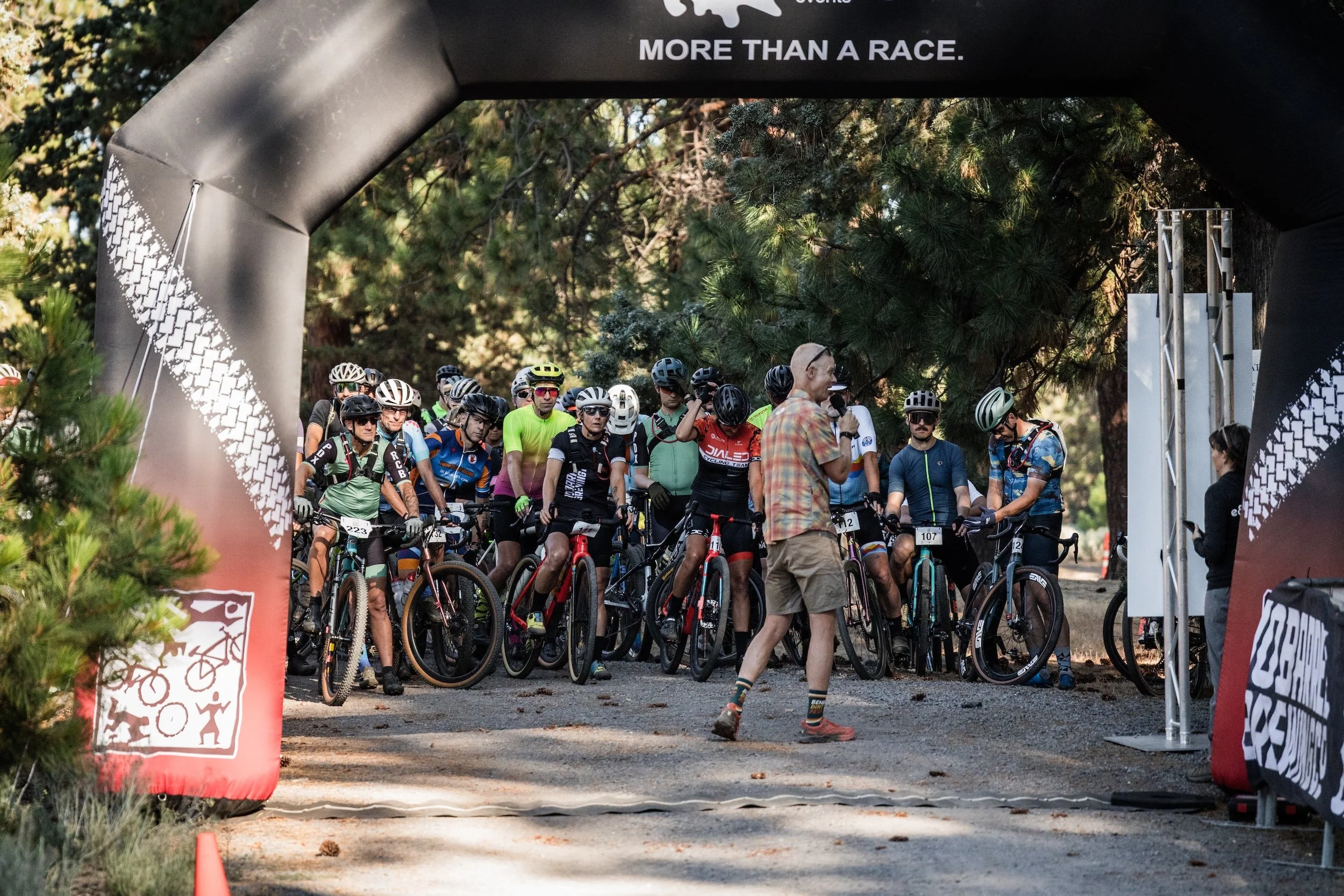
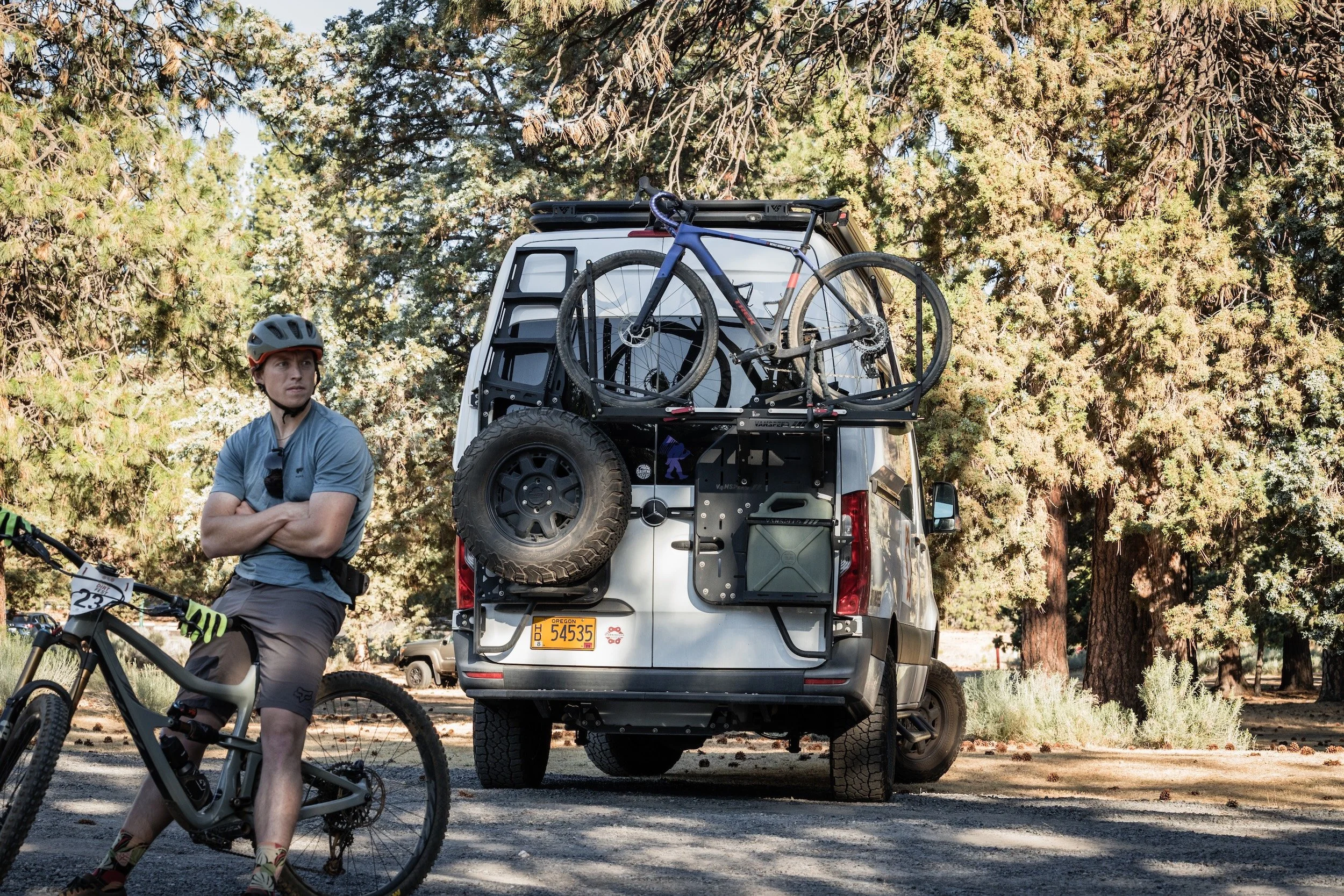
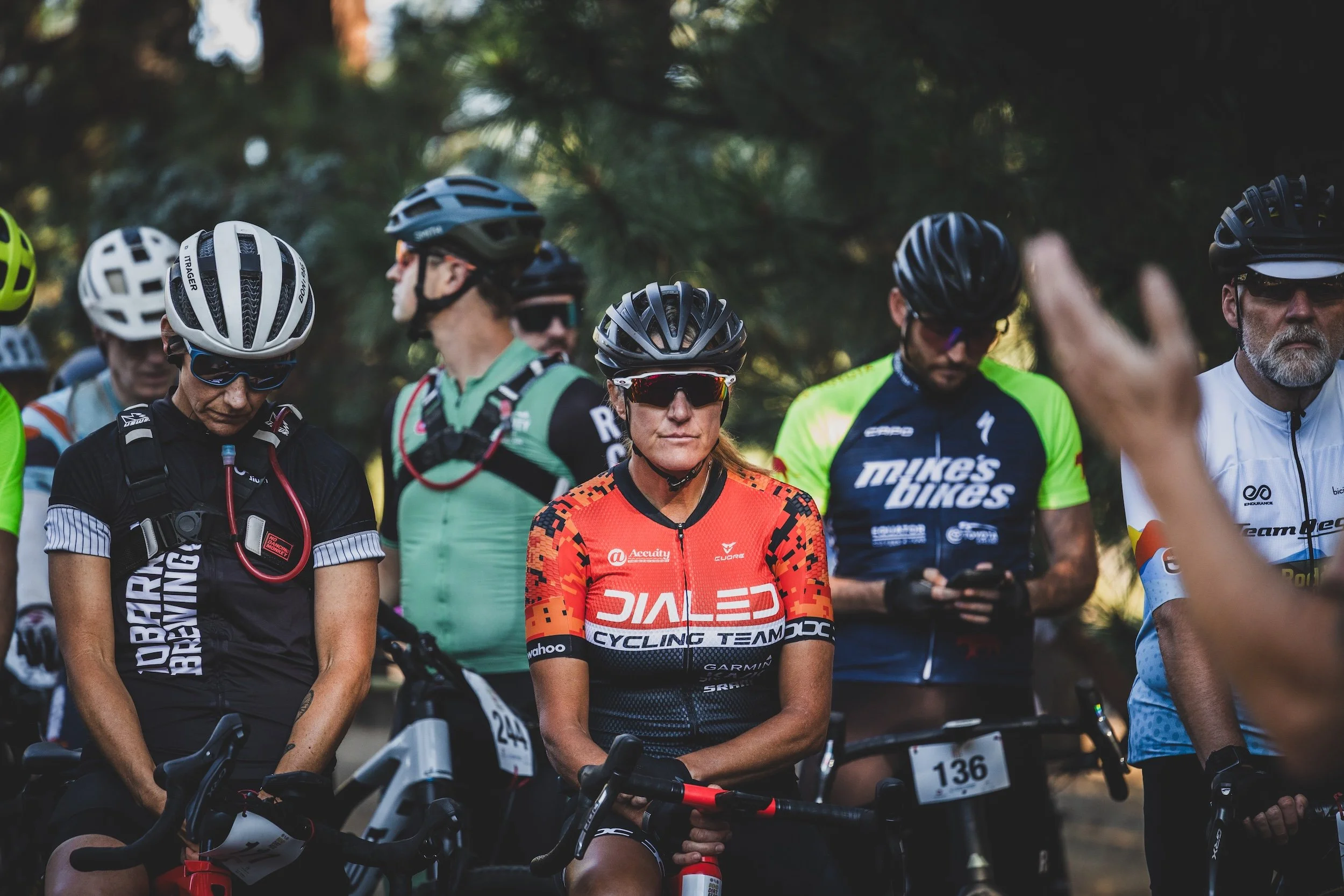
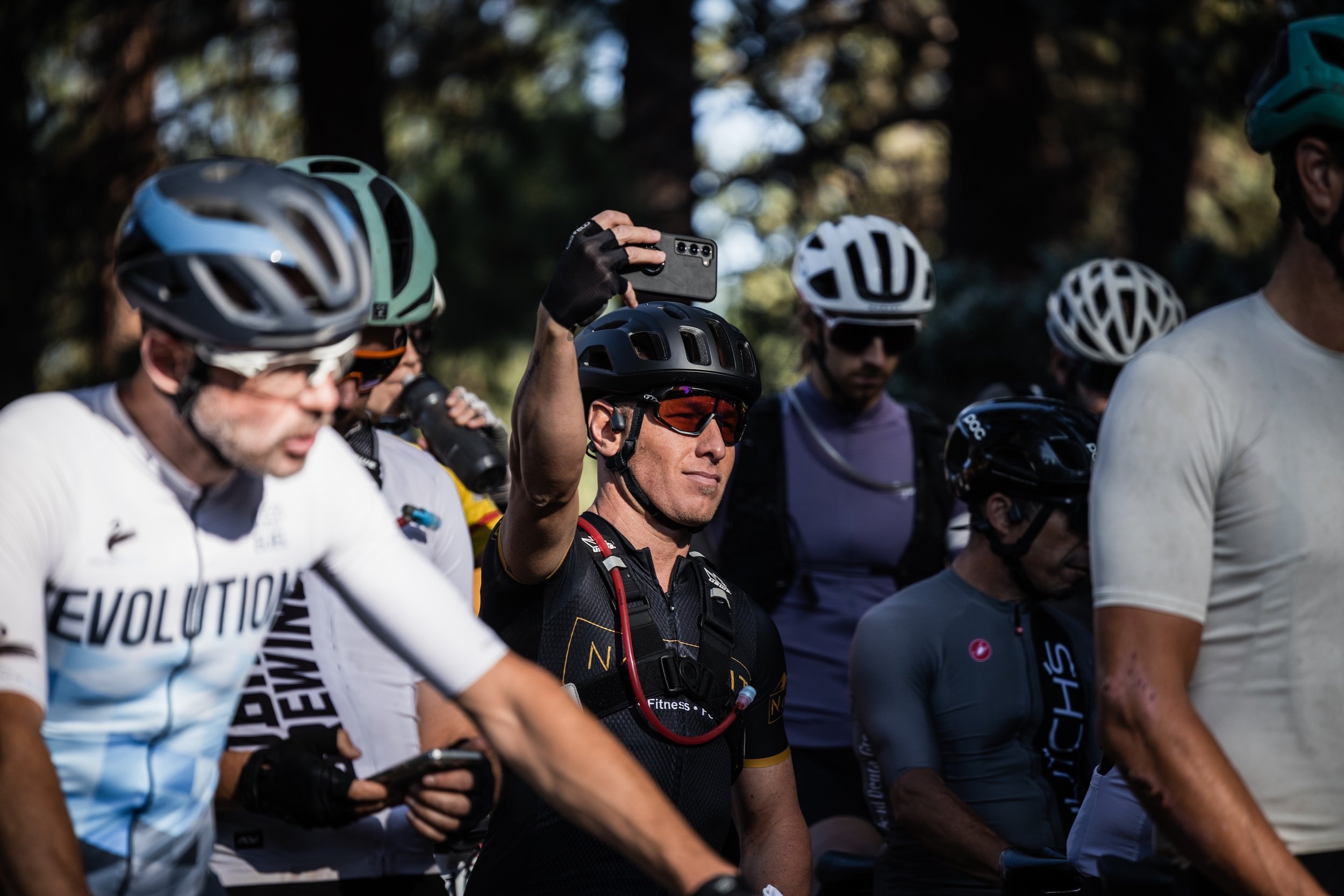
For example, think about photography. You could generate a spectacular image of cyclists riding through a beautiful desert landscape. But why would you when you have actual photographs of real participants experiencing your race?
The same applies to storytelling.
An interview with a local business owner, a behind-the-scenes look at trail construction, or a firsthand account from a race participant offers something that generic A.I.-generated content cannot.
A genuine connection to your place.
This doesn’t mean you shouldn’t use A.I. to edit an interview transcript, improve a headline, or organize your storytelling. Absolutely use it for those things. But don’t allow the technology to manufacture an identity that doesn’t reflect reality. And always verify factual claims, quotations, and historical details before publishing.
My recommendation: Use A.I. to amplify authentic stories rather than manufacture artificial ones. Your people, places, and experiences should remain at the center of your marketing.

The Goal? Better Content.
After two-plus years of experimenting with A.I., I’ve become convinced that its greatest value isn’t simply helping us produce more content. I believe it has the potential to help us become better communicators.
For smaller orgs with limited budgets and stretched staff, that’s huge.
A.I. can help you brainstorm, organize, research, plan, analyze, and refine your marketing efforts. It can save time and help you approach familiar challenges from new perspectives. But it still requires judgment. Your judgment.
You need to know your audience. You need to understand your brand. And you need to recognize when something sounds generic, inaccurate, or simply doesn’t represent who you are.
For race directors and rural tourism leaders, I believe the future belongs to those who can combine new technology with authentic storytelling.
People aren’t registering for your race or visiting your community because of generic A.I. content. Yes, a cat on a bike in a sombrero did sound like a great idea at first …
So what compels someone to sign up or visit? You made your race or small town interesting enough to check out. To me, that’s worth remembering, no matter how sophisticated the technology becomes.