Content Marketing for Bike Races: How to Drive More Registrations
Race directors, I have a question for you.
How much money are you spending on advertising your race?
Facebook and Instagram ads. Google Ads. Sponsored posts. Cycling media. Maybe a boosted post here and there when registration numbers need a little help.
Now for the harder question: Is it actually driving registrations?
Listen, I’m not anti-advertising. Paid advertising can absolutely have a place in a race marketing strategy. It definitely can expand your reach, introduce your event to new audiences, and amplify content that is already performing well.
It’s just not where I prefer to put most of my energy or money. I’d rather play the long game. I’d rather spend months creating content that makes people want to participate in a race than spend money repeatedly asking them to register for it.
I think you can see there's a difference between the two. Here's why ...

Why Paid Advertising Isn’t Always the Best Race Marketing Strategy
Think about your own relationship with advertising.
You sit down to watch something on a streaming service and an ad interrupts the show. You’re annoyed. Pissed. An advertisement appears before the YouTube video you wanted to watch. You wait impatiently for the skip button.
Or, you’re scrolling through social media and encounter a sponsored post ... and then another. There’s a pretty good chance you keep scrolling.
We spend money on premium subscriptions specifically so we don’t have to see advertisements. Yet when it comes time to market a bike race, one of our first instincts is often to create an advertisement.
There’s nothing inherently wrong with paid advertising. But there are only so many ways you can tell someone to register for your race before the message becomes background noise.
I believe that’s where content marketing offers a different approach.
What If You Made People Want to Be There?
Instead of continually telling riders to register, what if your content made them wish they were already there?
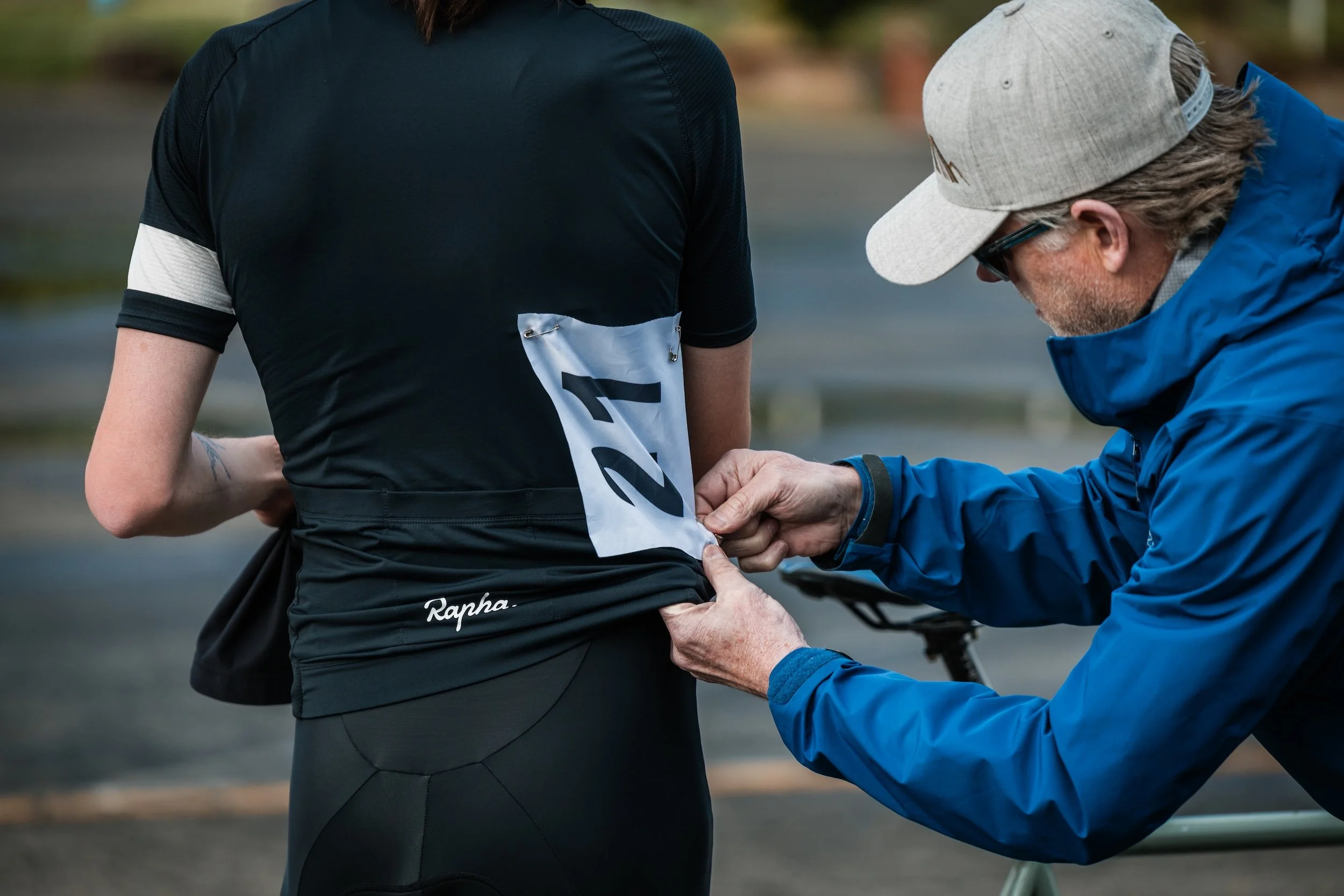
Show me the sunrise over the course. Take me down the best descent. Introduce me to the small town hosting the event. Tell me why that old gravel road exists. Show me what happens at the finish line. Introduce me to someone who has raced your event five years in a row. Take me behind the scenes while your crew marks the course. Show me where riders gather for coffee the morning before the race. Tell me the stories that make your race different from every other event someone could choose.
Create content so good that someone watching from hundreds of miles away thinks: I need to do that race.
Maybe there’s even a little FOMO involved. That’s the power of content marketing.
You’re still marketing the event. You’re still trying to drive registrations. But instead of constantly selling the registration itself, you’re spreading the appeal of the experience.
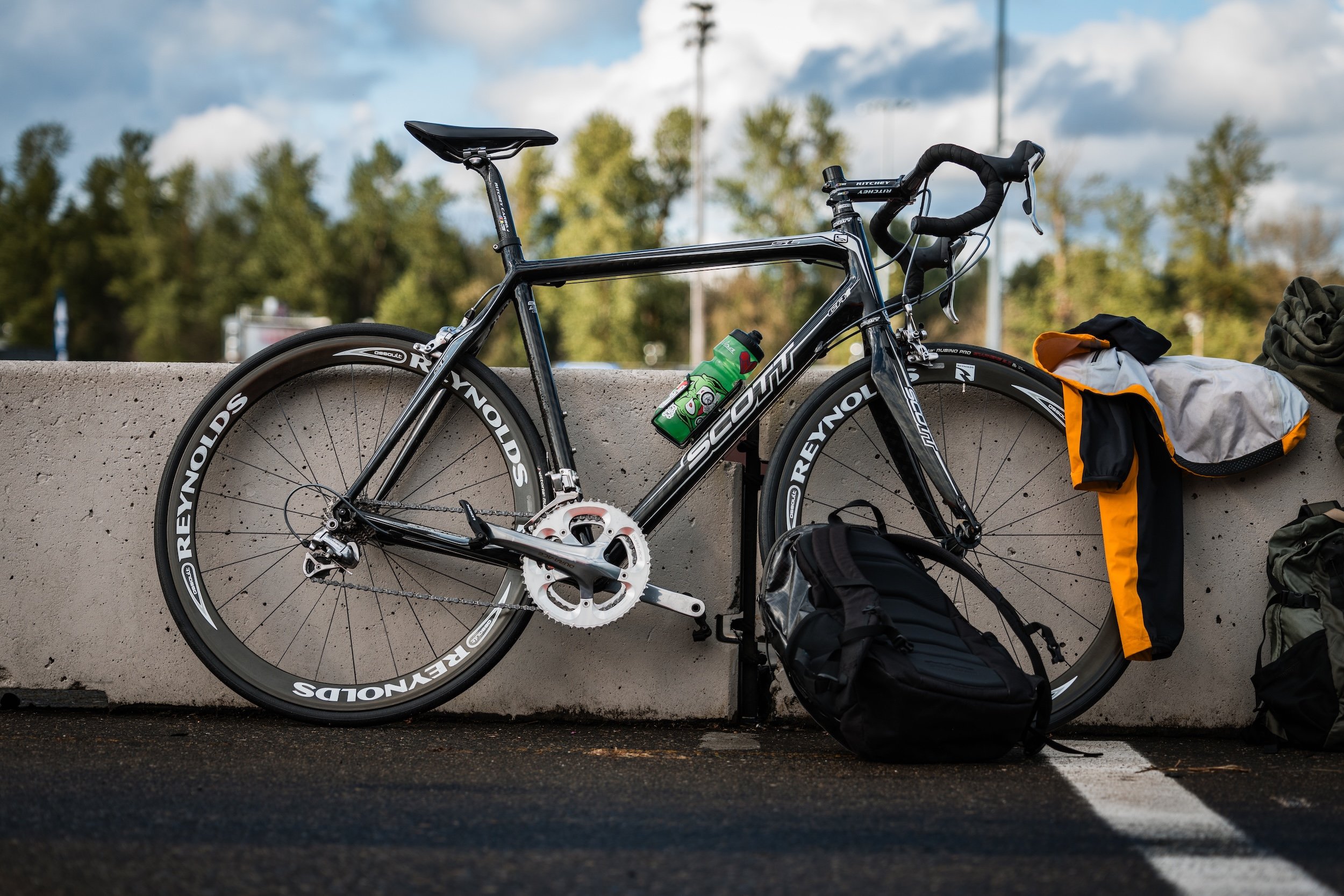
Why Bike Races Need a Year-Round Content Marketing Strategy
One of the biggest mistakes I see in race marketing is the on-and-off cycle, which I've written repeatedly about before.
Registration opens. Suddenly the race’s social media channels come alive. There are registration announcements, course posts, sponsor mentions, countdowns, pricing deadlines, and reminders.
Race week arrives, and the amount of content increases even more. Then the race happens. Photos get posted. Results go up. Volunteers get thanked. And eventually everything goes quiet. A few months later, registration opens again, and the marketing machine gets switched back on.
I think that’s the other way around.
Your race is a brand 365 days a year, even if the actual event only lasts one weekend. That means there are stories worth telling throughout the year.
Content marketing gives you an opportunity to stay connected with your audience without spending the entire year asking them to buy something.
And when registration eventually opens, you’re talking to people who already know you.
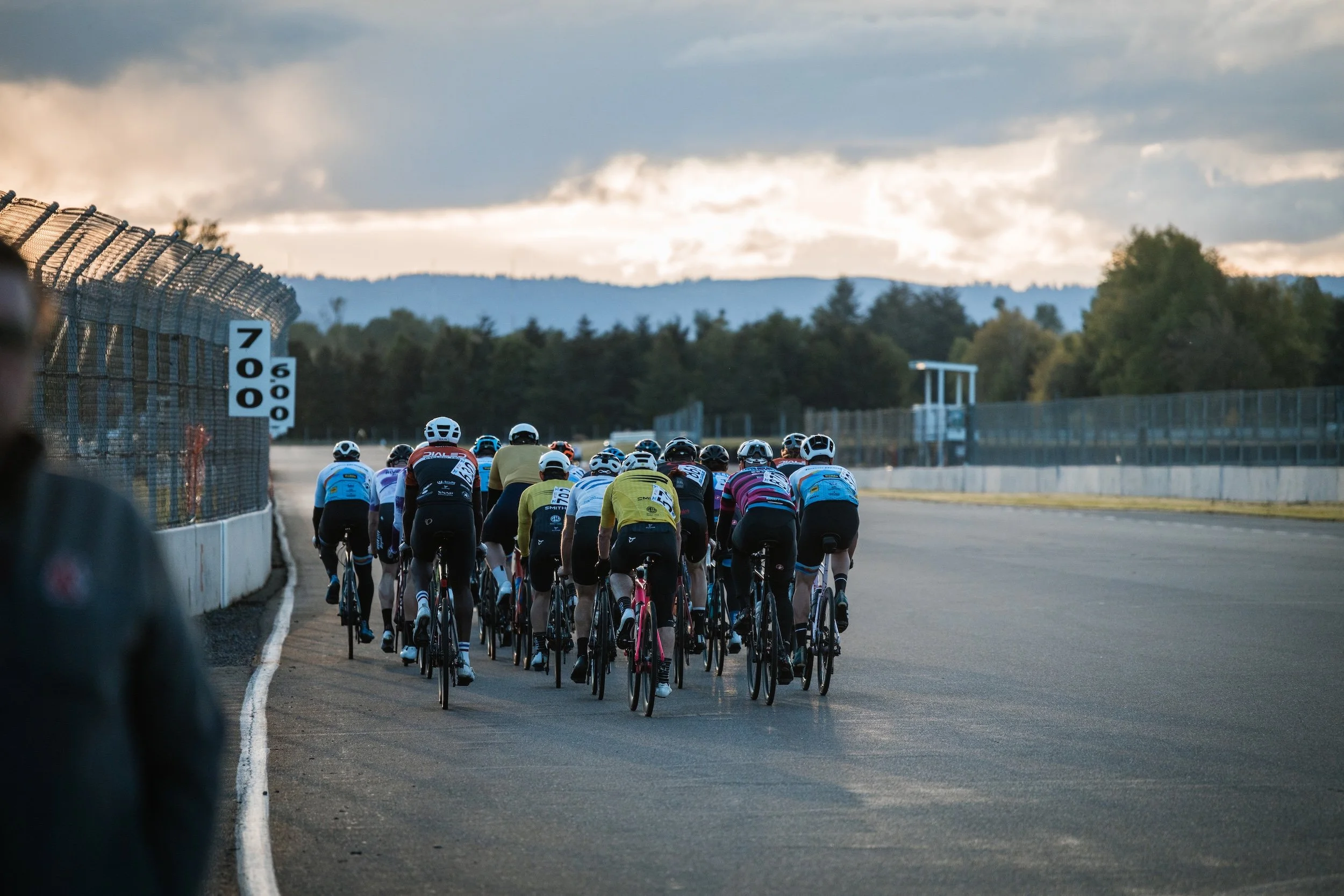
Build an Audience Before You Start Promoting Your Race
This is one of the biggest reasons I prefer content marketing over advertising.
Advertising lets you buy access to an audience. Content marketing helps you build one. That is huge for smaller races.
If every time you need registrations you have to pay a platform to put your event in front of people, you’re continually renting attention. Oh, and you're renting someone else's platform.
If you stop paying, that attention disappears.
But what happens when you’ve spent the previous year building an Instagram following, growing an email list, publishing useful articles, producing videos, earning media coverage, and giving riders reasons to keep following your race?
Now you have an audience.
You can still use advertising. But advertising is no longer the foundation of your visibility.
Your audience is.
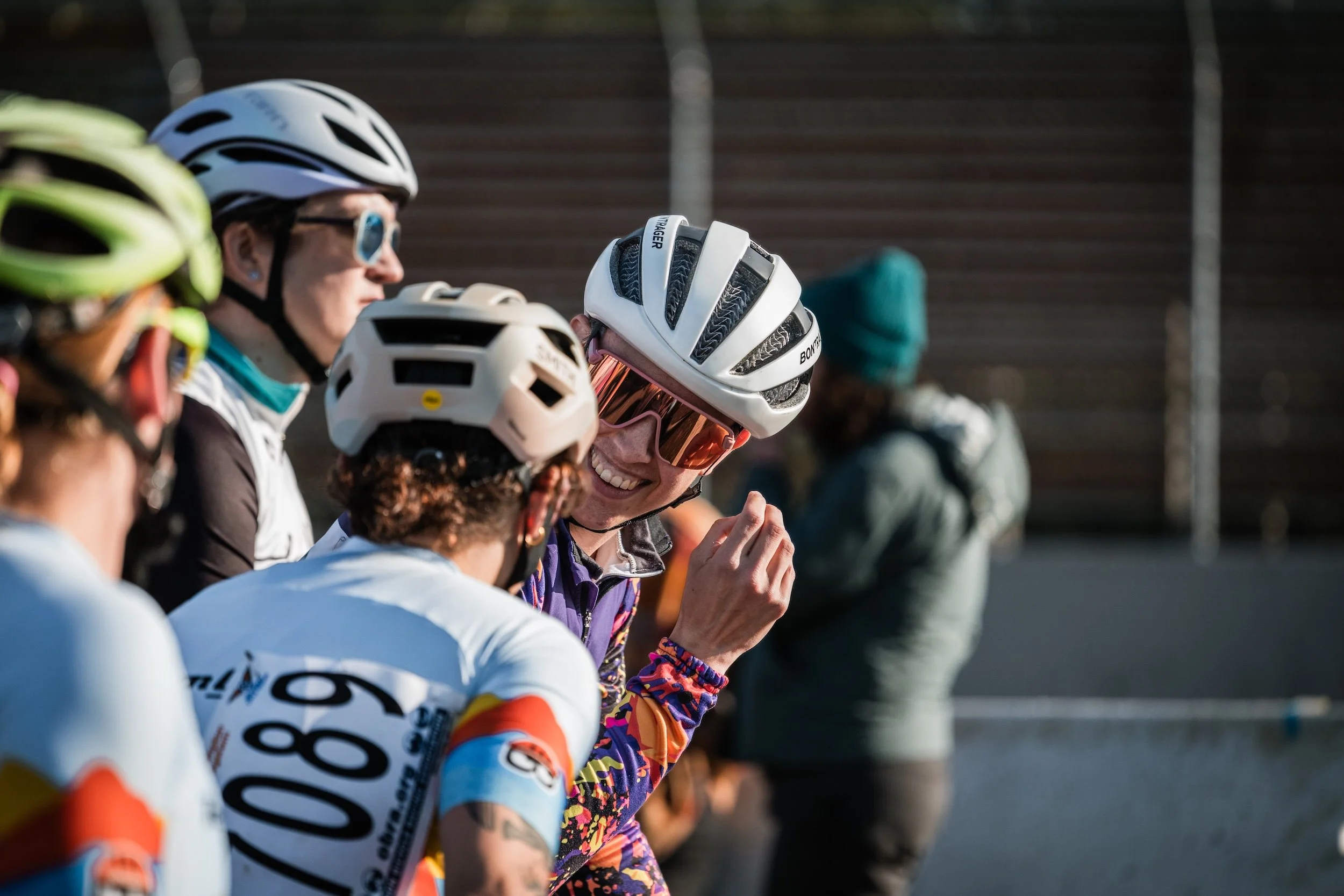
Why Race Marketing Needs More Than Social Media
When I talk about content marketing, I don’t mean posting more often on Instagram. As much as I think that social media is important, it’s only one piece of a much larger strategy.
I want race directors thinking about owned media.
Your website.
Your email list.
Long-form articles.
Video.
This is your stuff. You own it.
I’m a big believer in writing articles about your race because every article creates another opportunity for someone to discover you.
In essence, you're bombarding the internet with your content. Not spam. Useful, interesting, searchable content that gives people more ways to encounter your race.
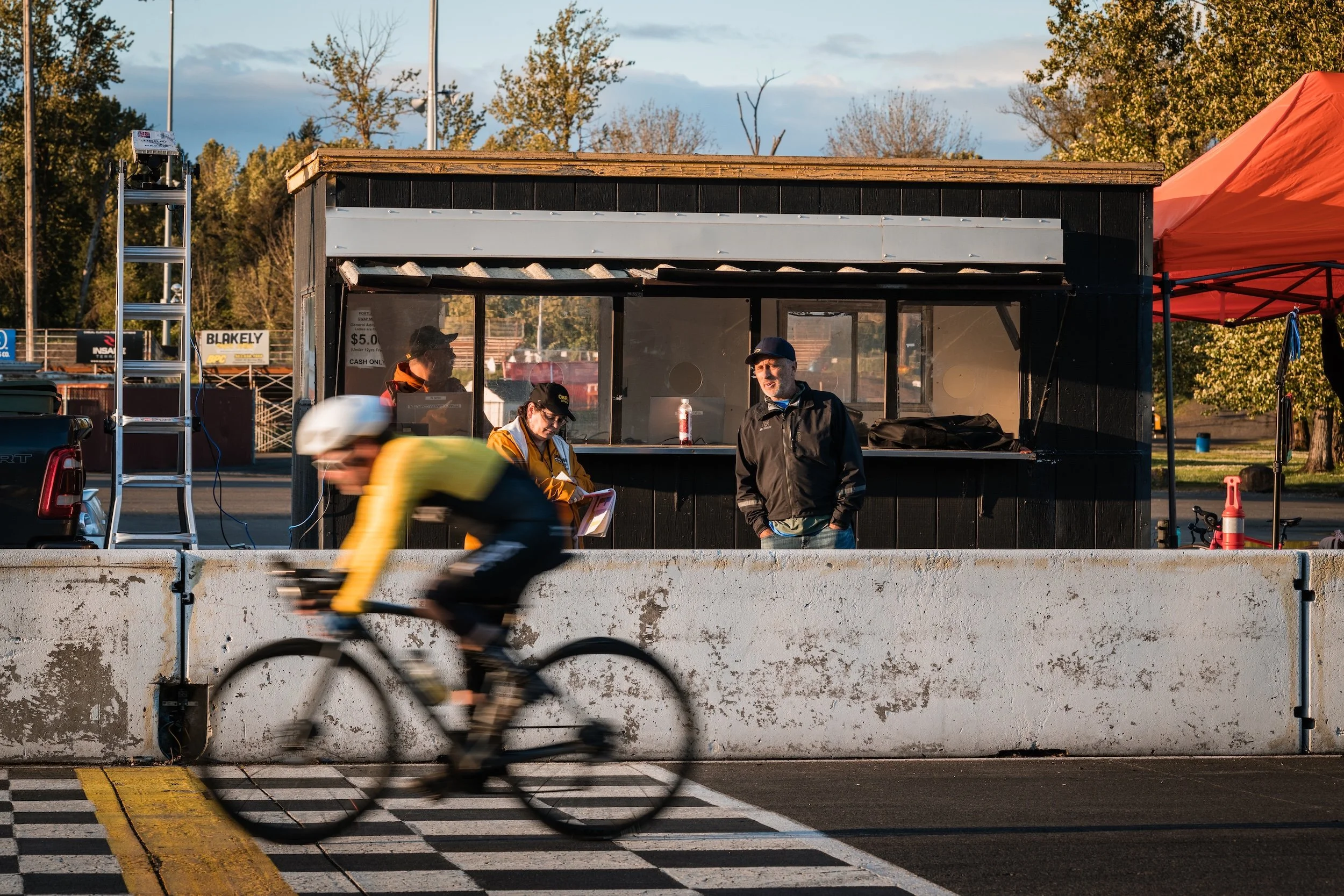
Use Earned Media and Influencer Marketing to Promote Your Race
Owned media is important, but I also want other people telling your story. This is where earned media and creator or influencer marketing can become incredibly valuable.
Instead of putting your entire marketing budget into paid social ads, what if some of that money went toward bringing a trusted cycling creator to your event?
What if you invested in getting journalists, photographers, YouTubers, podcasters, or cycling publications to experience the race?
There is value in someone else telling their audience, "Hey, you need to check this out.
They’ve already built trust with that audience. You’re borrowing some of that trust. And the content can have a much longer life than an advertisement.
An article about your race can continue appearing in search results. A YouTube video can continue collecting views. A creator’s Reel can be shared. A podcast can introduce the event to people who had never heard of it.
Race coverage creates more places for people to encounter your event.
Again, we’re spreading the appeal.
How Paid Ads Can Fit Into Your Race Marketing Strategy
There are plenty of marketers who are very good at paid advertising and can point to successful campaigns.
Ads can work. Retargeting can work. Paid social can introduce your event to people who otherwise wouldn’t encounter it. Boosting a piece of content that’s already resonating can extend its reach even further.
But that’s not where I’d start. Create something worth amplifying first.
If you’re going to spend money putting something in front of thousands of riders, make sure what you’re putting in front of them is actually interesting.
Build a Long-Term Content Marketing Strategy for Your Race
Race registrations matter. Of course they do.
But I don’t think the best way to drive registrations is to spend the months leading up to your race continually asking people to register.
Build the appeal instead. Tell better stories. Show people what makes your course special. Create content that makes riders wish they were there. Publish articles that help people discover you through search. Build your email list. Give cycling media and creators reasons to talk about your race.
And keep doing it all year.
Building that kind of visibility takes a strategy, and it takes time. But that’s the long game I’d rather play. If your race needs help building that strategy, let’s talk.