What Makes a Great Bike Race? 5 Ingredients That Matter
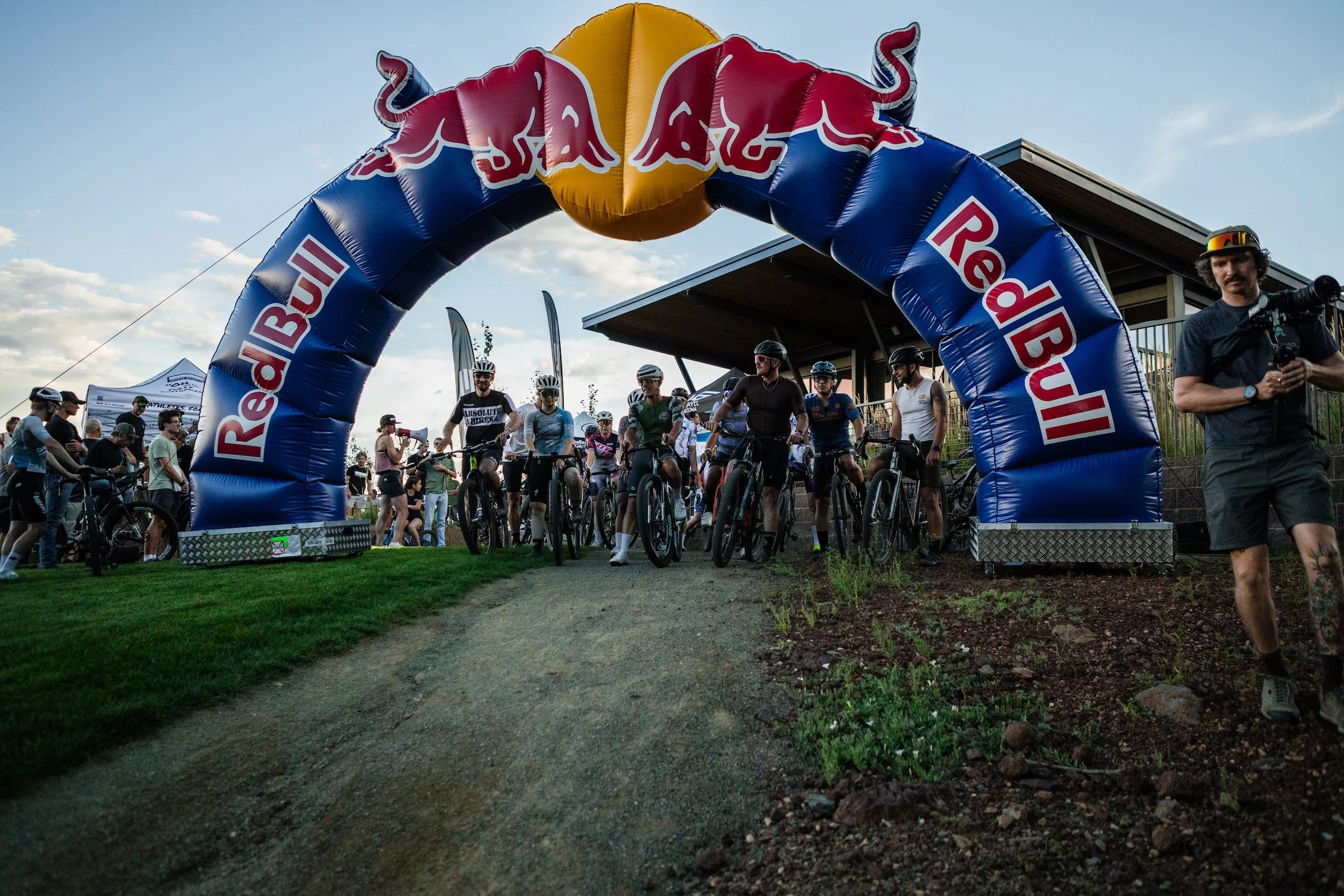
It is exhilarating to shoot photos at bike races. It doesn't matter if it's gravel, MTB, or road; I am genuinely giddy when I'm out on the road or trail with a camera in hand, waiting for the first racers to come into view.
Anticipation sharpens alertness. Before the lead racer gets to me, I'm constantly surveying the setting for interesting camera angles and perspectives. Then once the first rider zips by, it's run-and-gun photo shooting for the rest of the race.
It's in the moments in between that I have time to think and reflect about not just the race, but the whole spectacle of race weekend festivities.
This week I'm back in the classroom teaching a full load of undergrad digital media courses ... photography, video, writing for social media, and more. It's always a jolt to the system jumping into a new semester as I move from summer mode to full-on academic nerd mode.
But my mind keeps returning to this past weekend.
While travel and adventure don't end once the semester begins, it definitely slows down a bit, especially when I'm teaching a Friday afternoon class. That means my window for hopping on a plane out of Portland for the weekend to shoot races is tighter.
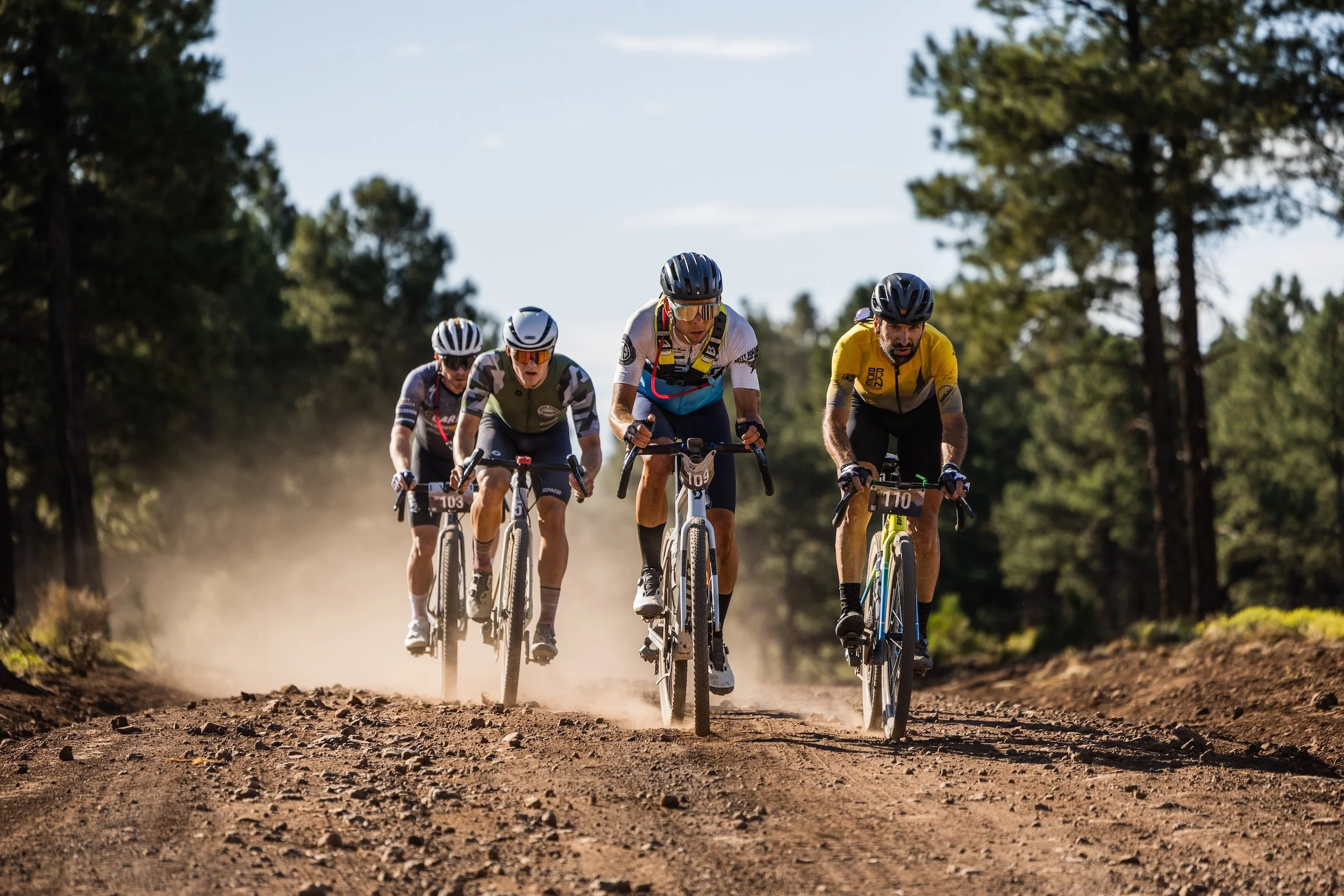
I had one last longer foray to shoot a gravel race this past weekend when I traveled to Flagstaff, Arizona for the 2nd year of Village Gravel. Since I'm working on a separate article about the race itself, I'll reduce my commentary on the actual race itself, which, by the way, was absolutely spectacular.
Instead, I want to take this moment to reflect on the countless races I shot this year, beginning way back in mid-March. While I still have a few more races to shoot this year, I have enough data and reflection to definitely highlight what I believe are the 5 ingredients that successful bike races have.
Mind you, this is from my angle as one who spends race weekends behind the lens, literally observing and constantly hunting for moments to capture on camera. From pre-race festivities to the fast-paced race itself to post-race celebrations, I am seeing a clearer picture of what makes certain races stand out among others.
Or to put it differently, what are the essential ingredients to make a race successful? And by success, I'm not necessarily talking about whether the race promoter made a decent profit (which I hope they all do, because it's A LOT of work). I'm defining "success" as: did the race deliver a memorable experience?
Let's jump into this. Here are my 5 ingredients that matter.
1. Great Races Create a Sense of Community and Belonging
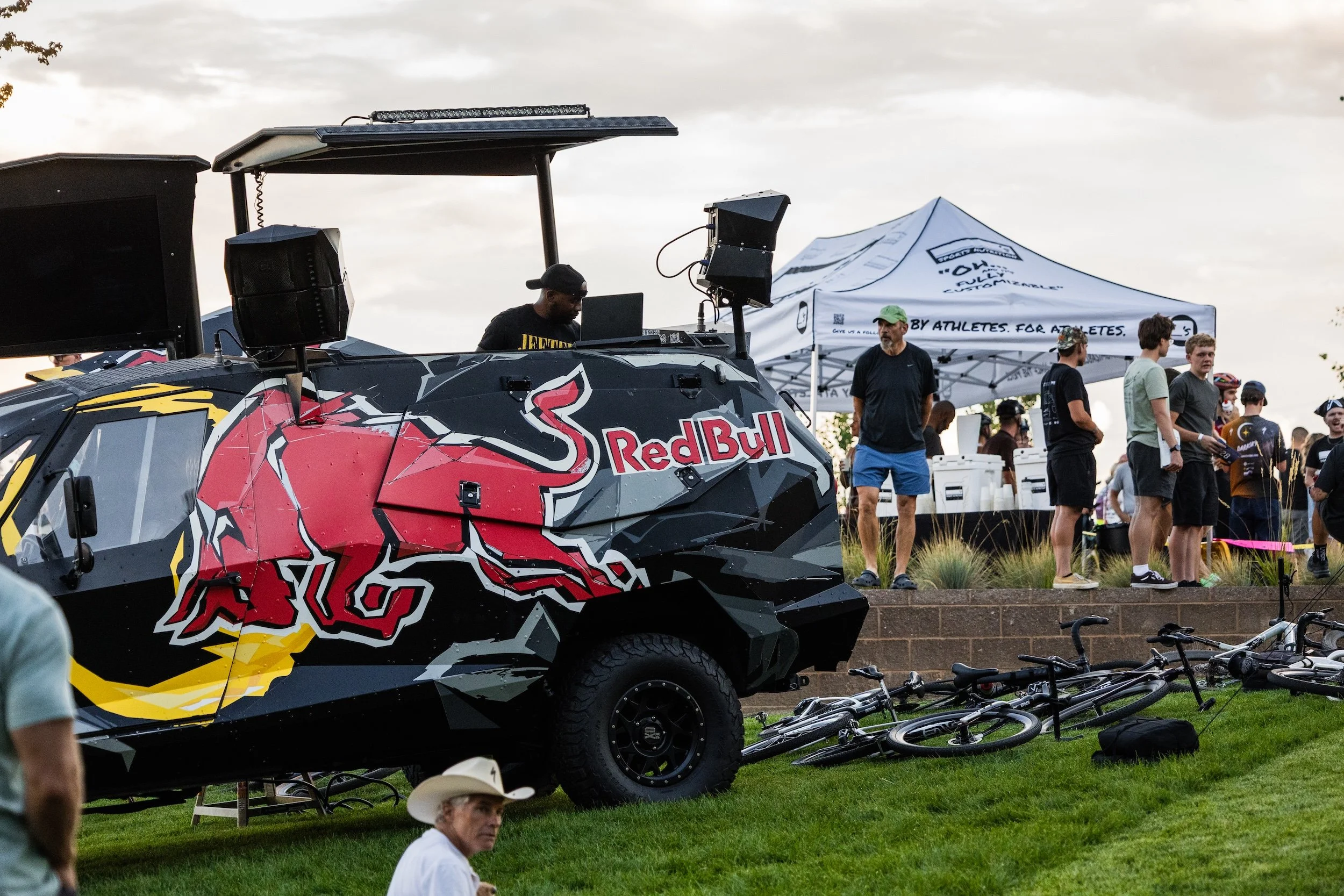
The best races feel like gatherings before they feel like competitions.
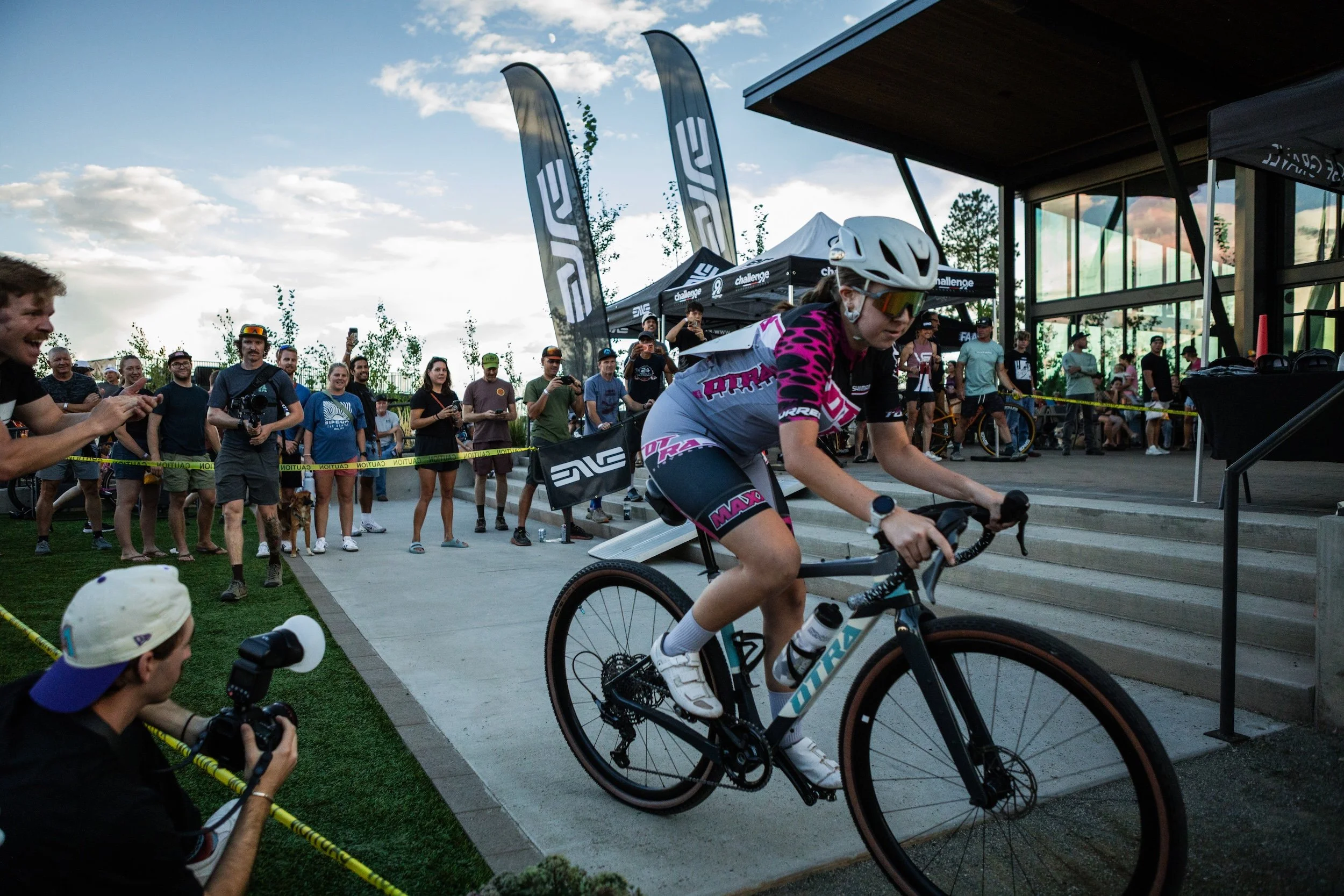
You notice it almost immediately when you arrive. I certainly do. People recognize each other. Volunteers are stoked to be there. Riders linger around registration instead of grabbing their number and disappearing. Someone is introducing one person to another. People who raced together last year pick up conversations as though only a few weeks have passed.
There is a sense that you have arrived somewhere you belong. That's a big deal because most riders aren’t going to win. Spoiler alert: only a handful of people will stand on the top step of the podium. For everyone else? The value of race weekend has to come from somewhere beyond the results.
That’s where community becomes such an important ingredient.
The strongest races I've seen create opportunities for connection before, during, and after the race. Maybe that’s a shakeout ride on Sunday afternoon. Maybe it’s hanging around a brewery after packet pickup. Maybe it’s volunteers cheering for riders at an aid station ... and handing out tacos to the racers. Maybe it’s everyone swapping stories over hand-tossed pizzas or burritos after crossing the finish line.
As a photographer, these are often some of my favorite moments to capture. They’re also a reminder that race directors aren’t merely designing courses and timing cyclists. I see them as creating temporary communities ... which will then live online long after race weekend.
And when people feel like they belong to something, they want to come back.
2. Great Races Have a Strong Sense of Place
You should know where you raced without looking at the GPS file.
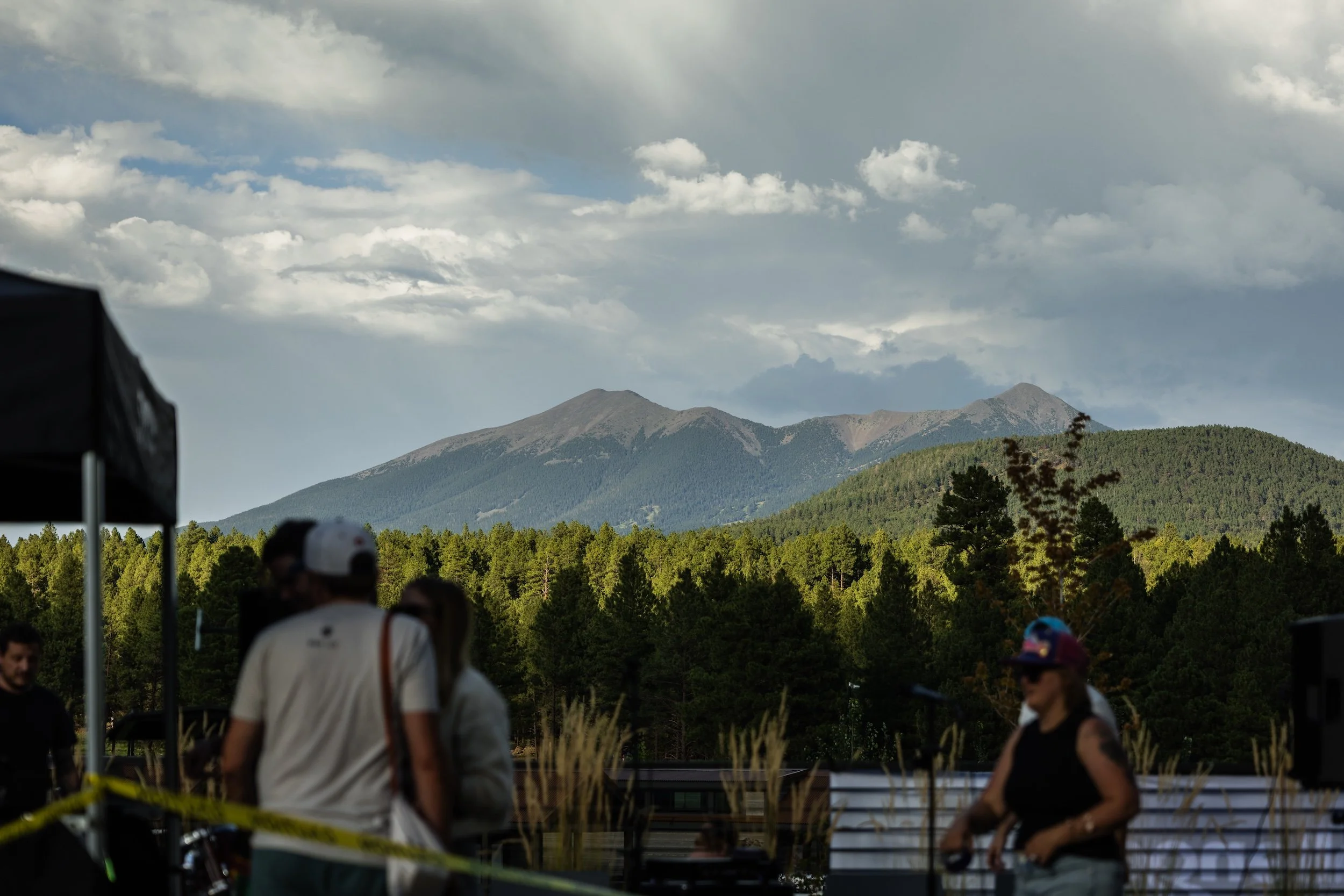
This might be the ingredient I’ve become most aware of after traveling around the West shooting races. The best races could not simply be picked up and dropped somewhere else.
The landscape matters. The town matters. The roads and trails matter. The weather matters. The local businesses matter. Even the quirks and imperfections of the destination contribute to the experience.
A race in the Arizona borderlands should feel different from racing through the forests of Oregon. Gravel racing around Flagstaff should feel different from gravel racing across the Midwest.
I view those differences as a real asset.
Too often, we think about the host community as the backdrop for the race. I think successful races flip that relationship around. The place becomes part of the race itself.
This is especially important for races hosted in smaller towns and rural communities. Instead of trying to replicate the atmosphere of a major destination event, lean harder into what makes your particular corner of the world interesting.
Show riders something they haven’t experienced before. Give them roads they wouldn’t otherwise ride. Send them through landscapes they wouldn’t otherwise see. Introduce them to a community they might never have visited.
While the course gets riders there, I genuinely believe that the place gives them something to remember.
3. Great Races Know Who They Are
Some races feel generic. Others have a personality.
You can see it in the branding, hear it in the way the race director talks about the event, experience it at packet pickup, and feel it when you’re standing at the start line.
Those races know exactly what they are. They aren’t trying to appeal to every cyclist.
Maybe the race is gnarly and difficult. Maybe it’s quirky and irreverent. Maybe it’s intensely competitive. Maybe it’s family-friendly. Maybe the entire weekend feels like one giant party with a bike race tucked into the middle of it.
There isn’t one correct personality. The important thing is having one. Identity then creates expectations.
When the website, social media, photography, course, venue, volunteers, merchandise, and race-day experience all reinforce the same identity, riders understand what they’re signing up for. Better yet, they begin identifying with it.
“This is my kind of race.”
That’s an incredibly powerful statement for a rider to make. The strongest bike races I've seen aren’t simply identity-less events people register for. Over time, they can become part of how riders see themselves.
4. Great Races Understand That the Race Is Bigger Than the Race
If your event starts when the timing chip activates and ends when riders cross the finish line, you’re leaving a huge part of the experience on the table.
One thing I’ve noticed from photographing races is how much of race weekend happens when nobody is actually racing.
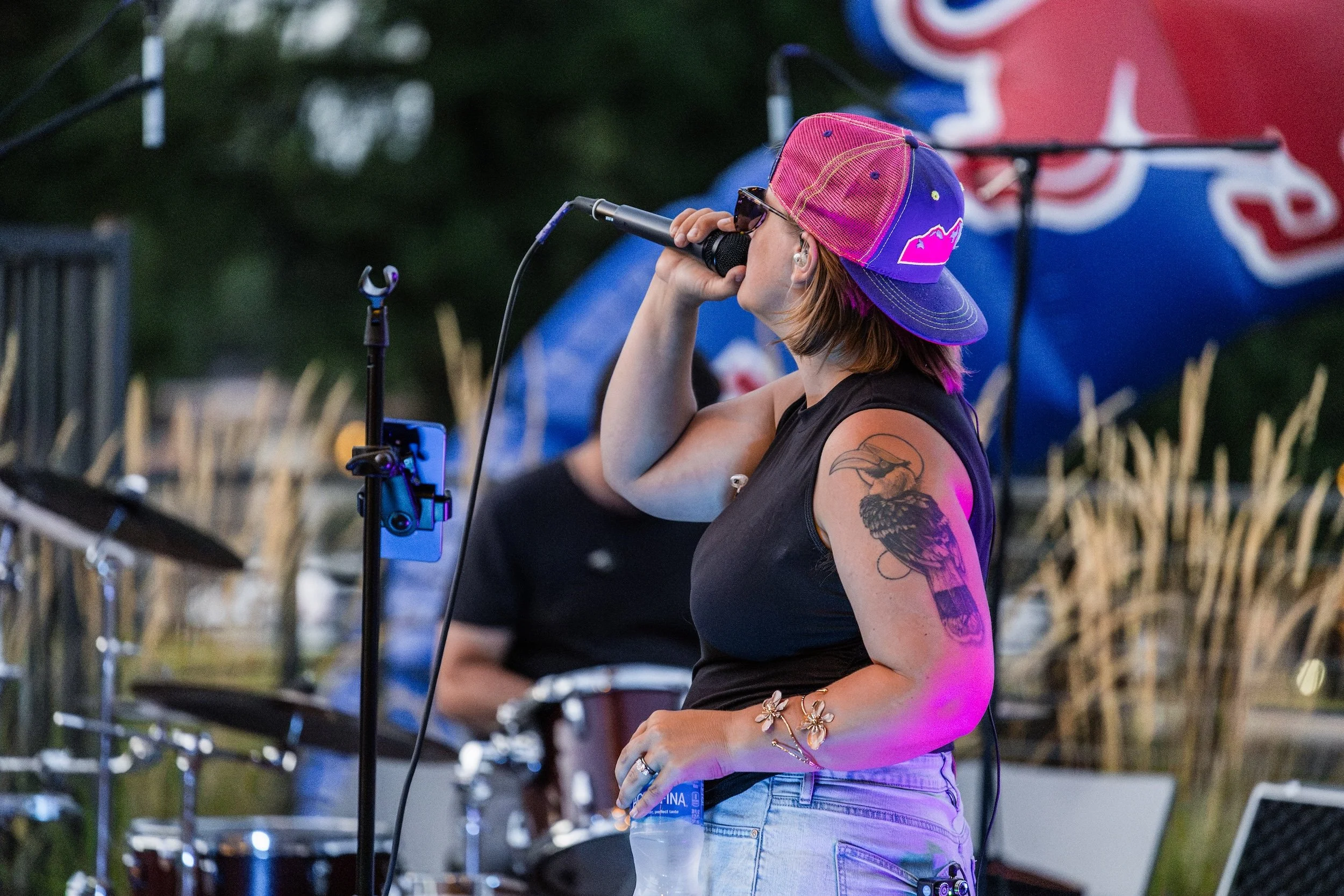
It’s Friday afternoon at packet pickup. It’s riders wandering around town. It’s the anticipatory energy over breakfast before the race. It’s friends getting bikes ready in the parking lot. It’s the announcer getting everyone pumped up at the starting line. It’s the exhausted rider sitting on the ground afterward, trying to process what they just did. It’s podiums, food, beer, music, conversations, hugs, stories, and all of the other moments surrounding the actual competition.
These aren’t extras or add-ons. They ARE the race experience.
Race directors spend enormous amounts of energy creating the course, and rightfully so. But riders experience so much more than what happens between the start and finish. They’re experiencing an entire weekend.
That’s why seemingly small details can have a HUGE impact. A welcoming packet pickup. Good food afterward. An energetic announcer. Thoughtful (and clear) signage. Volunteers who are genuinely excited to see riders. A finish-line environment that makes people want to hang around instead of immediately loading their bikes and driving home.
I'd contend you’re actually designing an experience, more than merely putting on a race.
5. Great Races Give People a Story Worth Telling
This might be the ingredient that ties everything else together.
When riders leave on Sunday, what story are they going to tell on Monday? Because either way, they will tell one.
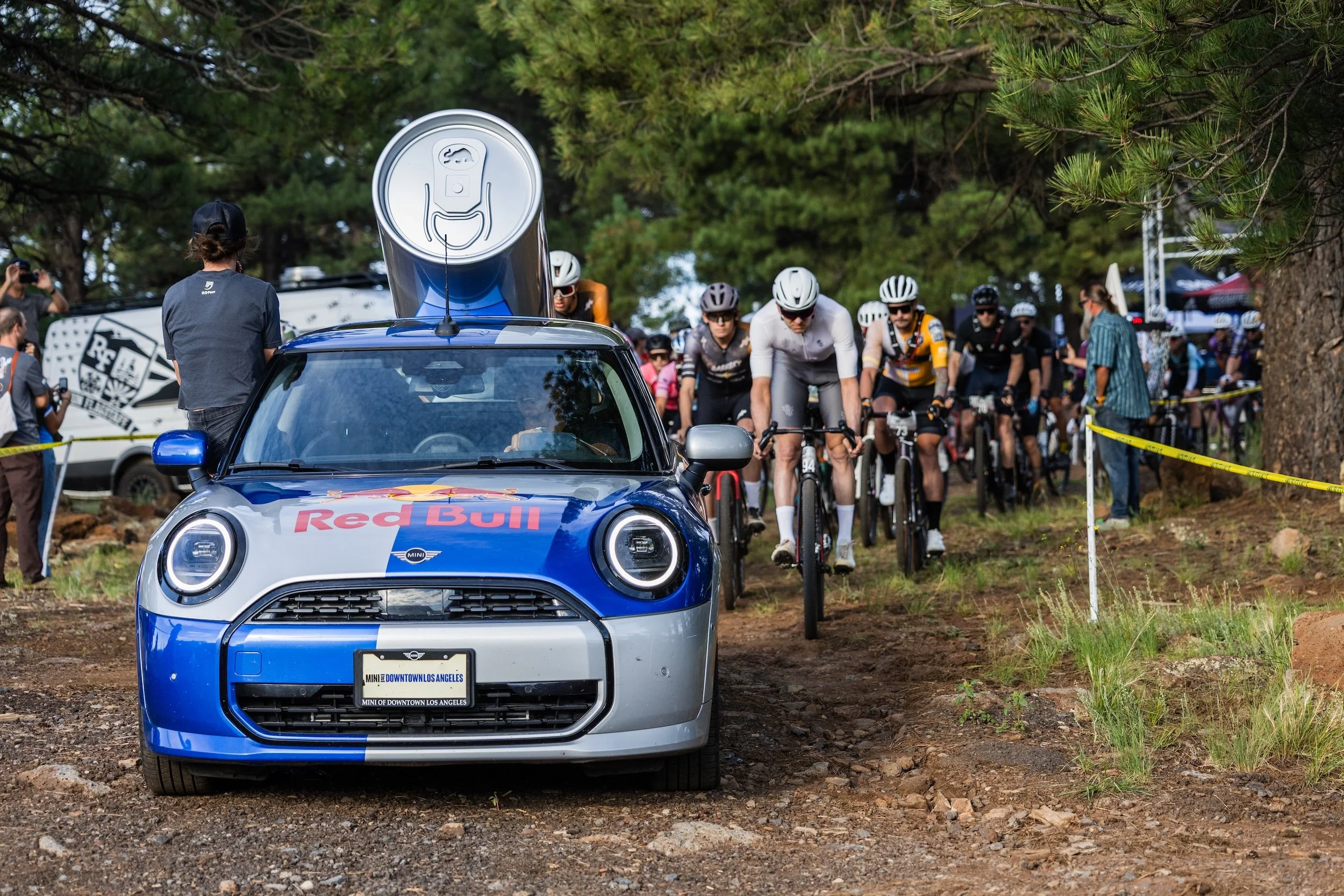
They’ll tell coworkers about the brutal climb where they almost cracked. They’ll send friends a photo of the ridiculous mud. They’ll talk about the aid station in the middle of nowhere. They’ll post about the scenery. They’ll laugh about getting dropped. They’ll talk about the stranger who helped them fix a mechanical. They’ll share the finish-line photo where they look completely destroyed and somehow incredibly happy at the same time.
Those stories are enormously valuable.
I’ve spent a lot of time writing about content marketing for bike races, but some of the most powerful marketing doesn’t come from the race’s Instagram account. It comes from the riders.
A memorable race gives people stories they want to share.
That means race directors should think beyond, “How do we get people to register?” Ask instead, "What are we creating that people will still be talking about six months from now?"
Community gives people someone to share the experience with. Place gives the experience a setting or backdrop. Identity gives it personality. Race weekend gives them memorable moments. And all of that gives riders a story.
That’s how races become must-do events people circle every year.
Final Thoughts
Maybe that’s one reason I enjoy photographing bike races so much.
I’m technically there to document a competition. You know ... riders racing bikes. The sweet bikes. The suffering. The attacks. The crashes. The scenery. The finish line.
But increasingly, I find myself equally enthralled at pointing my camera at everything happening around the race.
Those moments tell me something.
A successful bike race isn’t ultimately defined by what happens on the results sheet. To me, it’s defined by whether people leave wanting to come back.
And what about the best races I’ve photographed? They make that decision pretty easy ...
——————
Click below to receive my free ebook, Beyond the Registration Push.