
Do You Think Trails Benefit Your Town’s Economy?
A decade ago, Gallup, New Mexico wasn’t exactly known as a trail town. It was a rural hub on the edge of the Navajo Nation, surrounded by wide desert, mesas, and sandstone formations, but not much in the way of tourism buzz.
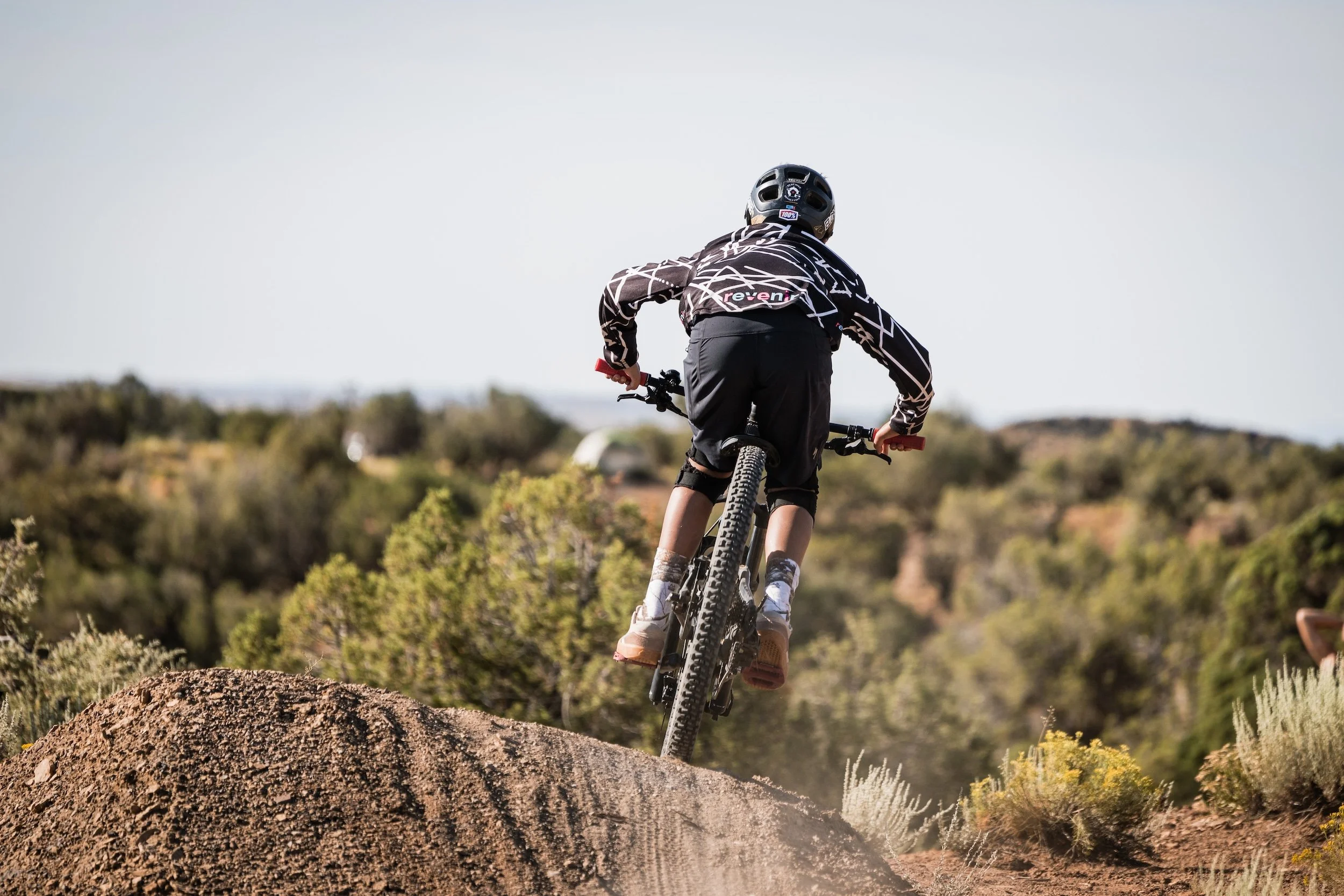
Then came the High Desert Trail System, a volunteer-built network of singletrack that began attracting riders from across the region. Events like Dawn Til Dusk and 24 Hours in the Enchanted Forest drew in thousands of racers and spectators.
From Gravel Roads to Trail Towns: A Pathway for Rural Revitalization
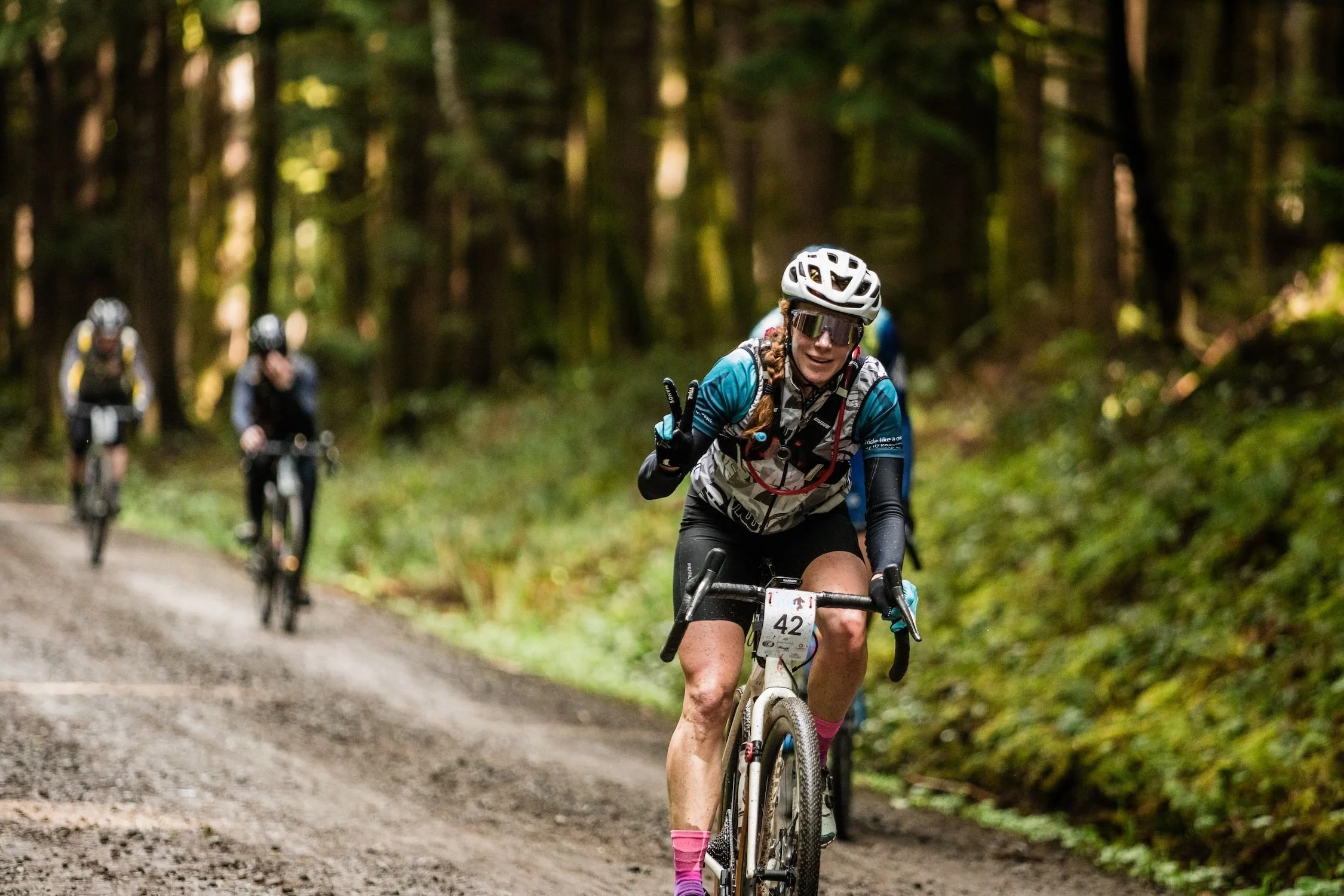
A few years back, I found myself riding in the Oakridge-Westfir area at Mountain Bike Oregon. To me, it’s the kind of place that makes you believe in second chances, not just for old logging towns, but for entire communities looking for a new way forward.
The singletrack was (and is) world-class, and the ridgeline views were unforgettable. But what struck me most wasn’t necessarily the trails, it was the people. A small, tight-knit community that had weathered economic downturns and reinvested in itself through the simple act of getting people out on bikes.
That didn’t happen overnight.
3 Ways to Build a Brand Online: Lessons from Trail Builder Magazine
Building a brand is a long game. It’s less about viral hits and more about consistent presence, a clear identity, and showing up with something that actually connects. I’ve seen it firsthand in the adventure of building Trail Builder Magazine from the ground up.
Your Social Media Is Your Front Door: Branding Advice for Rural Communities and Bike Events
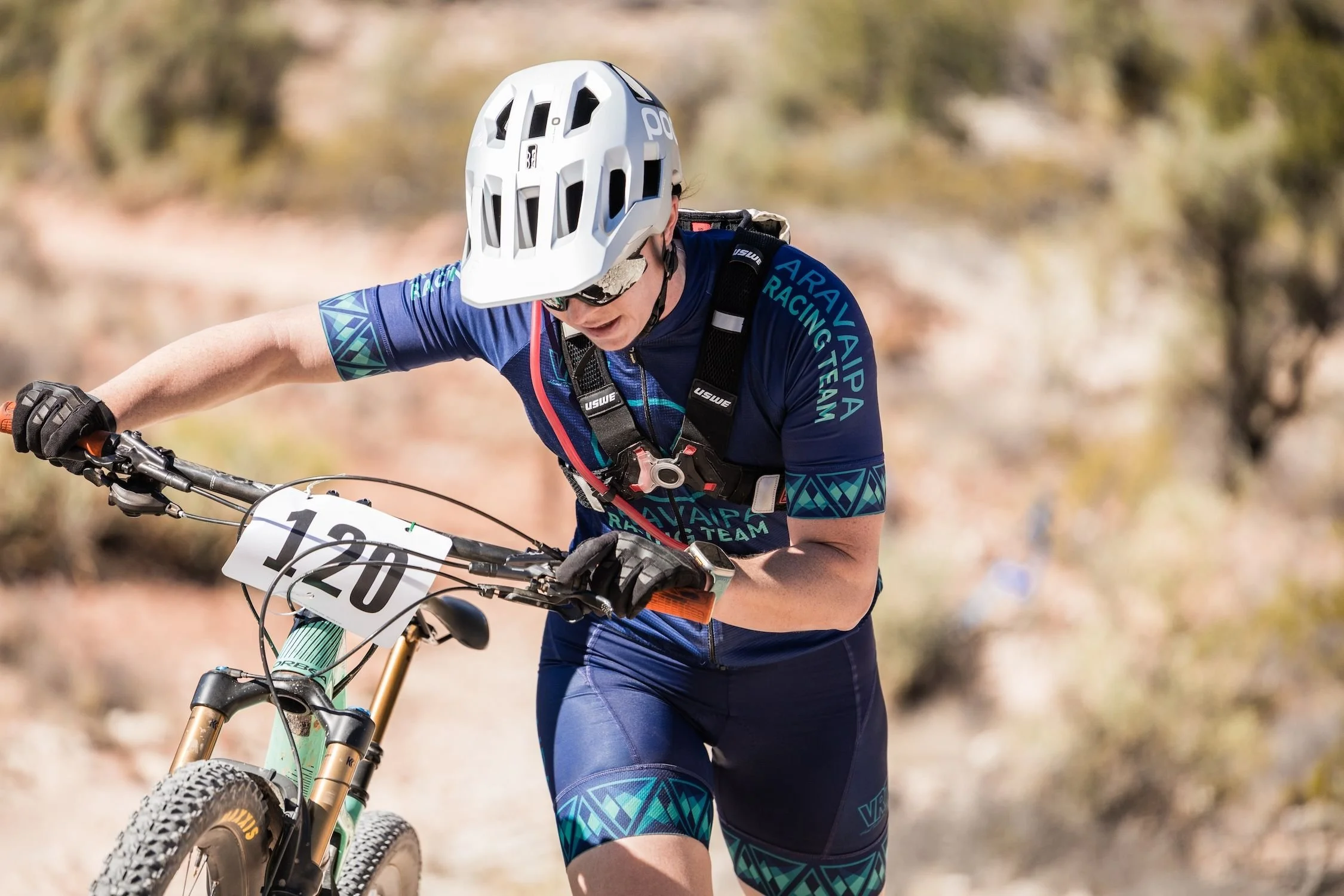
I vividly remember talking with a gravel race director in a small town last year who said, “We post on social media when we can, but it’s hard to keep up.” I get it. Most of these races are volunteer-run, and tourism boards in rural areas are often underfunded and juggling multiple roles. But what I’ve seen again and again, through my work with Trail Builder Magazine and now with BorderLands Gravel, is that your online presence is your brand. If your social media looks like an afterthought, people assume your event or destination is too.
It’s not that these brands are ignoring social media. It’s that they’re not doing it well. And in today’s landscape, that’s just as costly.
Gravel Cycling Is a Rural Revival Strategy
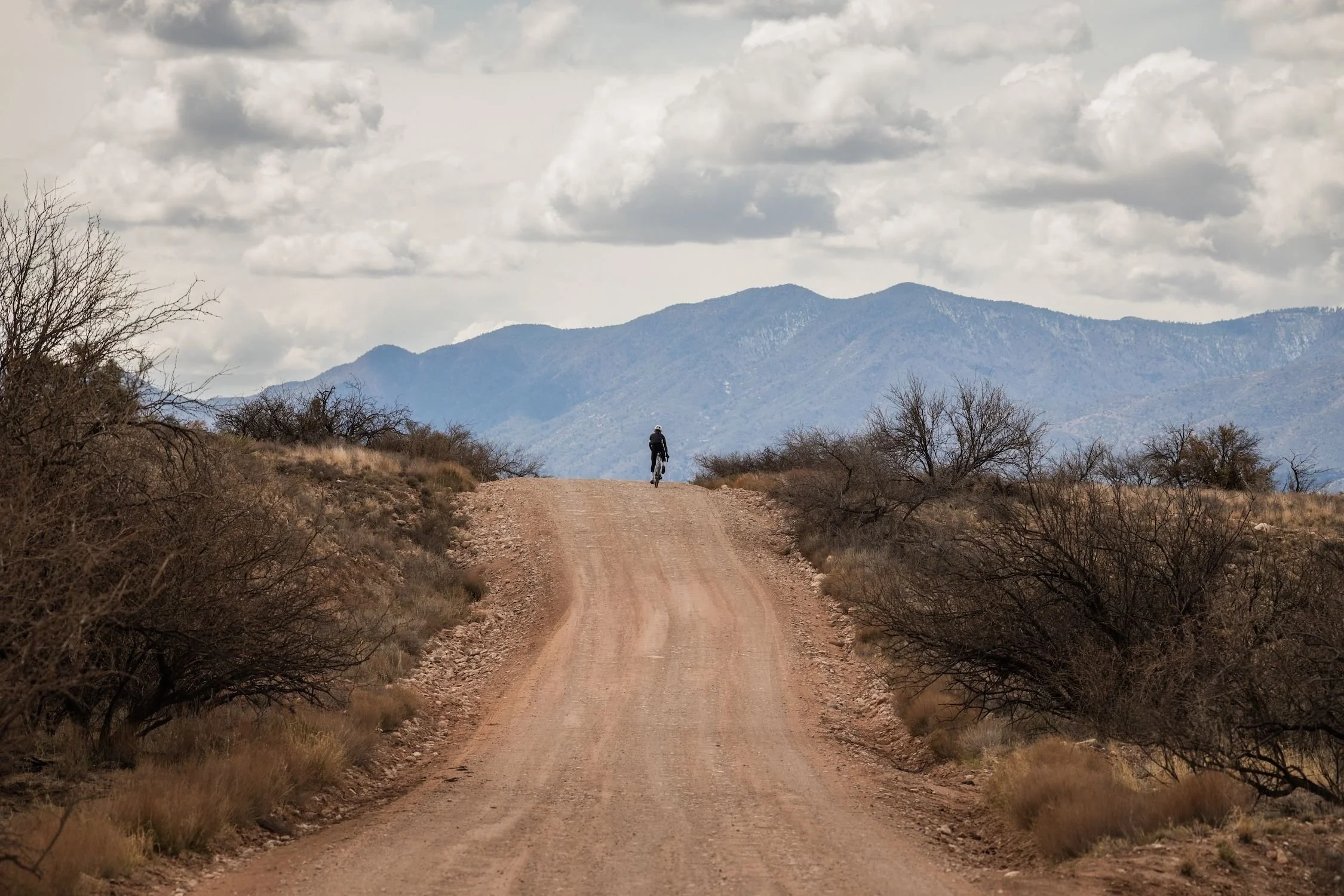
In the heart of rural America, where vacant storefronts line dusty main streets and the hum of industry has long gone quiet, something unexpected is stirring: the whir of tires on gravel.
Gravel racing has exploded over the past decade. It has become a bona fide movement. And for rural communities searching for a spark to reignite local economies, it might just be the answer hiding in plain sight.
How Social Media Can Transform Rural Towns into Adventure Tourism Hotspots
The rise of social media has revolutionized how travelers discover and explore new destinations. For rural towns aiming to attract adventure tourists, a well-executed social media strategy can make all the difference.
With the right approach, small communities can position themselves as must-visit destinations, leveraging digital platforms to increase awareness, drive engagement, and ultimately boost local economies.

Adventure Tourism as an Economic Lifeline
While we often view gravel cyclists, vanlifers, mountain bikers, and hikers as weekend warriors, they’re really a town’s untapped economy. Adventure tourism has emerged as a powerful driver of economic growth, especially for rural communities seeking to diversify income streams and revitalize struggling local economies.
I think about this every time I go mountain biking or gravel riding. Wherever I go, I aim to stop for food and drinks. Am I making an impact? Maybe not alone, but if a town becomes a cycling destination, yes.
The Power of Digital Marketing in Rural Tourism
Imagine a small town that was once thriving but is now struggling to keep businesses open. What if the key to its revival isn’t in factories but in Instagram posts and YouTube videos?
Digital marketing has become an essential tool for tourism-driven economic growth, especially for rural communities that lack the visibility of major destinations.
