
Gravel Cycling as Rural Economic Development: Why Bike Races Can Put Small Towns on the Map
Sometimes it's hard to admit that a gravel bike race is not going to save a rural town. Communities that have experienced decades of population loss, industry changes, declining tax bases, or fewer local businesses are dealing with challenges far more complicated than anything a cycling event can solve.
Why Cascadia Super Gravel Is One of the Pacific Northwest’s Most Unique Gravel Races
I’ve been a part of more gravel races than I can count. Most of the time, my role is that of a photographer, capturing the moment. On some levels, that sounds exhilarating. While it is a blast, most of my time is spent waiting, watching … and thinking.
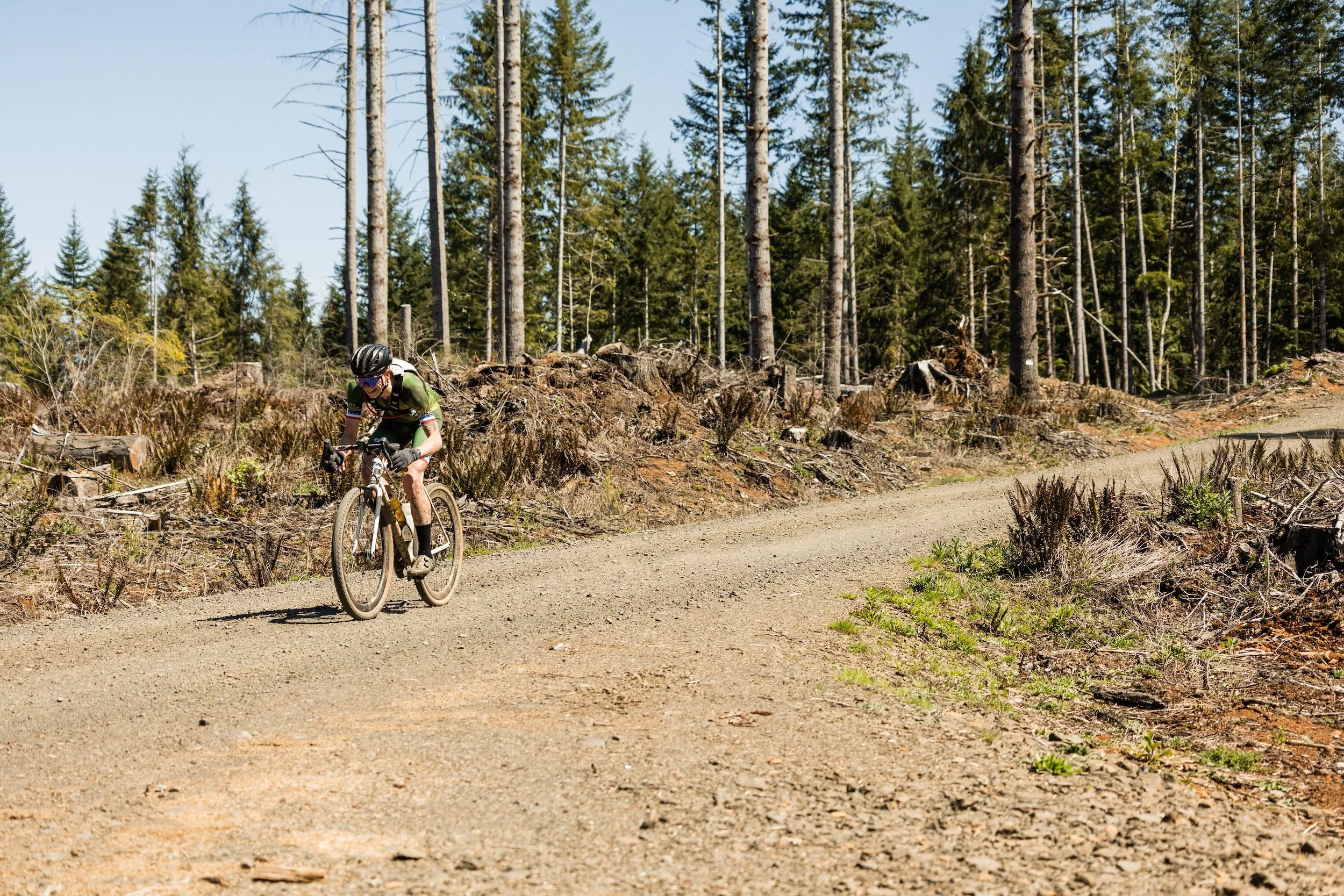
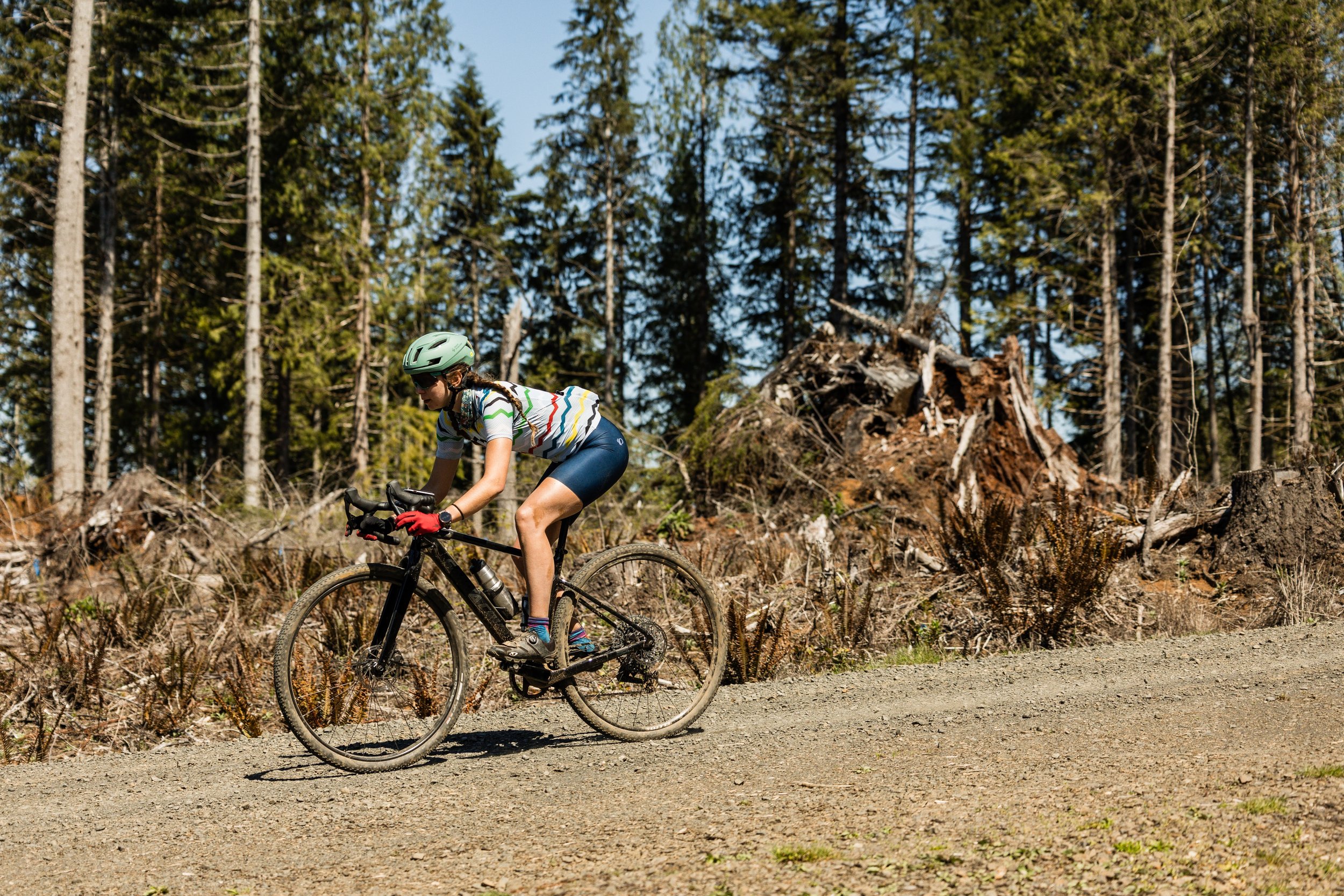
Recently, I shot photos at Cascadia Super Gravel outside of Olympia, Washington. It was my first time there. While I’ll circle back around to more details of the event itself, I want to pick up where I left off in that first paragraph … thinking.
Rural Communities Don’t Need the Next Unbound. They Need Their Own Version of Dufur.
Every year, the gravel cycling world turns its attention toward Emporia, Kansas.
Thousands of riders from around the world travel to Unbound Gravel. The event attracts roughly 5,000 participants and generates millions of dollars in economic activity for the community. For a few days each year, Emporia becomes the center of the gravel universe.
It’s an impressive success story.
But I think many rural communities are asking the wrong question.
The question isn’t, “How do we become the next Emporia?”
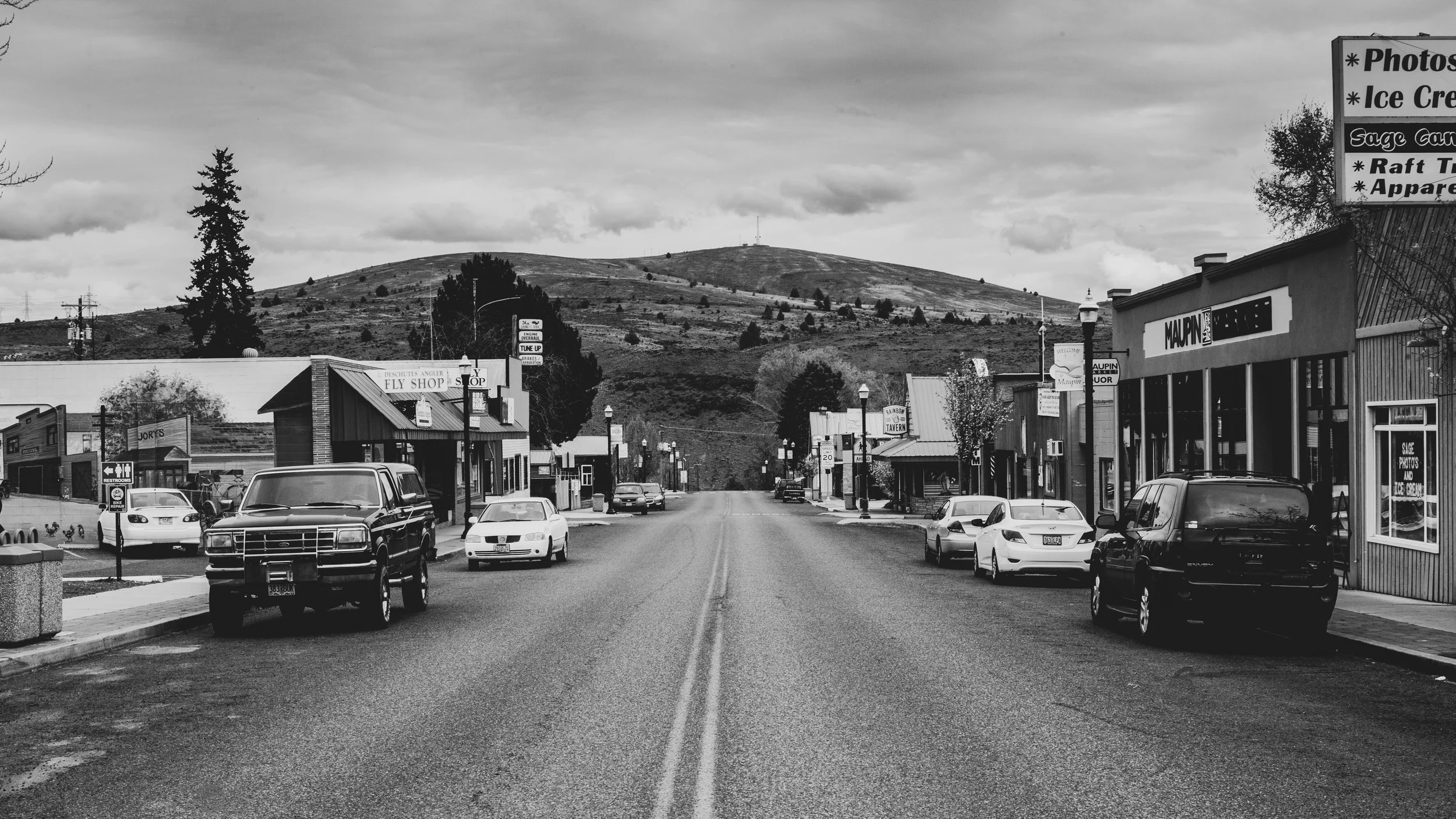
The better question might be, “What is our version of Dufur?”
Clarity Beats Creativity in Race Marketing
“We just need better content,” a race director told me recently.
He said it the way most people do ... frustrated, slightly overwhelmed, convinced the algorithm had turned against him. (Who doesn’t feel that way???)
When I asked what kind of content he meant, he paused.
“More reels, probably. Maybe more drone shots. Something that pops.”
That’s when I realized the real issue wasn’t really about creativity ... it was more about clarity.
Storytelling Is Not Promotion: How Race Content Builds Trust Over Time
The race directors that I know do not want to sell harder.
They already feel the weight of promotion. The pressure to post. The anxiety around registration numbers. The sense that every piece of social media or email newsletter content needs to perform immediately.
That pressure often leads to urgency. Louder messaging. More reminders. A harder push.
Urgency rarely builds trust. But storytelling works differently. It does not ask people to act right away. It helps them understand first.
This article reframes storytelling as something sustainable for race directors. Not a campaign. Not a tactic. But a long-term way of helping people get familiar with your race before they ever decide to register.
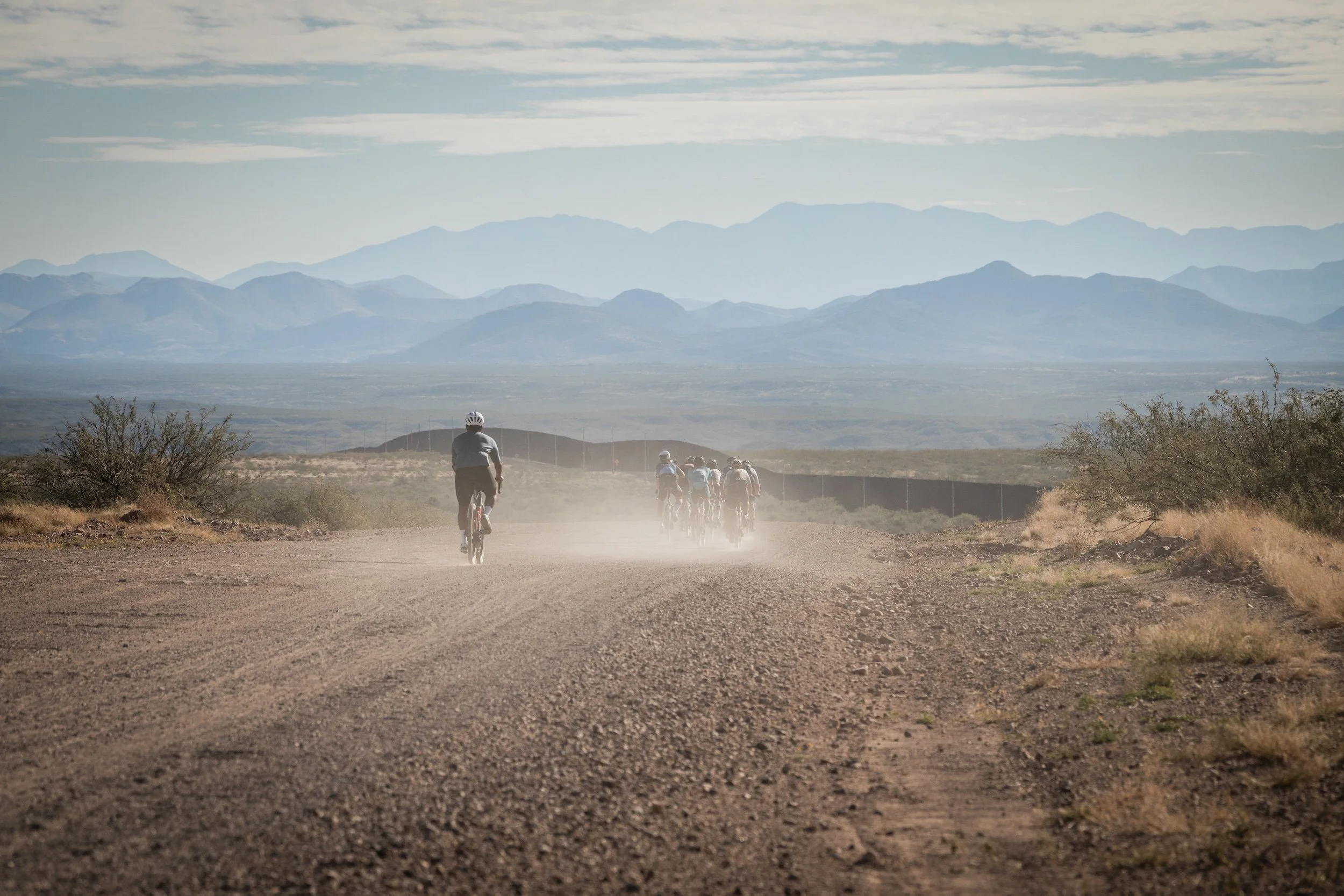
How Gravel Races Drive Rural Economic Growth: Lessons From BorderLands Gravel
Most people see a gravel race as a single day on the calendar.
Riders show up, roll out, race their course, and head home. But if you have ever organized a race or worked in outdoor recreation, you know there is more going on beneath the surface.
The real learning begins after the race, when the surveys start drifting back in. This is where the story reveals itself.
Gravel as the Gateway to Becoming a Trail Town
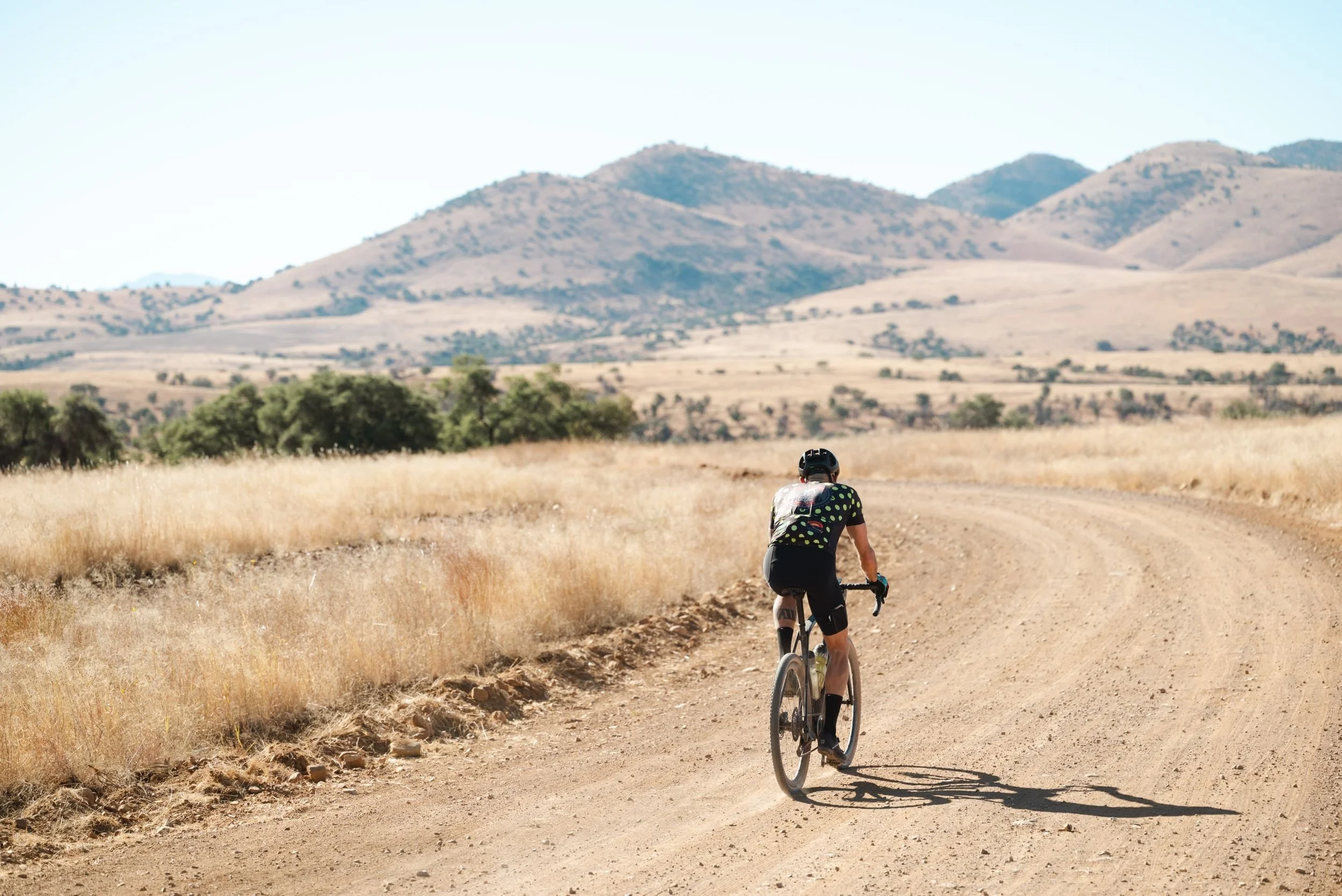
I’m back in Portland this week after a whirlwind trip to Arizona, which included speaking at the Spirit World fundraiser for the Arizona Trail. What is funny is that even though I spent a good amount of time writing and prepping for this speech leading up to the event, when it was time actually to speak, I pivoted.
I spend every day in the classroom, Monday through Friday, teaching undergrad students. Over the years, I’ve developed my own style for how I teach. Giving a one-way speech as a monologue isn’t necessarily my jam, so when it came time to speak, I set aside my notes and tried to make it interactive and a two-way conversation about “gravel as the gateway to becoming a trail town.”
While I have repeatedly touched on this topic, I wanted to revisit it and share the contents of my speech, even though I didn’t touch on everything that night in Patagonia. If I were to give a “proper” speech, this is what I would’ve shared ...
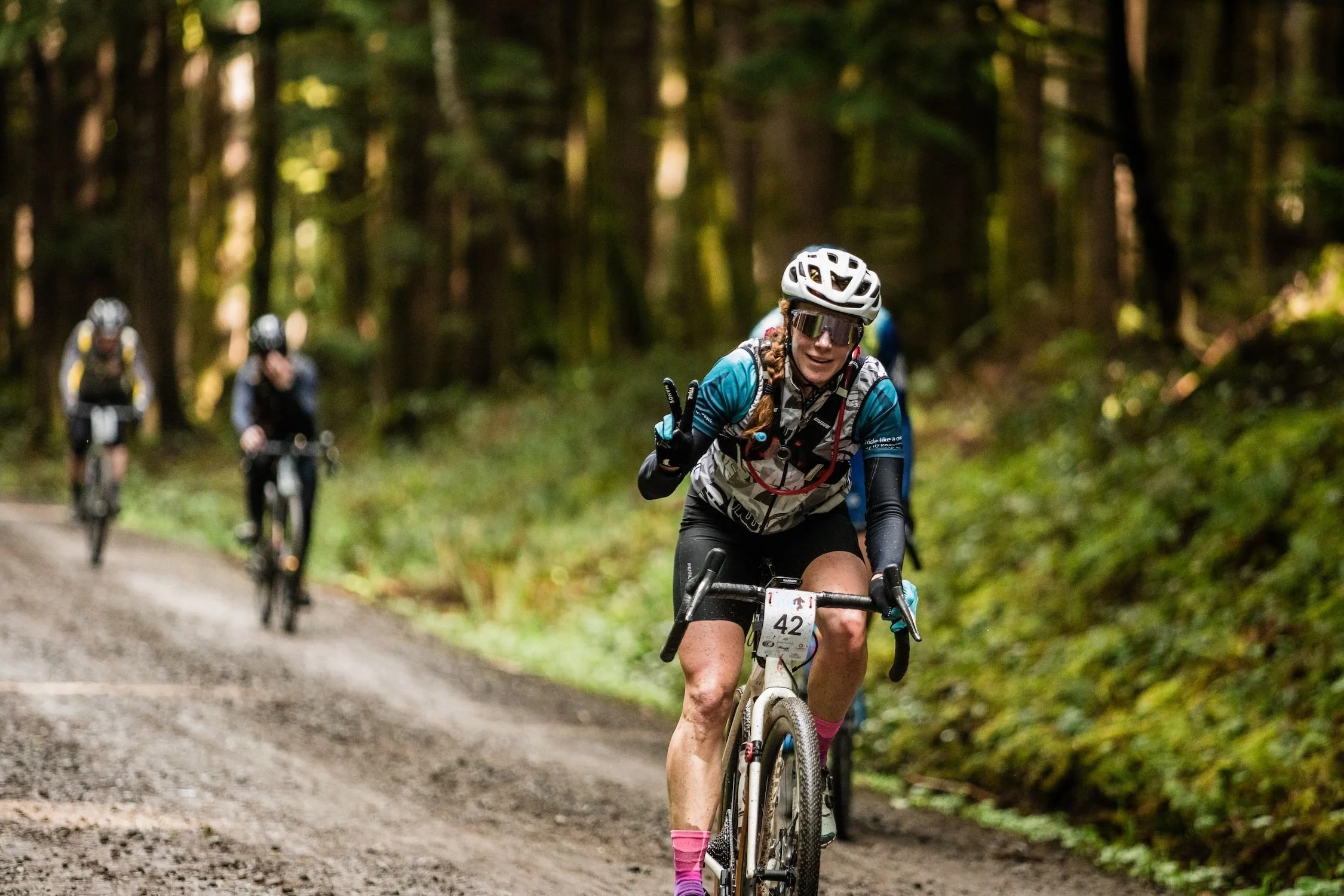
From Gravel Roads to Trail Towns: A Pathway for Rural Revitalization
A few years back, I found myself riding in the Oakridge-Westfir area at Mountain Bike Oregon. To me, it’s the kind of place that makes you believe in second chances, not just for old logging towns, but for entire communities looking for a new way forward.
The singletrack was (and is) world-class, and the ridgeline views were unforgettable. But what struck me most wasn’t necessarily the trails, it was the people. A small, tight-knit community that had weathered economic downturns and reinvested in itself through the simple act of getting people out on bikes.
That didn’t happen overnight.
