
The Missing Piece in Trail Stewardship: Why Social Media Matters More Than You Think
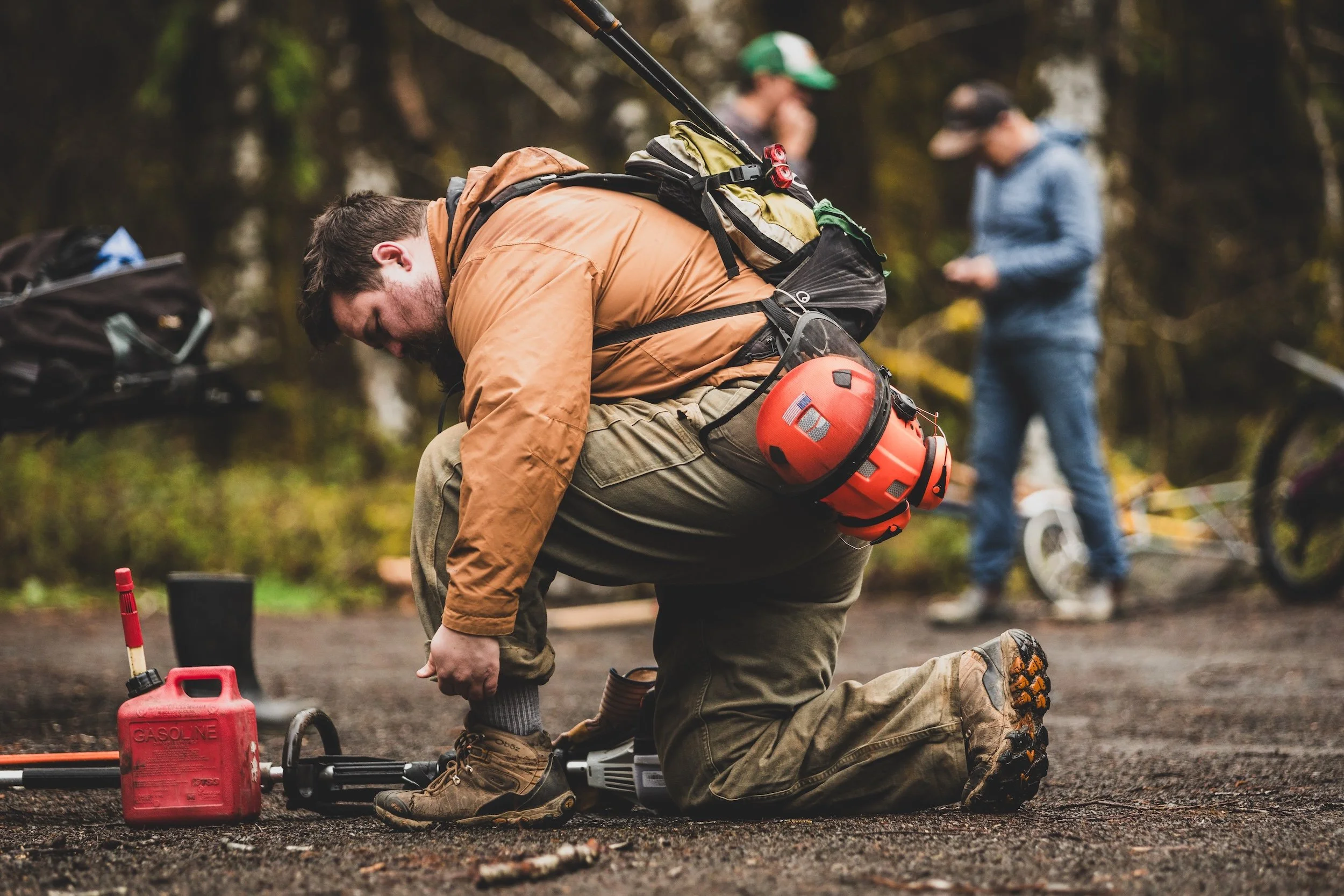
Some time ago, I joined a small volunteer crew on a Saturday morning in a location far from home in Portland. The kind of group you find in almost every town. Three regulars. Two new faces. A part-time trail steward who was also filling the role of event coordinator, social media manager, grant writer, and coffee provider. They were doing incredible work. Cutting drains. Brushing back corridor. Shaping turns.
But here is what stood out to me. No one outside that group knew that any of it had happened.
Trails That Build Jobs: How Rural Communities Are Finding New Life Through Trail-Based Economies
In the foothills of the Rockies, a small town once known for its sawmills is humming again, not from chainsaws but from trail crews, mountain bikers, and visiting families grabbing coffee before heading out to ride. Further away, former coal towns in West Virginia are experiencing a similar revival, their new “black gold” being the dirt under mountain bike tires.
Across the U.S., trails are emerging as one of the most reliable economic development tools for small, rural communities. They bring visitors, create jobs, and support local businesses in ways that reach far beyond tourism. When built and managed well, trails become infrastructure that fuels entrepreneurship, attracts new residents, and diversifies economies once dependent on extraction industries.
The Anatomy of a Trail Town: How Grants Pass Is Building Its Future on Dollar Mountain
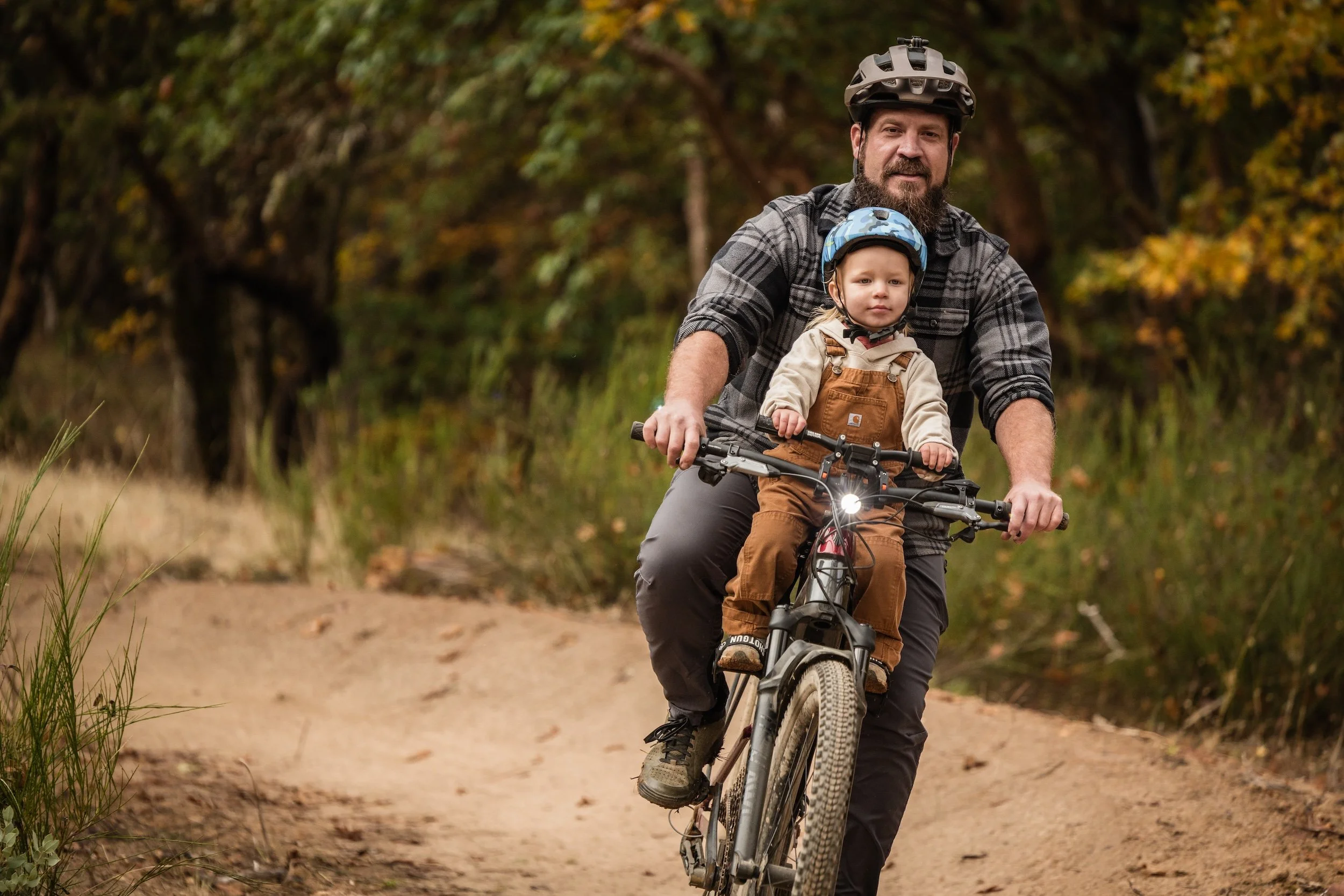
On a cool fall morning in southern Oregon, the parking lot at the base of Dollar Mountain was alive with that distinct energy that only comes when a long-awaited project finally opens to the public. Trucks and vans loaded with bikes lined the parking lot and road. Riders clipped on helmets, swapped greetings and stories, and set off to ride and explore.
You could feel it before the first tire even hit dirt. This wasn’t just another ribbon-cutting grand opening. Instead, it was the start of something bigger.
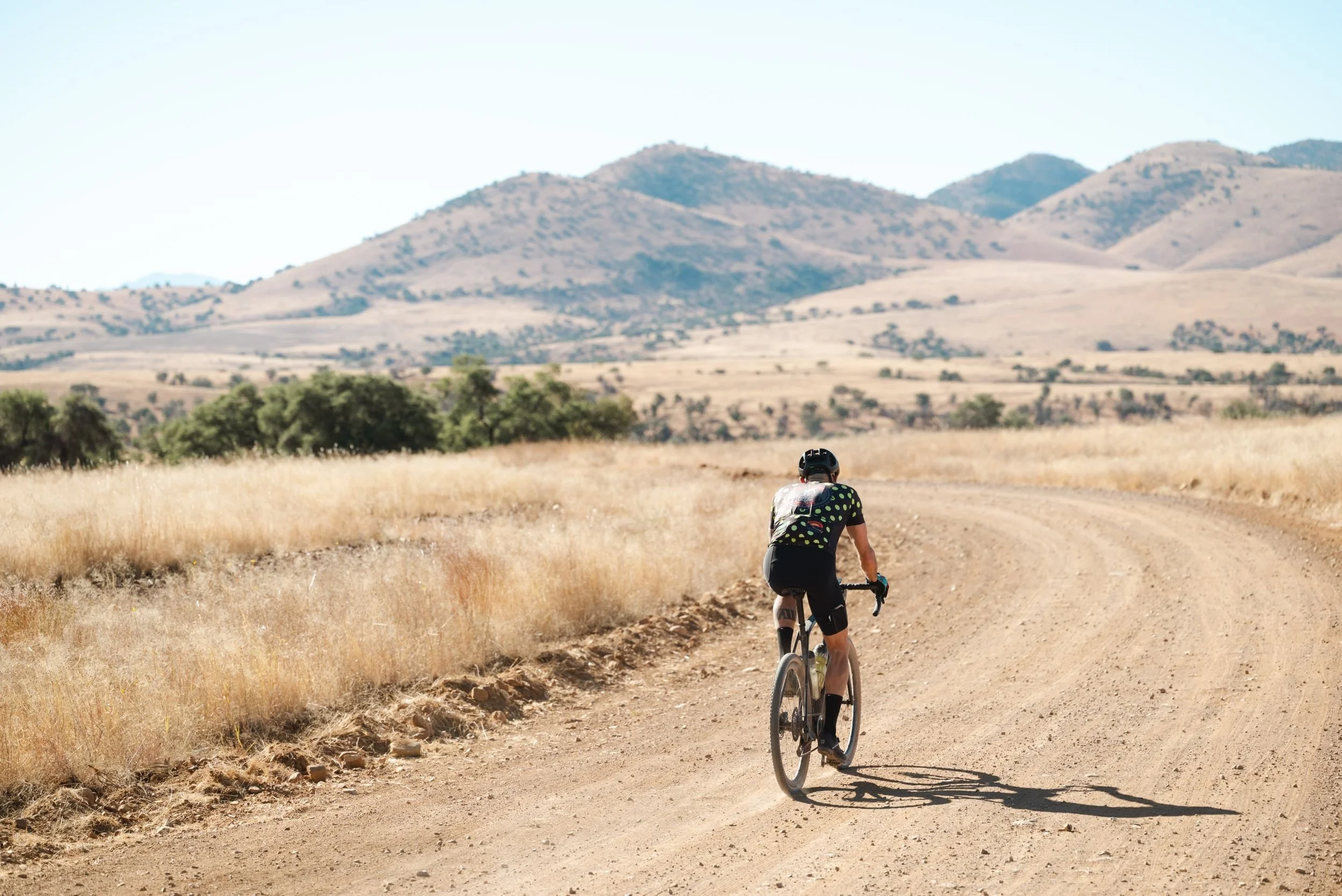
Gravel as the Gateway to Becoming a Trail Town
I’m back in Portland this week after a whirlwind trip to Arizona, which included speaking at the Spirit World fundraiser for the Arizona Trail. What is funny is that even though I spent a good amount of time writing and prepping for this speech leading up to the event, when it was time actually to speak, I pivoted.
I spend every day in the classroom, Monday through Friday, teaching undergrad students. Over the years, I’ve developed my own style for how I teach. Giving a one-way speech as a monologue isn’t necessarily my jam, so when it came time to speak, I set aside my notes and tried to make it interactive and a two-way conversation about “gravel as the gateway to becoming a trail town.”
While I have repeatedly touched on this topic, I wanted to revisit it and share the contents of my speech, even though I didn’t touch on everything that night in Patagonia. If I were to give a “proper” speech, this is what I would’ve shared ...
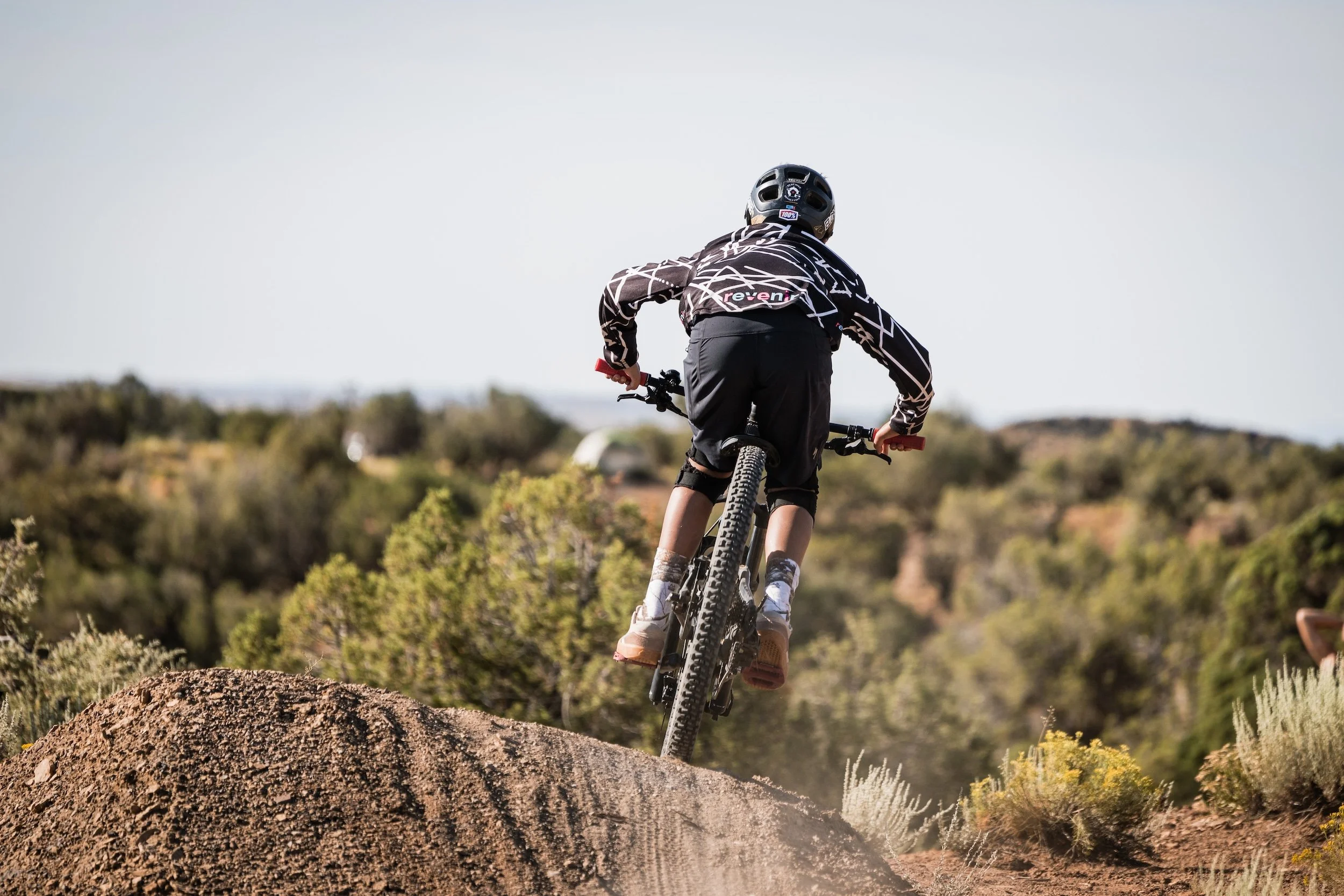
Do You Think Trails Benefit Your Town’s Economy?
A decade ago, Gallup, New Mexico wasn’t exactly known as a trail town. It was a rural hub on the edge of the Navajo Nation, surrounded by wide desert, mesas, and sandstone formations, but not much in the way of tourism buzz.
Then came the High Desert Trail System, a volunteer-built network of singletrack that began attracting riders from across the region. Events like Dawn Til Dusk and 24 Hours in the Enchanted Forest drew in thousands of racers and spectators.
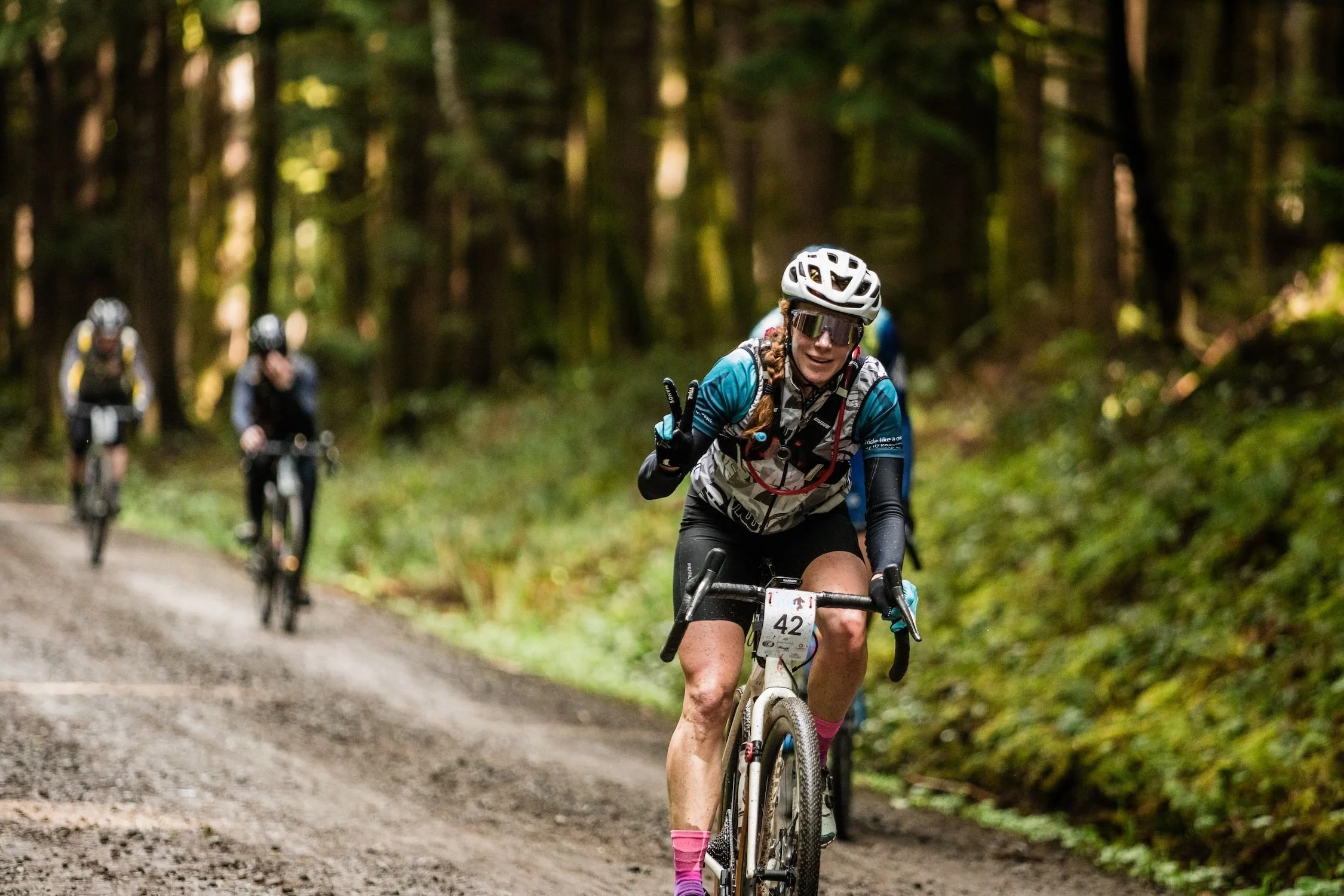
From Gravel Roads to Trail Towns: A Pathway for Rural Revitalization
A few years back, I found myself riding in the Oakridge-Westfir area at Mountain Bike Oregon. To me, it’s the kind of place that makes you believe in second chances, not just for old logging towns, but for entire communities looking for a new way forward.
The singletrack was (and is) world-class, and the ridgeline views were unforgettable. But what struck me most wasn’t necessarily the trails, it was the people. A small, tight-knit community that had weathered economic downturns and reinvested in itself through the simple act of getting people out on bikes.
That didn’t happen overnight.
