Do You Think Trails Benefit Your Town’s Economy?
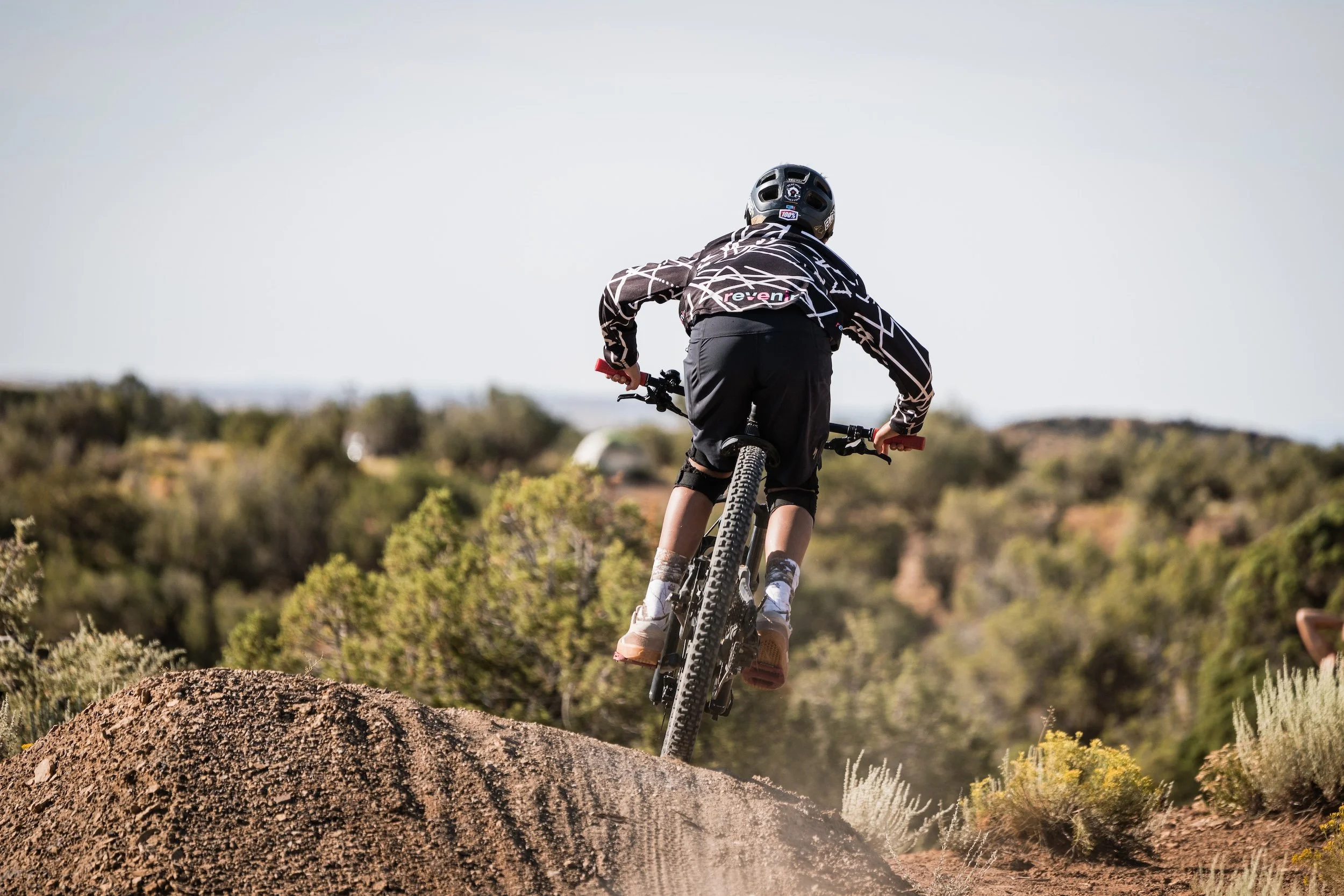
A decade ago, Gallup, New Mexico wasn’t exactly known as a trail town. It was a rural hub on the edge of the Navajo Nation, surrounded by wide desert, mesas, and sandstone formations, but not much in the way of tourism buzz.
Then came the High Desert Trail System, a volunteer-built network of singletrack that began attracting riders from across the region. Events like Dawn Til Dusk and 24 Hours in the Enchanted Forest drew in thousands of racers and spectators.
A local nonprofit, Adventure Gallup & Beyond, helped brand the region as the Adventure Capital of New Mexico. New energy followed: gear shops, cafes, outfitters, and summer traffic that didn’t used to be there.
Over the course of a ten-year span (2002–2012), trail users and event visitors contributed an estimated $25.6 million in economic impact to McKinley County through direct and indirect spending. And this isn’t old news, from March to August 2023, just one local system near McGaffey recorded over 44,000 trail uses, showing that interest is still growing.
No, Gallup didn’t wait for a miracle industry to arrive (is there such a thing any more?). Instead, it built trails.
HOW TRAIL SYSTEMS DRIVE ECONOMIC IMPACT IN RURAL COMMUNITIES
From Recreation to Rural Revitalization
Gallup’s story is becoming less of an outlier and more of a blueprint. Towns across the country, from Appalachia to the Southwest, are discovering that trail systems can do far more than offer recreation … they can actually catalyze local economies.
In McKinley County, sustained trail development and event tourism created new jobs, boosted local tax revenues, and gave small businesses a reason to stick around or start up.
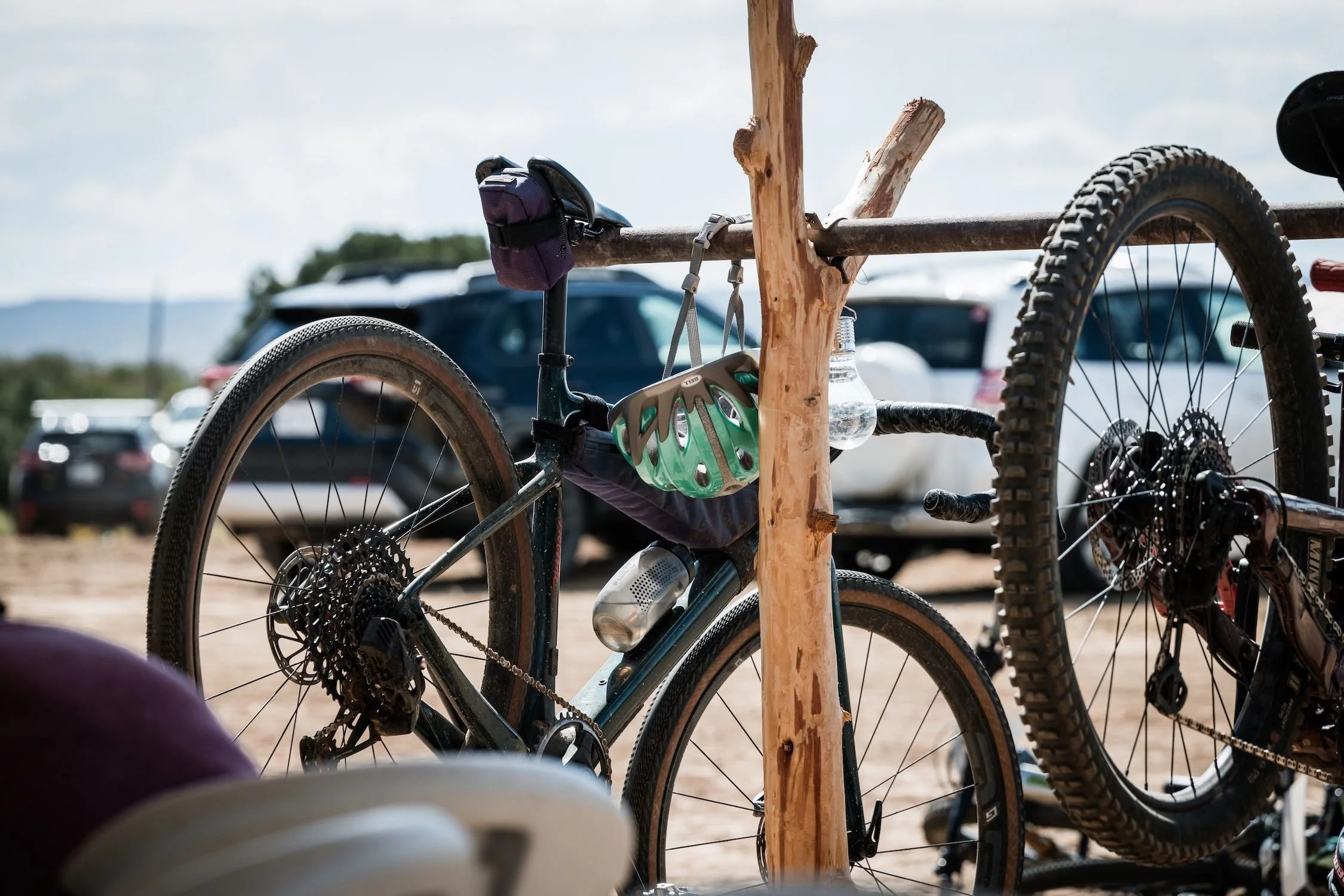
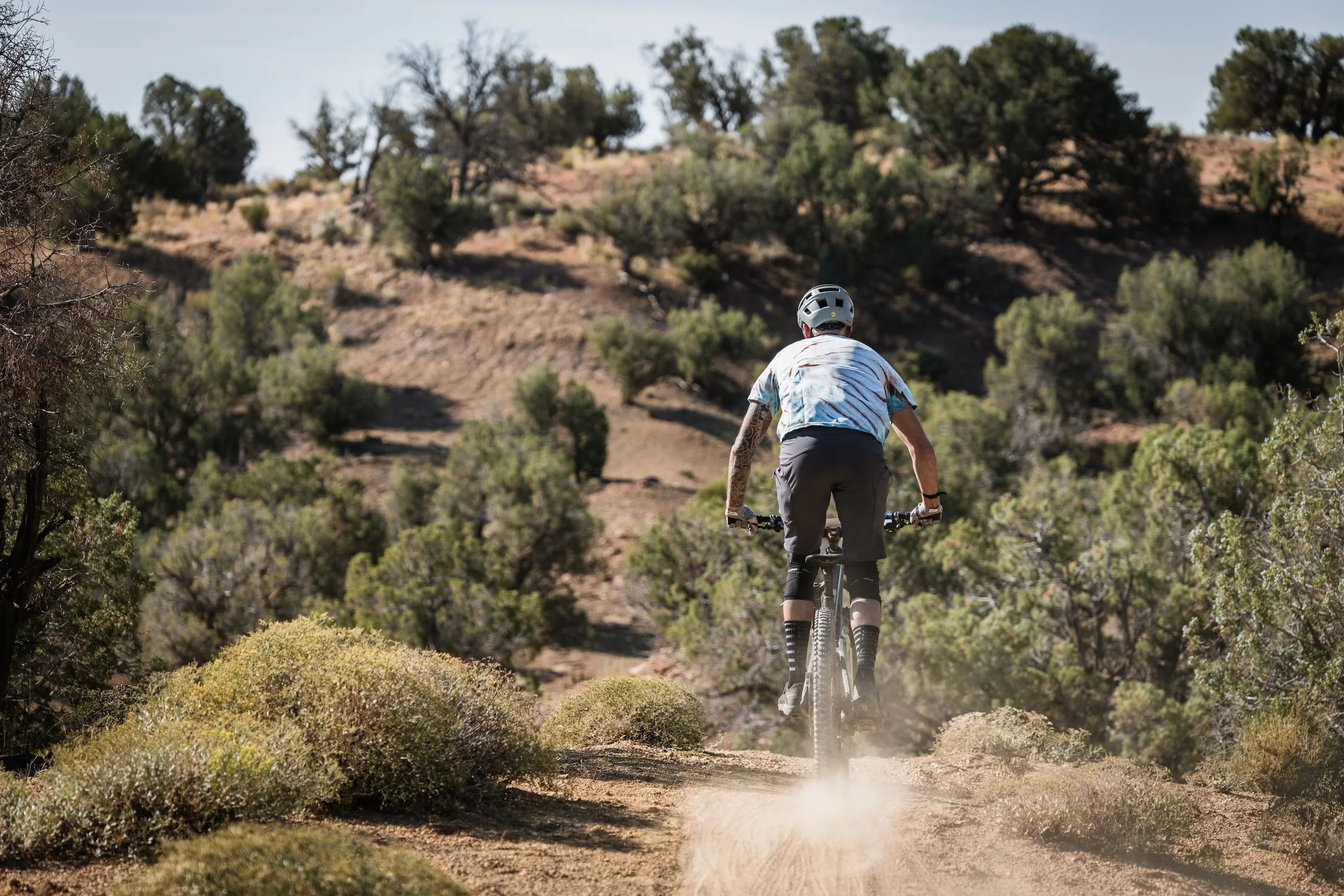
Mountain biking, in particular, tends to bring high-value visitors: riders who stay longer, spend more, and often return season after season. An IMBA-backed study confirms that mountain biking delivers strong economic returns in rural communities, especially when supported by local infrastructure, events, and tourism services.
And unlike ski resorts or major attractions, trail systems scale. They’re comparatively low-cost. They can grow gradually. And they often rely on a blend of volunteerism, public land partnerships, and grassroots effort.
WHY MOUNTAIN BIKING TRAILS ATTRACT HIGH-VALUE TOURISM
Who Trails Bring Back
The real impact of trails isn’t just tourists.
It’s really about the people who stay.
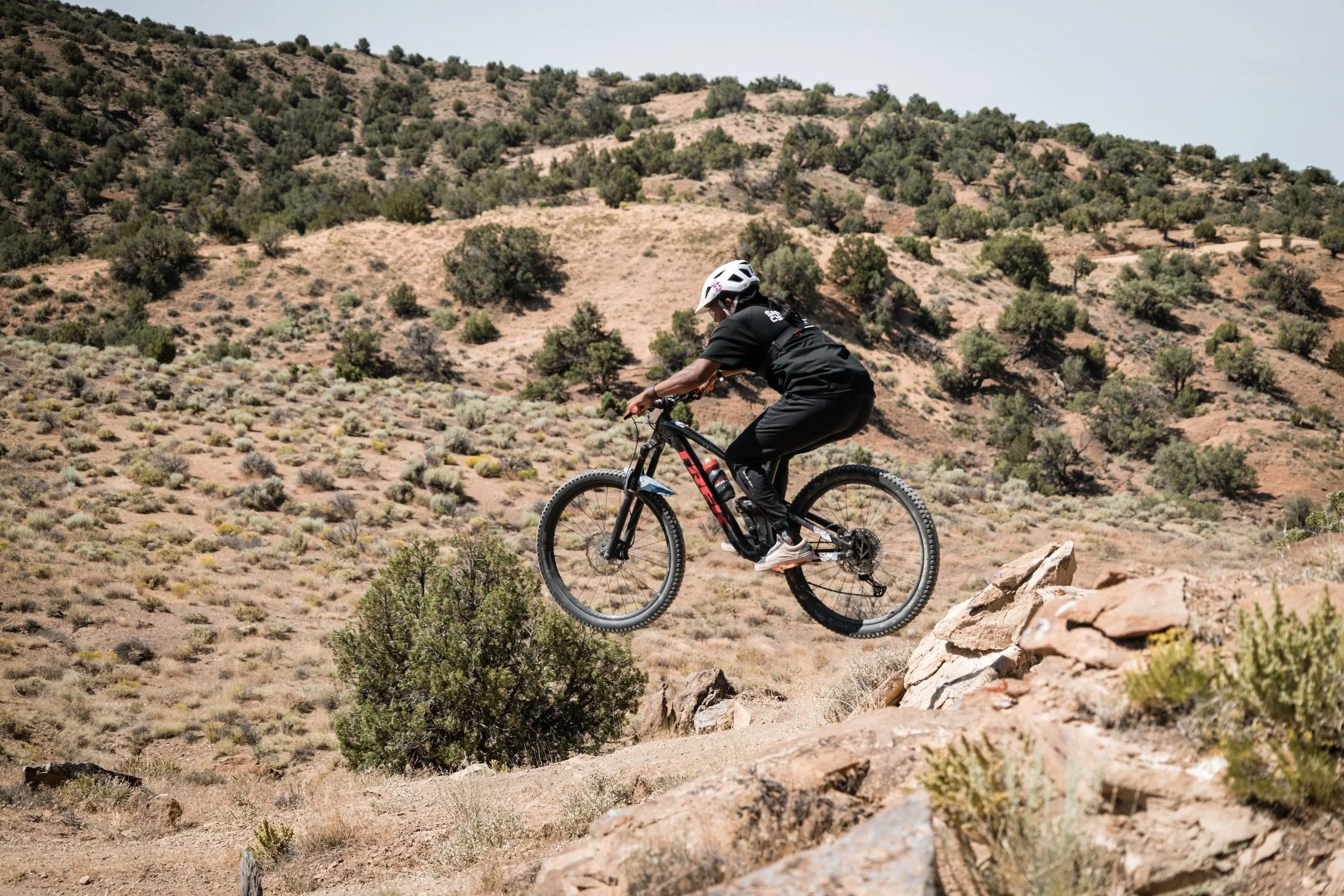
Young people who might’ve left a small town suddenly have a reason to stick around or come back. Trails give local youth a place to ride, build, and connect. They support after-school programs, summer crews, and job pathways through conservation corps. They offer low-barrier access to nature, health, and community.
According to the 2023 Outdoor Participation Trends Report, 168.1 million Americans participated in outdoor recreation in 2022, with 14.5 million new participants since 2020. The biggest growth? Younger, more diverse, and more urban populations.
These aren’t just casual users, either. Trail use is becoming a core lifestyle for many.
That’s good news for the towns hoping to hold onto the next generation.
THE ECONOMIC RIPPLE EFFECT OF TRAIL INFRASTRUCTURE INVESTMENT
The Economic Ripple Effect
Back in Gallup, the story doesn’t stop with race weekends.
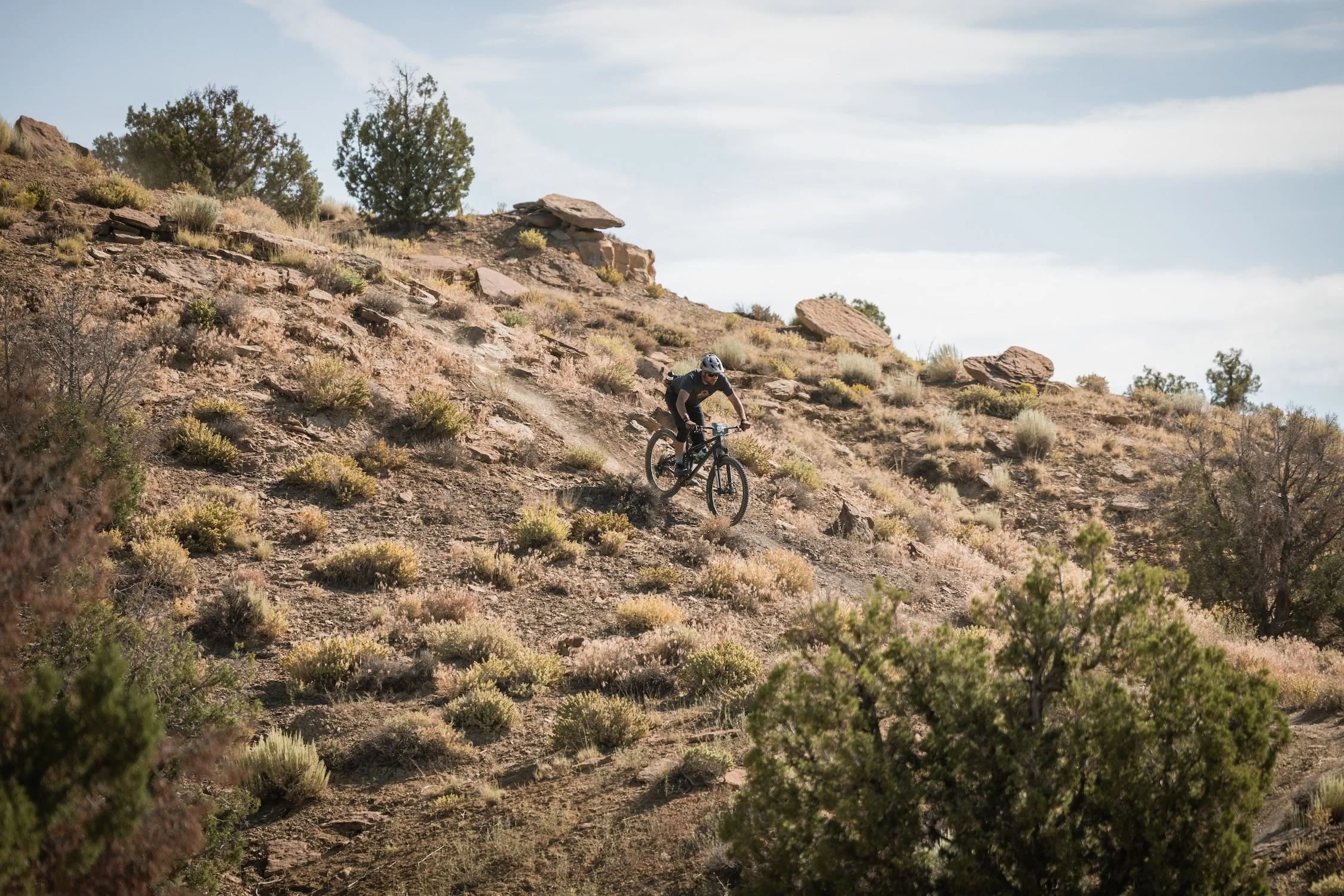
In recent years, the High Desert Trail System has seen steady growth in everyday use. Nearby trails like those in the McGaffey area logged tens of thousands of visits in just six months, showing that it’s not just big events driving the economy, it’s daily access.
According to regional studies, trail infrastructure in McKinley and neighboring Cibola Counties supports not only direct spending, but also indirect benefits, such as health outcomes, social cohesion, and property value boosts.
When a town embraces trails, it sends a powerful signal: Hey, we’re investing in quality of life.
That signal attracts attracts families, entrepreneurs., creatives, and residents who want to live where they play.
HOW TRAILS BUILD COMMUNITY IDENTITY AND LONG-TERM GROWTH
What Trails Really Build
When people ask, “Do trails help the economy?” they’re usually thinking about numbers in the form of dollars. Yes, that is essential. At the same time, trails also …
Build identity: Gallup went from being a forgotten pass-through town to the Adventure Capital of New Mexico.
Build community: volunteer trail crews, youth riding clubs, and nonprofits like Adventure Gallup & Beyond.
Build belonging: for locals who finally see their town as a place worth staying in.
Build momentum: economic, cultural, and generational.
Those are the spillover impact of what trails can do.
WHY TRAIL INFRASTRUCTURE IS A SMART INVESTMENT FOR SMALL TOWNS
Final Thoughts
I keep saying, this isn’t about chasing the next Moab. Moab is awesome. But your town isn’t Moab.
So what is the goal? It’s not about putting your town on every Top 10 list. I believe it’s about recognizing that trail infrastructure is economic infrastructure. And it’s one of the few investments that can pay off in dollars, in dignity, and in the long-term health of your community.
So ask yourself:
What if your town didn’t wait for someone else to bring change?
What if it started with a trail?