Your Social Media Is Your Front Door: Branding Advice for Rural Communities and Bike Events
WHY SOCIAL MEDIA MARKETING MATTERS FOR RURAL TOURISM AND BIKE EVENTS
I vividly remember talking with a gravel race director in a small town last year who said, “We post on social media when we can, but it’s hard to keep up.” I get it. Most of these races are volunteer-run beyond the race promoter, and tourism boards in rural areas are often underfunded and juggling multiple roles. But what I’ve seen again and again, through my work with Trail Builder Magazine and now with BorderLands Gravel, is that your online presence is your brand. If your social media looks like an afterthought, people assume your event or destination is too.
It’s not that these brands are ignoring social media. It’s that they’re not doing it well. And in today’s landscape, that’s just as costly.
YOUR SOCIAL MEDIA IS YOUR STOREFRONT: FIRST IMPRESSIONS IN ADVENTURE TOURISM
Before someone registers for your event, visits your town, or books a place to stay, they’re likely scrolling your Instagram, browsing your website, or watching how you show up in stories and posts. If your content is low quality, sporadic, or uninspiring, it sends a message, whether you mean to or not.
Social media isn’t just marketing. It’s perception management. It’s storytelling. It’s creating an emotional connection long before someone physically steps into your town or clips in for the race start.
HOW HIGH-QUALITY VISUAL CONTENT IMPACTS EVENT AND DESTINATION BRANDING
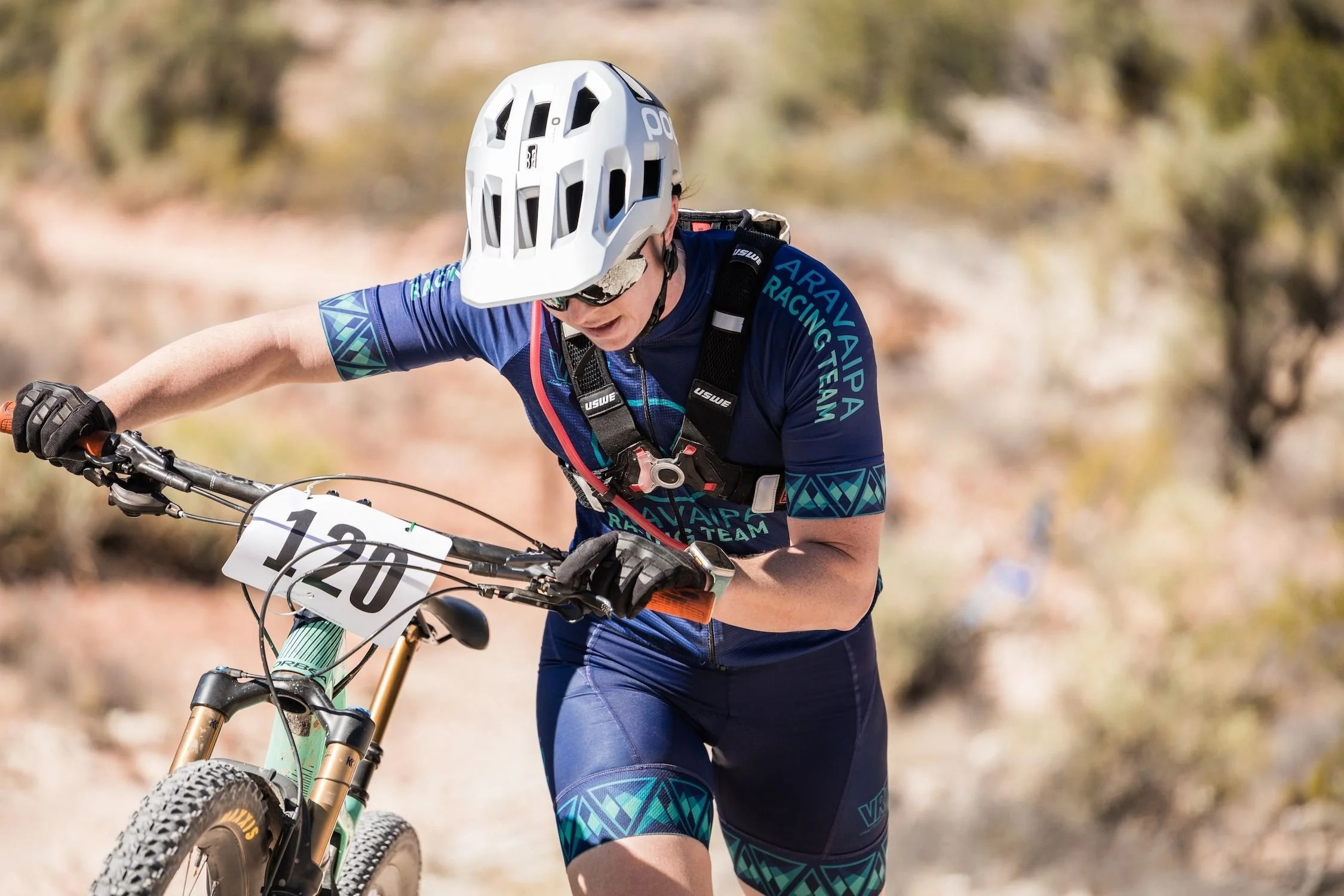
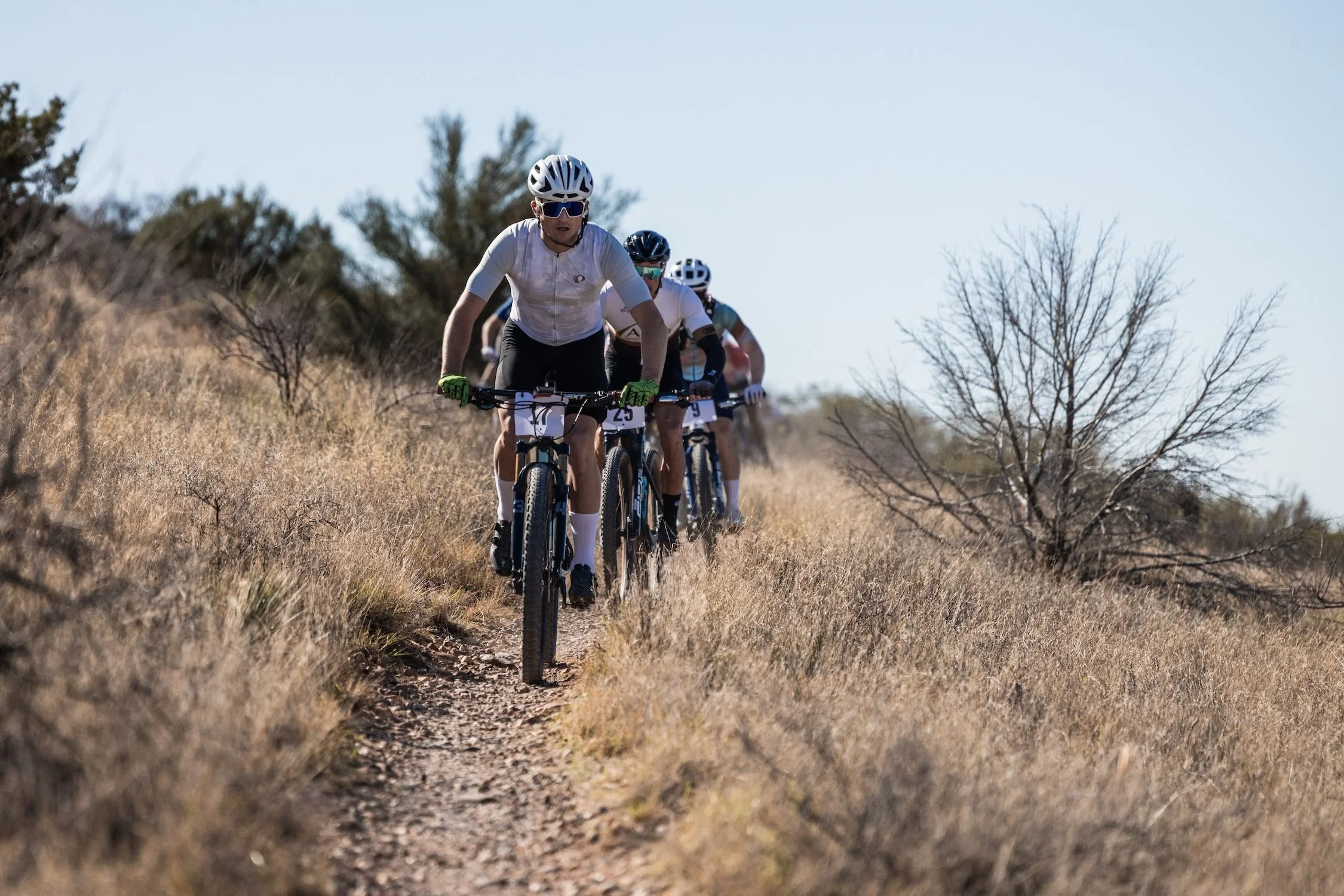
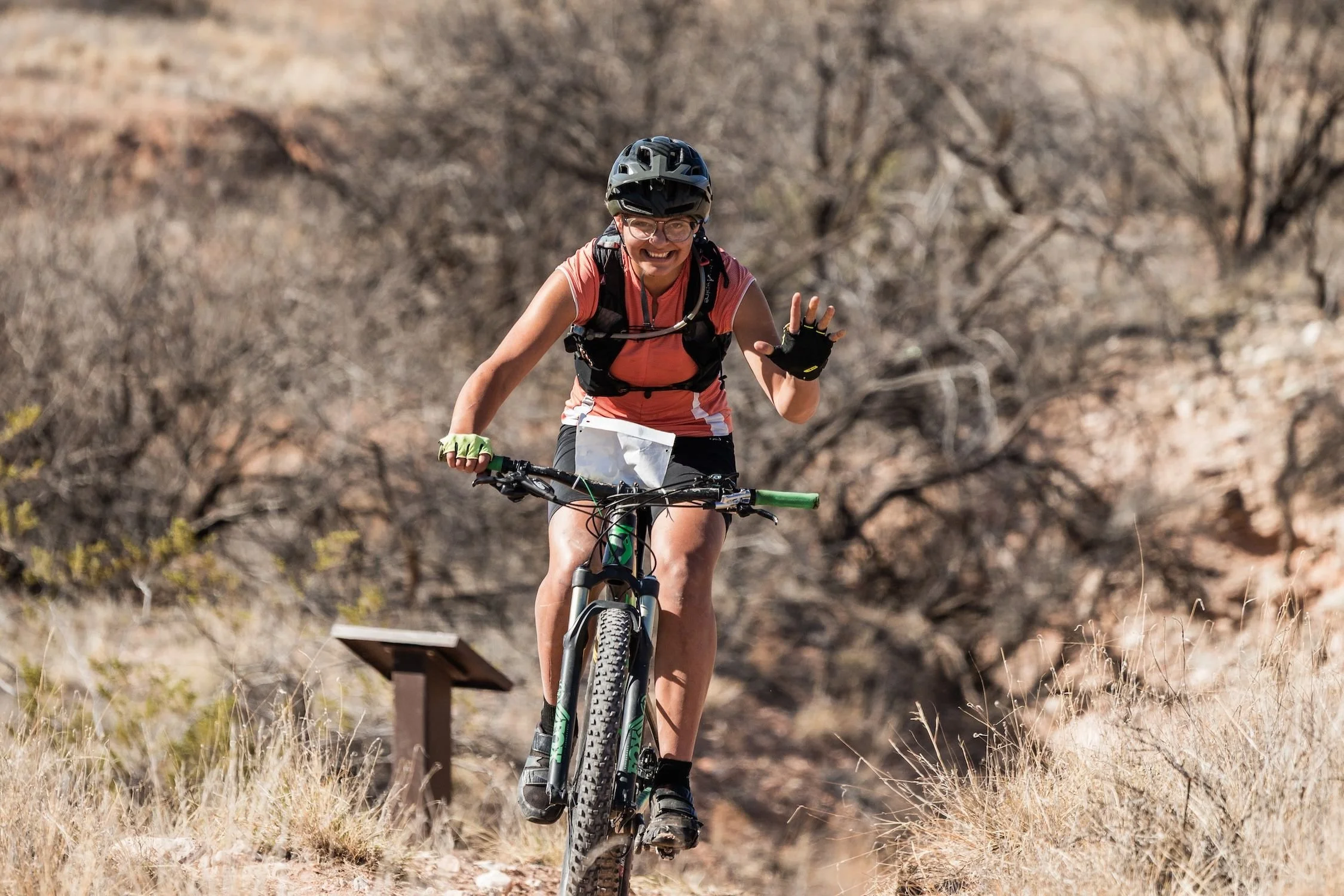
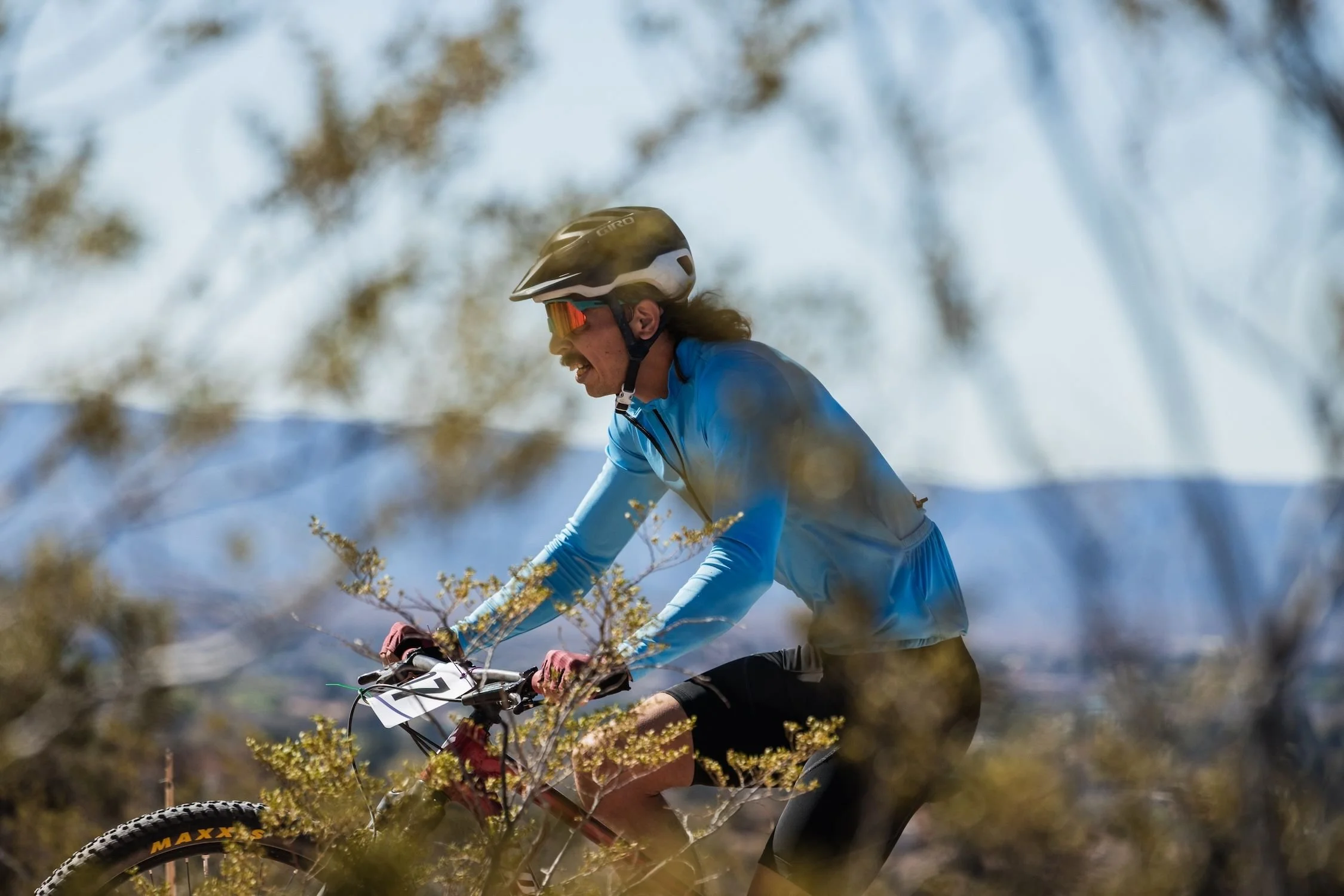
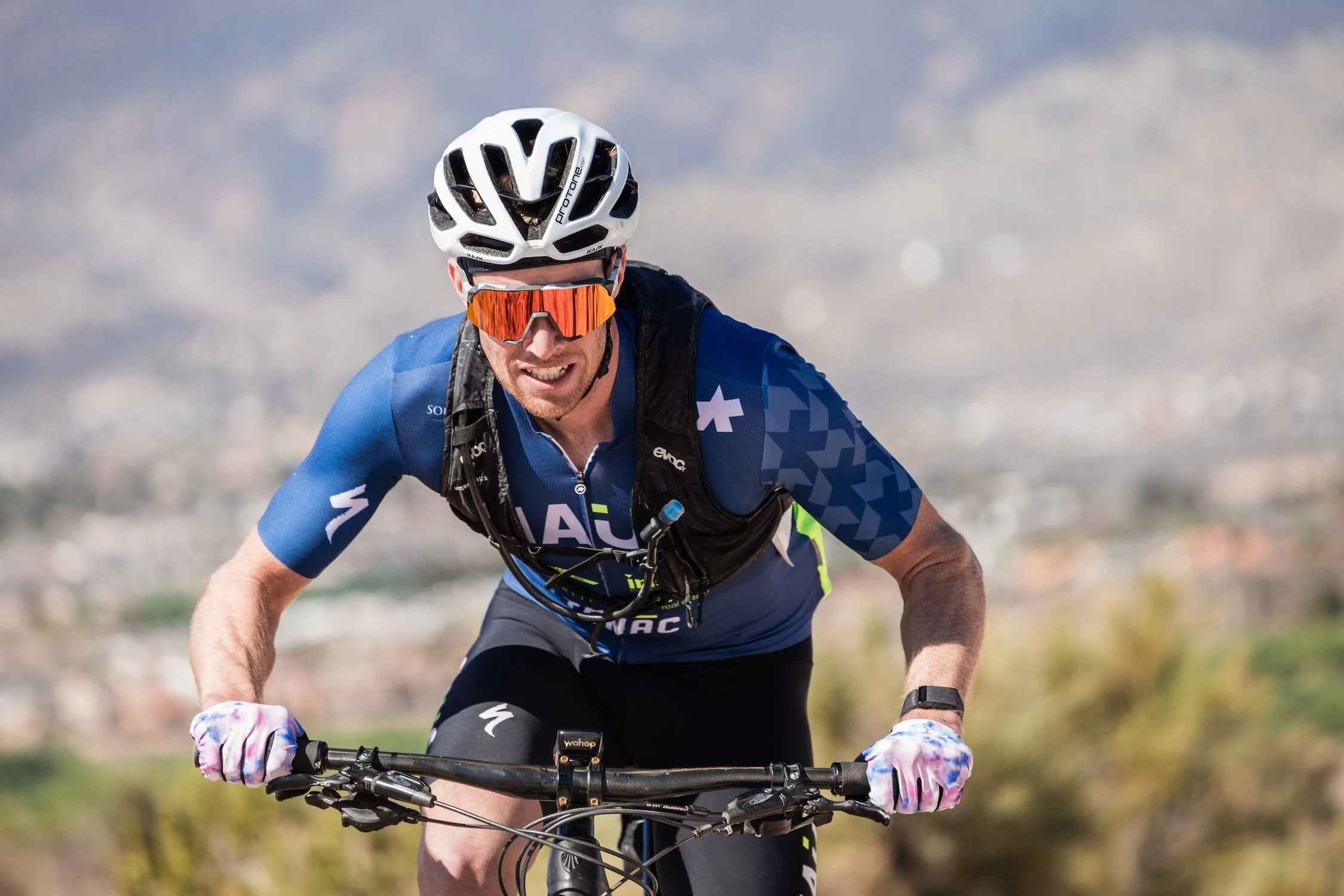
One of the biggest shifts I’ve made while managing BorderLands Gravel’s content is prioritizing high-quality photography and intentional storytelling. Every photo I post, whether it’s a wide-angle shot of the open desert or a tight frame of cyclists, serves a purpose: to communicate that this isn’t just another race. It’s an experience.
People associate quality visuals with a quality product. If your social feed looks dialed, they’ll assume your course, logistics, and brand experience are too. On the other hand, pixelated graphics and dark cell phone pics communicate the opposite, no matter how great your race or town actually is.
BUILDING TRUST THROUGH CLEAR BRANDING AND MESSAGING IN RURAL TOURISM
It’s not enough to just post pretty pictures. You need to communicate what you’re about. What does your race stand for? What makes your town worth the visit? Are you fun and quirky, serious and rugged, inclusive and community-driven?
For Trail Builder Magazine, we leaned hard into telling the stories behind the trails. That brand voice ... honest and deeply rooted in the trail building ethos shapes how people see us. The same applies to any race or tourism effort: clarity of tone, message, and purpose builds trust. And trust drives action.
CONSISTENCY IN SOCIAL MEDIA MARKETING: THE KEY TO LONG-TERM GROWTH
Everyone wants the viral post, but most growth happens in the mundane, consistent grind of showing up. That’s the long game I’ve played with Trail Builder Magazine, and now with BorderLands. Posting regularly, engaging with comments, telling stories across formats, this is how you build a following that actually sticks around.
Social media growth is slow, but it compounds. Every post is a brick. Over time, you’re building equity in your brand.
SIMPLE SOCIAL MEDIA STRATEGY TIPS FOR SMALL TOWNS AND RACE DIRECTORS
You don’t need a full marketing department. But you do need a plan.
Even simple shifts, like using a consistent photo style, scheduling posts weekly, or repurposing user-generated content, can go a long way.
Choose 2-3 content pillars. Post with purpose. Think about how every post contributes to your brand narrative.
If you’re running a gravel race or working for a tourism board in a small town, you don’t need to do everything. But you can’t afford to do nothing.
HOW TO EVALUATE YOUR SOCIAL MEDIA BEFORE POSTING
Before you hit post, ask yourself:
Does this reflect the quality of our experience?
Does it show people what we stand for?
Does it help someone feel something?
If not, it’s time to reconsider.
I don’t view your social media presence as simply a marketing tool. I’s a reflection of your brand. And in a world of endless scrolling, it’s often your first and only chance to make an impression.