
Are You Wasting Time on the Wrong Social Media Platforms?
I’m active on eight different social media platforms.
Instagram. Facebook. LinkedIn. Threads. X. Bluesky. YouTube. TikTok.
And yet, if you’re a race director, trail org, or rural tourism leader, I’m probably not going to recommend that you do the same.
Why?
Because there’s a difference between posting content and having a social media strategy.
Over the past couple of days, I’ve been asking questions about whether you should focus on one or two platforms or try to be everywhere.
The conversations have been fascinating.
In this week’s article, I share why I’ve chosen to maintain a presence across so many platforms, the pros and cons of going deep versus going wide, and how to decide where to invest your limited time and resources.
Playing the Long Game: How Long-Form Content Builds an Audience Over Time
In social media, there’s no such thing as one algorithm.
TikTok is different from Instagram, which is different from YouTube, and so on. Even platforms like Instagram have separate systems determining what shows up in Reels, feed posts, Stories, and other parts of the app.
Not only that, but each platform is constantly changing.
While the algorithms are different, they increasingly have one thing in common: they are optimized around interest. Translation? A lot of the content served to us is based on what we’re currently interested in, consuming, engaging with, and searching for.
Visibility Starts With Attention: Why I Created the Visibility Lab
Attention. We all crave it.
But in this case, I’m talking about attention as it relates to a brand, whether that be a rural community, a bike race, a trail organization, or another organization doing meaningful work in the outdoor space.
You see, we could have the most quaint and welcoming town or host a gravel race with stunning scenery and champagne gravel, but if we can’t capture people’s attention so they know we exist, we’re in trouble.
It all starts with attention.
Visibility.
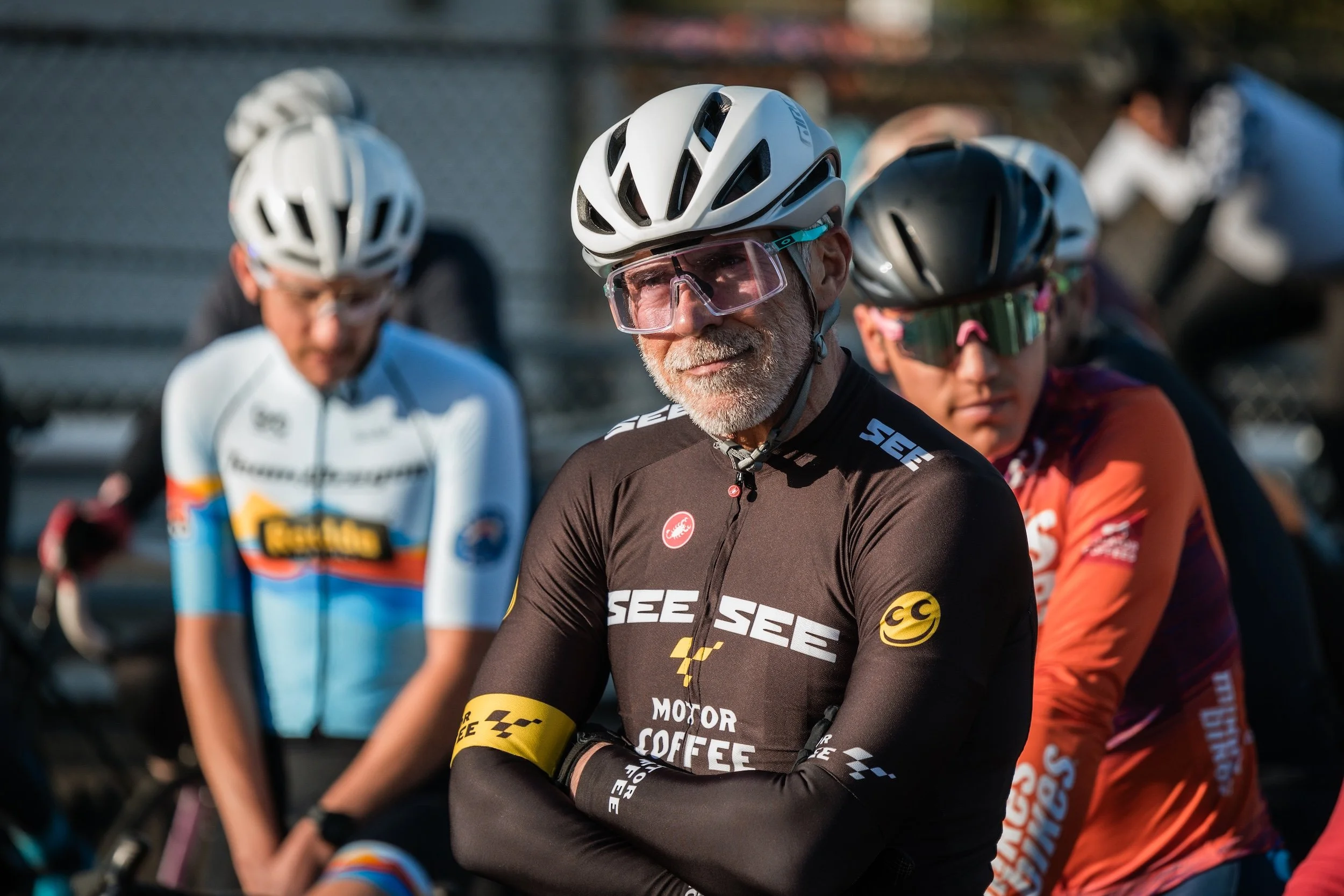
Content Marketing for Bike Races: How to Drive More Registrations
Race directors, I have a question for you.
How much money are you spending on advertising your race?
Facebook and Instagram ads. Google Ads. Sponsored posts. Cycling media. Maybe a boosted post here and there when registration numbers need a little help.
Now for the harder question: Is it actually driving registrations?
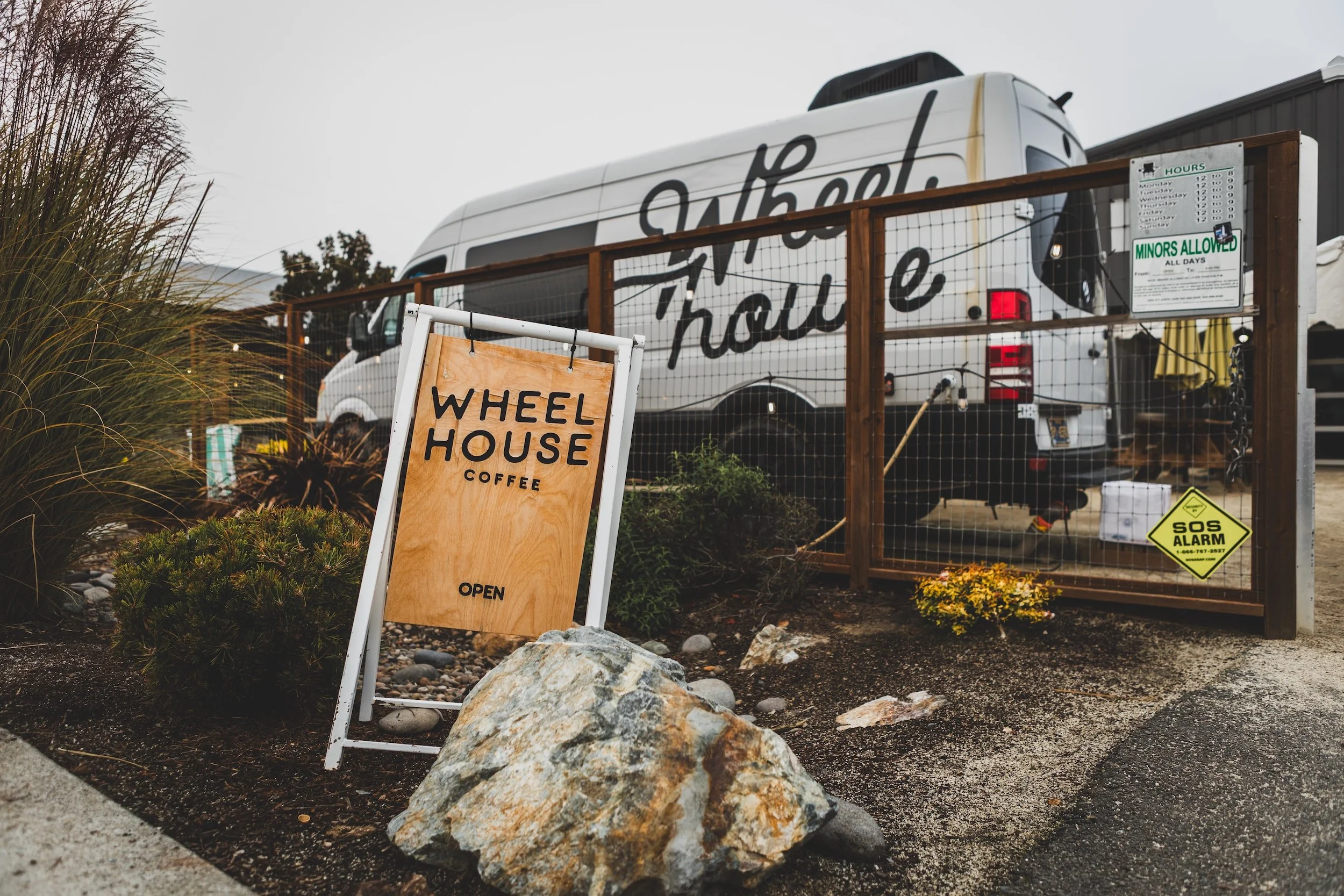
How Rural Communities Can Create Better Social Media Content on a Budget
One of the biggest misconceptions about tourism marketing is that creating better social media content requires a bigger budget.
More cameras. More software. More staff. More equipment. All of the goods.
For small towns and rural tourism organizations, that can make content creation feel out of reach before it even begins. Also, we assume we need all of that to stand out online.
But there's good news. Some of the most useful tools for building visibility today are relatively inexpensive. Heck, some are even free. Others are probably already sitting in your pocket.
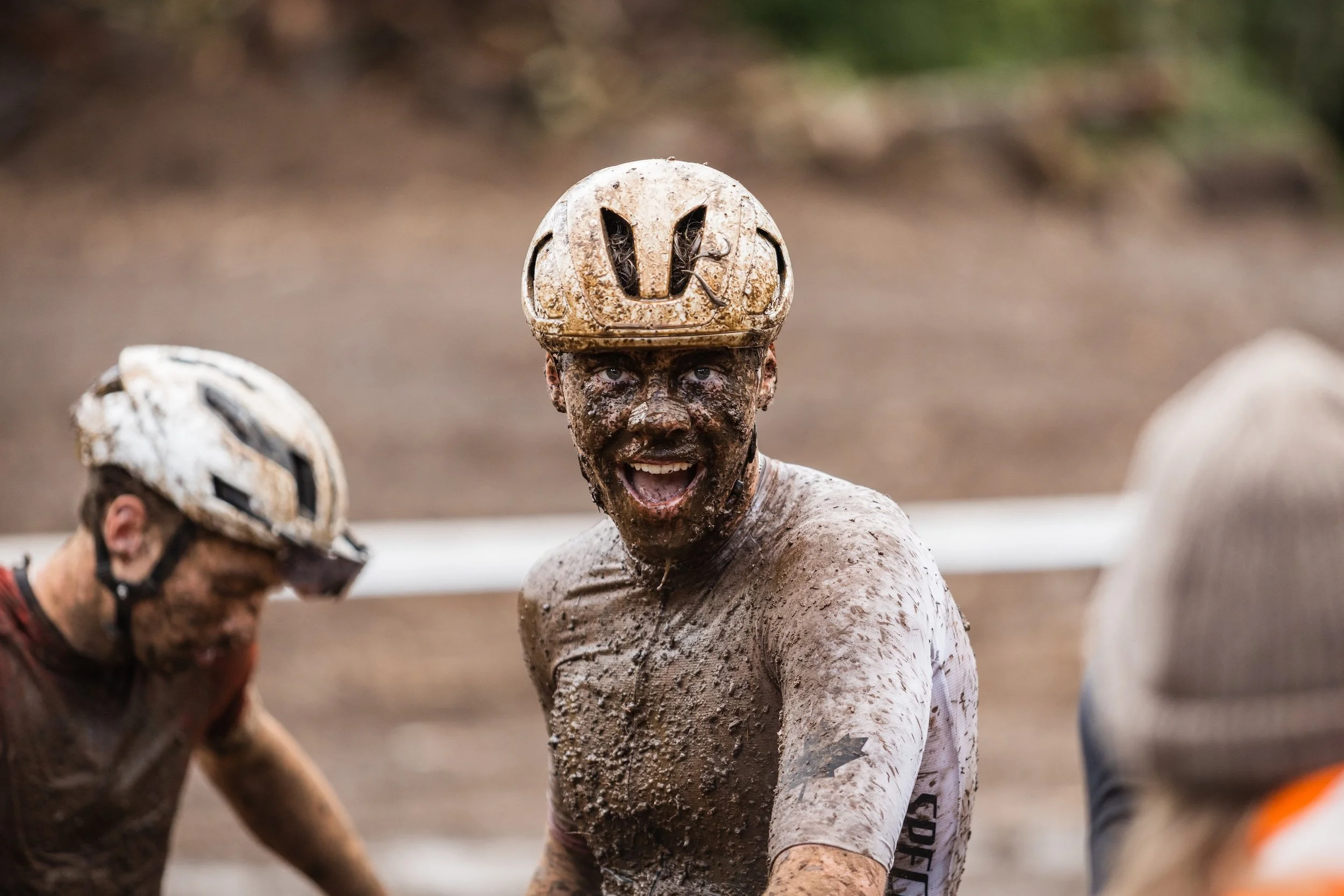
Long-Form Content in a Short-Form World: Why Towns and Bike Races Need Both
Your latest social media post could be thoughtful, beautifully produced, and genuinely useful.
It could also disappear from your followers’ feeds before most of them ever knew it existed.
Social media is a lot of fun for me. Over time, I have trained my algorithms to show me content I am interested in. My feeds are filled with bikes, trails, outdoor recreation, photography, small towns, rural tourism, and content marketing. All fun stuff.
But when it comes to creating and publishing social media content, there is a reality we cannot ignore.

The Race Marketing Mistake Almost Every Race Director Makes About Social Media
My DMs on Instagram are buzzing daily, with conversations with race directors not only across the country but also overseas. There's something unifying about the stress of lower-than-expected registration numbers as race day looms...
If you've been following along for any length of time, you'll realize there's about a 20% overlap in content in my articles from week to week. Not only am I trying to build bridges from one article to the next, but we also need weekly reminders of many of the same things (I know, I do).
I received a DM from a race director who was sharing, "We just need to push harder on social this month." I don't think there's a race director anywhere on planet Earth who doesn't think and feel the same.
I could sense his panic. Registration had stalled. The race was eight weeks out.
When it comes to social media and creating more awareness for your race ... what would you do? Or maybe more accurately, what DO you do?
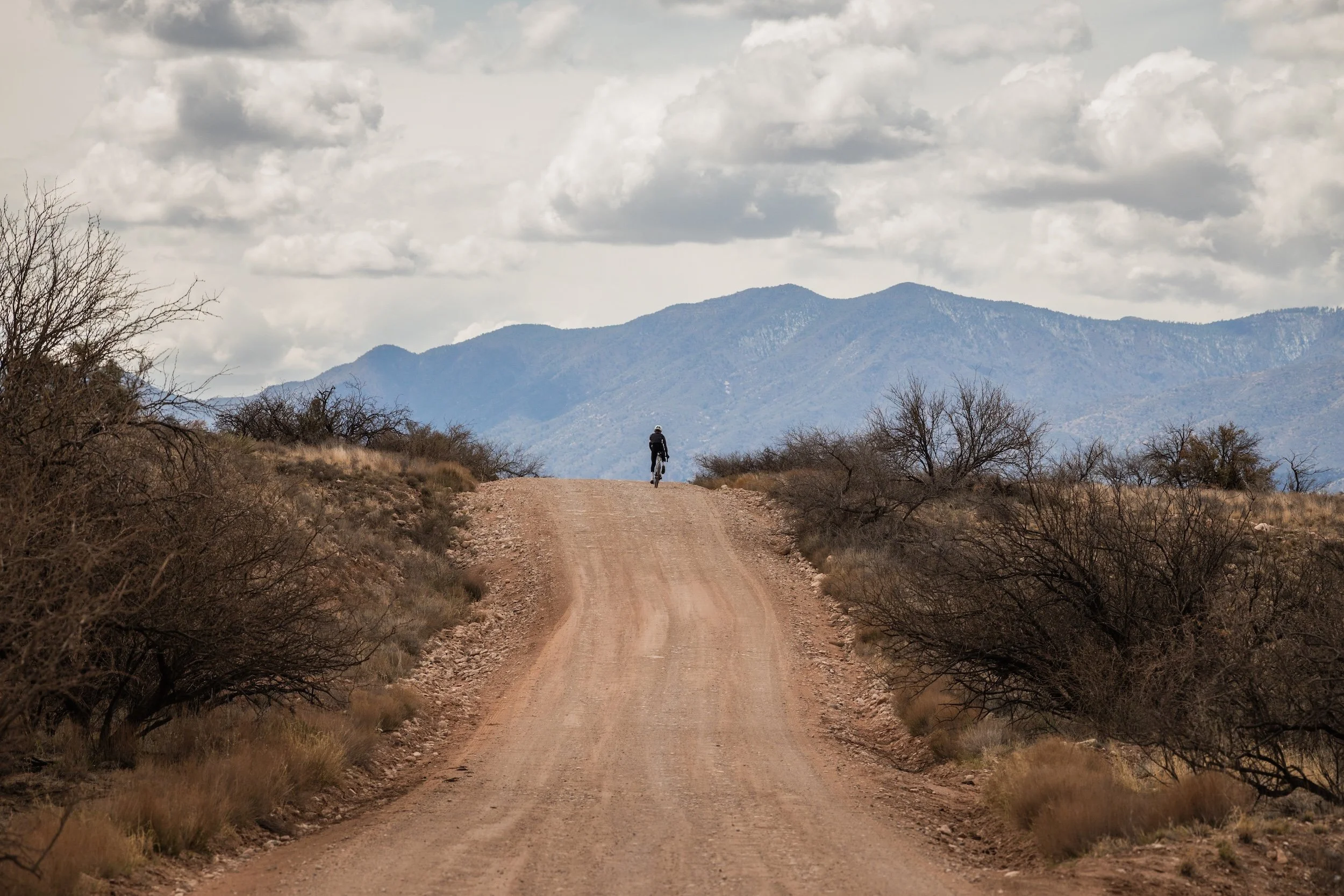
Clarity Beats Creativity in Race Marketing
“We just need better content,” a race director told me recently.
He said it the way most people do ... frustrated, slightly overwhelmed, convinced the algorithm had turned against him. (Who doesn’t feel that way???)
When I asked what kind of content he meant, he paused.
“More reels, probably. Maybe more drone shots. Something that pops.”
That’s when I realized the real issue wasn’t really about creativity ... it was more about clarity.

Branding Is Reputation at Scale (And Your Race Already Has One)
“We don’t really have a brand. We just put on a good event,” a gravel race director friend told me.
He said it casually. Almost proudly.
And in one sense, he was right. His course was solid, and the race was a blast. The volunteers showed up. The aid stations were stocked. Riders finished tired and smiling.
However, if you put on a race, you have a brand.
The only question is whether it’s intentional.
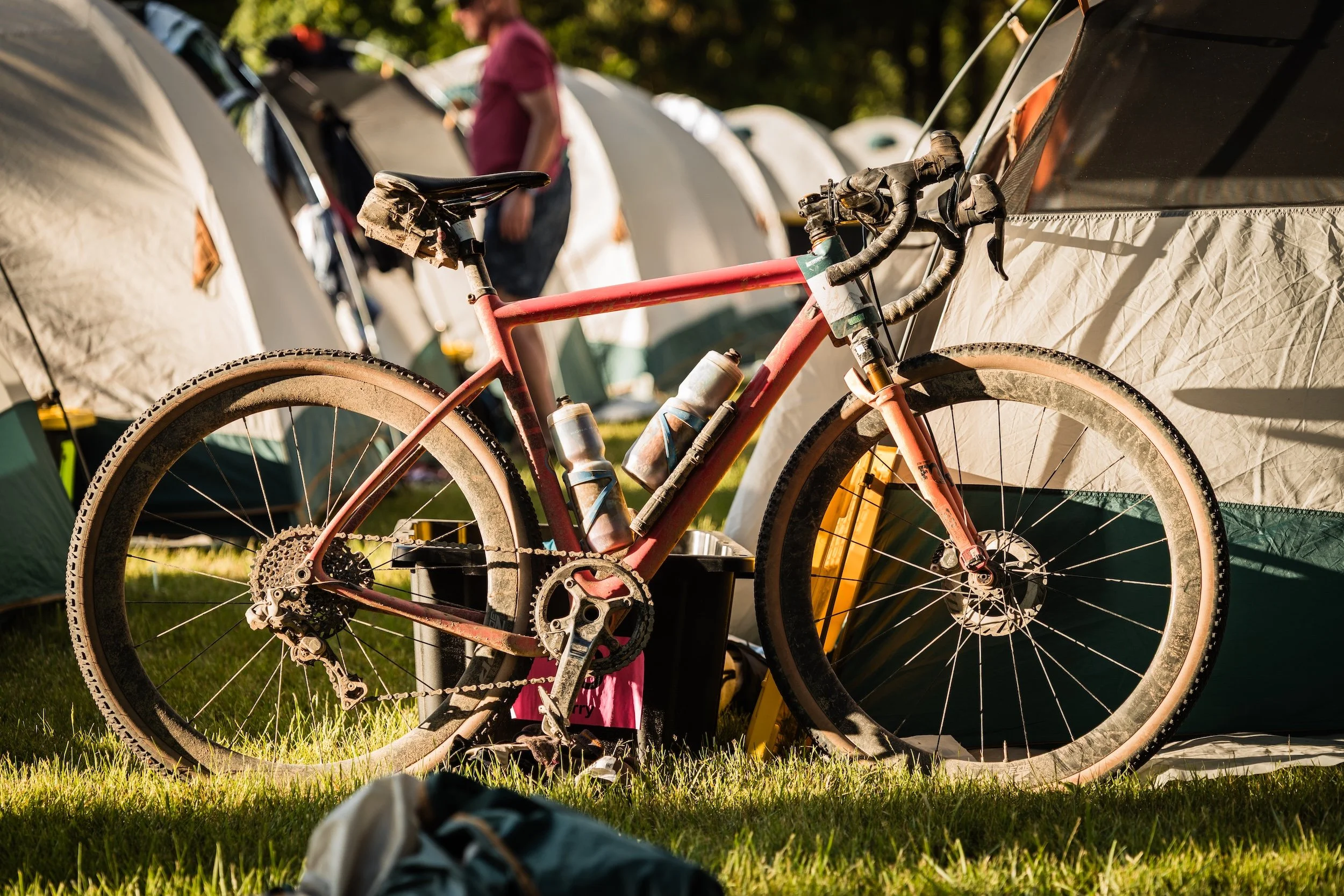
Storytelling Is Not Promotion: How Race Content Builds Trust Over Time
The race directors that I know do not want to sell harder.
They already feel the weight of promotion. The pressure to post. The anxiety around registration numbers. The sense that every piece of social media or email newsletter content needs to perform immediately.
That pressure often leads to urgency. Louder messaging. More reminders. A harder push.
Urgency rarely builds trust. But storytelling works differently. It does not ask people to act right away. It helps them understand first.
This article reframes storytelling as something sustainable for race directors. Not a campaign. Not a tactic. But a long-term way of helping people get familiar with your race before they ever decide to register.
