
Why Social Media Engagement Matters for Bike Races
Race directors, how important is social media to your race?
Ok, that's a silly question.
Maybe a better question is this: How are you using social media to build a community around your race?
It’s easy to think about social media primarily as a promotional tool. Registration opens, so you post about it. Prices increase next week, so you remind everyone. You announce sponsors, share course maps, post countdowns, and eventually flood your feed with photos and videos from race weekend.
All of those things have their place and indeed are important.
But social media can do something much more valuable for your race. It can help you build relationships with the people you eventually want to show up.
And that starts with engagement.
The Role of Content Marketing in Brand Building: A Guide for Cycling Events and Rural Destinations
Not long ago, I found myself knee-deep in the wild and rugged terrain of southeast Arizona, helping BorderLands Gravel get their story out into the world. Sure, it’s a gravel race, but I see how it is also so much more. For me, the race is a window into a borderland region that’s often misunderstood or simply overlooked. What makes it resonate with riders isn’t just the gravel roads (though they’re world-class). It’s the story.
And that’s the power of content marketing. No, it’s not a buzzword. It’s your brand’s best chance to stand out, especially if you’re a small-town chamber of commerce, a new adventure tourism outfit, or a cycling race organizer trying to build something meaningful.
What Makes a Great Bike Race? 5 Ingredients That Matter
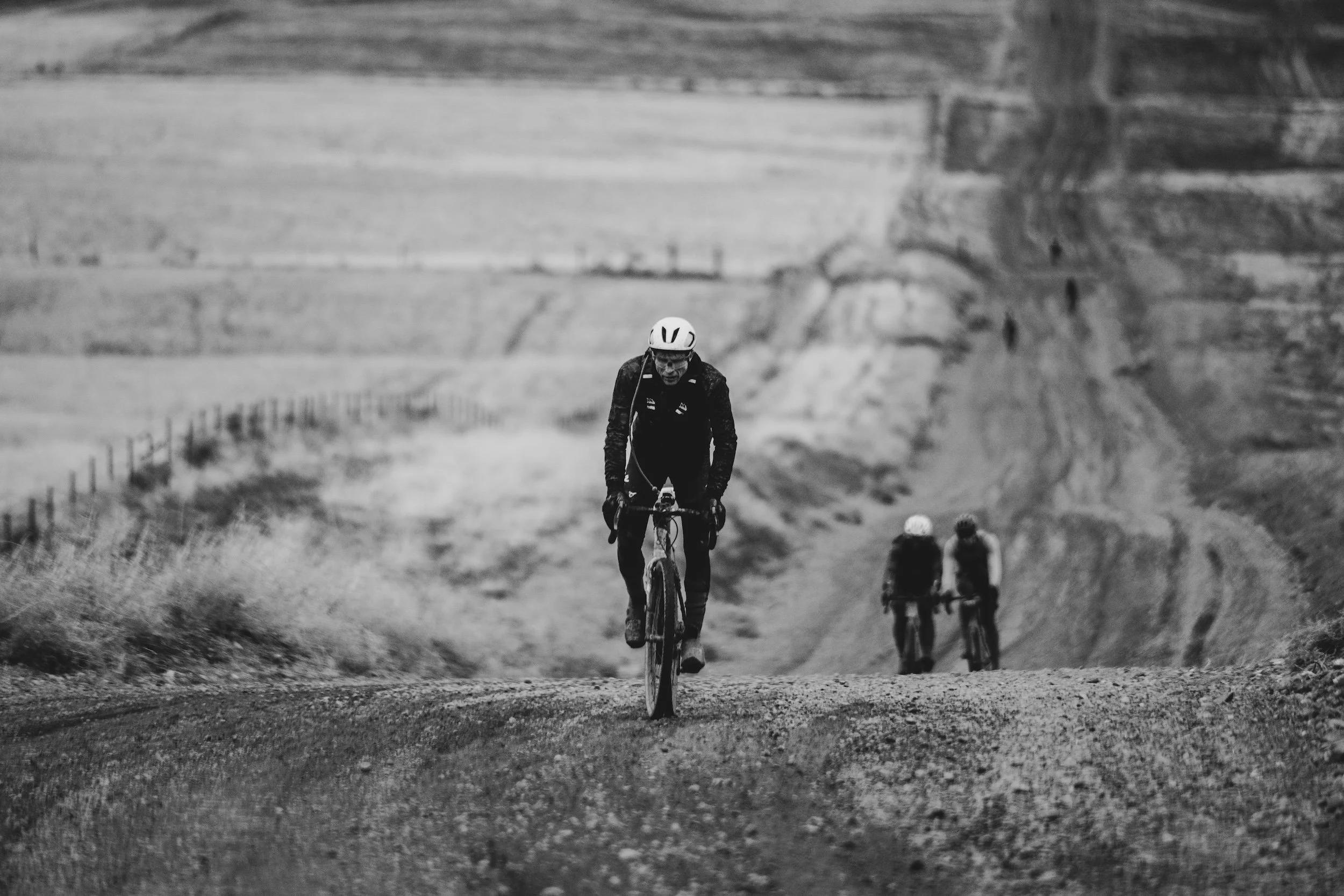
It is exhilarating to shoot photos at bike races. It doesn't matter if it's gravel, MTB, or road; I am genuinely giddy when I'm out on the road or trail with a camera in hand, waiting for the first racers to come into view.
Anticipation sharpens alertness. Before the lead racer gets to me, I'm constantly surveying the setting for interesting camera angles and perspectives. Then once the first rider zips by, it's run-and-gun photo shooting for the rest of the race.
It's in the moments in between that I have time to think and reflect about not just the race, but the whole spectacle of race weekend festivities.
Beyond the Registration Push: Why I Wrote a Content Marketing Guide for Race Directors
Most race directors know how to promote a race.
Far fewer know how to build a brand.
Every year I see race directors pour enormous amounts of energy into registration announcements, sponsor posts, deadline reminders, and race-week updates. Then for many, almost as quickly as the finish line is packed away, the content stops.
The race disappears from social media.
The website sits unchanged for months.
Momentum fades.
Then, months before the race begins again next year, the process starts all over again.
I keep thinking there has to be a better way.
Why Cascadia Super Gravel Is One of the Pacific Northwest’s Most Unique Gravel Races
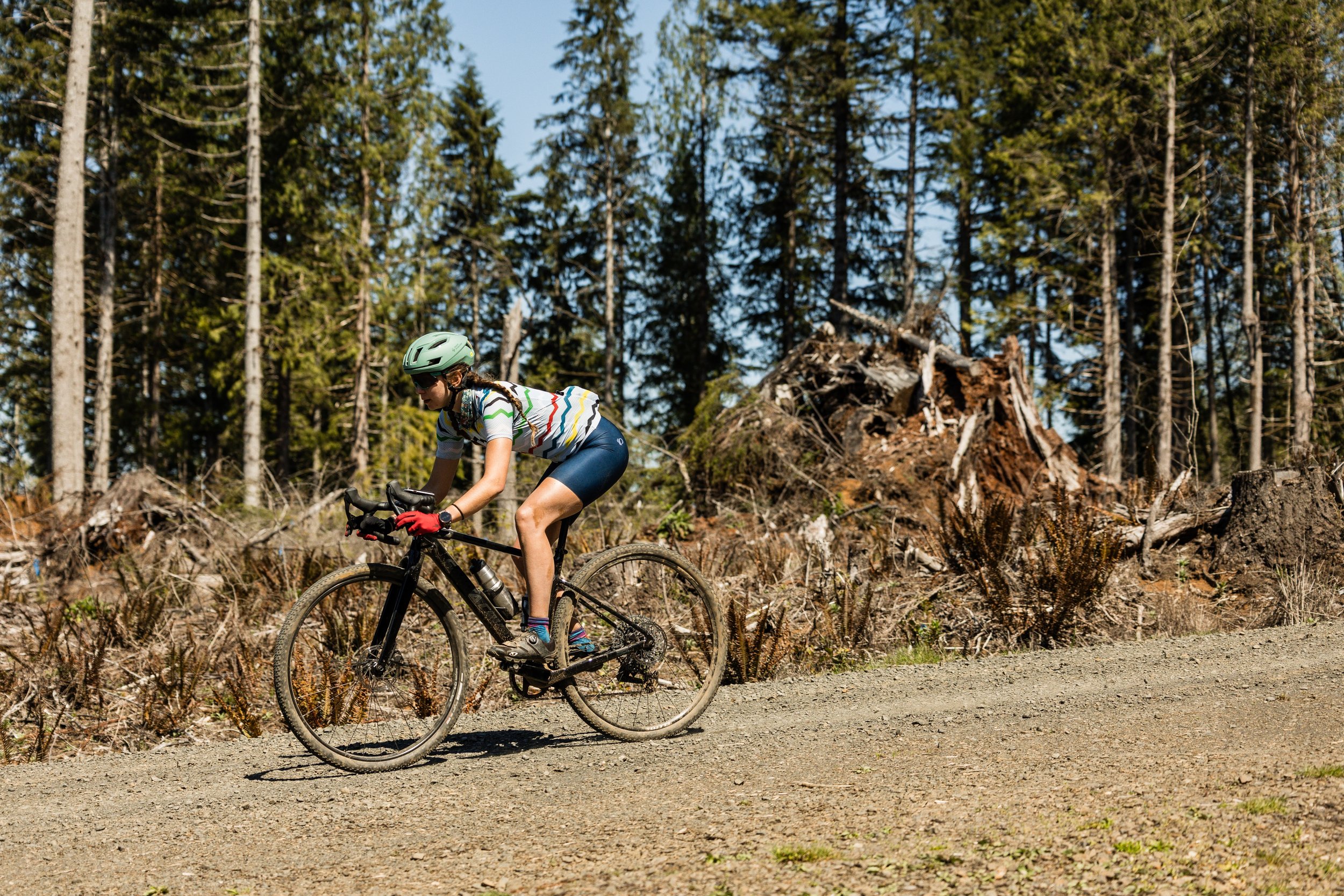
I’ve been a part of more gravel races than I can count. Most of the time, my role is that of a photographer, capturing the moment. On some levels, that sounds exhilarating. While it is a blast, most of my time is spent waiting, watching … and thinking.
Recently, I shot photos at Cascadia Super Gravel outside of Olympia, Washington. It was my first time there. While I’ll circle back around to more details of the event itself, I want to pick up where I left off in that first paragraph … thinking.
Why Small Towns Should Embrace Cycling Events for Tourism Growth
It’s easy for small towns to look at places like Bentonville, Arkansas, or Moab, Utah, and think: “Well, sure ... but we could never do that here.”
Truth be told, most communities are looking at the finished product instead of the starting point.
What many of today’s well-known cycling destinations figured out early was something surprisingly simple: People will travel for experiences. Especially experiences that feel authentic, scenic, adventurous, and different from everyday life.
That’s where cycling events come into the picture.
Shooting a Mountain Bike Race with a $40 Camera (What I Learned)
I have an affinity for older DSLR cameras.
My first full-frame was a Canon 5D Mk II, which I still shoot with on occasion. Beyond that, I’ve built up a collection of 15–20+ year old Canon bodies—XTi, XT, XS, 20D, 30D, and more.
It started as a teaching tool.
Every fall, I teach an intro to photography course. Instead of handing students the latest gear, I give them cameras I’ve picked up at thrift stores or on eBay for $10–$40.
And honestly? They’re perfect for learning.
Why Social Media Alone Won’t Grow Your Cycling Race (And What Actually Works)
There was a time when posting about your race on social media actually meant something.
You could share a few photos, write a quick caption, maybe tag a sponsor or two, and people would see it. Riders would register. Momentum would build.
That time is gone.
Not completely. But enough that it’s worth saying out loud.
Social media is no longer a reliable way to grow a race if that is your exclusive way to grow awareness.
And if you’re a race director still relying on it as your primary marketing tool, you’re not alone. But you are at a disadvantage.
This isn’t a critique. It’s just the reality of how the system works now.
If you've followed along for any length of time, you'll also know that I still love and utilize social media a lot.
Clarity Beats Creativity in Race Marketing
“We just need better content,” a race director told me recently.
He said it the way most people do ... frustrated, slightly overwhelmed, convinced the algorithm had turned against him. (Who doesn’t feel that way???)
When I asked what kind of content he meant, he paused.
“More reels, probably. Maybe more drone shots. Something that pops.”
That’s when I realized the real issue wasn’t really about creativity ... it was more about clarity.

Branding Is Reputation at Scale (And Your Race Already Has One)
“We don’t really have a brand. We just put on a good event,” a gravel race director friend told me.
He said it casually. Almost proudly.
And in one sense, he was right. His course was solid, and the race was a blast. The volunteers showed up. The aid stations were stocked. Riders finished tired and smiling.
However, if you put on a race, you have a brand.
The only question is whether it’s intentional.
