
The Role of Content Marketing in Brand Building: A Guide for Cycling Events and Rural Destinations
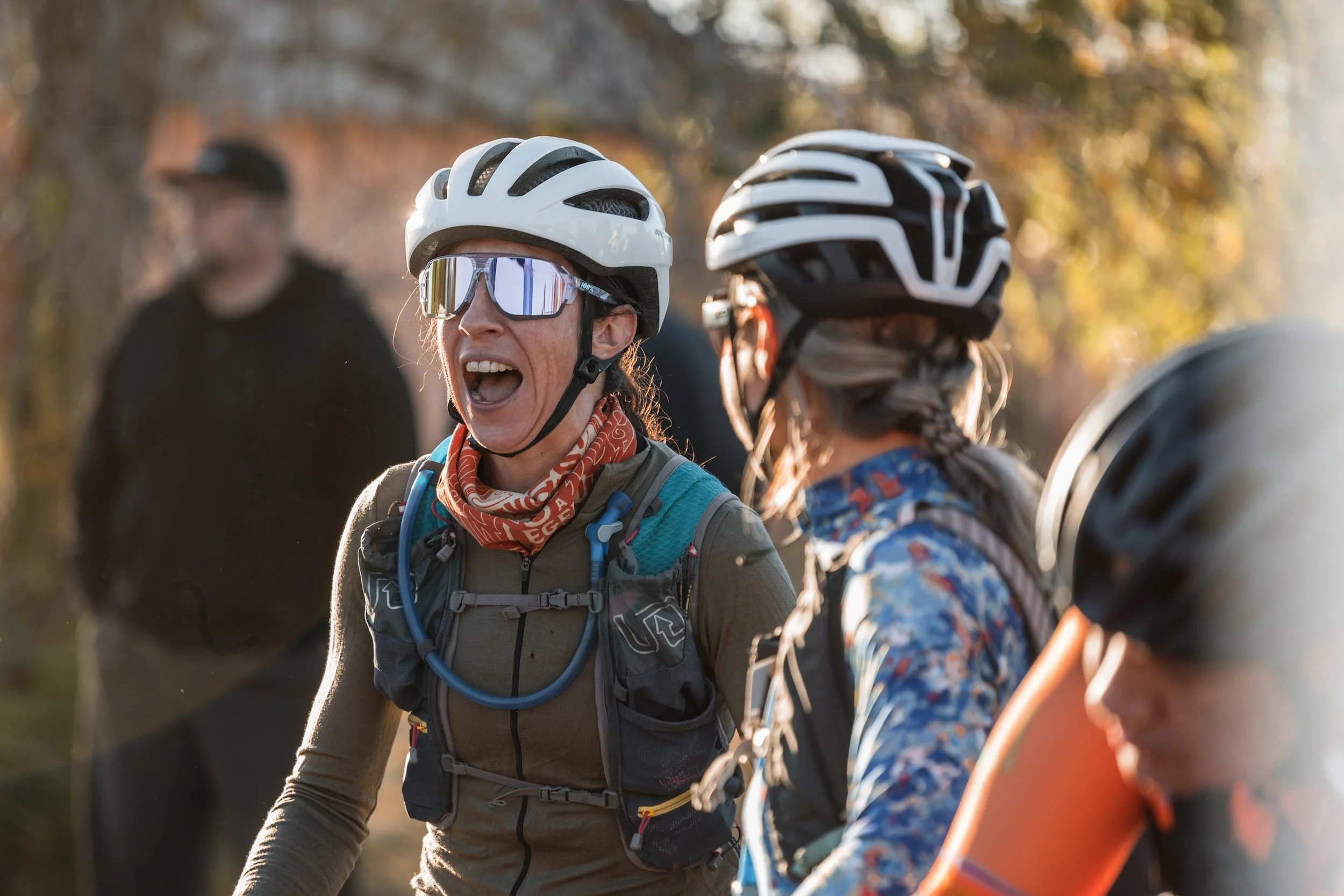
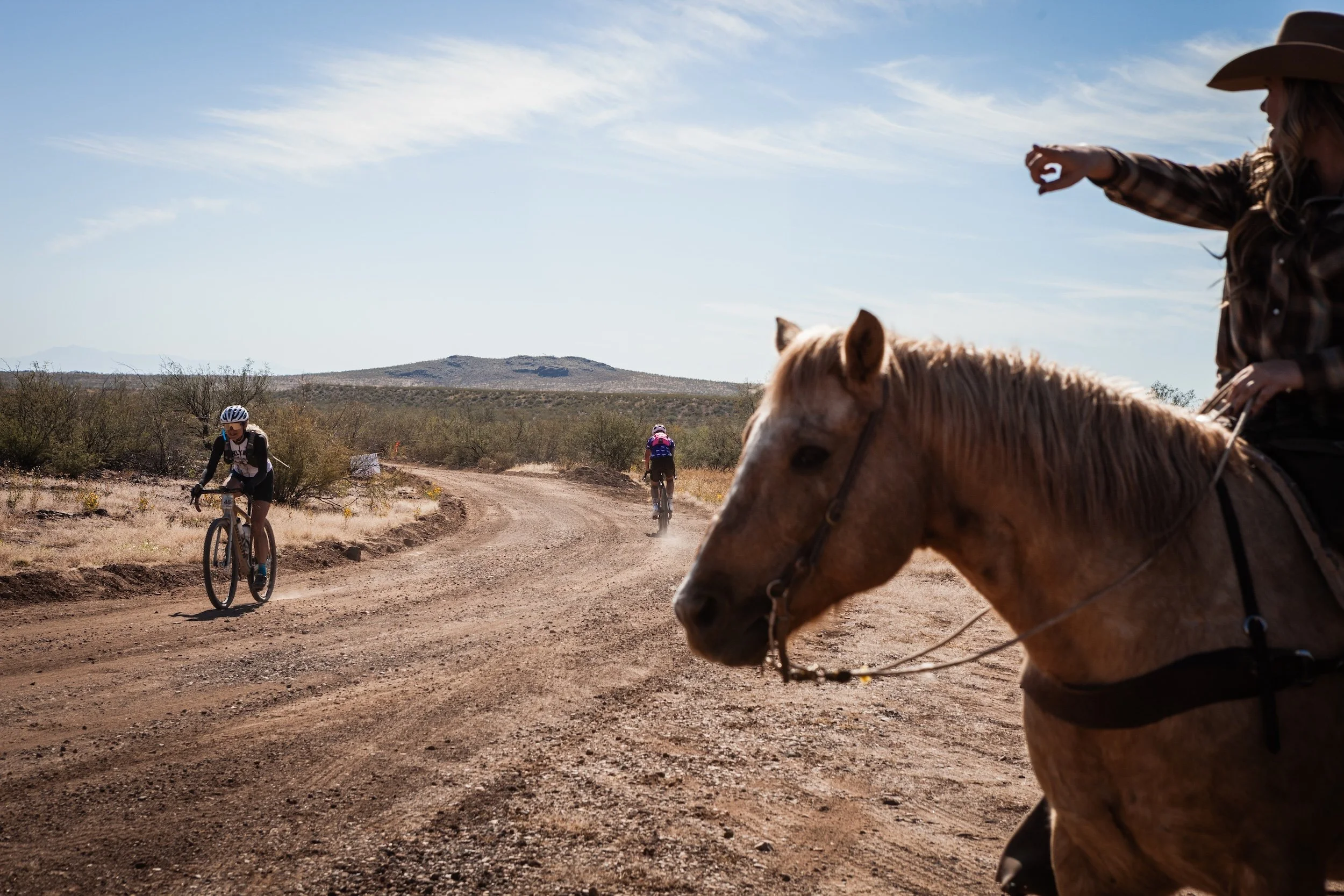
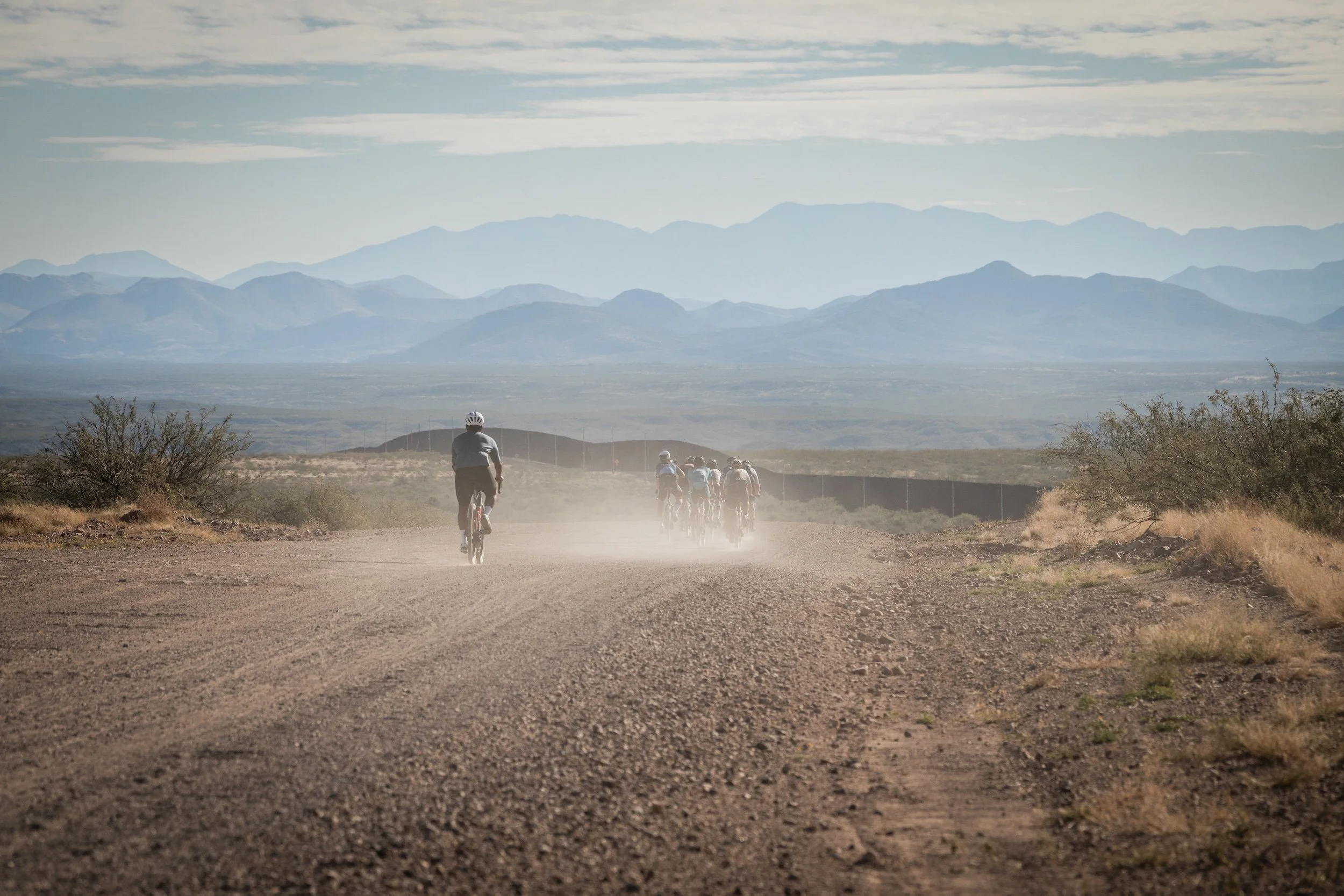
Not long ago, I found myself knee-deep in the wild and rugged terrain of southeast Arizona, helping BorderLands Gravel get their story out into the world. Sure, it’s a gravel race, but I see how it is also so much more. For me, the race is a window into a borderland region that’s often misunderstood or simply overlooked. What makes it resonate with riders isn’t just the gravel roads (though they’re world-class). It’s the story.
And that’s the power of content marketing. No, it’s not a buzzword. It’s your brand’s best chance to stand out, especially if you’re a small-town chamber of commerce, a new adventure tourism outfit, or a cycling race organizer trying to build something meaningful.
How Small Towns Can Build a Social Media Strategy From Scratch
Walk into almost any small-town tourism meeting, chamber of commerce gathering, or downtown revitalization discussion, and eventually the same question surfaces: “How do we actually get people to notice us?”
Not just once.
Not just through a lucky viral post.
But consistently.
That’s the challenge many rural communities are wrestling with right now.
Putting a Town on the Map: Content Marketing for Rural Communities
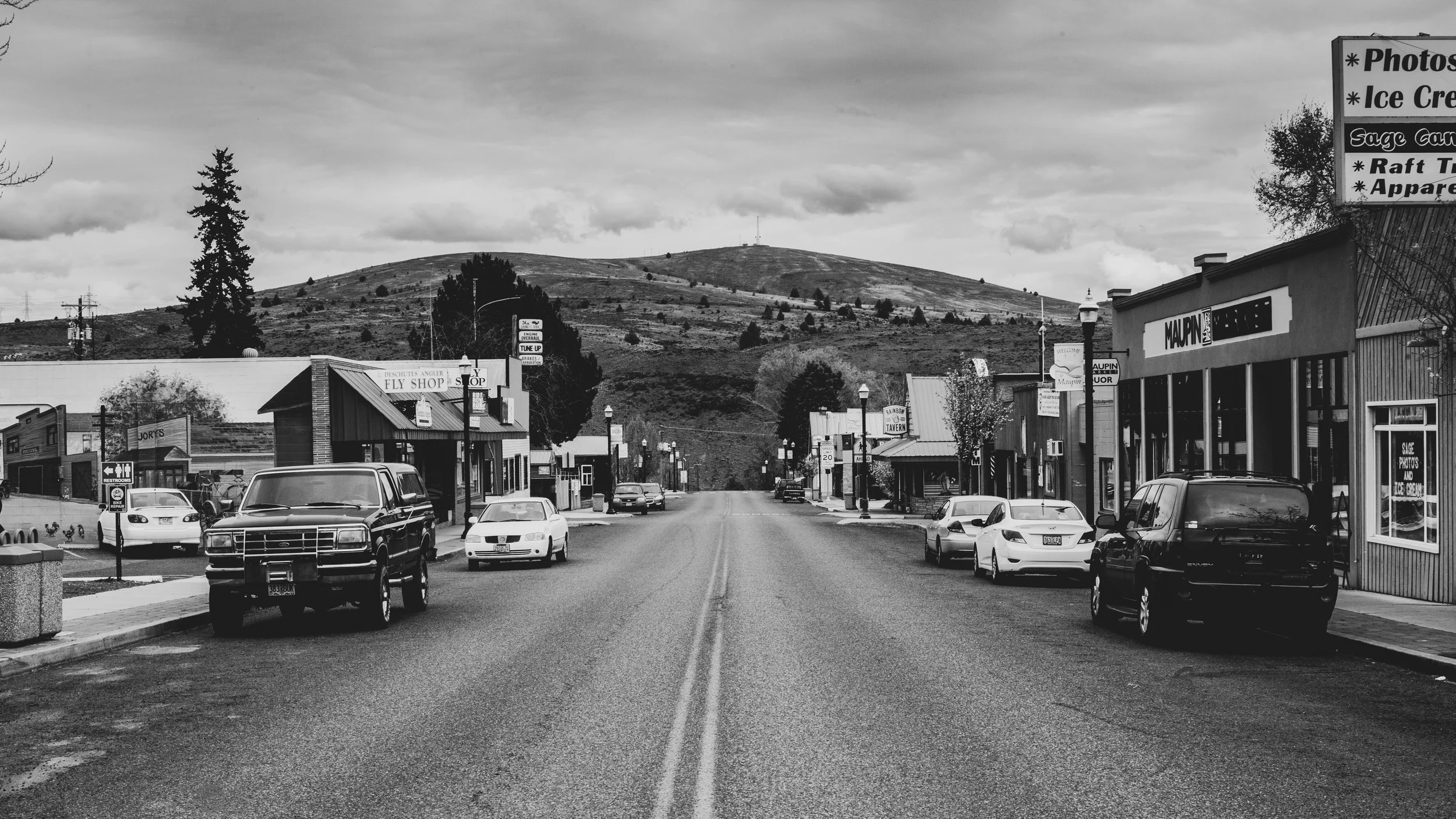
Many rural communities struggle with content marketing for the same reason. They are trying to market like something they are not.
They feel compelled to borrow language from cities. Then they attempt to copy the look and vibe of larger destinations. They wait for big events to justify posting. And when that doesn't work, they assume the problem is budget (gotta spend more on ads and gear), staffing, or platforms (you know, those pesky algorithms).
It usually is not.
The real issue is this. Rural communities do not necessarily need better marketing. They just need clearer storytelling rooted in place … their place.
What Content Marketing Actually Looks Like When It Works
Content marketing usually fails for one simple reason. People expect it to work too fast.
A few strong posts. A burst of energy. Then silence.
When results do not show up immediately, it is easy to assume content marketing does not work and quickly pivot to running paid ads. In reality, it is often doing exactly what it is supposed to do. It just works on a longer timeline.
Working with rural communities and bike races, I see content marketing succeed in very predictable ways. How? Because their content shows up consistently, repeats itself clearly, and stays visible over time.
Here is my big idea for this article: content marketing works when it makes the unfamiliar feel familiar. That happens through repetition, consistency, and restraint … not novelty.

Why I’m So Invested in Rural Tourism and Small Town Economic Development
I’m a fan of small towns.
If I’m being honest, I have a deep love and affinity for struggling small towns. Odd confession, I know. But it makes sense once I say it out loud.
That’s the kind of town I grew up in. And if it was a struggling small town back then, it feels like every time I return, I notice a little more population decline, a few more vacant storefronts, and a quieter main street than I remember.
This wasn’t always the direction of my work.
How Gravel Races Drive Rural Economic Growth: Lessons From BorderLands Gravel
Most people see a gravel race as a single day on the calendar.
Riders show up, roll out, race their course, and head home. But if you have ever organized a race or worked in outdoor recreation, you know there is more going on beneath the surface.
The real learning begins after the race, when the surveys start drifting back in. This is where the story reveals itself.
Trails That Build Jobs: How Rural Communities Are Finding New Life Through Trail-Based Economies
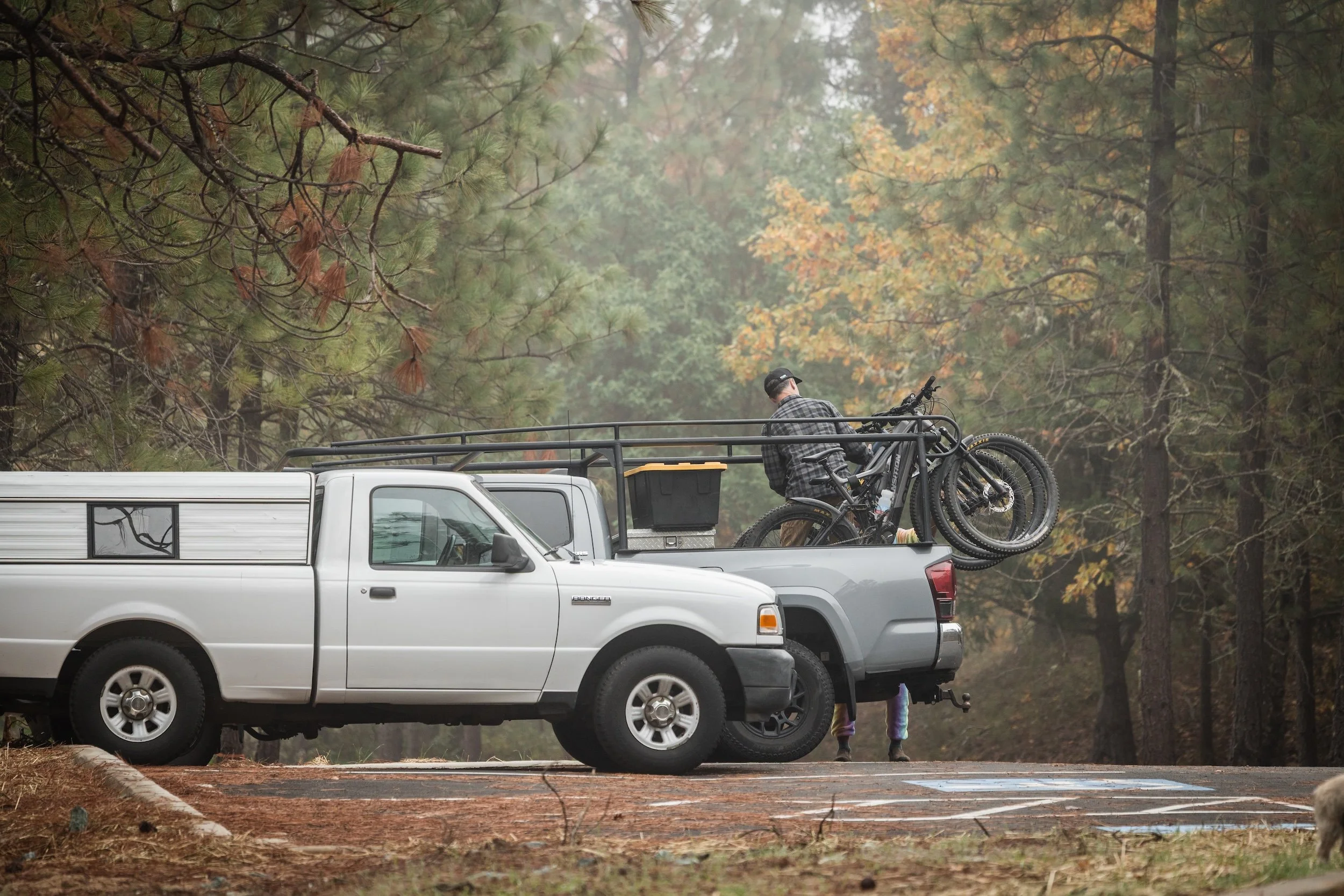
In the foothills of the Rockies, a small town once known for its sawmills is humming again, not from chainsaws but from trail crews, mountain bikers, and visiting families grabbing coffee before heading out to ride. Further away, former coal towns in West Virginia are experiencing a similar revival, their new “black gold” being the dirt under mountain bike tires.
Across the U.S., trails are emerging as one of the most reliable economic development tools for small, rural communities. They bring visitors, create jobs, and support local businesses in ways that reach far beyond tourism. When built and managed well, trails become infrastructure that fuels entrepreneurship, attracts new residents, and diversifies economies once dependent on extraction industries.
Gravel as the Gateway to Becoming a Trail Town
I’m back in Portland this week after a whirlwind trip to Arizona, which included speaking at the Spirit World fundraiser for the Arizona Trail. What is funny is that even though I spent a good amount of time writing and prepping for this speech leading up to the event, when it was time actually to speak, I pivoted.
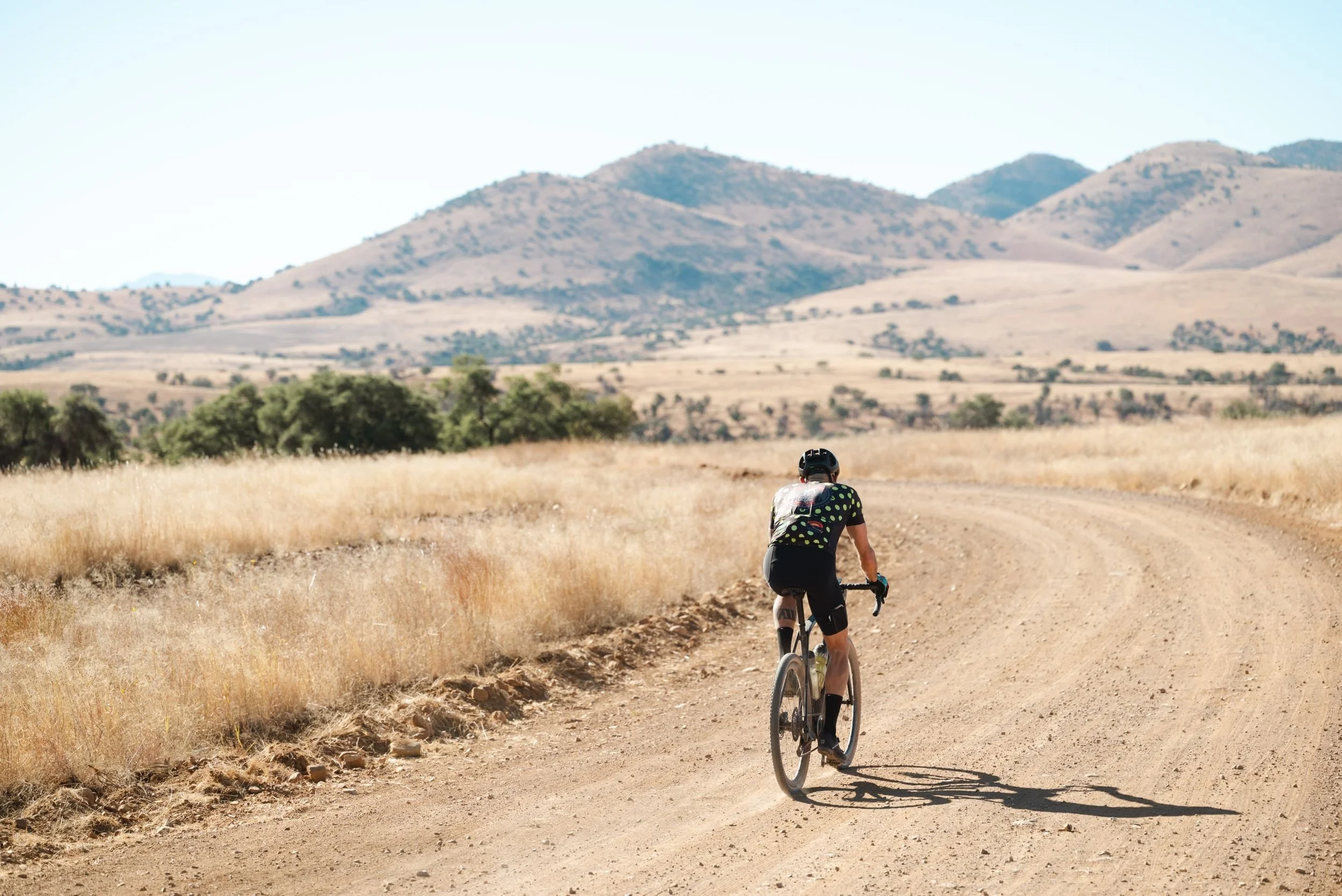
I spend every day in the classroom, Monday through Friday, teaching undergrad students. Over the years, I’ve developed my own style for how I teach. Giving a one-way speech as a monologue isn’t necessarily my jam, so when it came time to speak, I set aside my notes and tried to make it interactive and a two-way conversation about “gravel as the gateway to becoming a trail town.”
While I have repeatedly touched on this topic, I wanted to revisit it and share the contents of my speech, even though I didn’t touch on everything that night in Patagonia. If I were to give a “proper” speech, this is what I would’ve shared ...
Building an Influencer Strategy That Lasts: A Guide for Rural Tourism Leaders
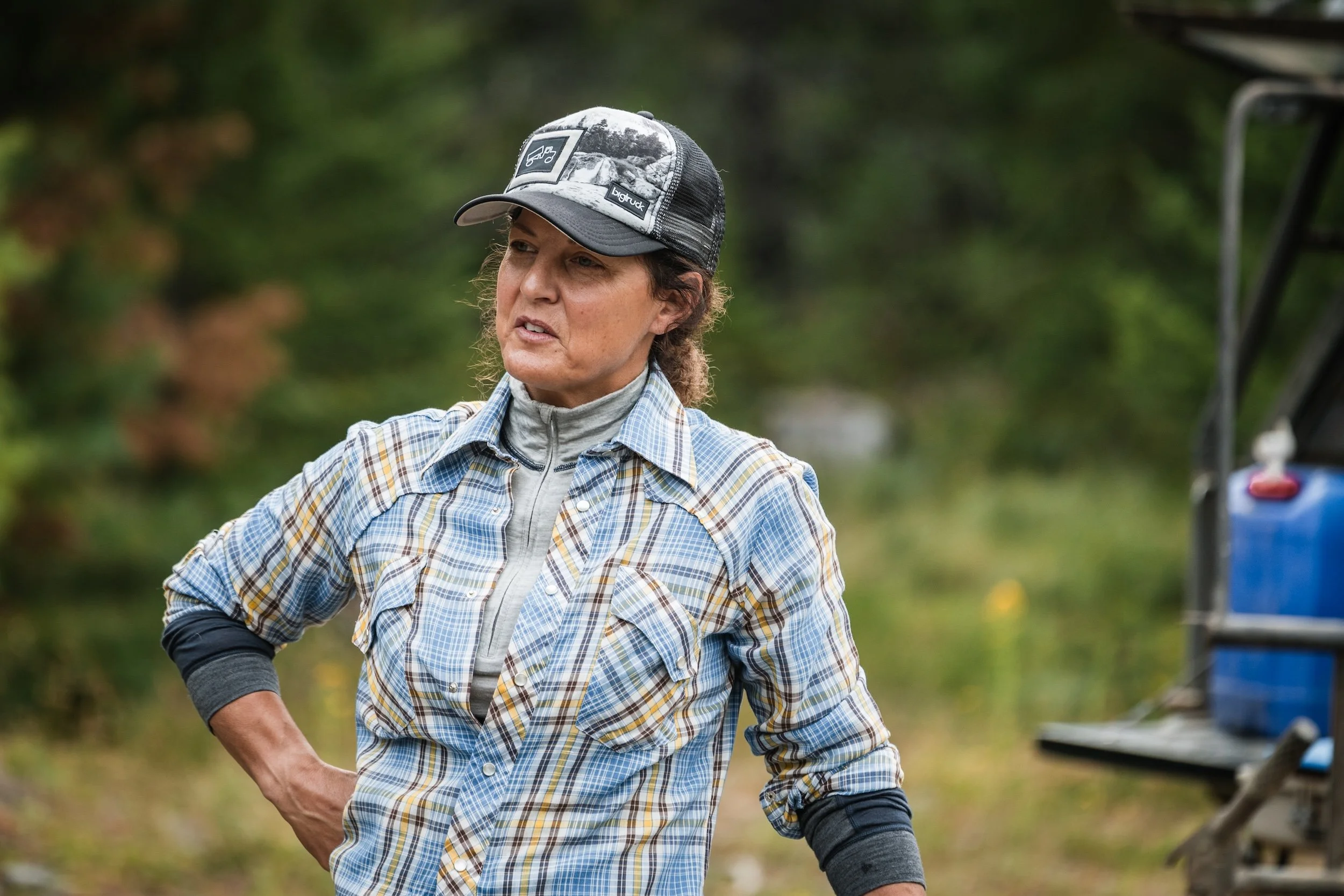
You do not need a big budget or a marketing agency to start using influencers effectively. You already have what you need: authentic stories, local pride, and people who love your community. The key is learning how to turn those assets into lasting partnerships that help your town grow.
Throughout this series, I have explored what influencers are, why trust and authenticity matter most, and how influencers shape travel decisions. In this final article, I am turning our attention to something more practical: how rural communities can build influencer partnerships that last. You ready?
From Gravel to Trails: Speaking at the Spirit World Fundraiser for the Arizona Trail
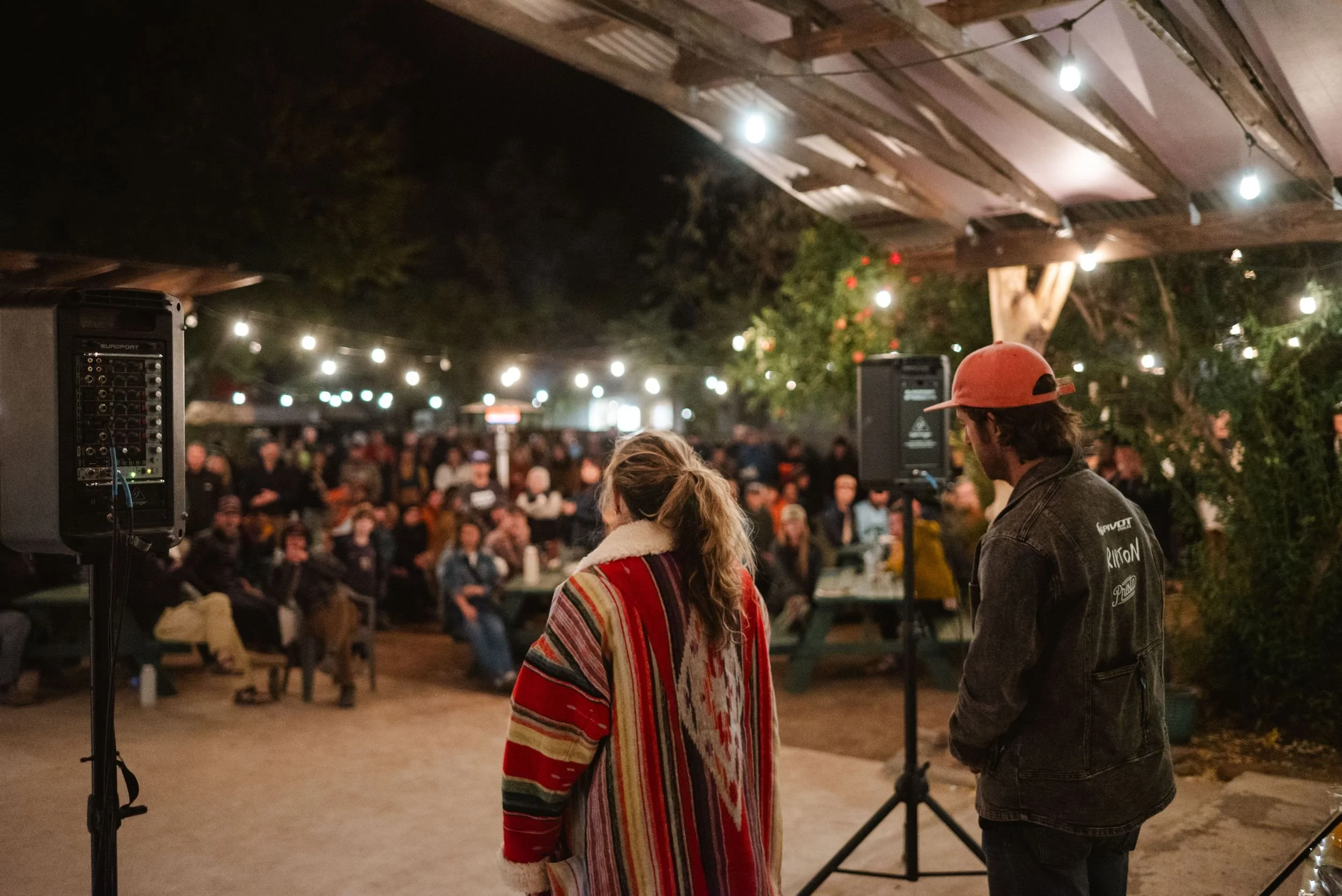
On Thursday, October 23rd, I will be here not as a racer but as one of the featured speakers for the Spirit World Fundraiser for the Arizona Trail, an evening that blends storytelling, community, and purpose. The dinner, hosted at the Patagonia Lumber Company, raises funds for the Arizona Trail Association’s ongoing work maintaining and expanding one of the most iconic long-distance trails in the country.
