
Can Rural Communities Build a Trail-Based Economy? Why Storytelling Matters as Much as Trails
Every time we cut a new trail through the woods, not only are we changing the landscape, but we’re also changing the future of the communities that surround it.
Most of us don’t show up to a dig day thinking about hotel occupancy rates, tax revenue, or rural economic development. We’re thinking about drainage, sightlines, sustainable grades, rockwork, and building the best trail we can. And that’s exactly how it should be.
What Does It Take to Become an Outdoor Tourism Destination?
On a random weekend in June, I found myself driving through Moab, Utah.
Long before I reached the edge of town, I knew I had arrived.
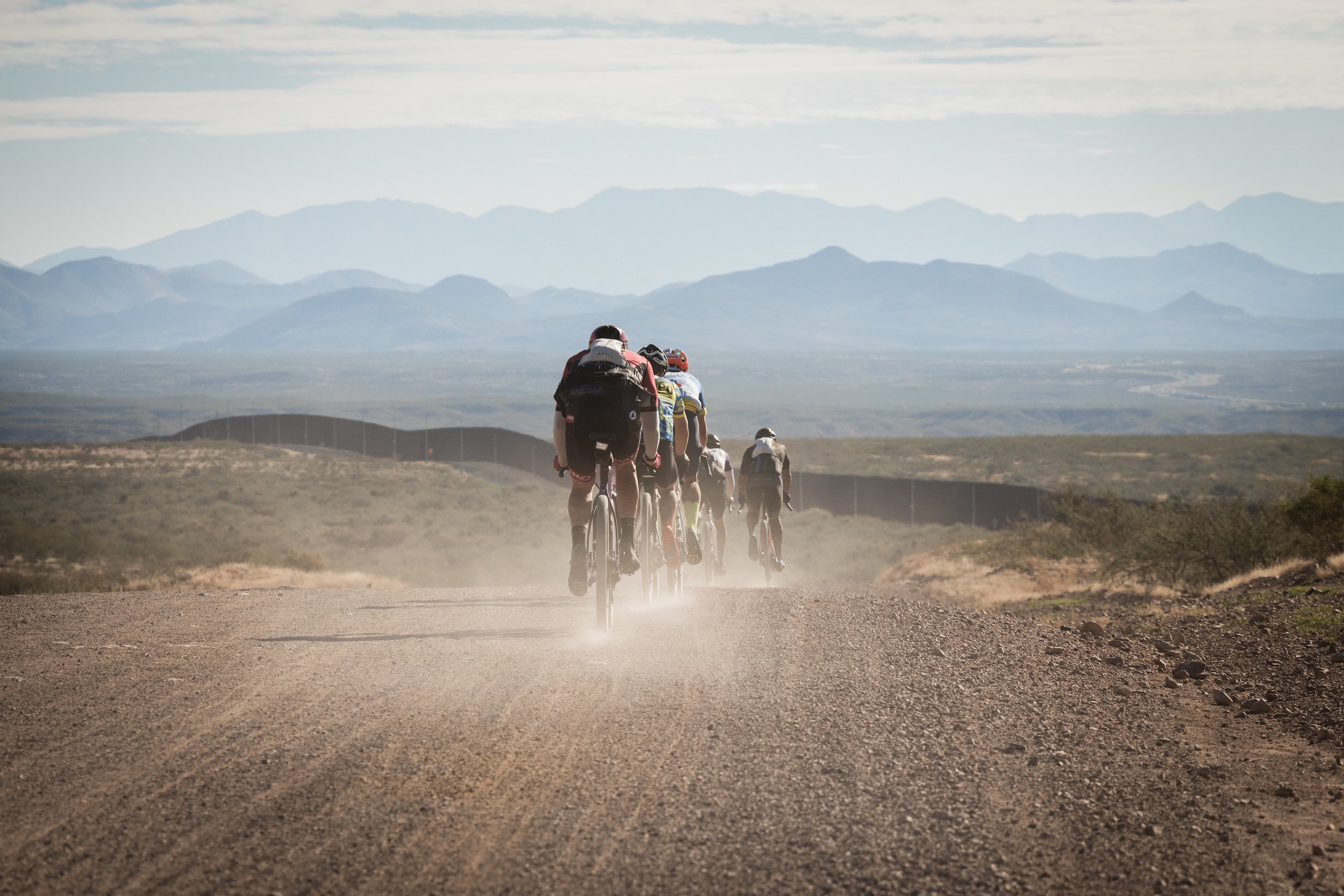
Sprinter vans lined the highway with expensive mountain bikes hanging off the back. Signs advertised jeep tours, climbing guides, and bike shuttles. Every parking lot seemed full of dusty adventure rigs. There was an unmistakable energy in the air.
You could feel it.
Rural Communities Don’t Need the Next Unbound. They Need Their Own Version of Dufur.
Every year, the gravel cycling world turns its attention toward Emporia, Kansas.
Thousands of riders from around the world travel to Unbound Gravel. The event attracts roughly 5,000 participants and generates millions of dollars in economic activity for the community. For a few days each year, Emporia becomes the center of the gravel universe.
It’s an impressive success story.
But I think many rural communities are asking the wrong question.
The question isn’t, “How do we become the next Emporia?”
The better question might be, “What is our version of Dufur?”
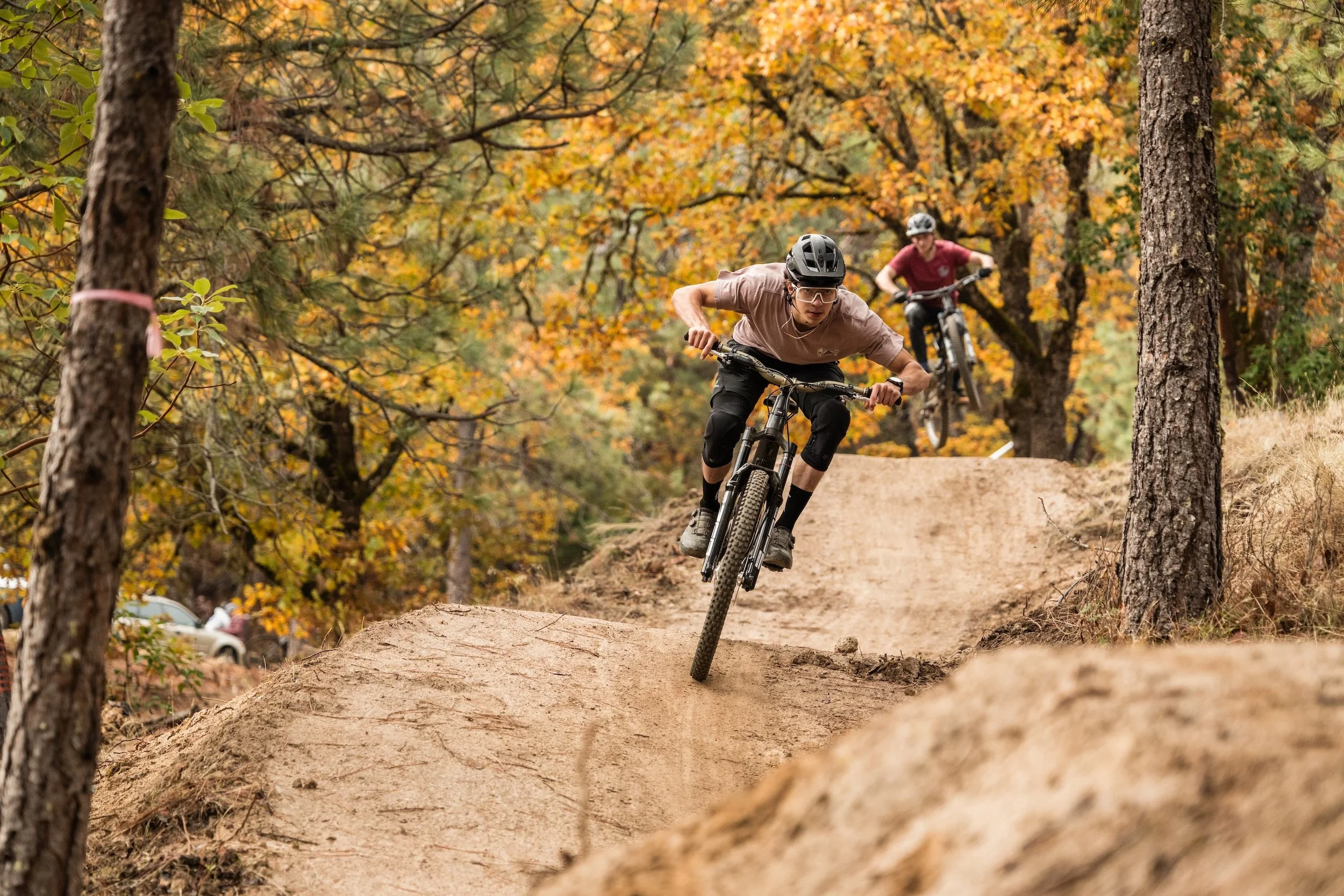
Why Small Towns Should Embrace Cycling Events for Tourism Growth
It’s easy for small towns to look at places like Bentonville, Arkansas, or Moab, Utah, and think: “Well, sure ... but we could never do that here.”
Truth be told, most communities are looking at the finished product instead of the starting point.
What many of today’s well-known cycling destinations figured out early was something surprisingly simple: People will travel for experiences. Especially experiences that feel authentic, scenic, adventurous, and different from everyday life.
That’s where cycling events come into the picture.
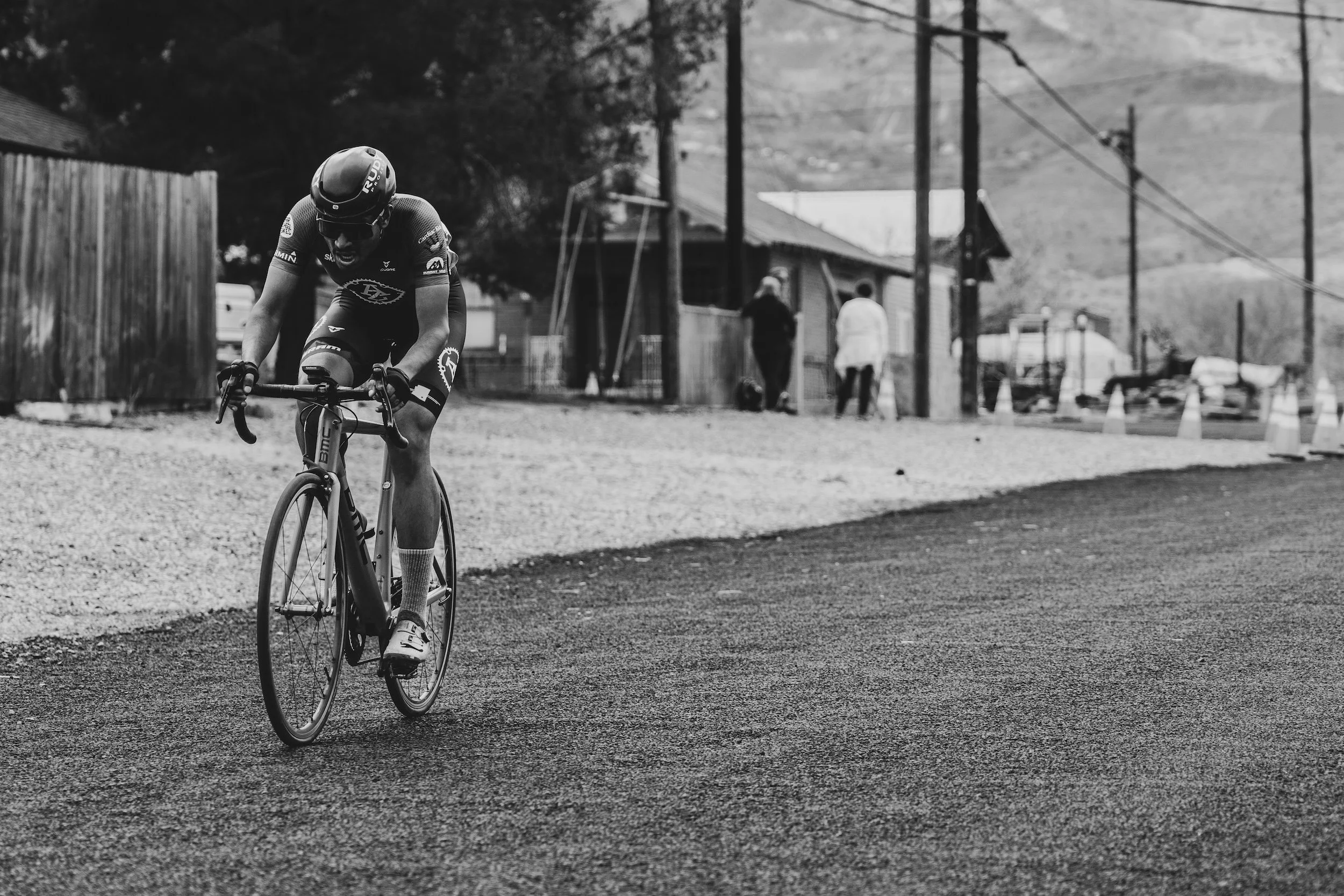
How Cycling Events Create Economic Impact and Tourism Visibility for Small Towns
Race mornings in small towns are special. I love watching these communities come alive in a different kind of way.
Coffee shops and breakfast places are packed before sunrise. Bike traffic noticeably spikes around town. Hotels that might normally sit half-empty during shoulder season are booked out. Downtown streets buzz with energy.
For many rural communities, cycling events such as gravel races, mountain bike festivals, fondos, and stage races provide an immediate and visible economic boost.
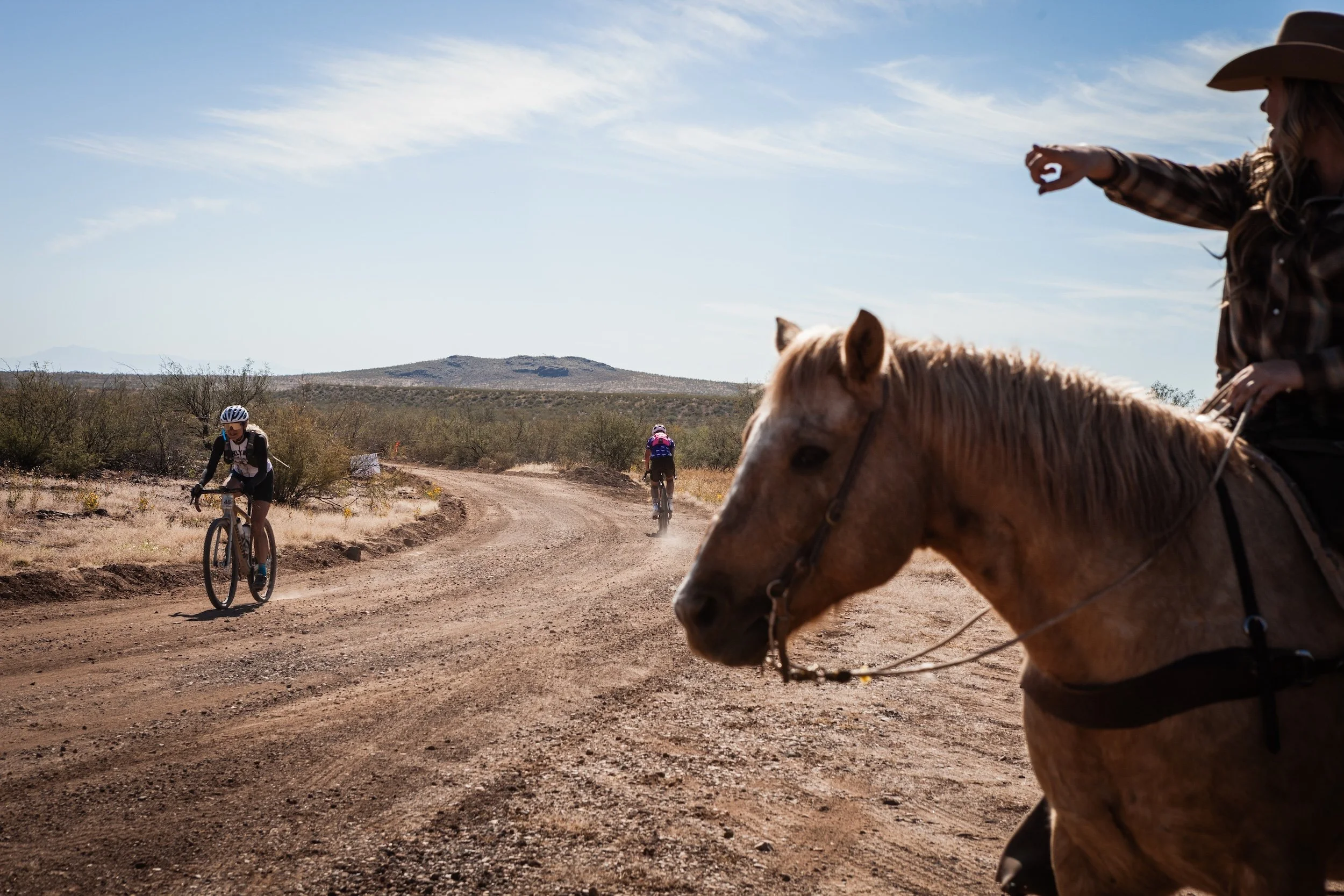
How Small Towns Can Build a Social Media Strategy From Scratch
Walk into almost any small-town tourism meeting, chamber of commerce gathering, or downtown revitalization discussion, and eventually the same question surfaces: “How do we actually get people to notice us?”
Not just once.
Not just through a lucky viral post.
But consistently.
That’s the challenge many rural communities are wrestling with right now.
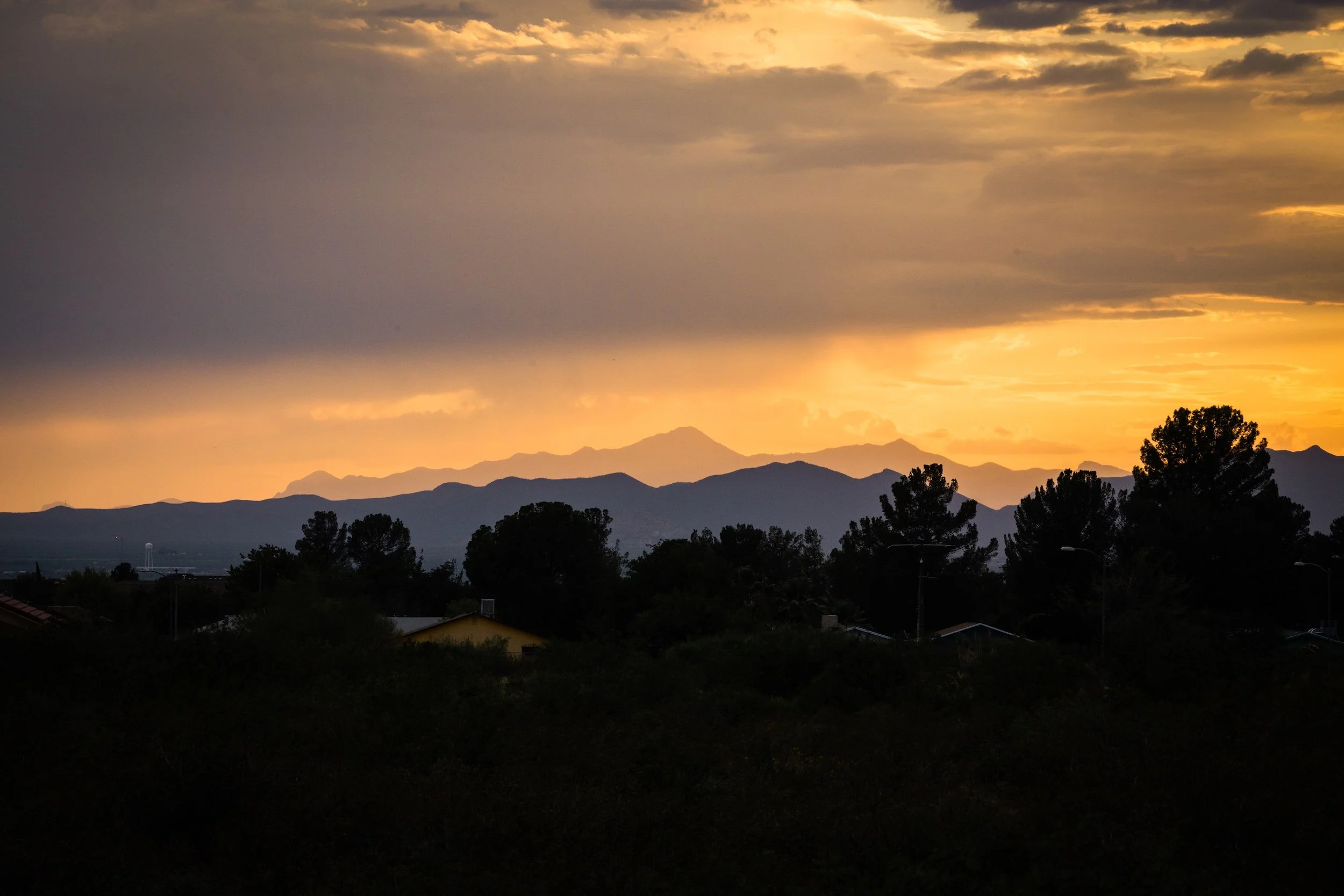
Putting a Town on the Map: Content Marketing for Rural Communities
Many rural communities struggle with content marketing for the same reason. They are trying to market like something they are not.
They feel compelled to borrow language from cities. Then they attempt to copy the look and vibe of larger destinations. They wait for big events to justify posting. And when that doesn't work, they assume the problem is budget (gotta spend more on ads and gear), staffing, or platforms (you know, those pesky algorithms).
It usually is not.
The real issue is this. Rural communities do not necessarily need better marketing. They just need clearer storytelling rooted in place … their place.
What Content Marketing Actually Looks Like When It Works
Content marketing usually fails for one simple reason. People expect it to work too fast.
A few strong posts. A burst of energy. Then silence.
When results do not show up immediately, it is easy to assume content marketing does not work and quickly pivot to running paid ads. In reality, it is often doing exactly what it is supposed to do. It just works on a longer timeline.
Working with rural communities and bike races, I see content marketing succeed in very predictable ways. How? Because their content shows up consistently, repeats itself clearly, and stays visible over time.
Here is my big idea for this article: content marketing works when it makes the unfamiliar feel familiar. That happens through repetition, consistency, and restraint … not novelty.

Why I’m So Invested in Rural Tourism and Small Town Economic Development
I’m a fan of small towns.
If I’m being honest, I have a deep love and affinity for struggling small towns. Odd confession, I know. But it makes sense once I say it out loud.
That’s the kind of town I grew up in. And if it was a struggling small town back then, it feels like every time I return, I notice a little more population decline, a few more vacant storefronts, and a quieter main street than I remember.
This wasn’t always the direction of my work.
Putting a Price Tag on Exposure: How Media Coverage Drives Rural Tourism
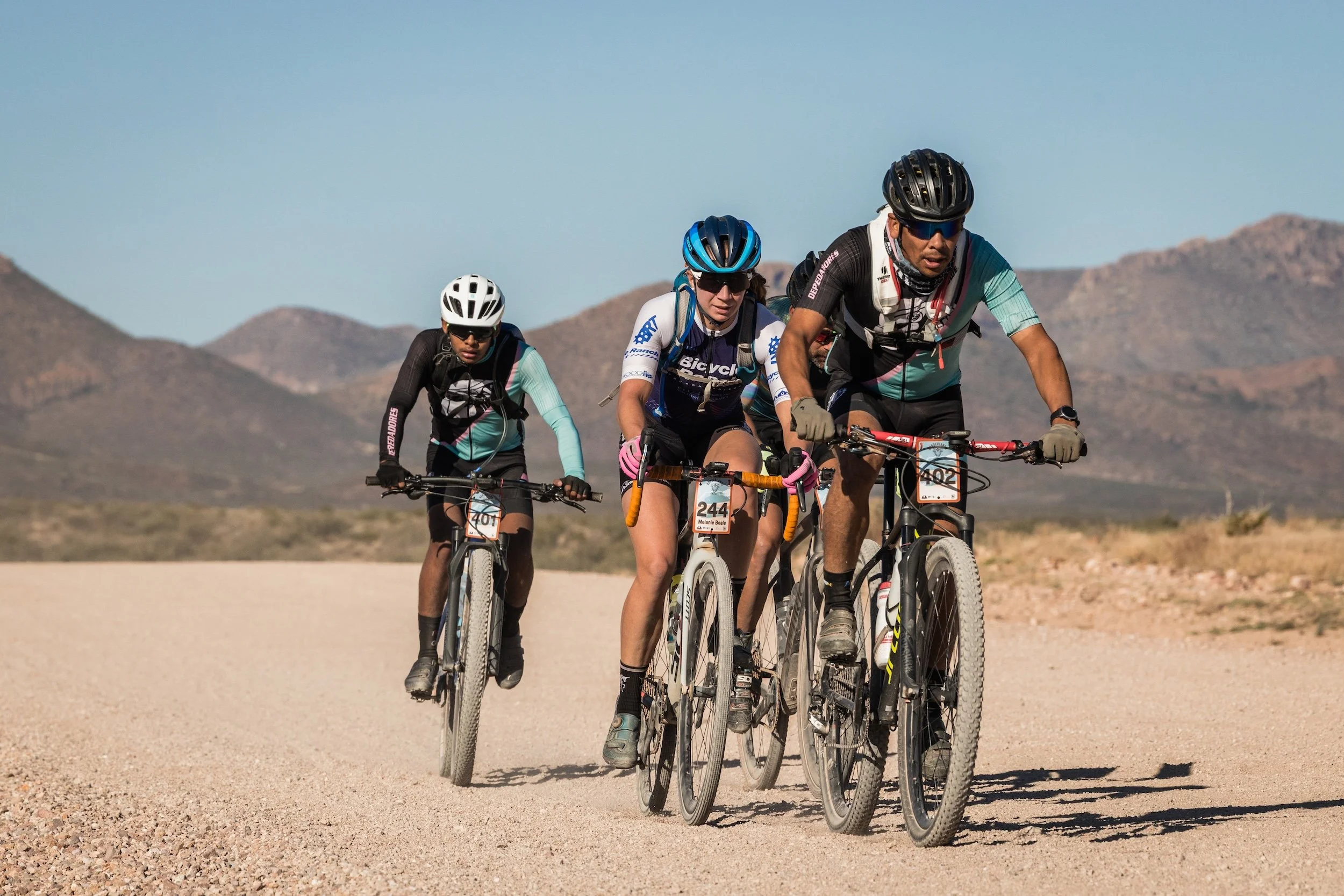
If you have ever stood in the middle of a gravel race with a camera in your hand, you have seen it happen. A rider comes through a section of road that feels like the middle of nowhere. You grab a shot, post it later that night, and suddenly thousands of people who have never even heard of that town are paying attention.
That is what happened in Douglas during BorderLands Gravel.
