How Rural Communities Can Create Better Social Media Content on a Budget
One of the biggest misconceptions about tourism marketing is that creating better social media content requires a bigger budget.
More cameras. More software. More staff. More equipment. All of the goods.
For small towns and rural tourism organizations, that can make content creation feel out of reach before it even begins. Also, we assume we need all of that to stand out online.
But there's good news. Some of the most useful tools for building visibility today are relatively inexpensive. Heck, some are even free. Others are probably already sitting in your pocket.
No, you do not need a production studio to tell the story of your community. You don't need a large marketing department to consistently show people why your town is worth visiting.
What you need is a simple system that makes creating, publishing, managing, and distributing content easier. You know, kind of the boring stuff.
I know that tools definitely matter, but they are secondary. That's even something I have to remind myself constantly.
The real skill is learning how to recognize and tell the stories already unfolding around your community.
I've been thinking about this a lot lately as I'm prepping for my fall semester teaching undergrad courses. One of the courses in particular is on video content creation. We are going to spend the entire semester learning how to make compelling and engaging short-form vertical video content.
We'll even use our smartphones. Why? Capturing attention is more about story than tech.
How Rural Communities Can Build a Low-Cost Content Creation System
It is easy to believe the next camera, microphone, app, or piece of software will solve your content problems.
Usually, it will not. I'm guilty of falling into the trap too.
The bigger challenge is creating a sustainable system.
Who is capturing content? Where is it stored? Who decides what gets posted? How often are you publishing? What happens when someone sees your content and wants more information?
These questions matter more than whether you are shooting video on a smartphone or a $3,000 camera.
For rural communities, I would start by thinking about the content process in a few simple categories:
Create the content.
Manage and publish the content.
Turn attention into action.
You can build a surprisingly capable system around those three needs without spending much money.
Here are some of the tools I would start with.
Metricool for Rural Tourism Social Media Management
One of the quickest ways for a small tourism team to burn out is trying to manage social media one post at a time.
Someone remembers Instagram has not been updated in several days. A Facebook post gets published. Then someone realizes the same information should probably go on another platform. A week later, everyone gets busy with something else and social media goes quiet again.
This is where a social media management platform can help.
Metricool is one of the tools I use every day and recommend because it lets you manage multiple parts of your social media workflow from one place. At one point a few months ago, I was managing social media accounts for 10 different brands, and Metricool was and is a game-changer.
Instead of opening every social media platform individually, you can plan content ahead of time, schedule posts, review your calendar, and look at performance data.
For a rural tourism organization with a small team, the biggest benefit may simply be consistency.
You can sit down once or twice a week, build out your upcoming content, schedule it, and move on to everything else demanding your attention.
That does not mean social media should become completely automated.
You still want to interact with comments, respond to people, share timely content, and participate in conversations.
But scheduling removes one major source of friction. Rather than constantly asking, “What are we posting today?” you can spend more time thinking strategically about the stories you want to tell.
—————
Click HERE to learn more about Metricool.

Using Manychat to Turn Social Media Engagement Into Visitor Interest
Getting views is great.
Getting someone to take the next step is better.
Imagine someone sees a Reel showcasing a gravel cycling route outside your town.
They are interested.
What happens next?
Too often, the call to action is something like: “Visit the link in our bio.”
That creates another step.
Instead, tools like Manychat can help connect social media engagement directly with useful information.
For example, you might create a Reel about five places to ride mountain bikes near your community. At the end, you could ask viewers to comment the word “TRAILS.”
An automated response could then send them a direct message containing your trail guide, website link, visitor itinerary, email signup, or another resource.
There are countless ways rural tourism organizations could use this.
Comment “MAP” to receive a gravel route collection.
Comment “WEEKEND” to receive a two-day itinerary.
Comment “FOOD” to receive a local restaurant guide.
Comment “TRAILS” to receive information about nearby hiking or biking.
Comment “EVENTS” to receive the upcoming events calendar.
Suddenly, social media becomes an entry point into your tourism ecosystem.
While getting more views is awesome because that means you're growing awareness of your community. The goal is to use visibility to create deeper connections with people who may eventually visit your community.
—————
Click HERE to learn more about Manychat.
Why Smartphones Are Powerful Tools for Rural Tourism Content Creation
Before buying a camera, use your phone. Seriously.
Modern smartphones are remarkably capable content-creation tools, especially for social media.
They shoot vertical video. They capture high-quality photos. They are always with you. And perhaps most importantly, they dramatically reduce the friction involved in creating content.
If you're walking downtown and see something worth documenting, you can pull out your phone. If volunteers are working on a trail, you can capture a few video clips. If a restaurant owner is preparing something interesting, you can record a short interview. If the sunset looks spectacular from the edge of town, you already have a camera with you.
The key is to document what you see ...
People are building businesses. Trails are being maintained. Events are happening. Restaurants are serving food. Artists are creating things. Farmers are working. Cyclists are riding. Visitors are exploring. Community members are doing interesting things every day.
The challenge is developing the habit of noticing and capturing those moments.
That is why I would rather see someone become excellent at creating content with a smartphone than purchase an expensive camera they rarely use.
Lastly, check out this video and tell me that a great smartphone isn't good enough ... Into the Storm (Shot on iPhone)
Canon R50 V as an Affordable Video Camera for Tourism Content
There may eventually come a point when you want more creative control than your smartphone provides.
That is where a dedicated camera can make sense.
For someone interested primarily in creating video content without jumping immediately into expensive professional equipment, the Canon R50 V is an interesting option. I have one. It's a blast.
For a camera that can capture quality content at a low price, it punches above its weight.
It is designed heavily around video creation and gives creators more control over lenses, image quality, exposure, audio, and the overall look of their footage.
For rural tourism organizations wanting to create higher-quality Reels, interviews, destination videos, event coverage, or longer-form YouTube content, a camera like this can be a natural next step.
But I would emphasize the phrase “next step.”
Do not start by assuming you need a dedicated camera. Just start creating.
Learn what kinds of shots work.
Learn how to frame people.
Learn how to sequence several clips together.
Learn how to capture usable audio.
Learn how to work with natural light.
Learn what makes someone stop scrolling.
Most importantly, learn how to tell a story.
Then upgrade your equipment when you understand why you need to upgrade.
—————
Click HERE to learn more about the Canon R50 V.
Using CapCut to Edit Short-Form Tourism Videos
Capturing video is only half of the process. Eventually, those clips need to become something.
For many creators, CapCut offers a relatively approachable entry point into editing short-form video. You can trim clips, arrange sequences, add text, create captions, incorporate music, and produce vertical videos designed for platforms like Instagram Reels, TikTok, YouTube Shorts, and Facebook. Meta has their version of CapCut called Edits.
Again, the technology is less important than learning the craft.
A good tourism Reel does not necessarily require complicated editing. You might only need six or seven short clips. A wide shot establishing the location. Someone walking through town. A cyclist riding past. Coffee being poured. A close-up of food. A trail disappearing into the forest. A sunset. Ahhhhhhh ... I can feel it.
Put those clips together in a thoughtful sequence, and you have the beginnings of a story.
Learning basic editing opens an enormous number of possibilities for rural communities because you no longer need to hire a production company every time you want to create a video.
Like everything, you learn to master the basics, and you can level up. Master CapCut and then level up to DaVinci Resolve or Adobe Premiere Pro.
—————
Click HERE to learn more about CapCut.

Canva for Creating Rural Tourism Social Media Graphics
Not every piece of content needs to be a video.
There will always be moments when you need maps, event graphics, announcements, carousels, visitor information, or other visual content.
Canva has made basic graphic design considerably more accessible for people who are not professional designers. The real opportunity for rural tourism organizations is creating a simple collection of reusable templates.
Instead of designing everything from scratch, create or find and use templates for recurring needs.
Upcoming events.
Trail conditions.
Weekend itineraries.
Local business features.
Historical facts.
Visitor tips.
Seasonal reminders.
Volunteer opportunities.
Once those templates exist, creating new graphics becomes considerably faster. More importantly, your content begins looking consistent.
People start recognizing your colors, fonts, photography style, and layout.
Over time, those seemingly small decisions contribute to your community’s brand.
—————
Click HERE to learn more about Canva.
Why Storytelling Matters More Than Expensive Content Creation Tools
This is probably the most important point in this entire article.
None of these tools will make your community interesting.
Fortunately, they do not have to. Your community is already interesting.
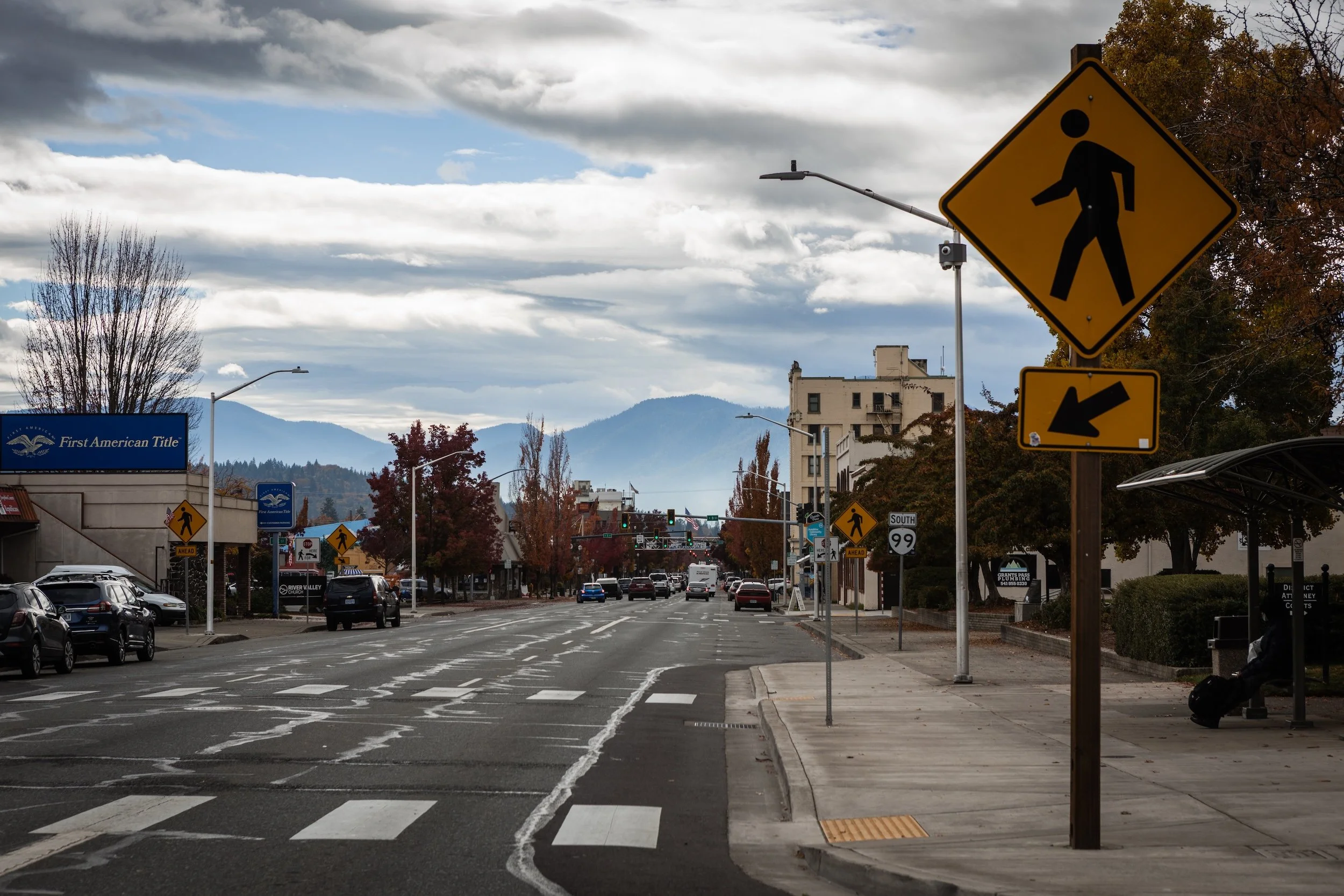
The coffee shop owner who opens the doors at 5:30 every morning is interesting. The volunteer maintaining a backcountry trail is interesting. The third-generation rancher is interesting. The new restaurant owner restoring an old downtown building is interesting. The gravel road disappearing toward the mountains is interesting. The festival that has happened every summer for 70 years is interesting. The person behind the counter who knows everyone’s name is interesting.
Your job is to notice.
Technology simply helps you capture, organize, publish, and distribute those stories. That is why I would encourage rural tourism leaders to resist the temptation to constantly chase better equipment.
Become better storytellers first.
How Rural Tourism Leaders Can Start Creating Better Content Today
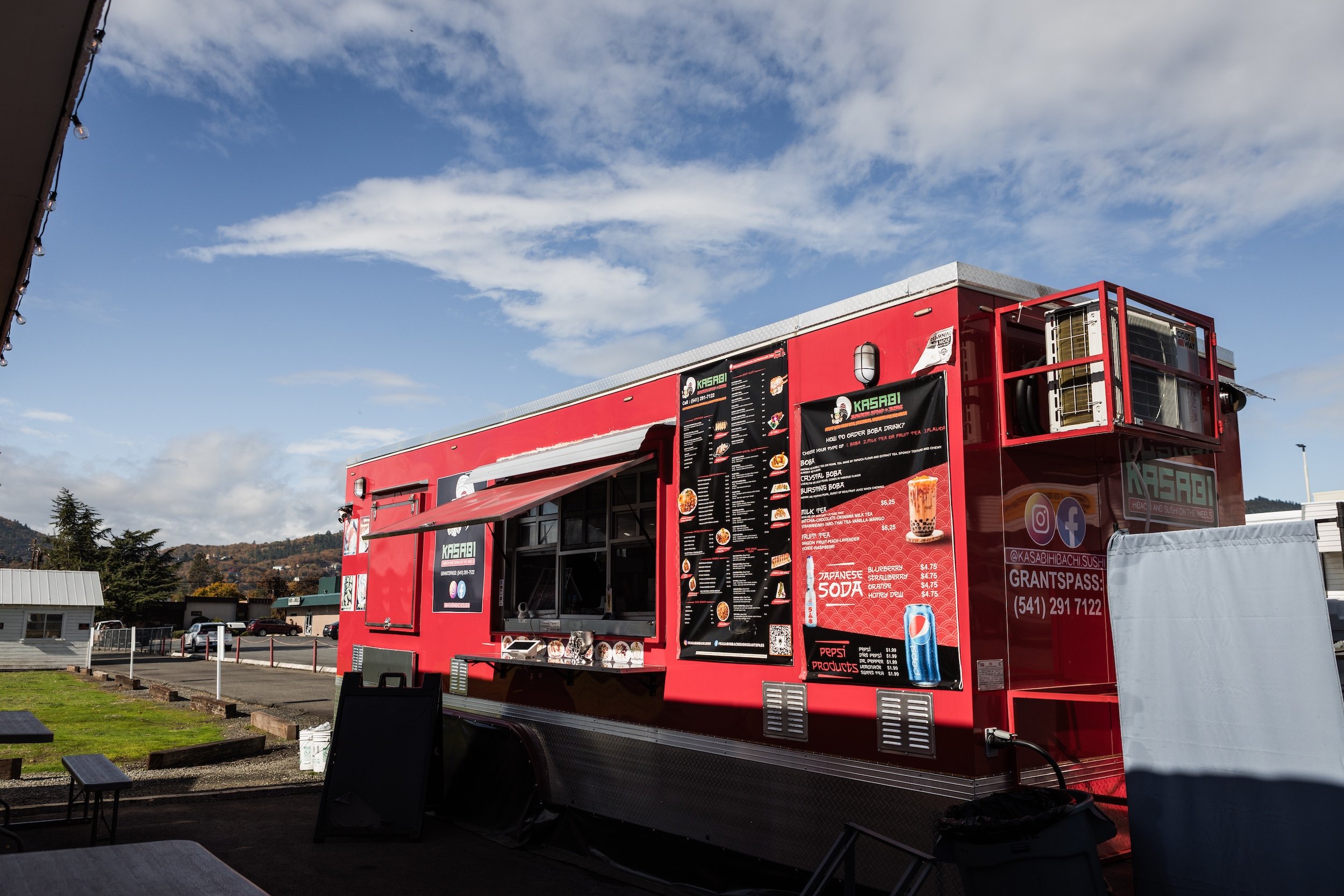
If I were helping a small rural community build its content system from scratch, I would not begin with a shopping spree.
I would begin with a smartphone. Create a basic content calendar. Use a tool like Metricool to plan and schedule content. Learn basic editing in CapCut. Build several reusable graphics in Canva. Experiment with Manychat to connect social media engagement with visitor information. Then start publishing.
Pay attention to what people respond to. Make more of what works.
Improve your photography.
Improve your videos.
Improve your writing.
Improve your storytelling.
Eventually, maybe you add a dedicated camera like the Canon R50 V. Maybe you add microphones. Maybe you add a drone. Maybe your community eventually hires someone specifically to create content.
But those things can come later. You do not need a massive tourism marketing budget to start building visibility.
You need curiosity, consistency, a few inexpensive tools, and the willingness to tell people why your community is worth discovering.