
Trails That Build Jobs: How Rural Communities Are Finding New Life Through Trail-Based Economies
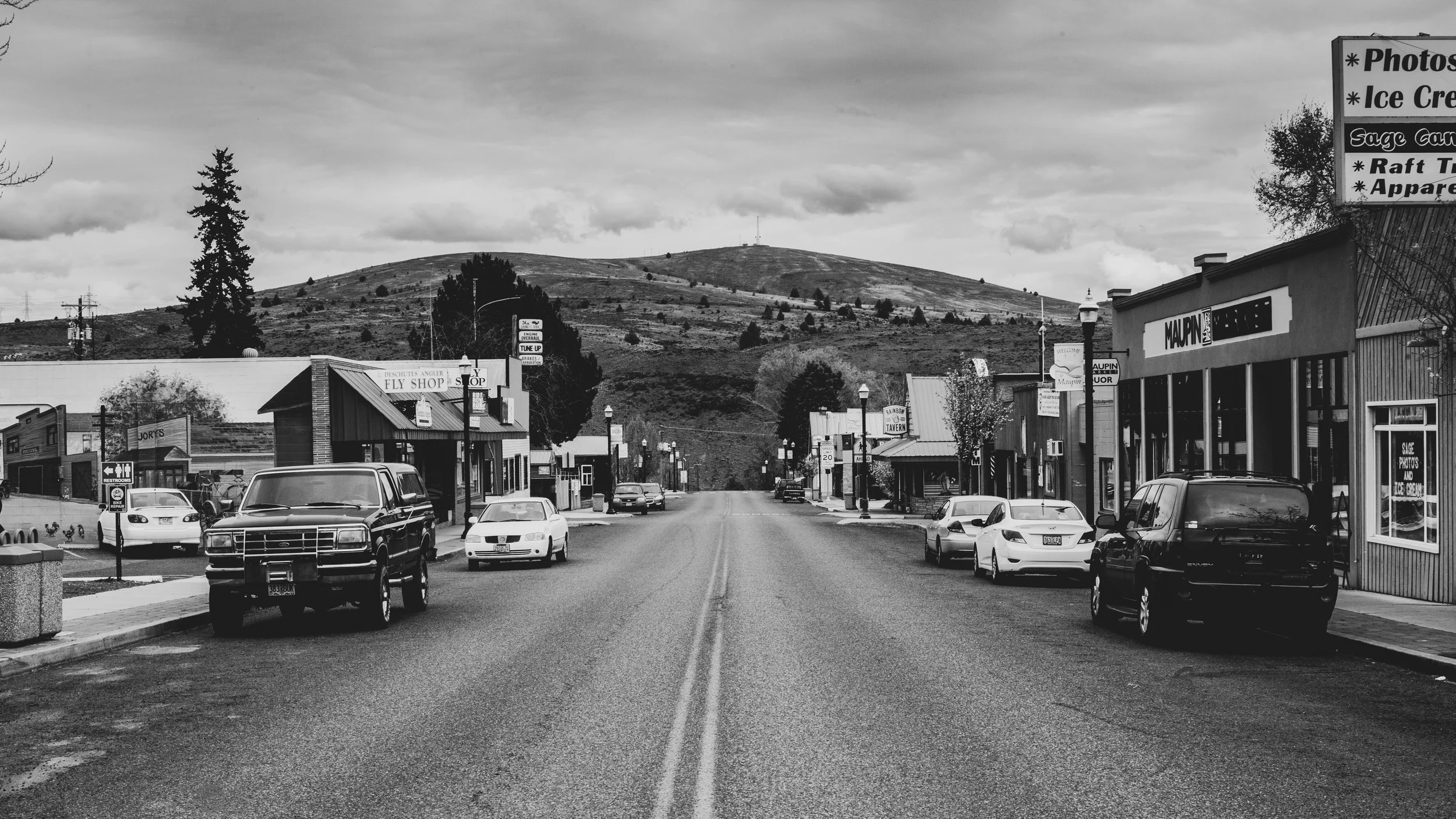
In the foothills of the Rockies, a small town once known for its sawmills is humming again, not from chainsaws but from trail crews, mountain bikers, and visiting families grabbing coffee before heading out to ride. Further away, former coal towns in West Virginia are experiencing a similar revival, their new “black gold” being the dirt under mountain bike tires.
Across the U.S., trails are emerging as one of the most reliable economic development tools for small, rural communities. They bring visitors, create jobs, and support local businesses in ways that reach far beyond tourism. When built and managed well, trails become infrastructure that fuels entrepreneurship, attracts new residents, and diversifies economies once dependent on extraction industries.
The Anatomy of a Trail Town: How Grants Pass Is Building Its Future on Dollar Mountain
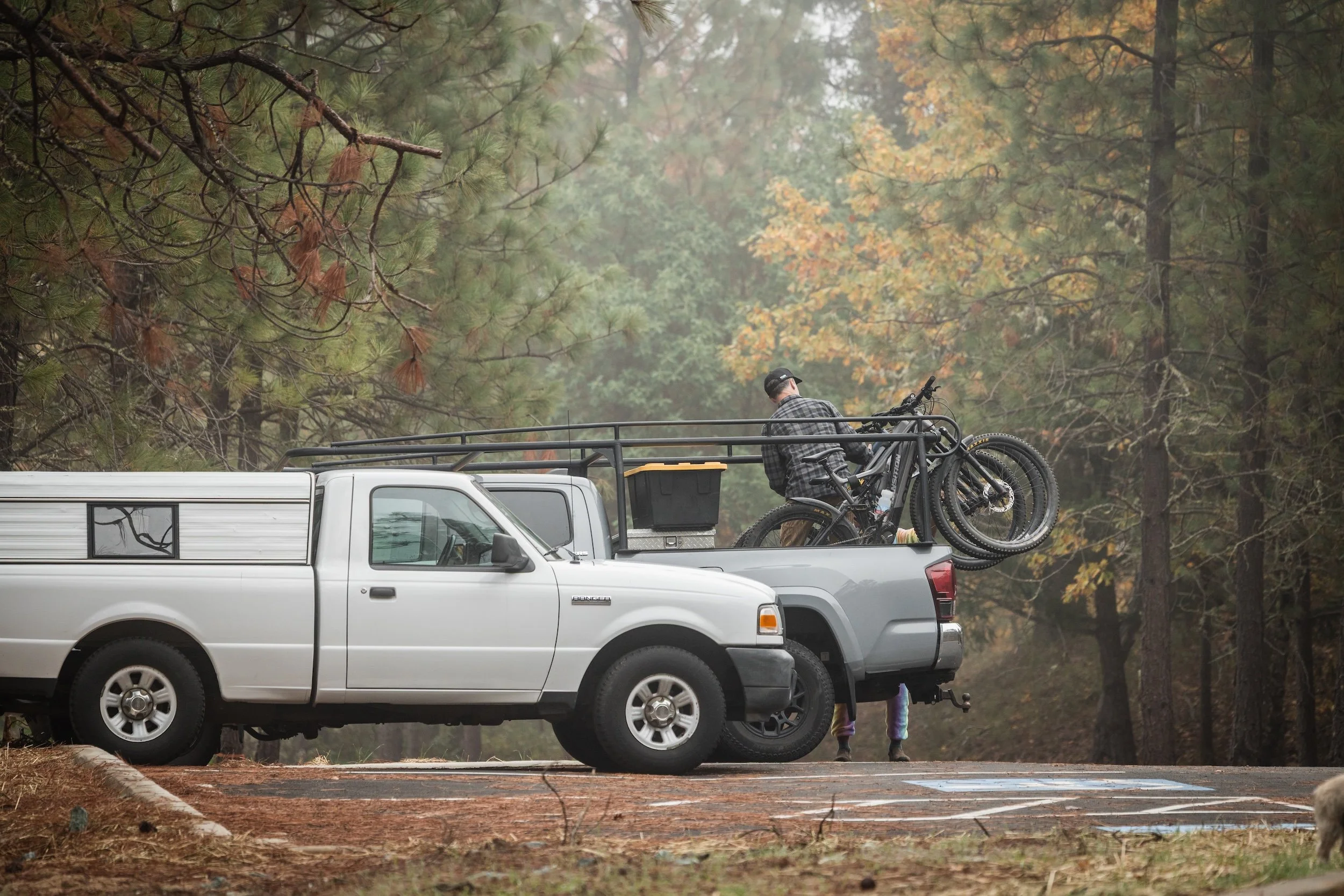
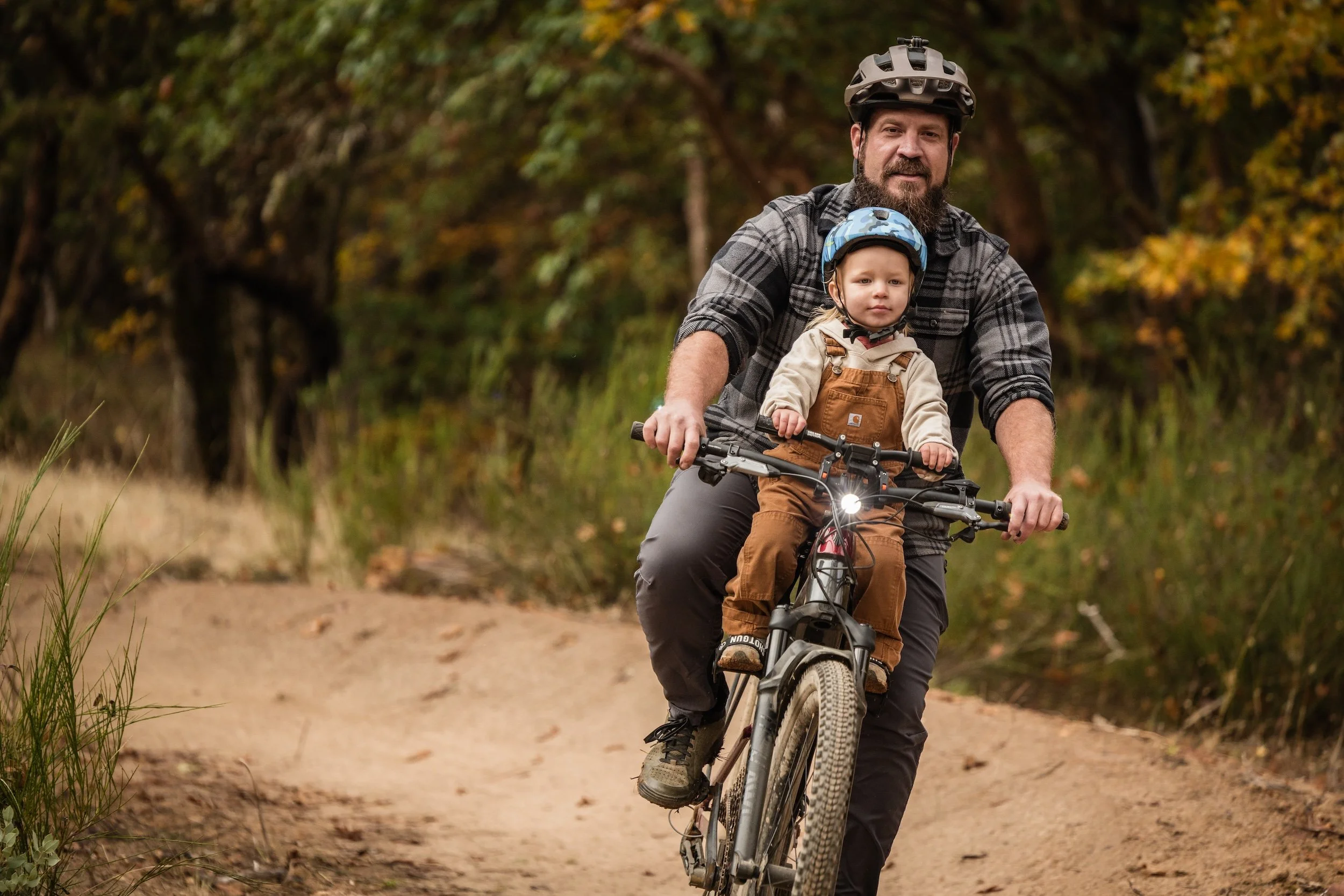
On a cool fall morning in southern Oregon, the parking lot at the base of Dollar Mountain was alive with that distinct energy that only comes when a long-awaited project finally opens to the public. Trucks and vans loaded with bikes lined the parking lot and road. Riders clipped on helmets, swapped greetings and stories, and set off to ride and explore.
You could feel it before the first tire even hit dirt. This wasn’t just another ribbon-cutting grand opening. Instead, it was the start of something bigger.
Gravel as the Gateway to Becoming a Trail Town
I’m back in Portland this week after a whirlwind trip to Arizona, which included speaking at the Spirit World fundraiser for the Arizona Trail. What is funny is that even though I spent a good amount of time writing and prepping for this speech leading up to the event, when it was time actually to speak, I pivoted.
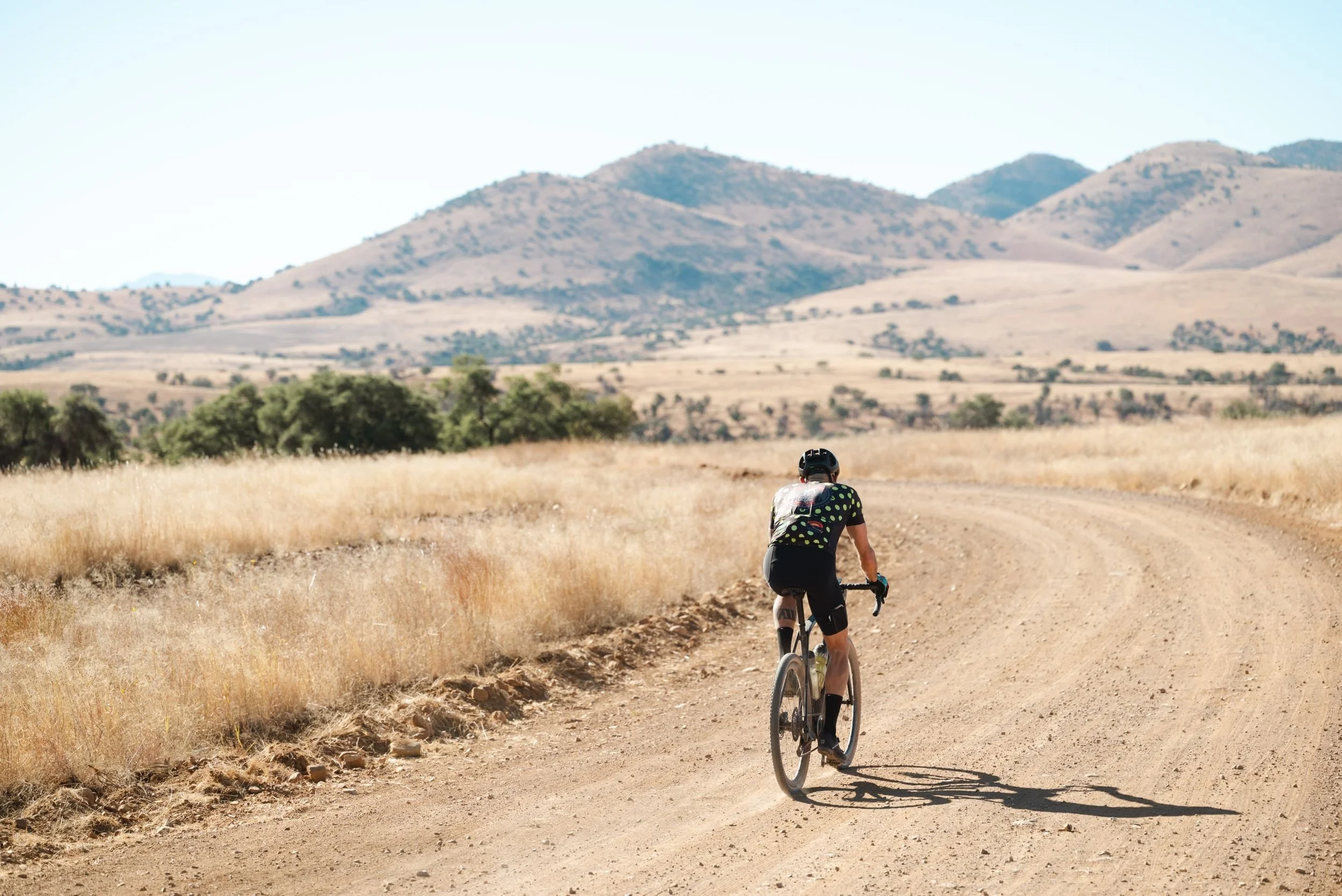
I spend every day in the classroom, Monday through Friday, teaching undergrad students. Over the years, I’ve developed my own style for how I teach. Giving a one-way speech as a monologue isn’t necessarily my jam, so when it came time to speak, I set aside my notes and tried to make it interactive and a two-way conversation about “gravel as the gateway to becoming a trail town.”
While I have repeatedly touched on this topic, I wanted to revisit it and share the contents of my speech, even though I didn’t touch on everything that night in Patagonia. If I were to give a “proper” speech, this is what I would’ve shared ...
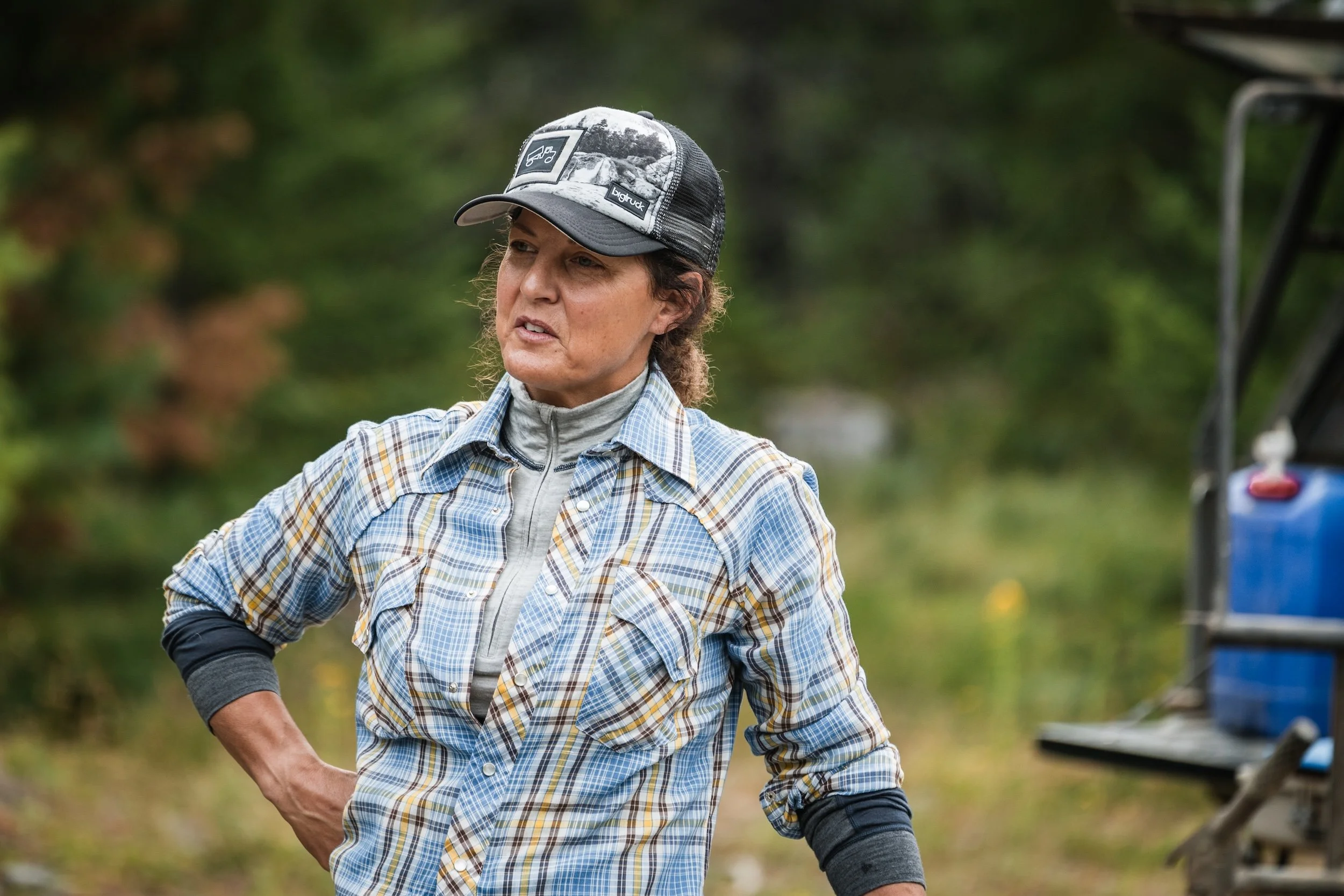
Building an Influencer Strategy That Lasts: A Guide for Rural Tourism Leaders
You do not need a big budget or a marketing agency to start using influencers effectively. You already have what you need: authentic stories, local pride, and people who love your community. The key is learning how to turn those assets into lasting partnerships that help your town grow.
Throughout this series, I have explored what influencers are, why trust and authenticity matter most, and how influencers shape travel decisions. In this final article, I am turning our attention to something more practical: how rural communities can build influencer partnerships that last. You ready?
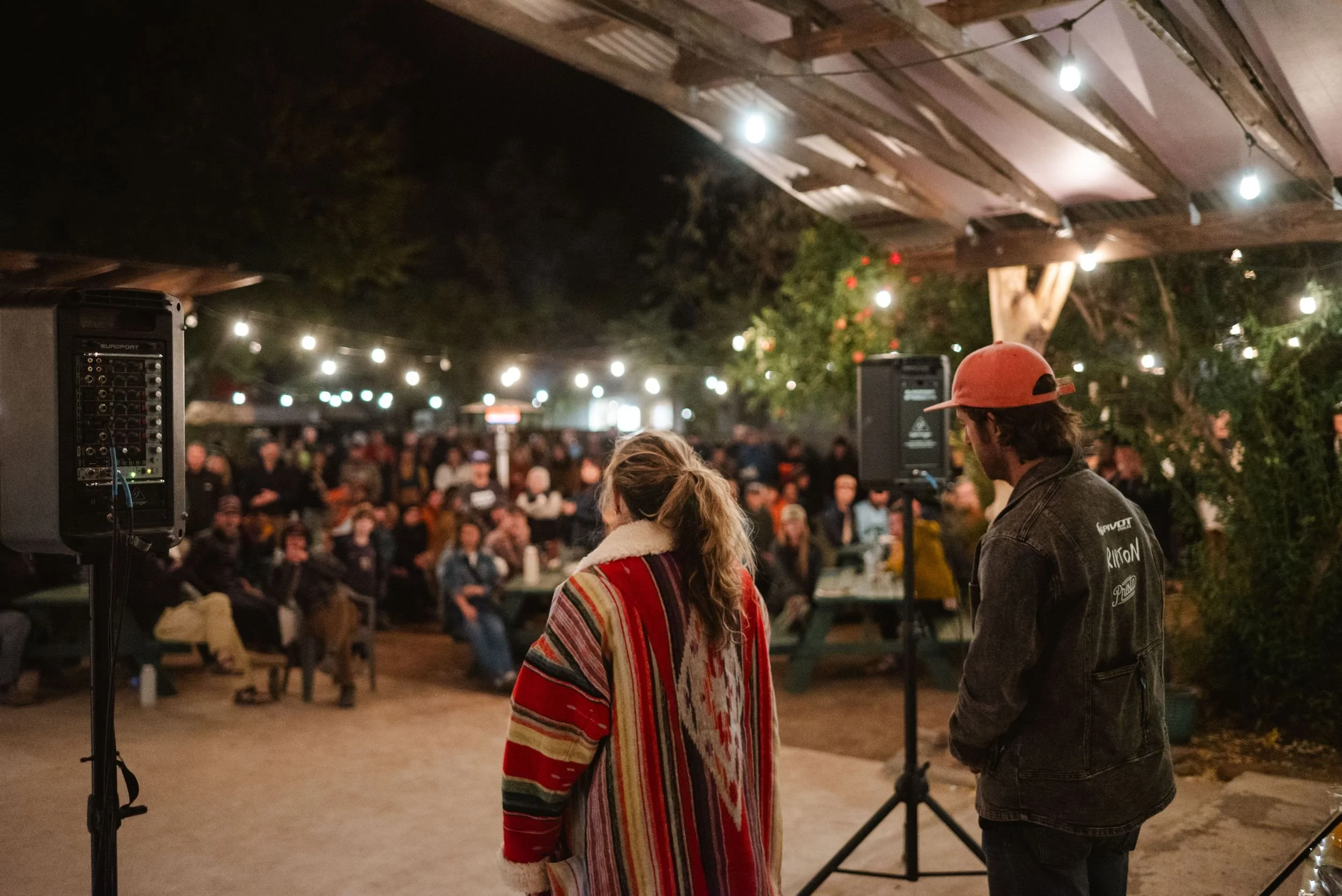
From Gravel to Trails: Speaking at the Spirit World Fundraiser for the Arizona Trail
On Thursday, October 23rd, I will be here not as a racer but as one of the featured speakers for the Spirit World Fundraiser for the Arizona Trail, an evening that blends storytelling, community, and purpose. The dinner, hosted at the Patagonia Lumber Company, raises funds for the Arizona Trail Association’s ongoing work maintaining and expanding one of the most iconic long-distance trails in the country.

How Influencers Shape Travel Decisions: A Guide for Rural Tourism Leaders
By now, we have looked at who influencers are and why trust and authenticity matter most. But how does influencer marketing actually work? What makes someone decide to visit a place after watching or reading about it online?
The answer lies in psychology as much as marketing.
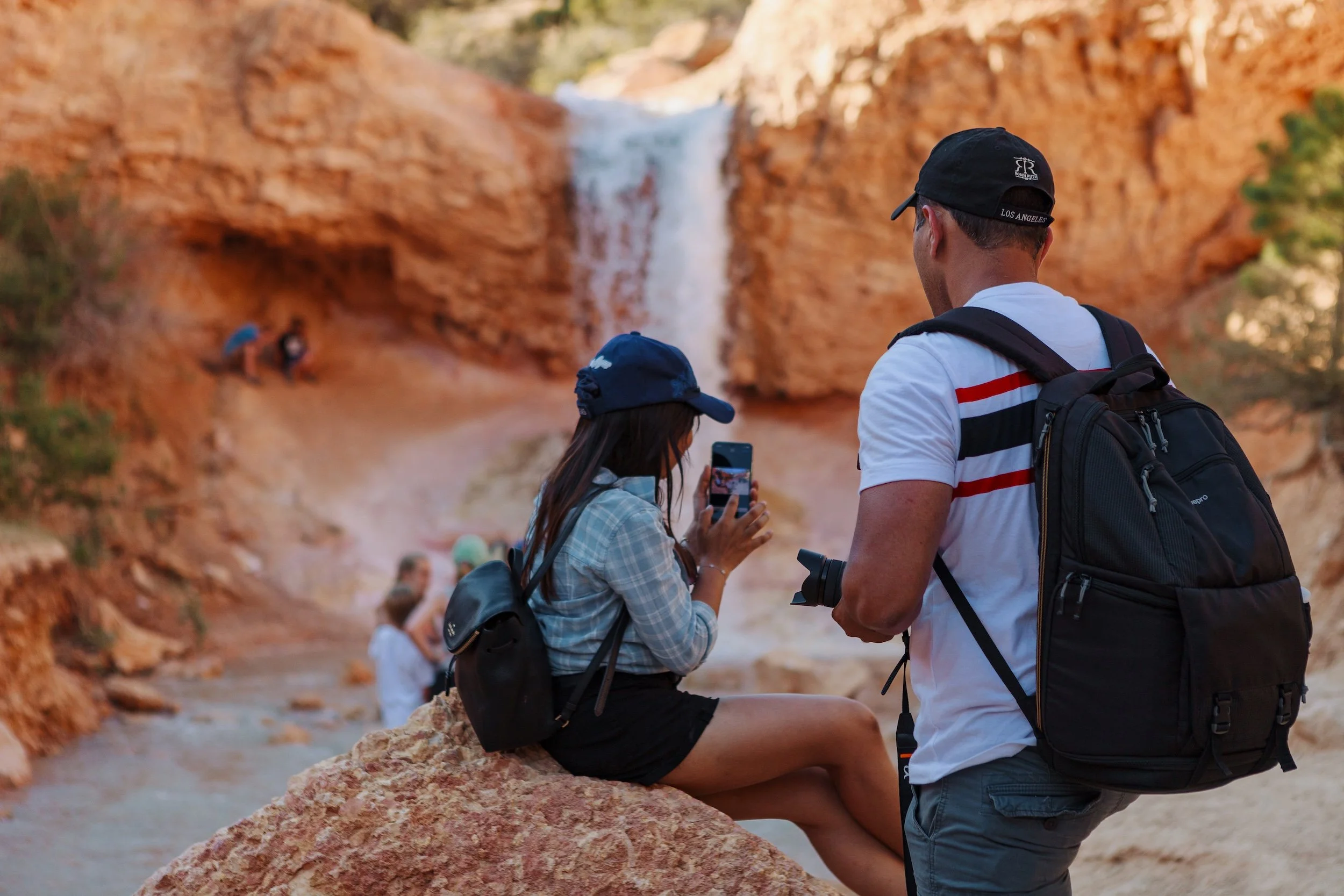
Building Trust Through Influencers: What Rural Tourism Leaders Should Know
If you are exploring influencer marketing for your town or region, it is easy to assume success comes from follower counts or fancy production value. It does not. The real currency of influence is trust.
In a world flooded with content, people have learned to tune out anything that feels too polished or self-promotional. What they do not tune out is someone they believe.
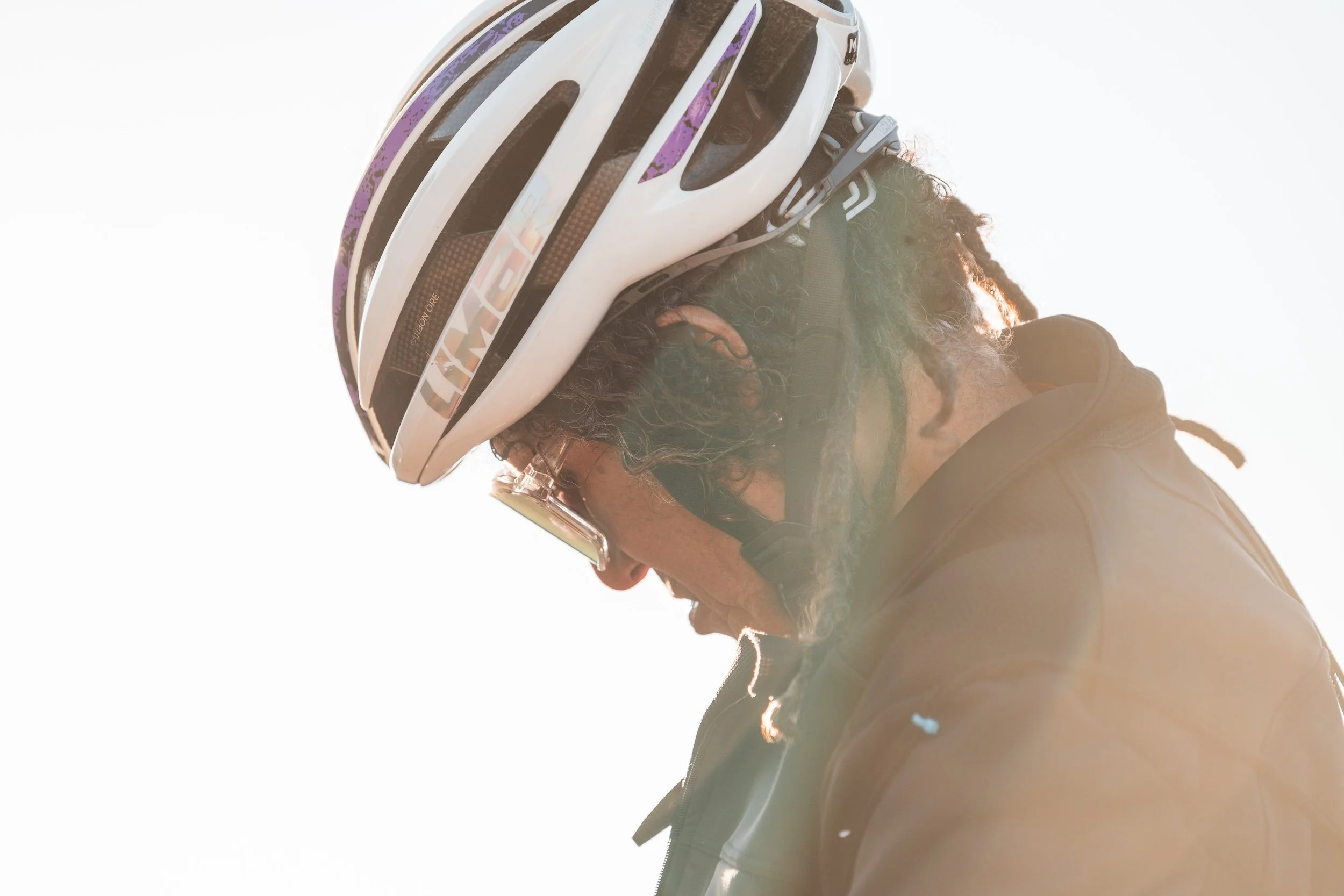
Influencer Marketing for Rural Tourism: What Every Small Town Needs to Know
If you are a small-town tourism director, a chamber leader, or someone working in rural economic development, chances are good you have heard the word influencer and rolled your eyes. Maybe you picture TikTok dances, product placements, or celebrities holding energy drinks. And if that is what comes to mind, you are right to be skeptical.
Do You Think Trails Benefit Your Town’s Economy?
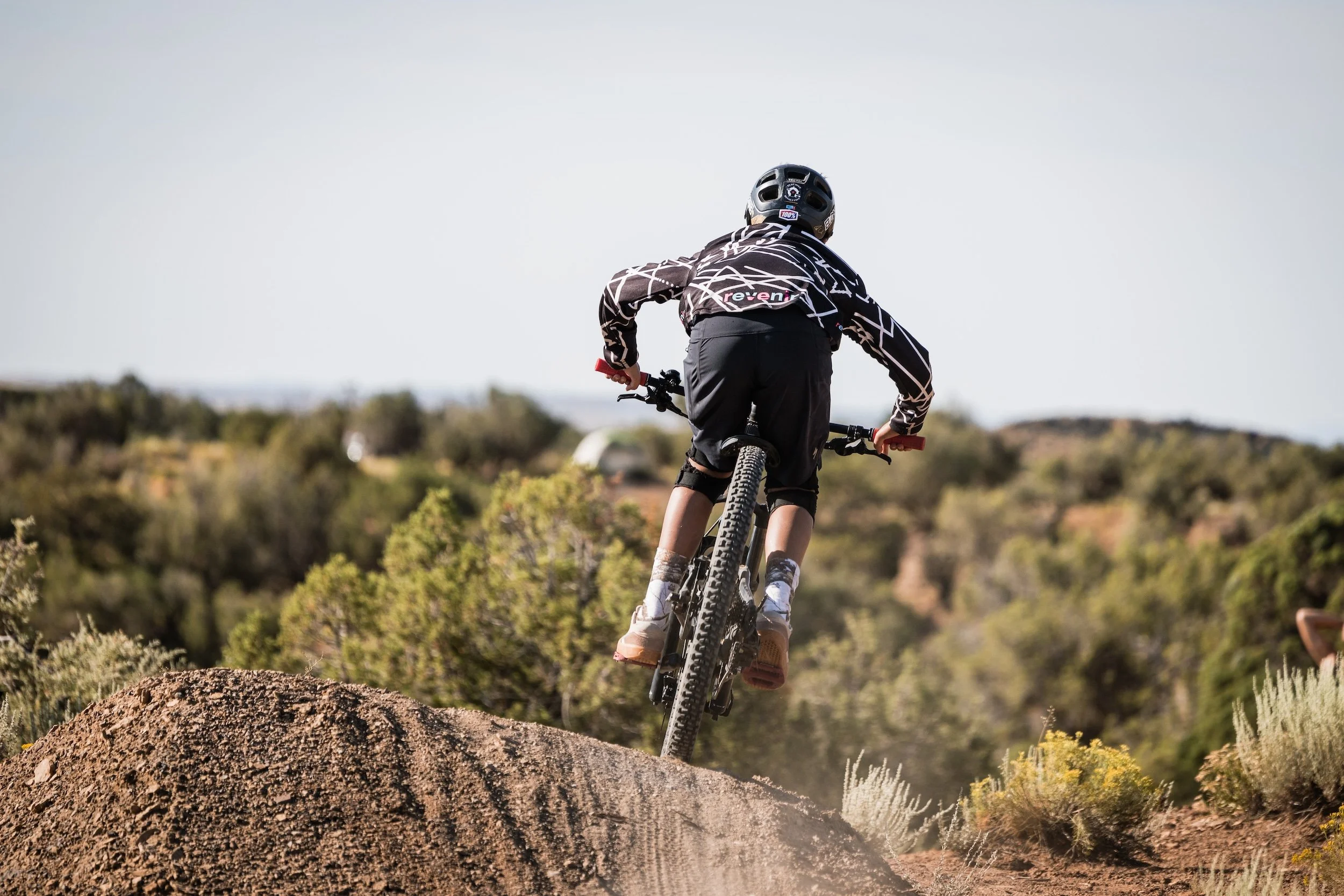
A decade ago, Gallup, New Mexico wasn’t exactly known as a trail town. It was a rural hub on the edge of the Navajo Nation, surrounded by wide desert, mesas, and sandstone formations, but not much in the way of tourism buzz.
Then came the High Desert Trail System, a volunteer-built network of singletrack that began attracting riders from across the region. Events like Dawn Til Dusk and 24 Hours in the Enchanted Forest drew in thousands of racers and spectators.
How Do We Compete with Better-Known Destinations with Bigger Budgets?
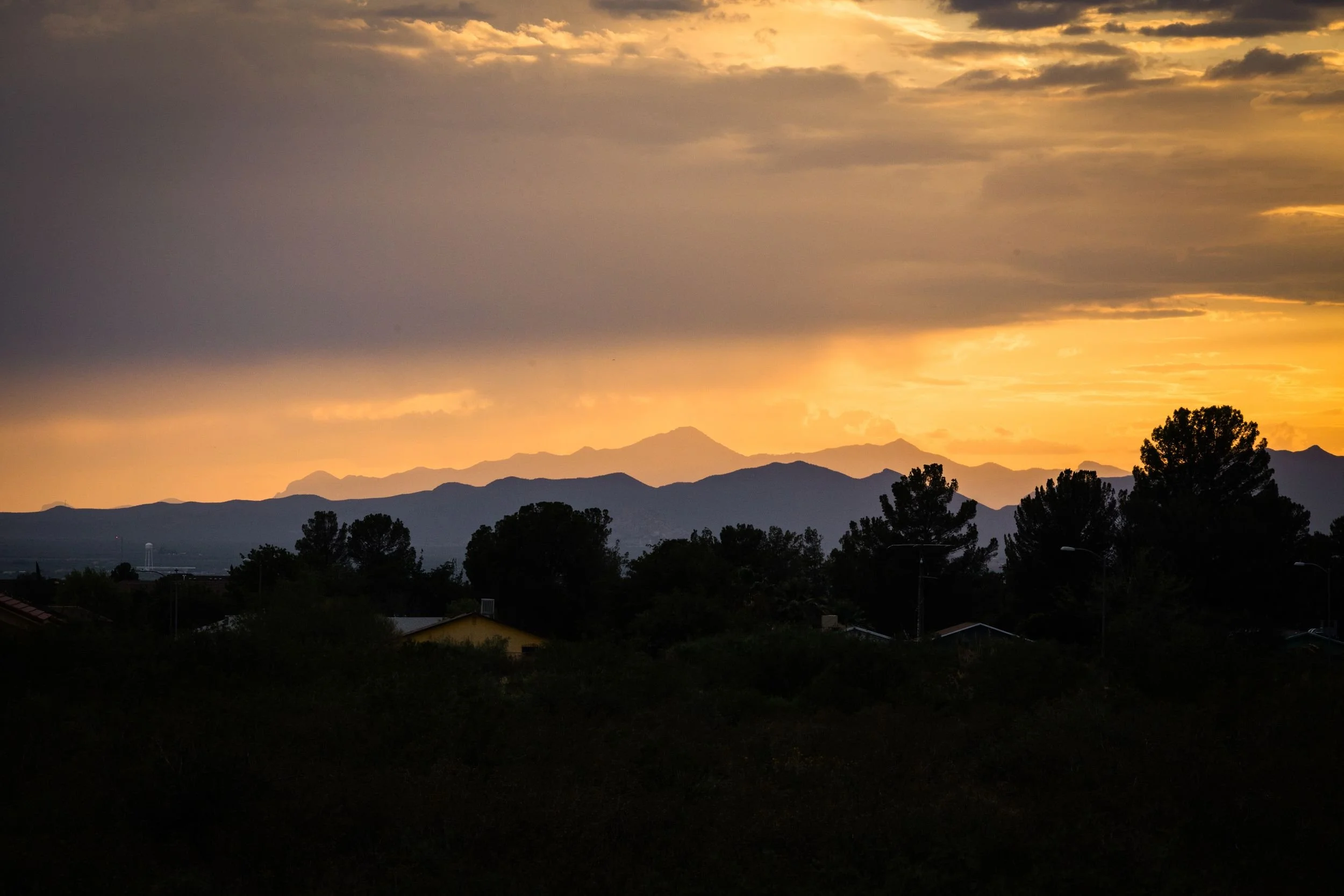
If you work in rural tourism, you’ve probably asked it (or at least felt it), "How do we compete with places like Sedona, Moab, or Bend?" Their Instagram feeds are full of sweeping drone shots, pro athletes, polished campaigns, and sponsored ads. Their budgets stretch farther. Their names are already on the map.
And yet, here you are. A small town with one part-time staffer, a tight marketing budget, and a whole lot of untapped beauty.
So what can you do?
