

What Content Marketing Actually Looks Like When It Works
Content marketing usually fails for one simple reason. People expect it to work too fast.
A few strong posts. A burst of energy. Then silence.
When results do not show up immediately, it is easy to assume content marketing does not work and quickly pivot to running paid ads. In reality, it is often doing exactly what it is supposed to do. It just works on a longer timeline.
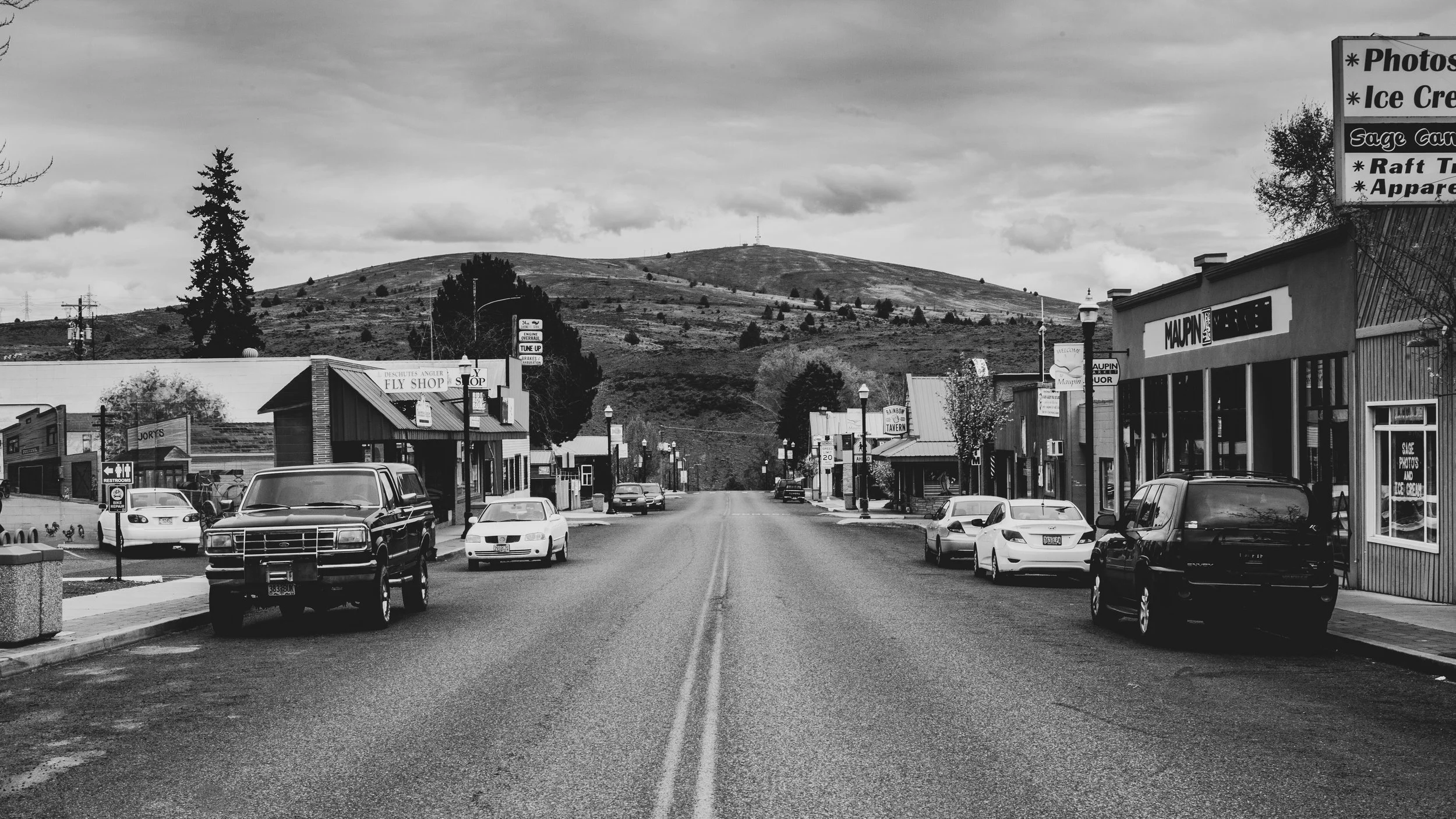
Working with rural communities and bike races, I see content marketing succeed in very predictable ways. How? Because their content shows up consistently, repeats itself clearly, and stays visible over time.
Here is my big idea for this article: content marketing works when it makes the unfamiliar feel familiar. That happens through repetition, consistency, and restraint … not novelty.

Content Marketing Isn't Promotion. It's Infrastructure for Rural Communities and Bike Races
Most people think of content marketing as promotion.
You know … a post here. A photo there. Maybe a push when tickets go on sale or when a season kicks off.
That framing is the problem at hand. Why?
For rural communities and outdoor events especially, content marketing isn't a campaign. Instead, it's infrastructure and the system that makes everything else work.
If people don't know who you are, where you are, or why your place or event matters, nothing else matters. Not your website. Not your registration page. Not your economic impact goals.
Over the past several years, working alongside small towns, trail organizations, and race organizers, I've noticed the same pattern repeat itself again and again. The places and events that struggle most aren't lacking quality experiences. They're lacking visibility, clarity, and trust. Content is what quietly builds all three.

Why Race Organizers Should Champion Their Host Communities
On a cool November morning in Douglas, Arizona, I watched something simple and beautiful happen. City staff showed up early and stuck around. Business owners propped open their doors before sunrise. Local ranchers were active not only on race day, but also in planning leading up to the event. Artists opened their venue for the festivities. People were excited, curious, and proud that a gravel race had landed in their town.
Even leaders from Agua Prieta, Sonora, Mexico, were part of this race. That moment hit me. A shared border, shared history, and now a shared event.
It was clear from the start that this race mattered to Douglas.

“Who Are You Even Talking To?” Finding (and Reaching) Your Ideal Audience as a Race Organizer
When I sit down with race organizers to talk about social media, one of the first questions I ask is, “Who’s your audience?”
That’s usually when the eyes go up and to the left. You know the look, somewhere between trying to remember a password and wondering if they left the stove on. And I get it.
When you’re planning a race, managing volunteers, answering emails, and fighting off last-minute chaos, “audience strategy” feels like a luxury. But the truth is, your success on social media and ultimately the success of your event hinges on how clearly you can answer that one question.

Your Social Media Is Your Front Door: Branding Advice for Rural Communities and Bike Events
I vividly remember talking with a gravel race director in a small town last year who said, “We post on social media when we can, but it’s hard to keep up.” I get it. Most of these races are volunteer-run, and tourism boards in rural areas are often underfunded and juggling multiple roles. But what I’ve seen again and again, through my work with Trail Builder Magazine and now with BorderLands Gravel, is that your online presence is your brand. If your social media looks like an afterthought, people assume your event or destination is too.
It’s not that these brands are ignoring social media. It’s that they’re not doing it well. And in today’s landscape, that’s just as costly.

This Is Documentary Photography, Not Just Race Photography
There’s something about shooting back-to-back gravel races that left me both partly exhausted and creatively lit up. I rolled back into Portland Sunday night after spending the weekend on the Oregon Coast shooting the Oregon Coast Gravel Epic and West Coast Gravel. Two races, two towns, one camera, a burrito-stained hoodie, and a tick embedded in my shoulder.
I shoot like I’m telling a story … because I am. That’s the goal: make a rider feel the race again when they see the photo. Make someone who wasn’t there wish they were (a little FOMO always helps).

Fifty-Dollar Motels, Taco Bell, and a Whole Lotta Mud: An Unfiltered Look at Adventure Photography
It was Friday afternoon, and Nacho the Van was packed and ready. The plan? Head to eastern Oregon for a weekend of shooting photos at back-to-back mountain bike and gravel races. There was just one hitch. I was still crawling out of a weeklong flu haze. The idea of sleeping in my van with temps dipping into the low 40s didn’t sound too appealing.
So, I hit the easy button.

What Can Photography Do For Your Brand?
Many small brands lack the time and expertise to generate high-quality digital media content.
This is one of the biggest challenges smaller brands face.
You’re so preoccupied with getting your brand off the ground, and there are so many hats you’re wearing. Often, what gets neglected are the actual components that help you build and grow your brand, namely quality photography, video, and social media content.

The Not-So-Secret Sauce of Social Media
One of the common themes about social media that I hear constantly is that to “crack the code,” you need super-secret “insider-only” info that only a select few marketing gurus know. I regularly see videos about the SECRET TO SOCIAL MEDIA.
Is it really that secretive?
