Content Marketing Isn't Promotion. It's Infrastructure for Rural Communities and Bike Races
WHY CONTENT MARKETING MATTERS FOR RURAL COMMUNITIES AND OUTDOOR EVENTS
Most people think of content marketing as promotion.
You know … a post here. A photo there. Maybe a push when tickets go on sale or when a season kicks off.
That framing is the problem at hand. Why?
For rural communities and outdoor events especially, content marketing isn't a campaign. Instead, it's infrastructure and the system that makes everything else work.
If people don't know who you are, where you are, or why your place or event matters, nothing else matters. Not your website. Not your registration page. Not your economic impact goals.
Over the past several years, working alongside small towns, trail organizations, and race organizers, I've noticed the same pattern repeat itself again and again. The places and events that struggle most aren't lacking quality experiences. They're lacking visibility, clarity, and trust. Content is what quietly builds all three.
In this article, I want to reframe what content marketing actually is, why it matters so much for rural places and bike races, and why treating it as infrastructure (not promotion) changes everything.
WHAT CONTENT MARKETING ACTUALLY IS (AND WHAT IT ISN'T)
Ok, let's talk about what content marketing is not:
Posting when you "have time"
Chasing trends or viral moments
Trying to sell something in every post
At its core, content marketing is the ongoing practice of showing people what exists, what it feels like, and why it matters, long before you ask them to take action.
For rural communities, that might look like:
Daily life
Landscapes and seasons
Local businesses and people
The pace and texture of the place
For outdoor events like cycling races, it might look like:
The terrain
The preparation
The community behind the scenes
The experience surrounding race day, not just the race itself
None of that is promotional in the traditional sense. But all of it builds familiarity. And familiarity is the foundation of trust. You're creating and adding value that goes far beyond the race itself.
AWARENESS COMES BEFORE ACTION (EVERY TIME)
In marketing, we often talk about funnels. Awareness sits at the top for a reason. You see, no one registers for a race they've never heard of. No one visits a town they can't picture. No one advocates for a place or event they don't understand.
This is where content marketing does its most important work. It gives people context. It lowers uncertainty. It answers unspoken questions.
What is this place like?
Who is this for?
Will I belong there?
Is this worth my time and energy?
If your content doesn't answer those questions over time, your audience has no reason to move closer.

WHY RURAL COMMUNITIES STRUGGLE WITH CONTENT MARKETING
Many rural communities are asked to market themselves with limited staff, limited budgets, and limited time. That leads to a few common traps:
Posting only when there's an event
Treating social media like a bulletin board (stop posting flyers as your social media posts, please ...)
Trying to replicate what cities or major destinations are doing
The result is often content that feels transactional or disconnected from the reality of the place.
The irony is that rural communities already have what content marketing needs most: strong identity, real stories, and a sense of place. What's missing isn't material. It's consistency and intention.
Content marketing works best when it reflects what already exists, not when it tries to manufacture something new.
WHY BIKE RACES CAN'T RELY ON RACE-DAY CONTENT ALONE
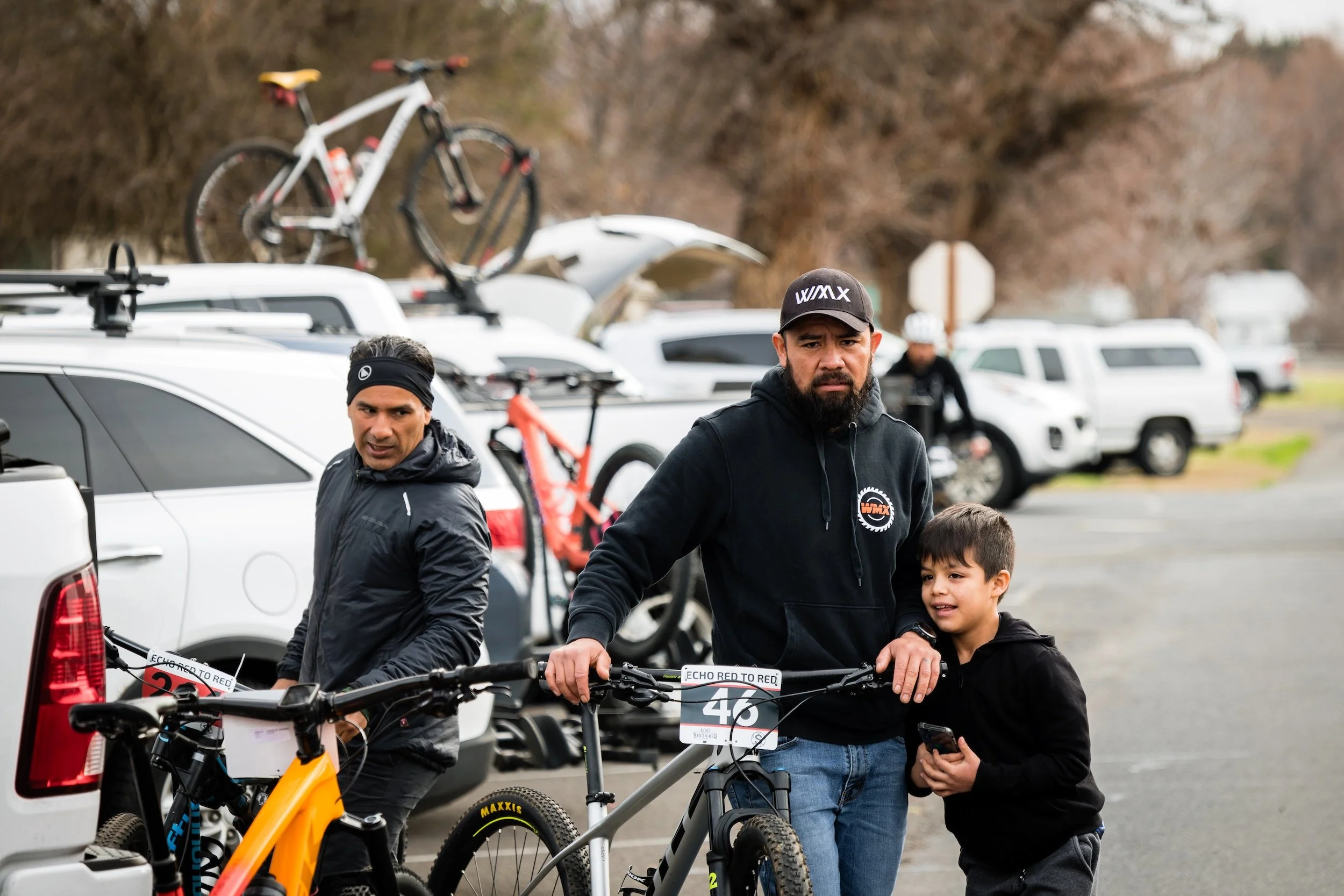
Outdoor events, especially races, often pour enormous energy into a single weekend. Then the content follows the same pattern. Big push. Big recap. Long silence ... crickets.
The problem is that registration decisions don't happen on race day. They happen weeks or months earlier, while someone is scrolling, researching, or daydreaming.
Content marketing fills the gap between those moments. It lets people experience the event before committing to it. It shows effort, care, and credibility long before a credit card comes out.
When content disappears between events, momentum disappears with it.

CONTENT MARKETING AS LONG-TERM INFRASTRUCTURE
Infrastructure isn't flashy, but everything depends on it.
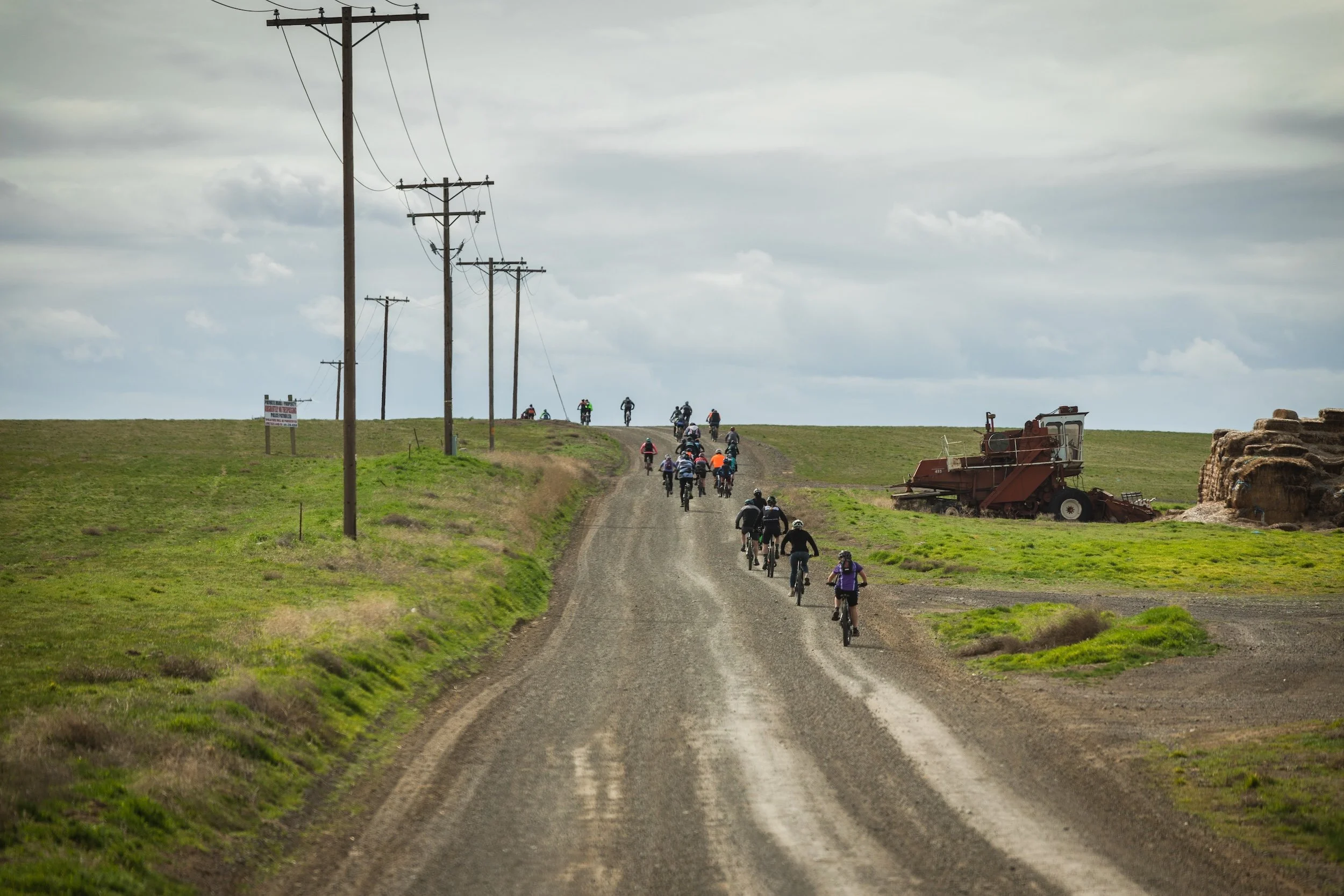
Roads don't announce themselves, but without them, nothing moves. Content works the same way.
When content marketing is treated as infrastructure:
You stop chasing short-term results
You start building familiarity over time
Each post compounds instead of resetting the clock
This is especially important for places and races that don't have built-in name recognition. You don't get to rely on reputation alone. You build it, one piece of content at a time.
THE MINDSET SHIFT THAT CHANGES EVERYTHING
The most helpful shift I've seen is this:
Stop asking, "What should we promote?"
Start asking, "What should people understand?"
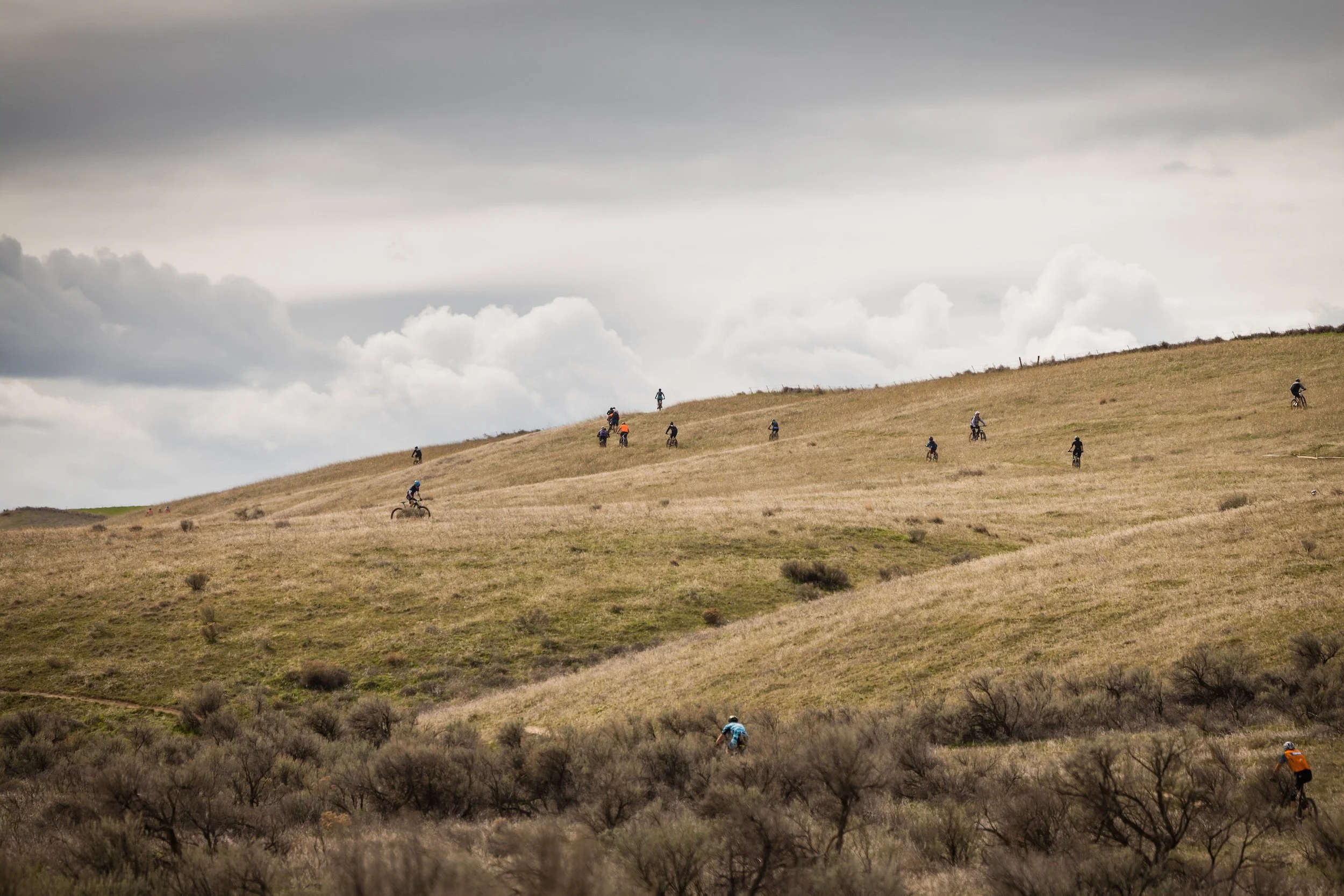
When you focus on understanding (of place, of experience, of community), content becomes easier. You're not out there inventing narratives, but instead showcasing and documenting what is already there in your town or at your race.
And over time, that documentation becomes trust.
WHERE THIS SERIES IS GOING
This article sets the foundation. In the next parts of this series, I'll dig into:
What content marketing actually looks like when it works
How rural communities can use content to put themselves on the map
How outdoor events and bike races can build momentum long before race day
We're not looking for shortcuts or hacks. We're building something durable, sustainable, and doable.
If you're thinking through content marketing for a town, an event, or a community you care about, this is the work I spend most of my time in. Follow along. I'll keep unpacking it.