

Branding Is Reputation at Scale (And Your Race Already Has One)
“We don’t really have a brand. We just put on a good event,” a gravel race director friend told me.
He said it casually. Almost proudly.
And in one sense, he was right. His course was solid, and the race was a blast. The volunteers showed up. The aid stations were stocked. Riders finished tired and smiling.
However, if you put on a race, you have a brand.
The only question is whether it’s intentional.
How Storytelling Drives Race Registration Through Familiarity
By now, the pattern should be clear.
The story starts months before race day. The quiet (and boring) middle matters. Consistency builds familiarity. Storytelling is not promotion or hype.
So the real question becomes: If storytelling is not about selling harder, how does it actually support registration?
The answer is simple.
It reduces uncertainty.
Storytelling Is Not Promotion: How Race Content Builds Trust Over Time
The race directors that I know do not want to sell harder.
They already feel the weight of promotion. The pressure to post. The anxiety around registration numbers. The sense that every piece of social media or email newsletter content needs to perform immediately.
That pressure often leads to urgency. Louder messaging. More reminders. A harder push.
Urgency rarely builds trust. But storytelling works differently. It does not ask people to act right away. It helps them understand first.
This article reframes storytelling as something sustainable for race directors. Not a campaign. Not a tactic. But a long-term way of helping people get familiar with your race before they ever decide to register.
What Content Marketing Actually Looks Like When It Works
Pretty much all of the race directors I work with and talk to already believe content matters. You see, the problem is not belief. It's really about expectation.
Content marketing has been tied to the idea of virality ... BIG reach ... FAST growth ... a post that suddenly BLOWS UP. That expectation actually undermines good work. Why? How?
When content does not spike or blow up, it feels like failure. When nothing takes off, people assume they are doing it wrong. So they change formats, chase hacky trends, or stop altogether. Many feel deeply discouraged (it happens to me, too).
In practice, content that works rarely looks exciting while it is happening. It looks consistent ... yawn.
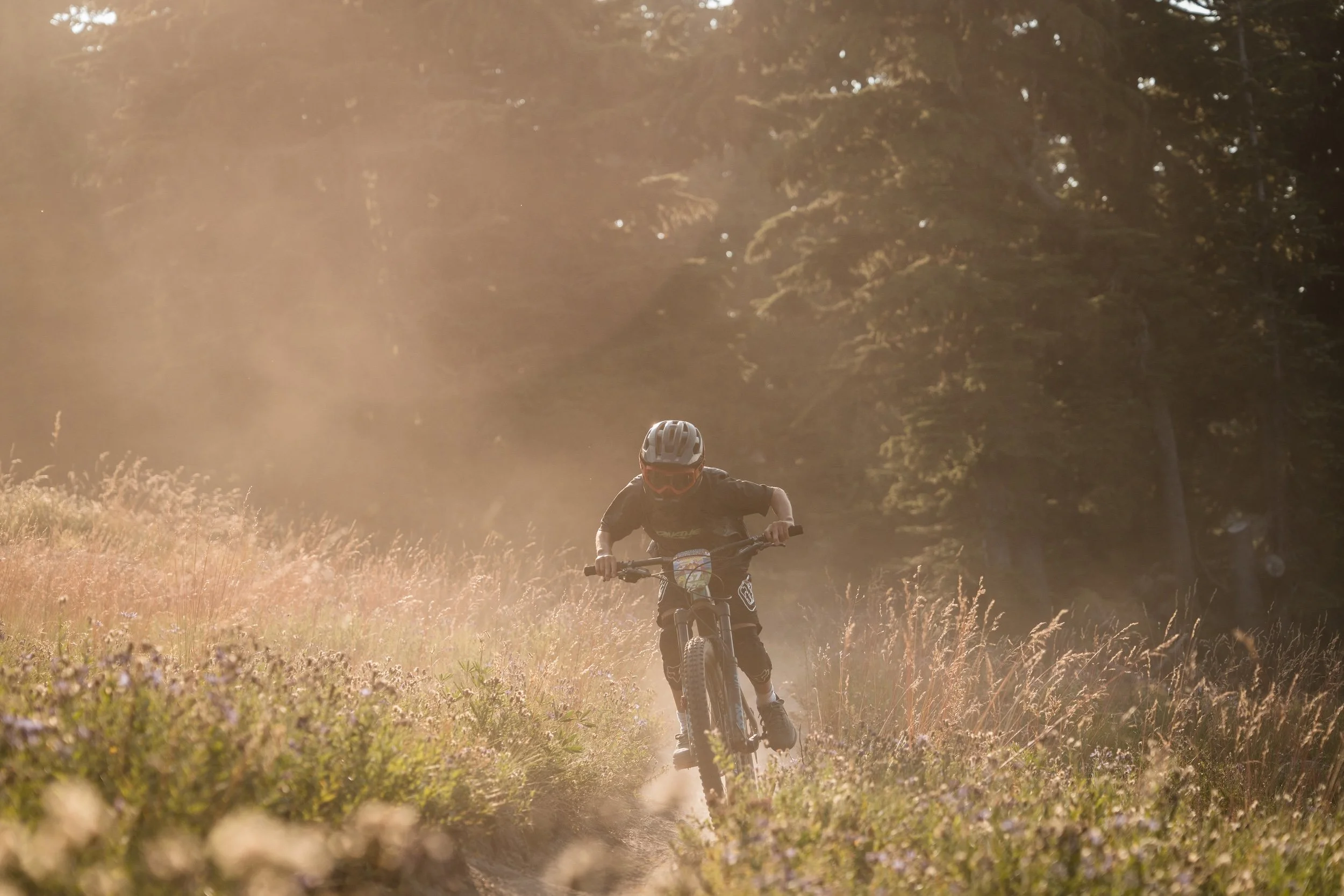
What to Share When Nothing Is Happening: Storytelling Between Race Announcements
After registration opens and before race day arrives, many races go quiet.
There is nothing new to announce. No deadlines to push. No obvious reason to post. So content pauses. Or disappears. Or slows waaaaaayyyy down ...
This stretch, the months between announcements, is the longest part of a race’s story. It is also the most underused. Not because race directors do not care, but because they are unsure what belongs there.
The assumption is simple. If there is nothing new to say, there is nothing to share. I’d contend that assumption is wrong.
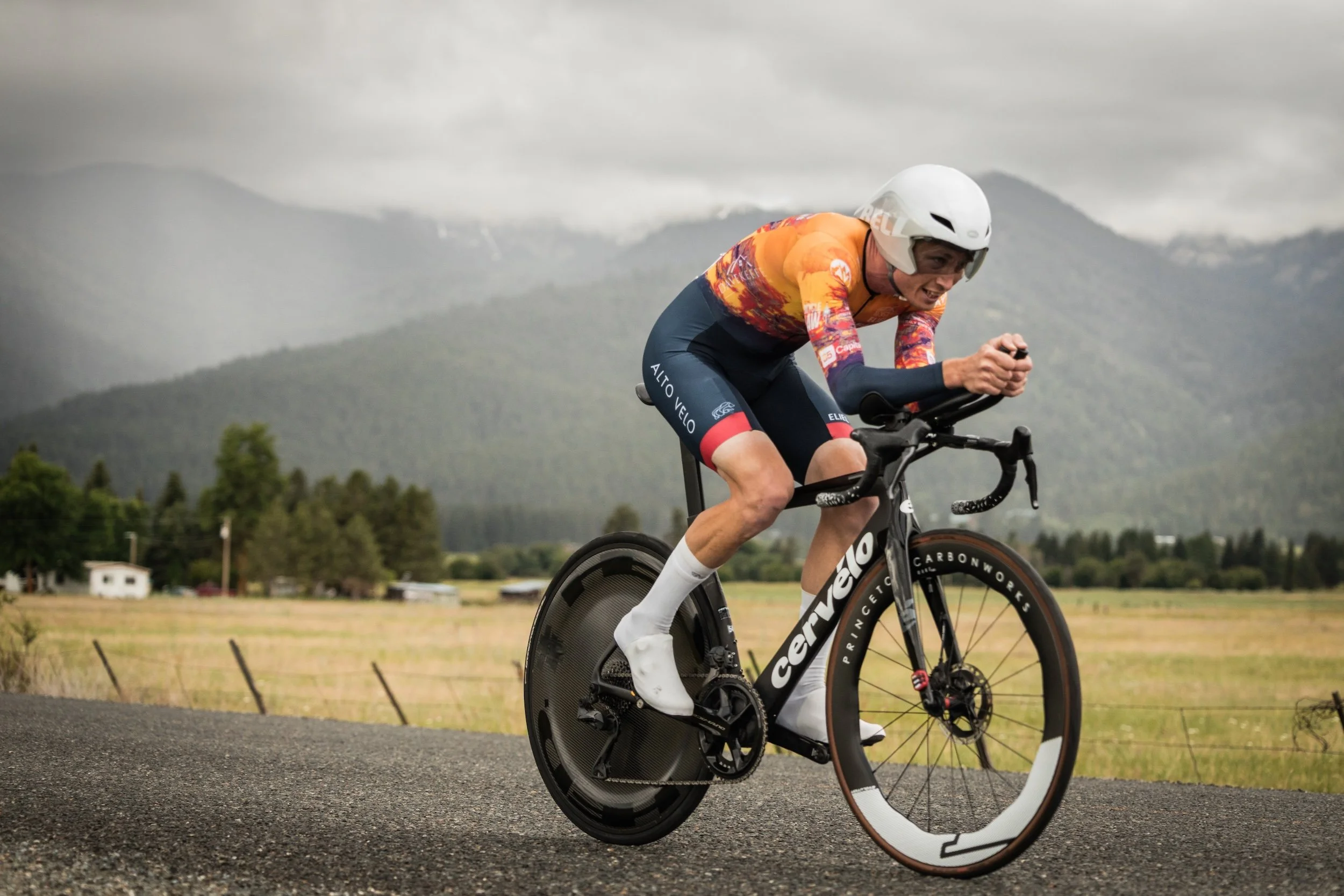
Selling the Experience Before Race Day: Content Marketing for Bike Races
Most race content shows up too late.
A registration announcement. A reminder post. A last-minute push when numbers feel soft. By then, content is being asked to do a job it cannot do alone.
No one registers for a race they do not understand. No one commits to an experience they cannot picture. And no one travels to an unfamiliar place based on logistics alone.
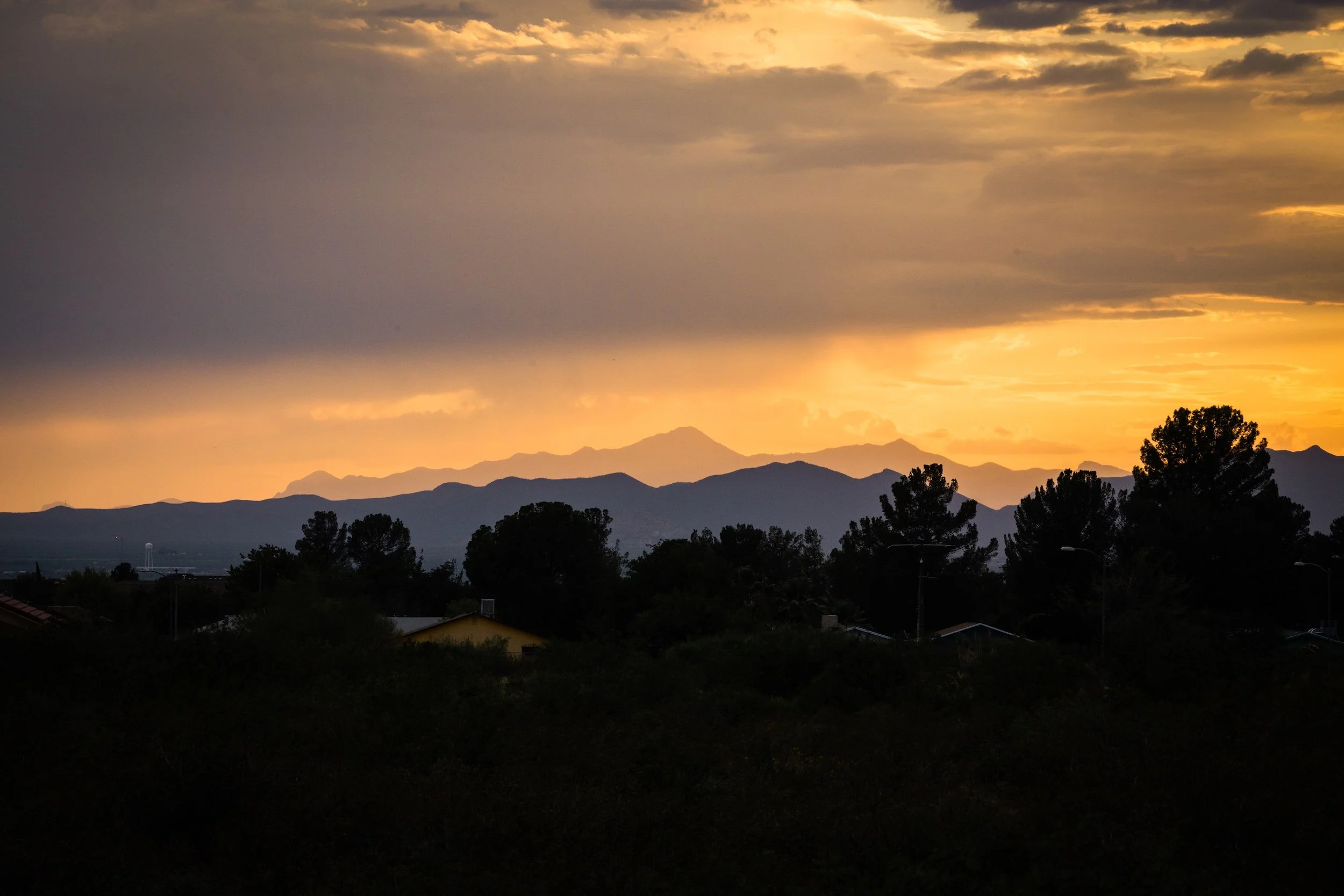
Putting a Town on the Map: Content Marketing for Rural Communities
Many rural communities struggle with content marketing for the same reason. They are trying to market like something they are not.
They feel compelled to borrow language from cities. Then they attempt to copy the look and vibe of larger destinations. They wait for big events to justify posting. And when that doesn't work, they assume the problem is budget (gotta spend more on ads and gear), staffing, or platforms (you know, those pesky algorithms).
It usually is not.
The real issue is this. Rural communities do not necessarily need better marketing. They just need clearer storytelling rooted in place … their place.
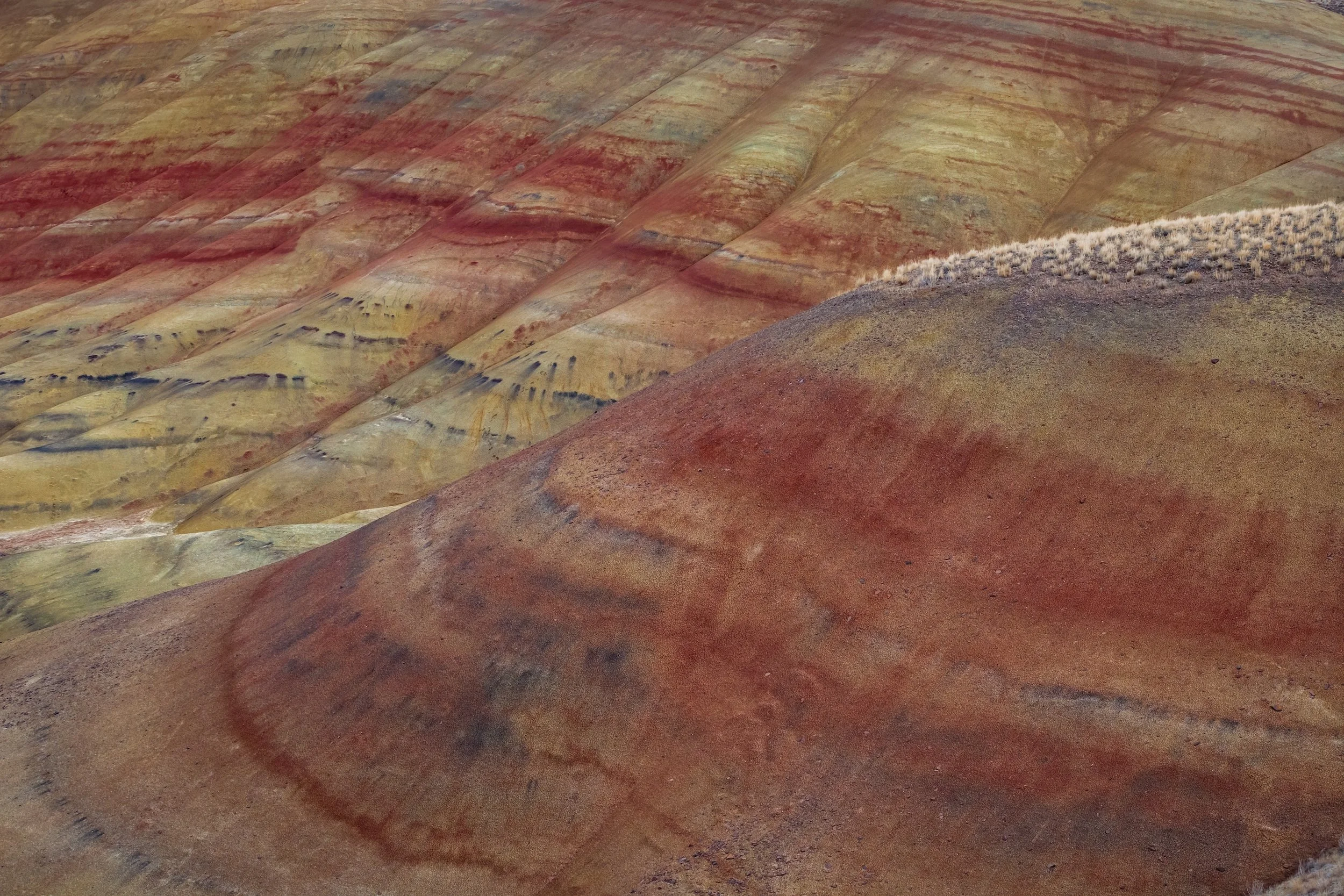
What Content Marketing Actually Looks Like When It Works
Content marketing usually fails for one simple reason. People expect it to work too fast.
A few strong posts. A burst of energy. Then silence.
When results do not show up immediately, it is easy to assume content marketing does not work and quickly pivot to running paid ads. In reality, it is often doing exactly what it is supposed to do. It just works on a longer timeline.
Working with rural communities and bike races, I see content marketing succeed in very predictable ways. How? Because their content shows up consistently, repeats itself clearly, and stays visible over time.
Here is my big idea for this article: content marketing works when it makes the unfamiliar feel familiar. That happens through repetition, consistency, and restraint … not novelty.

Content Marketing Isn't Promotion. It's Infrastructure for Rural Communities and Bike Races
Most people think of content marketing as promotion.
You know … a post here. A photo there. Maybe a push when tickets go on sale or when a season kicks off.
That framing is the problem at hand. Why?
For rural communities and outdoor events especially, content marketing isn't a campaign. Instead, it's infrastructure and the system that makes everything else work.
If people don't know who you are, where you are, or why your place or event matters, nothing else matters. Not your website. Not your registration page. Not your economic impact goals.
Over the past several years, working alongside small towns, trail organizations, and race organizers, I've noticed the same pattern repeat itself again and again. The places and events that struggle most aren't lacking quality experiences. They're lacking visibility, clarity, and trust. Content is what quietly builds all three.
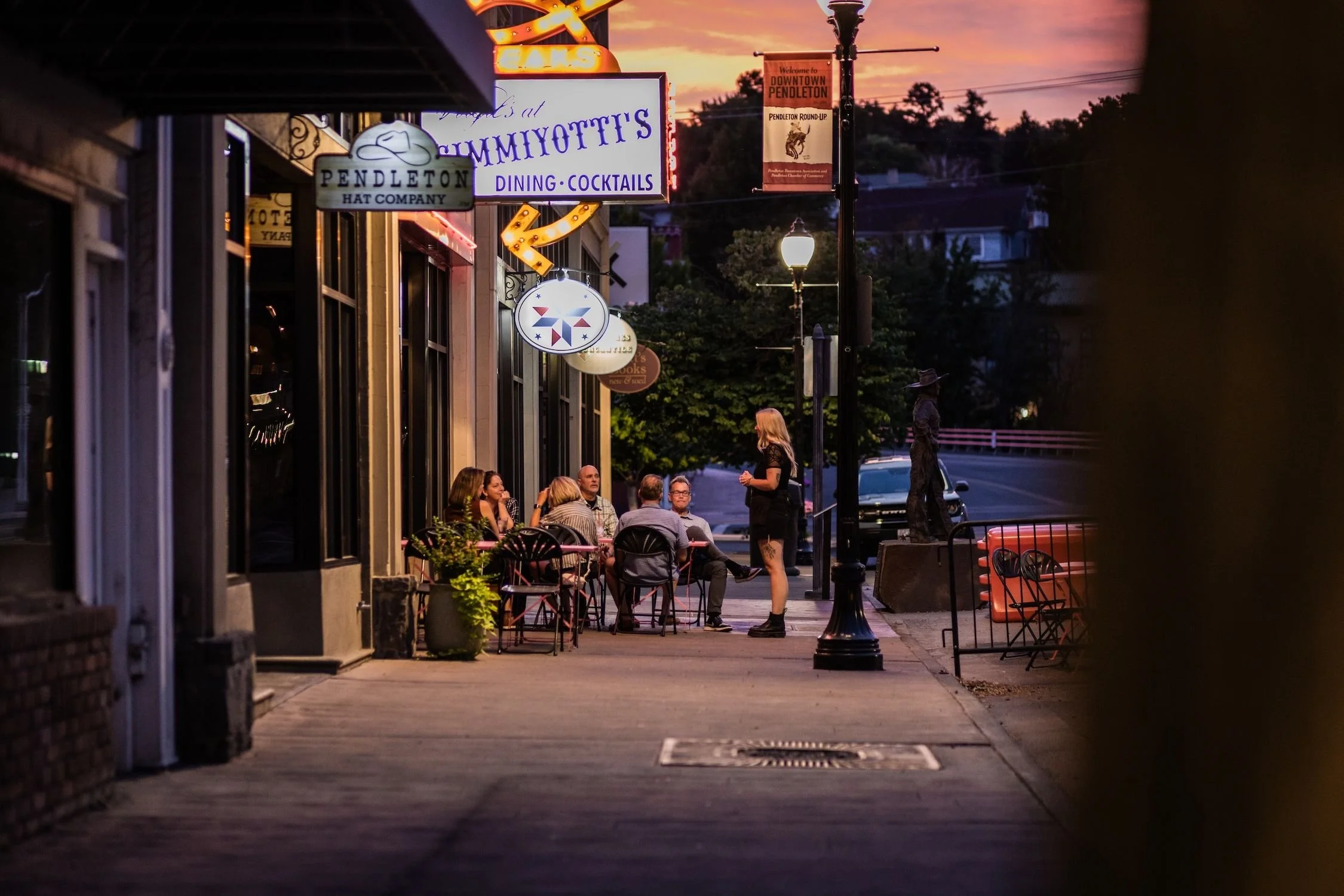
What Should We Post? A Simple Content Plan for Rural Tourism
You’ve defined your audience. You know you don’t need to speak to everyone, just the right people.
Now comes the next big question: What should we actually post?
