
Every Race Has a Personality. Your Social Media Should Show It.
I’ve worked with a lot of race directors over the years.
Different regions. Different disciplines. Different goals.
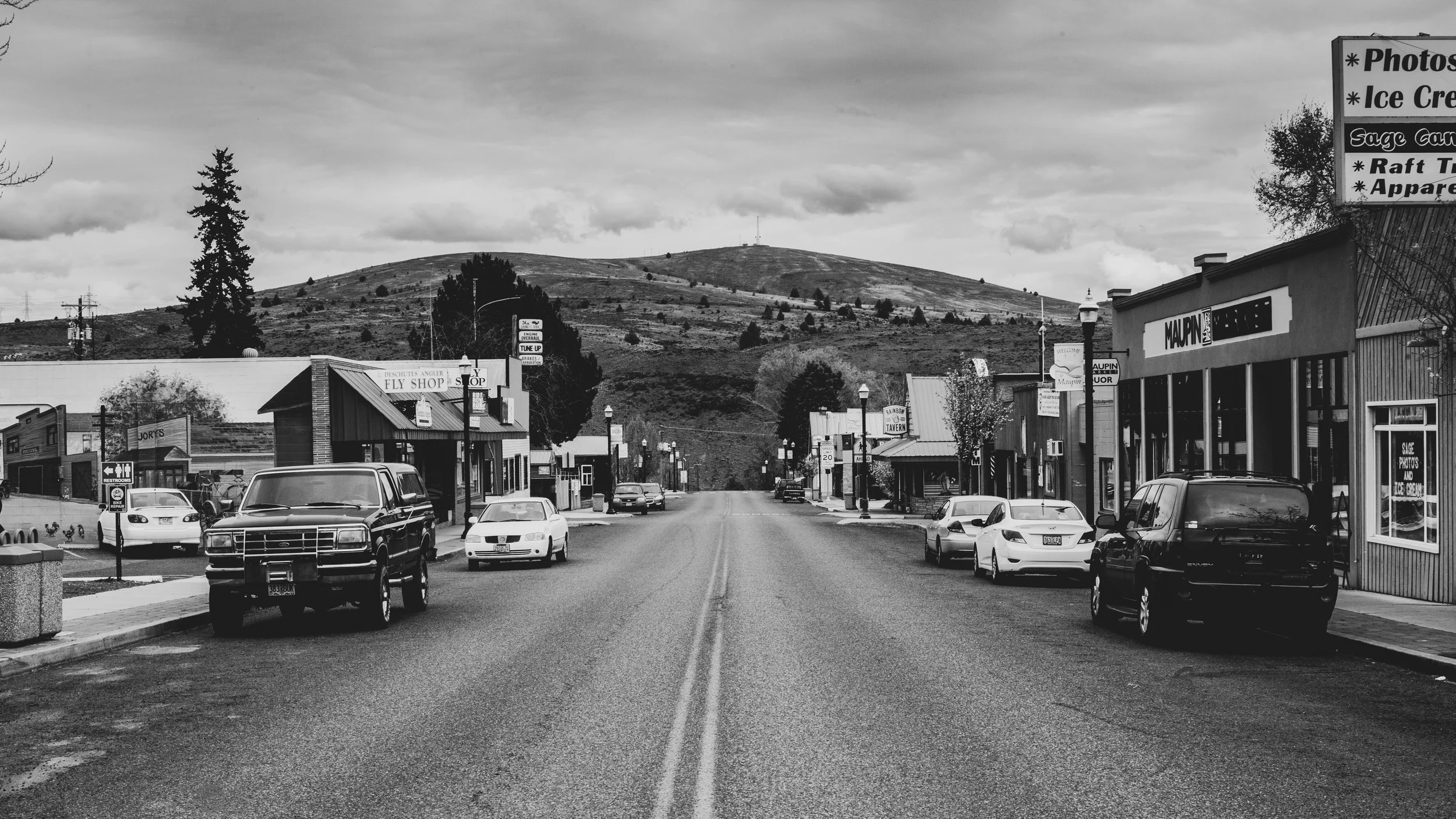
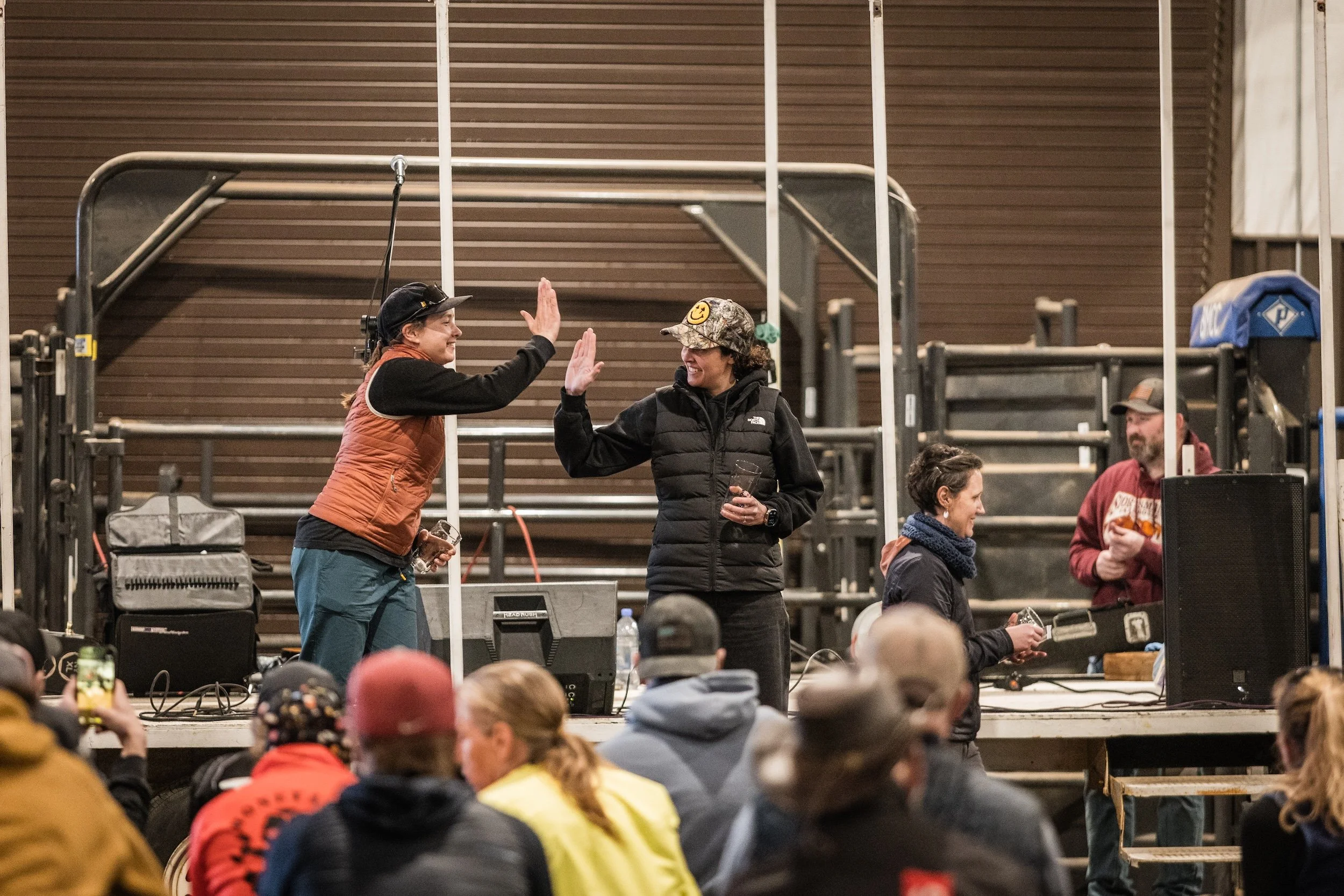
But one thing always stands out to me the moment I show up on race day: Every race has a personality.
You can feel it before the start. Some races feel more grassroots and raw. Others feel polished, sleek, and fast. Some are quiet and community-driven. Others feel like a full-on festival or party.

Shooting a Mountain Bike Race with a $40 Camera (What I Learned)
I have an affinity for older DSLR cameras.
My first full-frame was a Canon 5D Mk II, which I still shoot with on occasion. Beyond that, I’ve built up a collection of 15–20+ year old Canon bodies—XTi, XT, XS, 20D, 30D, and more.
It started as a teaching tool.
Every fall, I teach an intro to photography course. Instead of handing students the latest gear, I give them cameras I’ve picked up at thrift stores or on eBay for $10–$40.
And honestly? They’re perfect for learning.
Inside the Baker City Cycling Classic: Eastern Oregon’s Road Stage Race
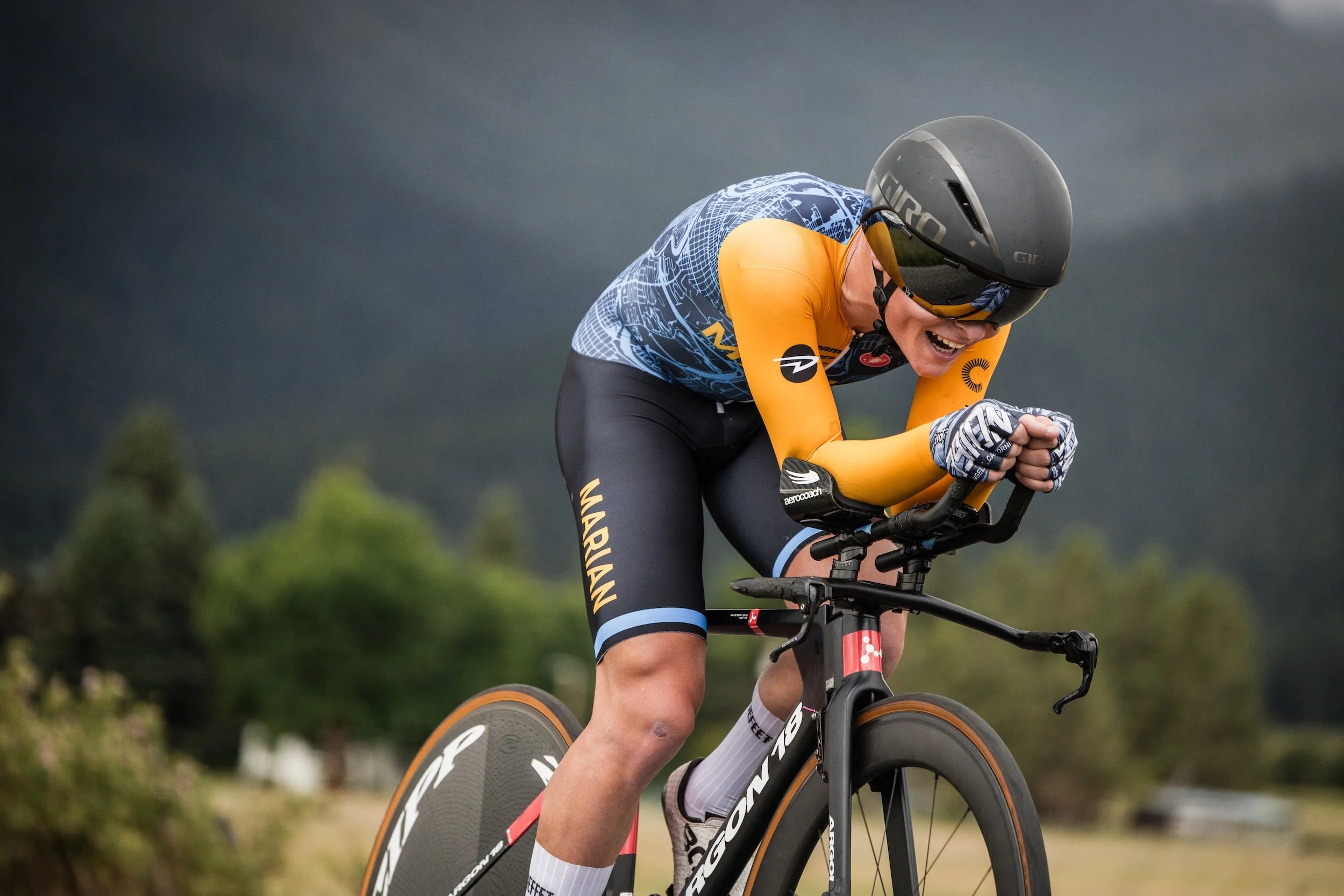
Last year, I stood on the side of a wide Eastern Oregon highway and watched a field slowly come apart with the snow-capped Wallowa Mountains in the background.
Not explode.
Not some dramatic highlight-reel moment.
Just … come apart.
It was late morning. That dry Eastern Oregon light that makes everything feel sharper than it probably is. I could hear freehubs and the hum of tires on the road before I could see faces. A thin line of riders stretched across the road. Shoulder dust lifting slightly when someone drifted too far left.
Then the hesitation.
A rotation half a second late.
The crosswind shifts just enough.
That’s all it takes out there.
Separation.

Why Social Media Alone Won’t Grow Your Cycling Race (And What Actually Works)
There was a time when posting about your race on social media actually meant something.
You could share a few photos, write a quick caption, maybe tag a sponsor or two, and people would see it. Riders would register. Momentum would build.
That time is gone.
Not completely. But enough that it’s worth saying out loud.
Social media is no longer a reliable way to grow a race if that is your exclusive way to grow awareness.
And if you’re a race director still relying on it as your primary marketing tool, you’re not alone. But you are at a disadvantage.
This isn’t a critique. It’s just the reality of how the system works now.
If you've followed along for any length of time, you'll also know that I still love and utilize social media a lot.

The Race Marketing Mistake Almost Every Race Director Makes About Social Media
My DMs on Instagram are buzzing daily, with conversations with race directors not only across the country but also overseas. There's something unifying about the stress of lower-than-expected registration numbers as race day looms...
If you've been following along for any length of time, you'll realize there's about a 20% overlap in content in my articles from week to week. Not only am I trying to build bridges from one article to the next, but we also need weekly reminders of many of the same things (I know, I do).
I received a DM from a race director who was sharing, "We just need to push harder on social this month." I don't think there's a race director anywhere on planet Earth who doesn't think and feel the same.
I could sense his panic. Registration had stalled. The race was eight weeks out.
When it comes to social media and creating more awareness for your race ... what would you do? Or maybe more accurately, what DO you do?
Clarity Beats Creativity in Race Marketing
“We just need better content,” a race director told me recently.
He said it the way most people do ... frustrated, slightly overwhelmed, convinced the algorithm had turned against him. (Who doesn’t feel that way???)
When I asked what kind of content he meant, he paused.
“More reels, probably. Maybe more drone shots. Something that pops.”
That’s when I realized the real issue wasn’t really about creativity ... it was more about clarity.

Branding Is Reputation at Scale (And Your Race Already Has One)
“We don’t really have a brand. We just put on a good event,” a gravel race director friend told me.
He said it casually. Almost proudly.
And in one sense, he was right. His course was solid, and the race was a blast. The volunteers showed up. The aid stations were stocked. Riders finished tired and smiling.
However, if you put on a race, you have a brand.
The only question is whether it’s intentional.
How Storytelling Drives Race Registration Through Familiarity
By now, the pattern should be clear.
The story starts months before race day. The quiet (and boring) middle matters. Consistency builds familiarity. Storytelling is not promotion or hype.
So the real question becomes: If storytelling is not about selling harder, how does it actually support registration?
The answer is simple.
It reduces uncertainty.
Storytelling Is Not Promotion: How Race Content Builds Trust Over Time
The race directors that I know do not want to sell harder.
They already feel the weight of promotion. The pressure to post. The anxiety around registration numbers. The sense that every piece of social media or email newsletter content needs to perform immediately.
That pressure often leads to urgency. Louder messaging. More reminders. A harder push.
Urgency rarely builds trust. But storytelling works differently. It does not ask people to act right away. It helps them understand first.
This article reframes storytelling as something sustainable for race directors. Not a campaign. Not a tactic. But a long-term way of helping people get familiar with your race before they ever decide to register.
What Content Marketing Actually Looks Like When It Works
Pretty much all of the race directors I work with and talk to already believe content matters. You see, the problem is not belief. It's really about expectation.
Content marketing has been tied to the idea of virality ... BIG reach ... FAST growth ... a post that suddenly BLOWS UP. That expectation actually undermines good work. Why? How?
When content does not spike or blow up, it feels like failure. When nothing takes off, people assume they are doing it wrong. So they change formats, chase hacky trends, or stop altogether. Many feel deeply discouraged (it happens to me, too).
In practice, content that works rarely looks exciting while it is happening. It looks consistent ... yawn.
