How Earned Media from Bike Races Can Boost Rural Tourism
One of the challenges many rural communities struggle with is exposure.
I am talking about more than attracting social media views, engagement, and followers. The larger challenge is simply letting other people on planet Earth know that your town exists.
That is where marketing comes to the forefront.
How do you get the word out?
You could buy a spot on a billboard a few hours away along the interstate, hoping people will see it, toss their plans aside, and drive to your town to see what is there.
Or how about printing more brochures for the rack in the lobby of nearby budget motels?
Those ideas are not necessarily bad or wrong. I would simply contend that you may be going after the wrong audience.
Why?
If they have never heard of your community or know nothing about it, they are probably not going to scrap their plans to visit the nearby caves, state park, or larger tourist destination and suddenly drive to your town.
That is where social media and digital media come in.
Call me naive, but with every ounce of my being, I believe a rural community can begin rewriting the narrative of its future through social media.
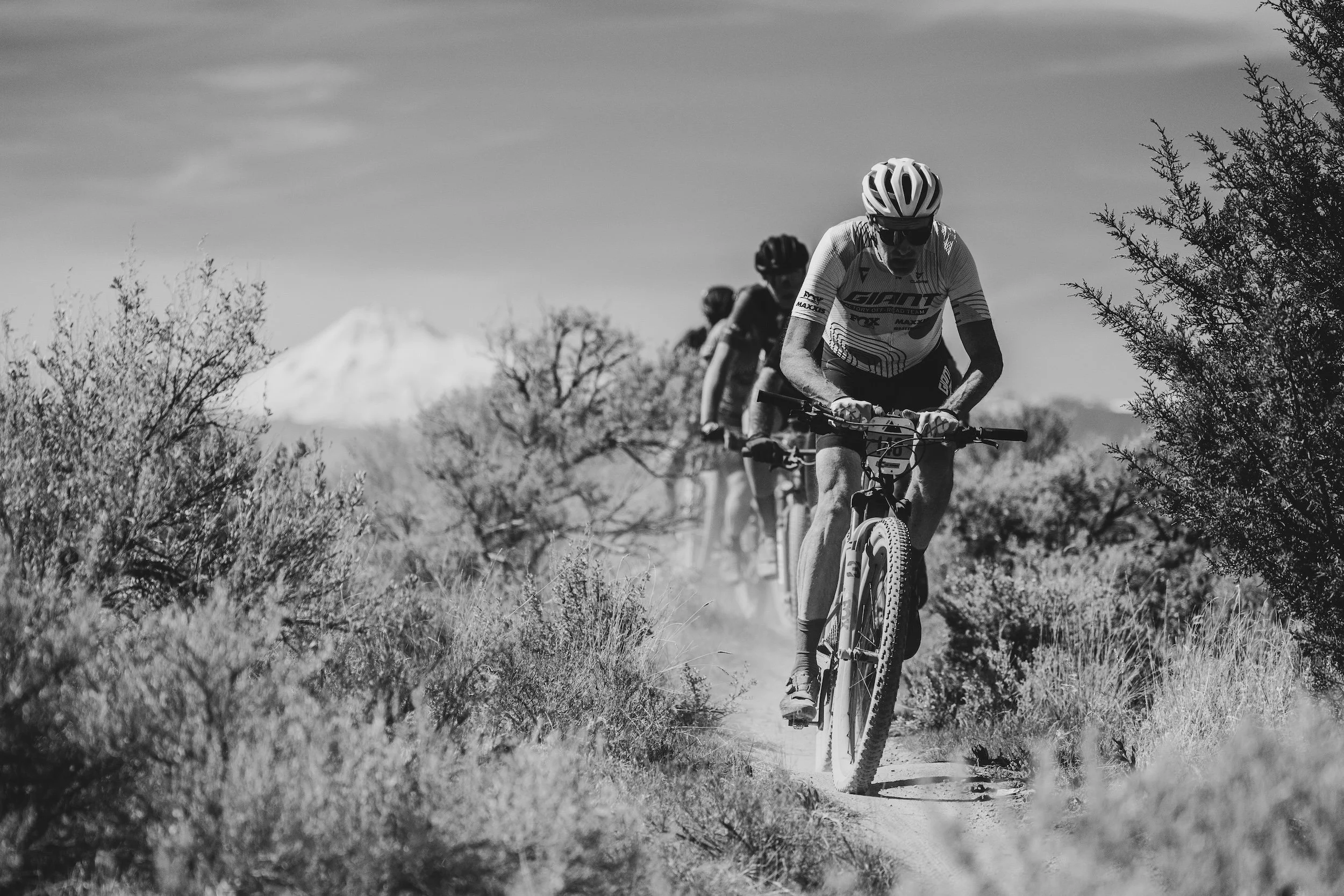
Because I spend a lot of time covering bike races, trails, and rural communities, I have seen how these events can generate valuable media exposure, introducing a town to entirely new audiences.
The big idea of this article is simple: rural communities do not have to build visibility from scratch. They can leverage the attention, content, and earned media already being generated by races, trails, and outdoor recreation events.
In the sections ahead, I will explain how that exposure creates value, how Earned Media Value can help measure it, and how communities can turn race coverage into longer-term awareness, visitation, and economic opportunity.
While I am focusing specifically on cycling events, the same principles apply to trail running races, rodeos, festivals, concerts, and other gatherings that bring people into town.

How Bike Races Help Market Rural Communities
Bike race promoters and race directors are often surprisingly savvy about social media and digital marketing.
It may not be the race director personally creating the content, but someone on the team understands that visibility matters.
Why?
Because the success of the event depends on registration numbers.
The more people who register, the more revenue the event generates. The more revenue it generates, the better chance it has of returning the following year.
That means race promoters are trying to do the same thing your community is trying to do. They are working to attract people to your town.
Instead of relying on billboards and brochures, they may be:
Purchasing social media advertisements
Creating Reels and short-form videos
Sending email newsletters
Partnering with cycling publications
Pitching articles to media outlets
Working with photographers and videographers
Collaborating with athletes and influencers
Encouraging racers to share their experiences online
In other words, they are aggressively promoting your community, often on their own dime.
Their livelihood and the future of their event are tied to the success of that promotion, so they have plenty of skin in the game.
They are also reaching far beyond the people who already live nearby.
Depending on the size and reputation of the race, that event may attract participants from across the state, throughout the region, nationally, and even internationally.
Every article, video, race recap, photo gallery, newsletter, and social media post becomes another opportunity for someone to discover your town.
The question is whether your community is prepared to leverage that attention.
What Is Earned Media Value for Rural Tourism?
Let us pause for a moment and talk about Earned Media Value, commonly called EMV.
Earned Media Value is a marketing metric that estimates the dollar value of unpaid publicity and digital exposure received by a brand, organization, event, or community. Instead of paying directly for an advertisement, earned media comes from exposure such as:
Articles published by media outlets
Social media shares
Influencer mentions
Race reports
Email newsletter features
Podcast appearances
Online conversations
Photos and videos created by participants
For a rural community, earned media could include a cycling publication writing about the local gravel race, an athlete sharing photos from downtown, or a race participant creating a video about the coffee shop they visited after finishing.
The town did not purchase those individual placements, but the exposure still has value.
There is no single universal formula for calculating EMV.
One common approach starts by estimating the number of impressions the coverage generated. That number is then multiplied by an estimated advertising cost, often using CPM, or cost per thousand impressions.
The simplified formula looks something like this:
Estimated impressions ÷ 1,000 × comparable CPM = estimated media value
The challenge is that rural communities and race organizers rarely have access to every outlet’s analytics.
A publication may tell you that it has 50,000 Instagram followers, but that does not mean all 50,000 people saw the post. An email newsletter may have 20,000 subscribers, but not everyone opened the message or clicked the article. A website may attract 10,000 visitors per day, but that does not mean your story received 10,000 views.
That is why EMV should be presented as an estimate, not a precise return-on-investment figure.
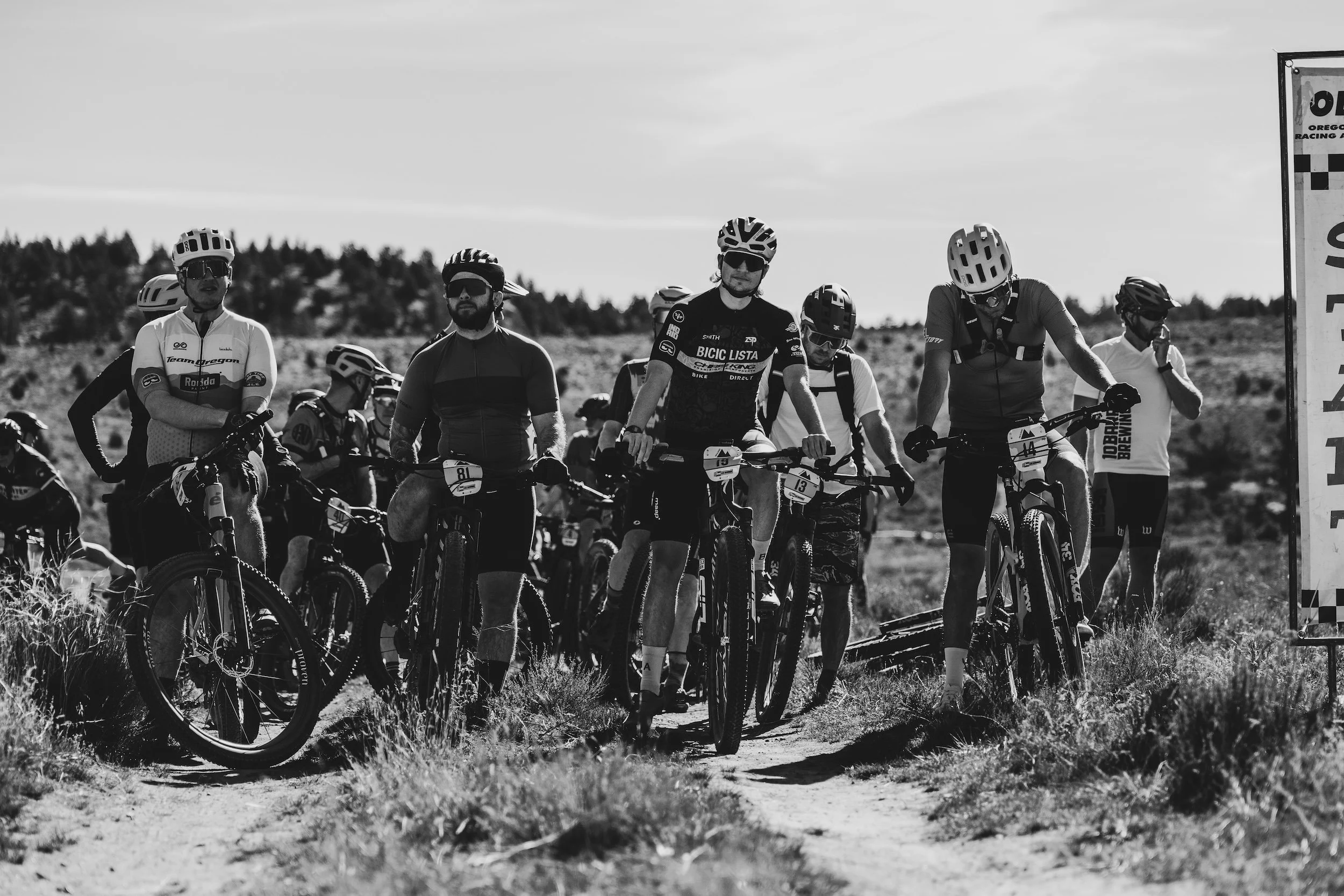
An Earned Media Value Example from a Gravel Bike Race
I recently worked on an article for a gravel cycling race that was published and promoted by several cycling media outlets. Collectively, those outlets shared the article with:
174,000 Instagram followers
88,000 Facebook followers
105,000 email subscribers
That produces a gross potential audience of 367,000 people.
The important word is potential. The number does not represent verified reach. There is probably some overlap among audiences, and only a percentage of followers or subscribers would have seen the story.
Using conservative assumptions for organic social reach and email opens, the article may have generated somewhere between 30,000 and 86,000 actual exposures, plus website readership.
One of the websites publishing the article attracts approximately 10,000 visitors per day. That does not mean the article itself received 10,000 daily page views.
However, if the story was visible for a week and captured even a small percentage of site traffic, it may have generated hundreds or several thousand additional views.
The value can also be considered through replacement cost.
What would the race or community have paid to receive comparable exposure through sponsored articles, social promotion, newsletter placements, and website advertising?
Depending on the number of outlets and the prominence of the coverage, the estimated earned distribution value could reasonably reach several thousand dollars.
More important than the exact dollar figure is what the example demonstrates. One article about one bike race placed the host community in front of tens of thousands of people who may never have heard of it before.
That is the real opportunity.
So let's now talk about ways small towns can piggyback on the online reach of races and other outdoor events.
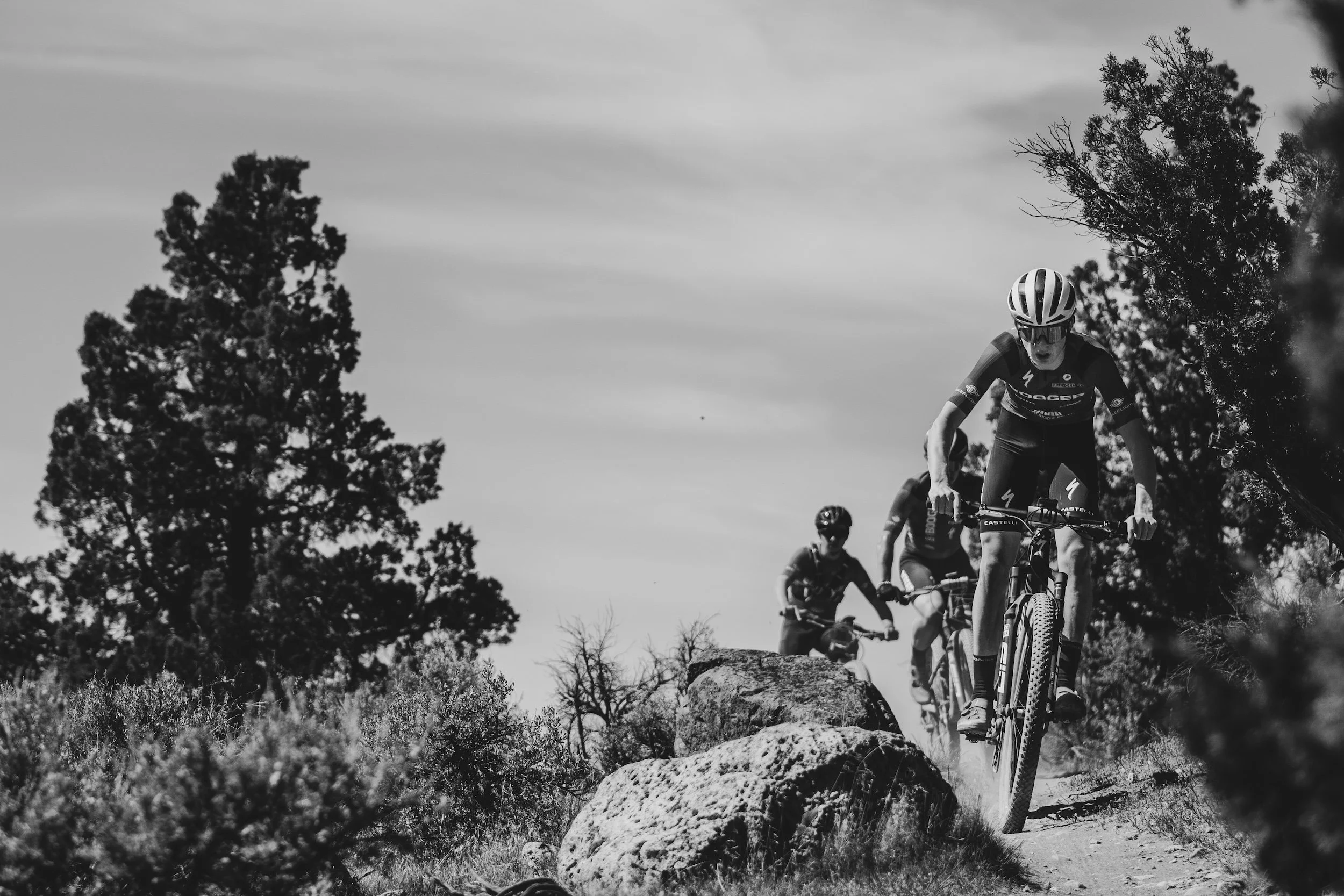
Four Ways Rural Communities Can Leverage Race Media
1. Build a Shared Bike Race Media Strategy Before the Event
Too often, the town and the race promote themselves independently.
The race talks about mileage, elevation, course conditions, aid stations, and registration deadlines. The community talks about restaurants, history, lodging, and local attractions.
Those two conversations should be connected.
Before the event, tourism leaders, city staff, chambers of commerce, local businesses, and race organizers should develop a shared media plan.
That might include:
Shared photo and video folders
Suggested social media accounts to tag
Local stories media outlets could cover
Lists of restaurants, lodging, and attractions
Historical facts about the area
Suggested itineraries for visiting racers
Media contacts and press materials
Make it easy for the race to tell the story of the town.
Most race promoters are focused on putting on a safe, successful event. They may not know the history of the old hotel downtown, the story behind the nearby wildlife refuge, or which family has operated the local café for three generations.
Give them those stories.
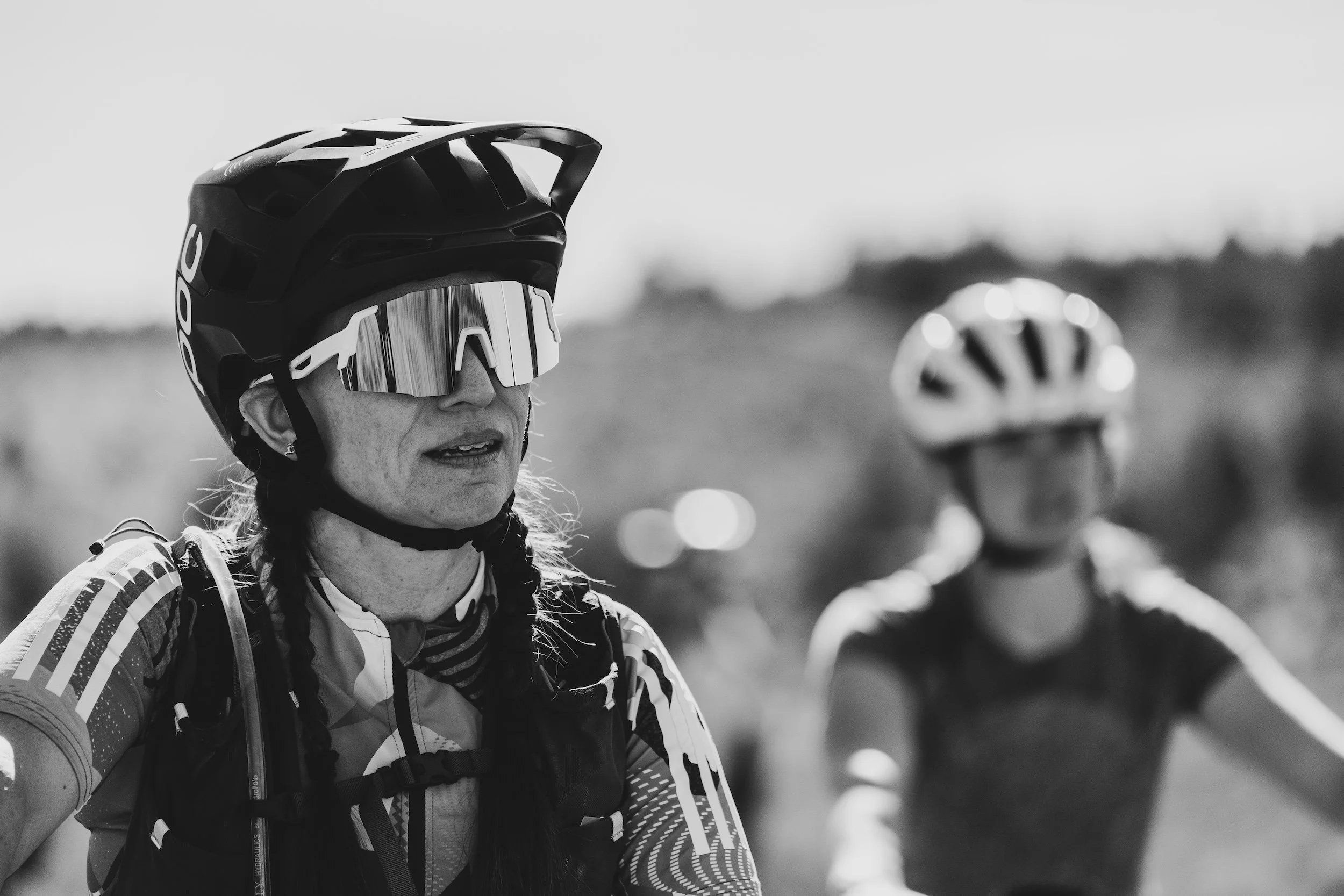
2. Turn Bike Race Coverage Into a Rural Destination Story
Race promotion frequently focuses on the event itself.
How long is the course? How much climbing is there? Is the route technical? Where are the aid stations? Those details mean a lot to participants, but they do not fully explain why someone should travel to your community.
The most effective event media connects the race to the place.
Show the downtown where participants will gather. Introduce the local restaurant where they can eat afterward. Tell the story of the roads, trails, ranches, forests, or desert landscapes they will travel through. Highlight the people volunteering at aid stations. Explain the history and culture of the region.
The race may be what initially attracts someone, but the experience of the place is what brings them back.
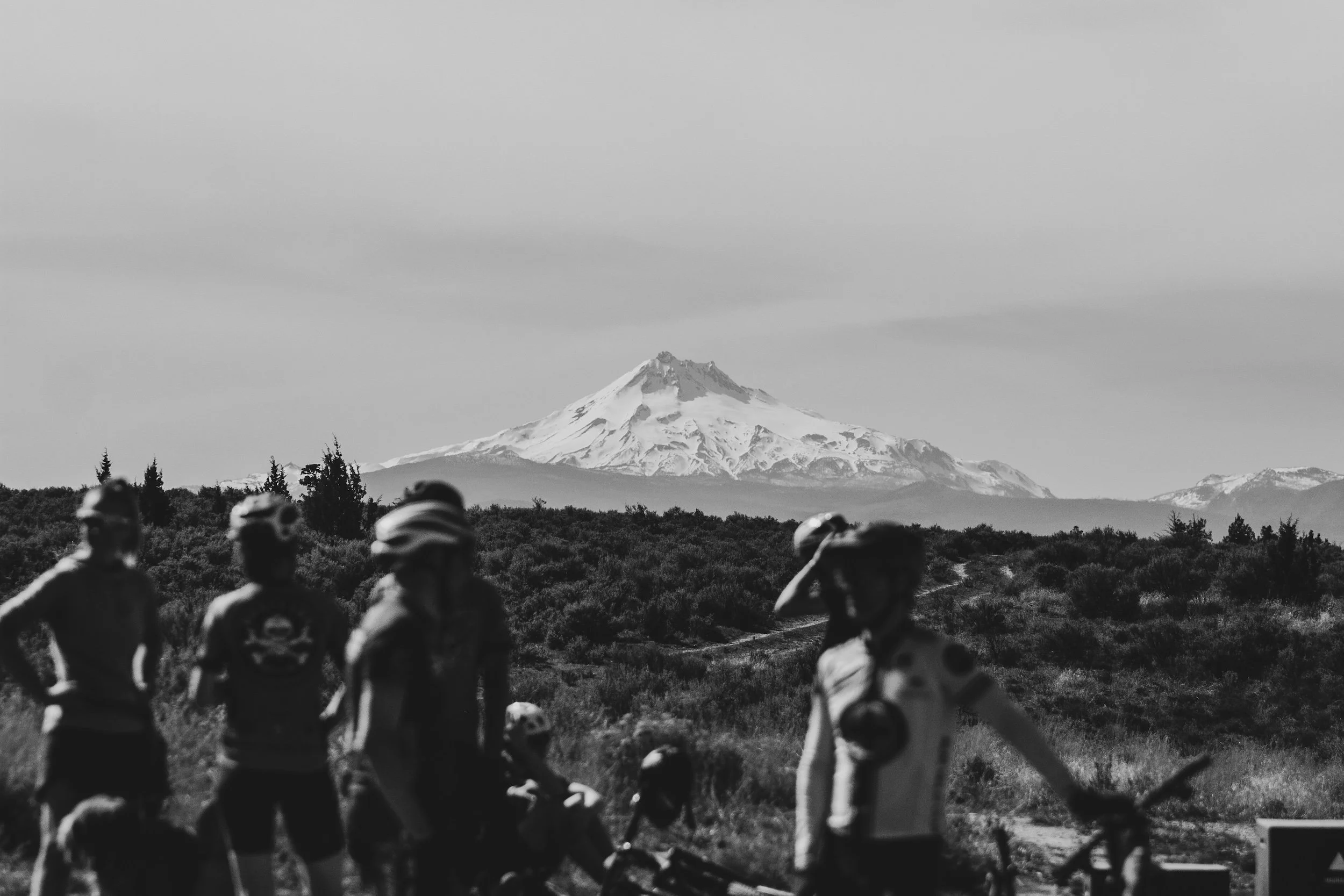
3. Repurpose Bike Race Media Throughout the Year
A common mistake is treating event coverage as disposable.
The article gets published. The social media posts go live. Race weekend passes. Everyone moves on.
Instead, communities should create an archive of every article, video, photo gallery, podcast, and social mention connected to the event. That content can be repurposed throughout the year.
A media quote can become a social media graphic.
A race article can be shared again when registration opens.
A photo gallery can become a winter post encouraging people to plan a spring trip.
A participant’s video can be embedded on the tourism website.
A paragraph from an article can be included in a grant proposal, sponsor deck, or visitor guide.
Good media coverage needs to continue working long after race weekend.
4. Measure Earned Media to Attract Rural Tourism Investment
Rural communities should document the media value generated by events.
Track the number of articles published, social followers reached, email subscribers exposed, videos produced, website referrals, and estimated impressions.
Even when exact analytics are unavailable, communities can create conservative estimates and clearly explain their methodology. This information can help:
Recruit sponsors
Apply for tourism grants
Demonstrate value to city councils
Justify future event support
Attract additional races and festivals
Encourage local businesses to participate
Build stronger media partnerships
Instead of saying, “The race received a lot of attention,” you can say:
“The race generated coverage across five cycling media outlets, reached a gross potential audience of 367,000 through social media and email, and produced an estimated 30,000 to 86,000 digital exposures, plus website readership.”
That tells a much stronger story.
How Bike Races Become Year-Round Media Engines for Small Towns
A bike race lasts a day or a weekend. The media generated by that race can continue introducing people to your community for months or even years.
Articles remain searchable. Photos continue circulating. Videos get shared. Participants tell their friends.
Media outlets begin associating your community with gravel cycling, mountain biking, trail running, or outdoor recreation.
That is why rural communities should view races as so much more than events.
They are potential media engines.
The opportunity for the host community is to collaborate, provide better stories, create a digital pathway for curious visitors, and extend the exposure long after everyone crosses the finish line.
Think of it this way ... Great events bring people to town. Great media gives them a reason to discover it in the first place.