The Trust Gap: Why Rural Communities Don't Always Welcome Adventure Tourism

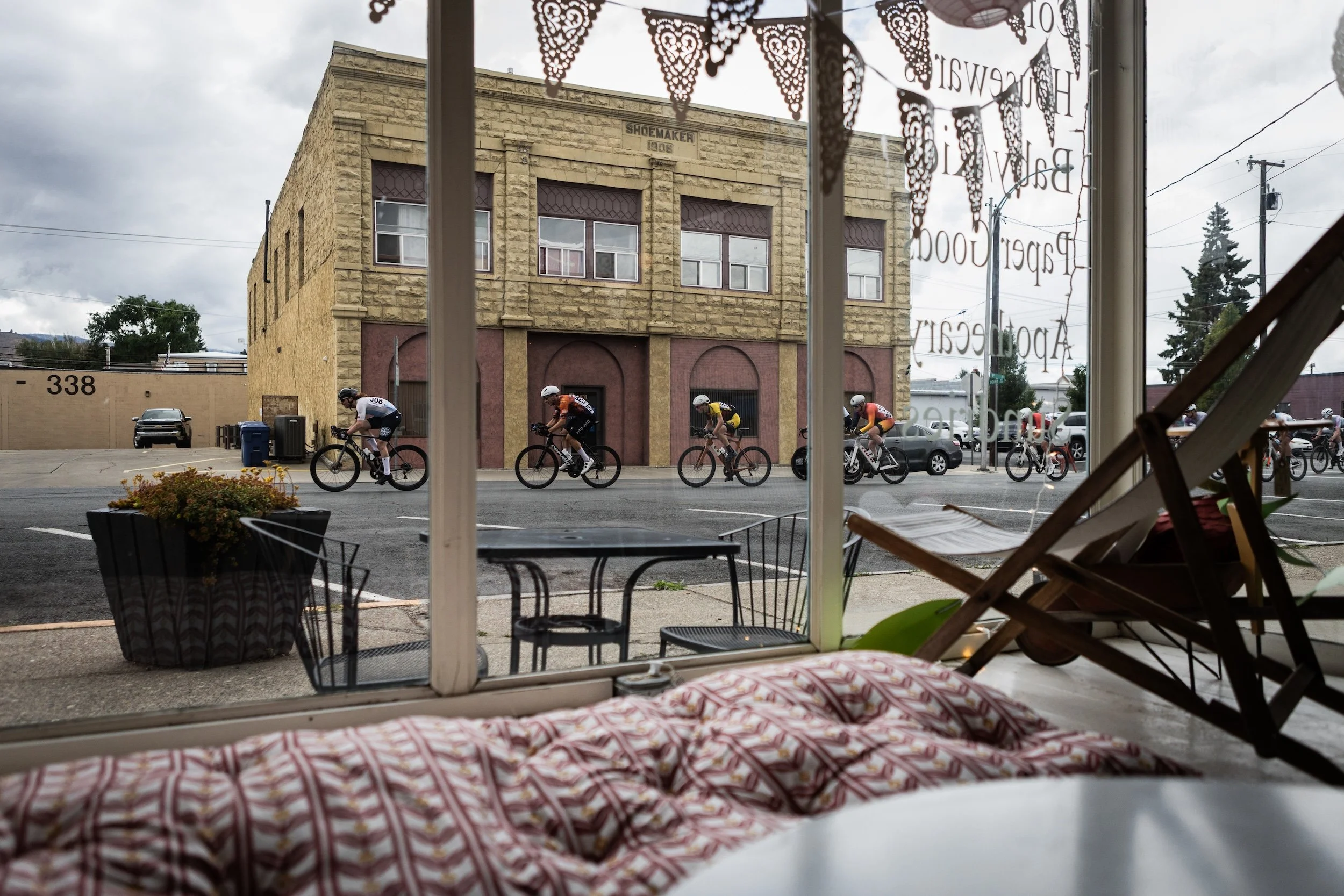
I was standing in the ditch with a camera in my hand as it offered a better angle for photographing the peloton as it raced toward me.
While I waited, I clicked through my camera settings one last time. Then I heard it before I saw it.
A lifted diesel pickup came barreling down the road, drifting toward the centerline. As the driver approached, he spotted me, rolled down his window, flipped me off, and started yelling.
He was moving too fast for me to hear what he said. I didn't need to. He was pissed.
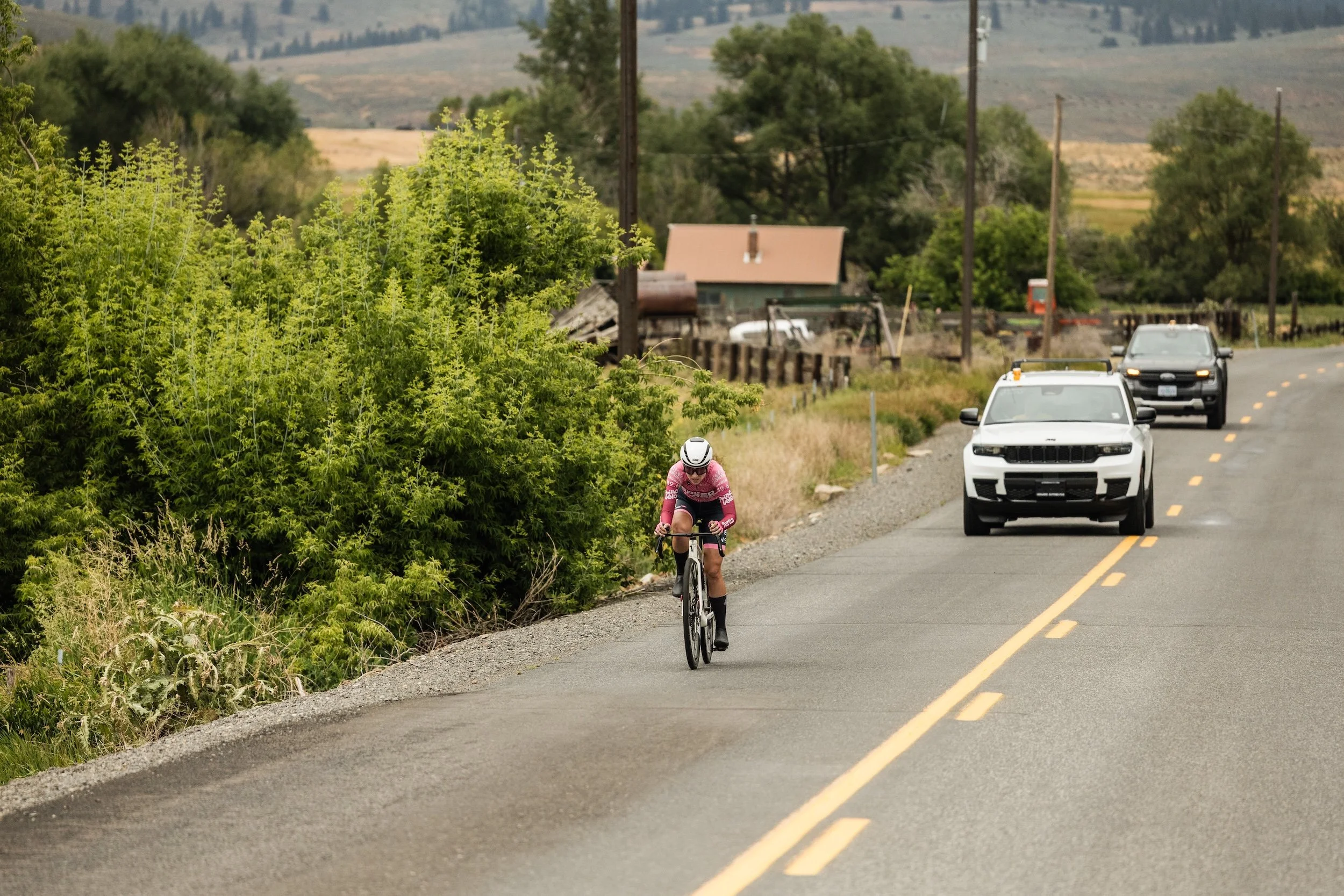
A few minutes later, after the lead group of elite women had passed, another rider came through alone, working hard to bridge the gap. As I watched her approach, I noticed an eighteen-wheel semi bearing down behind her, straddling the centerline.
That driver wasn't happy either. Neither were several others throughout the day.
More middle fingers.
More yelling.
More frustration.
It was almost always the same profile: pickup trucks and cowboy hats.
Now, before you assume this is going to become an article criticizing pickup truck drivers or complaining about motorists, let me stop you.
It isn't. Besides, while I don't have a cowboy hat, I sure like cowboy shirts ... pearl buttons and all.
You see, what I witnessed wasn't really about bicycles. Instead, it was actually about something much deeper.
It was a clash of cultures.

The Facebook Comments Told the Real Story
I was managing social media for the race throughout the weekend, posting photos and updates throughout each day. I noticed on Facebook in particular, the comments from locals started rolling in almost immediately.
"You are a hazard."
"Go to a trail!"
"Nobody wants you here."
"Quit clogging up our roads!"
"What a waste of resources."
At first glance, it's easy to dismiss comments like these as anti-cyclist rhetoric. I don't think that's what they really were. I think they were expressions of something else.
Resentment.
Frustration.
Suspicion.
A feeling that change was happening to their community rather than with their community.
That's a very different conversation.

I Understand Where They're Coming From
Maybe that's because I grew up in a dumpy small town in Iowa ... and I say that with a tremendous amount of affection.
Like many people who grew up in rural America, I was skeptical of cities.
People from "the city" always seemed to have big ideas about how small towns should change. Most of us just wanted to be left alone.
Life moves differently in rural America. Trust is earned. Not assumed.
That's why, when someone yelled at me or flipped me off that weekend, it honestly didn't bother me. I understood where it was coming from.

Rural Communities Didn't Ask for This Conversation
Many of the communities we now point to as candidates for outdoor recreation-based economic development arrived there because something else disappeared.
Across much of the American West, it was the mill. Or the mine. They were good-paying blue-collar jobs. They supported families for generations.
When those jobs disappeared, populations declined, schools shrank, businesses closed, and young people moved away looking for opportunity.
Recently I spent time in Lakeview, Oregon, another community navigating this reality. There, conversations often turn toward the decline of the timber industry and the long shadow it left behind.
Whether people agree or disagree with the policies that shaped those changes (e.g., the spotted owl) isn't really my point. The point is this:
Communities remember.
Economic transitions aren't abstract policy discussions.
They're deeply personal.
Adventure Tourism Looks Different Depending on Where You're Standing
Today, many researchers, planners, and economic development professionals see outdoor recreation as one of the most promising opportunities available to rural communities.
I happen to agree.
I've read the research.
I've seen the success stories.
I've watched places reinvent themselves through trails, cycling, climbing, rivers, and public lands.
But here's something we don't talk about often enough. Most of the people showing up for these experiences come from somewhere else.
They're driving expensive vehicles. Riding expensive bikes. Taking weekend trips. Posting beautiful photos online.
Meanwhile, many longtime residents are wondering what all of this means for the place they've always called home. If we're honest, it's not difficult to understand why some feel skeptical ... or pissed.
The Trust Gap
That's why I think one of the biggest challenges facing adventure tourism isn't building trails. It's building trust.
We spend a lot of time talking about economic impact.
Hotel occupancy.
Restaurant revenue.
Visitor spending.
Yes, those things are a big deal.
But communities aren't spreadsheets. They're real people. Families. History. Identity. Culture.
If the people already living there feel like they're being ignored while outsiders celebrate the community's future, resentment becomes almost inevitable.

The Goal Shouldn't Be Another Moab
We love pointing to places like Moab, Bentonville, and Sedona (or insert your favorite). They've become icons of outdoor recreation.
But if you ask many rural communities whether they want to become the next Moab, the answer is often more complicated than we assume.
Yes, they want opportunity.
Yes, they want thriving businesses.
Yes, they want young families to stay.
But they don't necessarily want to lose the character that made their town worth loving in the first place. Those aren't competing ideas. They're both valid.

Finding the Win-Win
I still believe outdoor recreation can become one of the most important economic opportunities available to many rural communities. That hasn't changed.
What has changed is the way I think about the process.
Success isn't something that happens to a community. Rather, it's something built alongside the people who already live there. That takes time. It takes listening. It takes trust.
And it takes recognizing that economic development isn't simply about attracting visitors. It's about creating a future where the people who've called these places home for generations can thrive alongside the people discovering them for the first time.
And maybe that's the real challenge.
Not building the next adventure destination hot spot.
But helping every rural community become the best version of itself.