
Trails That Build Jobs: How Rural Communities Are Finding New Life Through Trail-Based Economies
In the foothills of the Rockies, a small town once known for its sawmills is humming again, not from chainsaws but from trail crews, mountain bikers, and visiting families grabbing coffee before heading out to ride. Further away, former coal towns in West Virginia are experiencing a similar revival, their new “black gold” being the dirt under mountain bike tires.
Across the U.S., trails are emerging as one of the most reliable economic development tools for small, rural communities. They bring visitors, create jobs, and support local businesses in ways that reach far beyond tourism. When built and managed well, trails become infrastructure that fuels entrepreneurship, attracts new residents, and diversifies economies once dependent on extraction industries.

Do You Think Trails Benefit Your Town’s Economy?
A decade ago, Gallup, New Mexico wasn’t exactly known as a trail town. It was a rural hub on the edge of the Navajo Nation, surrounded by wide desert, mesas, and sandstone formations, but not much in the way of tourism buzz.
Then came the High Desert Trail System, a volunteer-built network of singletrack that began attracting riders from across the region. Events like Dawn Til Dusk and 24 Hours in the Enchanted Forest drew in thousands of racers and spectators.
From Gravel Roads to Trail Towns: A Pathway for Rural Revitalization
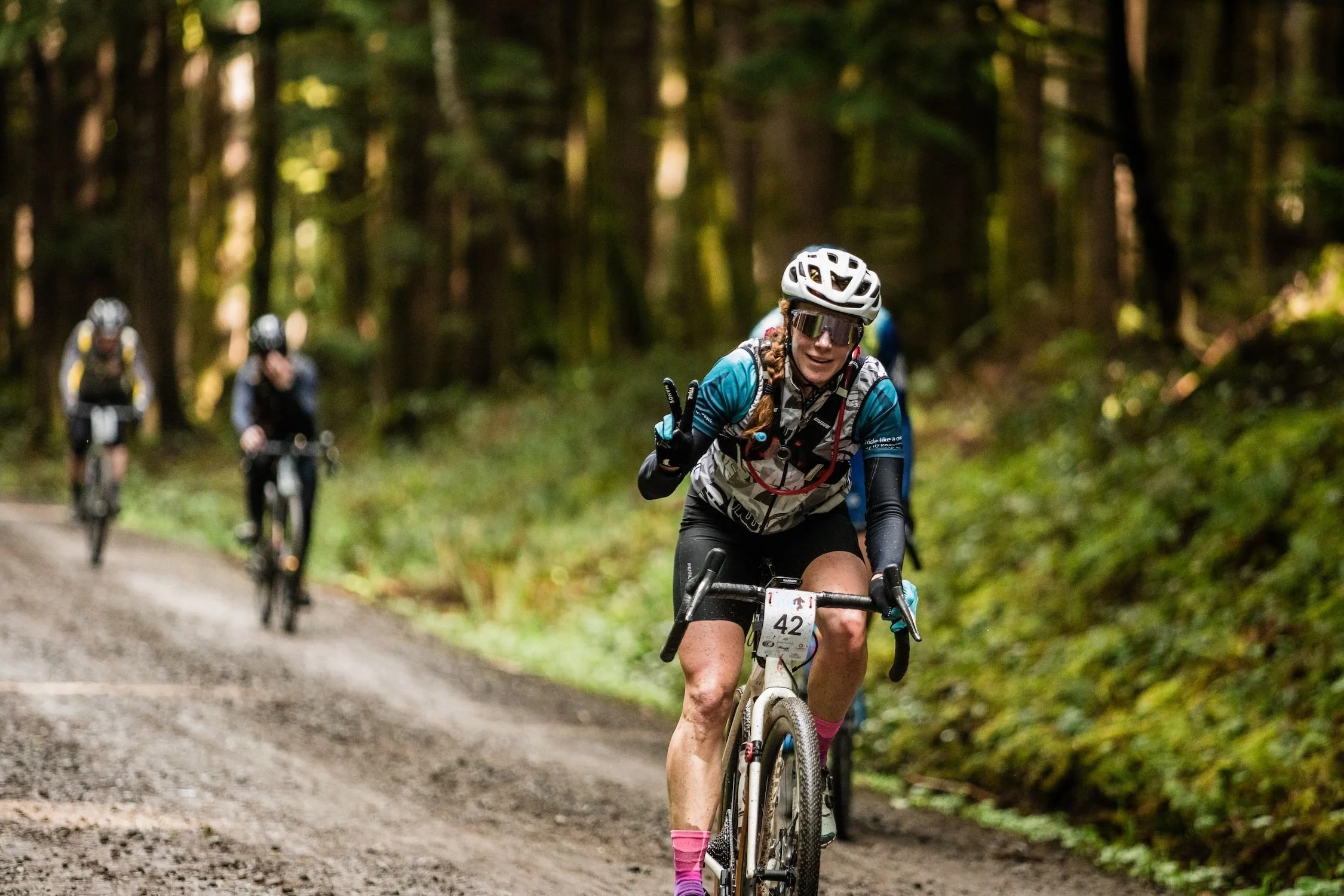
A few years back, I found myself riding in the Oakridge-Westfir area at Mountain Bike Oregon. To me, it’s the kind of place that makes you believe in second chances, not just for old logging towns, but for entire communities looking for a new way forward.
The singletrack was (and is) world-class, and the ridgeline views were unforgettable. But what struck me most wasn’t necessarily the trails, it was the people. A small, tight-knit community that had weathered economic downturns and reinvested in itself through the simple act of getting people out on bikes.
That didn’t happen overnight.
