My DMs on Instagram are buzzing daily, with conversations with race directors not only across the country but also overseas. There's something unifying about the stress of lower-than-expected registration numbers as race day looms...
If you've been following along for any length of time, you'll realize there's about a 20% overlap in content in my articles from week to week. Not only am I trying to build bridges from one article to the next, but we also need weekly reminders of many of the same things (I know, I do).
I received a DM from a race director who was sharing, "We just need to push harder on social this month." I don't think there's a race director anywhere on planet Earth who doesn't think and feel the same.
I could sense his panic. Registration had stalled. The race was eight weeks out.
When it comes to social media and creating more awareness for your race ... what would you do? Or maybe more accurately, what DO you do?
Social Media as Infrastructure
Marketing campaigns tend to be seasonal. You ramp up, push hard, and spend too much on Meta ads or ads on your favorite cycling media platform.
You're trying to create urgency or FOMO.
However, social media as infrastructure works a bit differently.
It runs whether you're promoting or not. It builds awareness in the offseason like a slow-drip communication faucet.
Think about TV commercials. All during football or basketball season, I swear I see the same ads over and over ... and over again. Drip, drip, drip. Slowly building awareness. Nothing flashy. Yes, I'm talking about social media in this article, but I think you get the point.
Thinking of social media as infrastructure is about drip, drip, drip.
Marketing campaigns are about the spikes and quick hits, and too many race directors are stuck in campaign mode.
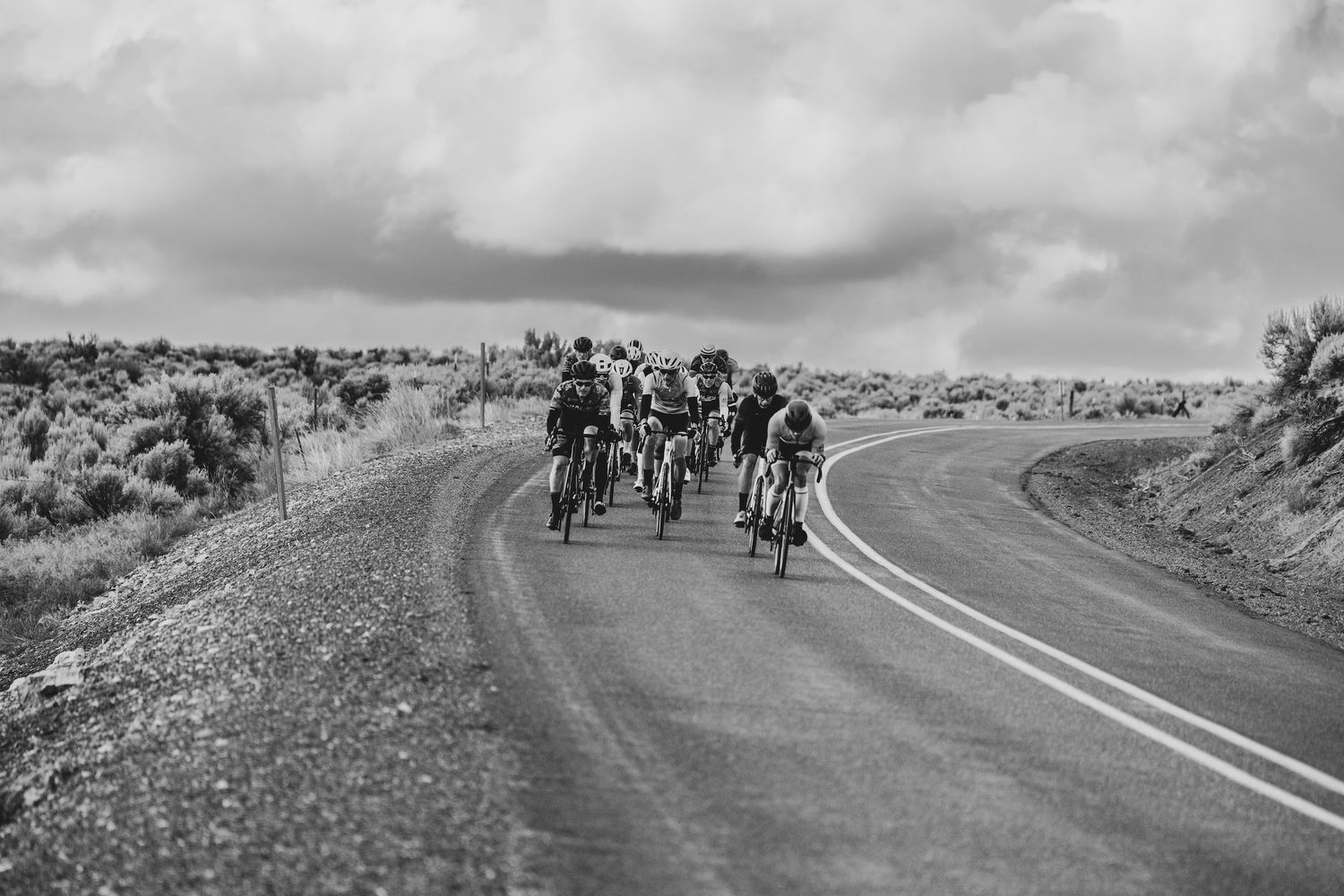
Your Social Media Feed Is Your Front Door
Think about how riders discover races today.
They see a tagged photo. A friend shares a recap. They search your name. They scroll your feed.
In seconds, they decide whether to click on your bio, follow you, or keep scrolling past. Heck, not even seconds. Split seconds.
That decision to sign up for a race rarely happens on race week.
It happens months earlier simply by you becoming an active part of their social media feed. When they see you several times a week (depending on the algorithm), you become more and more front of mind.
At the same time, if your feed goes quiet for half the year, what does that communicate? If your visuals shift wildly season to season, what does that communicate? If your tone changes depending on who's posting, what does that communicate?
It's the steady, boring consistency that builds trust.

Compounding Visibility Is Quiet and Boring
When I work alongside races, helping build social systems or documenting events, I'm thinking beyond this year's registration numbers.
I'm thinking long-term.
It's kind of like the difference between watching a 2-hour movie and an 8-season series with 64 episodes. Sure, a lot can happen in a 2-hour movie, but over successive seasons, you get to know the characters more in-depth, and there are multiple layers to the storyline.
When you plan for year-round content, you get to tell the story of your race by adding multiple layers to the storyline.
It isn't just, "Ah, crap, y'all better hurry up and register!"
If you consistently show your terrain, your riders, your host community, your volunteers, your finish line moments, and your behind-the-scenes preparation, you're layering memory. You're building the story.
A rider might not register this year, but they're watching. Next year, when they see your race again, it doesn't feel new. It feels familiar ... like when we see the Jake from State Farm insurance commercials.
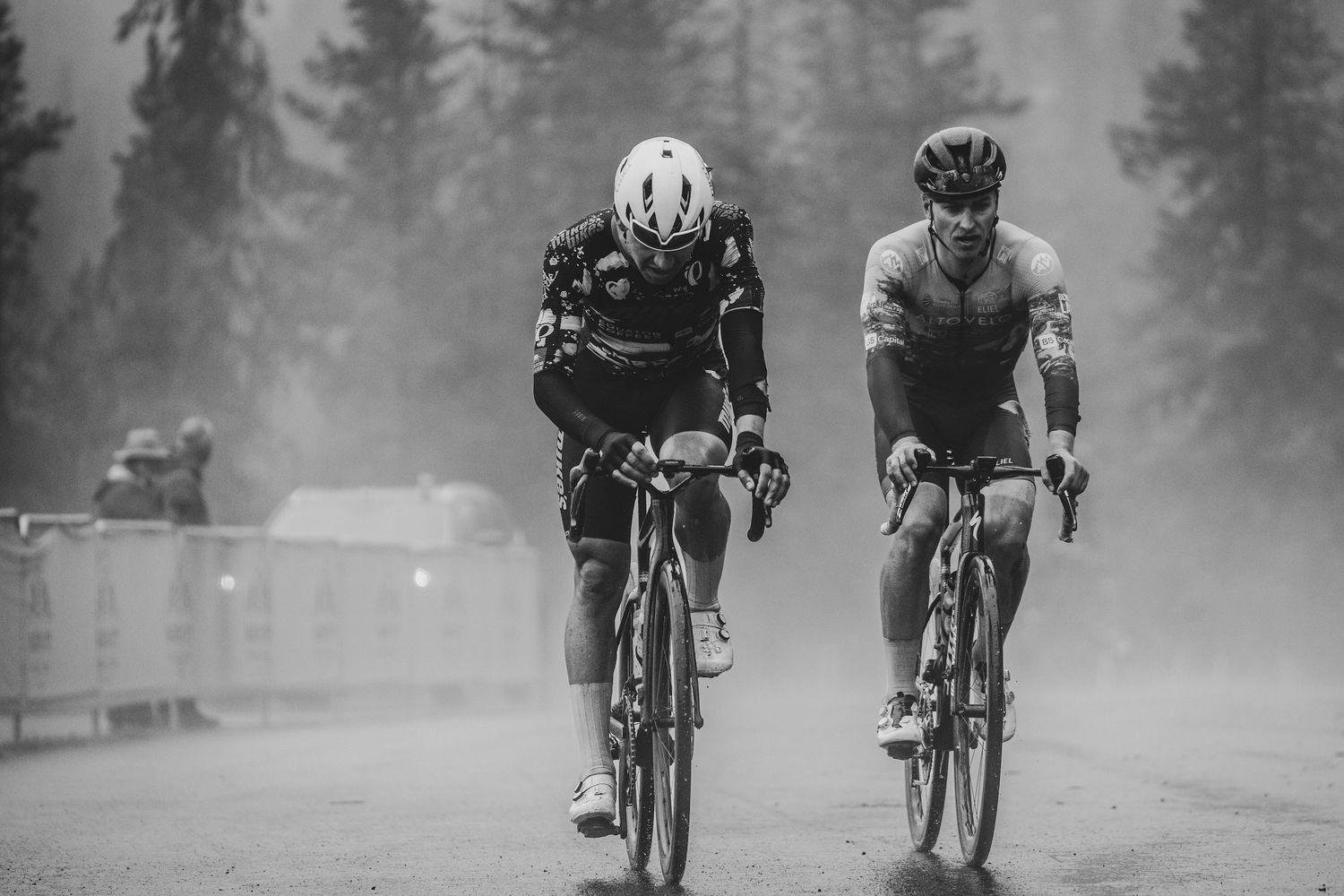
The Difference Between Posting and Building
There's a difference between randomly posting and building or crafting a multifaceted social media storyline.
Posting says, "Hey, we need to be visible!"
Crafting says, "Yo, what part of the story are we weaving today?"
When social media becomes infrastructure, you stop treating it as an afterthought. It becomes part of race planning instead.
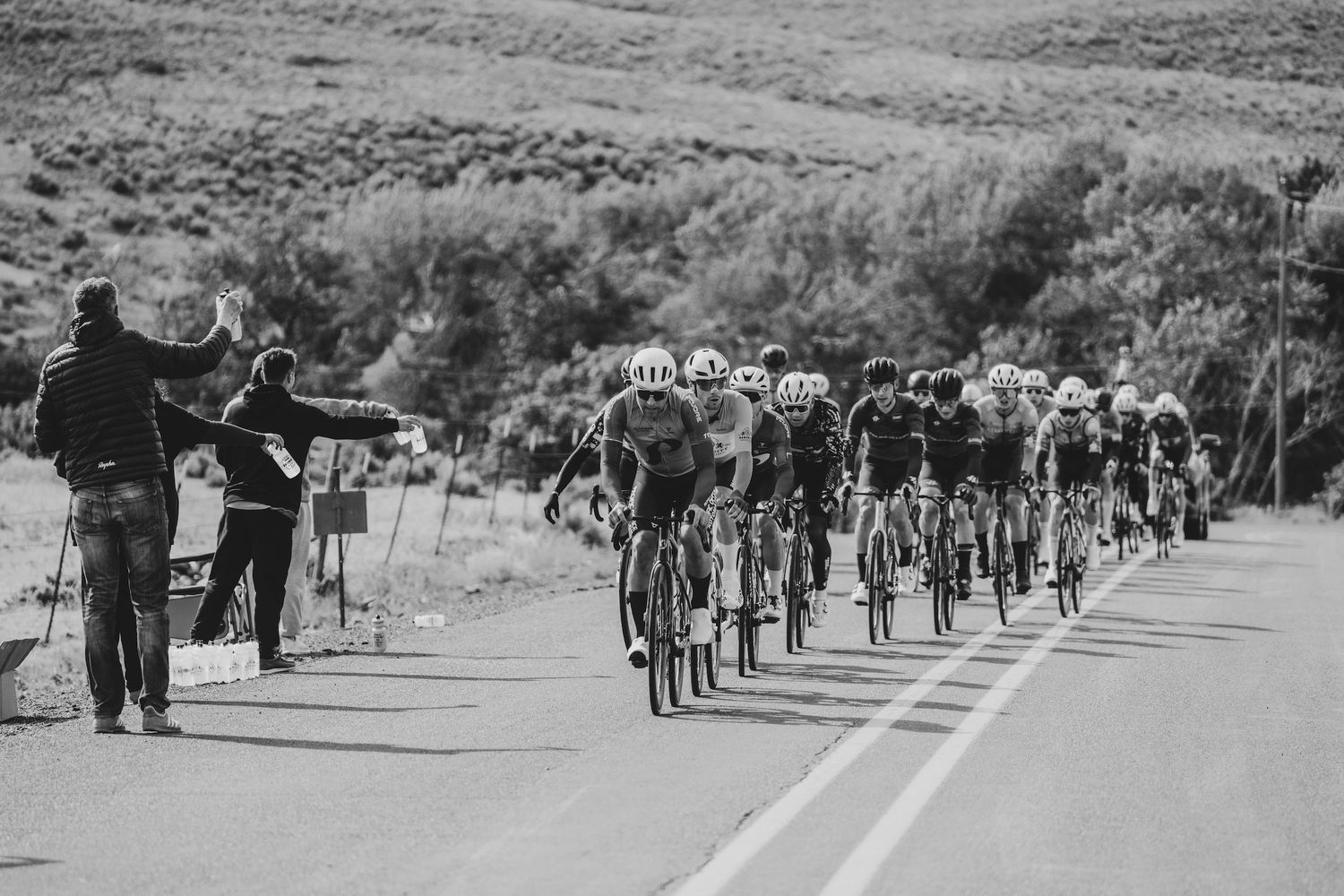
Social Media Is the Archive of Your Momentum
Think about your feed not as promotion, but as proof. Proof that your race exists, that it's growing, that it's well-run, and that people care.
When someone scrolls back two or three seasons and sees continuity, it's like they're re-watching earlier episodes of a TV series.
You can't build that in a panic eight weeks before race day. You build it month by month, season by season, and layer by layer.
We can't forget the "social" in "social media." Social media isn't purely about marketing. It's memory management. It's expectation management. It's trust management. In other words, it's brand management.
Social media becomes one of the strongest growth levers a race can have when you're playing the long game.
Most of the impact is in the boring and mundane weekly posts, not the random spikes that draw more eyeballs. Don't get me wrong, I'm constantly experimenting with hooks and formats to maximize each and every social media post. At the same time, most of the time, it will be like wallpaper. It's just there. But it's part of the story.
About the author
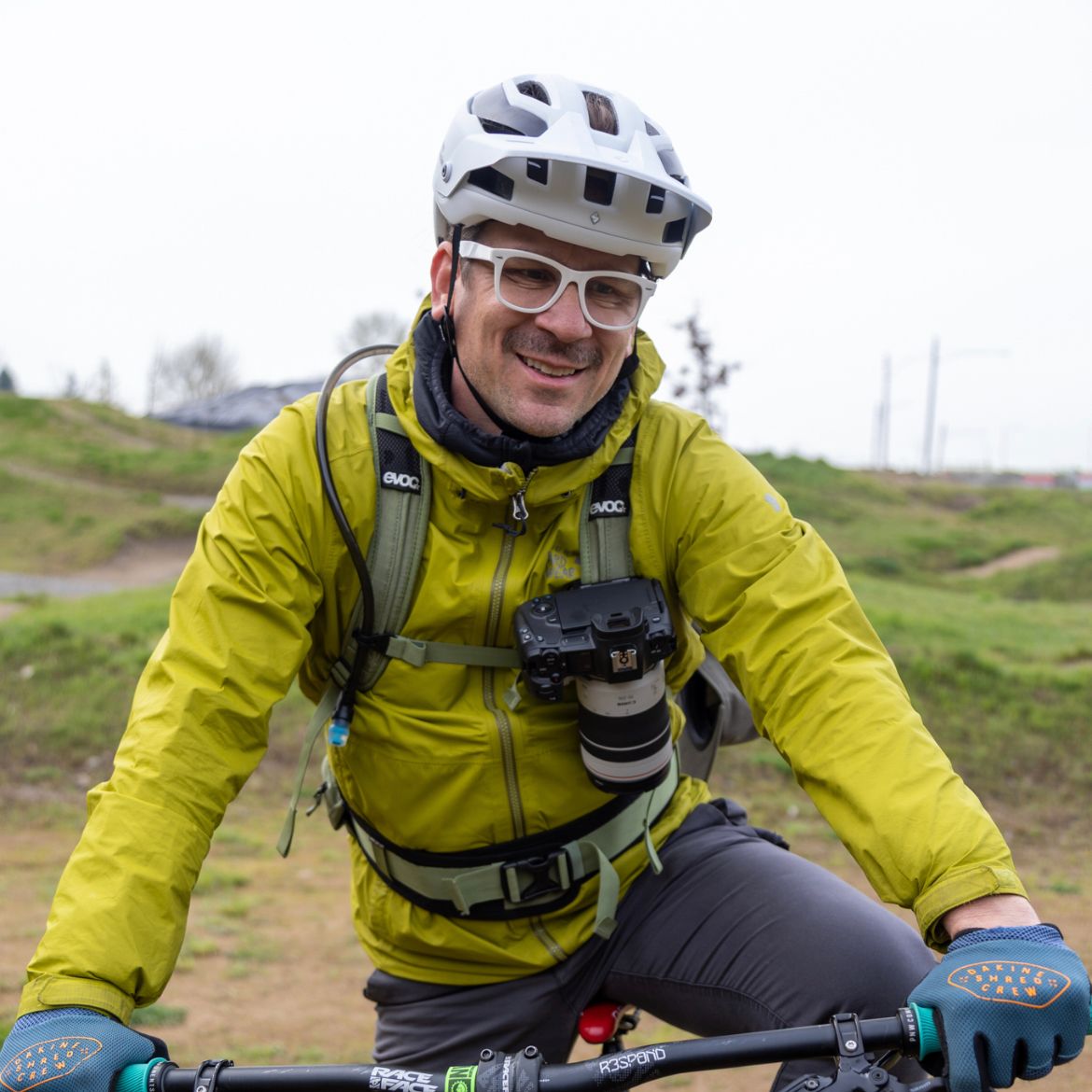
Sean Benesh
Sean Benesh is a storyteller and strategist based in Portland, Oregon. He works with rural communities, trail organizations, and race organizers to help them tell their stories, grow their online reach, and build momentum through photography, writing, and social media. He is the founder and editor-in-chief of Trail Builder Magazine and serves as the communications director for the NW Trail Alliance.