Why content marketing matters long before registration opens
Most race content shows up too late.
A registration announcement.
A reminder post.
A last-minute push when numbers feel soft.
By then, content is being asked to do a job it cannot do alone.
No one registers for a race they do not understand. No one commits to an experience they cannot picture. And no one travels to an unfamiliar place based on logistics alone.
For bike races, content marketing works best when it sells the experience before race day ever arrives. No, not in a promotional sense, but in a trust-building one.
This final piece in the series focuses on how races can use content marketing to build familiarity, confidence, and momentum long before the starting line. The same way rural communities build awareness, races need to help people visualize what they are signing up for.
Content marketing is part of the registration funnel, not an afterthought
Race directors often separate content into two buckets.
Before the race, content is promotional.
After the race, content is recap.
That framing misses the most important window.
Content marketing should live upstream in the registration funnel. Its job is not to convince someone to click Register. Its job is to reduce uncertainty so that clicking Register feels obvious when the time comes.
When content marketing is working, it answers questions people rarely ask directly.
What will this race feel like?
Who else shows up?
Is this my kind of event?
Is it worth the travel and effort?
Those answers are built slowly, not announced at once.
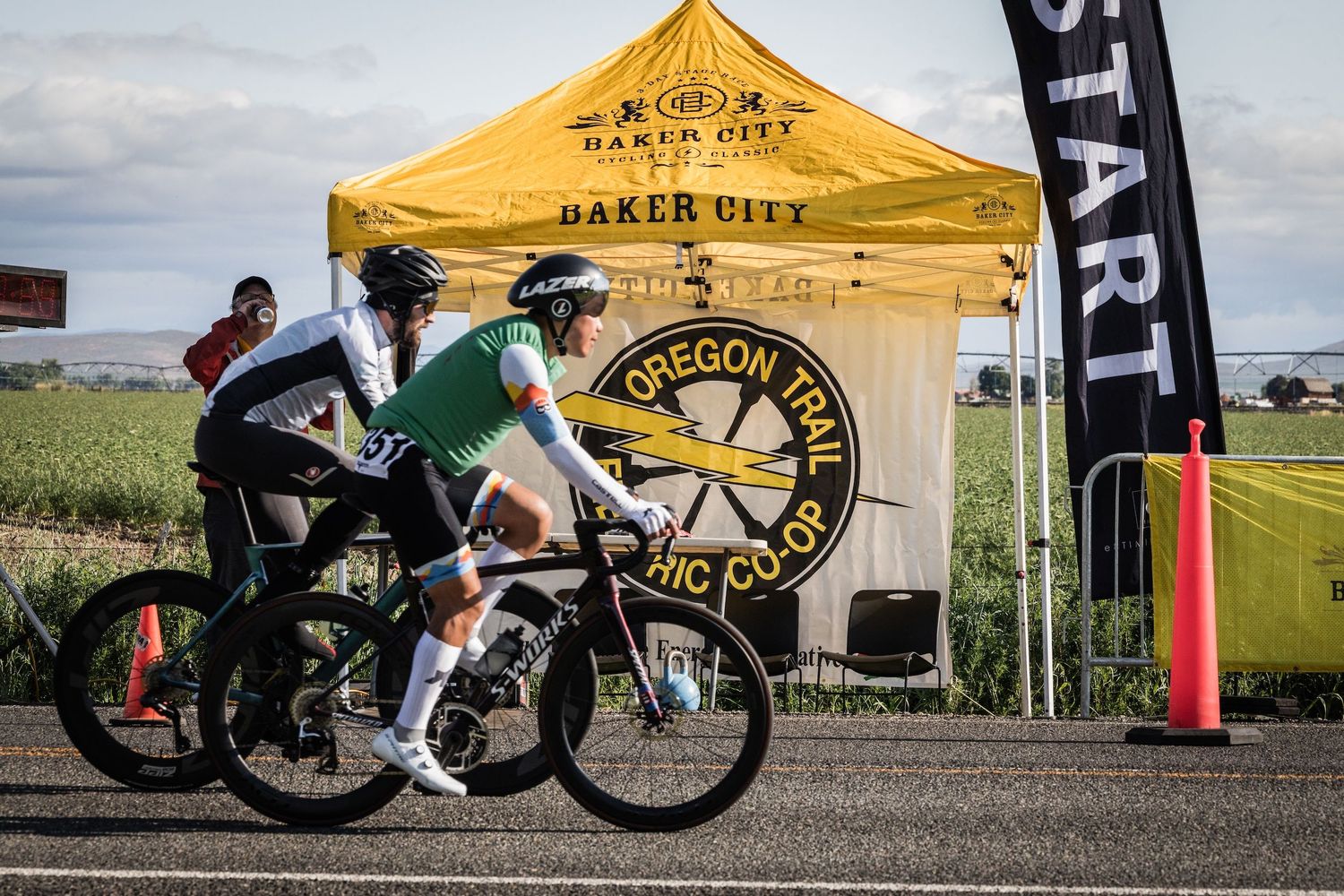
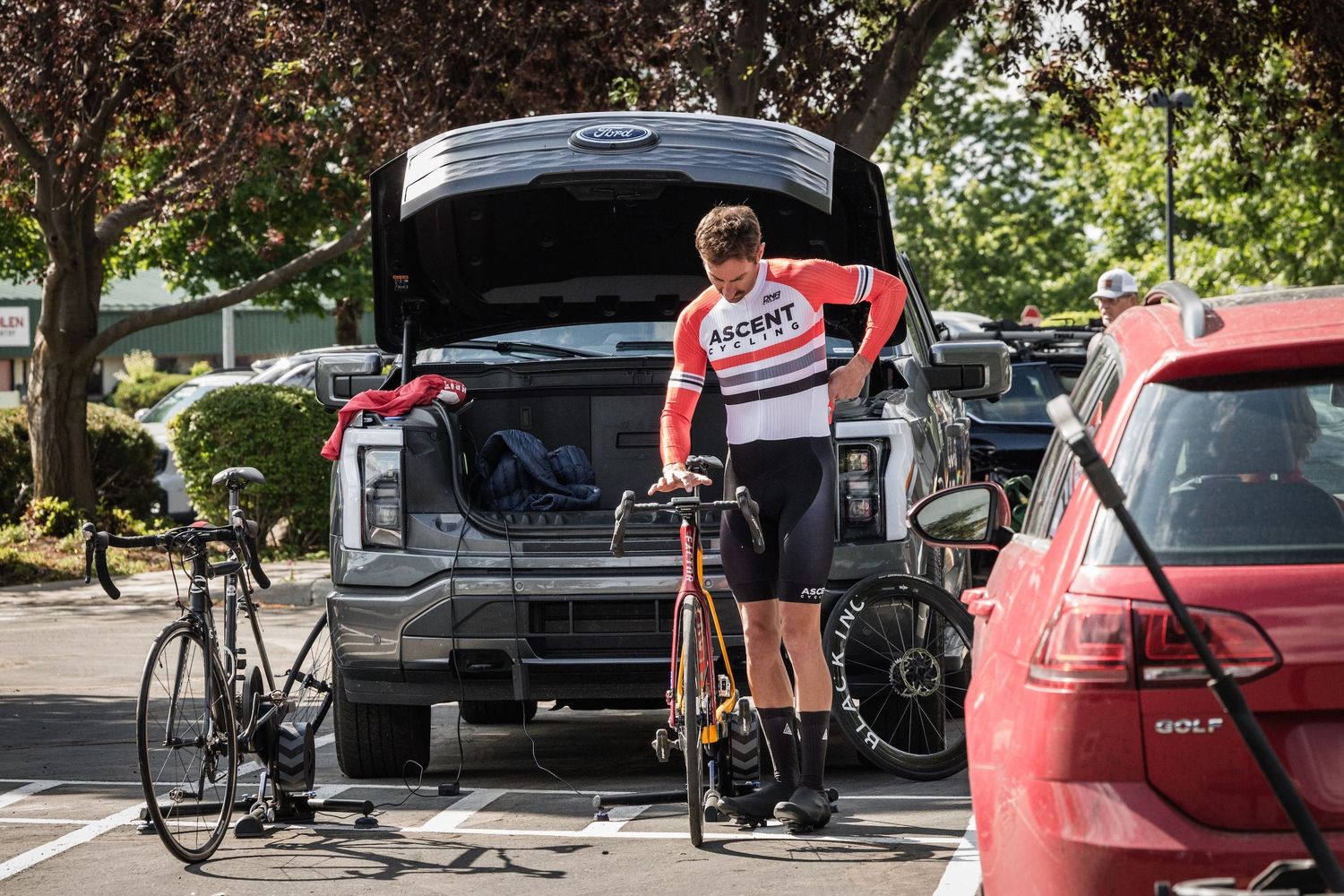
Showing preparation builds confidence
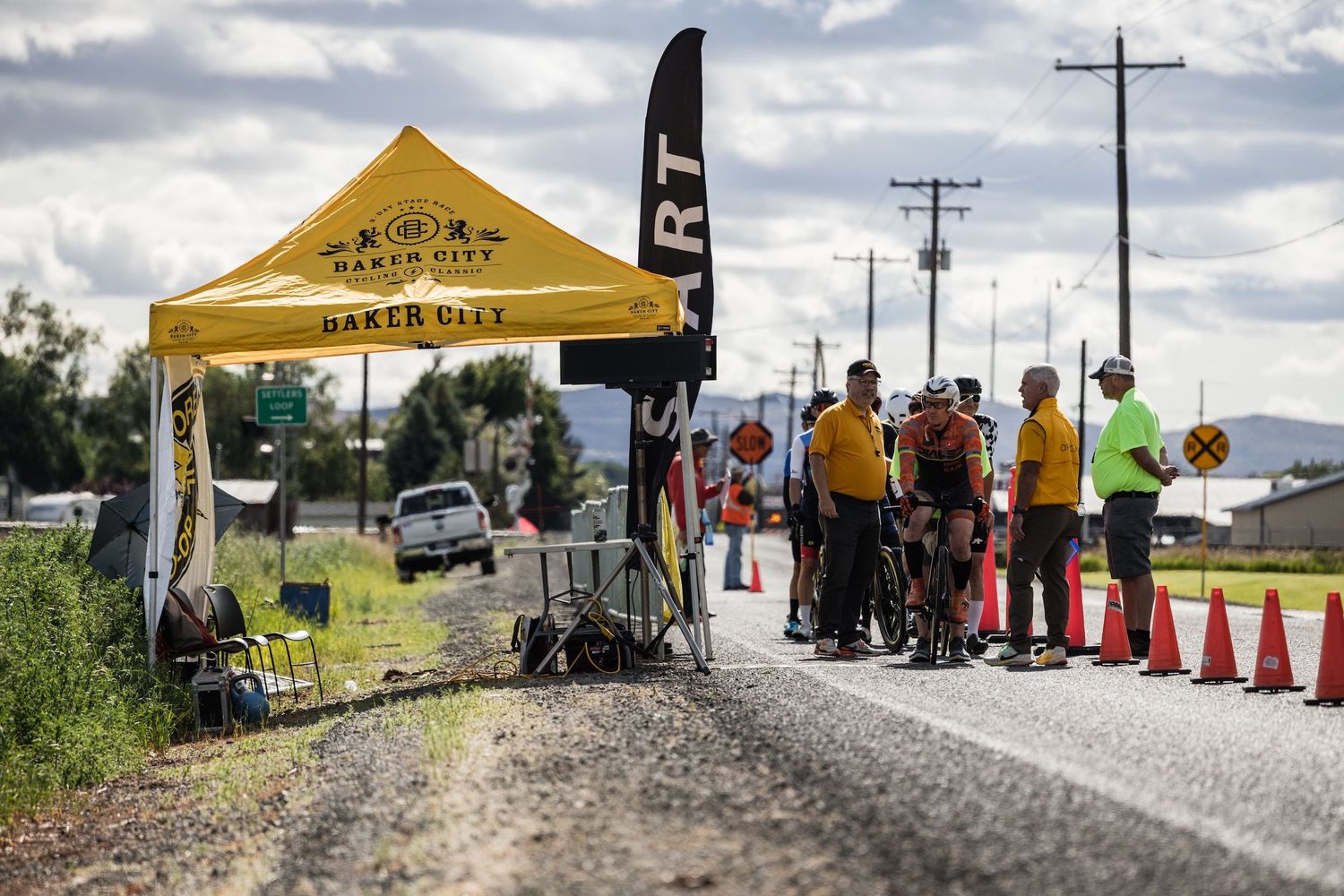
One of the most effective forms of pre-event content is preparation.
Course scouting.
Aid station planning.
Volunteers at work.
Early mornings and late afternoons.
This kind of content does not hype the race. It reassures people.
When riders see preparation, they see care. When they see care, they feel safer committing time, money, and energy.
Preparation content does so more than inform racers. It actually shows that the event is rooted in place, connected to community, and thoughtfully run. That confidence travels far beyond the people already registered.
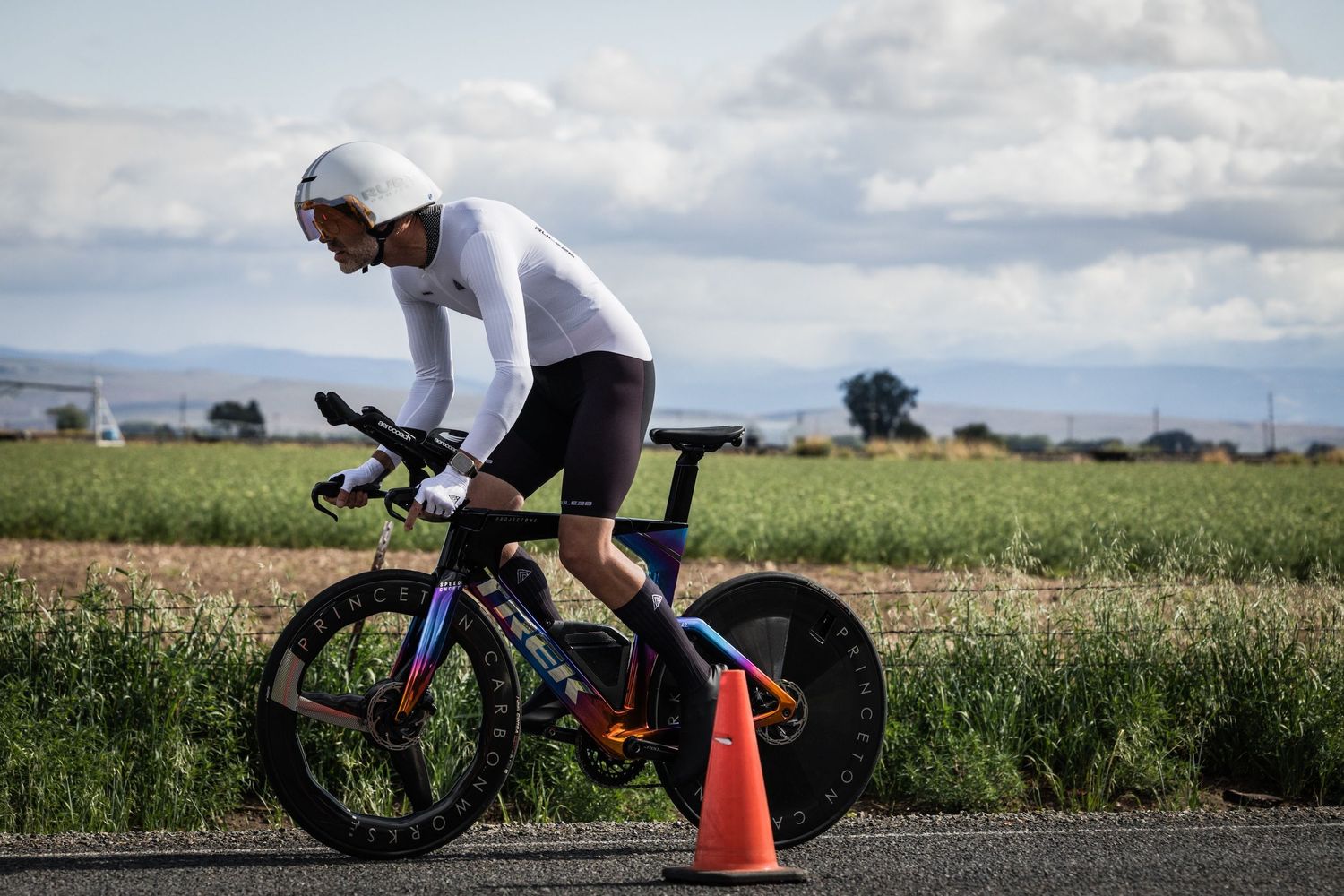
Terrain tells the story before words do
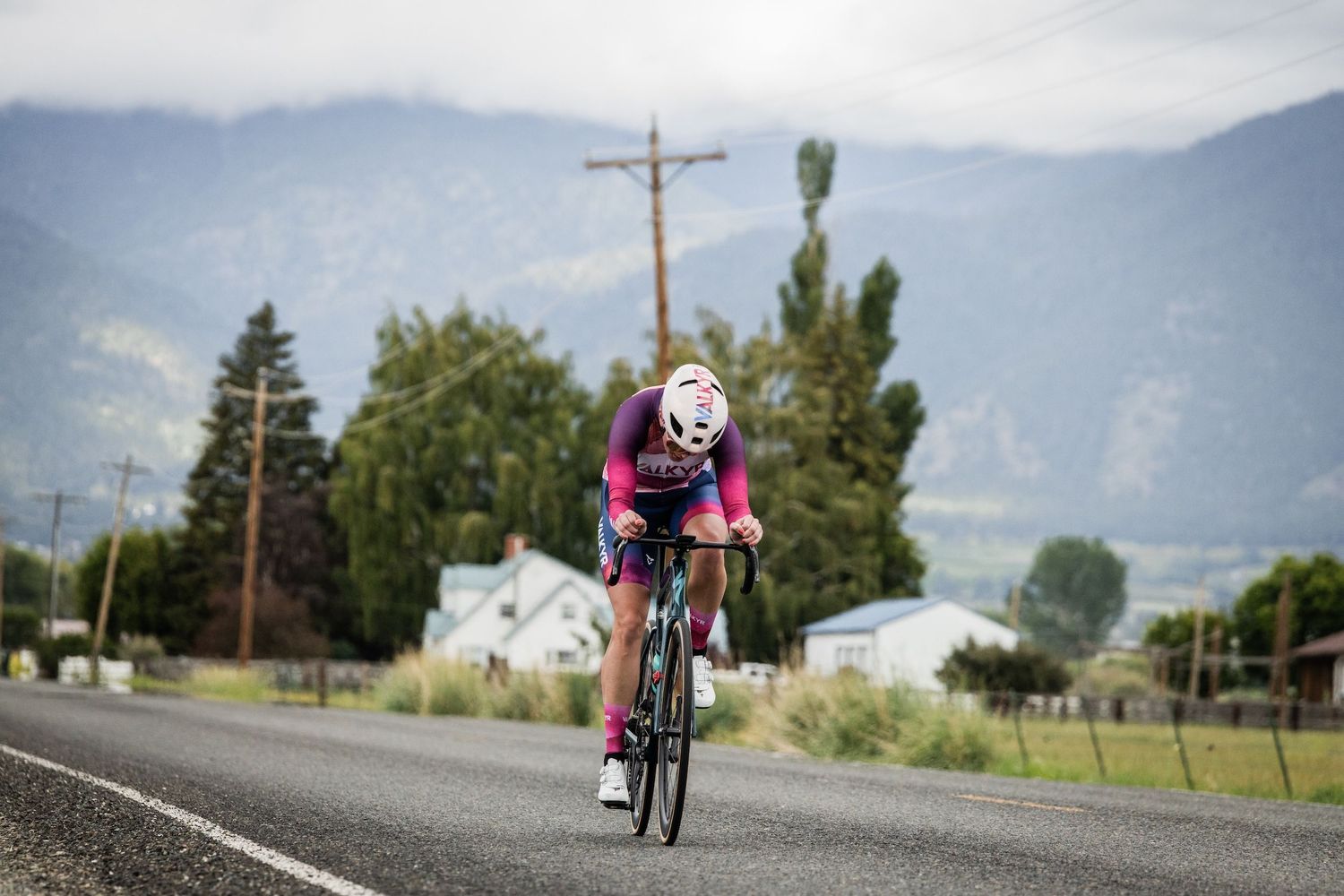
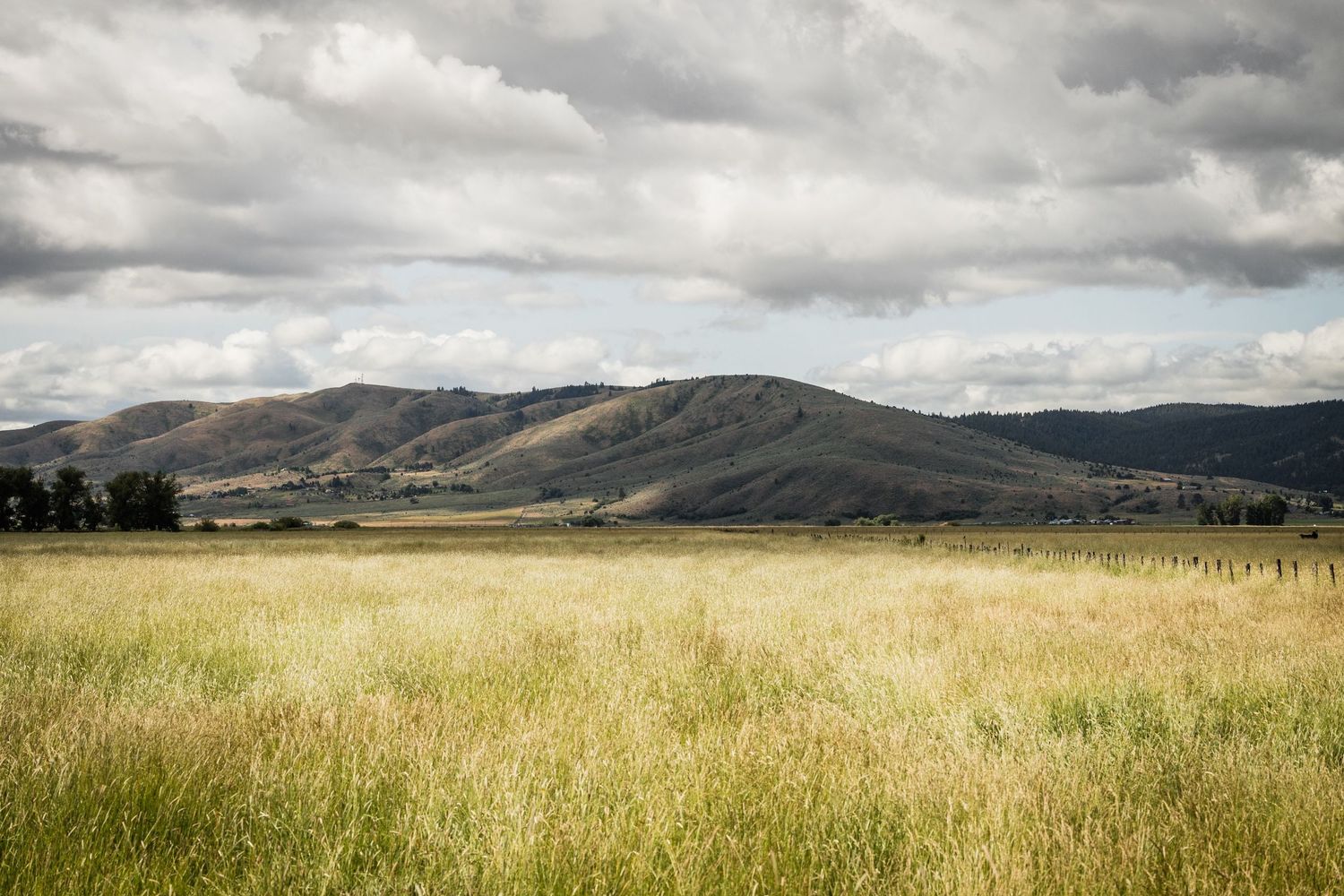
For bike races, terrain is not a detail. It is the experience.
Elevation.
Surface.
Weather.
Open space.
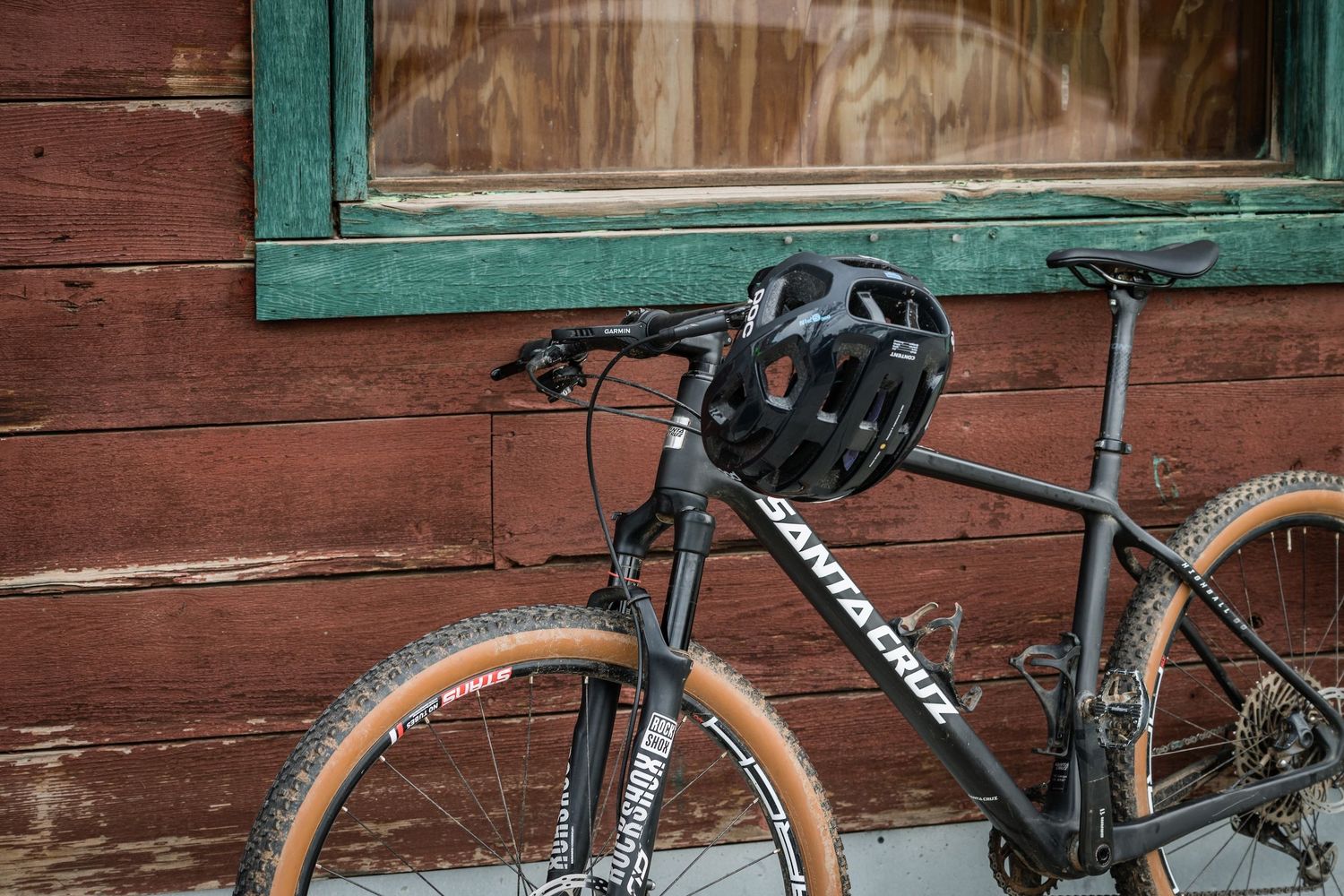
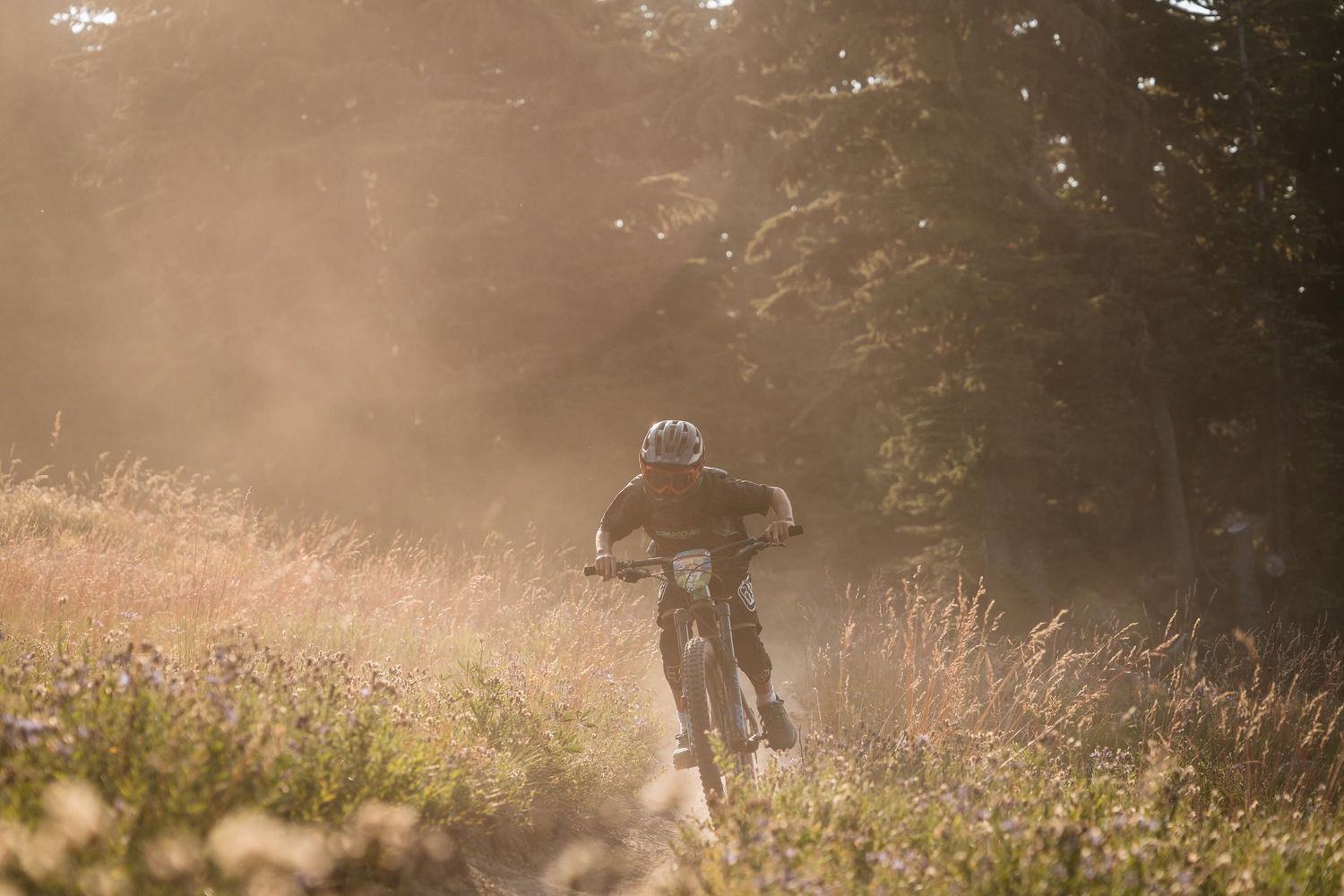
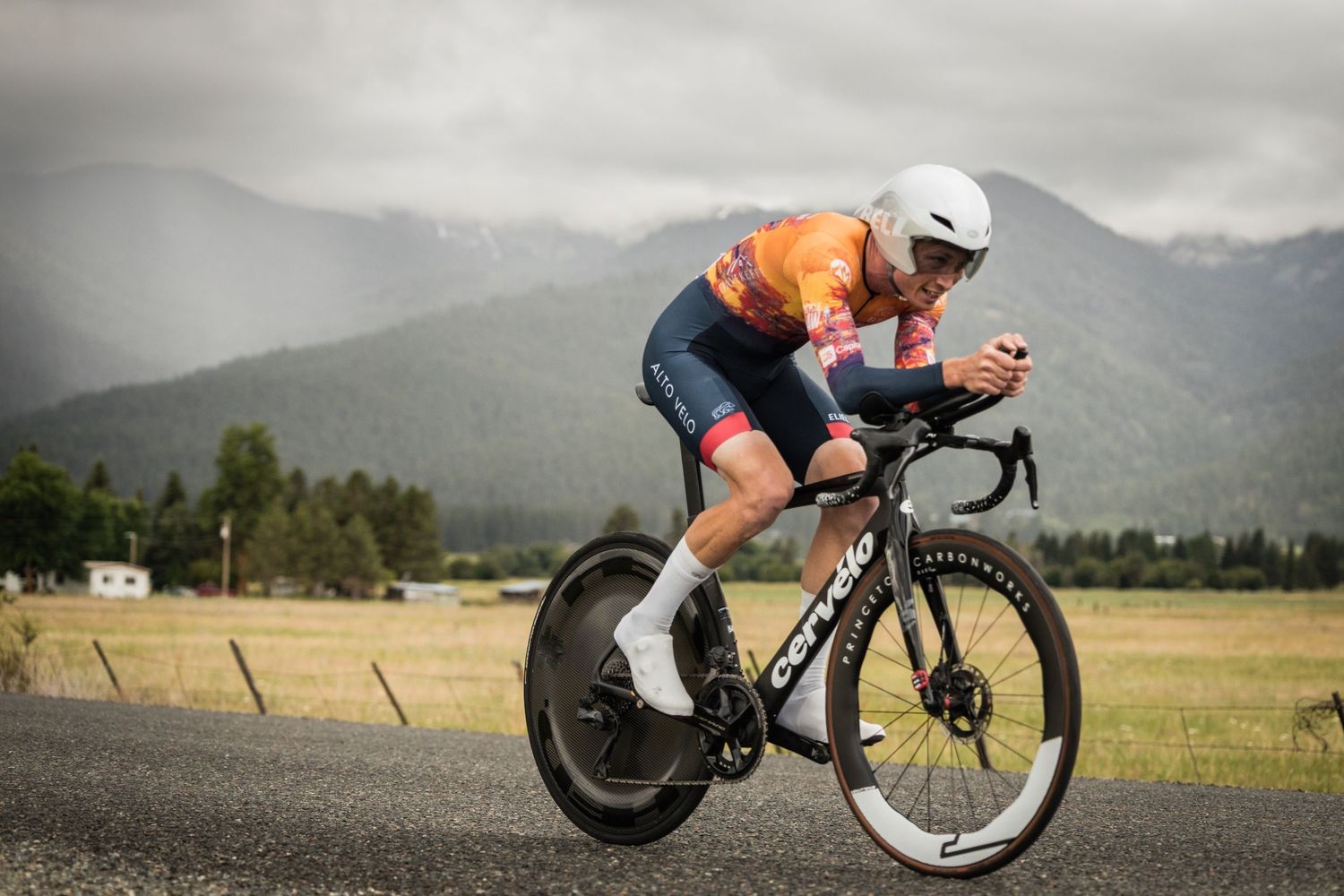
Race content works best when it helps people picture the landscape they will move through. Photography and short-form video do this better than any caption or description.
From a registration perspective, terrain content filters the audience in a healthy way. It attracts the right people and gently pushes away those who would not enjoy the experience.
This is a good thing.
The goal is not maximum registrations. It is aligned registrations.
Community matters more than competition
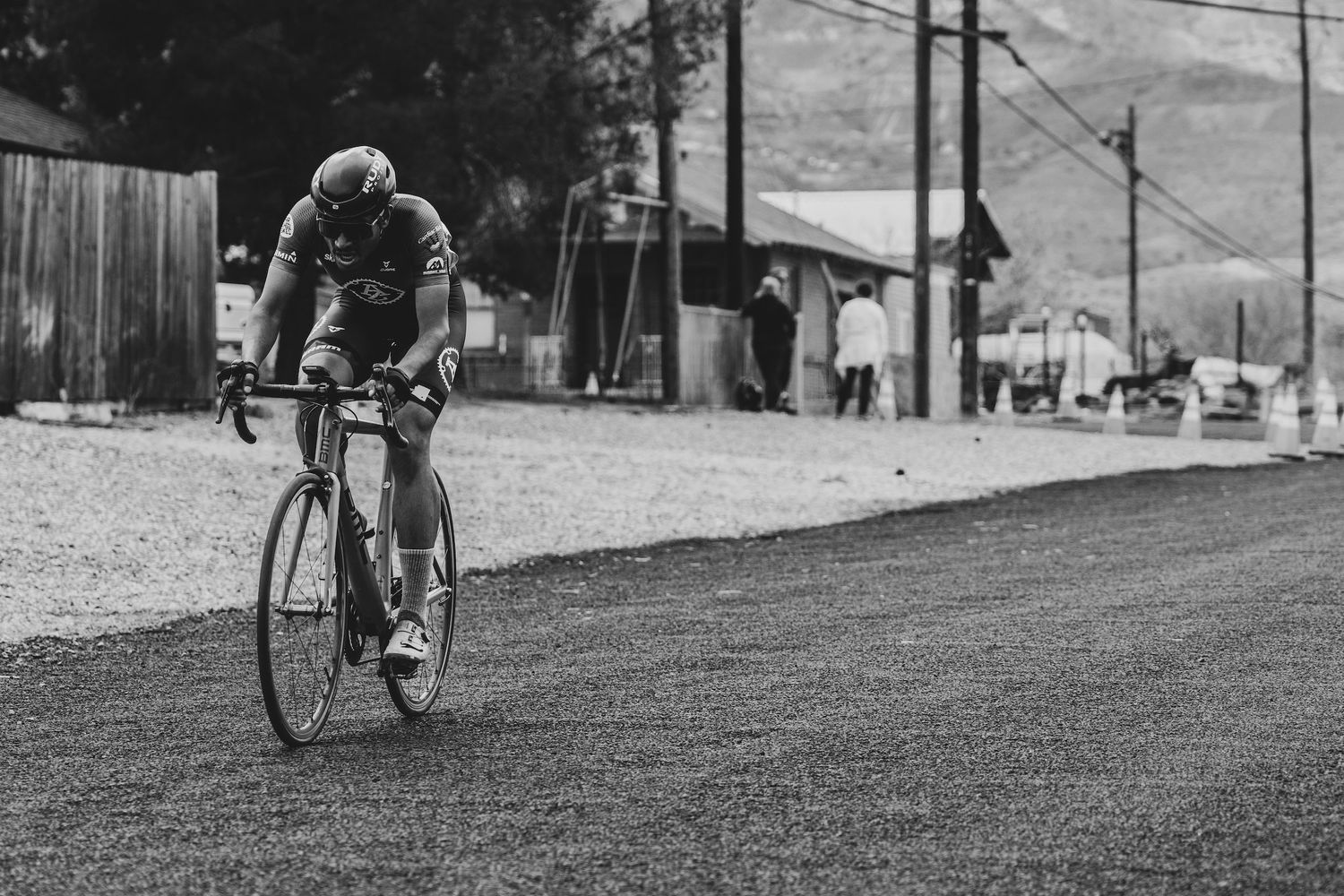
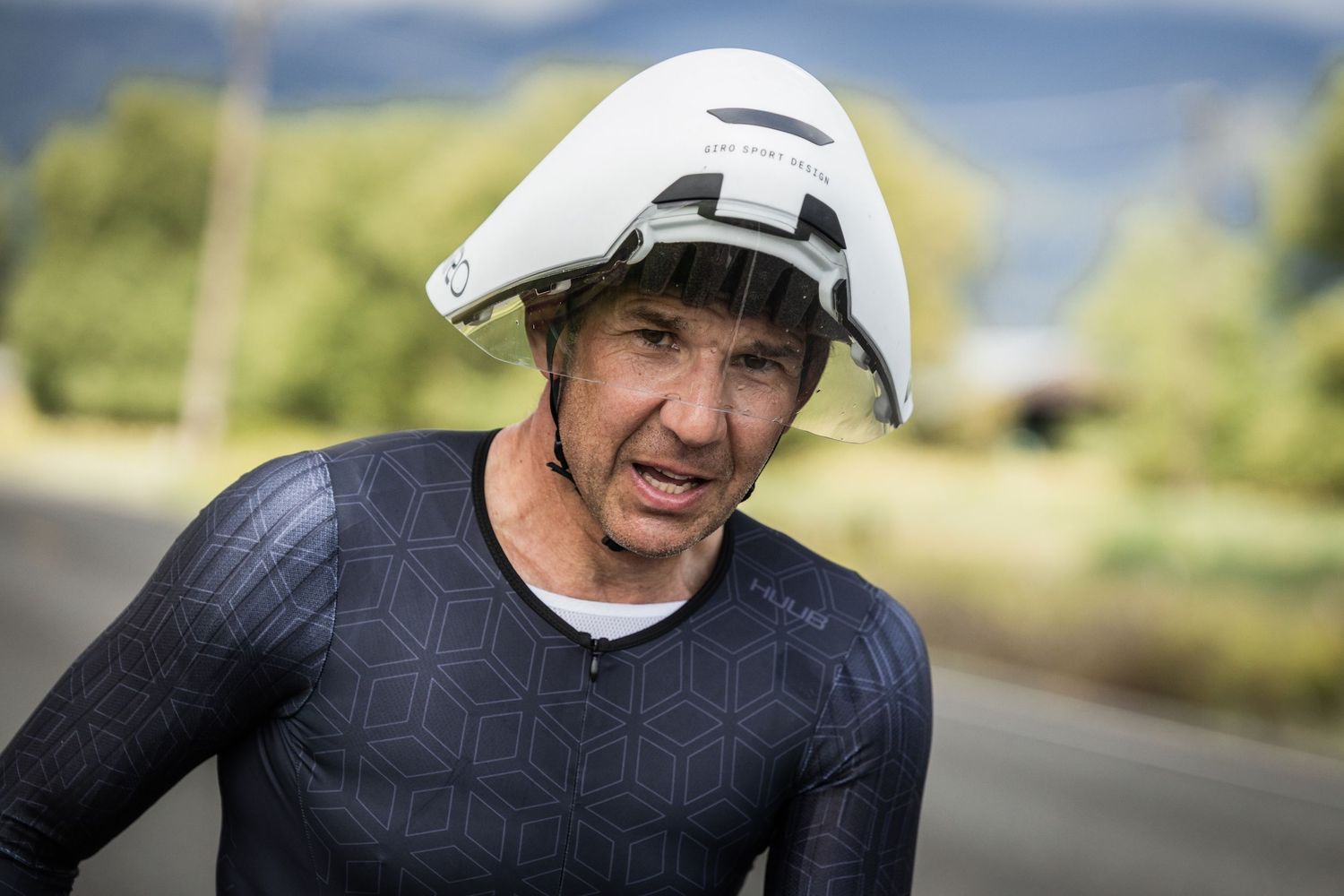
Race content often centers on performance. Podiums. Finish lines. Big efforts.
That content matters, but it is incomplete.
For many participants, the deciding factor is not competition. It is community.
Who is there.
How people interact.
What it feels like to belong.
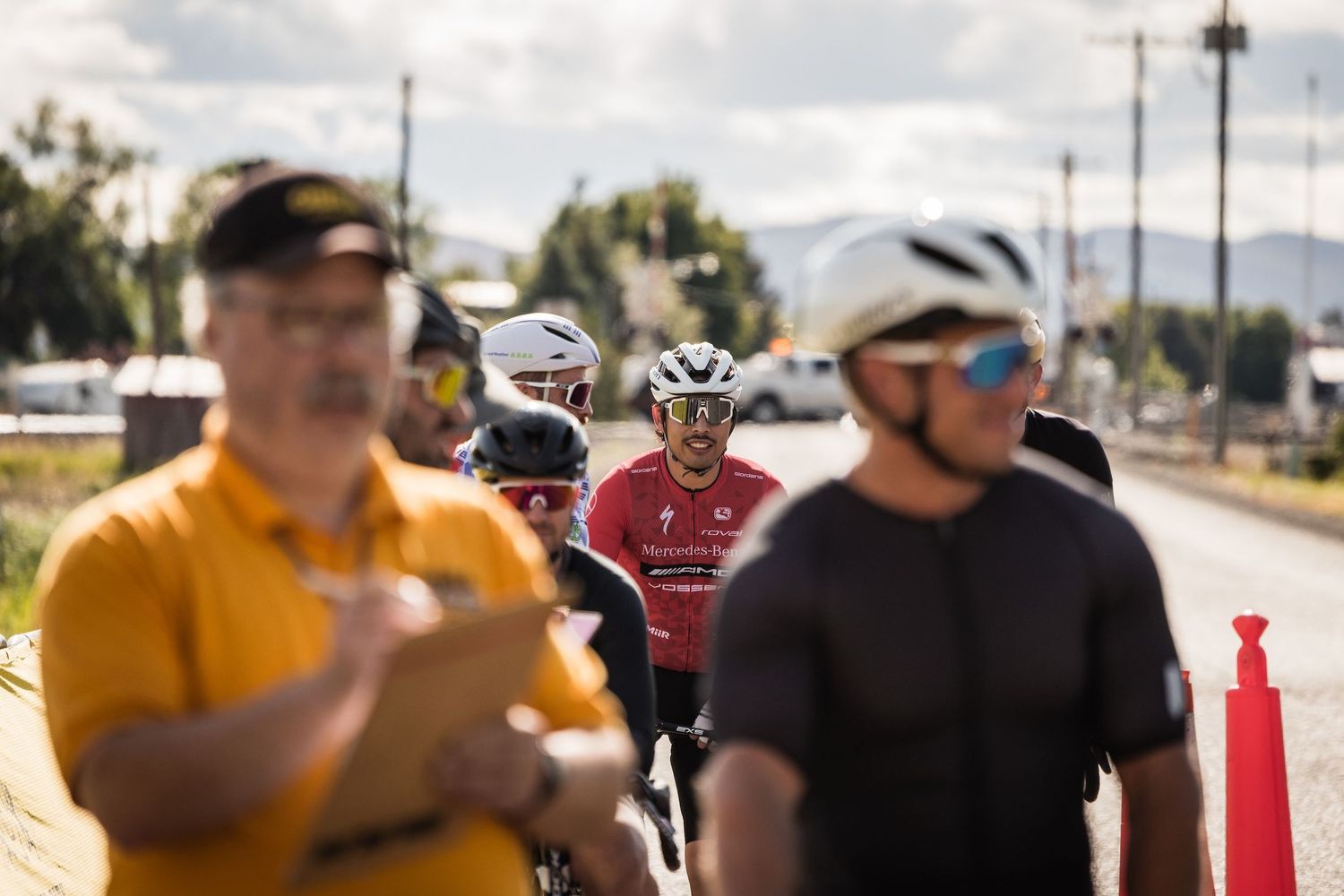
Content that shows volunteers, locals, shared meals, and small moments around the event expands the audience. It speaks not only to racers, but to families, partners, sponsors, and host communities.
Also, race content is not just for racers. It is for everyone deciding whether this event fits into their life. Most racers come with friends and family.
Content builds economic impact before race weekend
When content marketing works, its impact extends beyond registration numbers.
It shapes travel decisions.
It influences length of stay.
It affects where people eat, sleep, and spend.
By helping people understand the place hosting the event, content encourages deeper engagement. Riders arrive earlier. They stay longer. They explore more.
From an economic impact standpoint, this is where content marketing quietly does its most valuable work. Awareness turns into visitation. Visitation turns into spending. All before race day arrives.
Why recap content is not the main event
Post-race content matters. It reinforces memory and helps past participants relive the experience.
But recap content should not carry the weight of future registration.
The most effective race content is created months before race day. It builds familiarity gradually so that when registration opens, the audience is already warm.
If your content only makes sense after someone has attended, it is not doing its full job.
A clearer way to think about race content
Here is a simple reframing for race directors.
Content marketing is not merely promoting a date.
It is selling the experience ahead of time.
That experience includes:
- Preparation
- Terrain
- Community
- Place
When races treat content as infrastructure rather than hype, registration becomes a byproduct rather than a battle. That's a theme repeated throughout this series. Content as infrastructure.
Where this leaves us
Across rural communities and bike races, the pattern is consistent.
Content marketing works when it builds familiarity before asking for action. When it helps people picture themselves in a place. When it shows care, preparation, and purpose.
For races, that work starts long before race day. And when it is done well, it fuels registration, strengthens community relationships, and increases economic impact without ever feeling pushy.
This series has been about reframing content marketing from promotion to infrastructure. For towns. For races. For places and events that depend on trust.
If you are organizing an outdoor event and trying to grow it sustainably, this is the work I spend most of my time in. Keep following along. I will keep sharing what I am seeing.
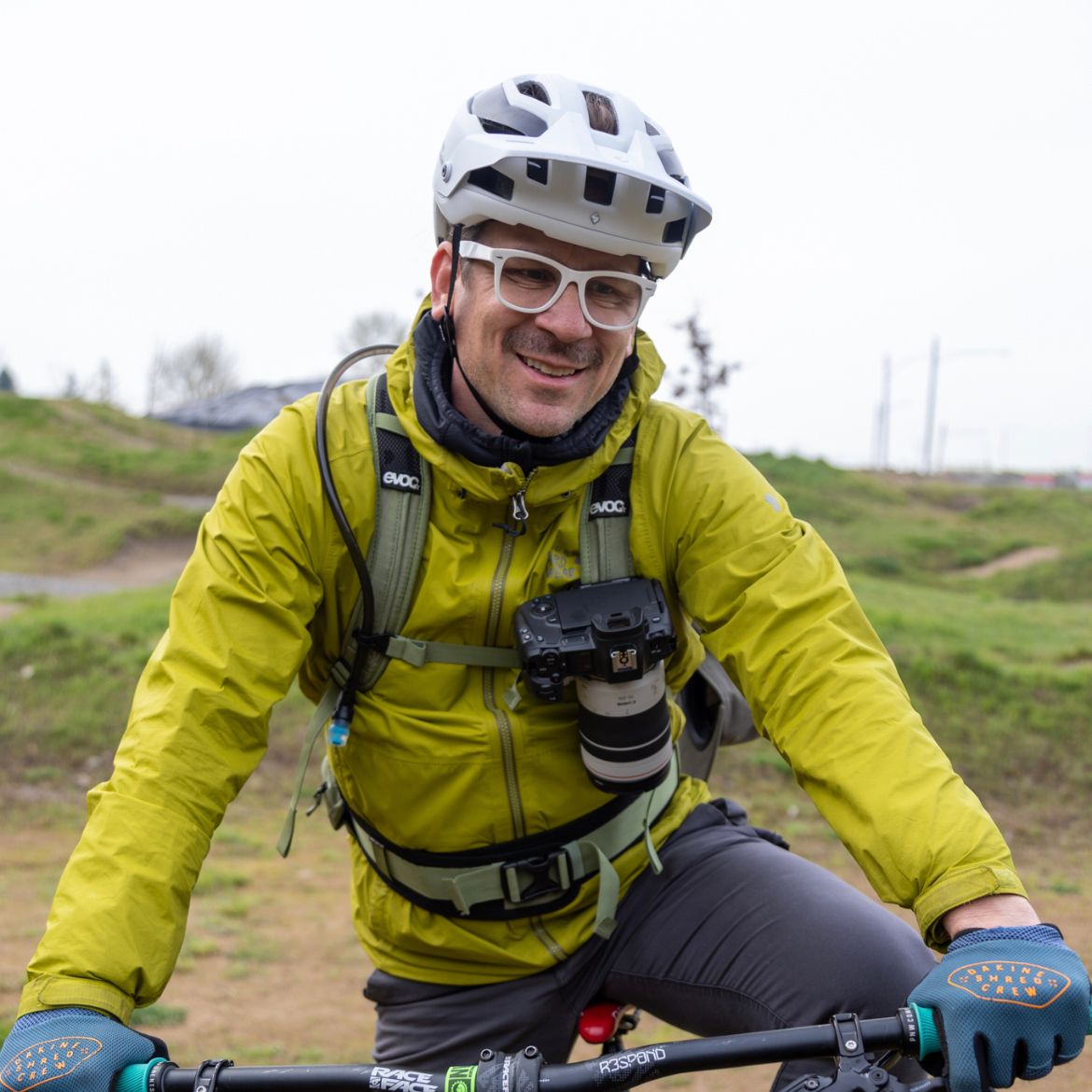
about the author
Sean Benesh
Sean Benesh is a storyteller and strategist based in Portland, Oregon. He works with rural communities, trail organizations, and race organizers to help them tell their stories, grow their online reach, and build momentum through photography, writing, and social media. He is the founder and editor-in-chief of Trail Builder Magazine and serves as the communications director for the NW Trail Alliance.