Why the quiet middle matters more than race week
After registration opens and before race day arrives, many races go quiet.
There is nothing new to announce.
No deadlines to push.
No obvious reason to post.
So content pauses. Or disappears. Or slows waaaaaayyyy down ...
This stretch, the months between announcements, is the longest part of a race’s story. It is also the most underused. Not because race directors do not care, but because they are unsure what belongs there.
The assumption is simple. If there is nothing new to say, there is nothing to share.
That assumption is wrong.
The story of a race is not built on race weekend. It is built in the quiet middle. This is where familiarity forms, confidence grows, and decisions begin to take shape.
This piece focuses on what storytelling actually looks like when nothing is happening, and why this middle space matters more than most race directors realize.
The long stretch every race underuses
Every race follows the same basic rhythm.
An announcement.
A registration window.
Then a long stretch where the event exists quietly.
Most content strategies are built around moments of activity. Posts spike when something opens or closes.
Everything in between feels optional.
But silence does not create anticipation. It creates distance.
For someone unfamiliar with your race, months of quiet suggest uncertainty. It signals that the event is easy to forget, even if the experience itself is strong.
The quiet middle is not empty. Rather, I strongly believe it is foundational.

Why announcements alone cannot carry your story
Announcements are necessary. They communicate information. Dates, pricing, deadlines, logistics.
What they do not do is build understanding.
Announcements assume familiarity. They assume people already know what your race feels like, who it is for, and why it is worth the effort. For returning participants, that may be true. For everyone else, it is not.
When content only shows up for announcements, it feels transactional. It asks for attention without earning context first.
Storytelling fills that gap. It does not replace announcements. It makes them land on familiar ground.

What storytelling looks like when nothing is happening
Storytelling between announcements is not about promotion. It is about presence.
This kind of content does not try to convince. It shows what exists and how things are taking shape. Over time, those signals compound.
In practice, this storytelling usually falls into a few simple buckets.
Preparation.
People.
Place.
Rhythm.
Not tactics. Attention.
Preparation is part of the story
Preparation is one of the most overlooked forms of race storytelling.
Course scouting.
Route planning.
Aid station logistics.
Early mornings and long afternoons.
This work rarely feels like content while you are doing it. From the outside, it signals care. It shows the event is thoughtful, intentional, and real.
Preparation content does not hype the race. It reassures people. And reassurance matters when you are asking for commitment months in advance.

Familiar faces and familiar places build trust
People trust what feels familiar.
When the same faces appear over time, organizers, volunteers, and locals, the race starts to feel human. When the same places show up repeatedly, roads, trailheads, and town centers, the setting becomes recognizable.
This repetition is not accidental. It is how people decide whether something feels right for them.
Much of this content is not for people who have already registered. It is for those quietly watching, learning, and deciding. They may never interact. They are still paying attention. Most social media users are passive viewers ... they scroll, watch stories/Reels, or view content without liking/commenting/sharing.
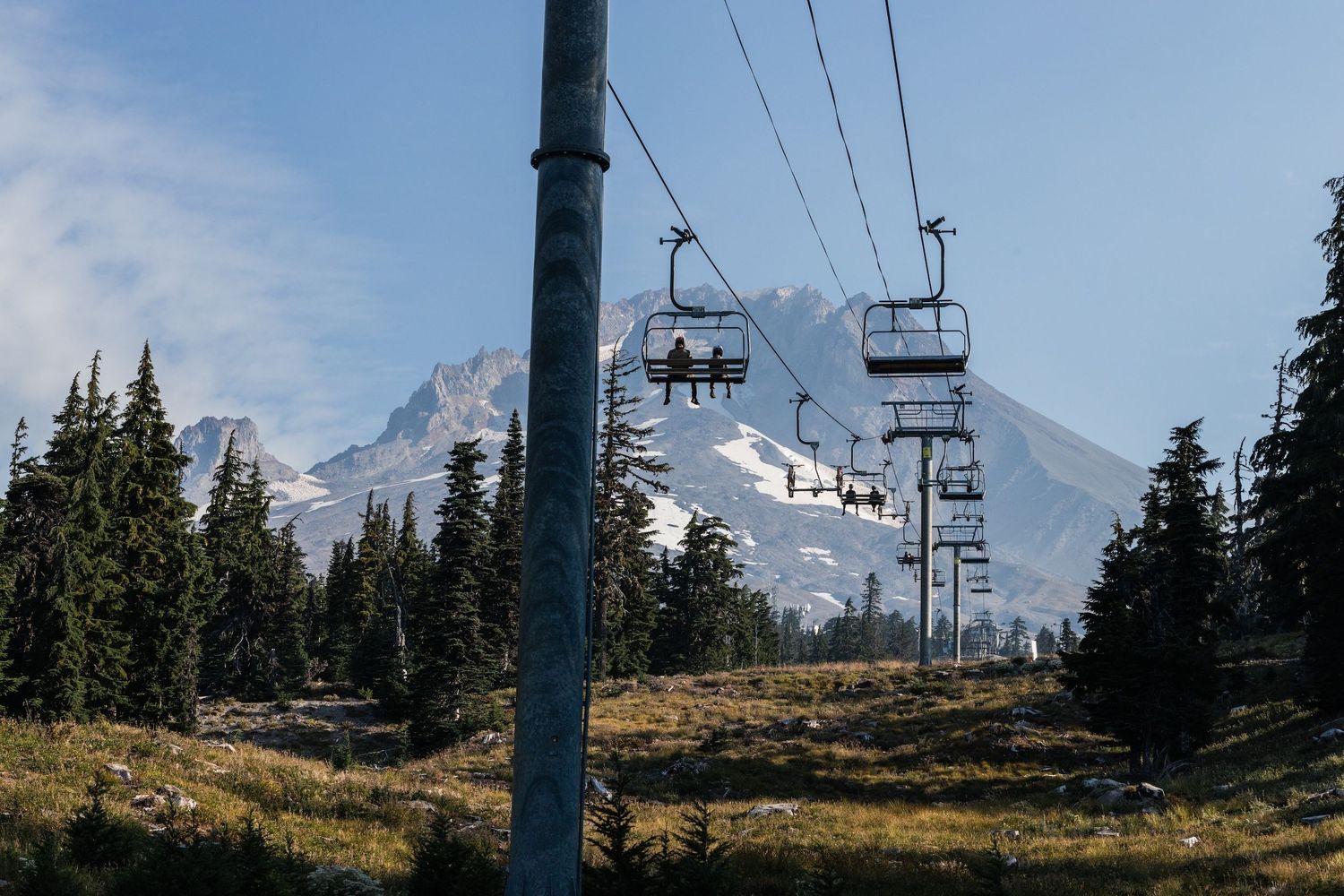
Repetition is the point, not the problem
A common fear among race directors is that their content feels repetitive.
That fear comes from being too close to the work.
From the inside, you see everything. From the outside, people see fragments. Repetition is how those fragments become a clear picture.
For races that require travel, preparation, and recovery, familiarity lowers friction. Novelty may grab attention. Familiarity builds confidence.

A calmer way to think about the quiet middle
This is not necessarily about posting more content. It is about staying visible.
Small, steady signals outperform bursts of activity, especially for events that depend on trust and commitment.
The quiet middle is not a gap to fill. You're pitching a tent in that quiet middle.
When storytelling shows up consistently between announcements, registration does not feel like a leap, but more like the next step.

The story does not pause just because announcements do
If the only time your race tells its story is when there is something to announce, most people will never hear it.
The story starts months before race day. It unfolds through preparation, repetition, and presence.
In the next piece, I will look at why big moments alone do not move registration, and how storytelling works best when it builds context long before the highlight reel.

about the author
Sean Benesh
Sean Benesh is a storyteller and strategist based in Portland, Oregon. He works with rural communities, trail organizations, and race organizers to help them tell their stories, grow their online reach, and build momentum through photography, writing, and social media. He is the founder and editor-in-chief of Trail Builder Magazine and serves as the communications director for the NW Trail Alliance.