
How races build familiarity over time
The race directors that I know do not want to sell harder.
They already feel the weight of promotion. The pressure to post. The anxiety around registration numbers. The sense that every piece of social media or email newsletter content needs to perform immediately.
That pressure often leads to urgency. Louder messaging. More reminders. A harder push.
Urgency rarely builds trust.
But storytelling works differently. It does not ask people to act right away. It helps them understand first.
This article reframes storytelling as something sustainable for race directors. Not a campaign. Not a tactic. But a long-term way of helping people get familiar with your race before they ever decide to register.
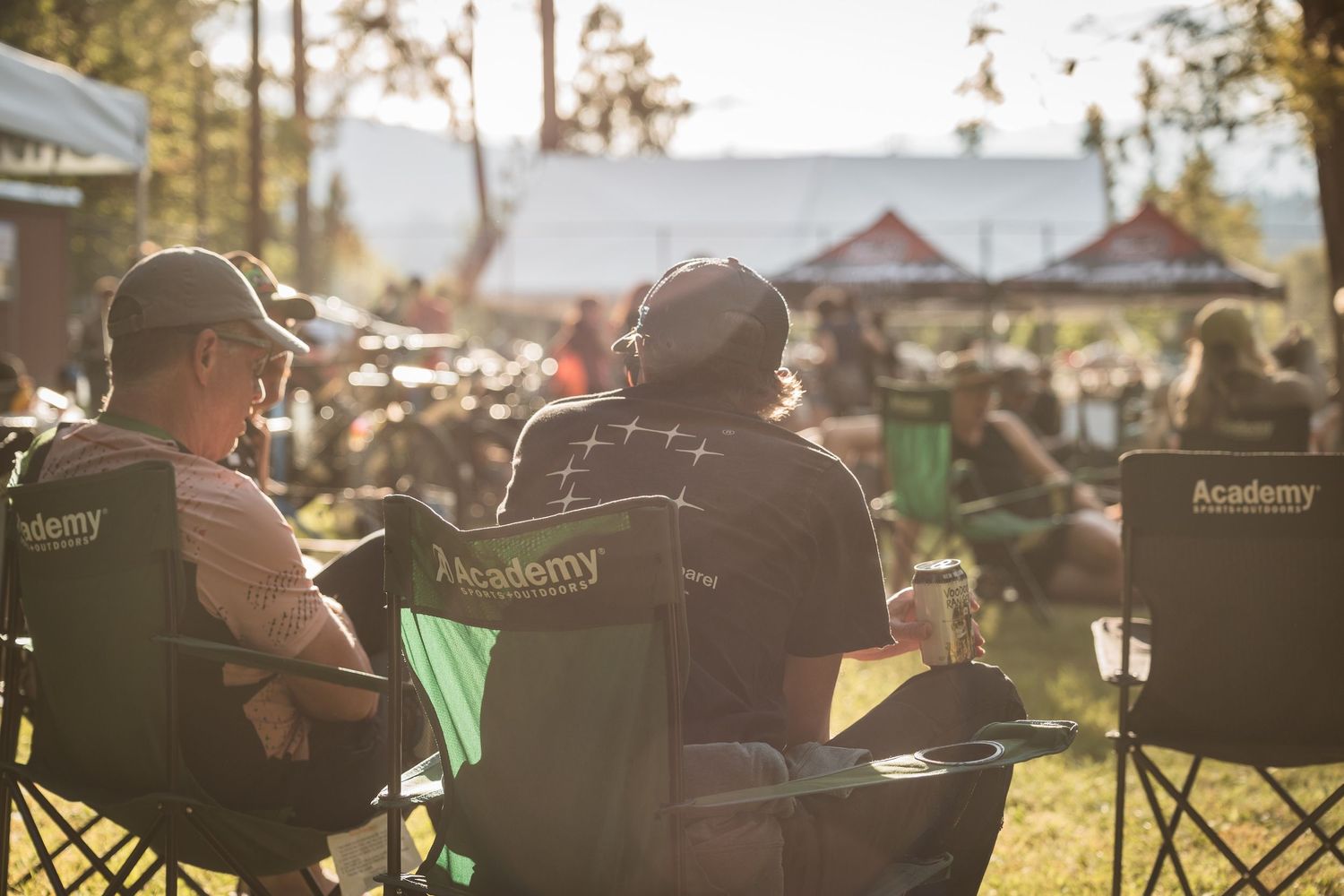
Storytelling as sequencing, not individual posts
It's easy to treat race content as isolated posts.
One photo.
One update.
One announcement.
Each piece stands alone and is judged by its performance.
Storytelling is not about individual posts. It is about how content connects over time.
Sequencing means thinking less about what you post today and more about what someone understands after following your race for weeks or months.
Do they recognize the place?
Do they understand the tone of the event?
Do they know who this race is for?
Those answers are shaped gradually through accumulation, not spikes.
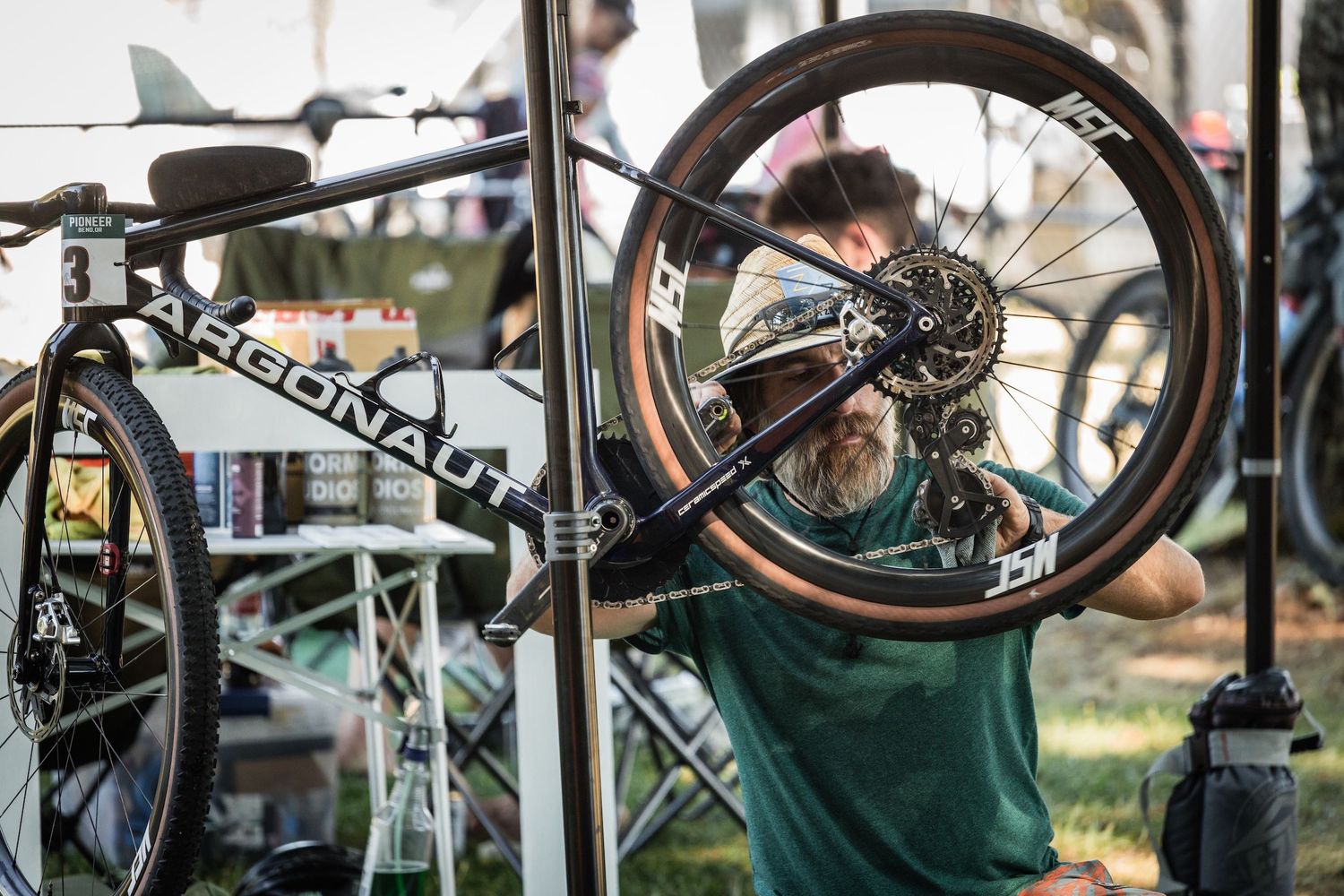
Why repetition in race storytelling builds trust
As one who creates and posts a lot of race content each and every day, repetition often feels uncomfortable.
You have already shared the route.
You have already shown the town.
You have already talked about volunteers or preparation.
From the inside, it feels redundant.
From the outside, it feels reliable.
This is the drum I've been beating in each article in this series.
You see, most people see fragments, not everything. Repetition is how those fragments form a clear picture.
Trust grows when people encounter the same ideas, places, and faces over time. Familiarity reduces hesitation.
Repetition is not noise when it is intentional. It is reassurance.
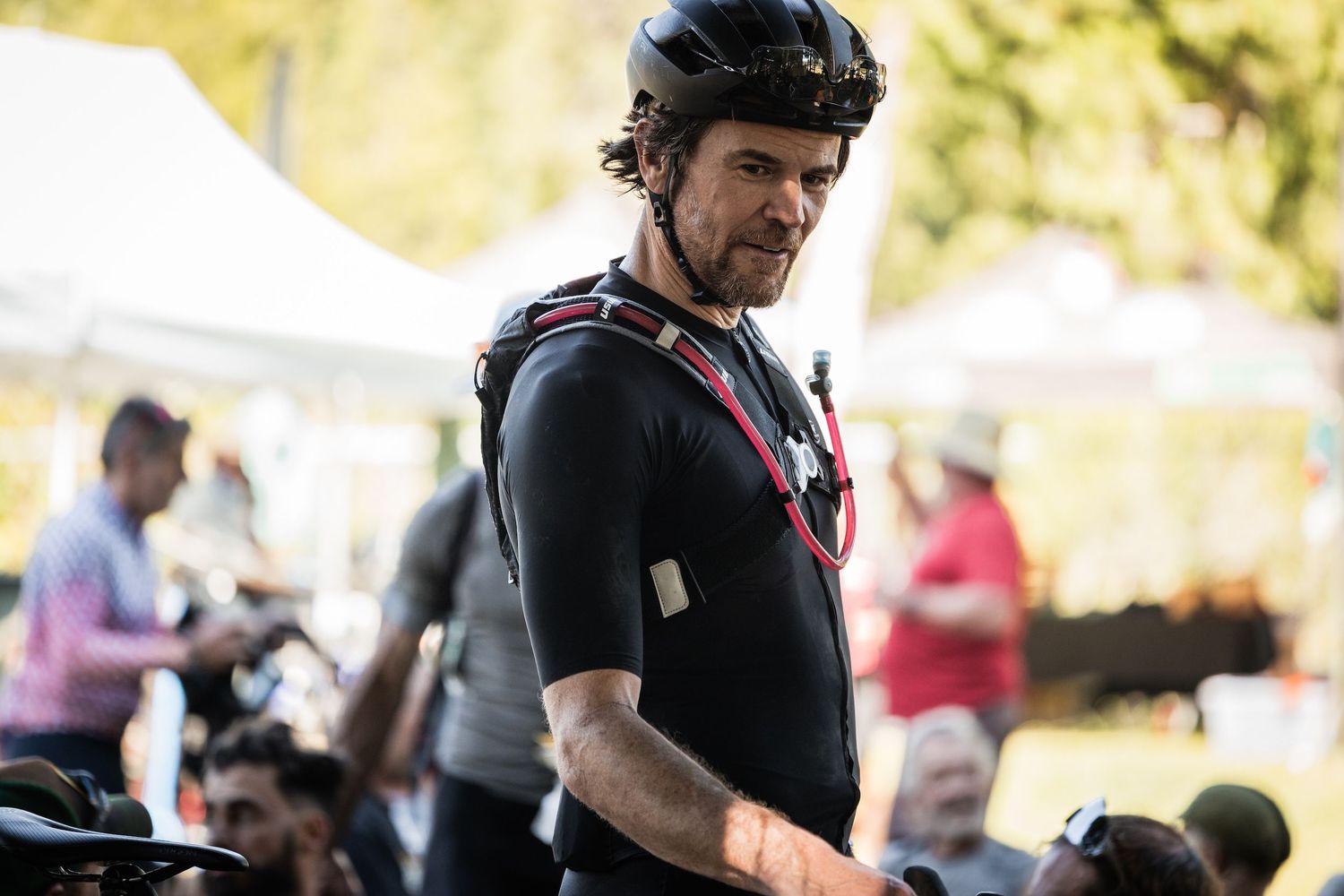
How content marketing reduces uncertainty before registration
Urgency asks people to act before they feel ready. It's high pressure.
Storytelling helps people feel ready before they are asked to act.
For races, uncertainty usually sounds like this:
- What will the course actually feel like?
- Who shows up to this event?
- Is this my kind of race?
- Is the travel and effort worth it?
Content that reduces uncertainty shows preparation, people, terrain, and routine. It clarifies rather than exaggerates.
Urgency can create clicks. Understanding creates commitment.
When people feel informed and familiar, registration feels less like a decision and more like a next step.

Why selling harder hurts race registration
When registration feels slow, the instinct is often to sell harder.
More reminders.
More urgency.
More emphasis on deadlines.
The problem is that selling harder does not solve uncertainty. It amplifies it.
If someone does not yet understand your race, pressure creates distance rather than momentum.
Storytelling does not replace promotion. It makes promotion easier. It gives it something to land on.
When storytelling is present, registration announcements feel like invitations, not demands.
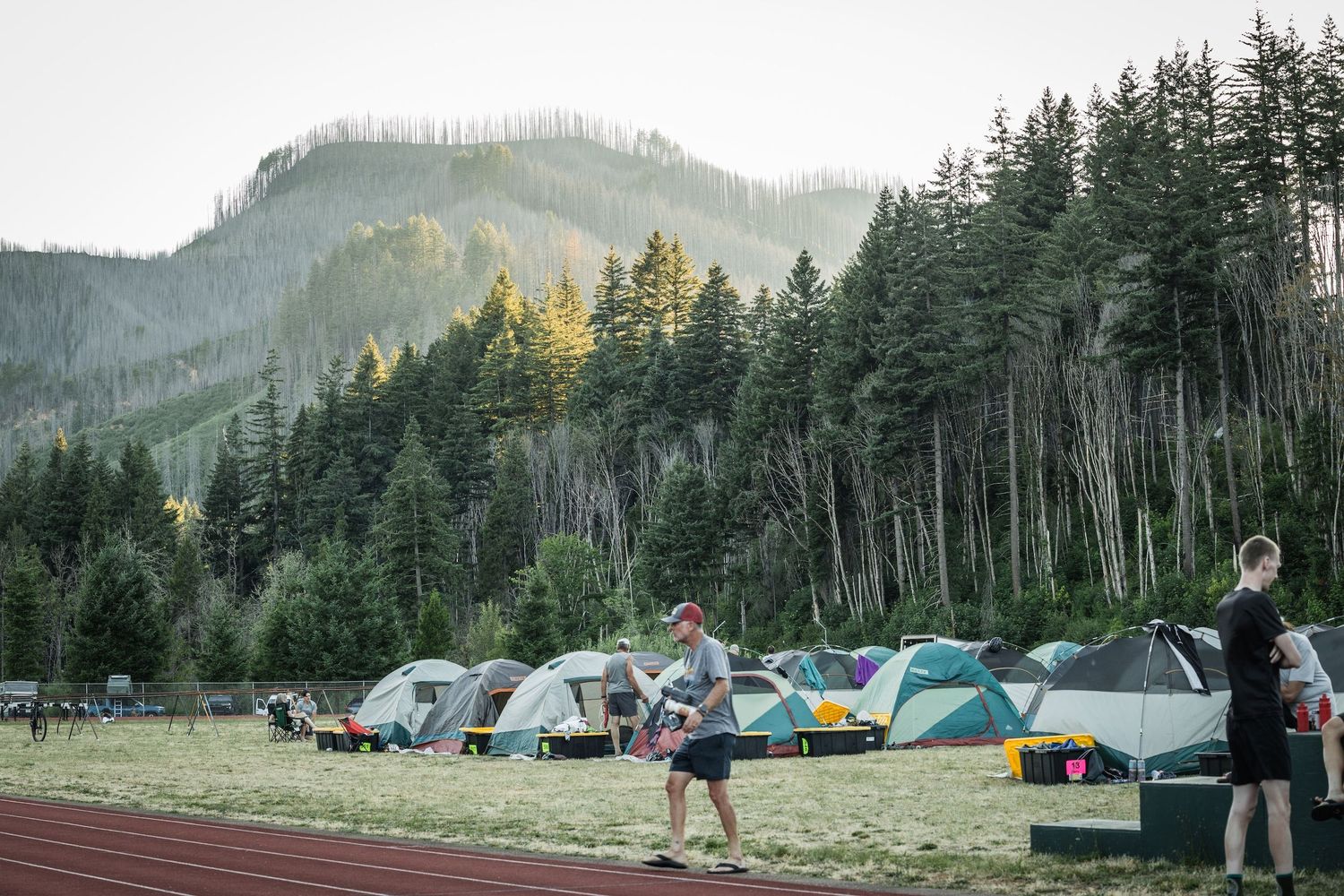
A sustainable content marketing mindset for race directors
Storytelling is not something you turn on when numbers feel soft.
It is something you practice over time.
That shift changes how content feels to make.
You stop asking whether a post worked.
You start noticing whether people recognize the race.
You stop chasing spikes.
You start building familiarity.
This approach is quieter and slower. It is also more sustainable for small teams and race directors with limited time and energy.
You do not need to sell harder.
You just need to be understood.

Where this leaves race directors
Across this series, the pattern has been consistent.
The story starts months before race day.
The quiet middle matters.
Consistency builds momentum.
Storytelling reduces uncertainty.
Storytelling is not promotion. It is orientation.
It helps people place themselves inside the experience before they commit to it.
In the final piece, I will focus on how this approach supports registration decisions without turning content into a constant sales pitch.
That is where everything comes together.
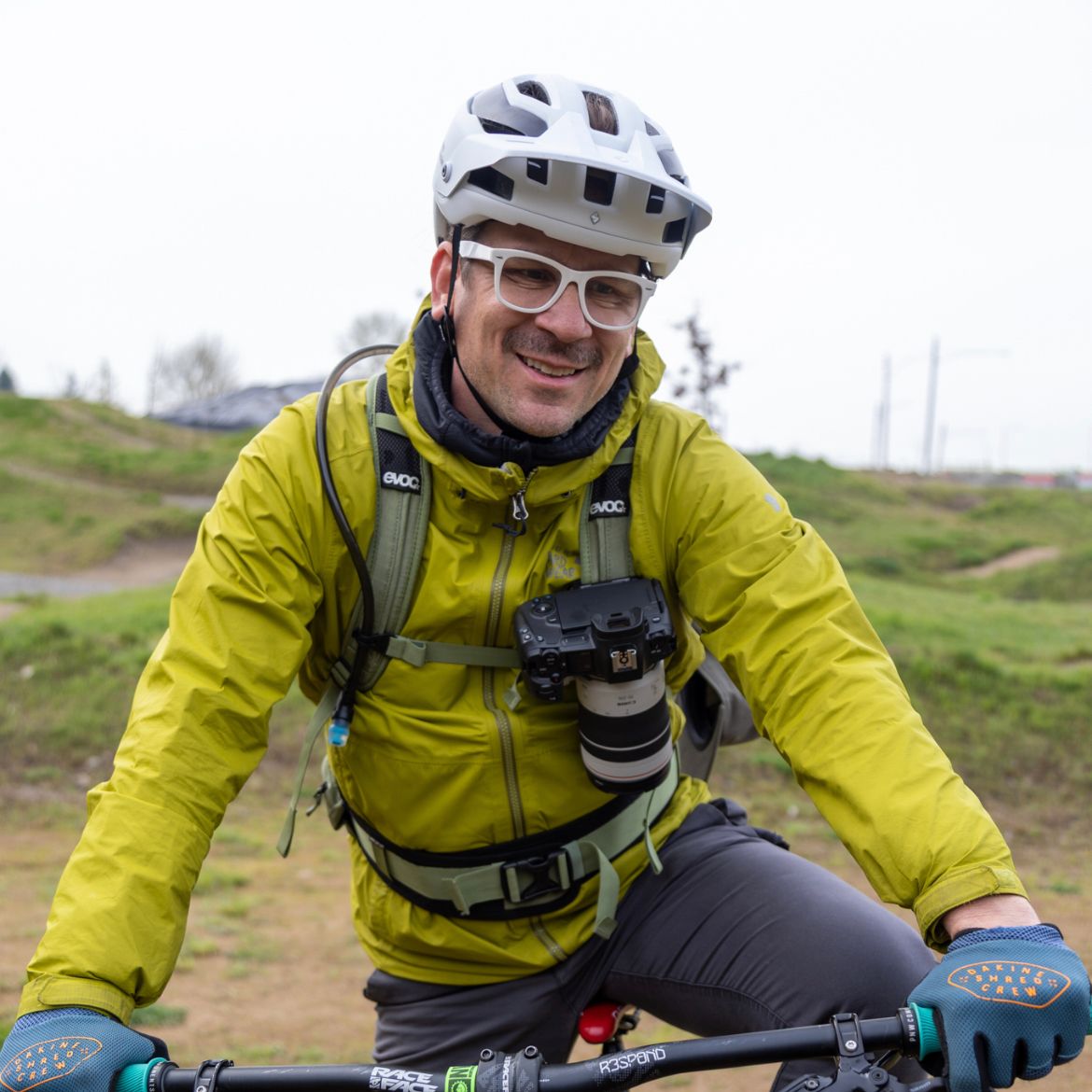
about the author
Sean Benesh
Sean Benesh is a storyteller and strategist based in Portland, Oregon. He works with rural communities, trail organizations, and race organizers to help them tell their stories, grow their online reach, and build momentum through photography, writing, and social media. He is the founder and editor-in-chief of Trail Builder Magazine and serves as the communications director for the NW Trail Alliance.