Making It Happen: A Digital Marketing Roadmap for Small Towns
HOW SMALL TOWNS CAN SPEND A $10,000 TOURISM MARKETING BUDGET EFFECTIVELY
If a town like Hayden* (which I've referenced in this series) had $10,000 to spend on tourism marketing, where should it go? The key to making a real impact isn’t just spending money randomly. It’s about being strategic. It’s about spending it wisely. Even with a modest budget, small towns can leverage digital marketing to drive tourism and economic growth.
THE POWER OF DIGITAL MARKETING FOR RURAL TOURISM GROWTH
For struggling rural towns, investing in digital marketing can yield significant returns. A well-executed campaign can put a small town on the map, attract adventure tourists, and support local businesses.

CASE STUDY: VISIT TUCSON’S DIGITAL MARKETING STRATEGY FOR TOURISM
Visit Tucson successfully leveraged digital marketing to increase tourism. Here’s how their approach can be adapted for smaller communities:
1. Social Media Advertising ($3,000-$4,000)
Why? Paid Facebook and Instagram ads allow targeted outreach to adventure travelers.
How? Promote local attractions, outdoor recreation, and town events to highly engaged audiences.
Example: Visit Tucson used geo-targeted ads to attract visitors from Phoenix and neighboring states.
2. Content Marketing & SEO ($2,000-$3,000)
Why? High-quality content builds credibility and increases organic search traffic.
How? Create blog posts, videos, and social media content showcasing the town’s unique offerings.
Example: Visit Tucson’s website featured adventure guides, driving routes, and local spotlights to engage potential tourists.
3. Influencer & Community Engagement ($2,000)
Why? Partnering with travel influencers expands reach and attracts niche audiences.
How? Offer small travel stipends or free lodging to influencers who showcase the town’s attractions.
Example: Visit Tucson collaborated with adventure bloggers to create authentic storytelling content.
4. Email & Local Business Promotion ($1,000-$2,000)
Why? Email campaigns keep visitors engaged and returning.
How? Build a subscriber list from website visitors and event attendees, offering exclusive discounts or travel tips.
Example: Visit Tucson ran email newsletters with curated local experiences and seasonal promotions.
A STEP-BY-STEP SMALL TOWN TOURISM MARKETING PLAN
Define the Target Audience: Who are you trying to attract? Adventure tourists? History buffs? Families?
Leverage High-Impact Channels: Prioritize social media, SEO, and influencer partnerships.
Create Engaging, Shareable Content: Invest in storytelling through video, photography, and written content.
Track & Optimize Performance: Use analytics tools to measure effectiveness and adjust strategies.

WHY DIGITAL MARKETING IS ESSENTIAL FOR SMALL TOWN ECONOMIC DEVELOPMENT
Digital marketing and branding are no longer luxuries reserved for big cities. They are essential tools for small towns looking to drive tourism and economic development. Whether through adventure tourism, storytelling, or targeted digital marketing, even the smallest communities can make an impact.
Over the course of this series, we’ve explored how struggling rural towns can transform their economies by embracing digital marketing. From building a brand identity to leveraging adventure tourism and crafting a tactical roadmap, small towns have the opportunity to reposition themselves as must-visit destinations.
The future of tourism is digital, and the towns that embrace these strategies will be the ones that thrive. Now is the time to take action, implement these strategies, and watch as visitors discover what makes these hidden gems worth exploring.
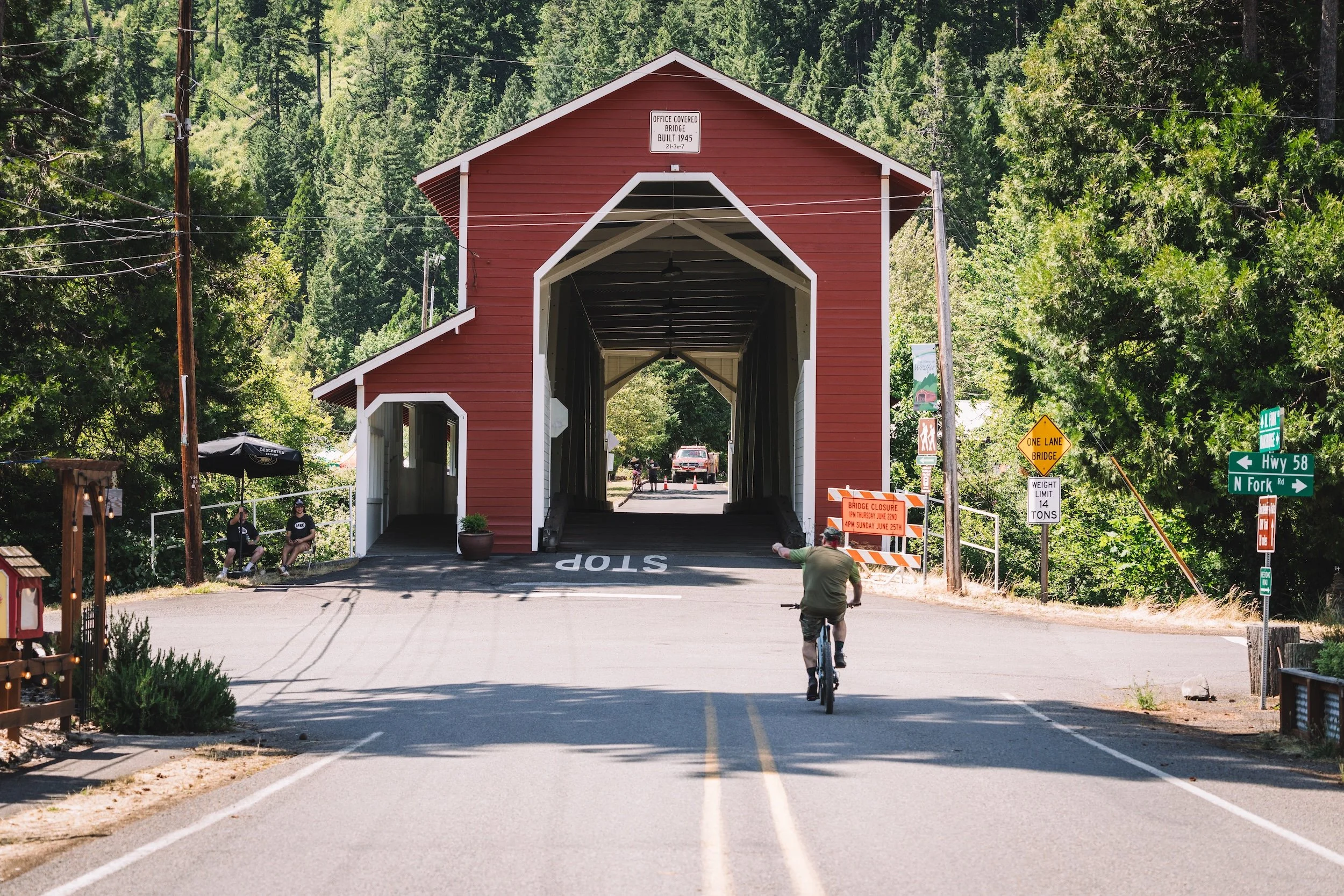
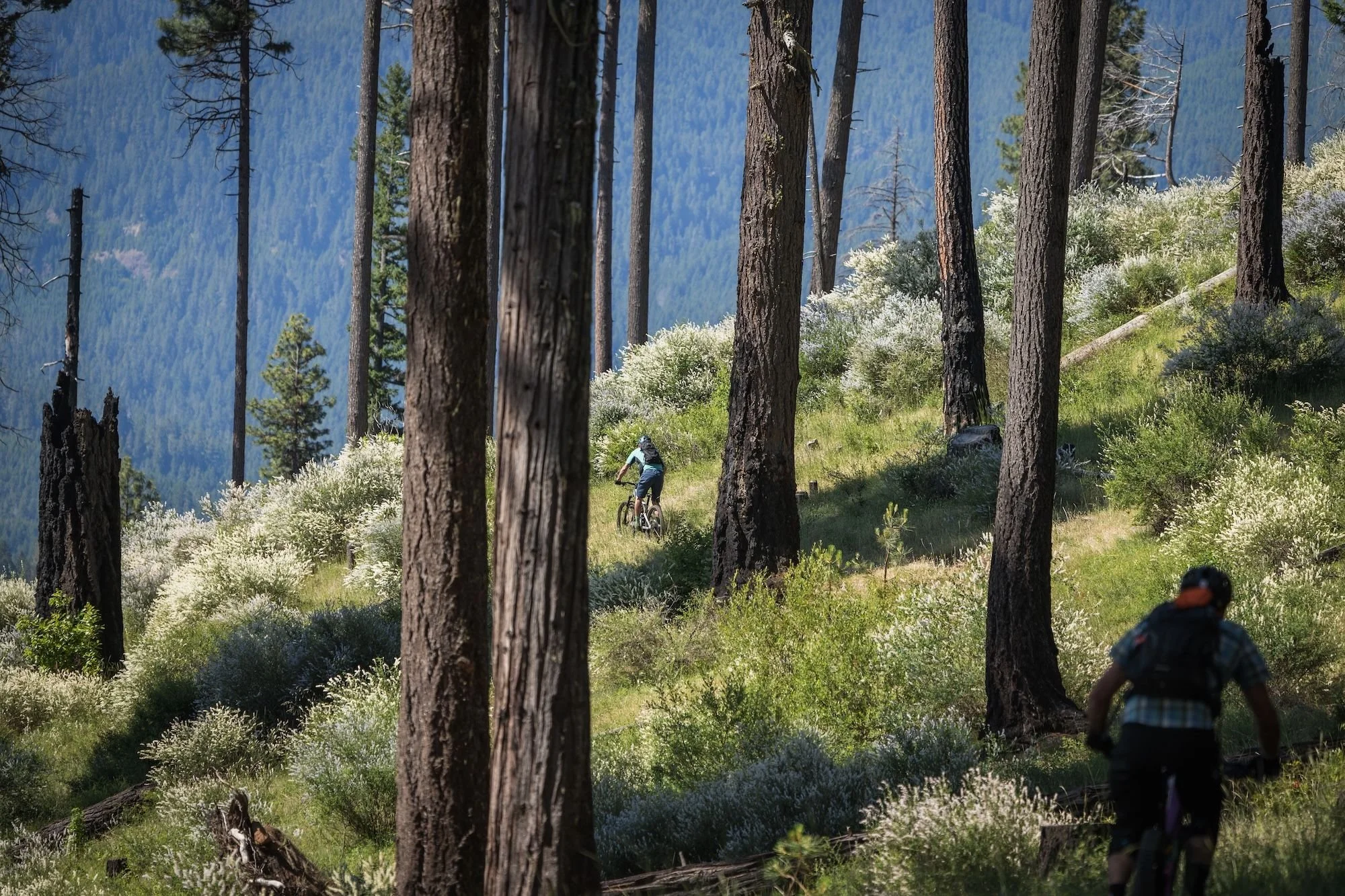
*While I started this series reflecting on multiple trips to Hayden, Arizona, the photos in this article are from covering Mountain Bike Oregon, a multi-day mountain bike festival in Oakridge / Westfir, Oregon. (Oakridge population: 3,100. Westfir population: 256.)