Branding Small Towns: From Forgotten to Must-Visit Destinations

Why do some small towns become viral hotspots while others fade into obscurity? To me, the key lies in branding and storytelling.
In an era where digital marketing can make or break a destination, small towns must craft a compelling brand identity that resonates with travelers.
I think about this when I visit my hometown in Iowa. While it was never alluring, each time I go back, I see the decline more and more. A struggling downtown with a lot of boarded-up buildings, shrinking school enrollment, and the reality that 60% of the workforce has to drive out of the county to their jobs. Is there hope for this community? What about other communities?
WHY BRANDING MATTERS FOR SMALL TOWN TOURISM
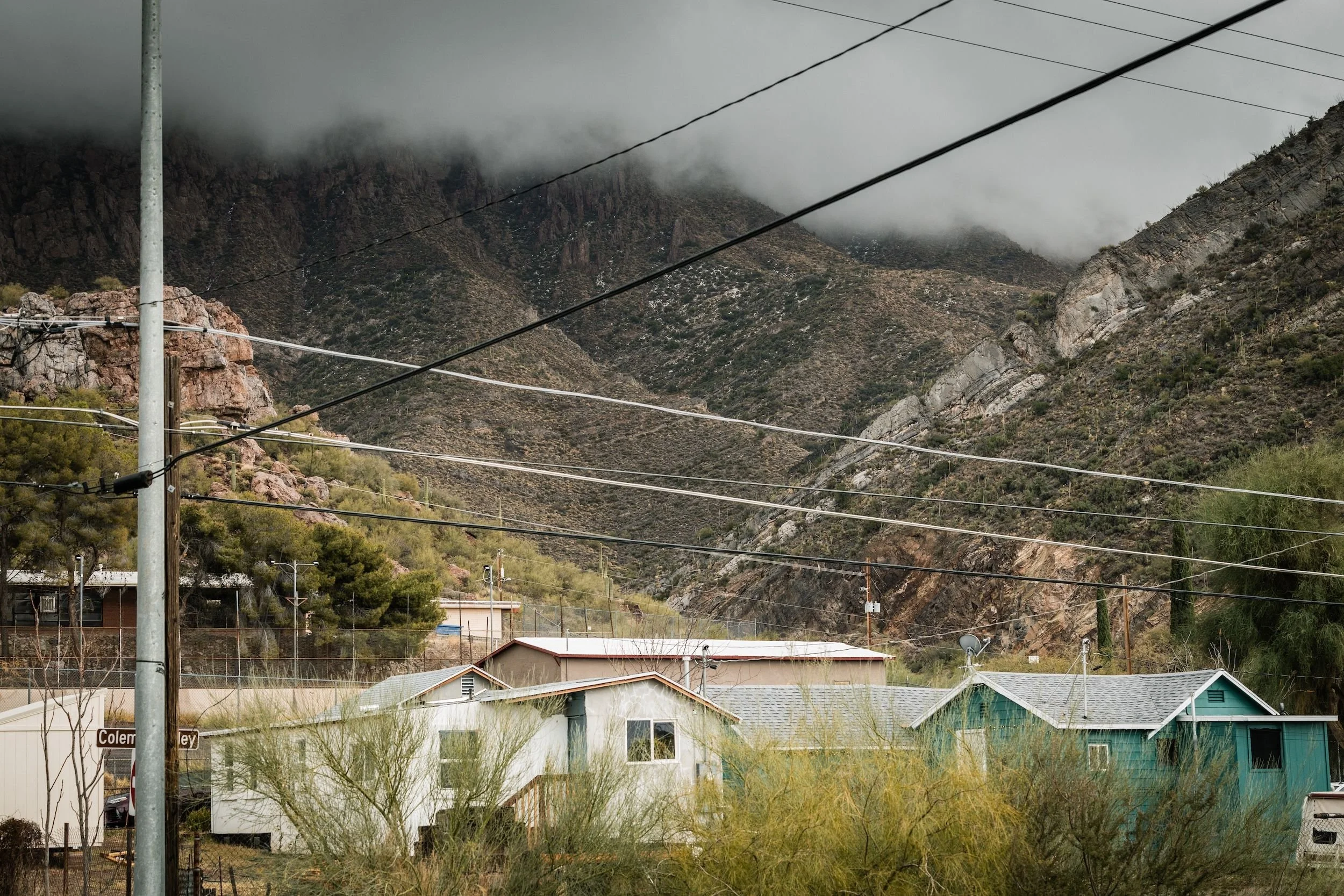
For struggling rural communities, branding is not simply creating a logo or coming up with a catchy slogan. It’s more about crafting a unique identity that attracts visitors and boosts the local economy. Successful tourism branding creates an emotional connection, making potential travelers feel that a town is worth the visit.
SUCCESSFUL EXAMPLES OF SMALL TOWN TOURISM BRANDING
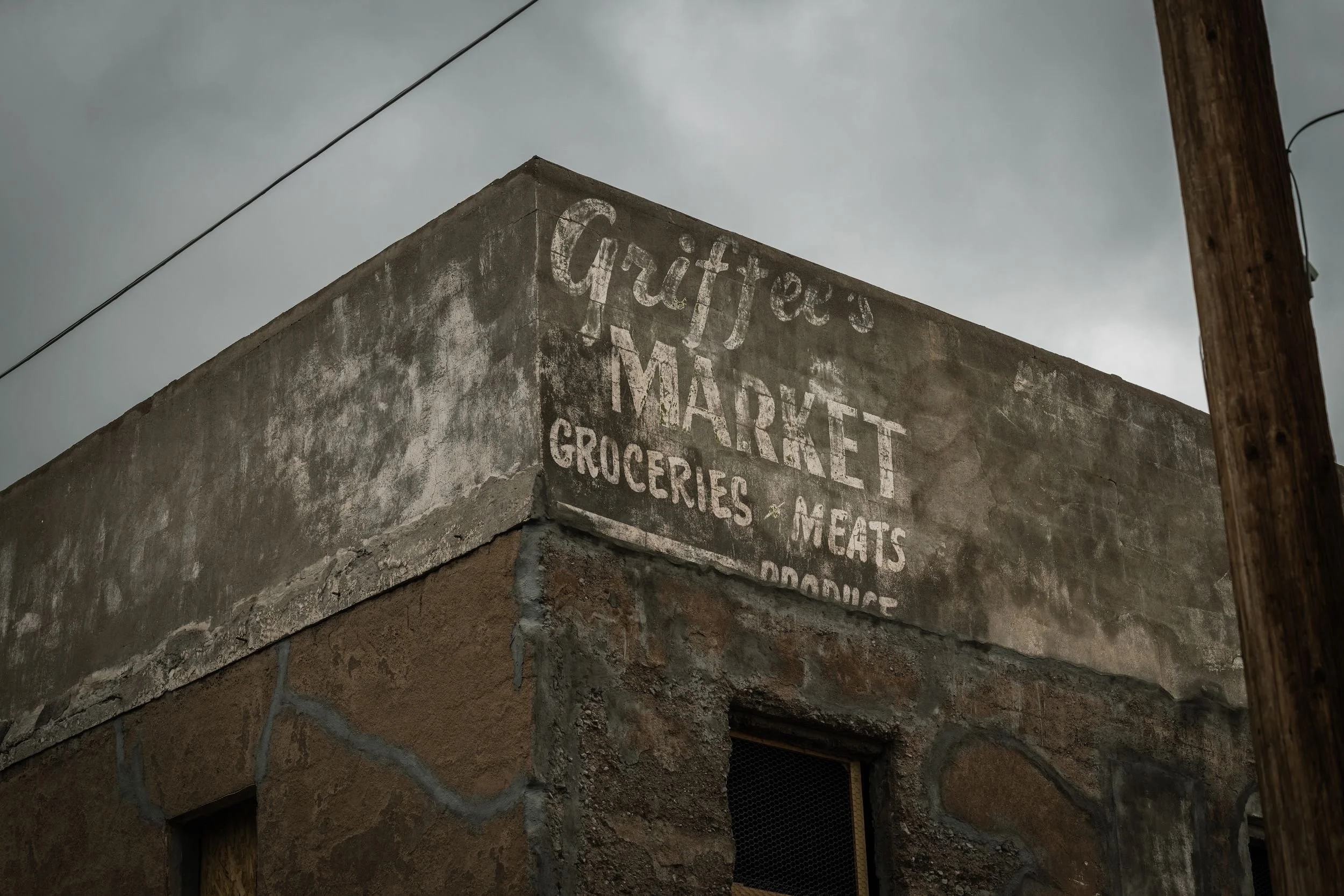
Cities and towns across the U.S. have successfully branded themselves to stand out in competitive tourism markets:
Bend, Oregon – Marketed as an outdoor enthusiast’s paradise, leveraging mountain biking, craft breweries, and scenic landscapes.
Marfa, Texas – Positioned itself as an arts and culture hub with an offbeat, mystical allure.
Leavenworth, Washington – Transformed itself into a Bavarian-themed village, leveraging its unique identity to become a major tourist attraction in the Pacific Northwest.
HOW RURAL COMMUNITIES CAN BUILD A TOURISM BRAND
In my last article, I mentioned Hayden, AZ, which, like many rural towns, faces economic struggles, but it also has unique assets:
Proximity to scenic outdoor recreation
Rich mining history and heritage
Undiscovered adventure tourism potential
To successfully brand themselves, communities like Hayden need to:
Tell a Story – Use historical and cultural elements to create a compelling town narrative.
Create Visual Identity – Invest in professional imagery, logo design, and consistent aesthetics.
Leverage Digital Marketing – Focus on SEO, social media campaigns, and storytelling through content marketing.
Engage the Community – Local businesses and residents should be part of the branding process to ensure authenticity.
DIGITAL MARKETING STRATEGIES FOR RURAL TOURISM GROWTH
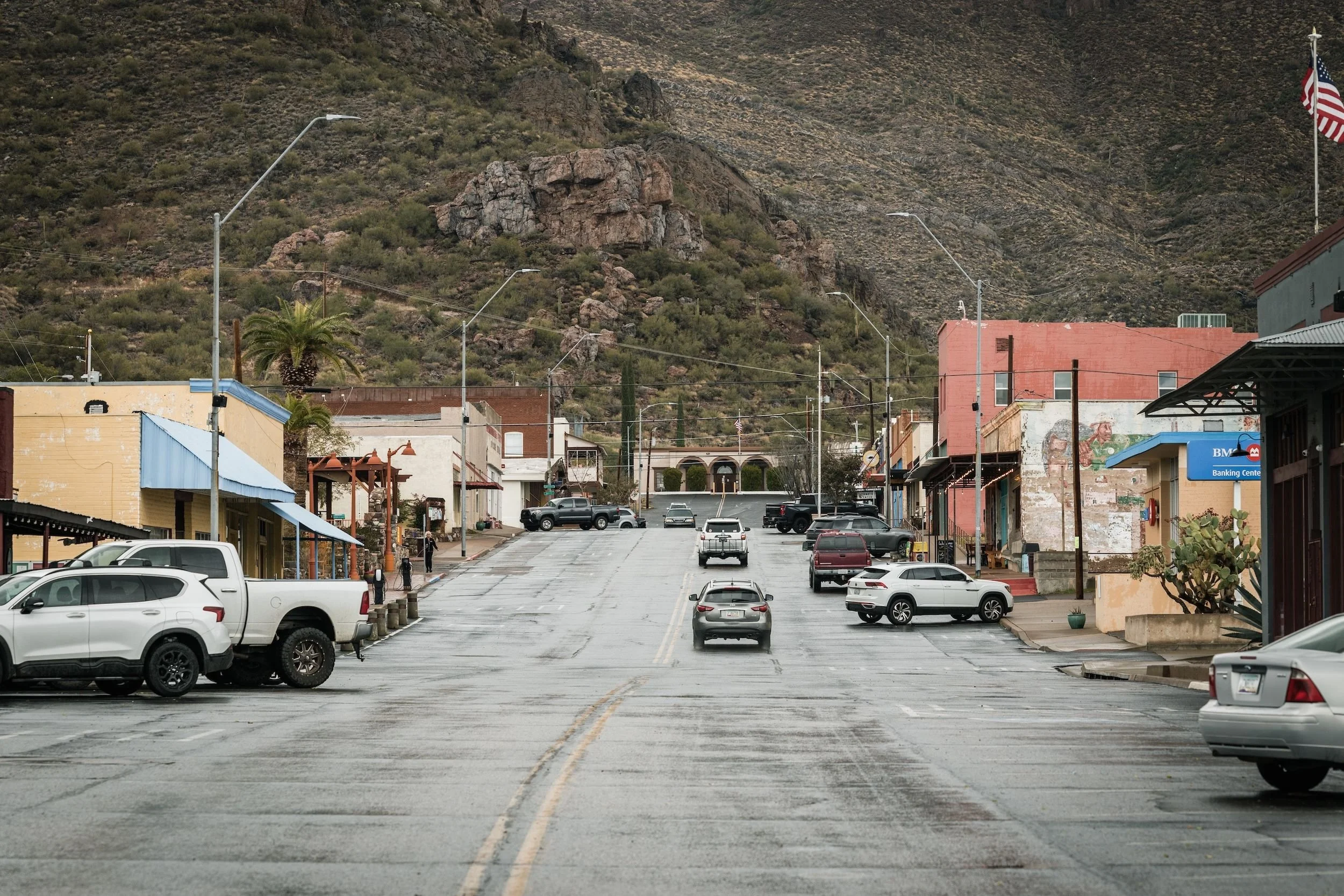
Digital platforms provide cost-effective ways to establish and amplify a town’s brand. Strategies include:
Social Media Campaigns – Consistent storytelling on Instagram, Facebook, TikTok, and YouTube.
Influencer Partnerships – Engaging travel bloggers and micro-influencers to showcase experiences.
Content Marketing – Publishing blog posts, video content, and user-generated content highlighting the town’s offerings.
Paid Ads & SEO – Targeting specific adventure travelers and history buffs through data-driven digital campaigns.
HOW ADVENTURE TOURISM CAN REVITALIZE SMALL TOWN ECONOMIES
How can small towns leverage branding to drive tourism and economic growth? Let’s discuss successful strategies and ideas. If you’re a policymaker or tourism board leader, branding could be the game-changer your town needs.
This is the second article in our series exploring how digital marketing and branding can transform struggling rural communities. Stay tuned for the next installment: Adventure Tourism as an Economic Lifeline.