Why place-based storytelling works when marketing like a city does not
Many rural communities struggle with content marketing for the same reason. They are trying to market like something they are not.
They feel compelled to borrow language from cities.
They attempt to copy the look and vibe of larger destinations.
They wait for big events to justify posting.
And when that doesn't work, they assume the problem is budget (gotta spend more on ads and gear), staffing, or platforms (you know, those pesky algorithms).
It usually is not.
The real issue is this. Rural communities do not need better marketing. They just need clearer storytelling rooted in place.Their place.
If you try to market like a city, you will always lose. Cities win on scale, density, and constant activity. Rural places win somewhere else entirely.
In this article, I want to show why place-based content marketing works so well for rural communities, why copying urban strategies backfires, and what a clear, realistic path forward actually looks like.
Why place-based storytelling works for rural communities
Rural places already have what content marketing needs most.
Identity.
Texture.
A sense of pace.
What they often lack is not story, but attention.
Place-based storytelling works because it highlights what makes a place distinct rather than trying to compete on volume or spectacle. It helps people picture a town before they ever arrive. It answers quiet questions without trying to sell anything.
What does a day feel like here?
Who lives here?
What happens when nothing is scheduled?
For someone unfamiliar with a rural town, those details matter more than polished slogans or event calendars. Familiarity builds comfort. Comfort leads to curiosity. Curiosity leads to action.
Why marketing like a city fails small towns
I see this pattern often. A rural town adopts the language and visual style of a city because it feels safe and professional.
Stock photos.
Generic taglines.
Posts that only appear around major events.
The result is content that feels disconnected from reality.
When rural communities market like cities, they erase the very thing that makes them appealing. The slower pace. The everyday rhythms. The sense of place.
Cities are loud by default. Rural places are not. Trying to match that volume usually leads to burnout or silence.
Content marketing works better when rural towns stop trying to compete and start documenting what already exists.
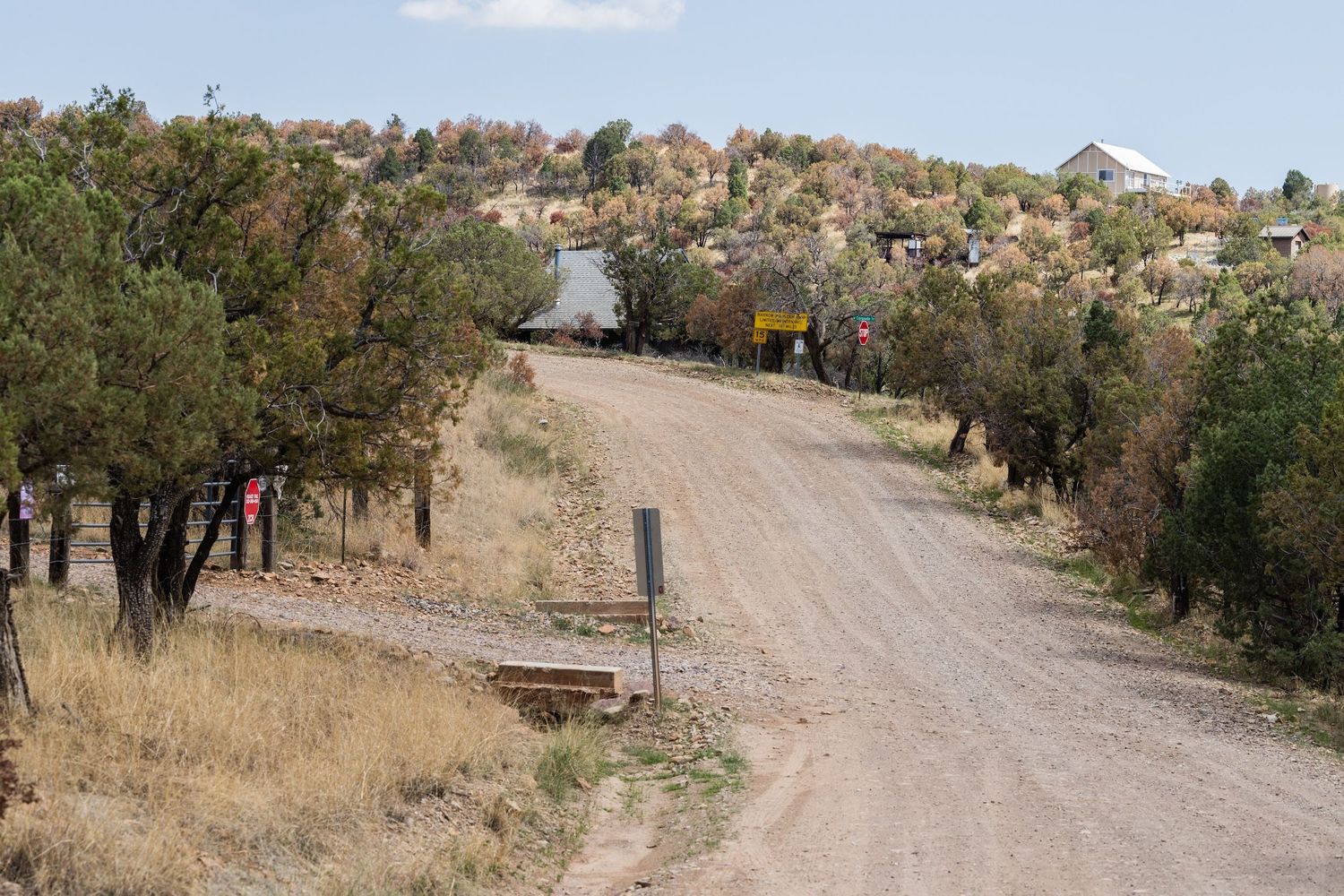
Let locals, landscapes, and routines do the talking
The most effective rural content marketing I have seen focuses on three simple things.
People.
Place.
Routine.
Not in a promotional way. In a documentary way.
Locals going about their day.
Landscapes changing with the season.
The ordinary moments that define life there.
In past projects I've worked on, the strongest content was rarely about events. It was about attention. Main streets in the morning. Quiet roads. Businesses opening up. Farmers markets. People who care about where they live.
This kind of content is not pushy. It invites. It lets people observe before deciding to engage.
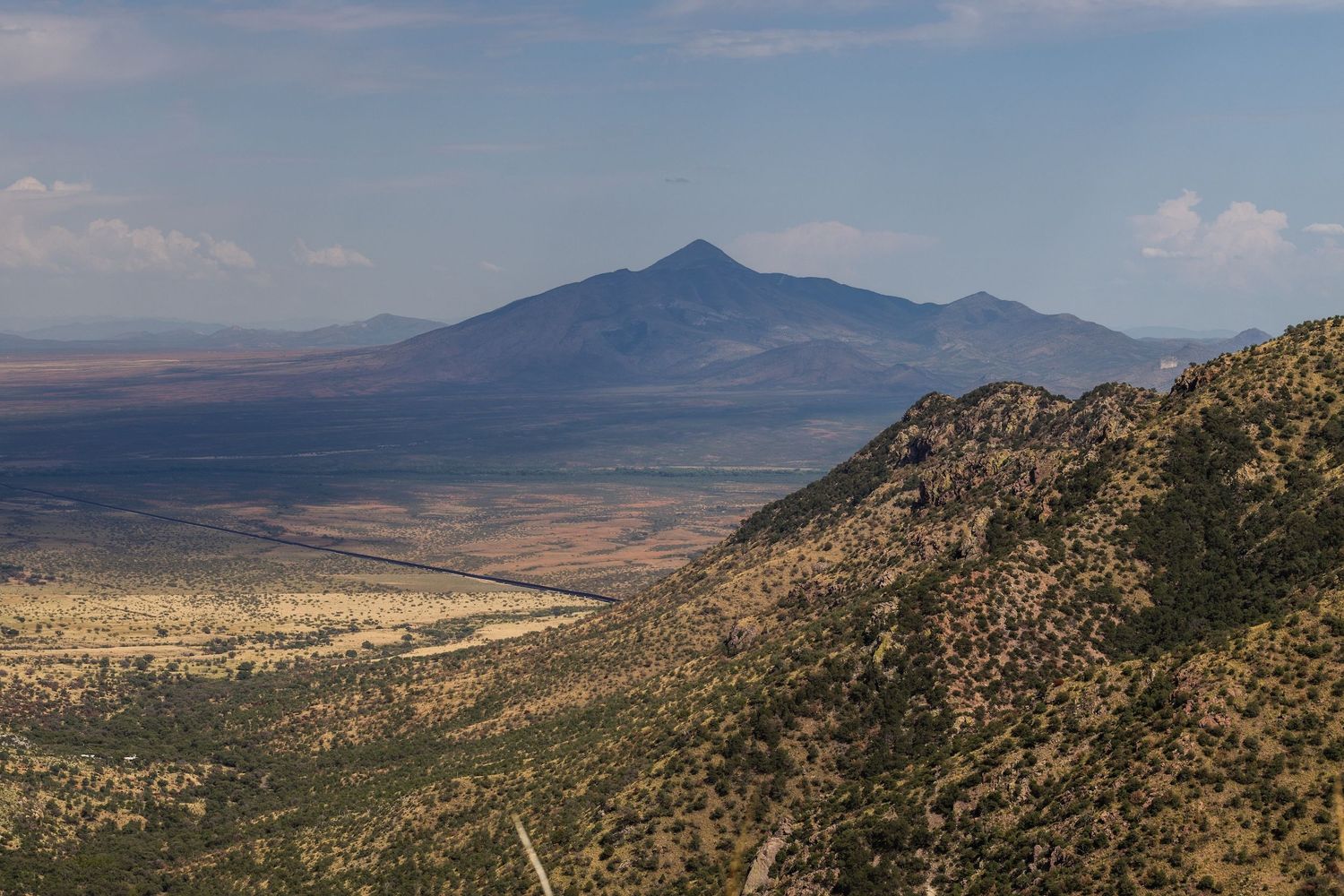
What this looks like in practice
Across different towns, the pattern is consistent.
When rural content marketing works, it shows:
- The town as it actually is
- The people who live and work there
- The pace of daily life
In several rural tourism projects I worked on last year, this meant documenting multiple communities without forcing a single narrative. Each town had its own rhythm. The content respected that.
History, geography, and culture are inseparable from the story. Content worked when it acknowledged that complexity rather than glossing over it.
None of these places needed to reinvent themselves. They needed to be seen clearly.
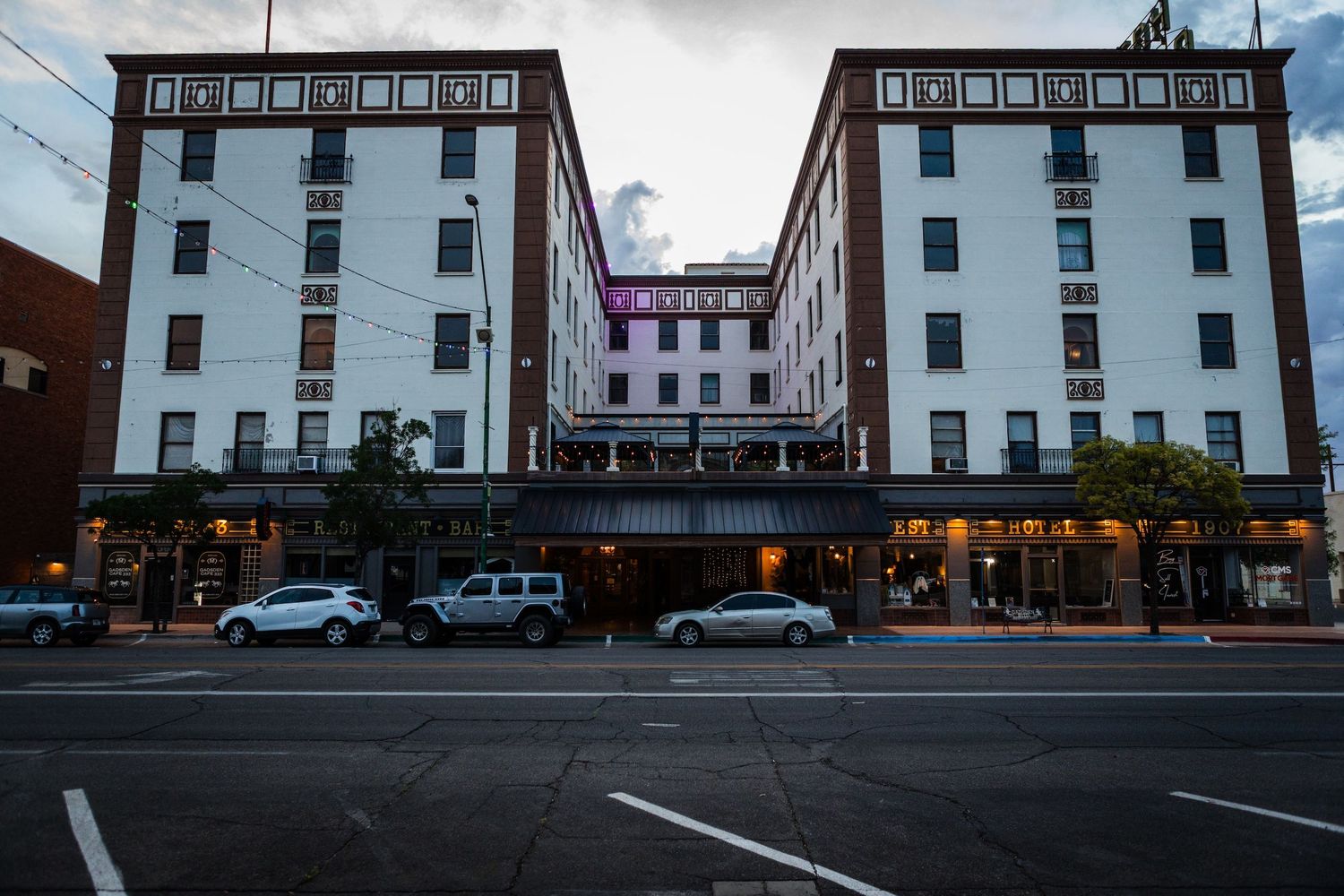
A clear, doable starting point for rural leaders
This is where many towns get stuck. They assume content marketing requires a full strategy, new branding, or outside help.
It does not.
Here is a simple place to start.
1. Document what happens on an ordinary day
Not events. Not announcements. Just daily life.
2. Show the same things more than once
Repetition builds familiarity. Familiarity builds trust.
3. Focus on place before promotion
Let people understand where you are before telling them what to do.
4. Stop waiting for perfect content
Clear and consistent beats polished and rare.
5. Stay visible between moments
Momentum is built in the in-between.
Pay attention. Document.
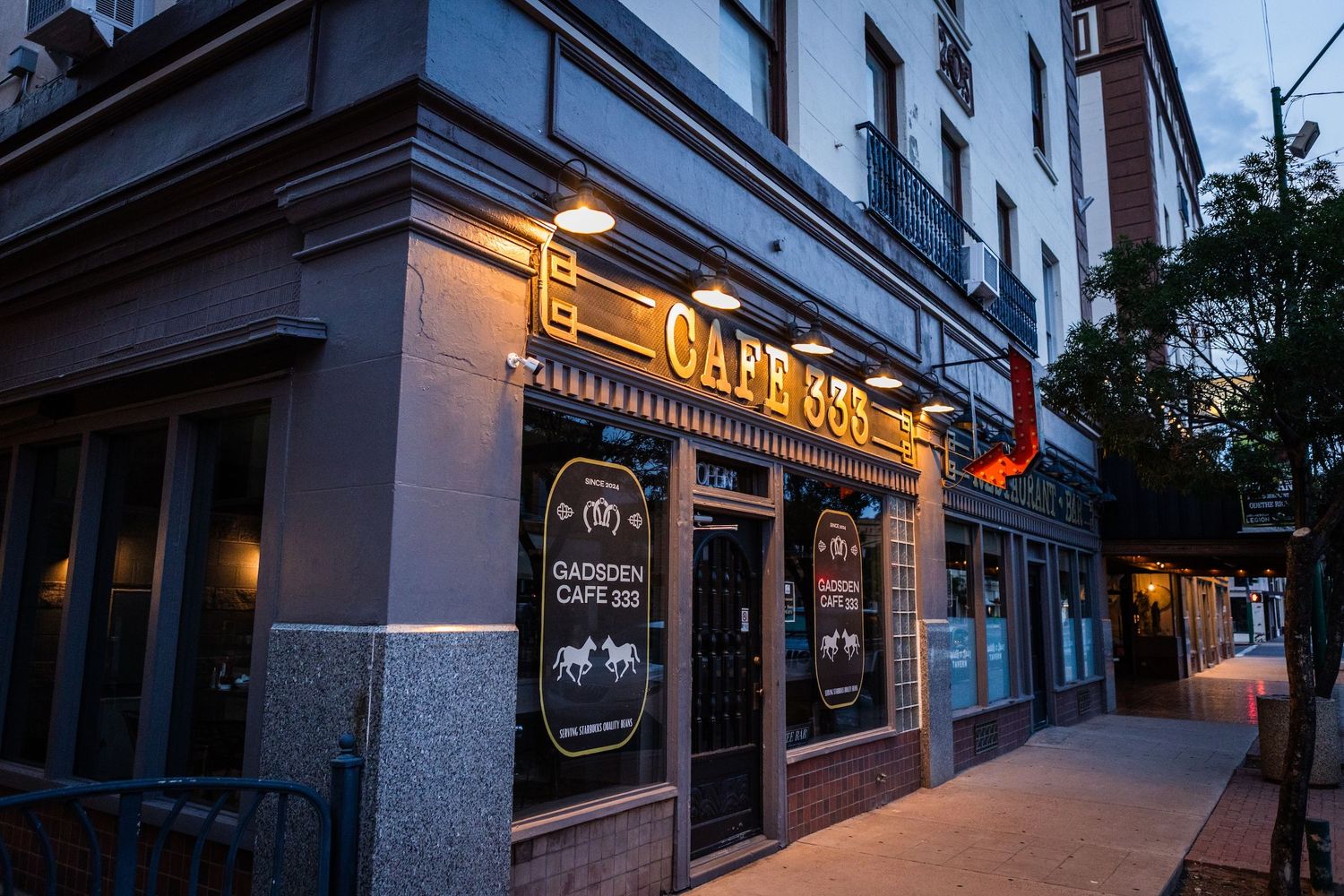
Where this leaves us
Rural communities do not need to compete with cities. They need to tell clearer stories about who they are.
Content marketing works when it helps people picture a place before they arrive. When it makes the unfamiliar feel familiar. When it shows up steadily, without trying to impress.
If you try to market like a city, you will always lose.
In the final part of this series, I will focus on how outdoor events and bike races can use content marketing to build momentum long before race day, and why the same place-based principles apply.
If you are thinking about content marketing for a town you care about, this is the work I spend most of my time in. Follow along. I will keep unpacking what I am seeing.
about the author
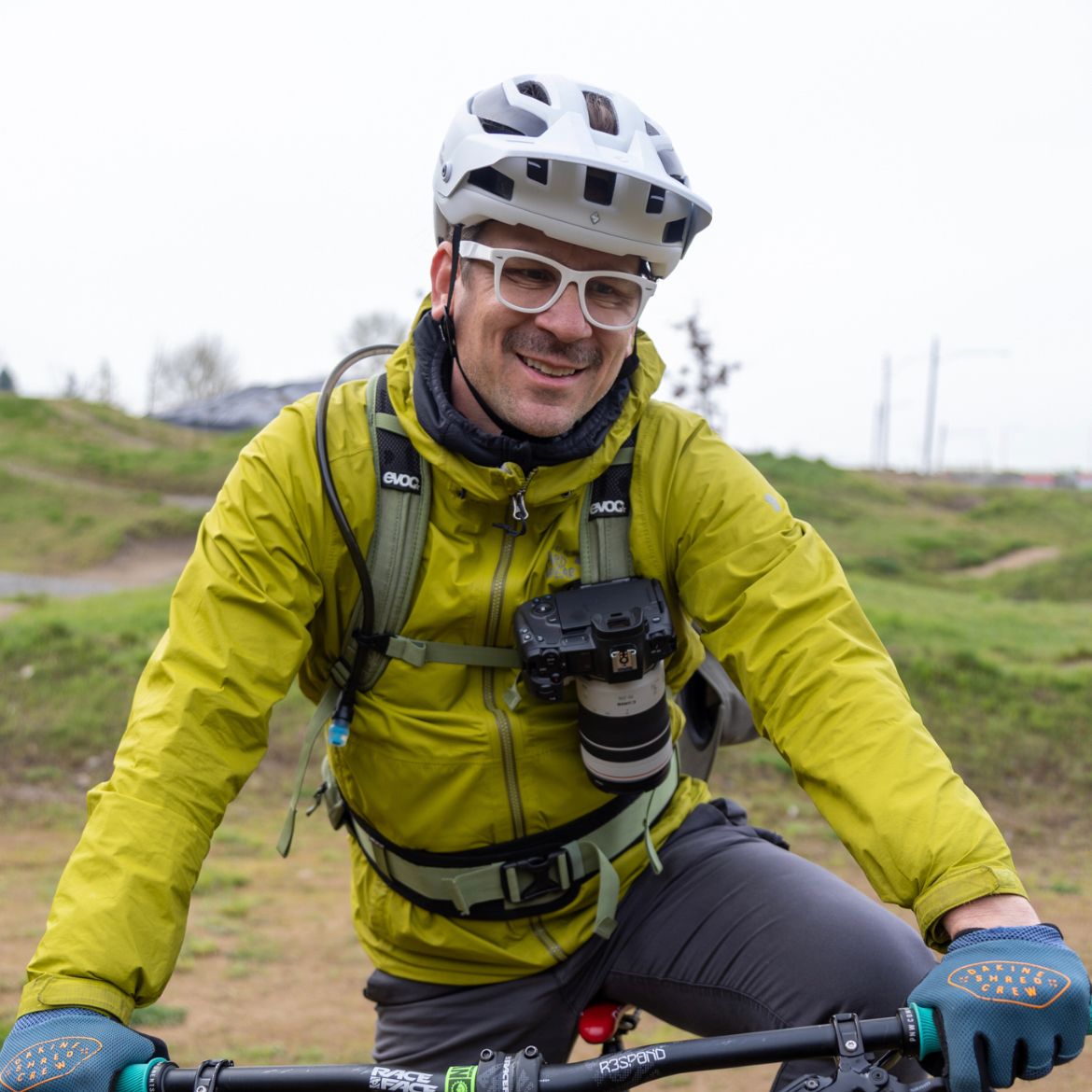
Sean Benesh
Sean Benesh is a storyteller and strategist based in Portland, Oregon. He works with rural communities, trail organizations, and race organizers to help them tell their stories, grow their online reach, and build momentum through photography, writing, and social media. He is the founder and editor-in-chief of Trail Builder Magazine and serves as the communications director for the NW Trail Alliance.