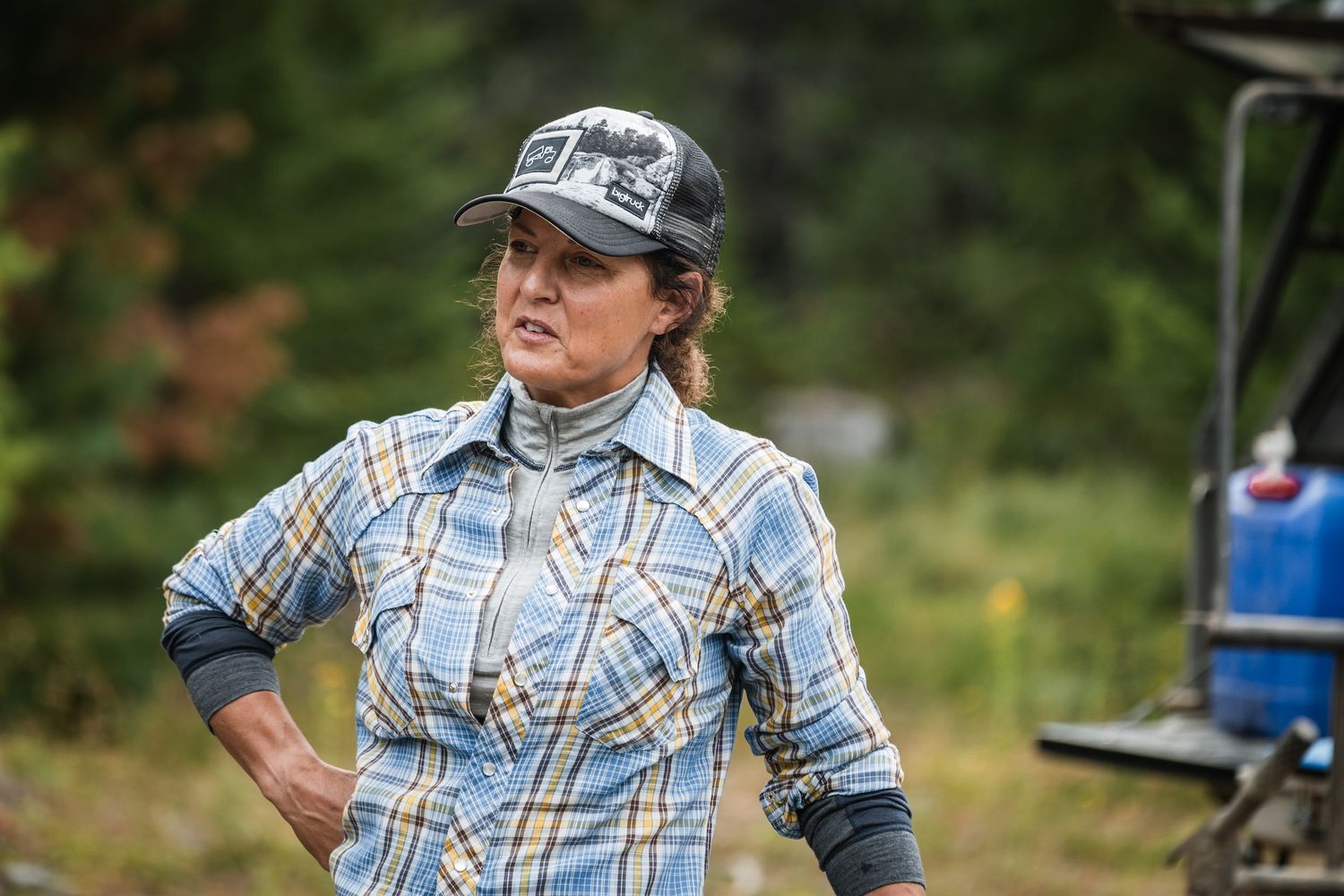
Building an Influencer Strategy That Lasts: A Guide for Rural Tourism Leaders
You do not need a big budget or a marketing agency to start using influencers effectively. You already have what you need: authentic stories, local pride, and people who love your community. The key is learning how to turn those assets into lasting partnerships that help your town grow.
Throughout this series, we have explored what influencers are, why trust and authenticity matter most, and how influencers shape travel decisions. In this final article, we turn our attention to something more practical: how rural communities can build influencer partnerships that last.
Why Influencer Marketing Matters for Rural Tourism Growth
For rural towns and tourism leaders, influencers are not just a trendy marketing tool. They are a bridge. The right influencer can help visitors see your community in a new way. When done well, influencer marketing can motivate people to visit, stay longer, and share their experiences with others.
Research continues to support this. In one study, researchers compared how people respond to content created by brands versus content created by influencers. The results were clear. Posts that included an influencer were far more effective than product-only or brand-only posts. People connected to the person first. The influencer’s presence created a sense of credibility and trust that traditional marketing could not match.
In other words, people trust people.
For small towns, that principle matters even more. A creator sharing their genuine experience of your community, such as a sunrise walk, a coffee stop, or a trail ride, will resonate far more deeply than a paid ad campaign.
How to Find the Right Influencers for Your Small Town
One of the most common challenges is knowing where to begin. Who do you work with? How do you find the right fit?
A second study, this one focused on influencer selection, proposed a data-driven approach. The researchers developed a framework for identifying and scheduling influencer partnerships to maximize impact. While most small towns will not need an algorithm to manage their partnerships, the principle is still useful: be intentional.
Here are a few questions to guide your search:
- Who already loves your community? Start with the people who visit often and share about it online. They may not call themselves influencers, but they already act like them.
- Who aligns with your story and values? Look for creators whose tone, audience, and interests match your region’s identity.
- Who brings authenticity? Choose people who will explore and share naturally rather than follow a script.
Influencer marketing does not have to mean large contracts or celebrity partnerships. Sometimes the best approach is a handful of micro-influencers who each reach a few thousand people in meaningful ways.
Building Long-Term Influencer Partnerships in Rural Communities
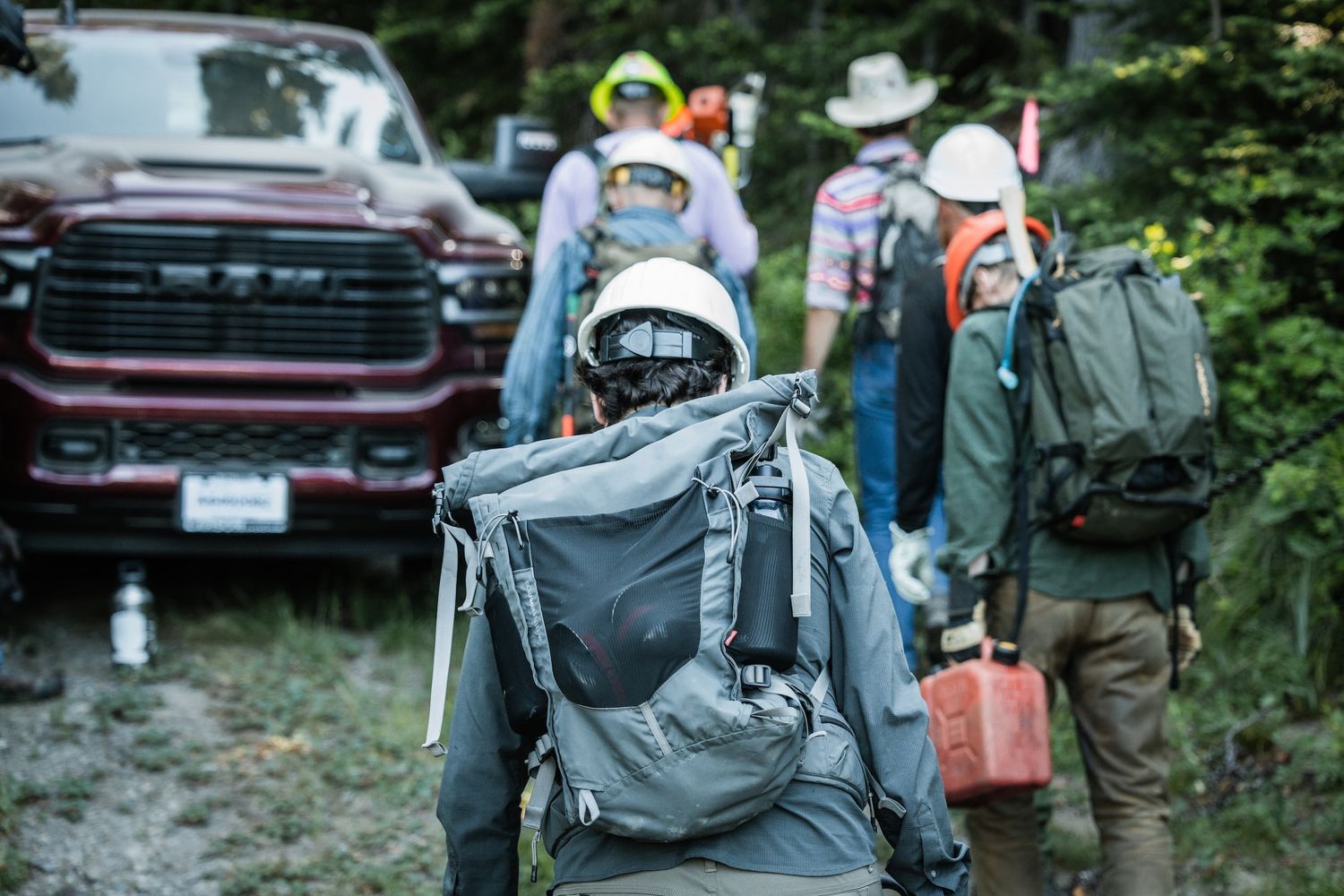
The most successful influencer programs grow out of relationships, not transactions. When you find a creator who genuinely connects with your community, invest in that relationship.
Invite them back. Offer new experiences to share. Feature their work on your tourism pages and newsletters. When creators feel valued and included, they become long-term advocates for your destination.
Think of these partnerships as storytelling collaborations rather than one-time campaigns. The goal is not just exposure. It is shared storytelling that builds trust over time.
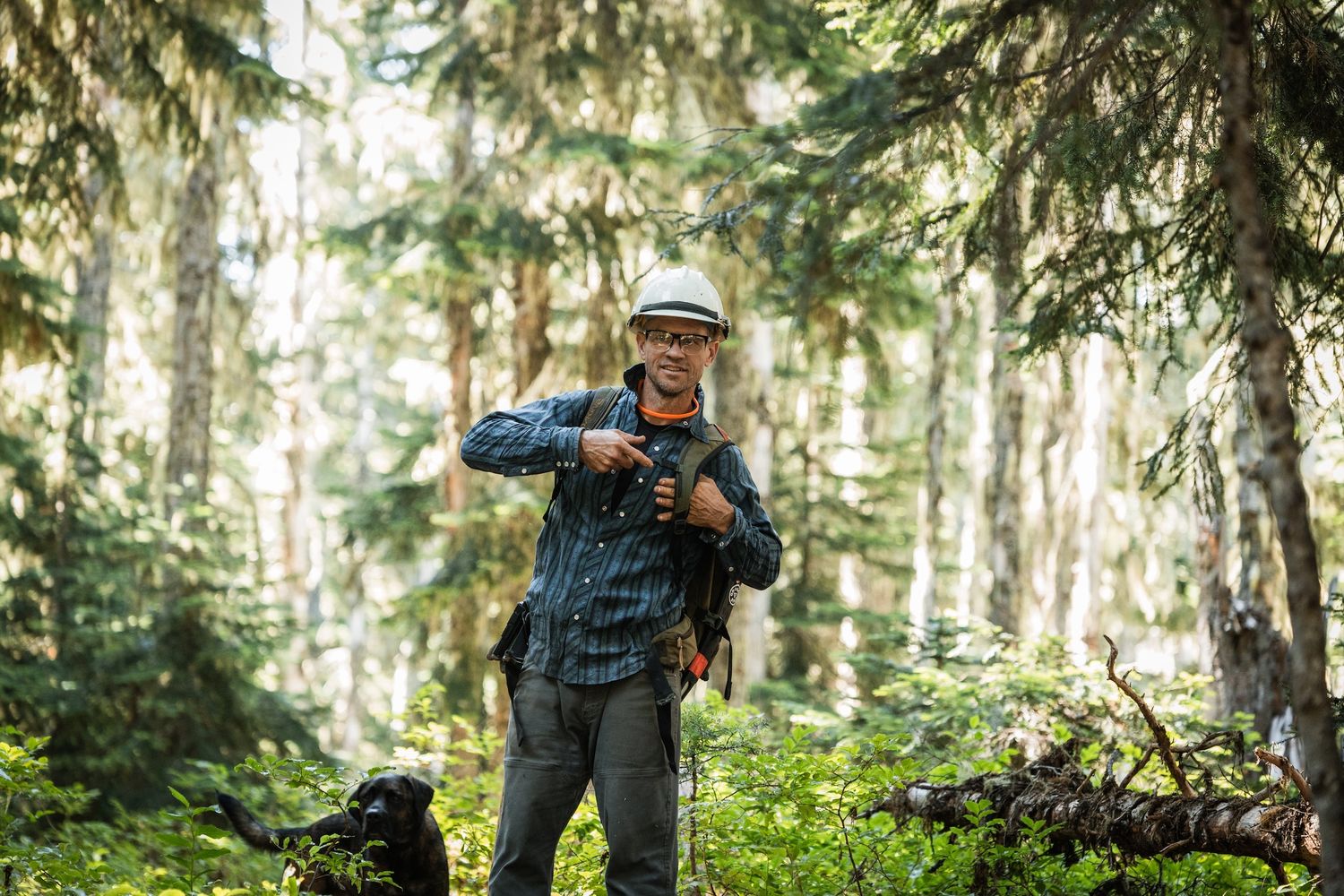
Influencer Marketing Strategy Tips for Rural Tourism Leaders
Influencer marketing is not going away. If anything, it will continue to evolve as social media platforms change and new creators emerge. The good news is that rural communities can participate in this space without big budgets or teams.
Start small. Start local. Focus on relationships.
When you do, you will find that influencer marketing is not about chasing trends. It is about amplifying the real stories that already make your community special.
——————————
References
Jin, S. V., & Muqaddam, A. (2019). Product placement 2.0: “Do brands need influencers, or do influencers need brands?” Journal of Brand Management, 26(5), 522–537. https://doi.org/10.1057/s41262-019-00151-z
Mallipeddi, R. R., Kumar, S., Sriskandarajah, C., & Zhu, Y. (2022). A framework for analyzing influencer marketing in social networks: Selection and scheduling of Influencers. Management Science, 68(1), 75–104. https://doi.org/10.1287/mnsc.2020.3899