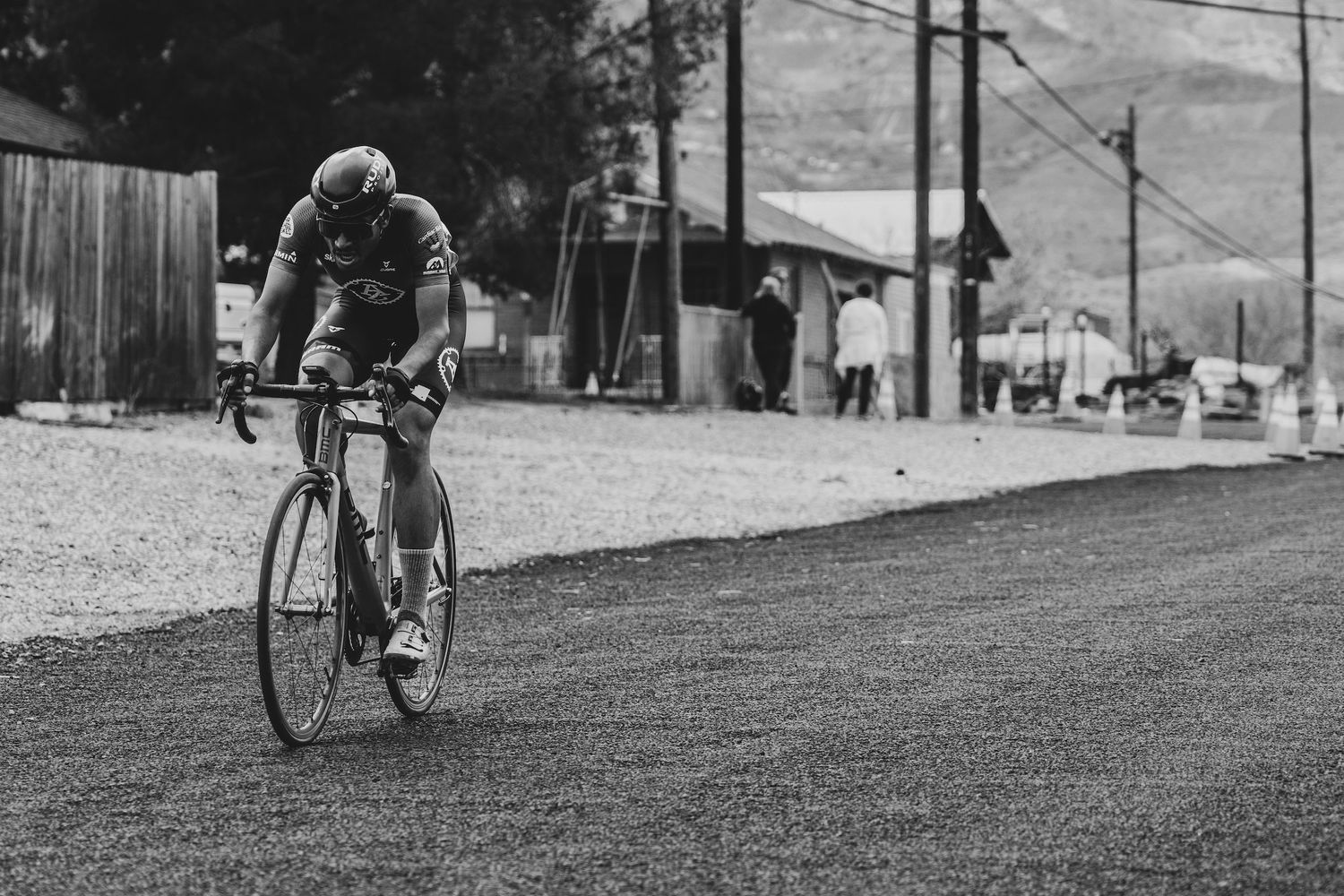
Why repetition and consistency matter more than creativity
Content marketing usually fails for one simple reason. People expect it to work too fast.
A few strong posts.
A burst of energy.
Then silence.
When results do not show up immediately, it is easy to assume content marketing does not work and quickly pivot to running paid ads. In reality, it is often doing exactly what it is supposed to do. It just works on a longer timeline.
Working with rural communities and bike races, I see content marketing succeed in very predictable ways. Not because the content is flashy or clever, but because it shows up consistently, repeats itself clearly, and stays visible over time.
Here is my big idea for this article: content marketing works when it makes the unfamiliar feel familiar. That happens through repetition, consistency, and restraint, not novelty.
In this piece, I want to show what content marketing actually looks like when it is working, based on patterns I see again and again in small towns and bike races.
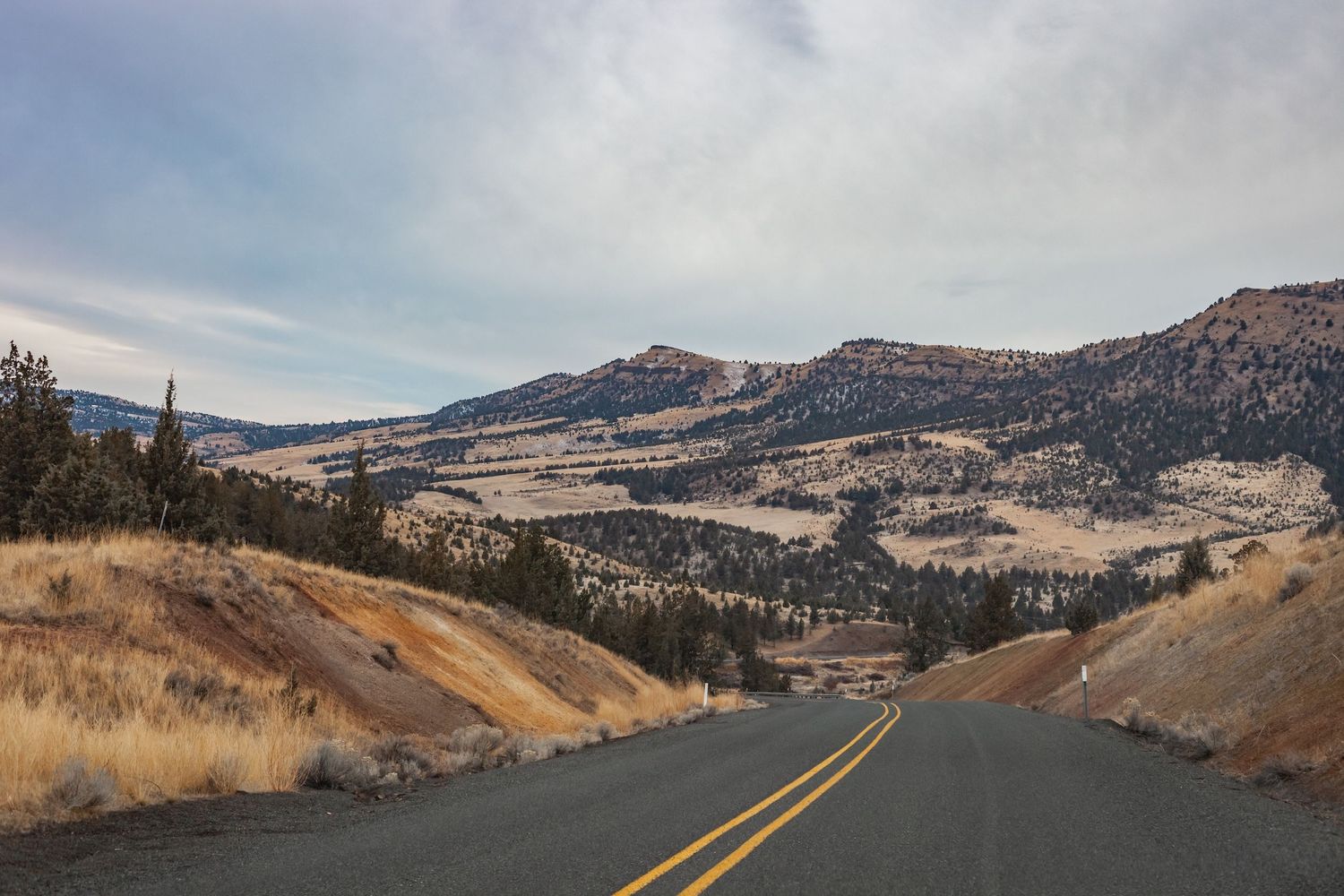
Content marketing works when it shows up even when nothing is happening
One of the clearest signs that content marketing is working is that it does not disappear between big moments.
For bike races, this means content does not stop once registration opens or vanish after race day. For rural communities, it means content does not only show up when there is an event.
Instead, the content keeps showing the in-between.
Daily life.
Preparation.
Landscapes changing with the seasons.
People doing the work.
This steady presence builds familiarity. Familiarity lowers friction when it matters most. When the moment comes to register, visit, or engage, the decision feels easier because the place or event already feels known.
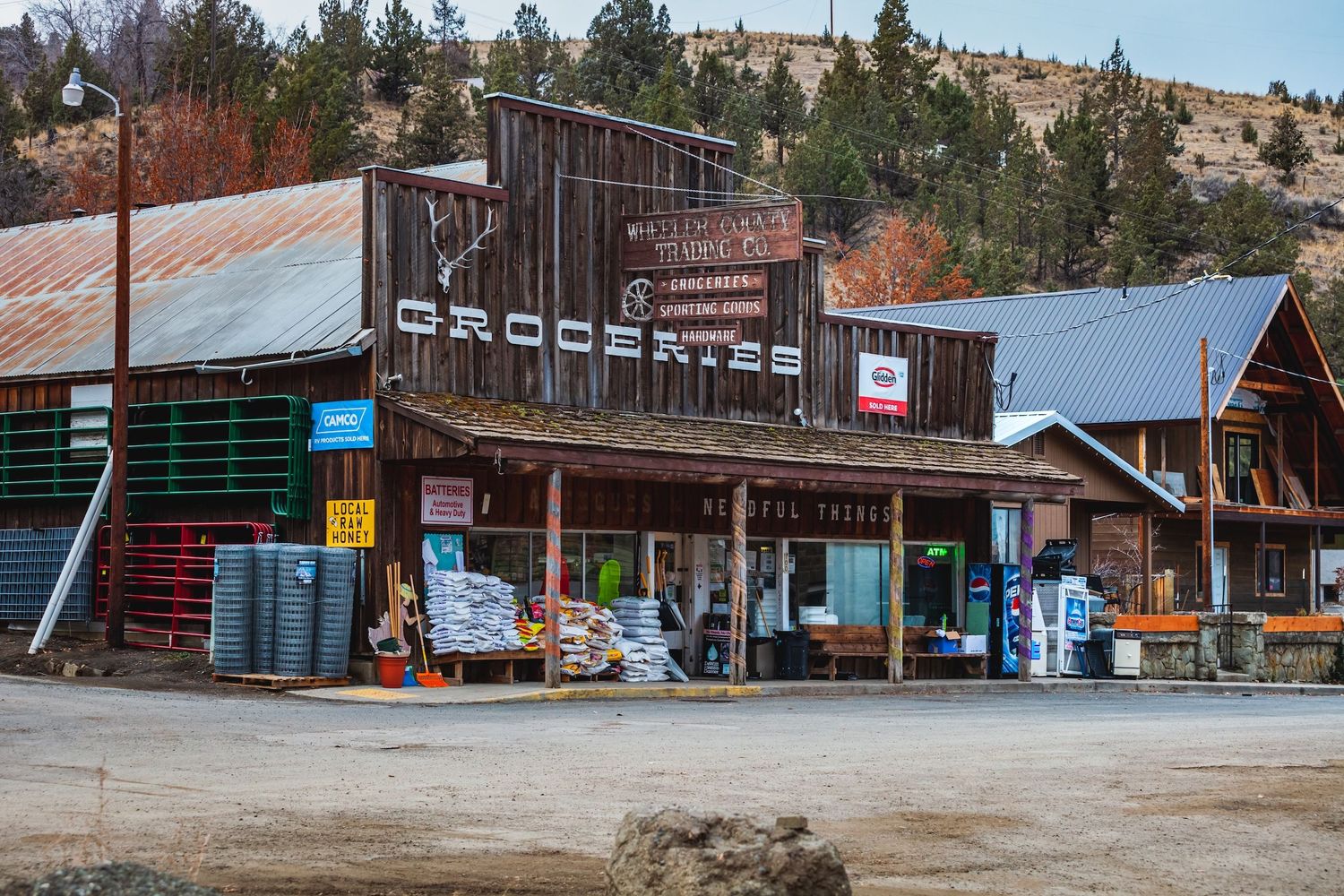
Content marketing works when it repeats the same ideas on purpose
Repetition is not a weakness in content marketing. It is the engine.
Most people do not see every post. They do not remember every message. And they are not thinking about your town or your race nearly as often as you are.
When content marketing is working, it repeats the same core ideas in different ways.
This place is welcoming.
This event is thoughtfully run.
This experience is worth the effort.
For bike races, that often looks like consistently showing terrain, volunteers, preparation, and community support.
For rural communities, it looks like regularly highlighting pace, people, and place.
From the inside, this repetition can feel boring. From the outside, it feels reassuring.

Content marketing works when it favors clarity over creativity
There is a persistent belief that good content marketing has to be endlessly creative.
In practice, the content that works best is usually very clear.
Clear photos.
Clear language.
Clear signals about who something is for and what it offers.
This matters deeply for rural communities and bike races, where people are often unfamiliar with the location, the terrain, or the experience.
When content marketing is working, it reduces uncertainty by answering questions people are already asking.
What will this feel like?
Who shows up?
How prepared do I need to be?
Creativity can help. Clarity builds trust.
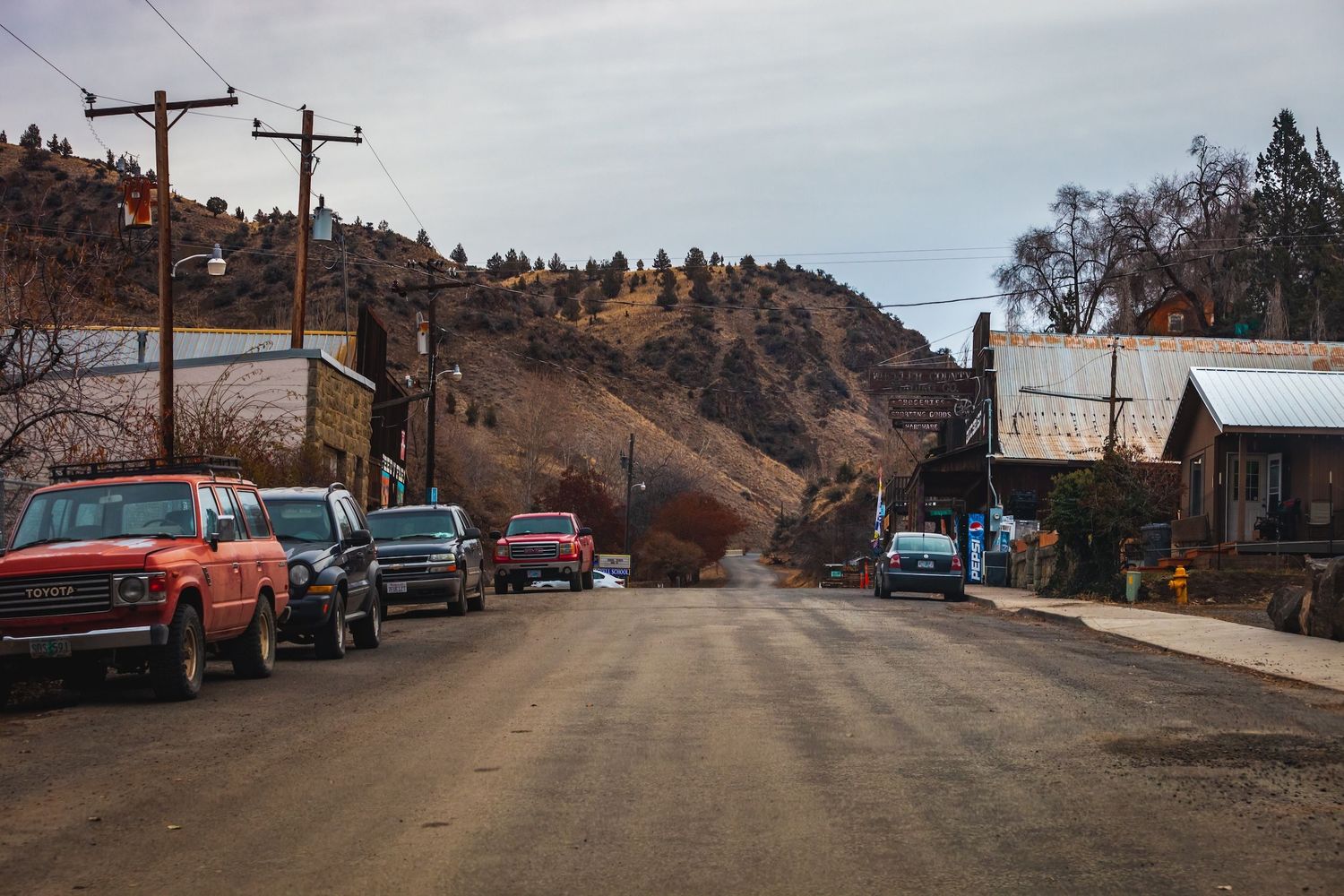
Content marketing works when it documents instead of advertises
The strongest content I see rarely feels like marketing.
It feels like documentation.
For bike races, that might look like course prep, aid station setup, volunteer coordination, and small moments before and after race day.
For rural communities, it might look like morning light on main street, locals at work, seasonal rhythms, and everyday details.
This kind of content is not pushy. It invites. It lets people observe before deciding to participate.
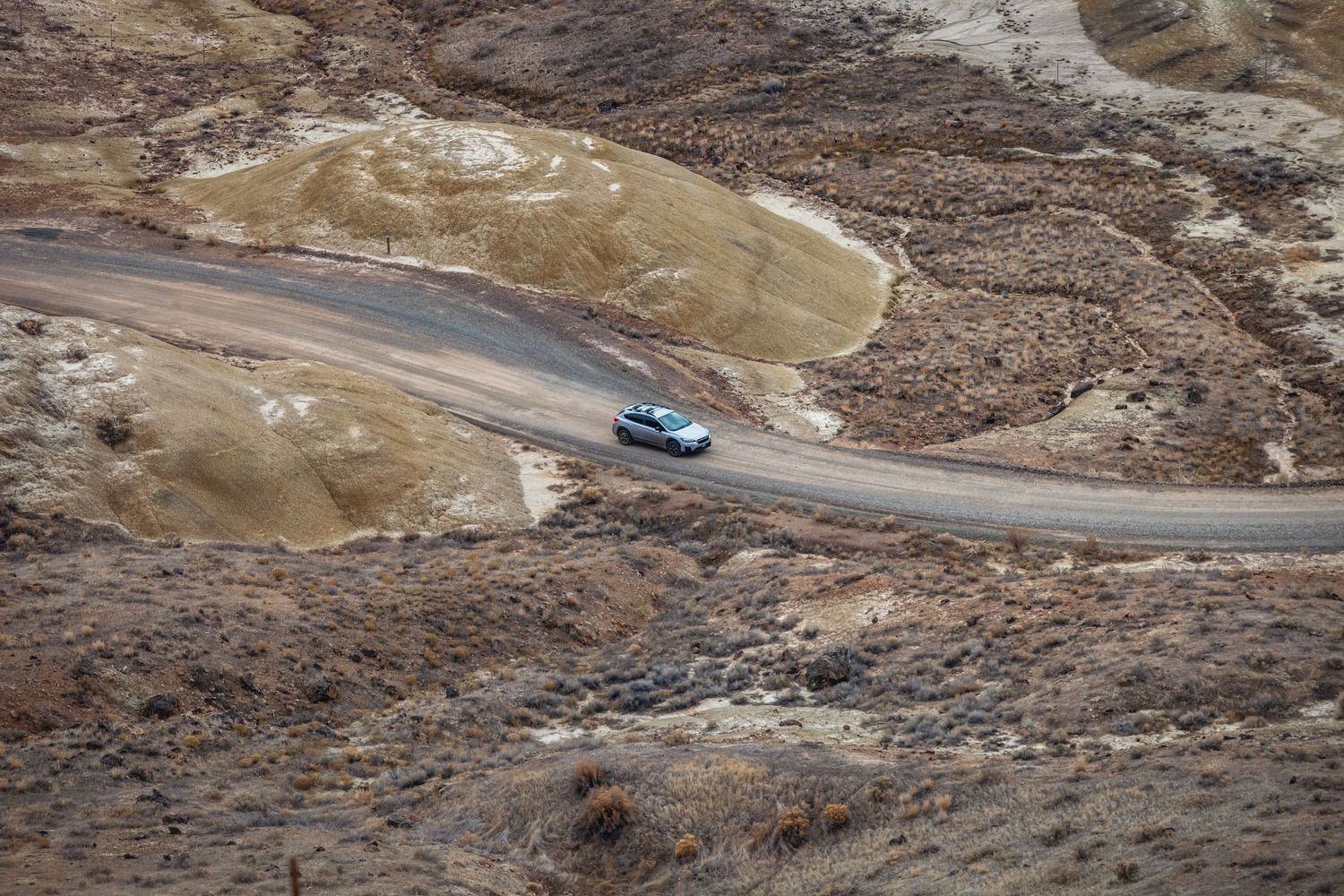
Content marketing works when it compounds over time
One post rarely changes anything.
Ten posts begin to shape perception.
Fifty posts build recognition.
When content marketing is treated as infrastructure, each piece builds on the last. Nothing has to go viral to matter.
This is especially important for places and events without built-in name recognition. Consistency compounds. Familiarity grows. Trust follows.
From the outside, it looks effortless. From the inside, it is steady work.

If it feels boring, it might finally be working
This is one of the most reliable indicators I have found.
When content marketing starts to feel repetitive to the people creating it, it is often because the foundation is finally being laid.
The unfamiliar is becoming familiar.
And that is the point.
Where this leaves us
Content marketing does not work because it is clever. It works because it shows up. It works because it repeats itself. It works because it helps people understand before asking them to act.
In the next part of this series, I will focus on how rural communities and bike races can use content marketing to put themselves on the map without trying to market like a big city or chase the wrong kind of attention.
If you are thinking about content marketing for a place or event you care about, this is the work I spend most of my time in. Follow along. I will keep unpacking what I am seeing.

About the author
Sean Benesh
Sean Benesh is a storyteller and strategist based in Portland, Oregon. He works with rural communities, trail organizations, and race organizers to help them tell their stories, grow their online reach, and build momentum through photography, writing, and social media. He is the founder and editor-in-chief of Trail Builder Magazine and serves as the communications director for the NW Trail Alliance.