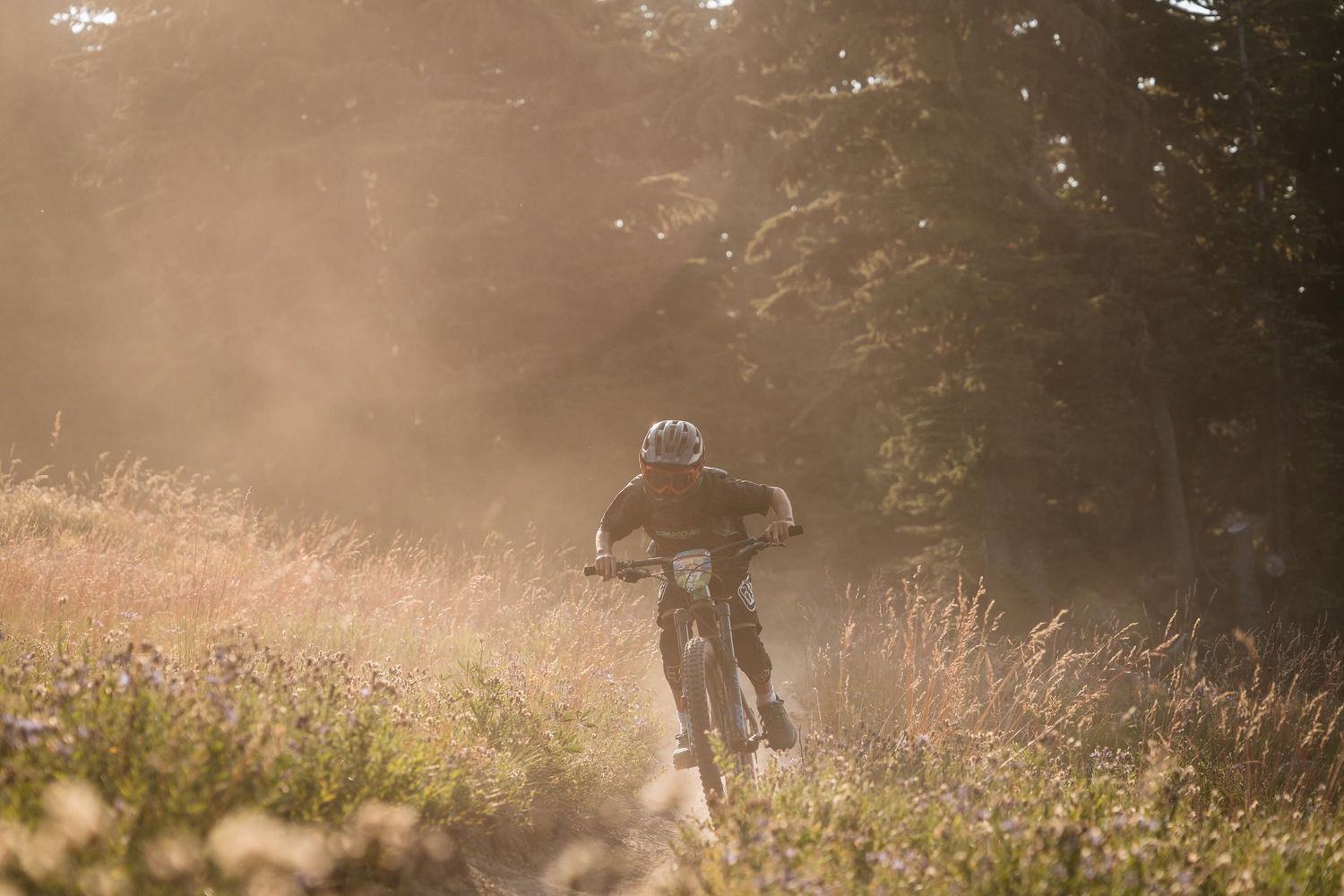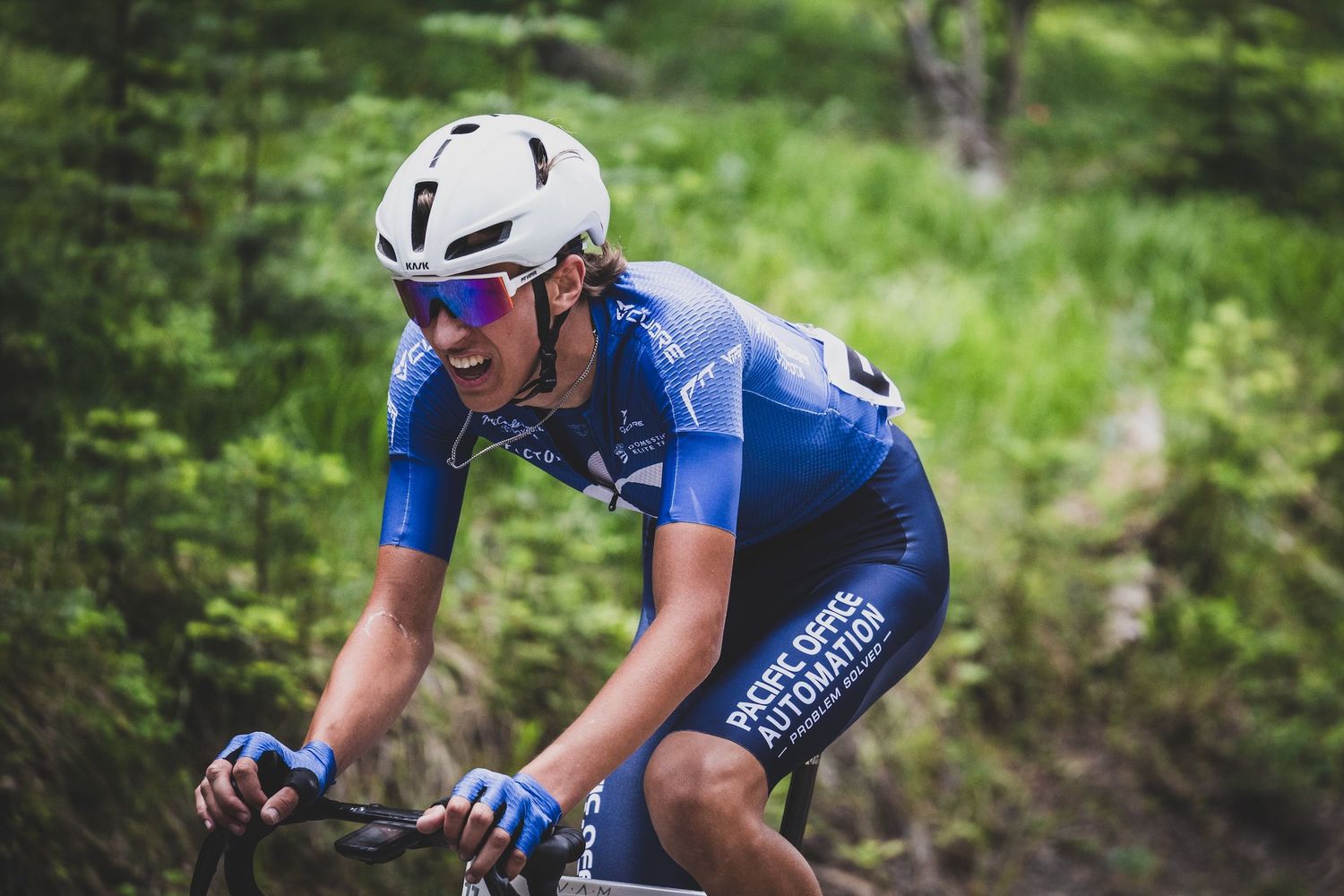
How storytelling quietly supports race growth
By now, the pattern should be clear.
The story starts months before race day.
The quiet (and boring) middle matters.
Consistency builds familiarity.
Storytelling is not promotion or hype.
So the real question becomes:
If storytelling is not about selling harder, how does it actually support registration?
The answer is simple.
It reduces uncertainty.

Race registration decisions build slowly
Too often, races treat registration like a switch.
Registration opens.
Marketing intensifies.
Urgency increases.
But registration decisions rarely happen in a single moment.
Someone sees your race once.
Then again.
Then again.
They start to recognize the place.
They notice familiar faces.
They understand what the experience feels like.
By the time they click “Register,” the decision has been forming for weeks or months.
Storytelling supports that slow formation. That also means you can't start storytelling only a couple of months before the race.
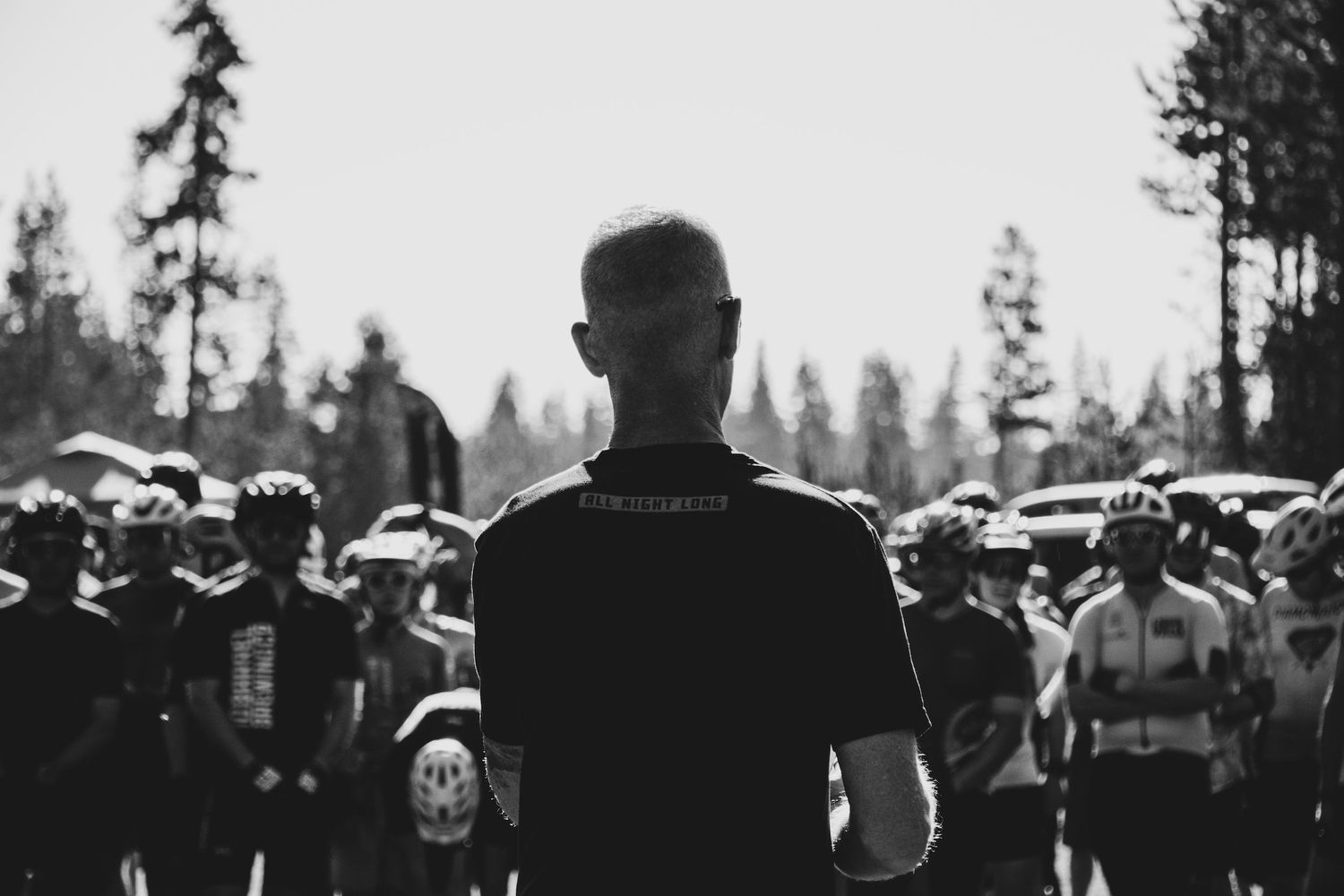
Familiarity lowers friction before race day
When someone considers signing up, hesitation rarely centers on price alone.
It sounds more like this:
What will this course actually feel like?
Is this my kind of crowd?
Is it organized well?
Is the travel worth it?
Familiarity answers those questions without forcing them.
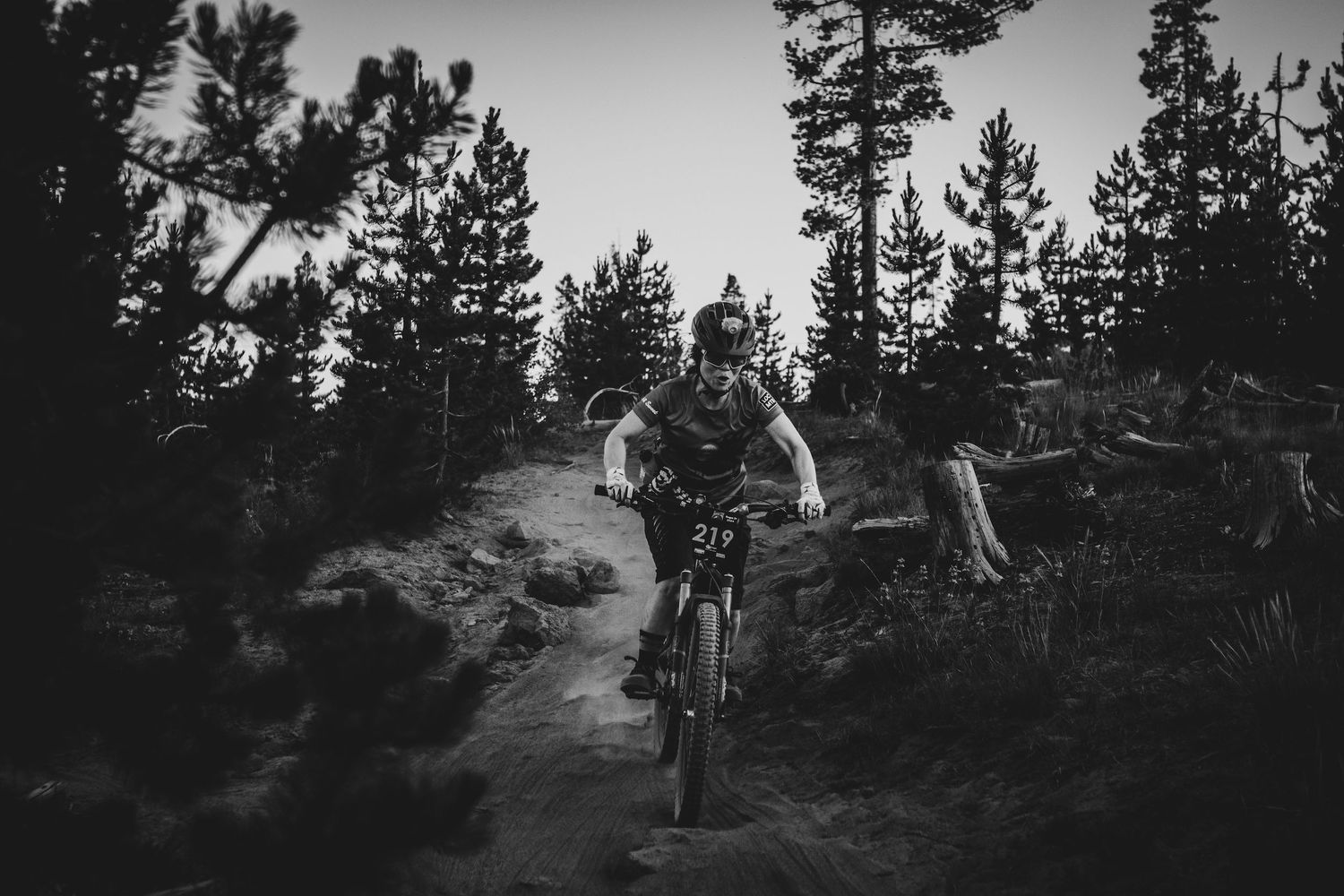
Repeated terrain.
Repeated preparation.
Repeated glimpses of who shows up.
None of this feels like selling.
All of it lowers friction.
When friction drops, commitment feels easier.
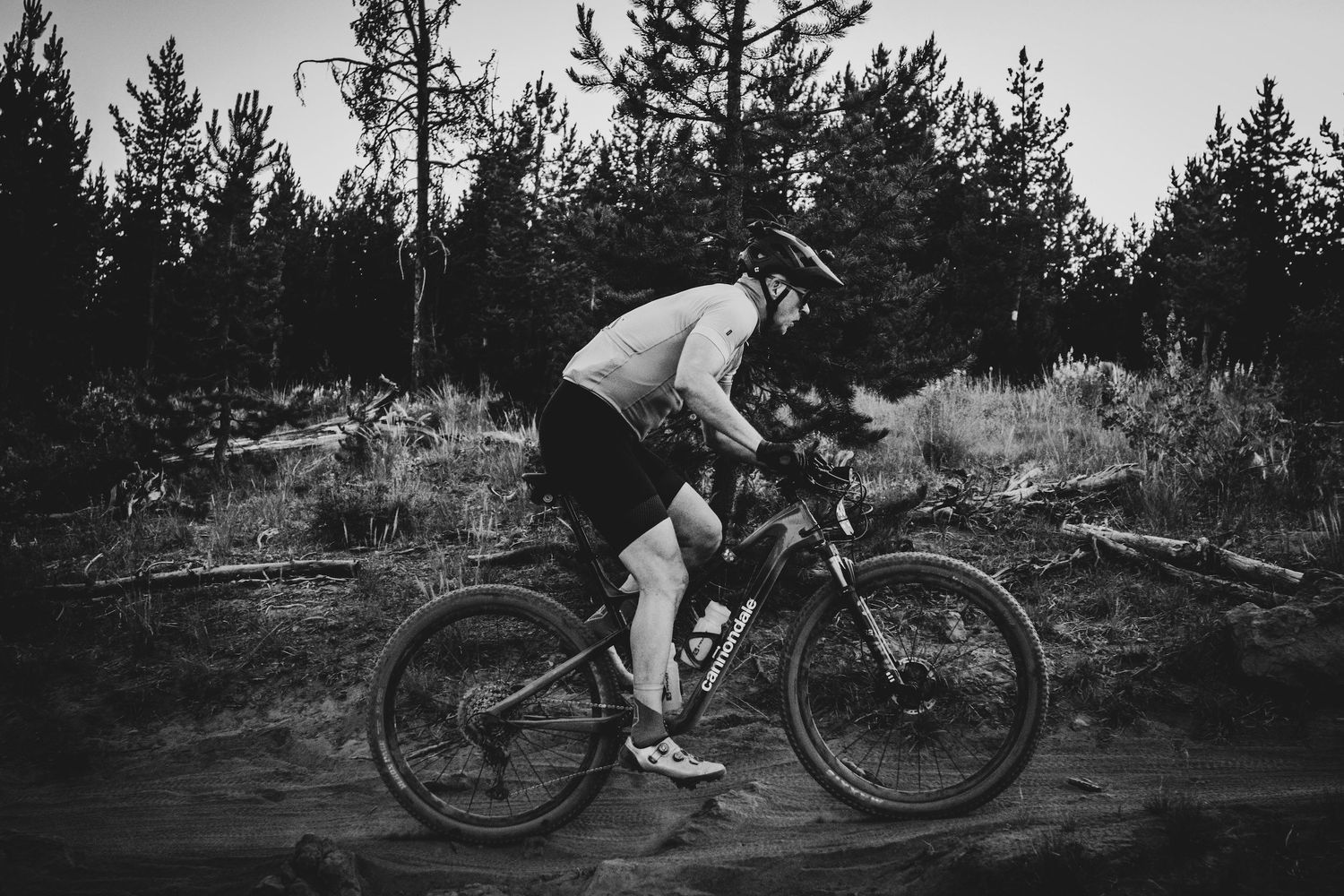
Urgency works best after familiarity exists
Many races increase urgency when numbers feel soft.
But urgency only works when familiarity is already present.
If someone understands your race, urgency feels like a helpful reminder.
If they do not, urgency feels like pressure.
We don't like sales pressure either.
Storytelling builds the foundation urgency depends on.
Without familiarity, promotion feels loud.
With familiarity, promotion feels timely.
Sustainable race growth rarely looks dramatic
Growth built on familiarity does not look explosive.
It looks steady.
Fewer spikes.
More alignment.
Stronger fit between the race and the people who register.
That kind of growth is quieter, but more durable.
It also attracts the right participants, not just more participants.
A simpler way to think about registration
You do not need a more aggressive content strategy.
You just need a clearer one.
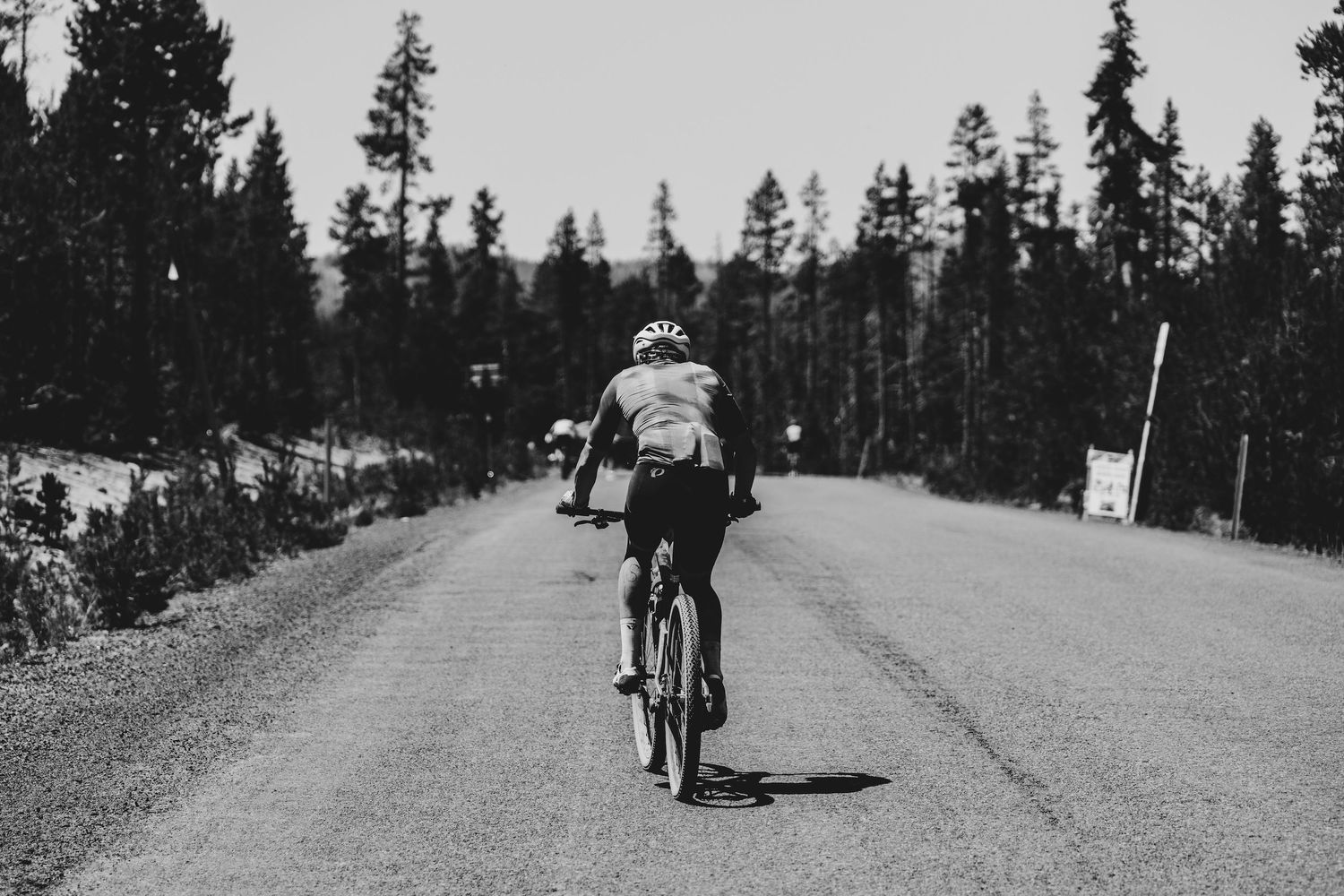
Keep showing preparation.
Keep showing people.
Keep showing place.
Keep repeating what matters.
Let your race become recognizable before you ask it to become urgent.
Registration is not fueled by hype.
It is supported by understanding.

Closing the series
This series has not been about tactics.
It has been about mindset.
Storytelling is not about dramatic growth.
It is about durable familiarity.
Familiarity builds trust.
Trust supports registration.
Registration becomes steadier.
You do not need to sell harder.
You need to be understood.
That is what storytelling does when it works.

about the author
Sean Benesh
Sean Benesh is a storyteller and strategist based in Portland, Oregon. He works with rural communities, trail organizations, and race organizers to help them tell their stories, grow their online reach, and build momentum through photography, writing, and social media. He is the founder and editor-in-chief of Trail Builder Magazine and serves as the communications director for the NW Trail Alliance.