Why Race Organizers Should Champion Their Host Communities for Long-Term Event Success
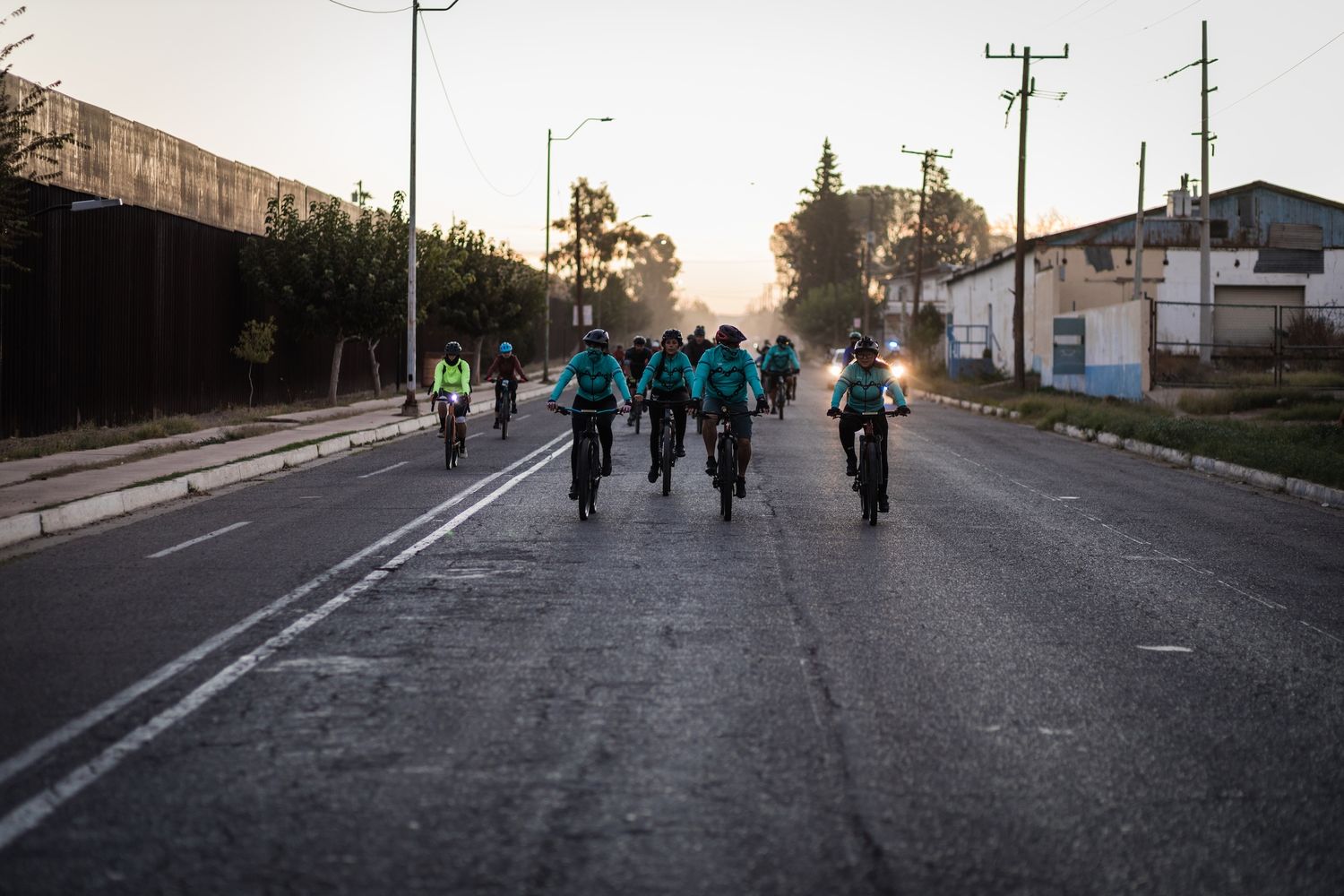
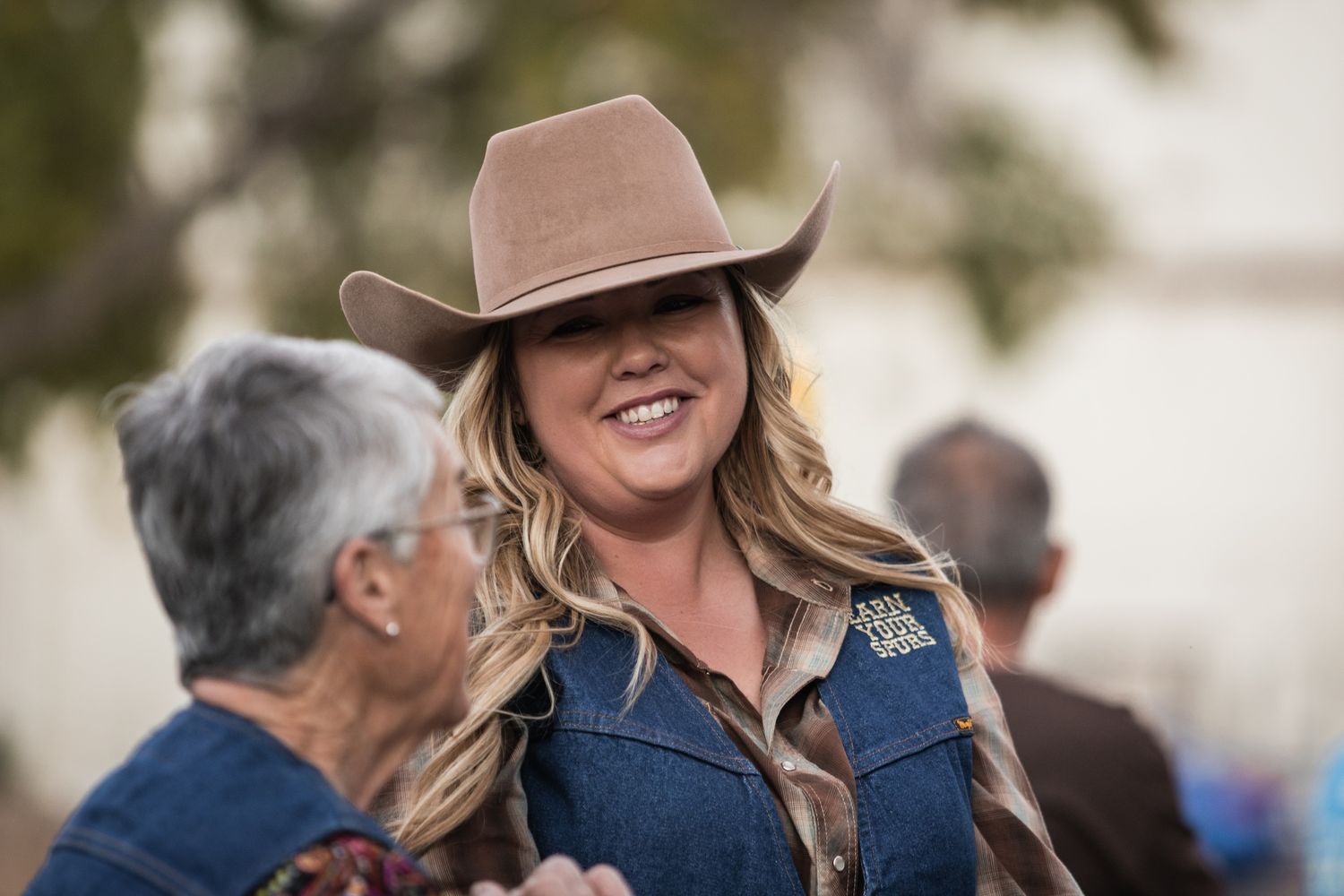
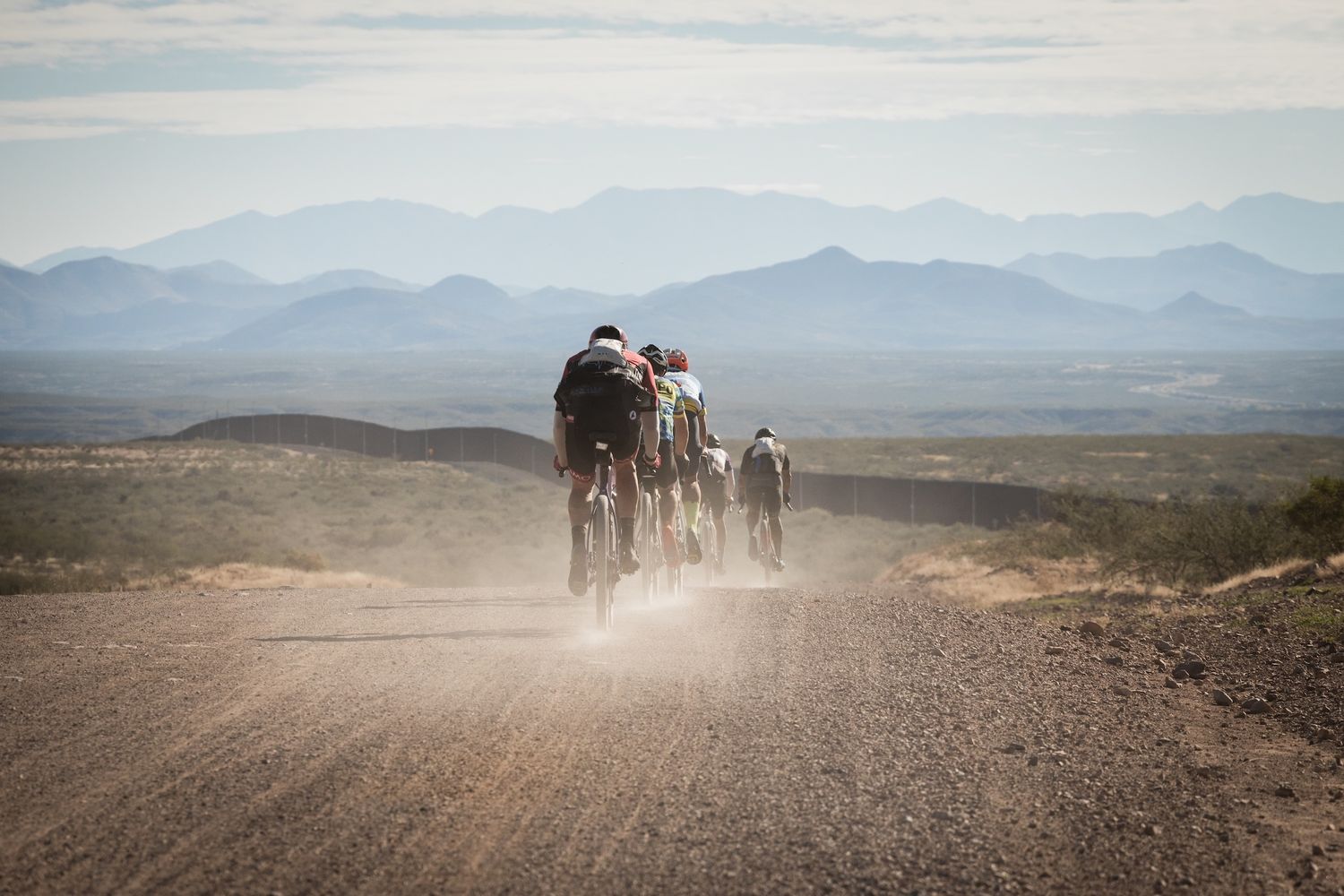
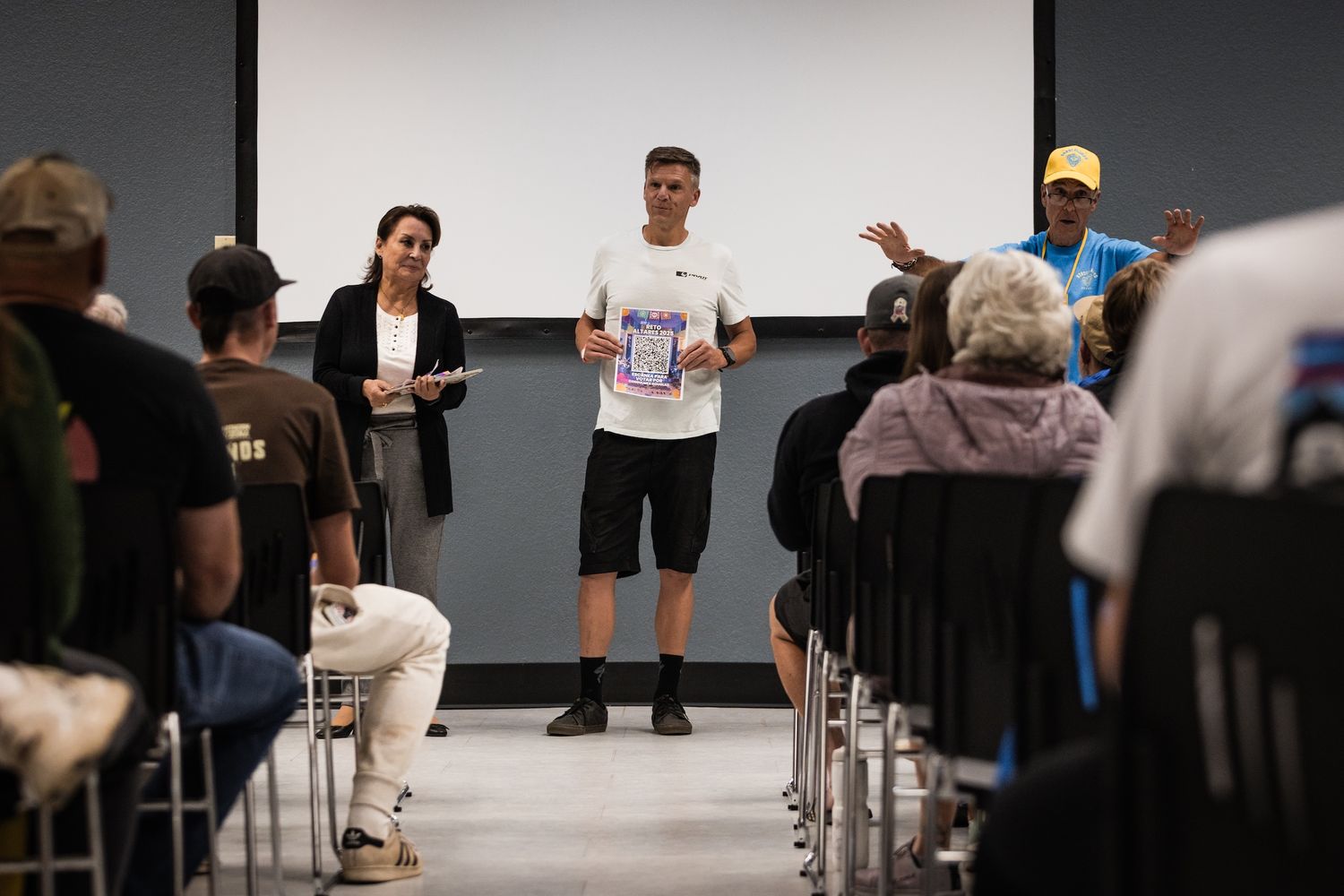
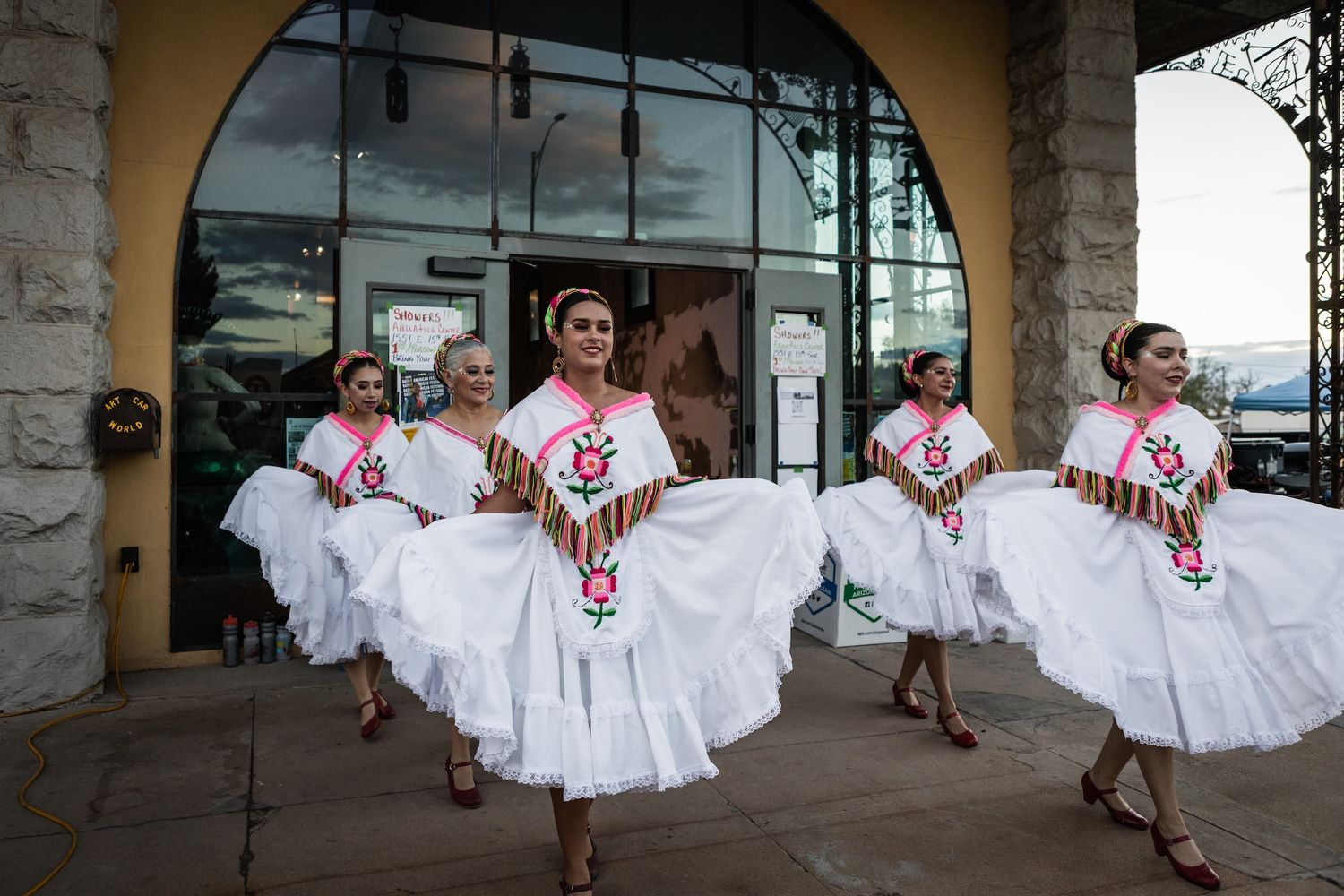
On a cool November morning in Douglas, Arizona, I watched something simple and beautiful happen. City staff showed up early and stuck around. Business owners propped open their doors before sunrise. Local ranchers were active not only on race day, but also in planning leading up to the event. Artists opened their venue for the festivities. People were excited, curious, and proud that a gravel race had landed in their town.
Even leaders from Agua Prieta, Sonora, Mexico, were part of this race. That moment stood out to me. A shared border, shared history, and now a shared event.
It was clear from the start. This race mattered to Douglas.
What struck me was how many different types of people were involved. Public officials. Tourism staff. Ranchers who depend on the land. Artists who depend on creativity. Hotel staff. Families. Volunteers. It felt like the entire town was pulling in the same direction for one weekend.
And it made me think about something I see far too often in the world of gravel, road, and mountain bike racing. There are events that unintentionally treat the host town as an afterthought. A backdrop. A place you pass through on your way to the finish line.
I do not believe organizers do this on purpose. Most are overwhelmed, under-resourced, or simply focused on the thousand logistical details that make a race actually work. But when the town becomes invisible, something important is lost. Because in rural communities, the town is not just another setting. It is the story.
Why Host Communities Matter in Gravel Cycling, Road, and MTB Events
Most gravel, road, and MTB races wind their way through rural places. These are towns shaped by ranching, agriculture, mining, forestry, border economies, and generations of families who know the land better than any GPS file ever could. For many of these communities, hosting a race is a chance to bring in visitors, support small businesses, and create a little bit of economic momentum.
We already know that outdoor recreation plays a huge role in that. Americans spend around 887 billion dollars each year getting outside. That spending supports more than seven million jobs nationwide.
Gravel cycling keeps growing, too. Strava reports a major rise in gravel riding, which means more riders are traveling, exploring, and looking for new places to ride.
Races can become an entry point for all of that energy. They help towns move from being overlooked to being discovered. And when organizers are intentional about celebrating the town that hosts them, the benefits multiply.
Racers remember the warm welcome.
The local burrito spot becomes part of the story (it always does so for me).
The trail system or gravel network becomes a future vacation.
Local businesses feel seen.
Community leaders feel valued.
It all matters.
And we have real examples of what this looks like when done well.
Case Study: BorderLands Gravel and Community-Driven Event Success in Douglas, Arizona
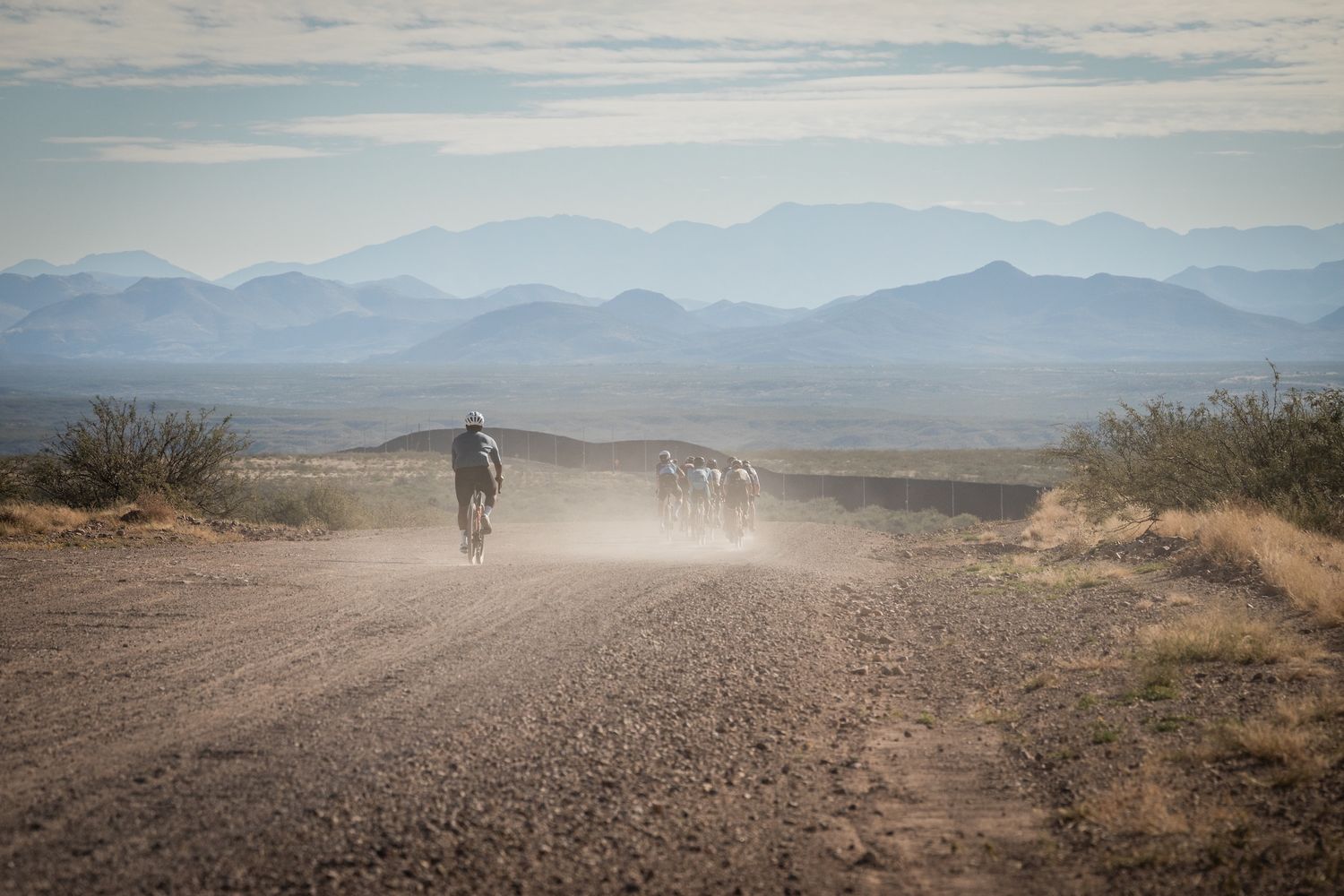
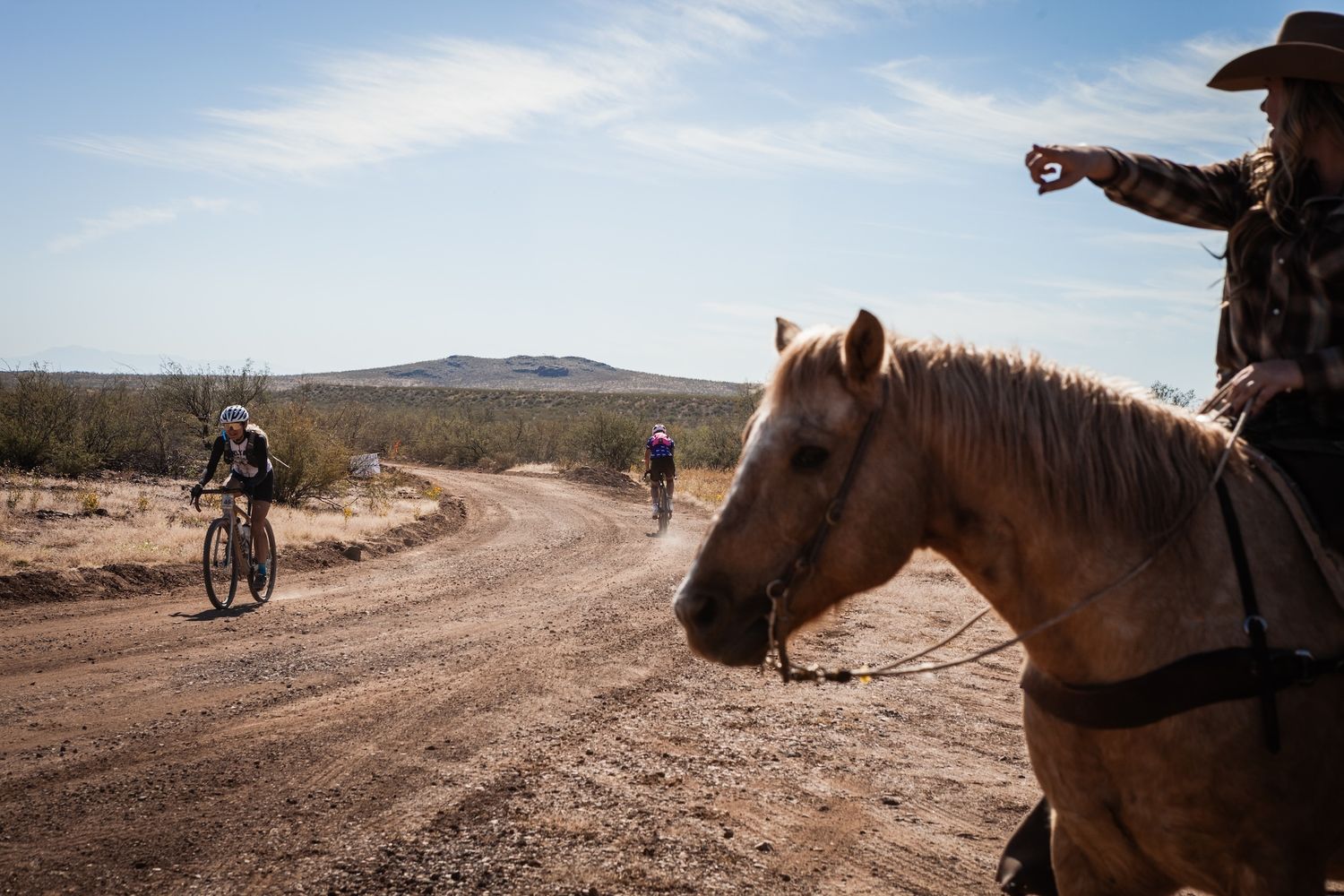
BorderLands Gravel did not happen by accident. Mike Miller willed it into existence. It also came together because Douglas believed in it. From day one, the city staff, tourism office, land managers, and local businesses made it clear that they wanted to see this event succeed. And they backed that up with action.
The result was a community inviting newcomers into their world. For many racers, Douglas was a place they had never stopped in before. By the time they left, several told me they wanted to come back. That is the power of a community that shows up.
Case Study: Spirit World 100 and Supporting Local Tourism and Conservation
Nearby in Patagonia, the Spirit World 100 has become something rare. It is not just a stunning desert race. It raises funds for the Arizona Trail and invests directly into stewardship and conservation. It also put Patagonia on the global gravel map. Riders fly in from all over the world to experience the terrain, the food, the culture, and the people.
That does not happen by chance. The organizers made a decision early on to spotlight local businesses and create a sense of place. They treat Patagonia not as a backdrop, but as a partner.

Case Study: Unbound Gravel and the Economic Impact of Cycling Events in Rural Towns
The clearest long-term example is Emporia, Kansas. Before Unbound exploded in popularity, Emporia was not known as a gravel mecca. Now it is a destination people travel to year-round. Shops, cafes, bike mechanics, lodging, and small businesses have grown alongside the race. Unbound has helped reshape a local economy.
Events can do that. Not in a flashy overnight way, but through steady partnership, year after year.
How Race Organizers Can Support Host Communities and Boost Event Impact
None of this requires a huge staff or budget. It does require intention. Here are a few places to start.
1. Learn the story of the town
Spend time listening. What shaped the community. What matters to the people who live there. What they are proud of. What they want visitors to know.
2. Begin relationships early
Talk with city staff, tourism leaders, landowners, and local businesses well before race season. People support what they help shape.
3. Promote the town as intentionally as you promote the race
Feature local restaurants. Highlight places to stay. Share trails, gravel loops, landmarks, and small businesses. Your racers want this information anyway. Give it to them in a way that lifts up the community.
4. Integrate the community into race weekend
Live music. Local food trucks. Art vendors. Local nonprofits. Cultural experiences. Whatever is authentic to the area, find a way to weave it into the event.
5. Tell stories after the race
Your recap posts and emails can spotlight the community that made the weekend possible.
6. Think about the long road, not just race day
Communities notice when organizers are truly committed. It builds trust. Trust builds partnership. Partnership builds longevity.
The Role of Races in Rural Tourism and Economic Development
Rural communities have depth. They have history. They have culture. And in many of them, the landscapes are remarkable. These places have stories that deserve to be told. When race organizers champion their host towns, they help lift up that story. They show racers that the community matters. They create events that feel grounded and memorable.
And over time, they do something even more important.
They help these towns build a future.