Most people see a gravel race as a single day on the calendar. Riders show up, roll out, race their course, and head home. But if you have ever organized a race or worked in outdoor recreation, you know there is more going on beneath the surface. The real learning begins after the race, when the surveys start drifting back in. This is where the story reveals itself.
Why Post-Race Data Matters for Measuring Economic Impact in Rural Communities
Data is not flashy. It is not the part you post on social media. It is the quiet part. The honest part. The part that tells you what the weekend meant for the people who came to ride and for the community that hosted them. It shows you how far visitors traveled, how long they stayed, and how much they spent. It shows you the impact that is easy to overlook if you are only thinking about the race itself.
When you start paying attention to that data, you begin to understand something important. Gravel races do more than bring riders to town. They bring economic life, new stories, and new energy into rural communities. All of it begins with gathering the right information.
Case Study: How BorderLands Gravel Generates Tourism and Visitor Spending
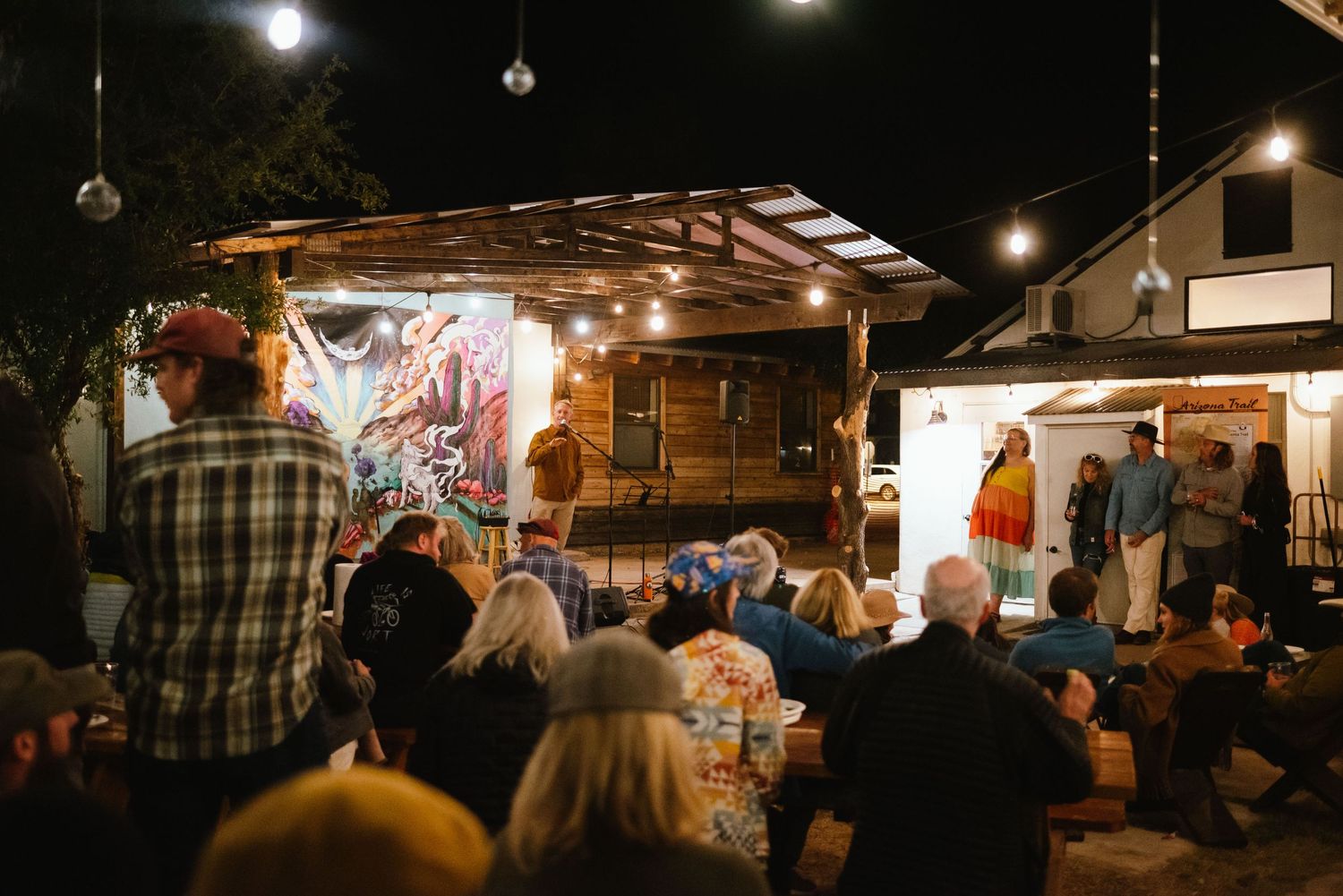
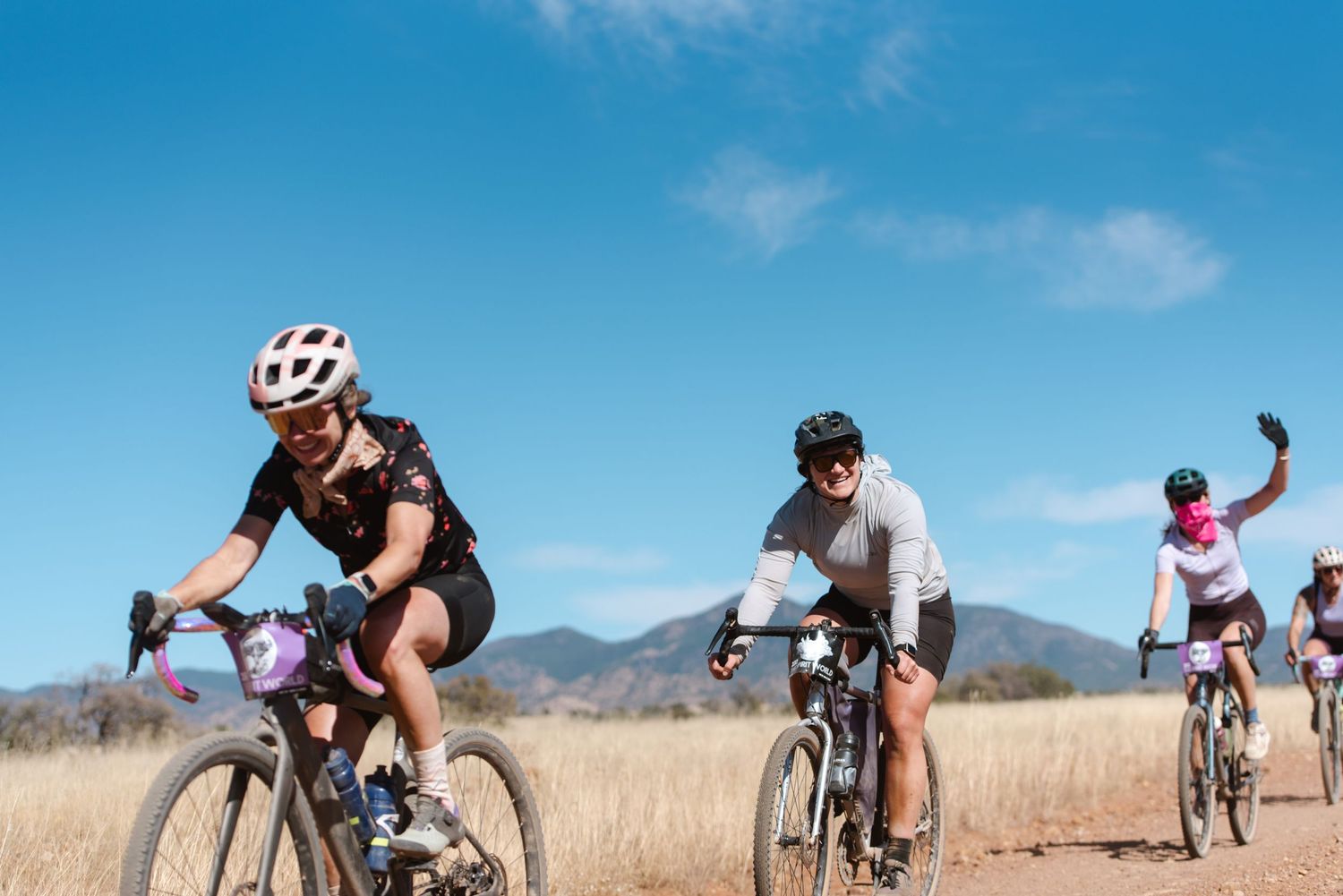
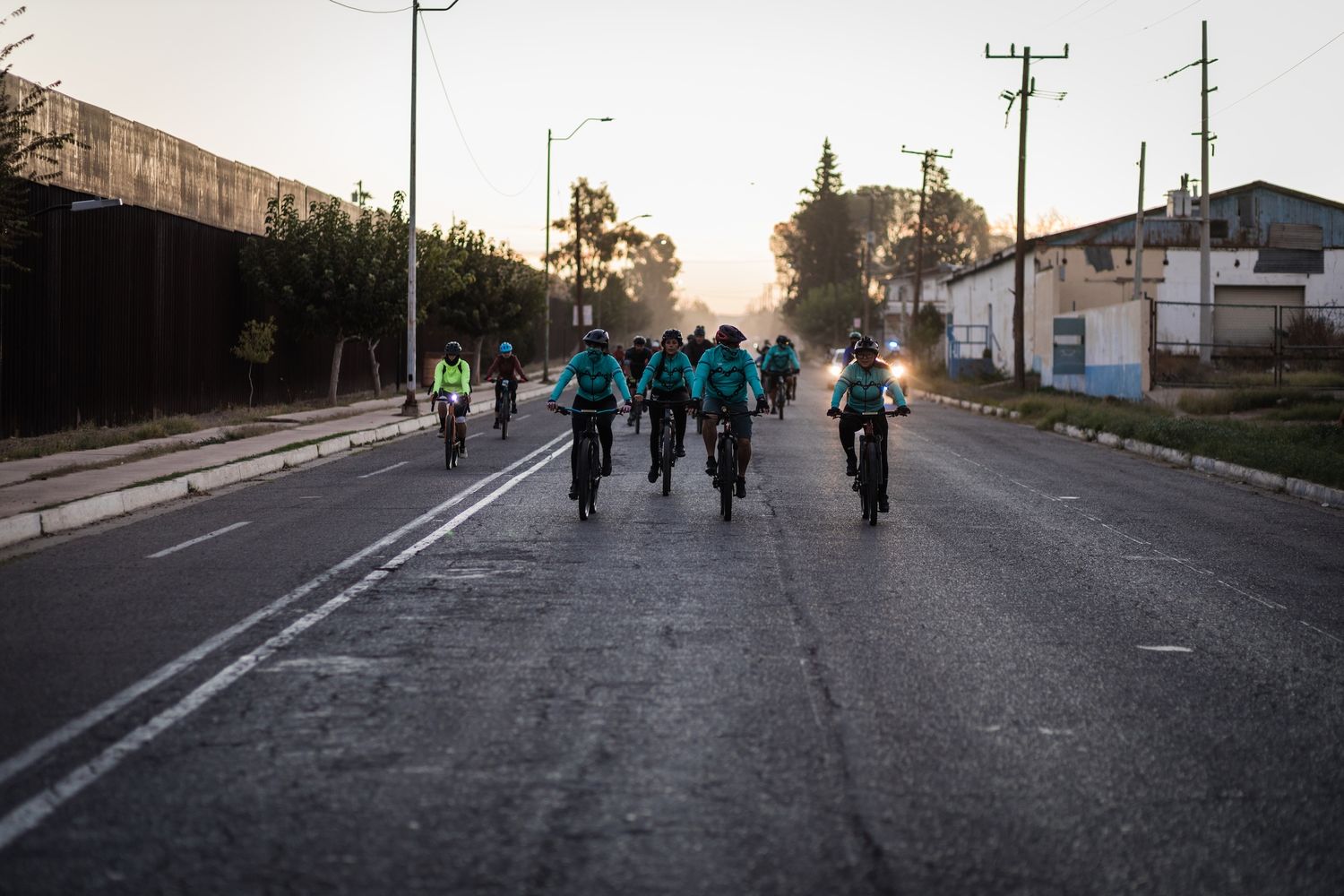
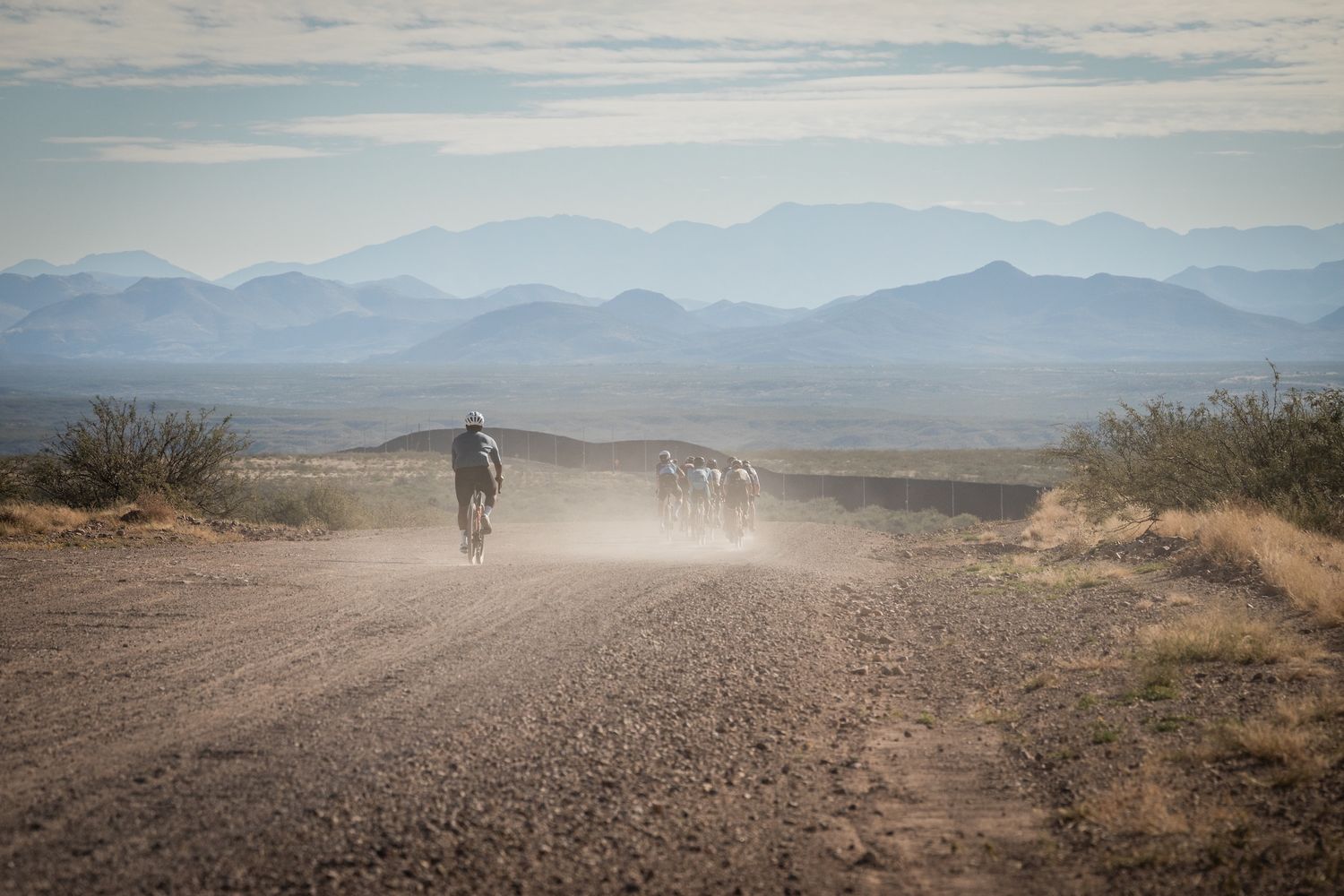
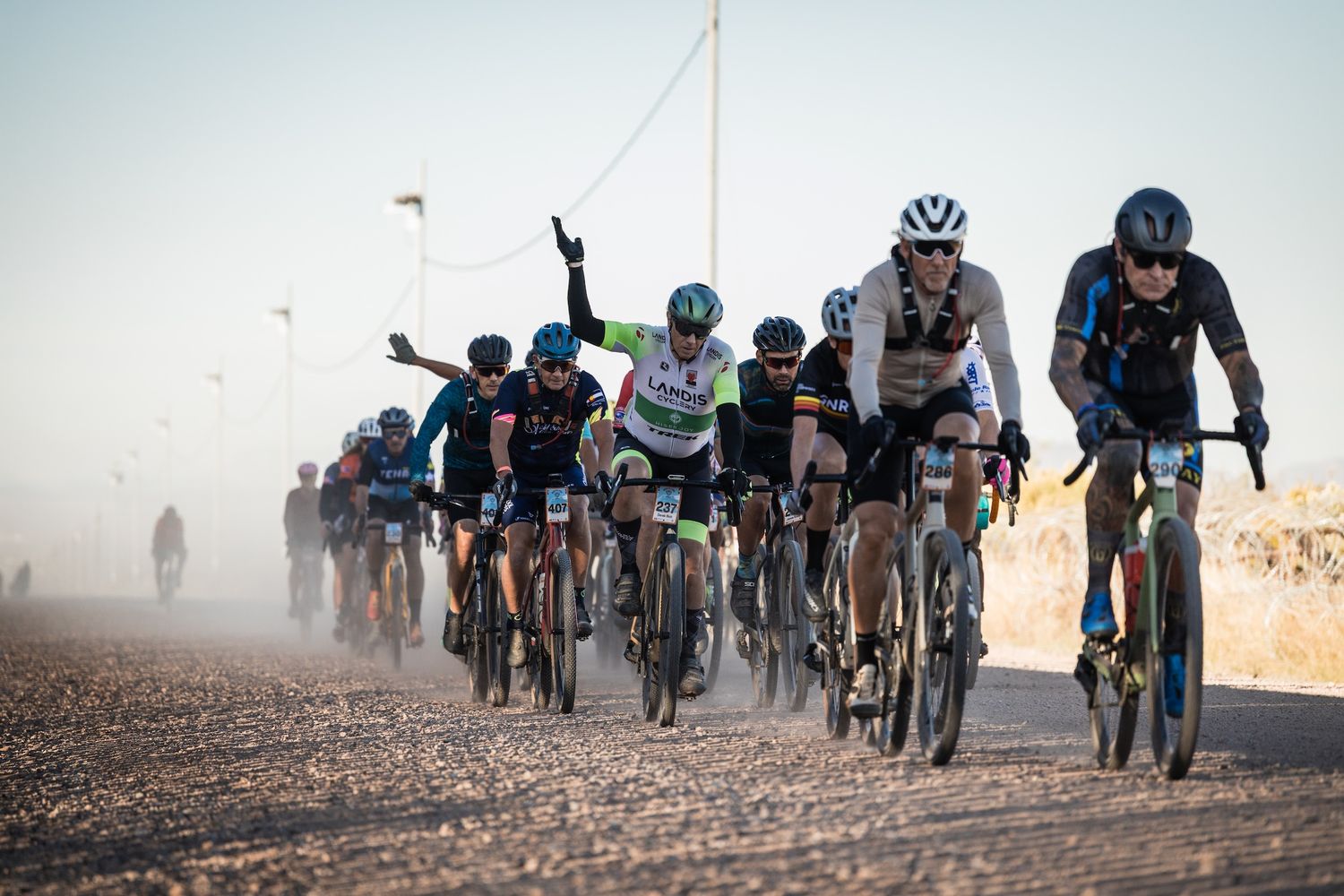
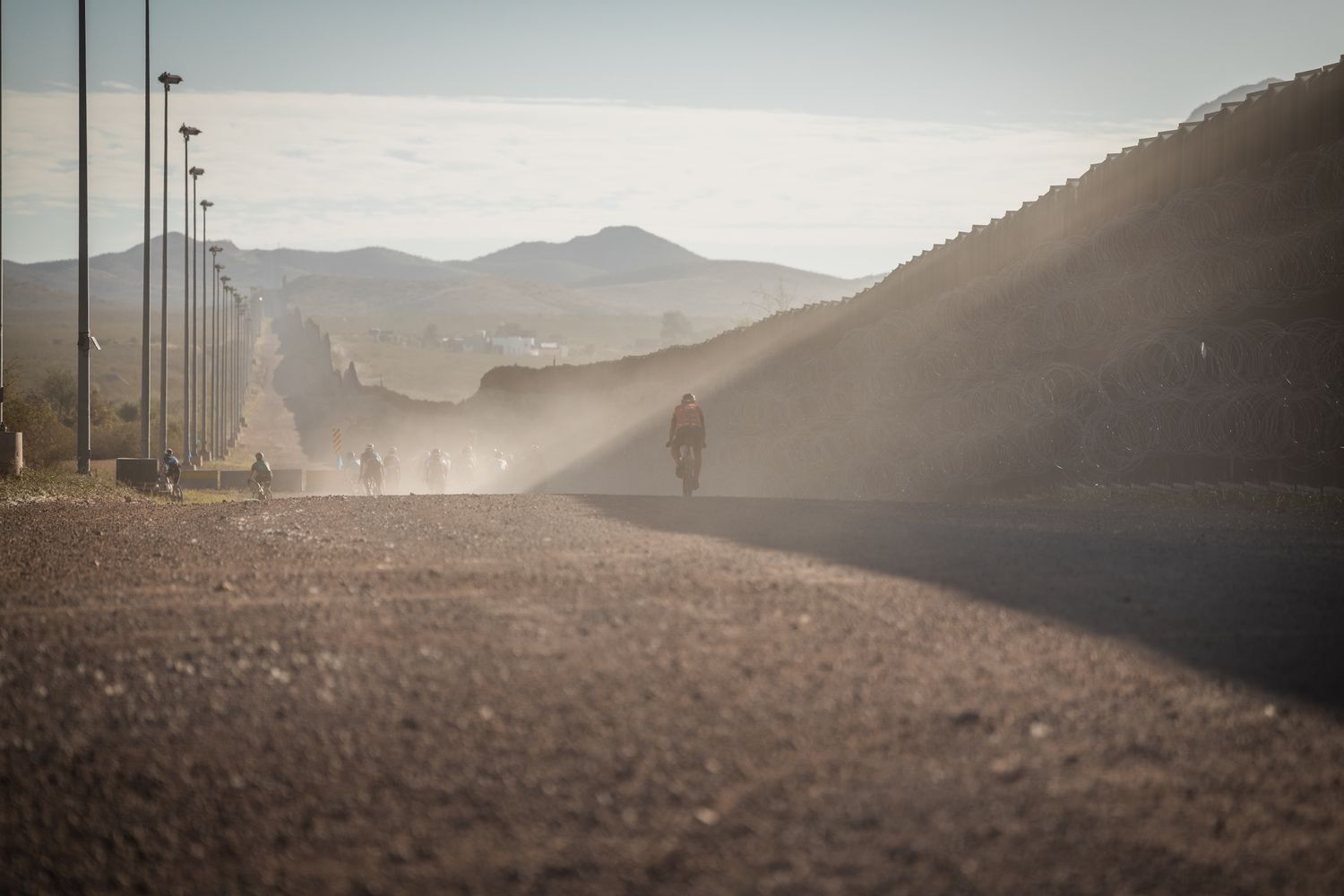
We saw this clearly with BorderLands Gravel in Douglas, Arizona. Forty riders filled out our first round of surveys. That is about fifteen percent of the 260 who raced, which is normal for early post-race feedback. Even with a small sample, the patterns were steady.
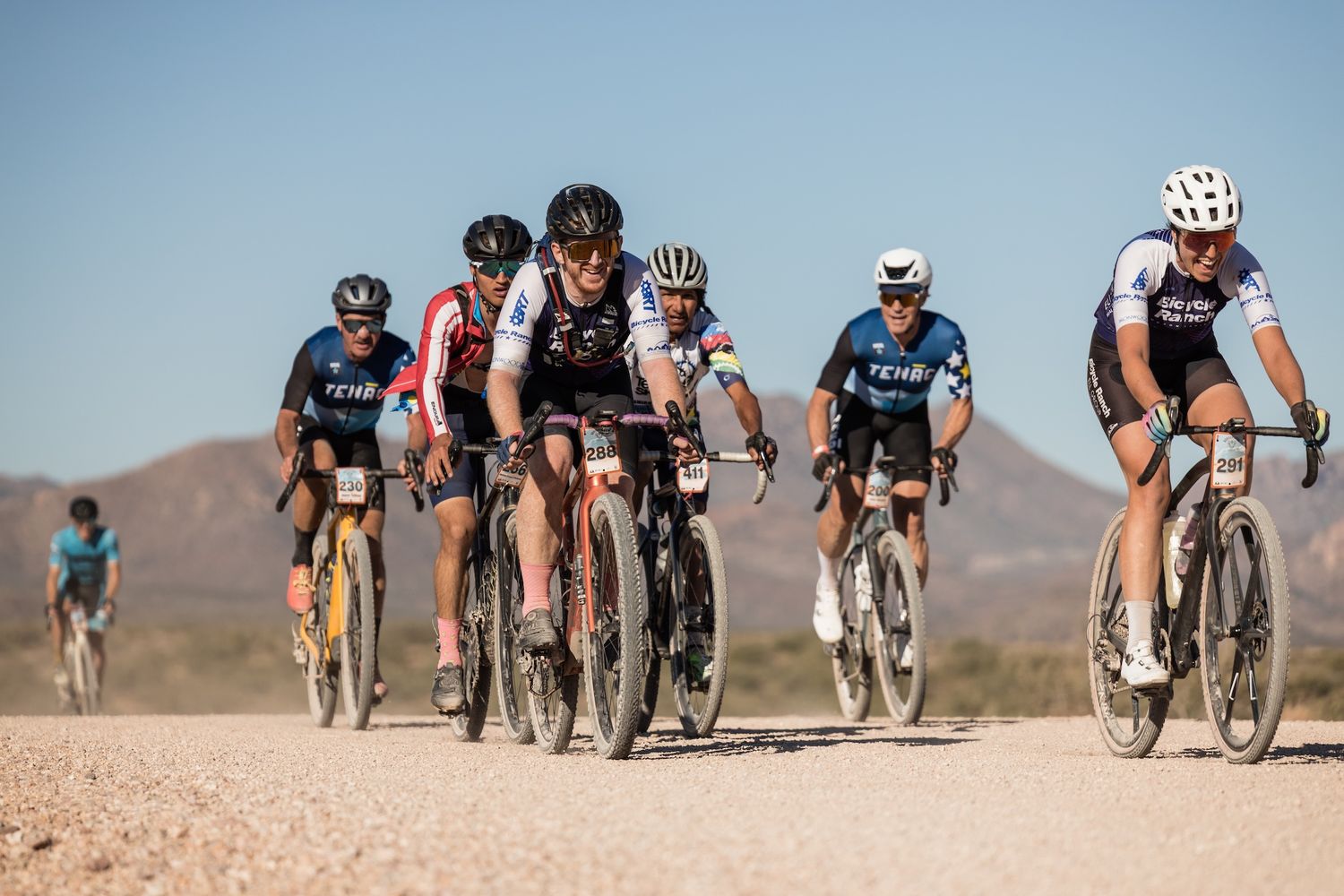
Riders stayed an average of 1.65 nights in Douglas or Bisbee. That alone says a lot. These were not racers who drove in, raced, and left. They made it a weekend. And they did not come alone. On average, each racer traveled with 1.6 other people. Friends. Family. Small groups. Sometimes more.
Once you spread that across the whole field, the race brought more than 670 visitors into the region. That is a meaningful number for any rural community. Visitors eat. They stay in hotels. They buy fuel. They pick up coffee, groceries, and small things from local shops. When we tallied up the data, the average racer spent about $259 during the weekend. Travel companions typically spend about half that amount. Put it together and the economic impact for the weekend rises above $120,000 in direct local spending.
How Gravel Cycling Events Compare to National Races Like SBT GRVL and Big Sugar
What stood out to me was how similar these patterns were to some of the biggest gravel events around the country. SBT GRVL in Steamboat Springs. Big Sugar in Bentonville. Belgian Waffle Ride events in multiple states. Riders at those events travel with others. They stay for two or three nights. They spend money in local communities. BorderLands Gravel is already behaving the same way.
The Trust for Public Land found that visiting mountain bikers spend an average of $416 per trip, based on a 2.7-night stay. If BorderLands riders stayed that long, our average per-rider spending would rise to about $424. Almost identical. The potential is already there. All it needs is time and a little intention.
How Cycling Events Boost Rural Communities and Small-Town Economies
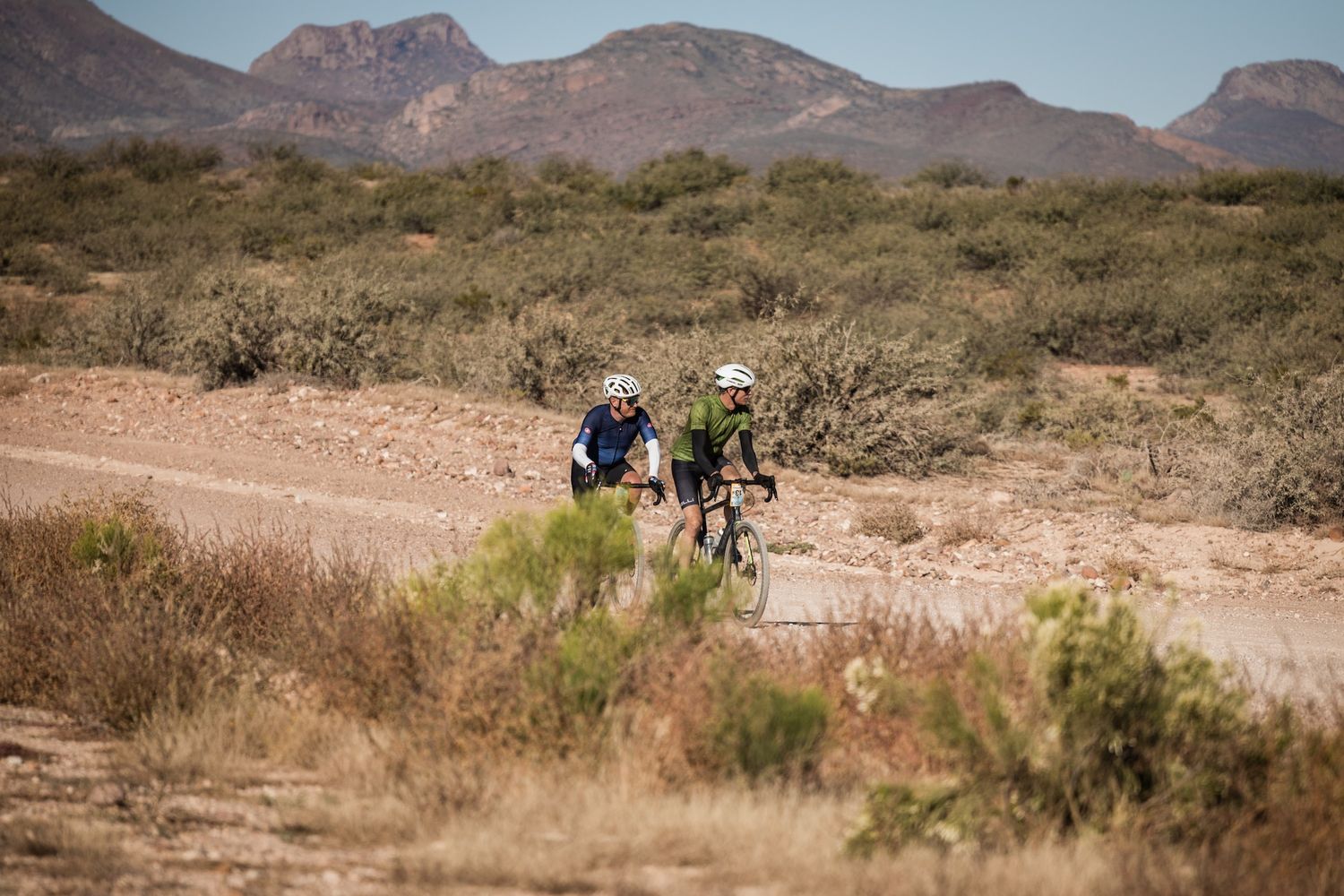
If you work in rural tourism or community development, you know how hard it can be to attract new visitors. Cycling events help solve that problem because they bring a specific kind of traveler. Someone who values nature and adventure. Someone who wants a good meal and a comfortable place to stay. Someone who will talk about the experience long after the weekend is over.
What matters most is understanding the patterns behind their visit. When you can show a city council, a tourism board, or a local business owner how many people came to town, how long they stayed, and what they spent, the conversation shifts. A gravel race is no longer seen as a recreational novelty. It becomes part of the community’s economic story.
Rural communities need stories like that. They need proof that outdoor recreation is not just healthy in the physical sense, but healthy in the economic sense. Data gives them that proof.
Why Race Organizers Should Track Economic Impact and Rider Behavior
For race organizers, data is more than a planning tool. It is part of your credibility. It helps you understand what riders experienced and what they hope will improve. It also gives you a way to talk with potential partners and sponsors. People want to support events that bring measurable value to their region. Data gives you something concrete to share.
It also helps you grow wisely. BorderLands Gravel taught us that even a small increase in average stay length would lift the economic impact meaningfully. That is something you can shape through pre-race gatherings, partnerships with local businesses, or Sunday group rides that encourage people to stay an extra night. None of that is guesswork. The data tells you where the potential is.
The Value of Economic Data for Trail Building and Outdoor Recreation Planning
For trail-building organizations, economic data fills an important gap. Trails are more than recreational assets. They bring people together. They draw new visitors. They support small businesses. They build culture and momentum.
When you can point to a race that brought more than 600 visitors and over $120,000 in direct spending into a rural town, it becomes easier to make the case for new trail development. Land managers and funders want to know how recreation fits into the local economy. Events are part of that story. Data helps you tell it.
How to Collect Rider Surveys and Tourism Data After a Gravel Race
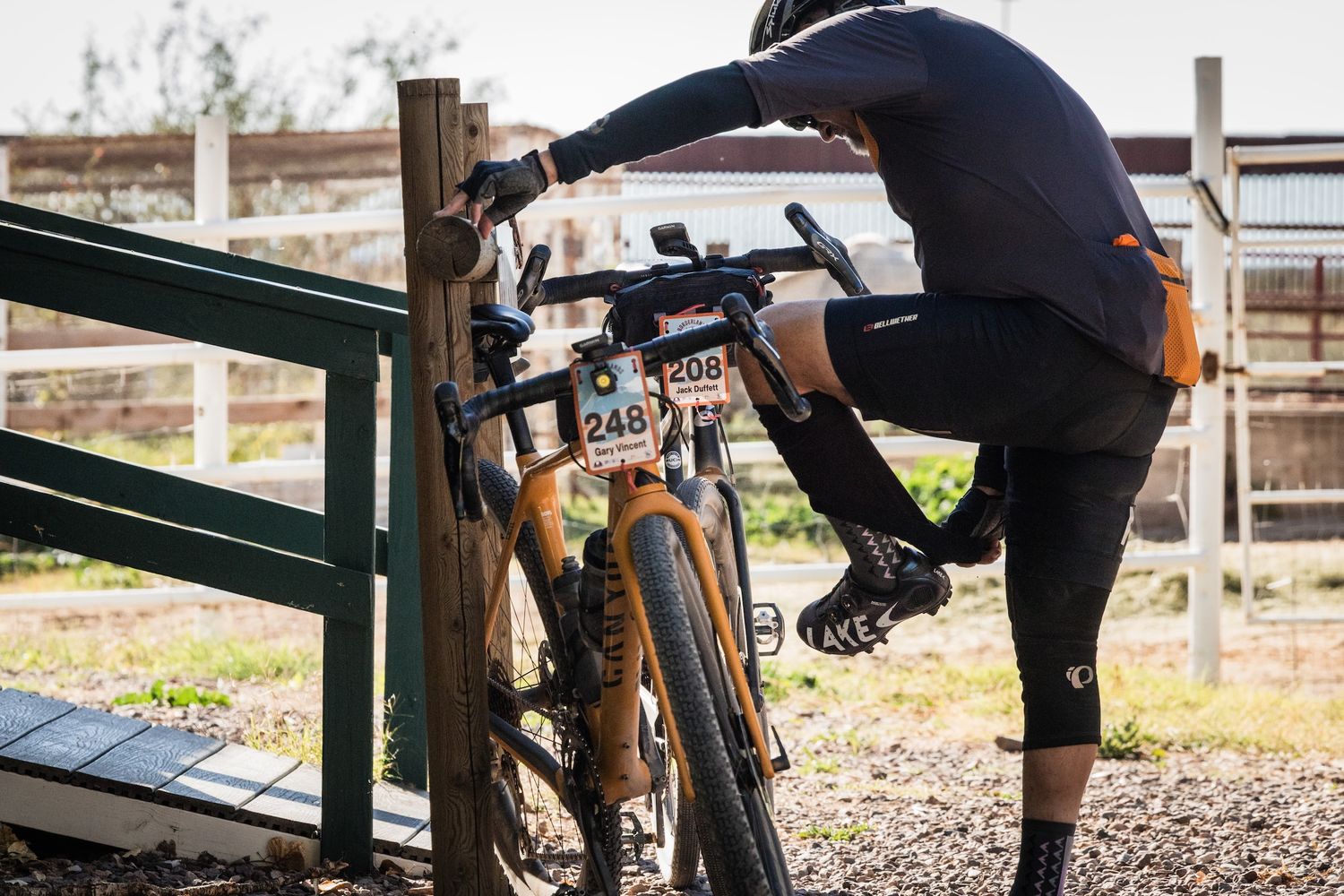
You do not need complicated tools to gather meaningful data (I use Google Forms). You just need a simple survey and a plan to look for the right signals.
Start with basic questions:
- How many nights did you stay
- How many people traveled with you
- Where did you stay
- What state or region you traveled from
- How much you spent on lodging, food, fuel, and shopping
- Whether you plan to return
With these questions, even forty responses will reveal patterns. Eighty will sharpen them. One hundred will give you the confidence to share the results with tourism partners and sponsors.
Data shows you what is true. It keeps you from guessing. It helps you grow.
The Connection Between Gravel Races and Rural Economic Growth
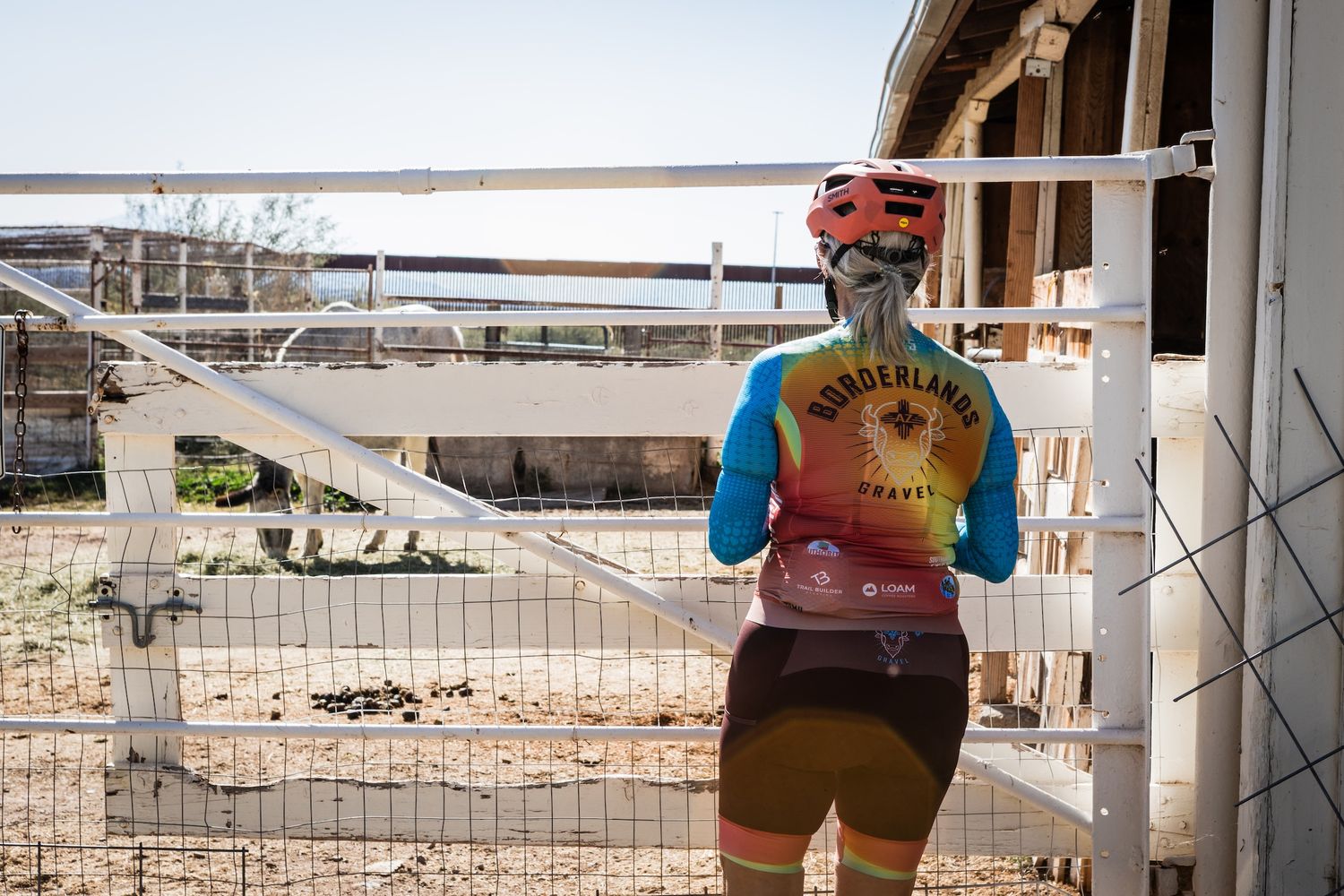
Gravel races do more than create memorable experiences for riders (which they definitely do). They bring people into rural communities. They support local businesses. They introduce visitors to places they may never have found on their own. And many come back.
All of that becomes clearer when you gather the data. Data turns a race into a story about impact. It shows how outdoor recreation supports local economies and helps small towns thrive. It gives communities a reason to keep building, keep investing, and keep growing.
Every race has a story behind it. The communities that take time to understand that story are the ones that benefit the most.