How Media Exposure Fuels Rural Economic Growth
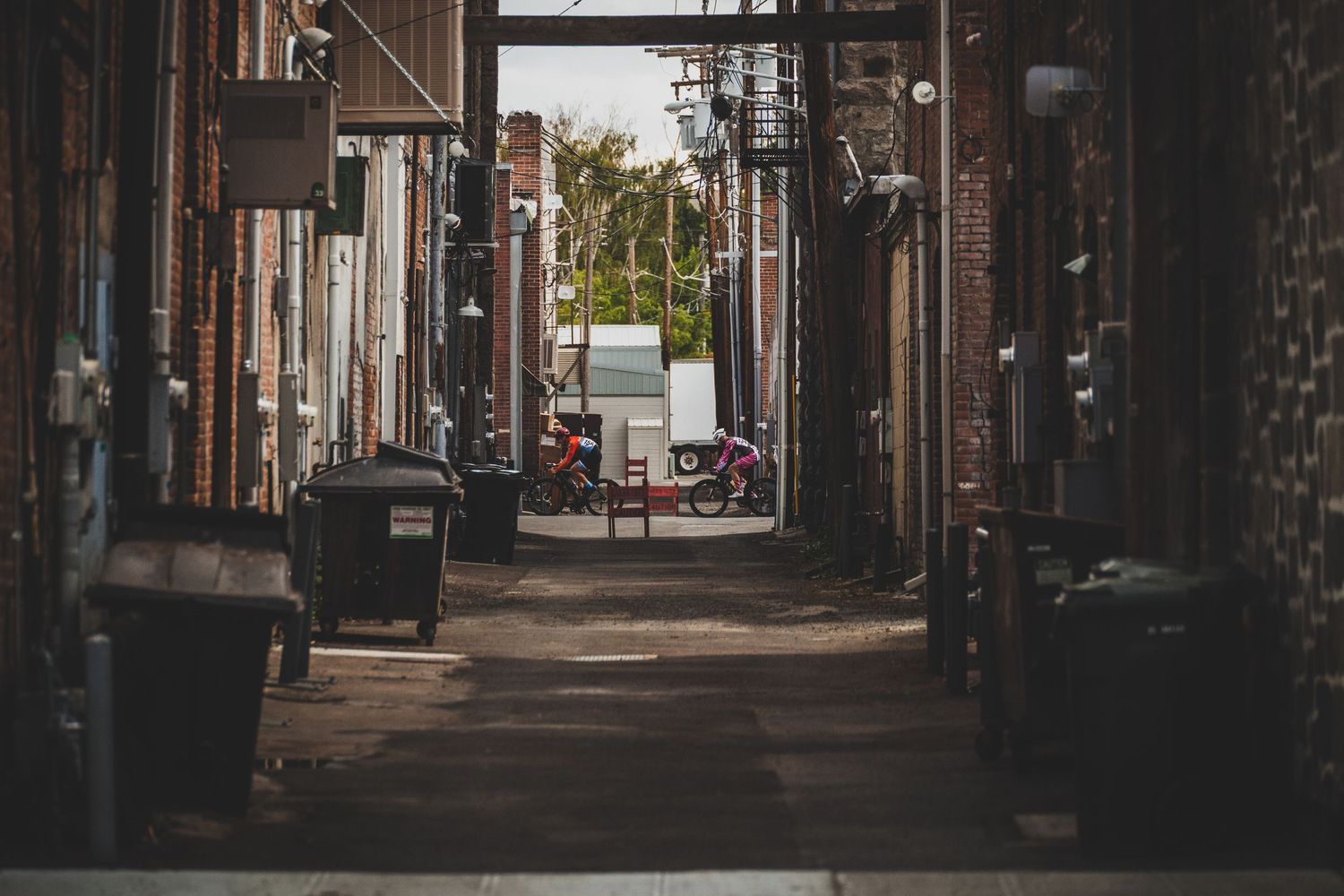
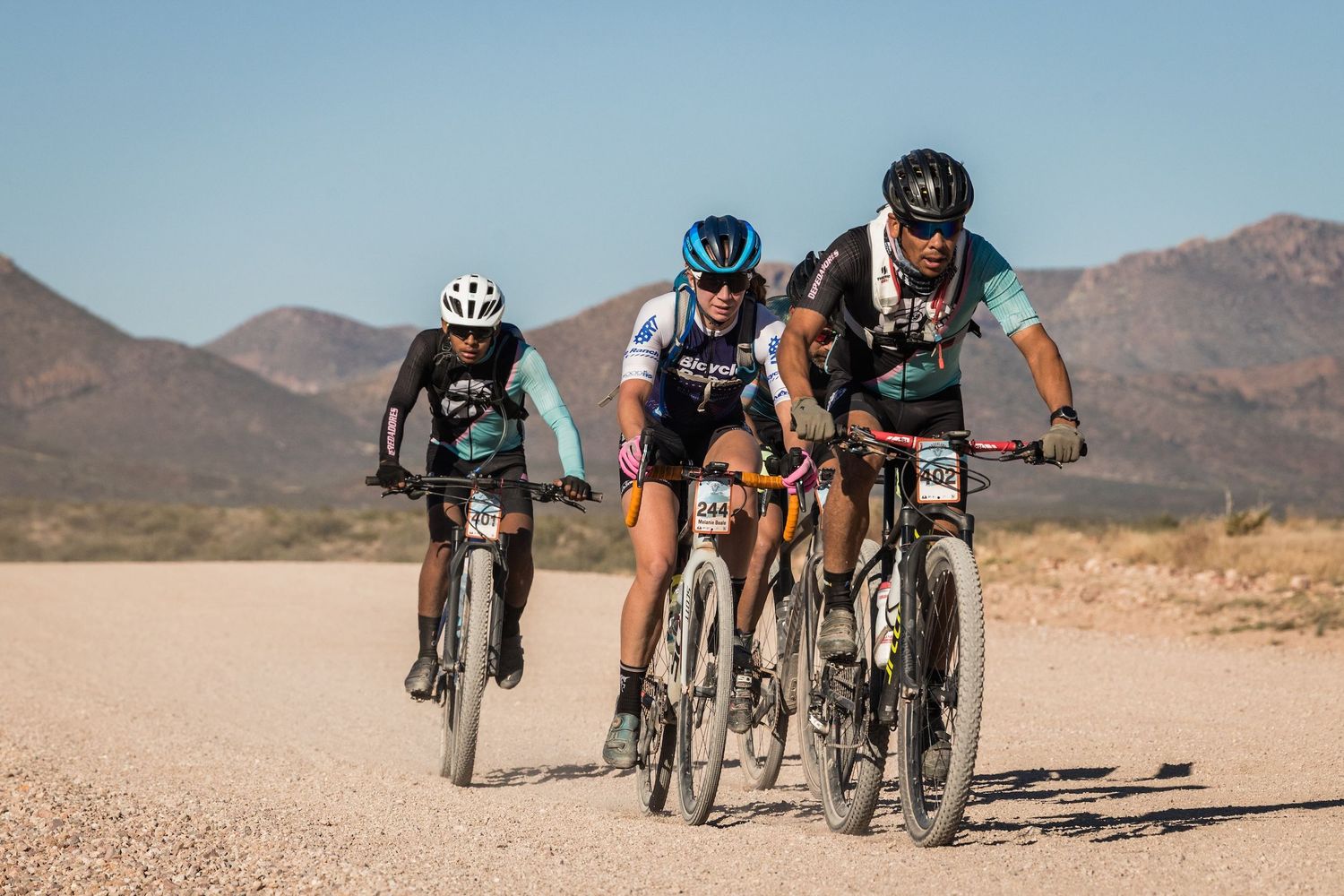
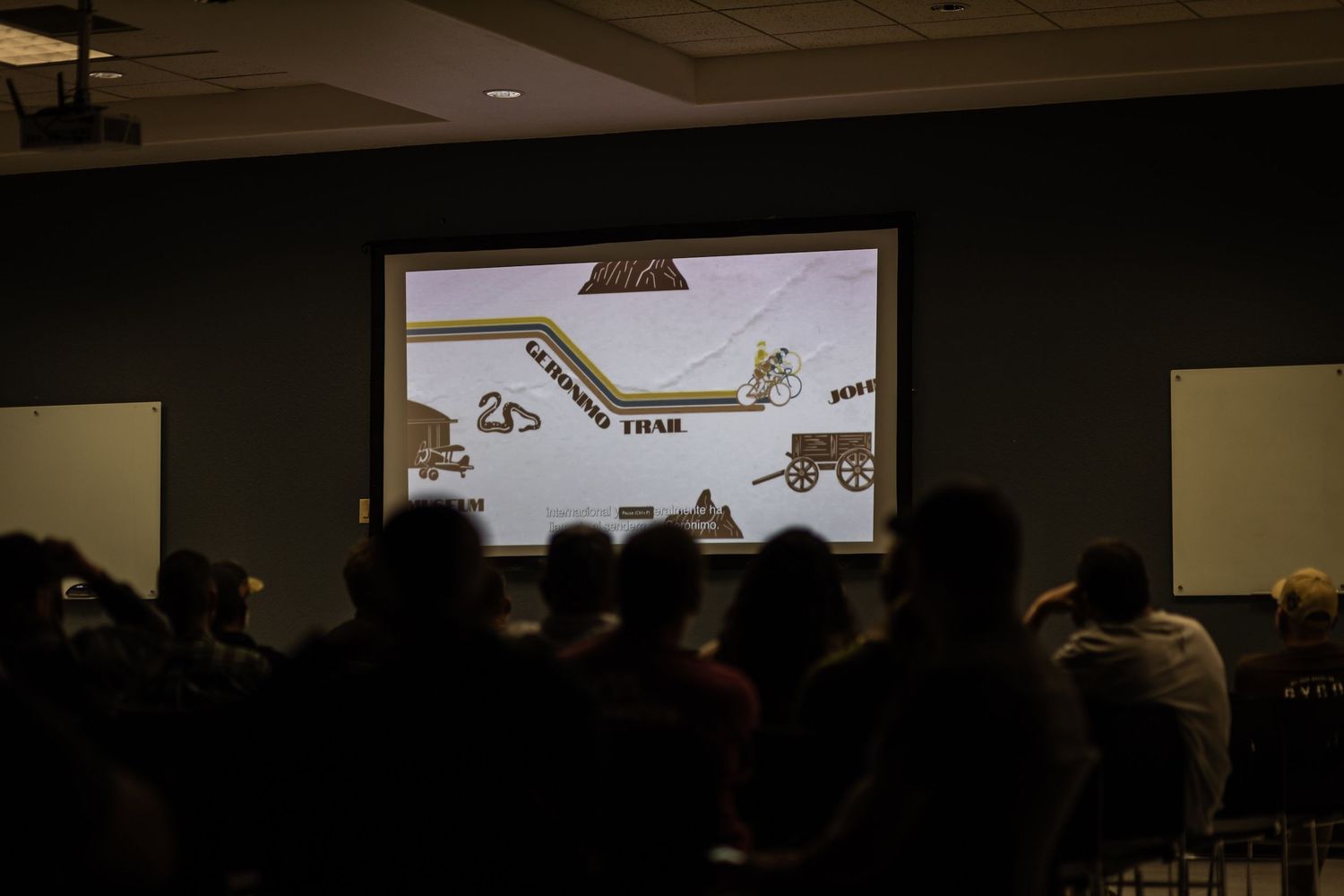
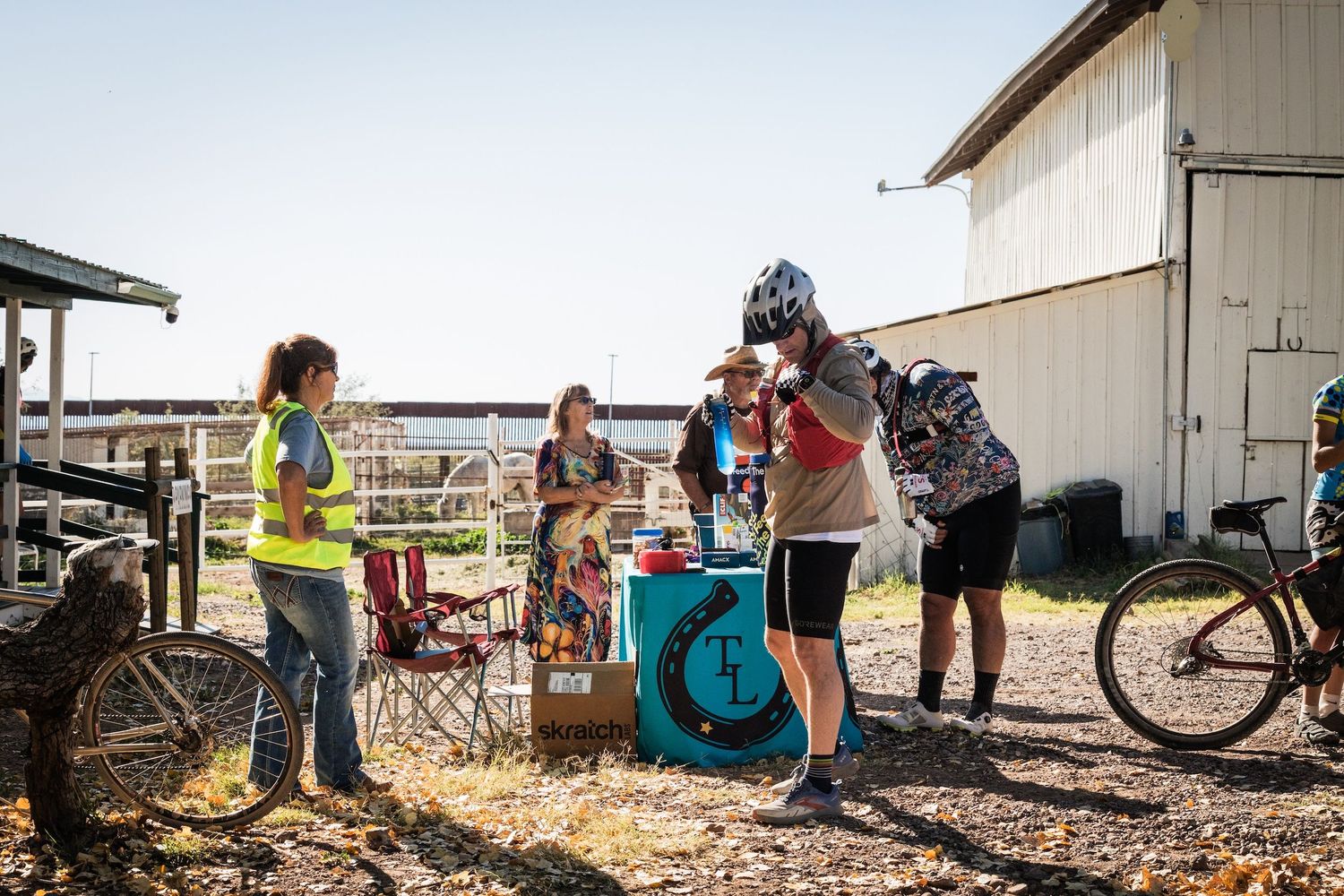
If you have ever stood in the middle of a gravel race with a camera in your hand, you have seen it happen. A rider comes through a section of road that feels like the middle of nowhere. You grab a shot, post it later that night, and suddenly thousands of people who have never even heard of that town are paying attention.
That is what happened in Douglas during BorderLands Gravel.
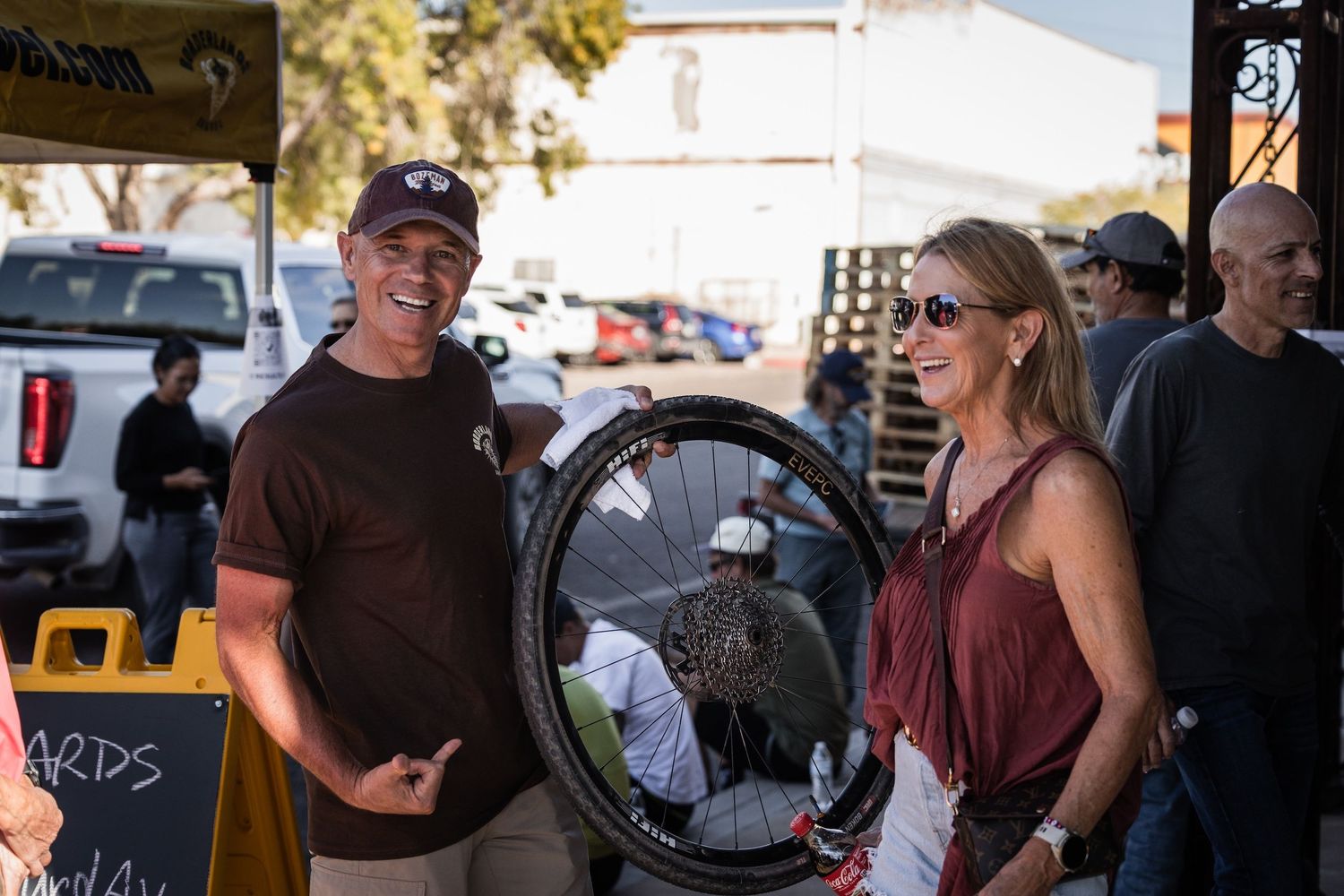
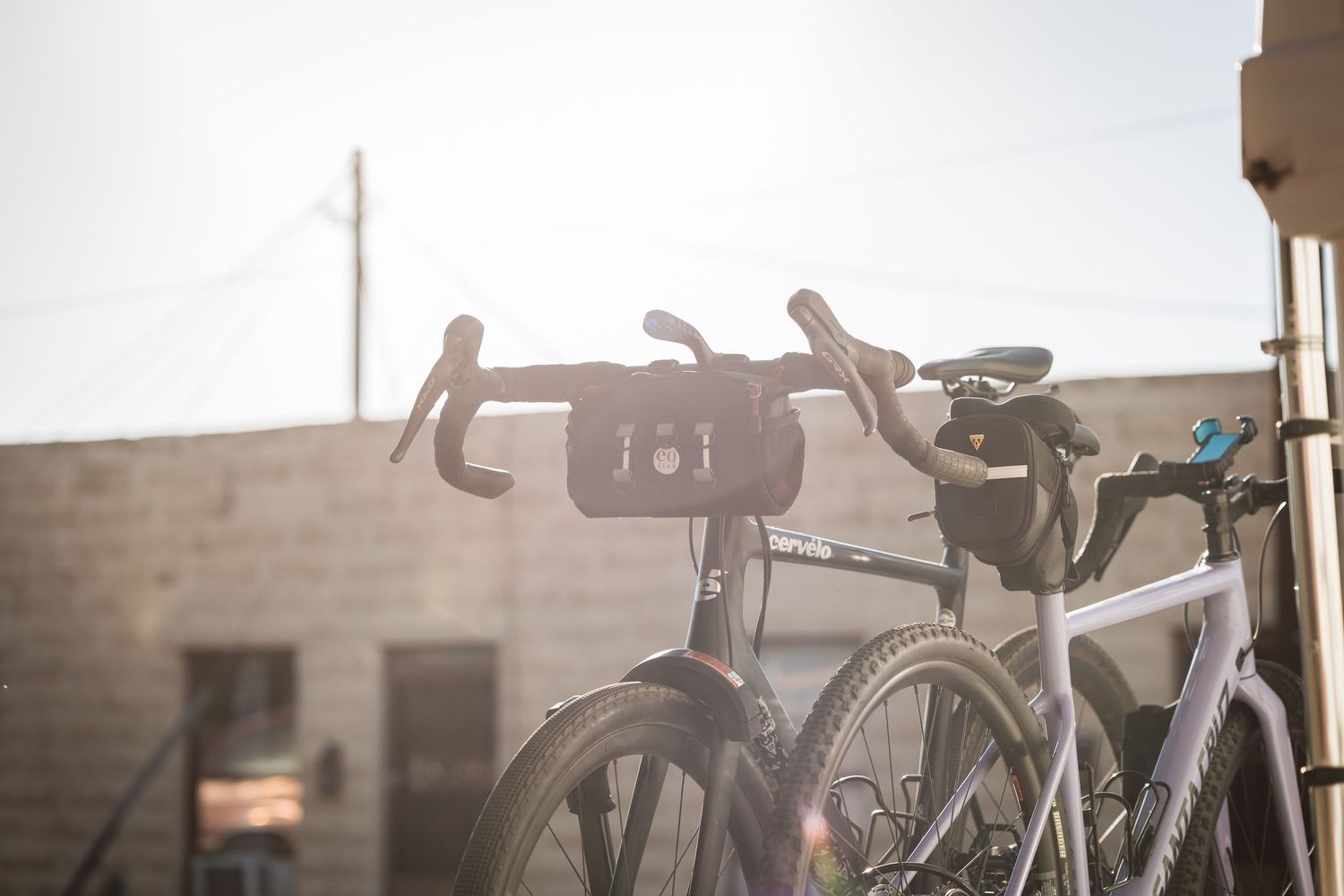
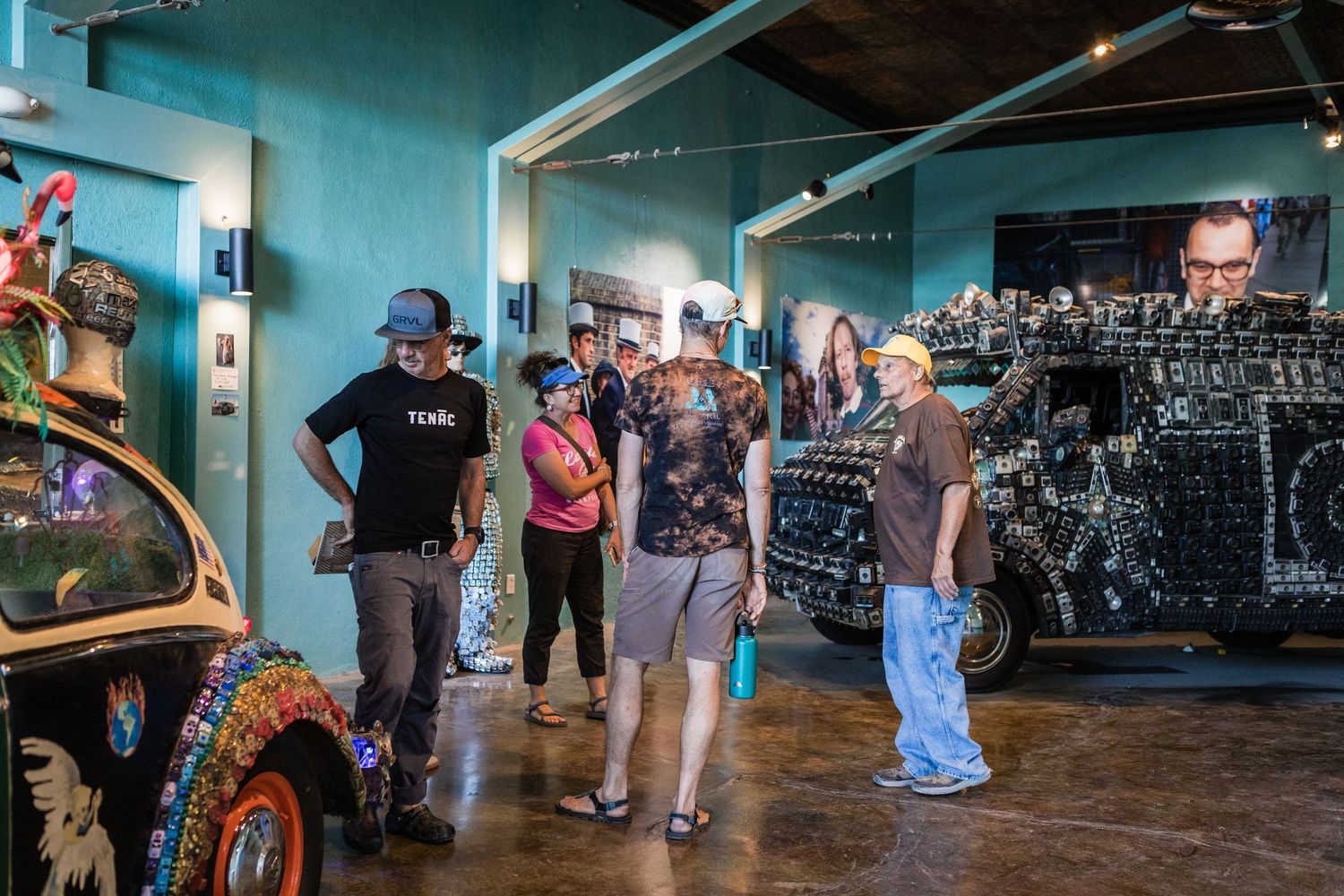
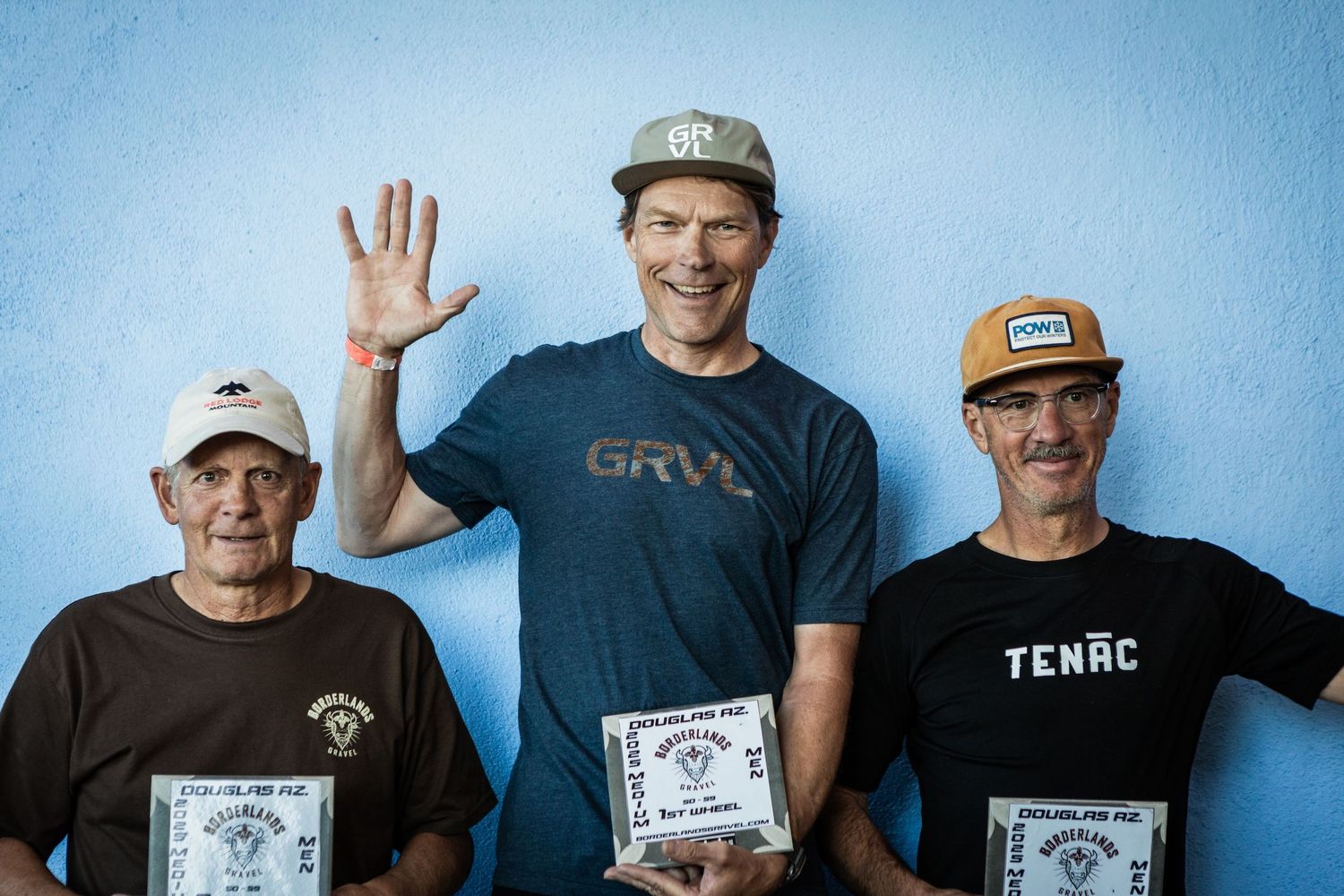
All weekend long, riders were snapping photos, sharing reels, posting stories, and writing race recaps. Newspapers covered it. Cycling media picked it up. Friends at home reshared their favorite images. A small border town that many Arizonans admitted they had never visited was suddenly showing up in people’s feeds across the country.
This raises a question most rural communities rarely think to ask:
What is that kind of exposure worth?
The truth is simple. Media coverage is one of the most overlooked forms of economic impact. Trails and races bring people to town, yes. But they also put the town itself in front of a much larger audience. That audience may return, spend money, tell their friends, or choose the place for their next trip. That visibility is not abstract. It is measurable. And it is far more valuable than most people realize.
Why BorderLands Gravel Offers a Real-World Case Study in Visibility
Douglas did not just host a race. It hosted thousands of impressions, stories, photos, and shared experiences that traveled far beyond Cochise County. The landscape became content. The content became visibility. And the visibility created real economic value.
BorderLands Gravel shows how a single event can put a rural community on the map in ways traditional marketing never could.
Common Misconceptions About Social Media and Rural Tourism
There are three myths I run into often.
“Social media does not really matter.”
In reality, it is often the first point of contact with a place. Riders do not discover Douglas because of a brochure. They discover it because someone shared a photo of the borderlands at sunrise.
“Our town is too small for this to make a difference.”
Rural towns often benefit the most because they rarely have the budget to buy reach.
“You cannot quantify this kind of exposure.”
You absolutely can.
Once you do, the numbers change the conversation.
What Is Earned Media Value and Why It Matters for Small Communities
The tourism world uses a simple concept called Earned Media Value, or EMV. It measures the value of attention a community receives from articles, videos, social posts, or race-day coverage.
The formula is straightforward:
Earned Media Value = Total Impressions × CPM Benchmark
A CPM is the cost to reach 1,000 people through paid advertising. For outdoor recreation and tourism, conservative CPM values include:
- Instagram or Facebook: 8 to 12 dollars
- Online articles: 15 to 25 dollars
- YouTube videos: 10 to 20 dollars
A Simple Framework to Measure Tourism and Event Visibility
Now, let’s apply this to BorderLands Gravel.
Imagine the race generated the following:
- 180,000 social media impressions
- 20,000 article views
- 10,000 YouTube views
Using the low end of the CPM ranges, the earned media value looks like this:
- Social media: 180,000 divided by 1,000, multiplied by 8 dollars, equals $1,440
- Articles: 20,000 divided by 1,000, multiplied by 20 dollars, equals $400
- Video: 10,000 divided by 1,000, multiplied by 12 dollars, equals $120
That is $1,960 in measurable media value. That uses conservative inputs and ignores the long-term visibility that continues for months.
For a small rural community, that is meaningful. And it happened because of one race.
How BorderLands Gravel Demonstrates the Value of Online Reach
Exposure plants seeds. It introduces new audiences to places they might have skipped over. It changes perception. It encourages future visits. When people say visibility does not matter, what they really mean is that they have never stopped to measure it.
BorderLands Gravel did so much more than bring riders to town. It carried Douglas into the feeds, conversations, and imaginations of people across the country.
Why Exposure Matters for Rural Towns, Races, and Trail Systems
Media exposure is economic development in slow motion. It works quietly in the background long after the race banners come down and the finish line is packed away.
For rural towns, race organizers, and trail organizations, this kind of exposure creates momentum that compounds over time.
The real opportunity is to start paying attention to it.
How Communities Can Start Tracking Their Media Impact Today
Begin with three simple steps:
- Track your impressions. Count how many views, reads, and shares your event or trail system receives across platforms.
- Use a consistent CPM. Pick a conservative benchmark and stick with it.
- Report your EMV. Share it with your city council, partners, or sponsors. They need to see that the value extends far beyond race weekend.
Once communities start measuring this, momentum builds. They see the lift. They understand the impact. They begin making better decisions about how to market their story.
Support for Rural Tourism and Event Marketing
This is the work I do. I help rural towns, race organizers, and trail organizations measure and communicate their media impact in ways that make sense to funders, partners, and community leaders.
Because when you can put a price tag on exposure, people finally understand what trails and races are worth.
Click the button below to drop me an email and let me know how I can help you.
about the author
Sean Benesh
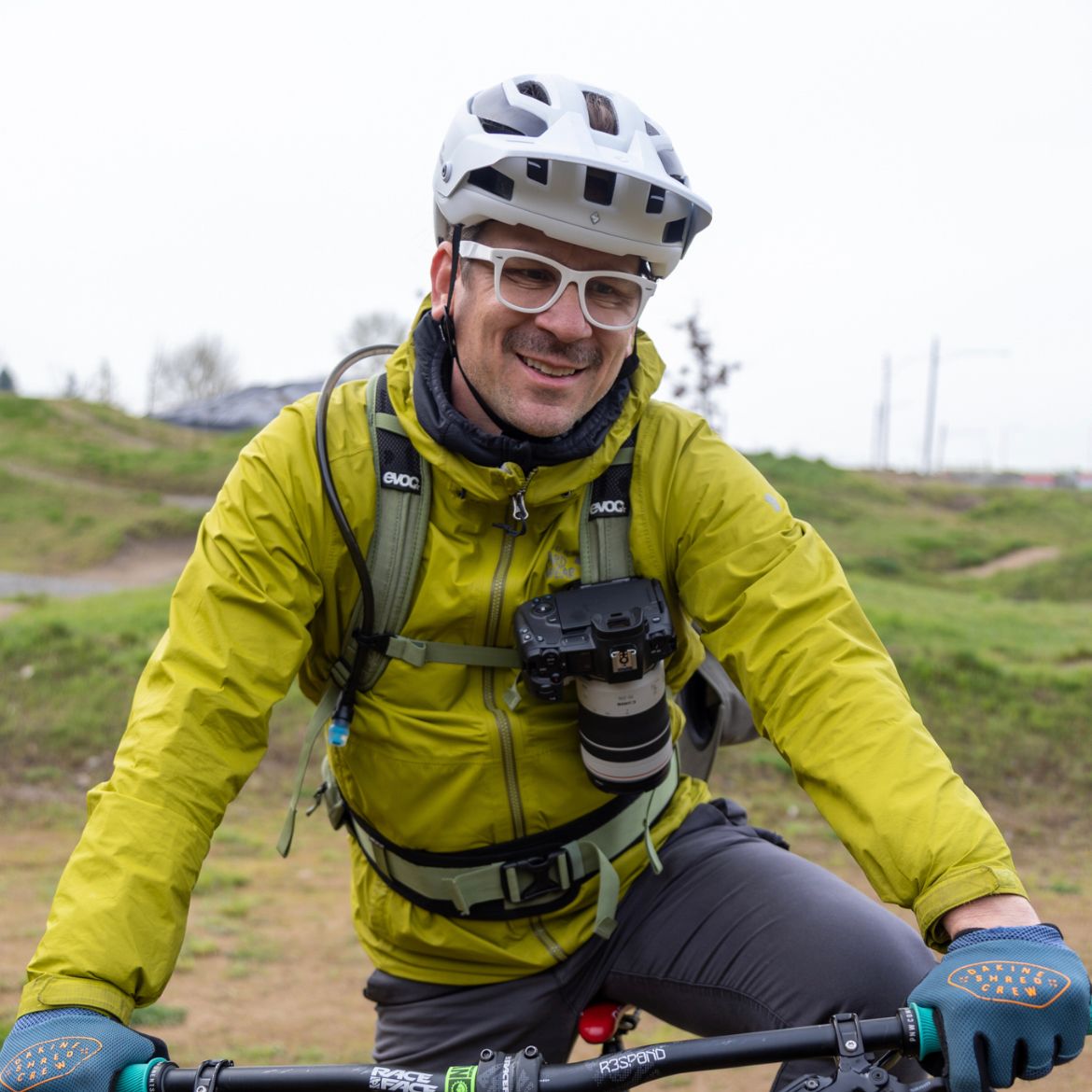
Sean Benesh is a storyteller and strategist based in Portland, Oregon. He works with rural communities, trail organizations, and race organizers to help them tell their stories, grow their online reach, and build momentum through photography, writing, and social media. He is the founder and editor-in-chief of Trail Builder Magazine and serves as the communications director for the NW Trail Alliance.