I’m a fan of small towns.
If I’m being honest, I have a deep love and affinity for struggling small towns. Odd confession, I know. But it makes sense once I say it out loud.
That’s the kind of town I grew up in. And if it was a struggling small town back then, it feels like every time I return, I notice a little more population decline, a few more vacant storefronts, and a quieter main street than I remember.
This wasn’t always the direction of my work.
Why I Have a Deep Connection to Struggling Small Towns
Growing up in a small town shapes you in subtle ways. You learn how connected everything is. You notice when businesses close. You feel it when families leave. You understand that when one part of the local economy falters, everything else feels it too.
That lived experience never left me, even when my work took me elsewhere.
Growing Up in a Small Town Shaped How I See Economic Decline
For more than a decade, I was all-in on cities. Urban studies consumed my time, my attention, my education, my research, and my teaching load. I studied neighborhoods in transition, cities on the rise, and cities in decline.
Detroit, Michigan, was a frequent case study. Not because it was unique, but because it was illustrative.
Cities rise and fall because of their economies.
Detroit went all-in on a single economic engine. When that engine stalled, everything else followed.
And once I started seeing that pattern clearly, I couldn’t stop seeing it elsewhere.
What Studying Urban Economics Taught Me About Rural Communities
Mining towns. Logging towns. Fishing towns.
Different industries. Same story.
When the mine closes or the mill shuts down, the ripple effects are brutal. Job loss. Population decline. Increased substance abuse and domestic violence. A creeping sense of hopelessness that settles in slowly and then all at once.
Why Cities and Small Towns Rise and Fall for the Same Reasons
The scale may be different, but the dynamics are often identical. Economic monocultures are fragile. Diversification and adaptability matter. Storytelling and identity matter more than most people realize.
From Urban Studies to Entrepreneurship and Startups
The turning point for me came during a graduate course on urban economics. That class cracked something open. It pushed me toward startups, toward entrepreneurship, toward asking how people and places actually create resilience.
So I launched a business. Then another. And then another.
Some worked. Some didn’t. All of them taught me something.
Why Economic Resilience Matters More Than Growth
Growth is flashy. Resilience is durable. And for rural communities, durability matters.
Learning Social Media and Digital Marketing Out of Necessity
Along the way, I realized something else. If any of these businesses had a chance of surviving, let alone growing, I needed to understand social media and digital marketing. Not theoretically. Practically.
So I dove in. Hard.
That decision eventually led me back to school to earn a Master’s degree focused on social media and strategic communications. And almost without realizing it, all of these threads began weaving together.
Urban and rural economics. Startups. Storytelling. Branding. Photography. Social media.
How Photography and Outdoor Events Pulled Me Toward Rural Tourism
Then photography entered the picture in a bigger way.
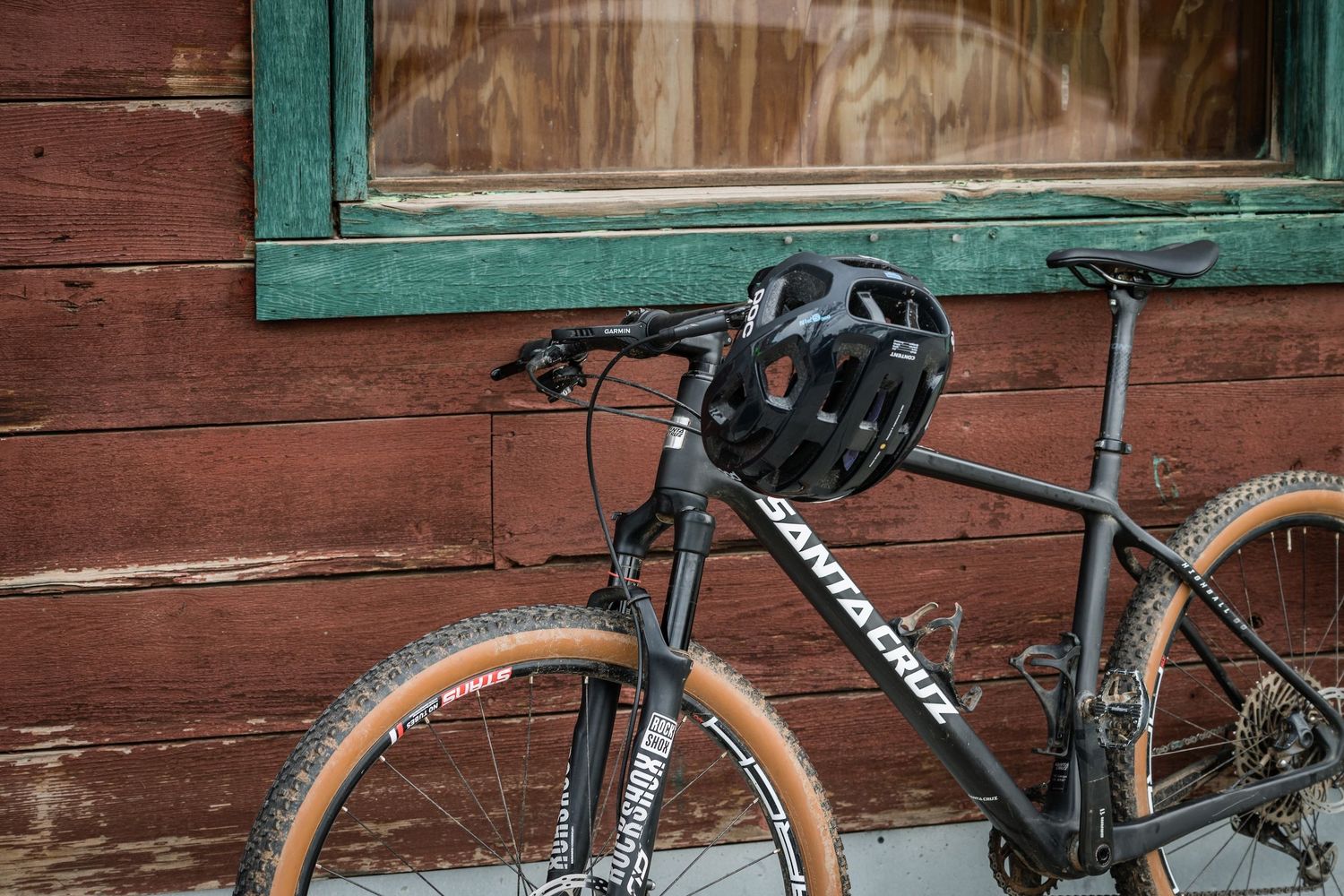
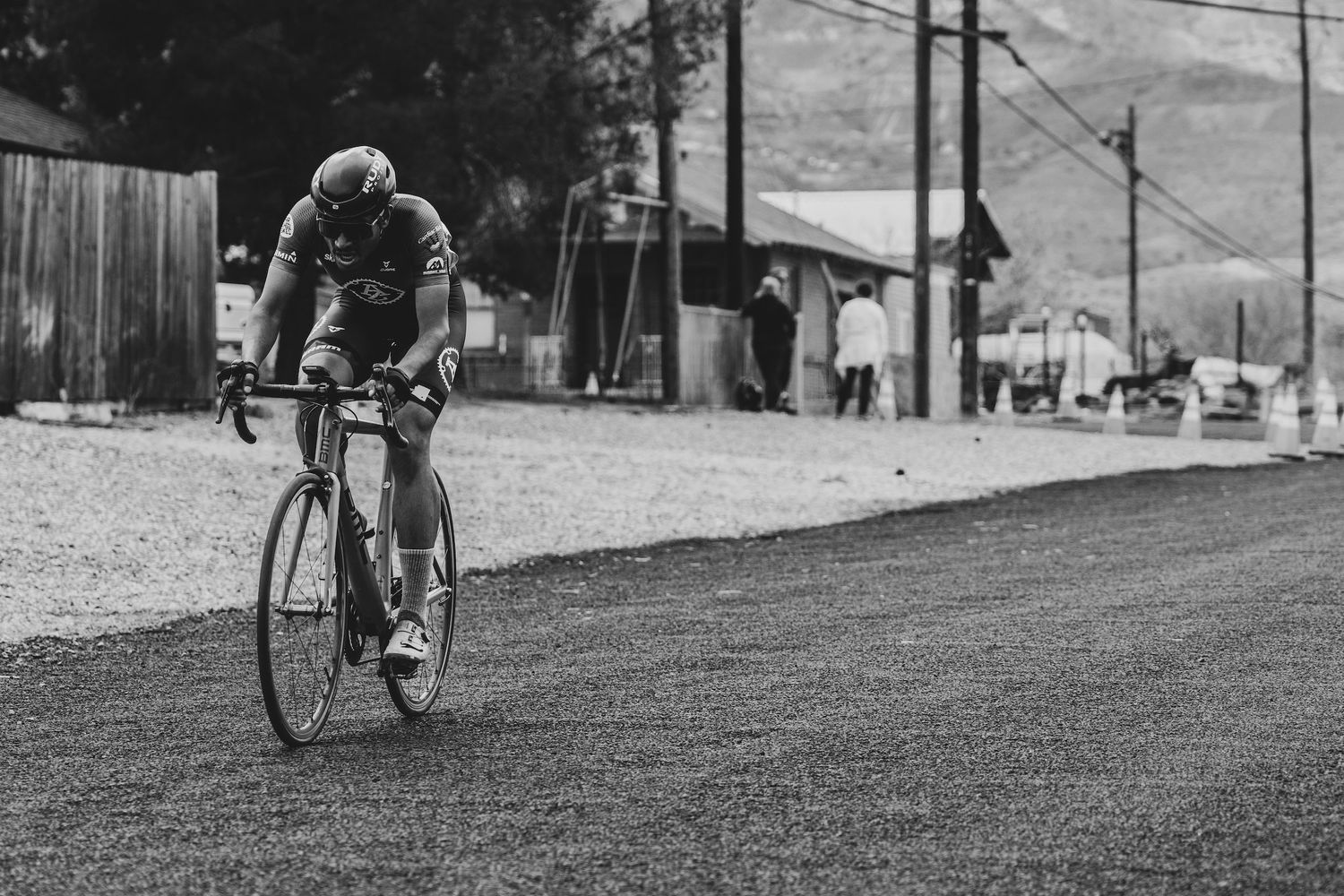
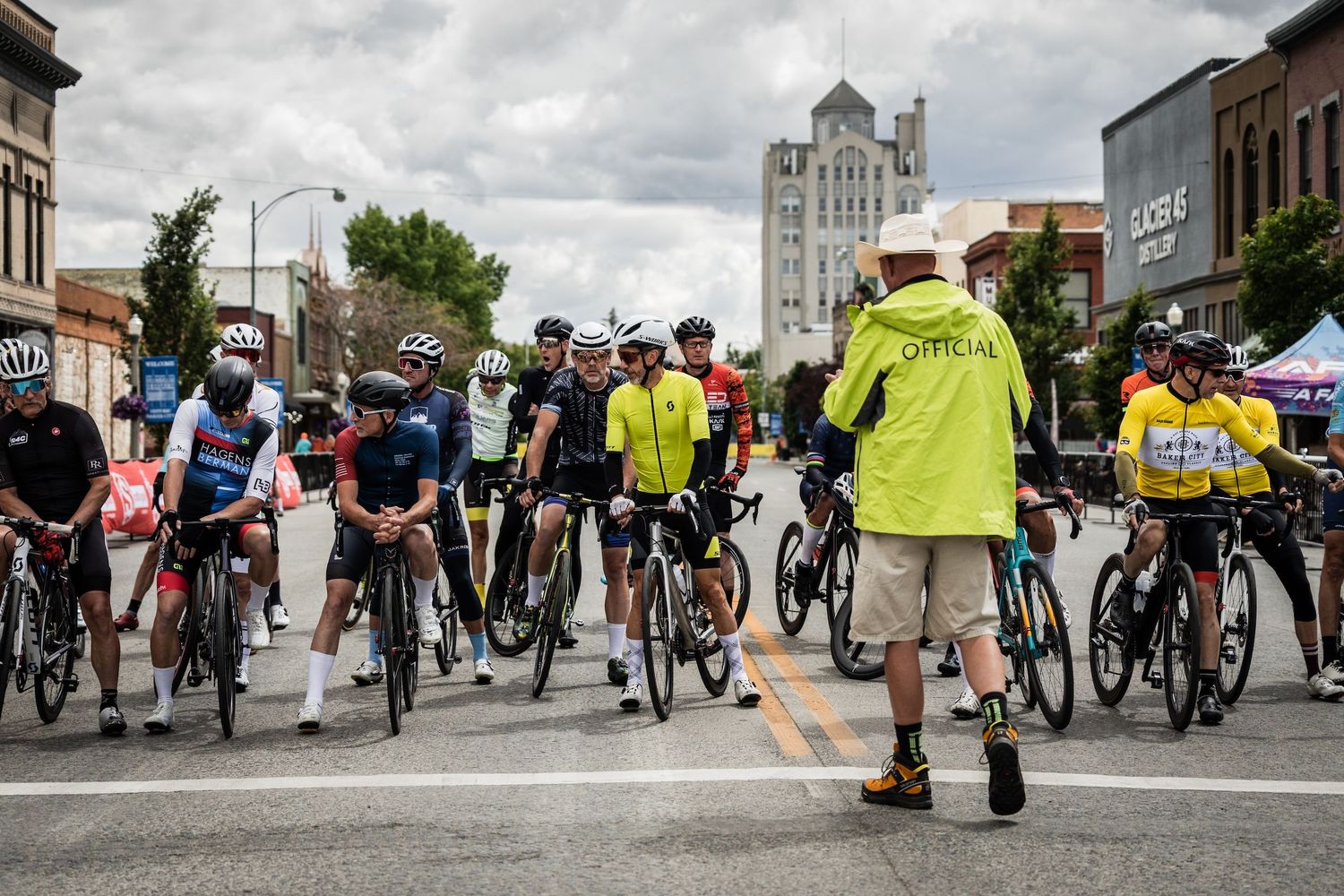
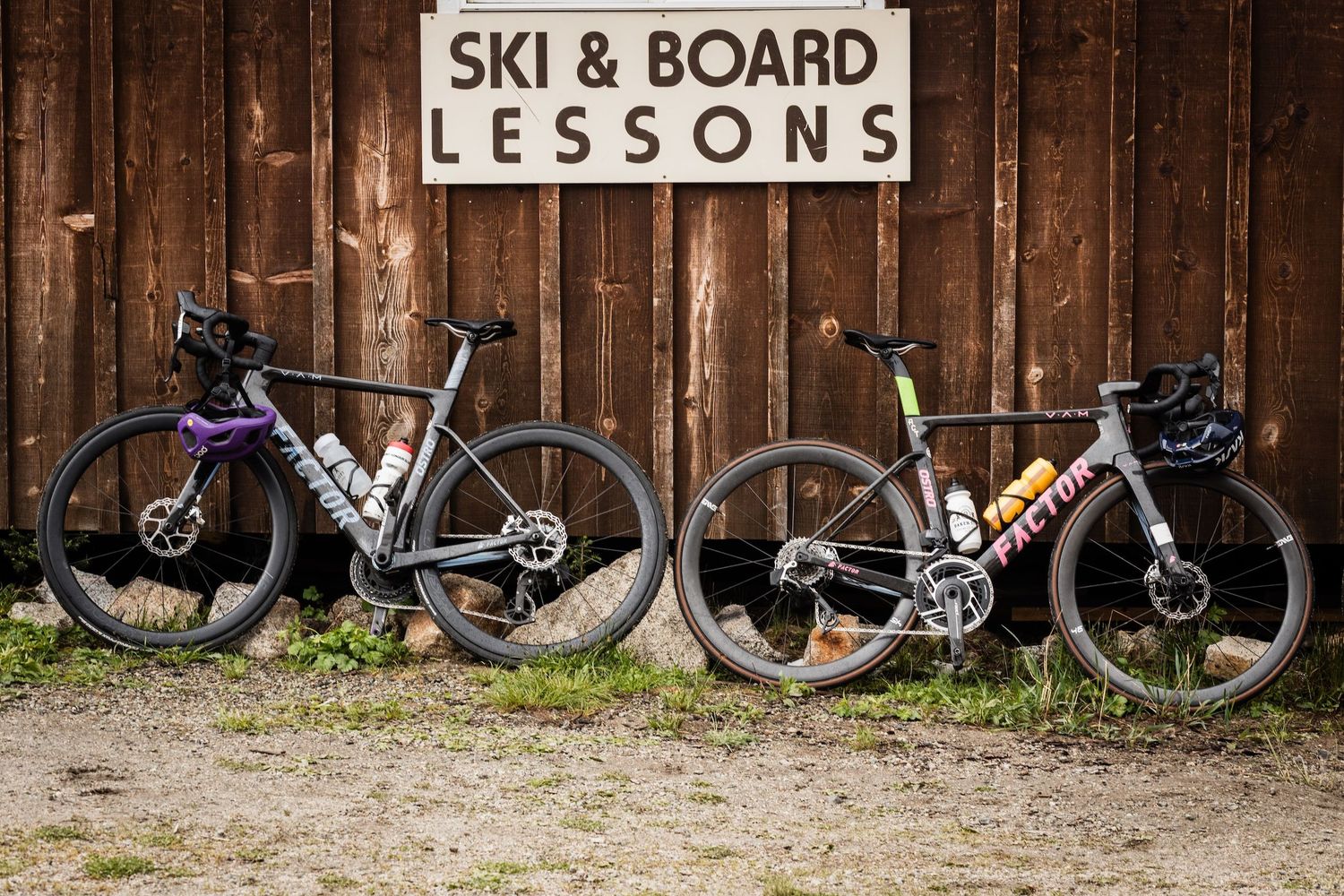
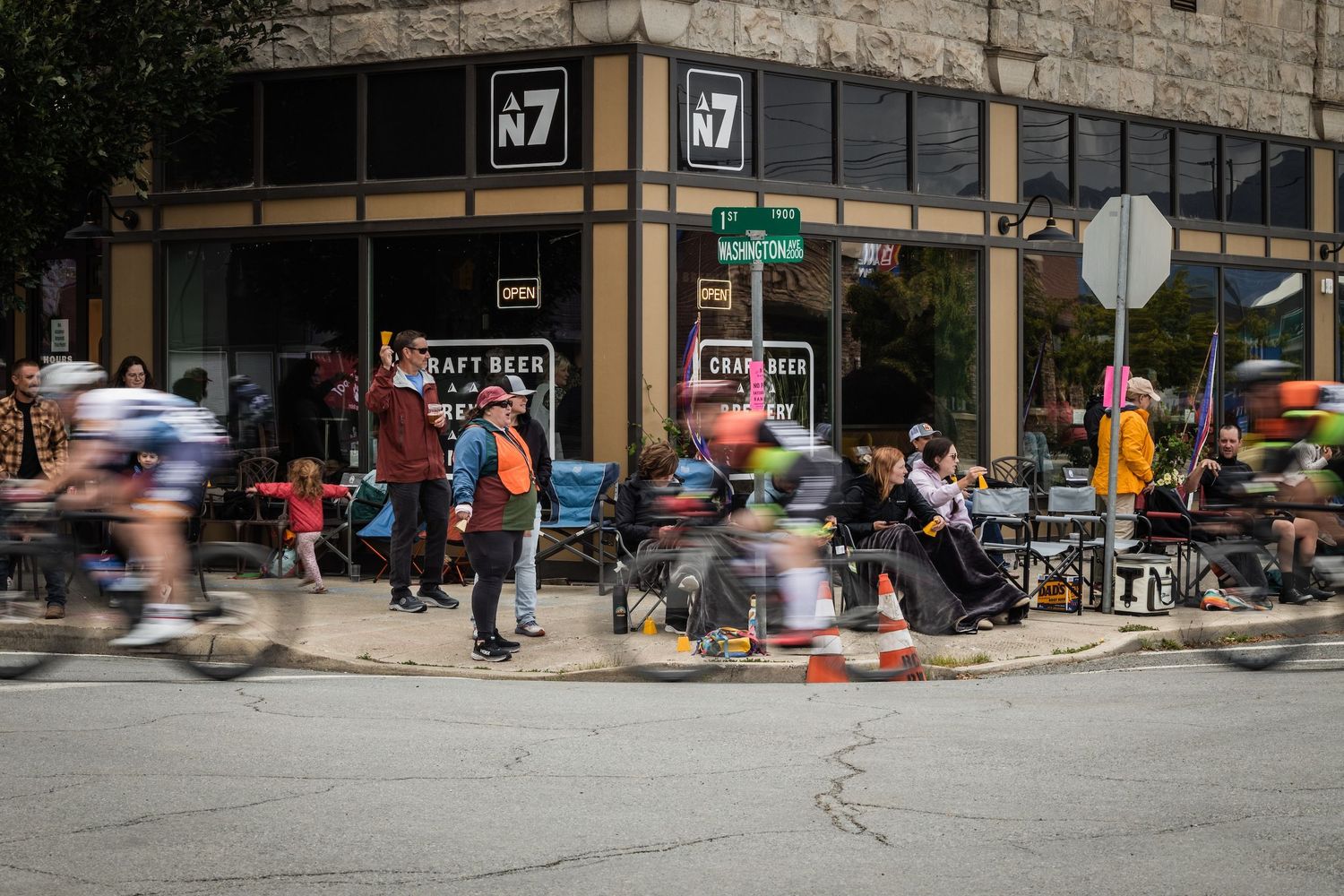
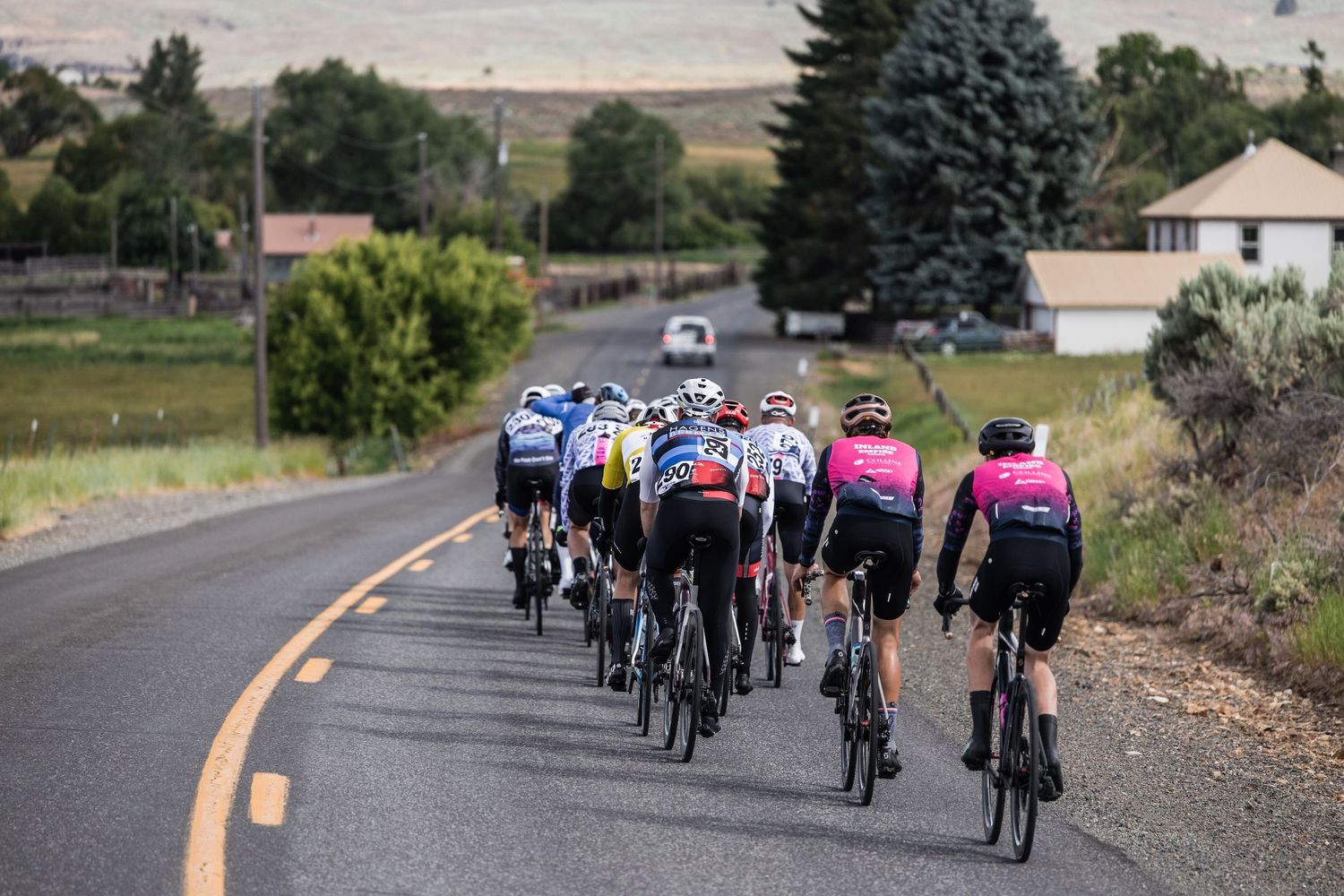
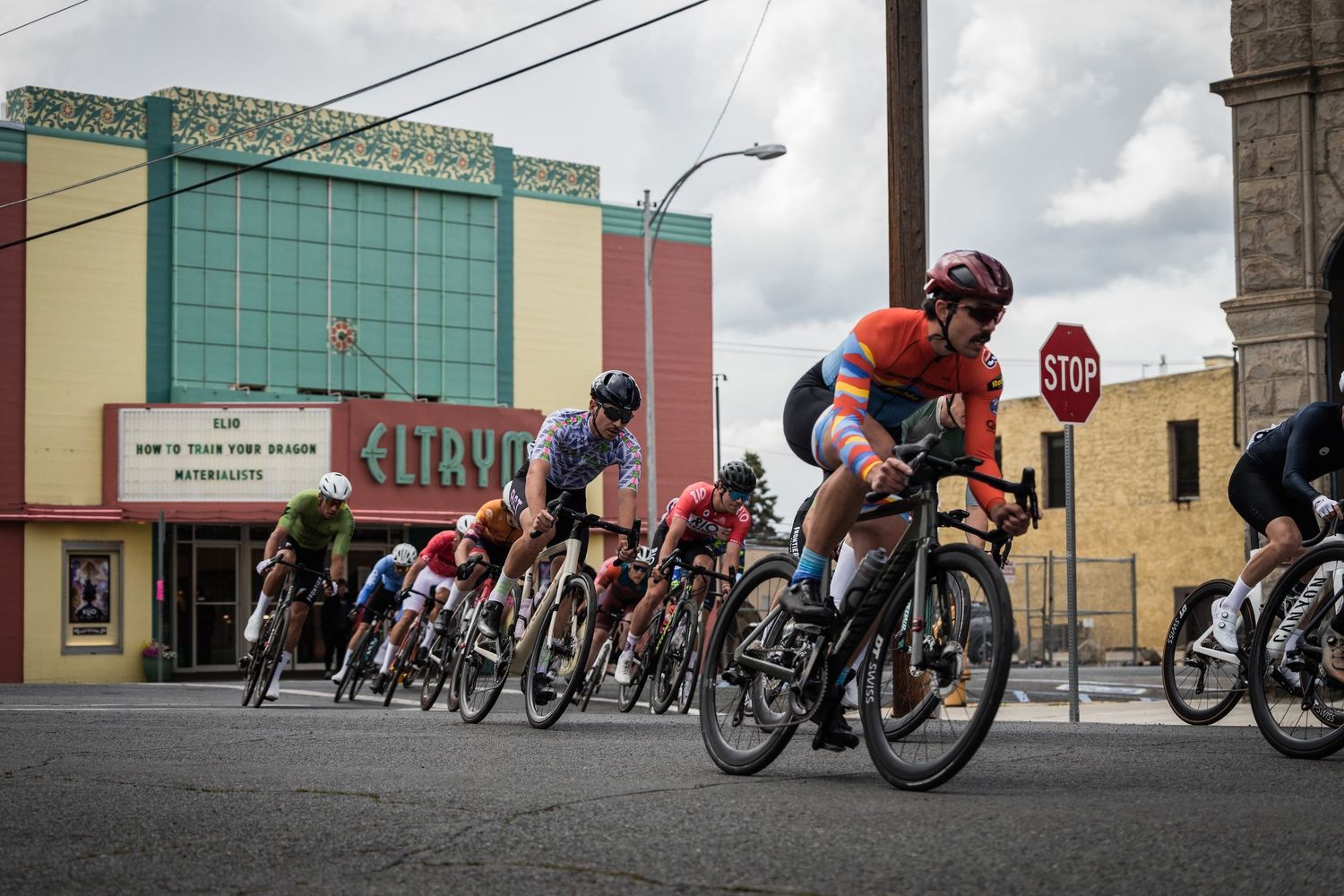
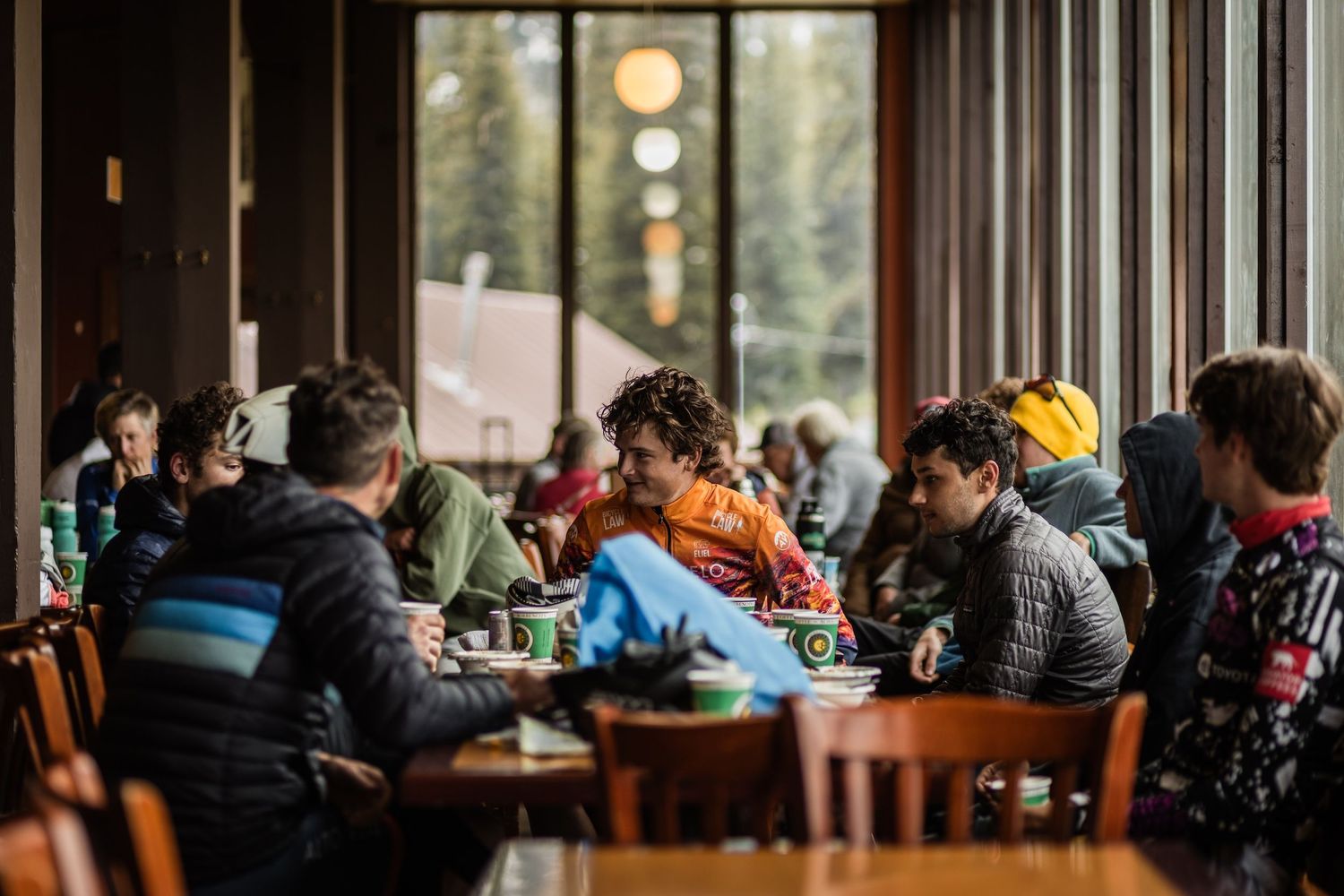
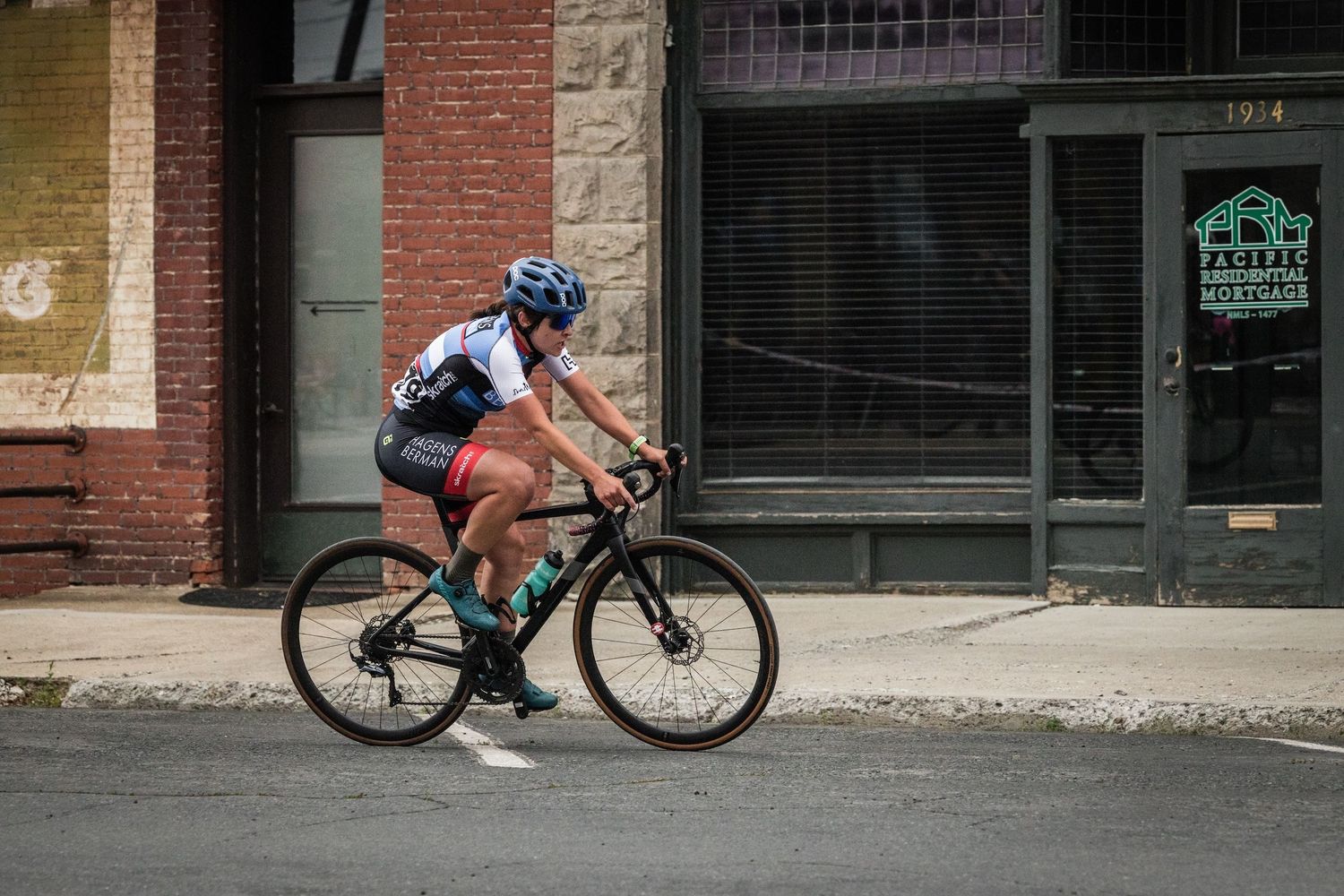
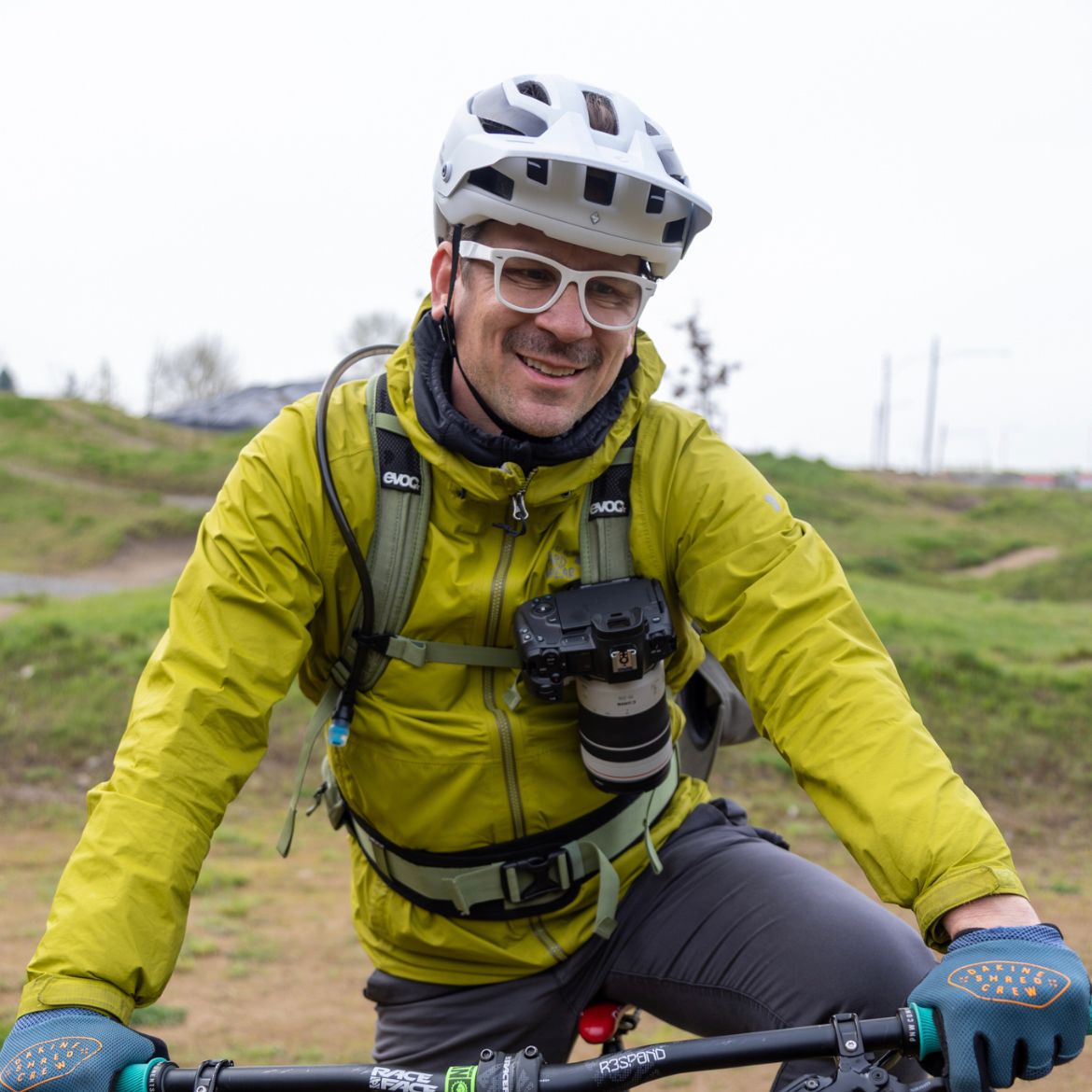
In this season of life, a lot of my photography work revolves around bicycling events. Mountain bike races. Gravel races. Road cycling.
Why Most Outdoor Events Happen in Rural Communities
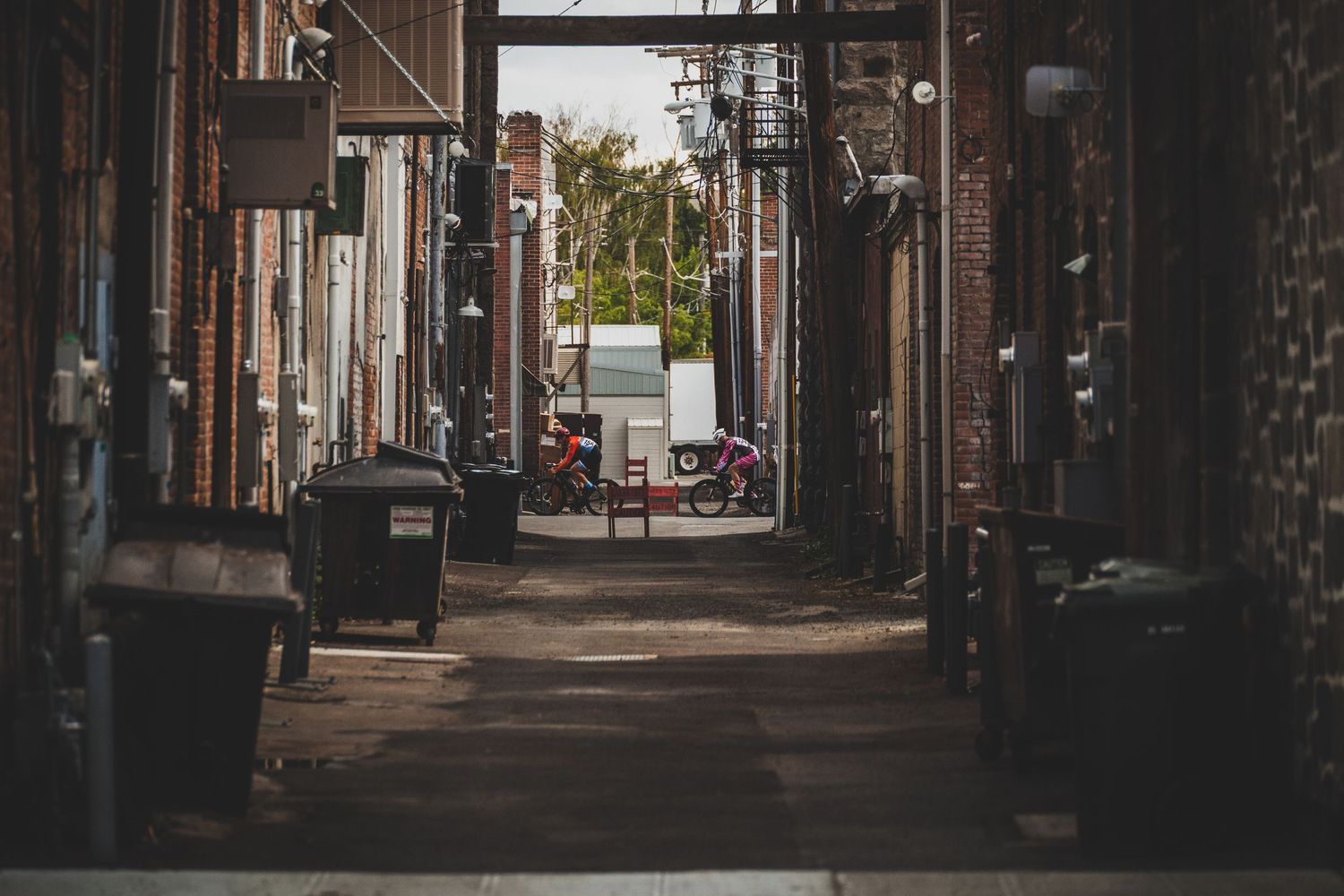
Most of these events happen in rural places. So I find myself bouncing down backroads and gravel roads, camera on the passenger seat, spending weekends in towns most people only pass through.
I’m tagging these communities on social media. Talking with tourism staff. Watching how communities show up, or don’t, online.
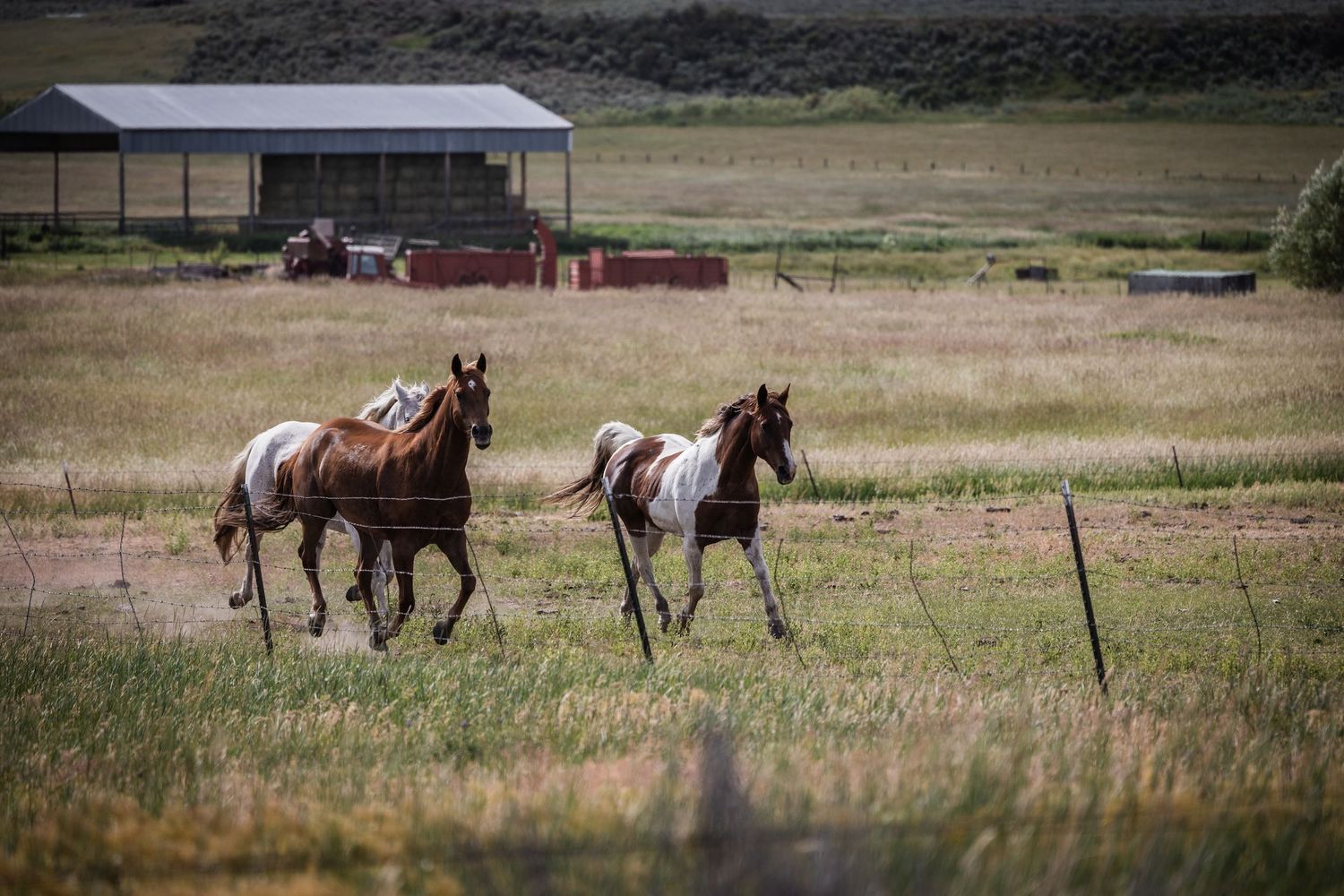
I’ve now seen hundreds of rural tourism accounts across the West.
What I’ve Learned Working with Rural Tourism and Small Town Marketing
Some communities are doing remarkable work with very little. Others are trying hard but missing the mark. Many simply don’t know where to start.
At the same time, my teaching shifted too. I moved from teaching urban-focused courses to digital media and communications. Suddenly, I had years of curriculum on social media strategy and analytics, branding, visual storytelling, and photography, paired with real, on-the-ground work in rural communities.
This is where everything finally clicked.
Why Social Media Is an Economic Tool for Small Towns
Social media isn’t about trends or chasing algorithms. It’s an economic tool.
Used well, it helps small towns tell their story clearly, attract the right kind of visitor, and create real economic momentum.
Attracting the Right Visitors, Not Just More Visitors
The goal isn’t volume. It’s alignment. Visitors who care. Visitors who stay longer. Visitors who spend locally and leave with a positive story to tell.
Why I Wrote The Rural Tourism Content Playbook
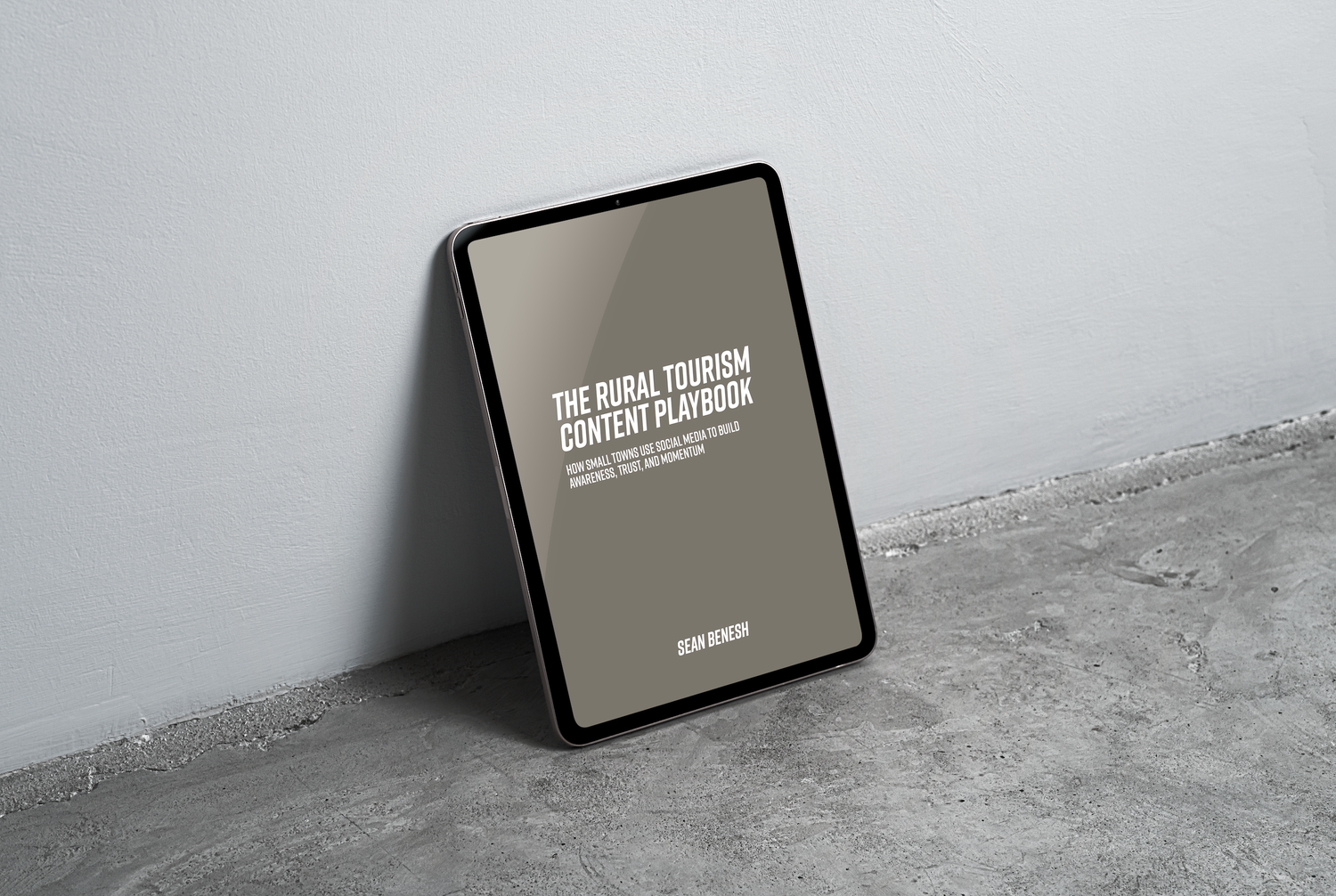
That’s what led to The Rural Tourism Content Playbook.
This book isn’t about “blowing up on Instagram.” It’s about clarity, consistency, and intentional storytelling. It’s about using content to support local businesses, build pride, and create sustainable momentum in rural communities.
Helping Small Towns Tell Their Story and Build Momentum
I believe rural communities deserve better than being overlooked or reduced to a roadside stop.
I also believe you don’t need massive budgets or big agencies to get started.
You need clarity. Consistency. And a willingness to tell your story well.
That’s why I wrote this book.
If you’re curious to go deeper, The Rural Tourism Content Playbook is now available. No pressure. Just an invitation. If this story resonates, the book builds on it with practical frameworks, examples, and guidance you can actually use.
Either way, I’ll keep rooting for small towns.
I believe in them. And I believe in you.
You can do this.
about the author
Sean Benesh
Sean Benesh is a storyteller and strategist based in Portland, Oregon. He works with rural communities, trail organizations, and race organizers to help them tell their stories, grow their online reach, and build momentum through photography, writing, and social media. He is the founder and editor-in-chief of Trail Builder Magazine and serves as the communications director for the NW Trail Alliance.