Rural Tourism Marketing: How Small Towns Can Compete Without Big Budgets
If you work in rural tourism, you’ve probably asked it (or at least felt it), "How do we compete with places like Sedona, Moab, or Bend?" Their Instagram feeds are full of sweeping drone shots, pro athletes, polished campaigns, and sponsored ads. Their budgets stretch farther. Their names are already on the map.
And yet, here you are. A small town with one part-time staffer, a tight marketing budget, and a whole lot of untapped beauty.
So what can you do?
You’re not trying to outspend them. You’re trying to outconnect them.



Storytelling in Rural Tourism Marketing: Your Competitive Advantage
Don’t Compete on Scale. Compete on Story.
The towns and regions with the deepest tourism impact often didn’t start with money. They started with a clear identity, a compelling story, and the willingness to build slowly and consistently.
They didn’t try to be everything to everyone. They focused. And they invited people into something that felt different from what was already out there.
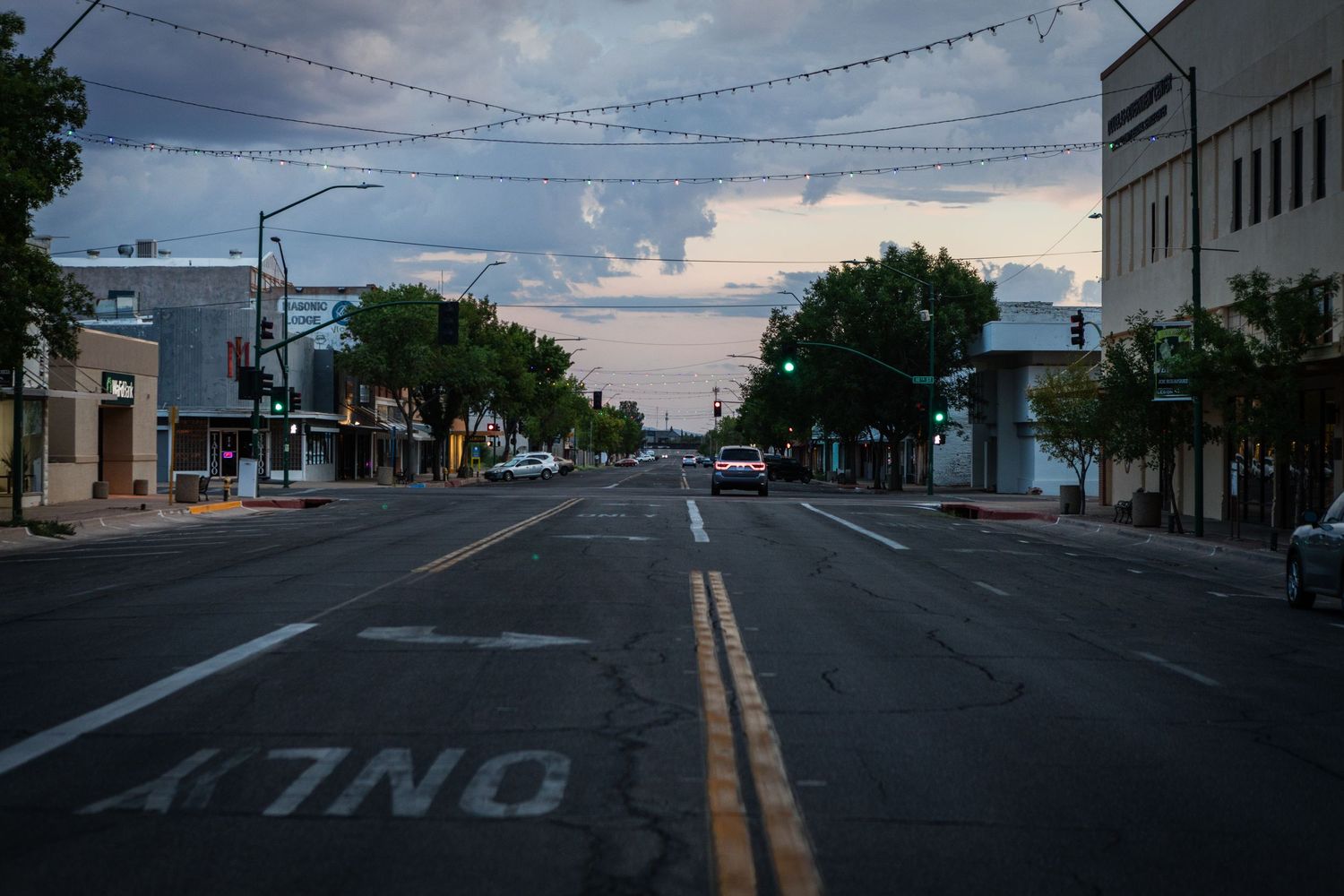
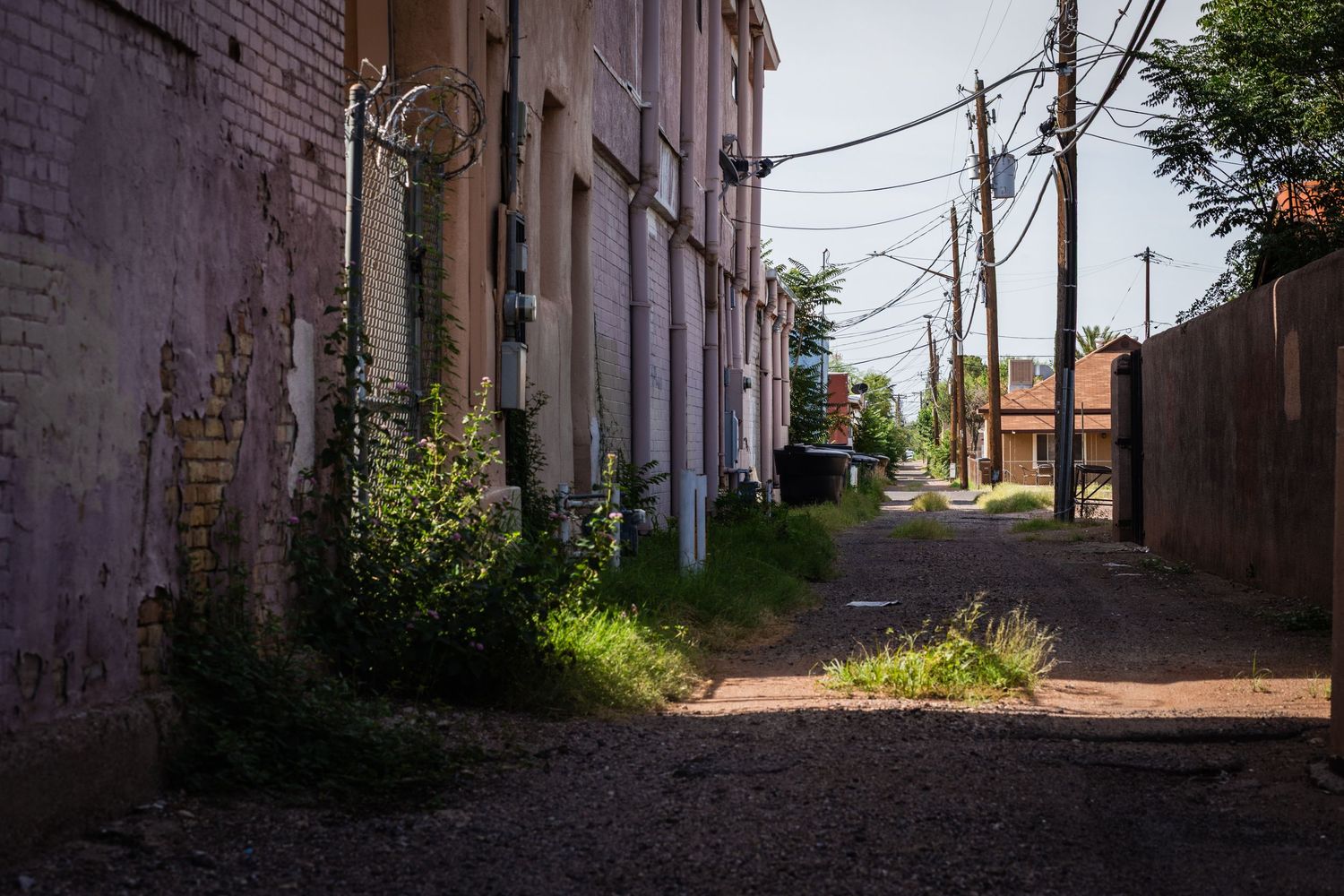
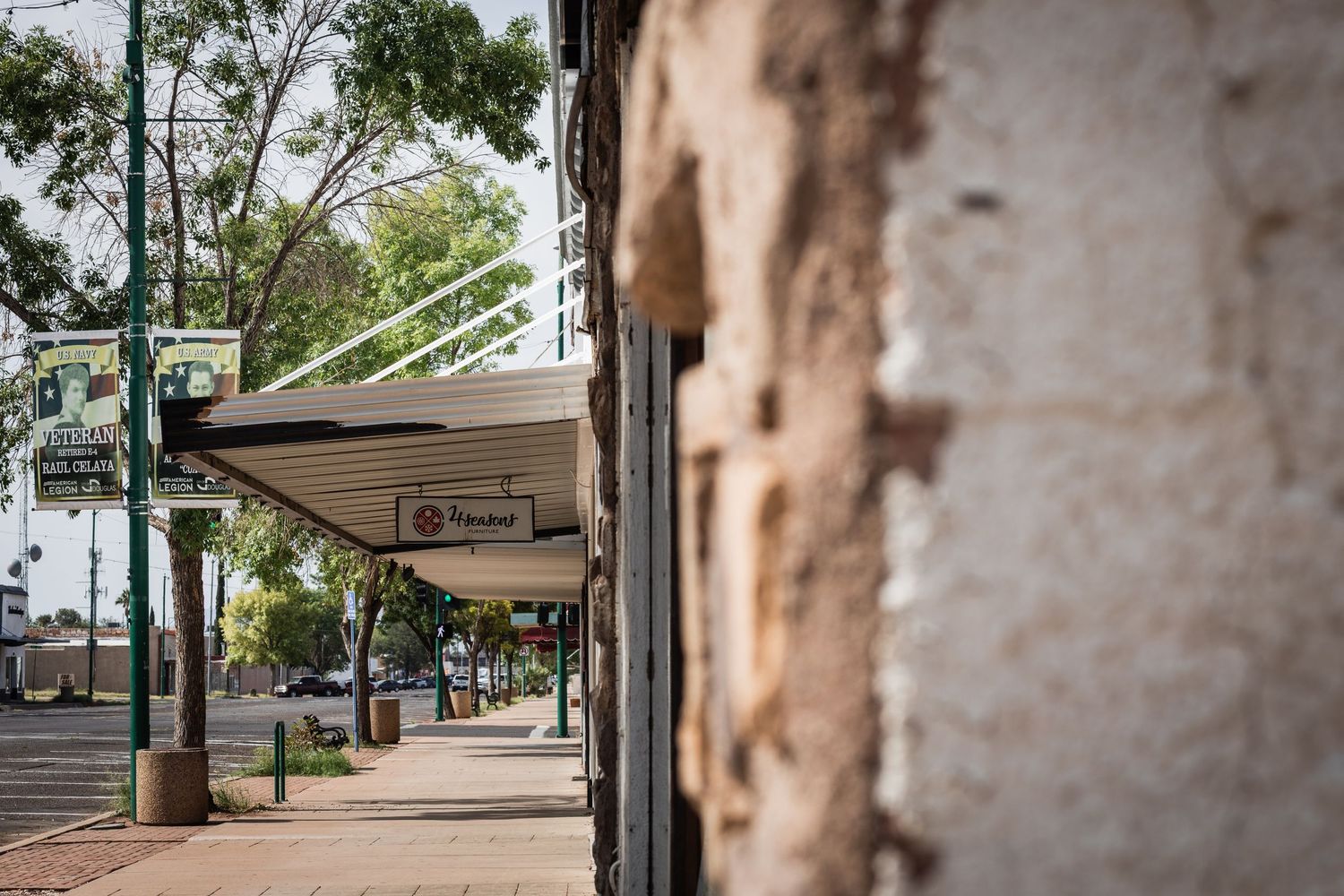
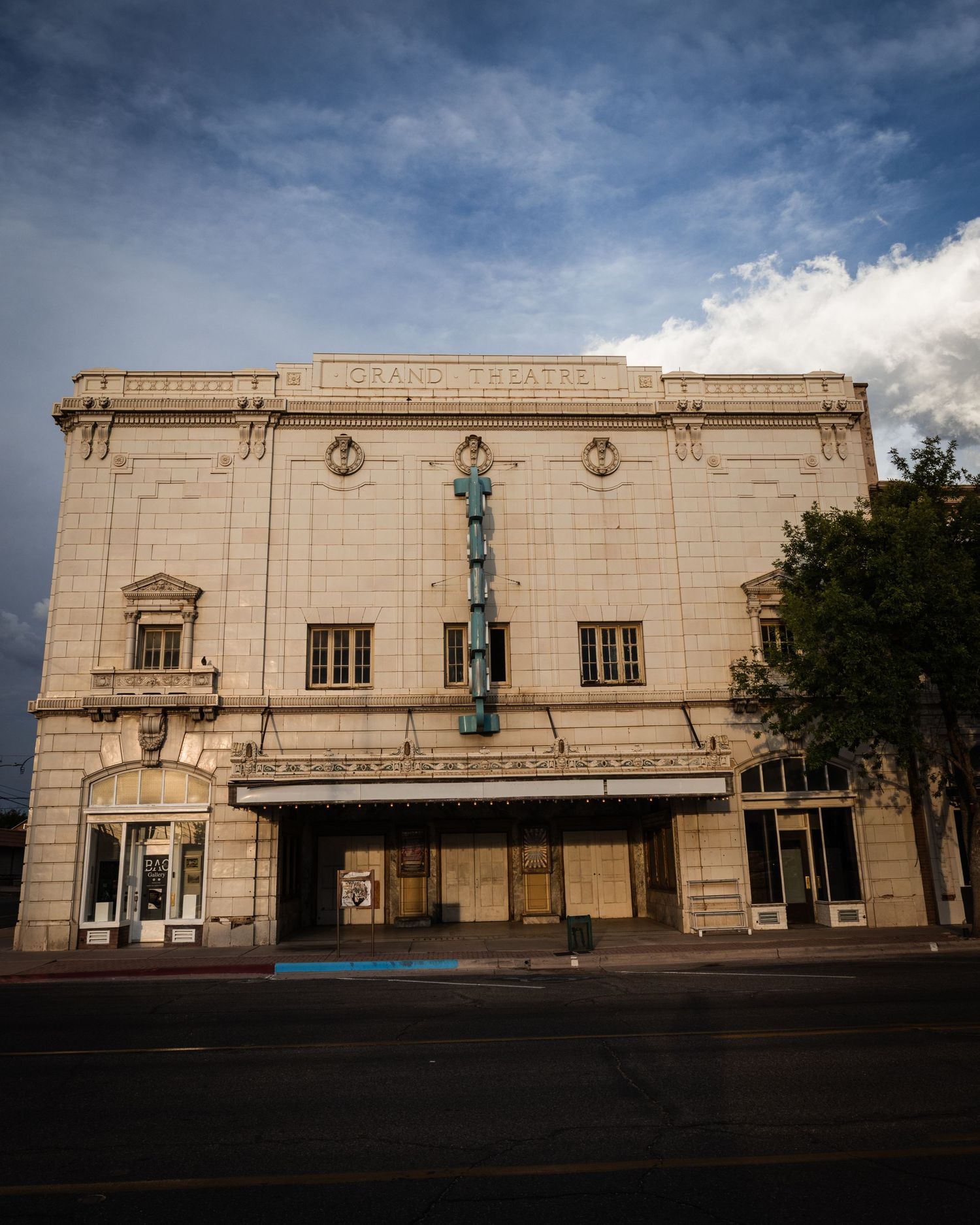
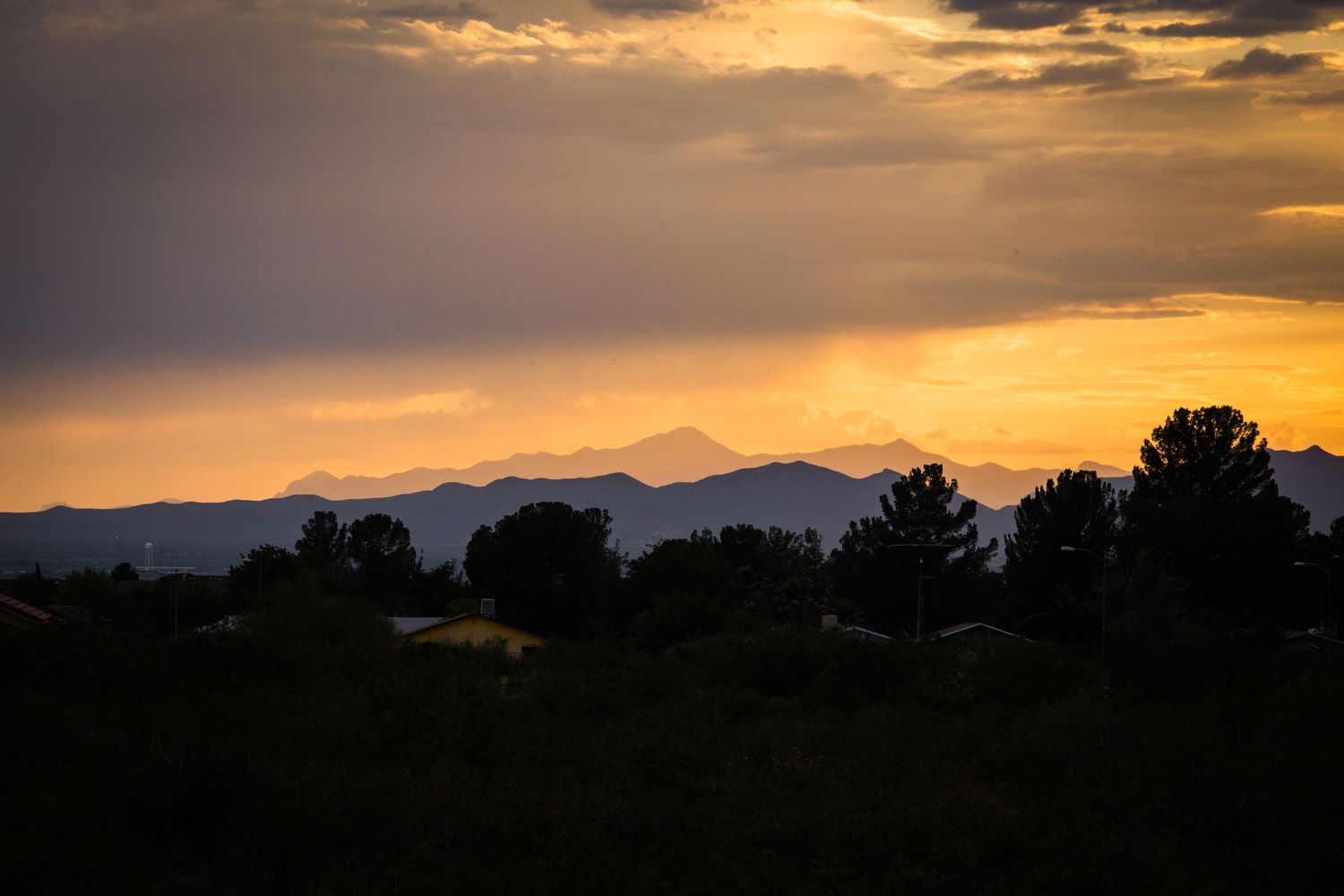
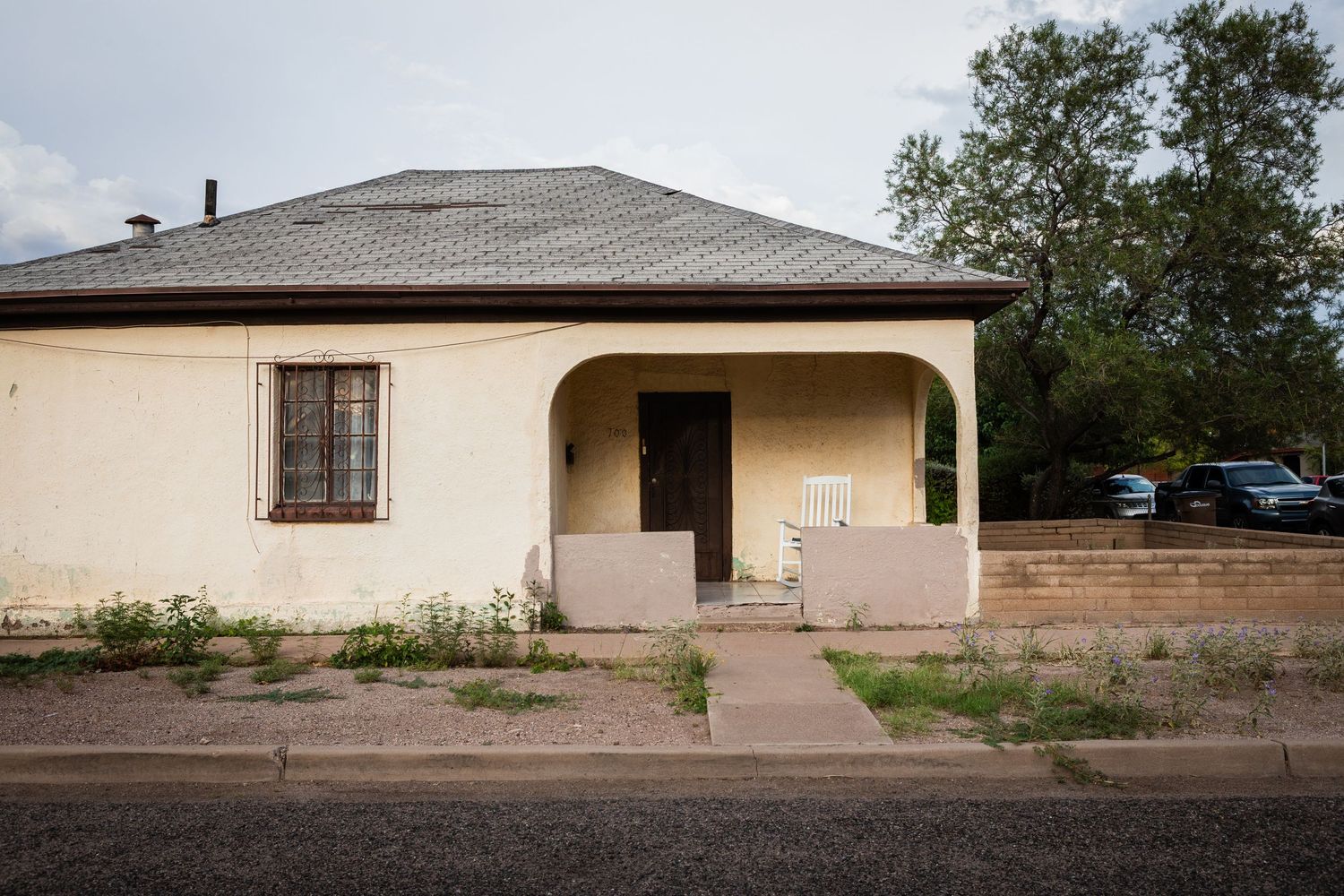
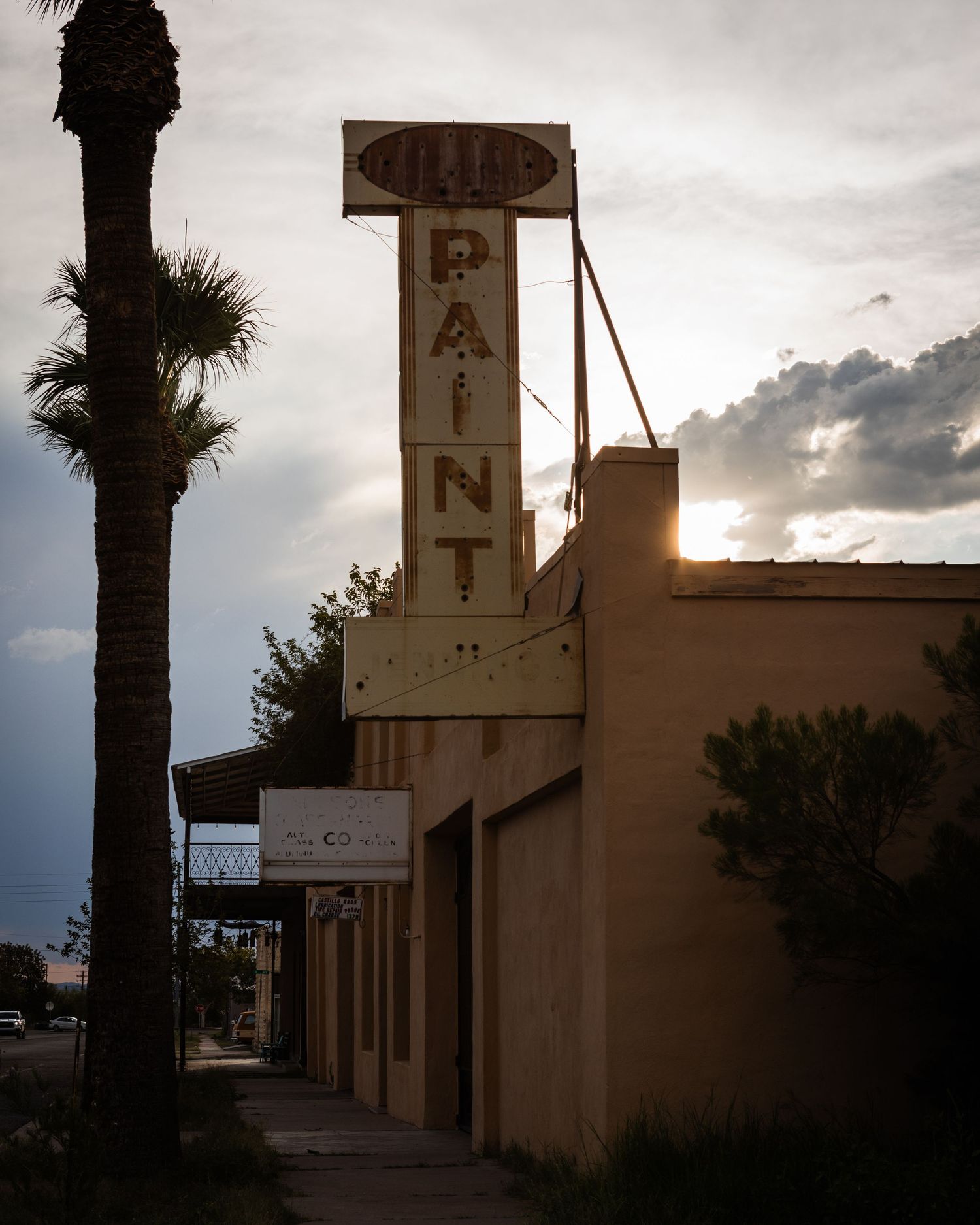
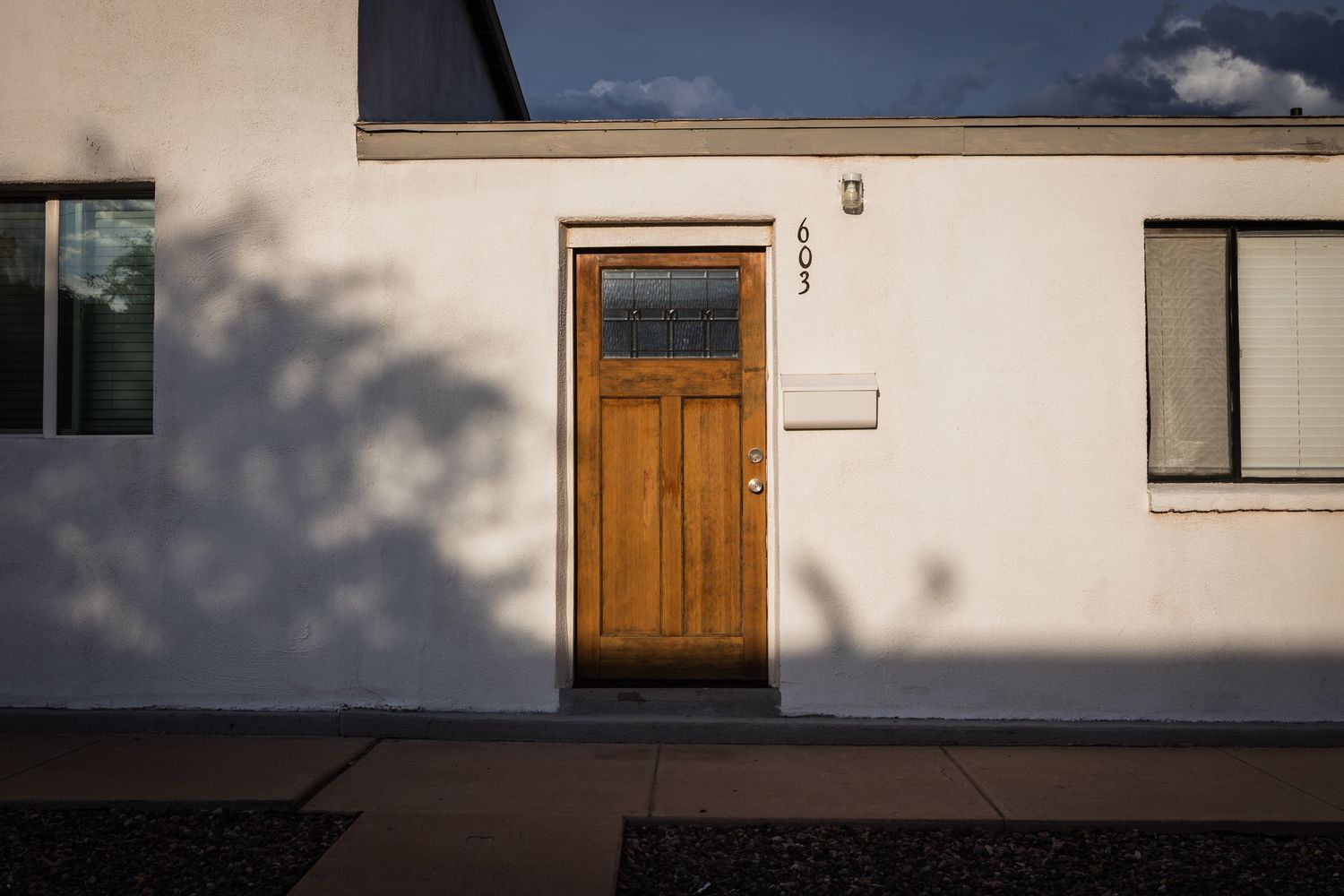
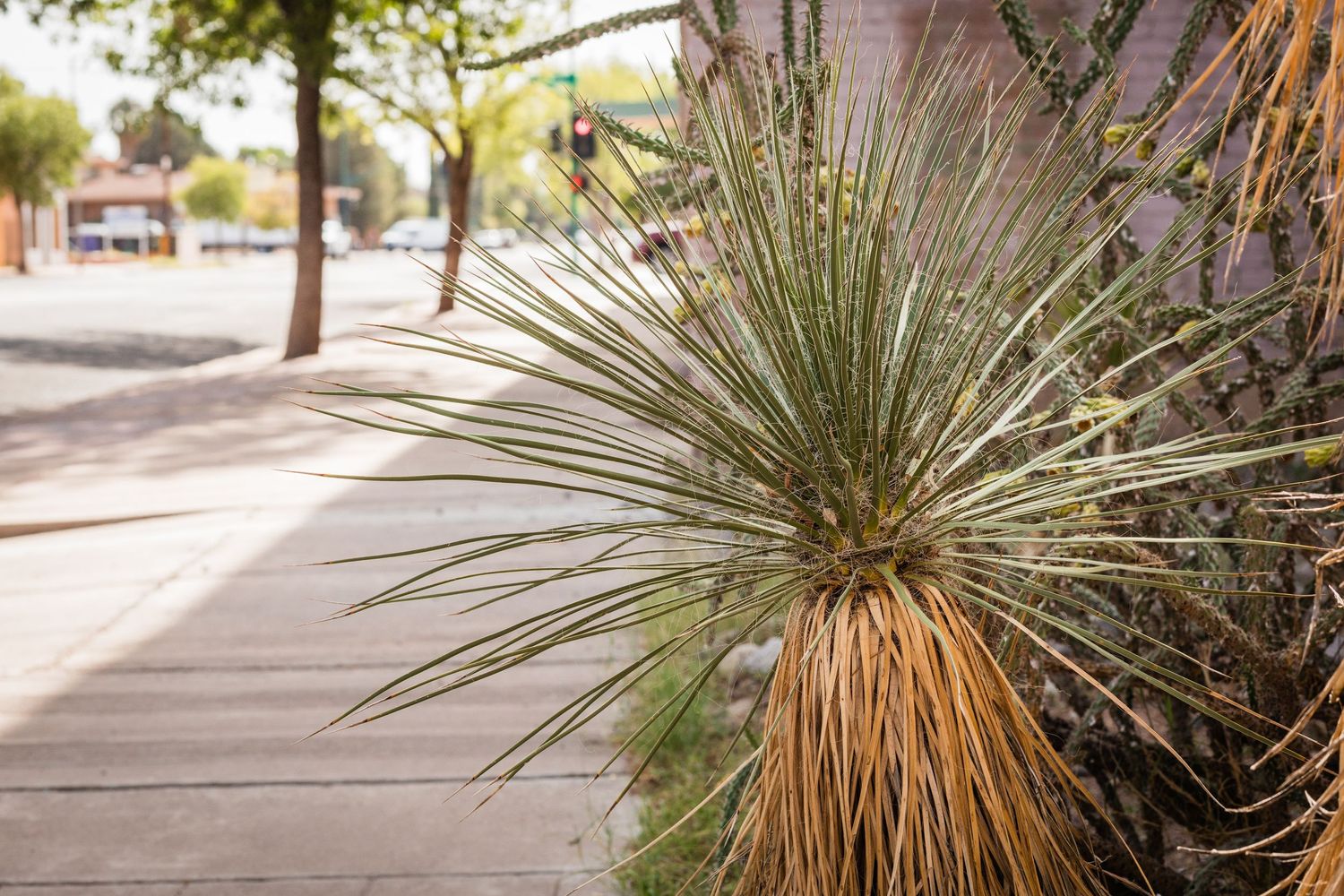
Take Douglas, Arizona. It’s not a destination in the traditional sense. There’s no ski resort, no national park, and no big-ticket attraction. But what it does have is quiet. History. Borderlands beauty. Birding habitat. Endless gravel roads. And a local team that understands how to lean into that.
Through partnering with BorderLands Gravel, Douglas didn’t try to outdo the big-name gravel events. It created its own lane. One rooted in culture, story, and a little bit of desert defiance. The race gave people a reason to care about a town they’d previously never heard of.
And now Douglas is getting on the radar for riders, photographers, vanlifers, and birders. Not because it copied Sedona, but because it claimed what makes it unique and told that story well.




Niche Tourism Strategy: Why Small Towns Should Focus on Specific Audiences
Think Niche, Not Mass Appeal
You don’t need to attract everyone. You need to resonate deeply with the right people.
That might mean:
- Gravel cyclists or overlanders who travel for quiet dirt roads
- Birders who chase migration paths and rare sightings
- Roadtrippers who love forgotten highways and small diners
- Vanlifers who prefer solitude and dark skies over traffic and trailhead crowds
The good news is that these people are already looking for what you offer. They just need to see it. And that starts with showing up consistently, visually, and with heart.

Rural Tourism Social Media Strategy: Low-Budget Tactics That Work
A Few Tactical Moves That Make a Big Difference
While you won’t match the marketing firepower of a place like Bend, here’s where small towns have the advantage.
First, you can build relationships, not just campaigns. Respond to comments. Highlight visitor stories. Make people feel seen.
Second, you can focus on one audience segment to start. It’s easier to grow when your message is clear and specific. Speak directly to gravel riders. Or birders. Or vanlifers. You can always expand later.
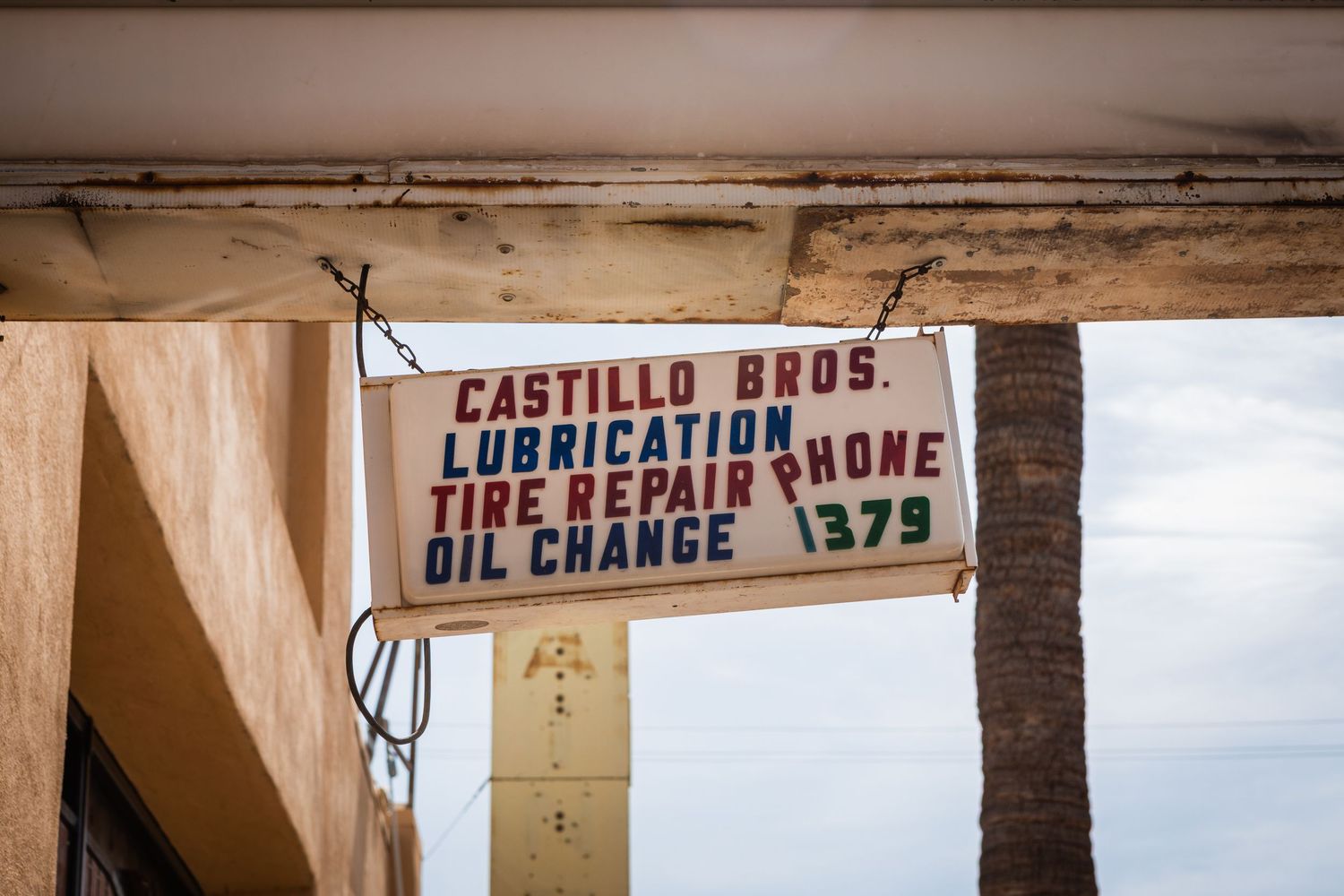
Third, you can use your size and scale as a selling point. Visitors are craving places that feel local, quiet, and real. Embrace the fact that you’re not overrun or overbuilt. That’s not a weakness. It’s a feature.



Small Town Tourism Growth: Why Being Different Is Your Strength
Final Thought: You’re Not Behind. You’re Uniquely Positioned.
There’s room in the West for more than the usual suspects.
You don’t have to become the next Moab. You don’t have to catch up to Sedona. You just have to build something that fits your place and connects with your people.
Start with your story. Focus on the people already leaning in. Use the resources you have. And don’t be afraid to stand apart, because the right visitors are looking for exactly that.
If your team wants help shaping your story and social strategy, reach out here. I’d love to help.