On a random weekend in June, I found myself driving through Moab, Utah.
Long before I reached the edge of town, I knew I had arrived.
Sprinter vans lined the highway with expensive mountain bikes hanging off the back. Signs advertised jeep tours, climbing guides, and bike shuttles. Every parking lot seemed full of dusty adventure rigs. There was an unmistakable energy in the air.
You could feel it.
Adventure wasn’t simply something people did there. It's part of the town’s identity and vibe.
I pulled off the main drag, parked, and wandered into a third-wave coffee shop. The place buzzed with climbers, mountain bikers, trail runners, and overlanders. Some were fresh off the trail. Others were planning the day’s adventure over coffee and maps.
As I stood there, people-watching, one thought kept coming back.
This is what happens when a place becomes an outdoor destination.
Not just a town with beautiful scenery, but a place that has built an entire culture around getting outside.
Moab is the gold standard.
Which raises an important question.
What if your town isn’t Moab?
What if you don’t have towering red rock cliffs or a national park just outside town?
What if you don’t have bike shops, breweries, guide services, or trendy coffee shops filled with outdoor enthusiasts?
What if people outside a one-hour radius don’t even know your community exists?
Stop Trying to Become the Next Moab
A week later, I found myself asking those same questions while driving through another town.
The town where I grew up.
Tama, Iowa.
Population: about 2,000.
Whenever I’m back home, I always drive through town. I pass my old house before making my way downtown.
When I was growing up, the storefronts weren’t exactly booming, but most of them held businesses.
Today, many sit empty.
If there’s any place that could benefit from more outdoor visitors, it’s communities like Tama. Places people rarely stop in because they’re on their way somewhere else.
As I flew back to Portland, I couldn’t stop thinking about the contrast between Moab and the small towns scattered across Iowa, Nebraska, Kansas, Arizona, and countless other rural communities.
Many local leaders look at places like Moab, Bentonville, or Sedona and assume that’s the standard they have to reach.
I think that’s the wrong comparison.
The goal isn’t to become the next Moab.
Instead, I'd contend that the goal is to become the best version of your own community.
Why Some Communities Become Outdoor Tourism Destinations
One of the biggest mistakes communities make is focusing on everything they don’t have.
No national park.
No world-famous scenery.
No million-dollar trail system.
No outdoor brands.
No tourism budget.
Instead, start with a different question.
What do we already have?
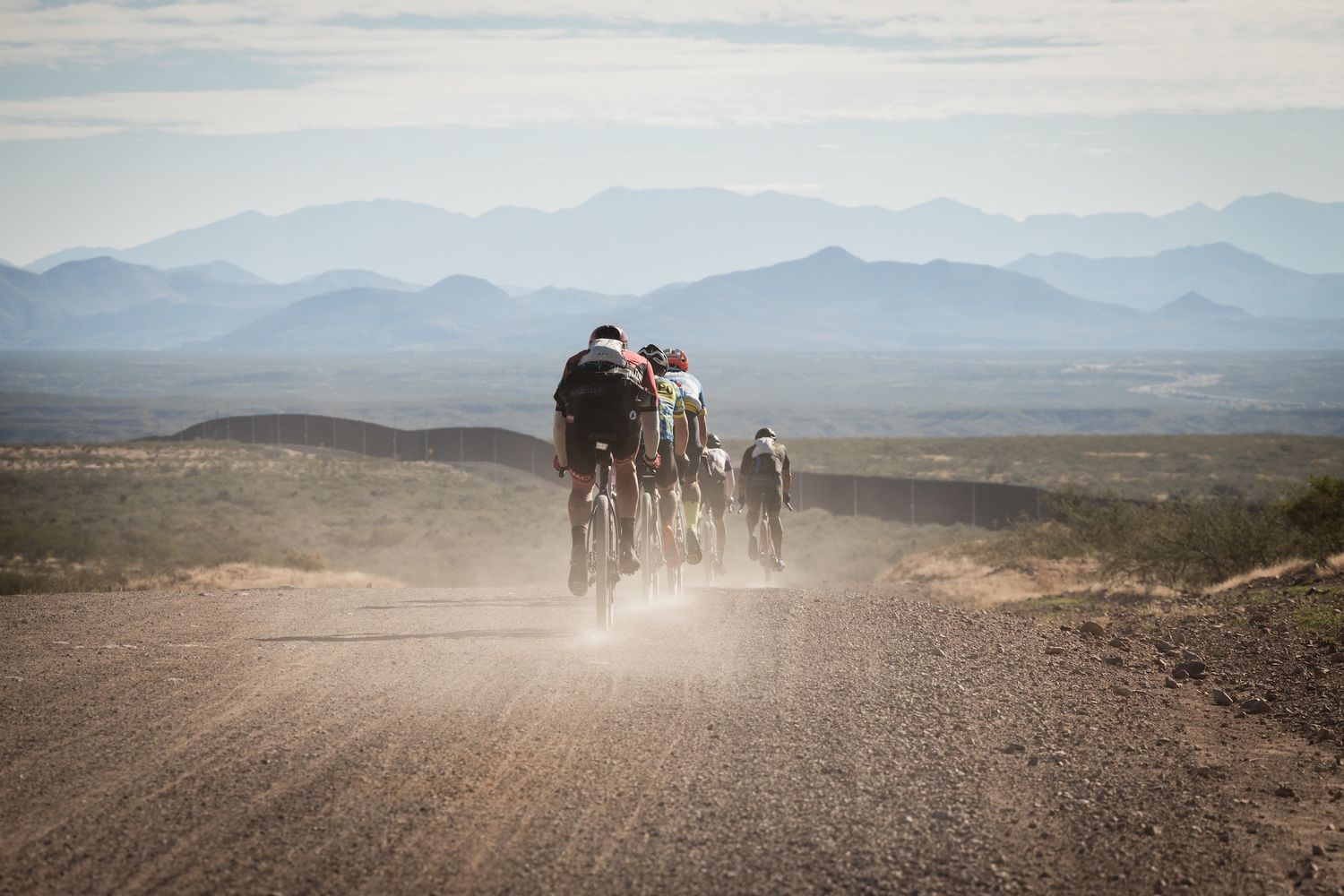
Maybe it’s hundreds of miles of gravel roads.
Maybe it’s a forgotten mountain range.
Maybe it’s rivers, lakes, wildlife refuges, dark skies, ranchland, forests, old mining roads, or historic downtown buildings.
Every community has assets.
The challenge is learning to see them through the eyes of a visitor.
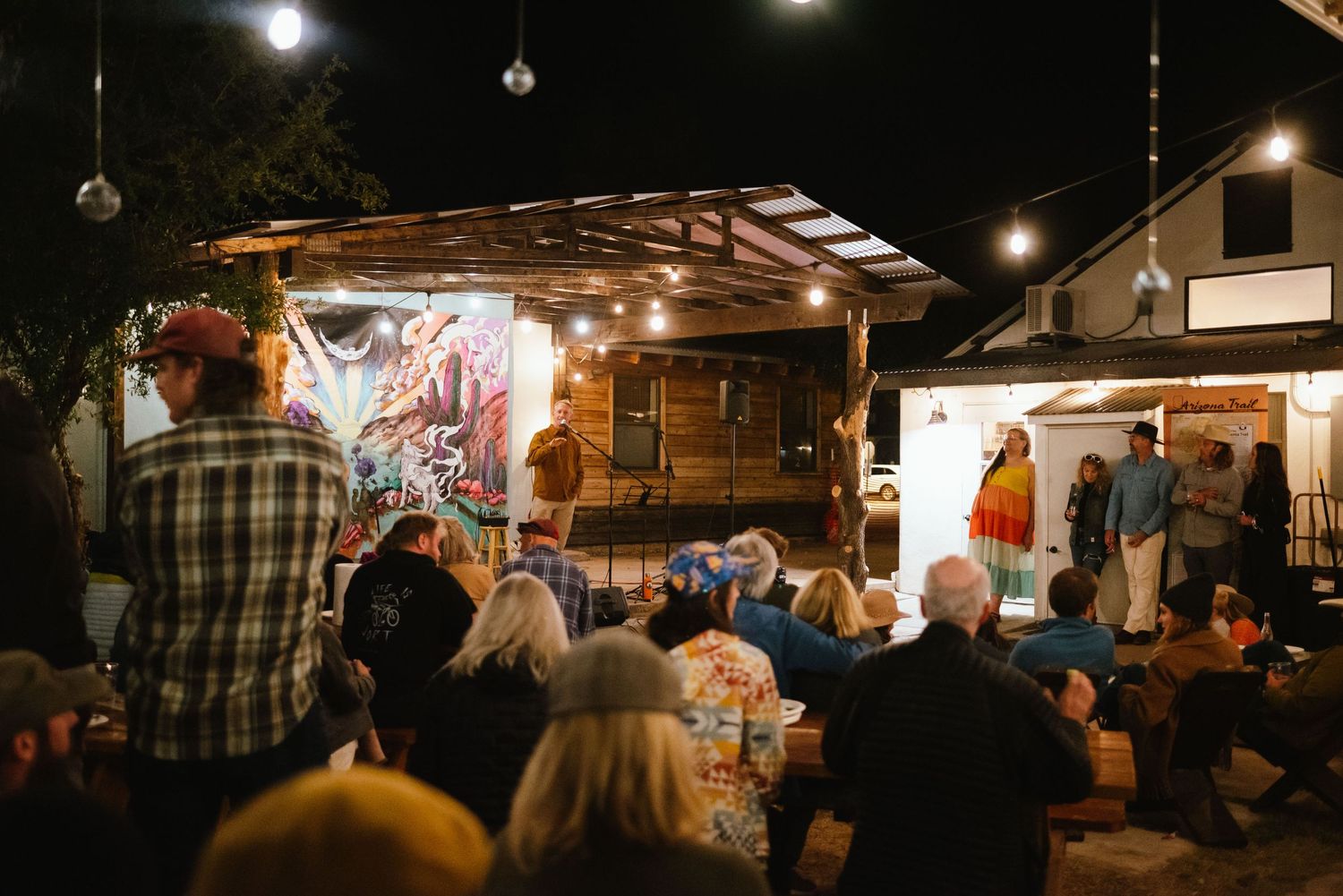
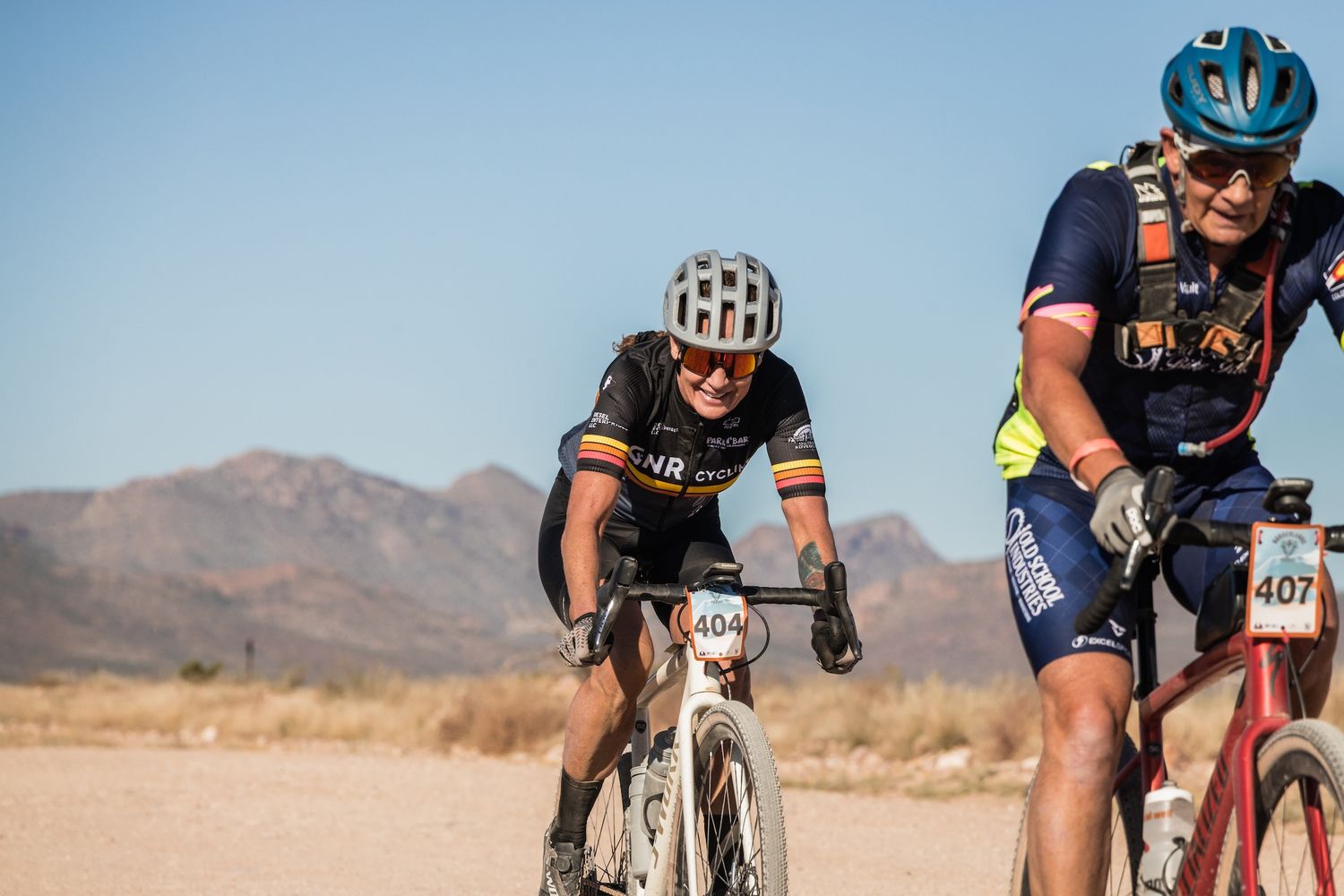
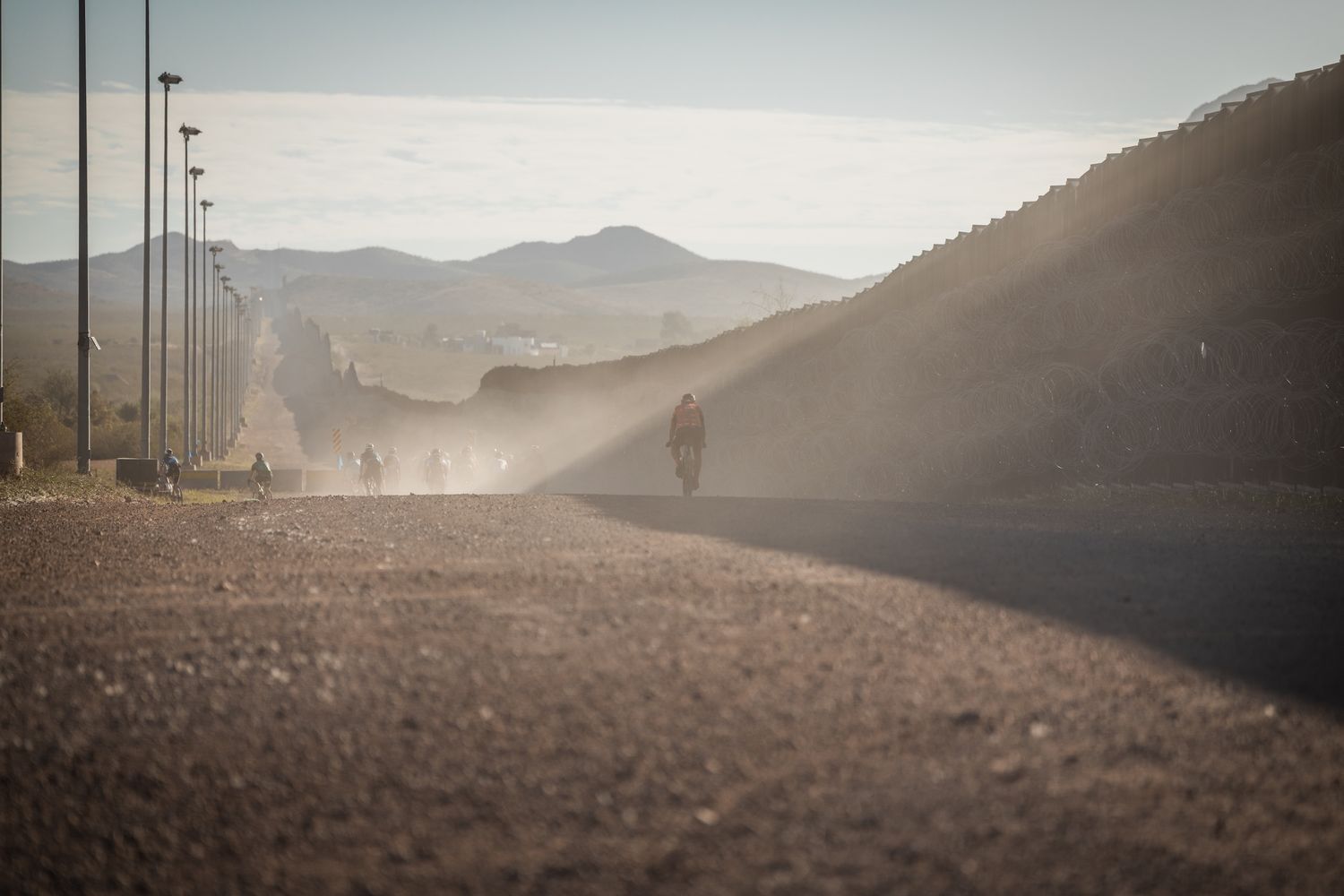
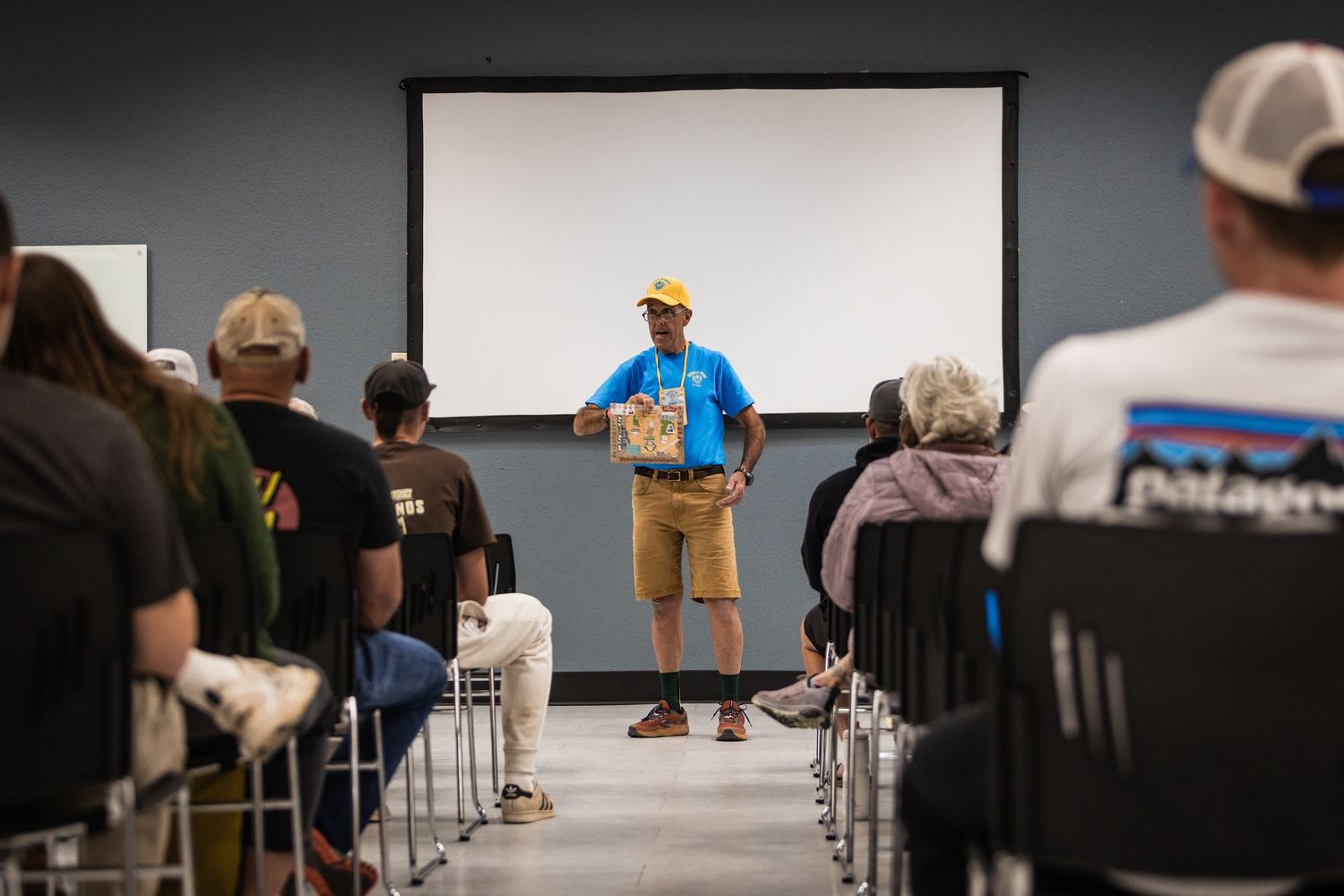
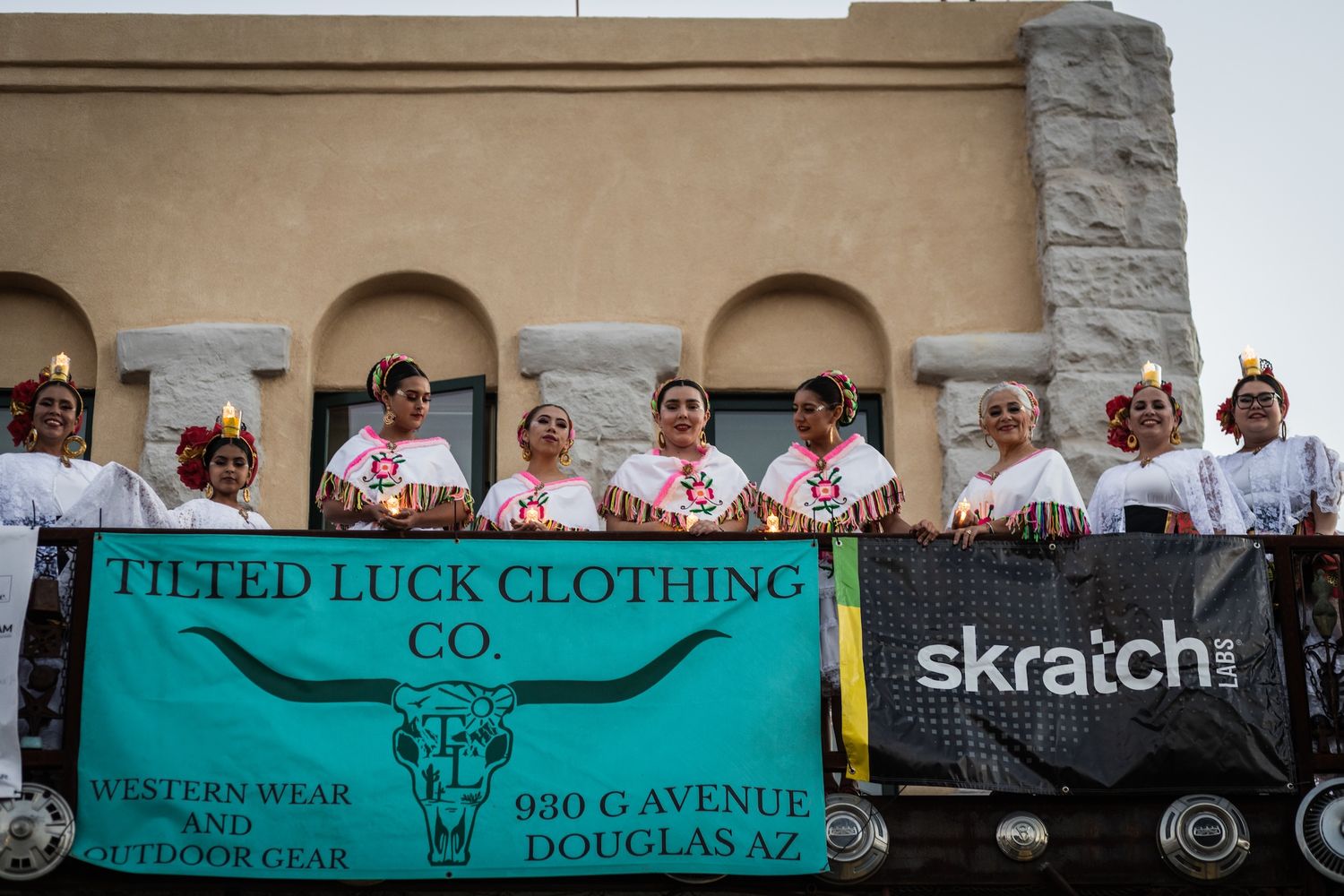
I'm watching this happen firsthand in Douglas, Arizona.
Three years ago, very few cyclists outside southern Arizona knew anything about Douglas.
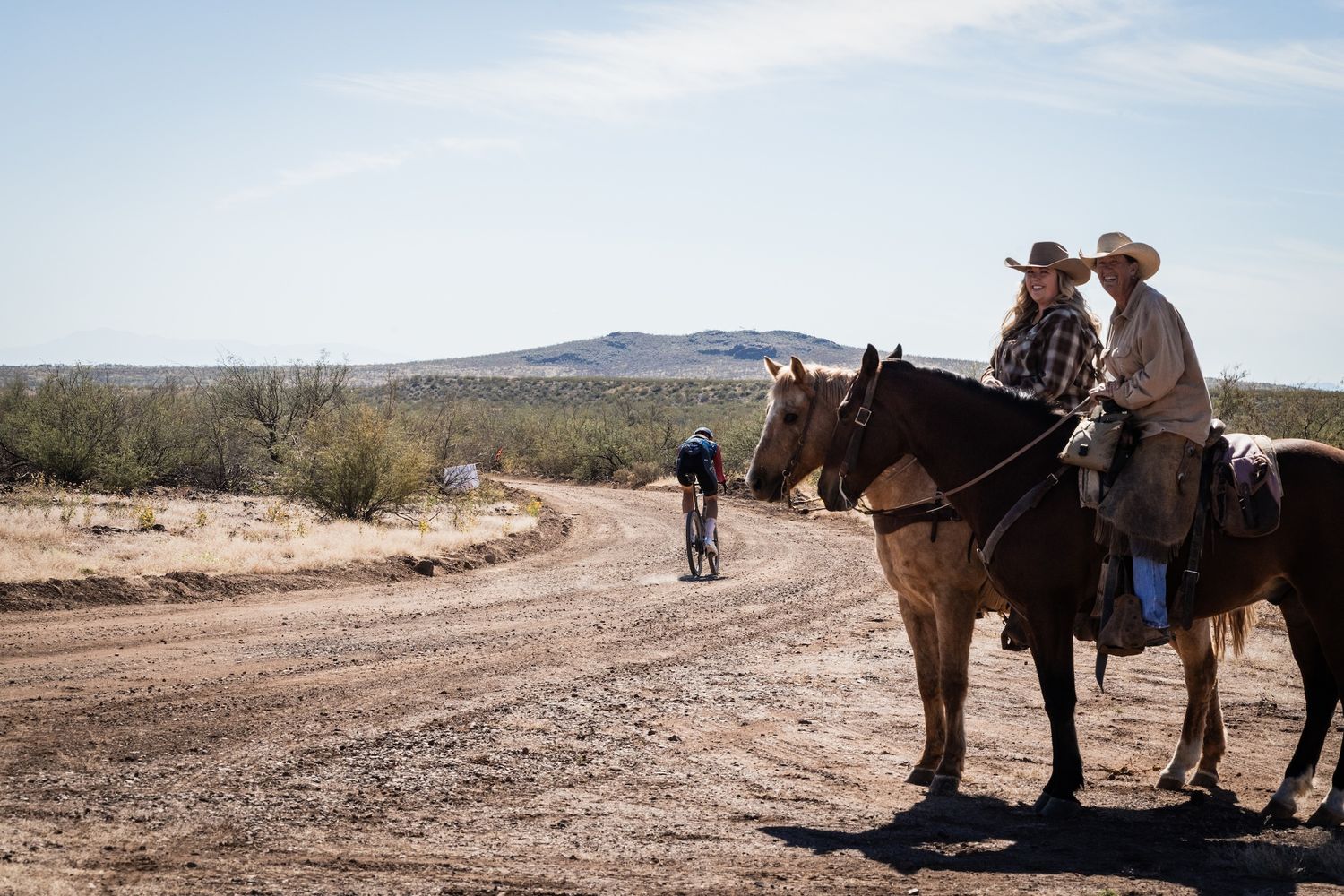
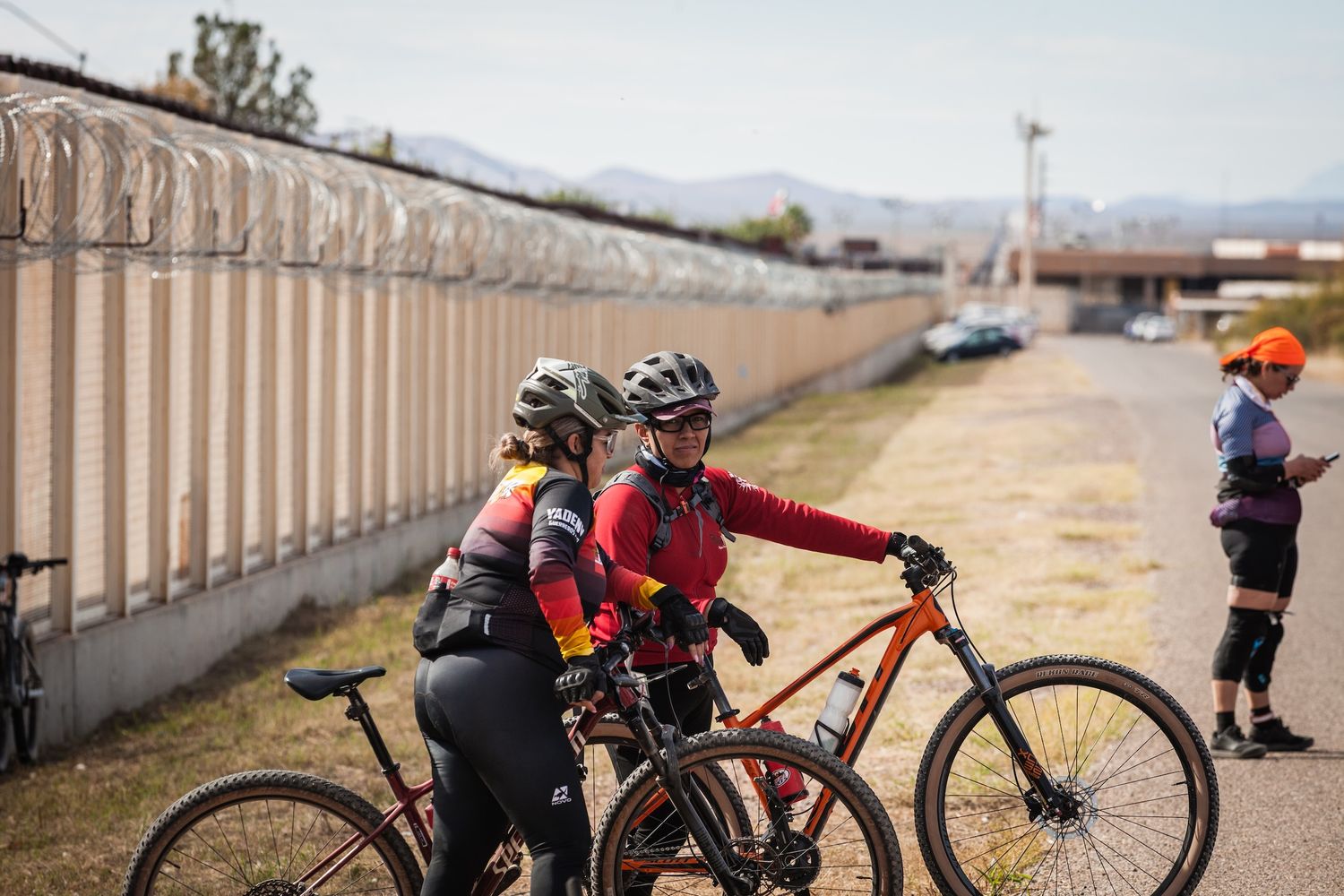
Today, riders from across the country are discovering the Geronimo Trail, crossing into Mexico during Borderlands Gravel, exploring Cochise County, and experiencing a community that most would never even drive to.
No, Douglas didn’t suddenly grow red rock cliffs.
It didn’t build a ski resort.
Through Borderlands Gravel, we began telling a different story about the assets it already possessed.
That’s where transformation begins… or I should say contemplating beginning. Douglas is still a rough-around-the-edges and raw border town. And that's precisely why I prefer it to hip, polished places like Moab or Sedona.
Seven Strategies to Build an Outdoor Tourism Destination
1. Inventory Your Existing Outdoor Assets
Make a list of everything your community already offers.
Gravel roads.
Forest roads.
Public lands.
Scenic overlooks.
Historic sites.
Local wildlife.
Nearby rivers.
Unique geology.
Great coffee.
Family-owned restaurants.
You might be surprised how much is already there.
2. Choose One Outdoor Recreation Niche
The most successful outdoor destinations are rarely known for everything.
They’re known for something.
Emporia owns gravel.
Bentonville owns mountain biking.
Moab owns adventure.
Douglas doesn’t need to become the outdoor capital of Arizona.
It can become the borderlands gravel destination.
That’s a much more attainable goal.
3. Create Outdoor Experiences Before New Infrastructure
Communities often believe they need millions of dollars before they can attract visitors.
Not necessarily.
Experiences come first.
Host guided rides.
Organize hikes.
Lead bird walks.
Create bikepacking weekends.
Offer history rides.
Start a trail running series.
Events create stories.
Stories create awareness.
Awareness creates momentum.
4. Tell Your Community’s Story Consistently
This is where so many communities fall short.
They have incredible places and people.
They simply don’t tell anyone.
Every week should include stories about your trails, routes, local businesses, volunteers, events, wildlife, and history.
People rarely visit places they’ve never imagined themselves experiencing.
Storytelling helps them picture themselves there.
5. Involve Local Businesses in Outdoor Tourism
Outdoor recreation isn’t just about trails.
Visitors buy coffee.
They stay in hotels and Airbnbs.
They eat at restaurants.
They visit breweries.
They shop downtown.
The more businesses see themselves as part of the outdoor economy, the stronger the entire destination becomes.
6. Give Visitors a Reason to Return
A gravel race shouldn’t be the finish line.
It should be the introduction.
Maybe visitors return for hiking.
Then birding.
Then mountain biking.
Then a local festival.
Then fall colors.
Destinations are built through repeat visits.
7. Build Momentum Instead of Chasing Perfection
Moab didn’t become Moab overnight.
Neither did Bentonville.
Every outdoor destination started somewhere.
The mistake many communities make is comparing their Year One to someone else’s Year Thirty.
Progress compounds.
Momentum matters.
Keep building.
The Future of Outdoor Tourism Belongs to Small Communities
Not every town will become an international outdoor destination.
That’s okay. I'm good with that.
It doesn’t have to.
The opportunity isn’t to become another Moab.
The opportunity is to discover what makes your community worth exploring and then invite people to experience it.
Every town has a story.
Every landscape offers something unique.
Every community has the opportunity to create experiences people can’t find anywhere else.
The places that succeed aren’t always the ones with the biggest mountains or the most spectacular scenery.
More often, they’re the communities that recognize the opportunities already sitting in their own backyard and choose to tell that story.
Maybe that’s where every outdoor destination truly begins.
SOCIAL MEDIA STRATEGY FOR YOUR TOWN, RACE, OR BRAND
NEED HELP WITH YOUR SOCIAL MEDIA?
CLICK THE BUTTON BELOW TO LEARN MORE

Elopement Photographer
Capturing your Love Story Journey
based in amsterdam

Elopement Photographer
Documenting Life's Extraordinary Moments
based in amsterdam
about the author
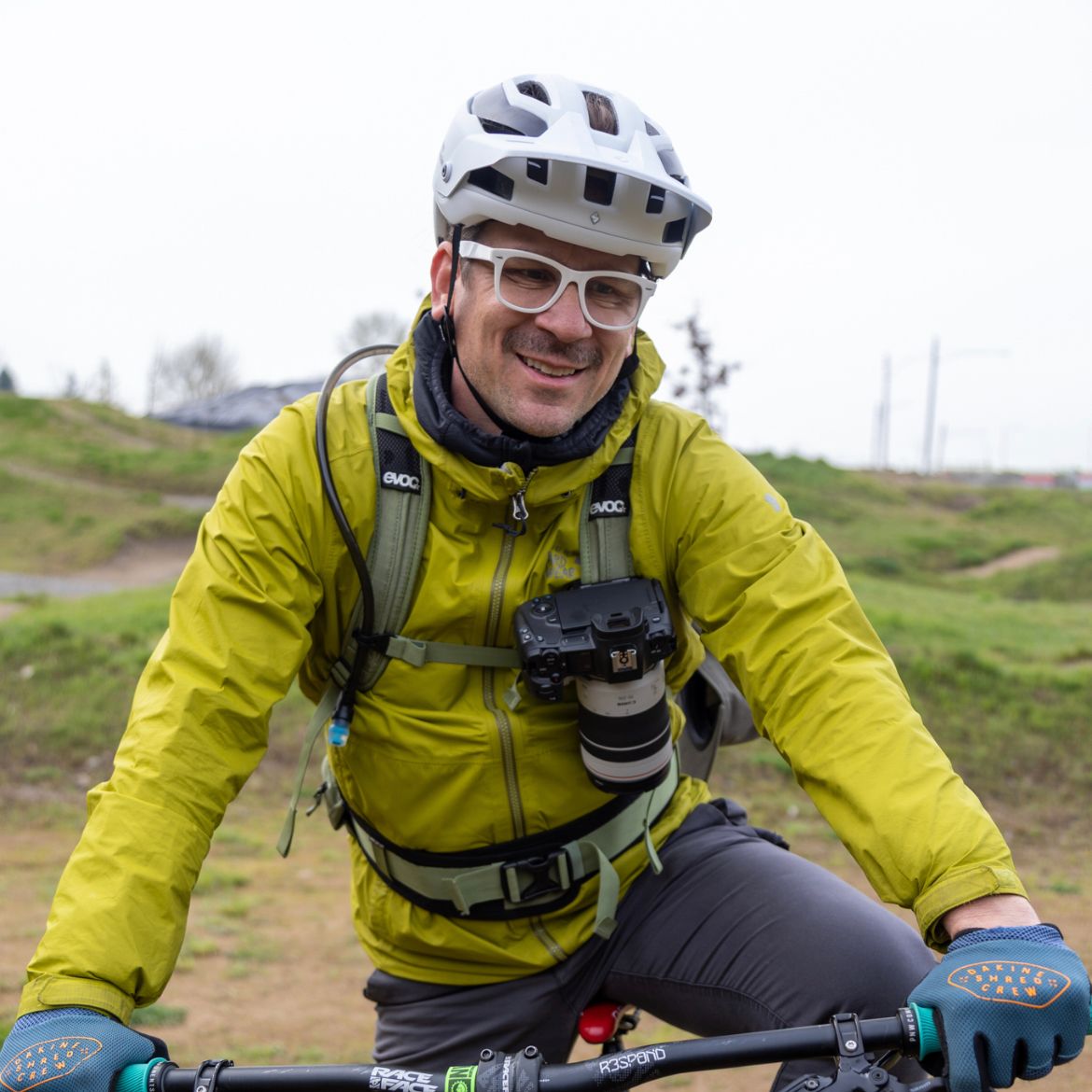
Sean Benesh
Sean Benesh is a social media strategist based in Portland, Oregon. He works with rural communities, trail organizations, and race organizers to grow visibility and momentum through photography, writing, and social media. Sean is the founder and editor-in-chief of Trail Builder Magazine and a digital media & communications instructor at Warner Pacific University.