How to Build a Social Media Following That Converts for Your Cycling Race
Let’s get something out of the way.
If you’re organizing a gravel, MTB, or road race, growing your Instagram, Facebook, or TikTok followers just for the sake of numbers is a distraction. You’re not an influencer chasing vanity metrics. You’re a race director trying to build momentum and get riders to your start line.
So why do follower counts still matter?
Because every single new follower is a signal. It tells you someone is curious. Interested. Maybe even almost ready to register. That “Follow” button is often their first “yes,” long before they ever hit “Register Now.”
The key isn’t to grow fast. The key is to grow intentionally.
So let’s talk about why social media follower growth is still important to your race. While I’m writing specifically to race directors (since racing is on my mind), this applies to everyone else ... small town tourism staff, solopreneurs, and more.
1. Use Visual Content to Market Your Cycling Race on Social Media
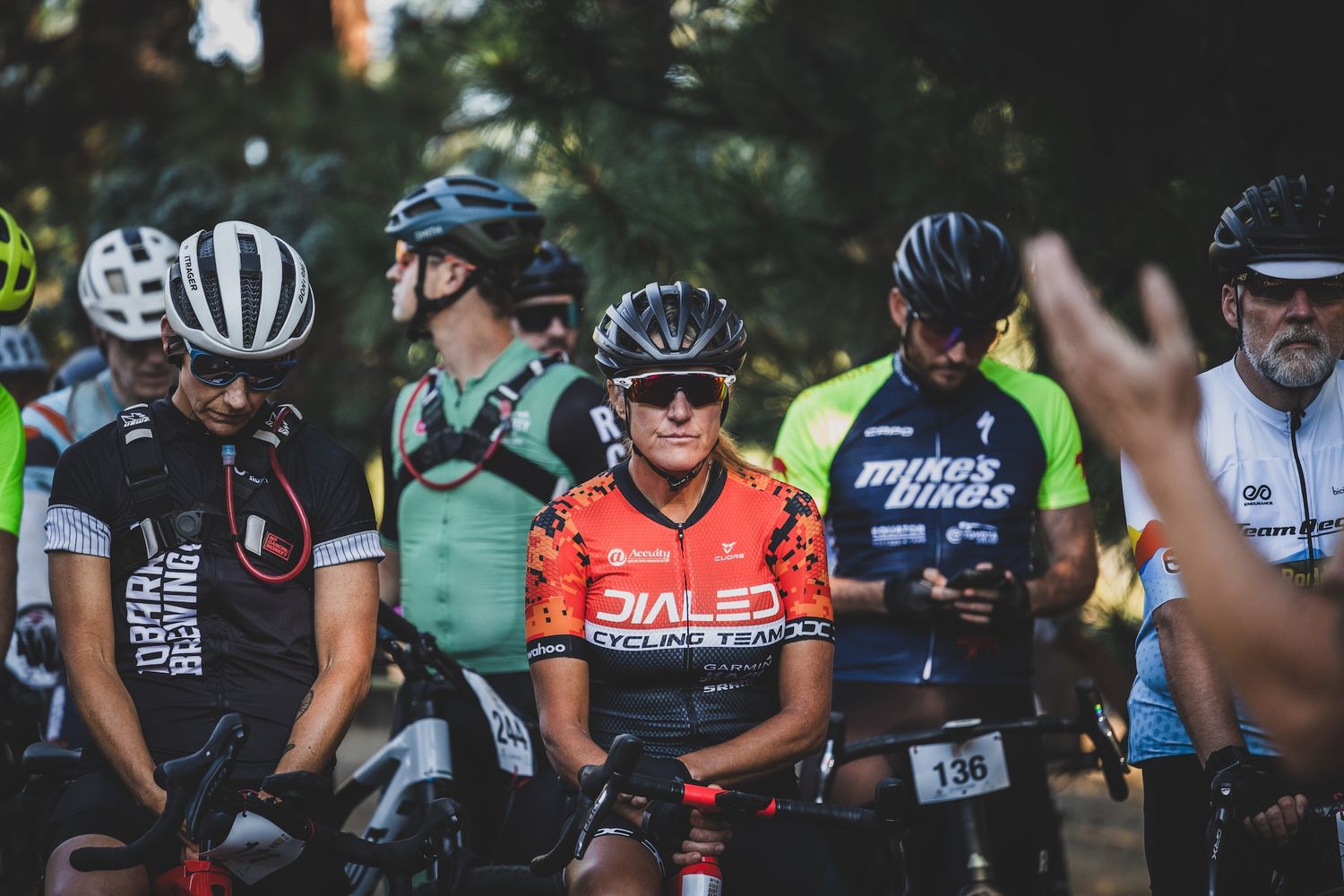
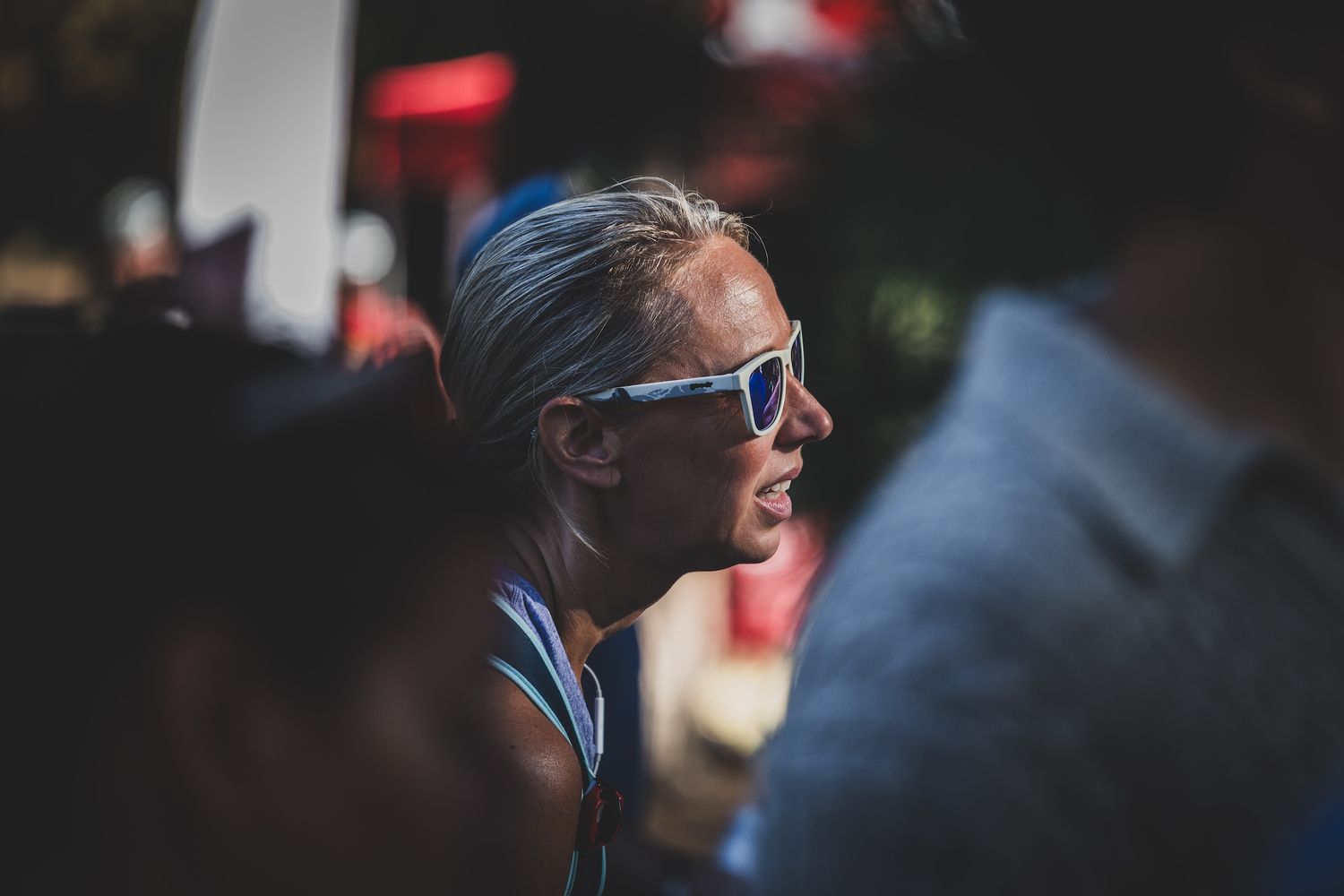
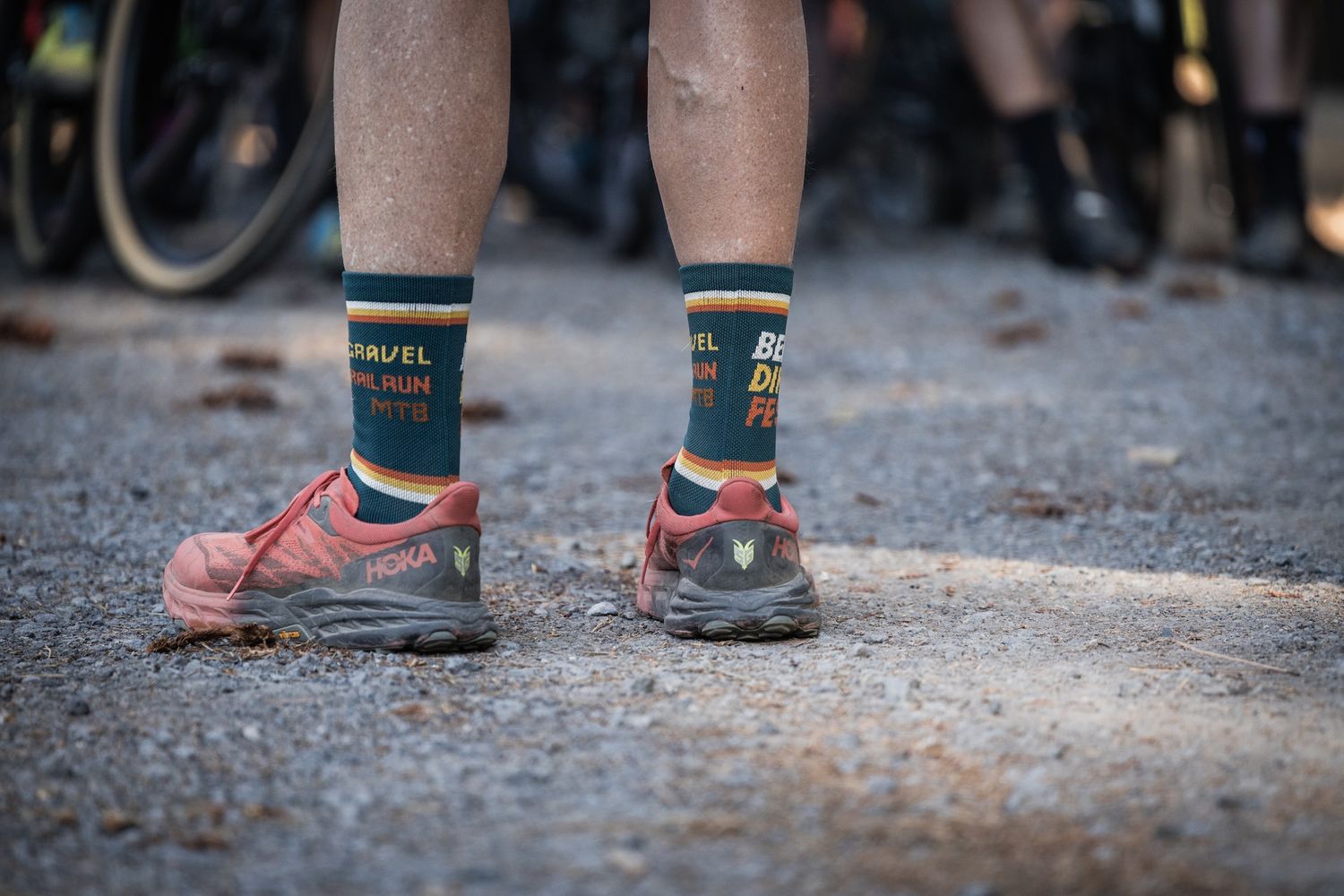
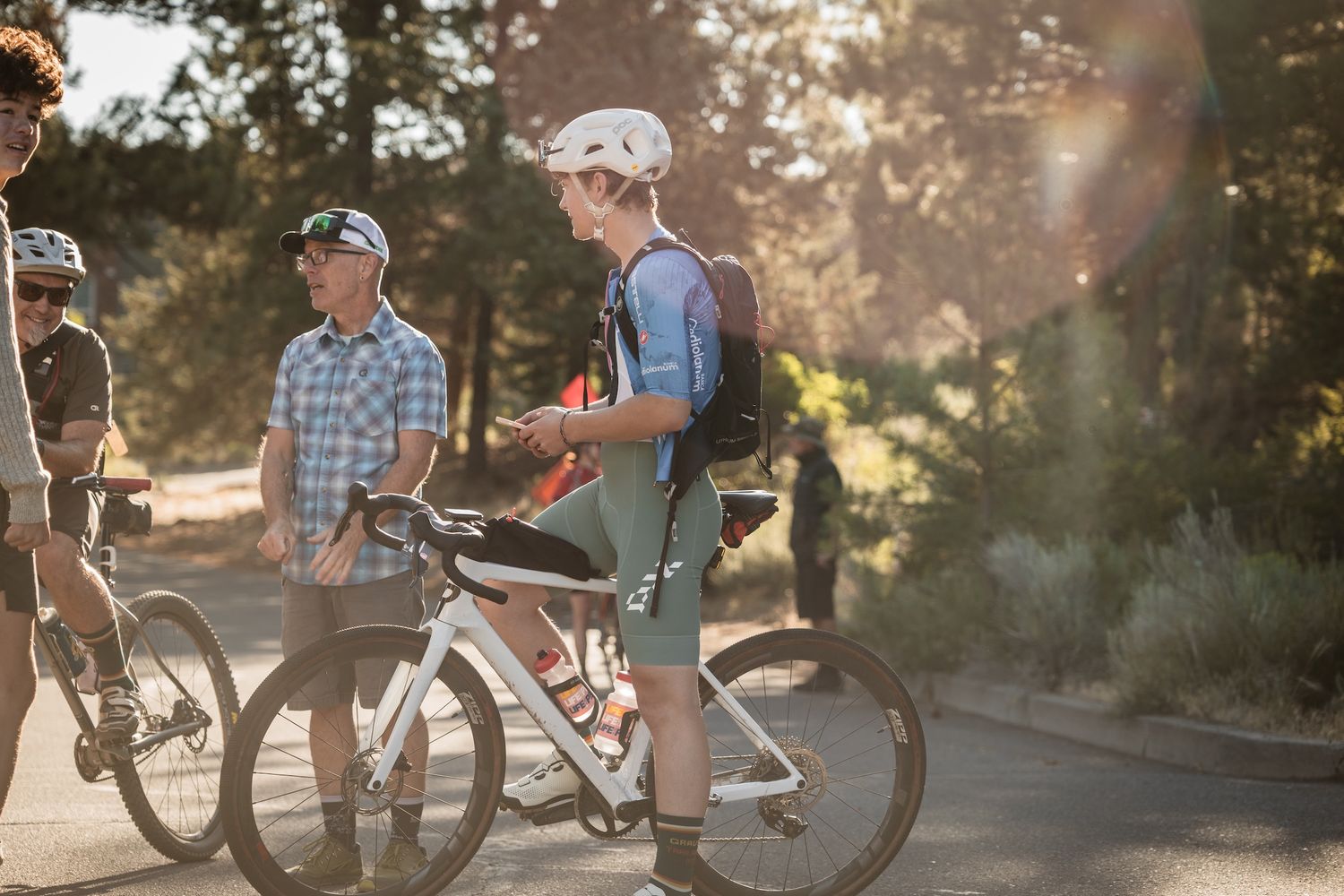
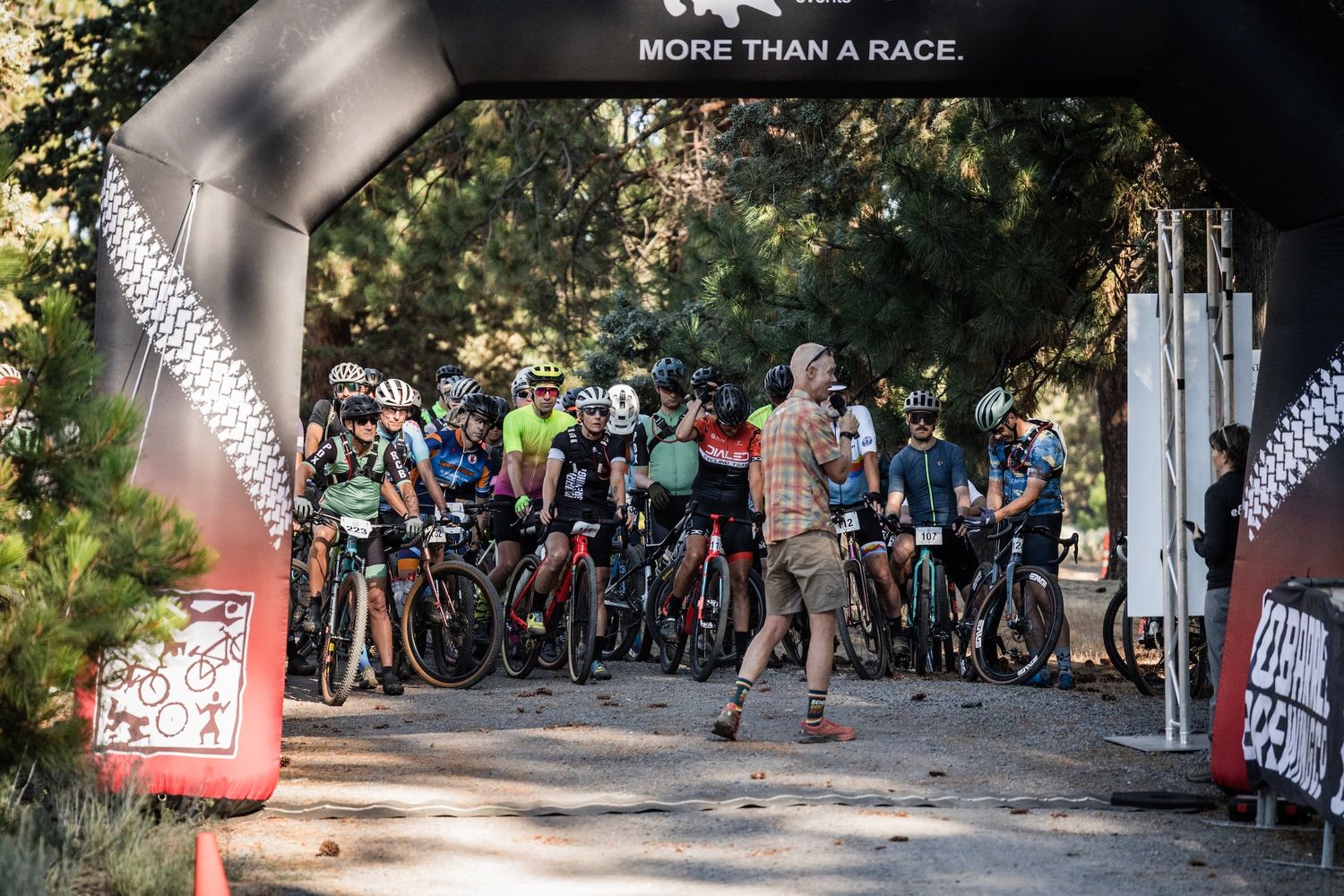
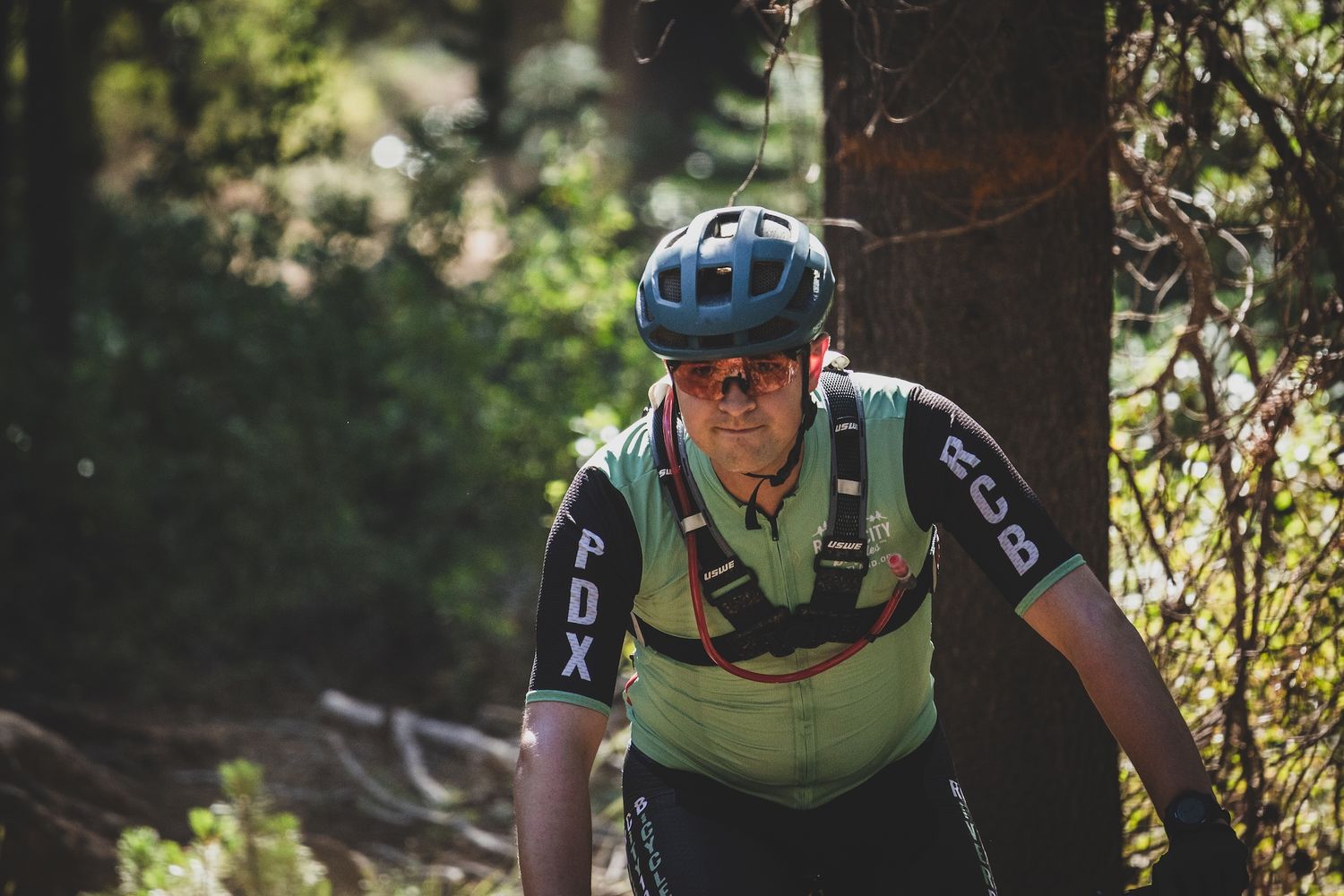
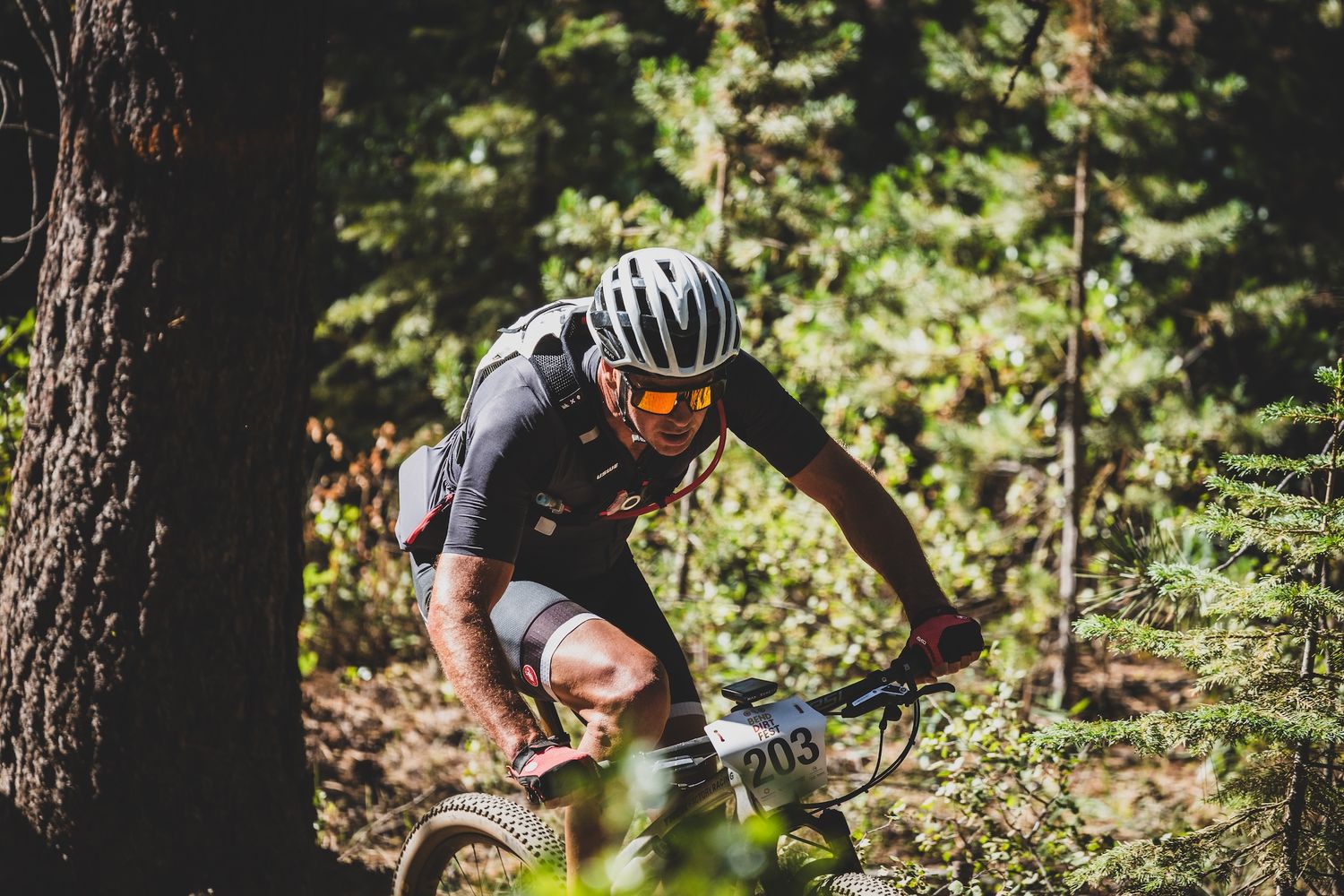
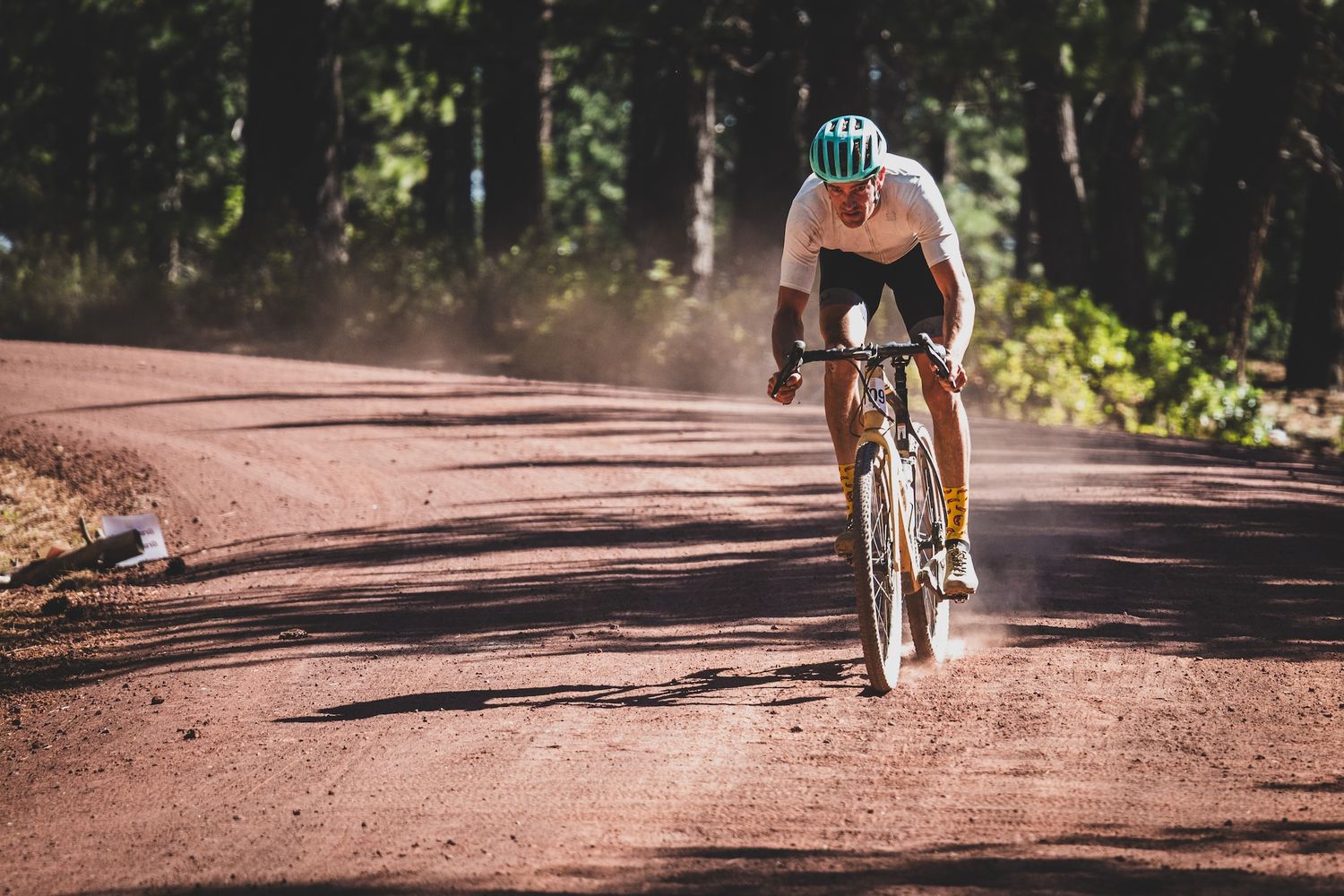
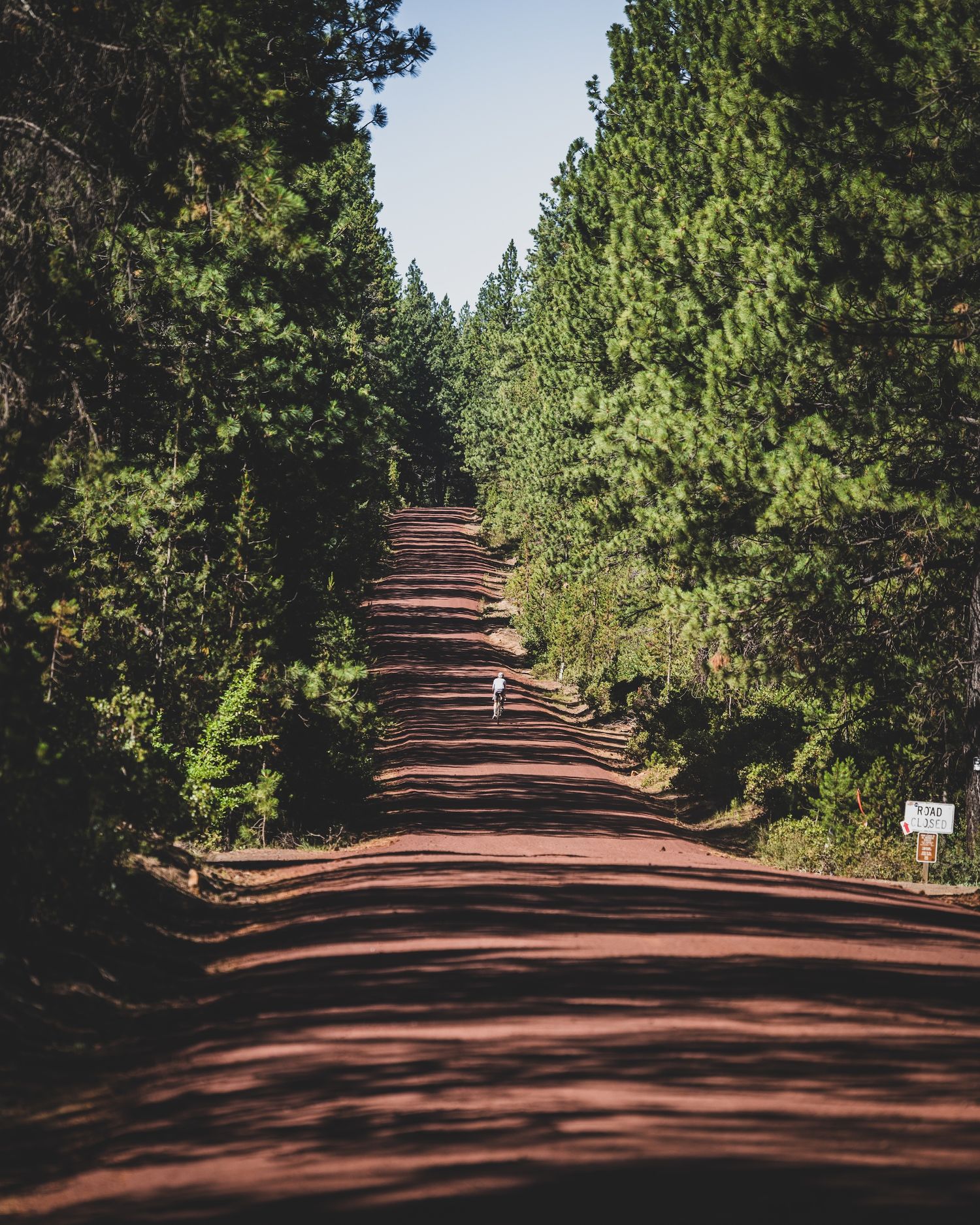
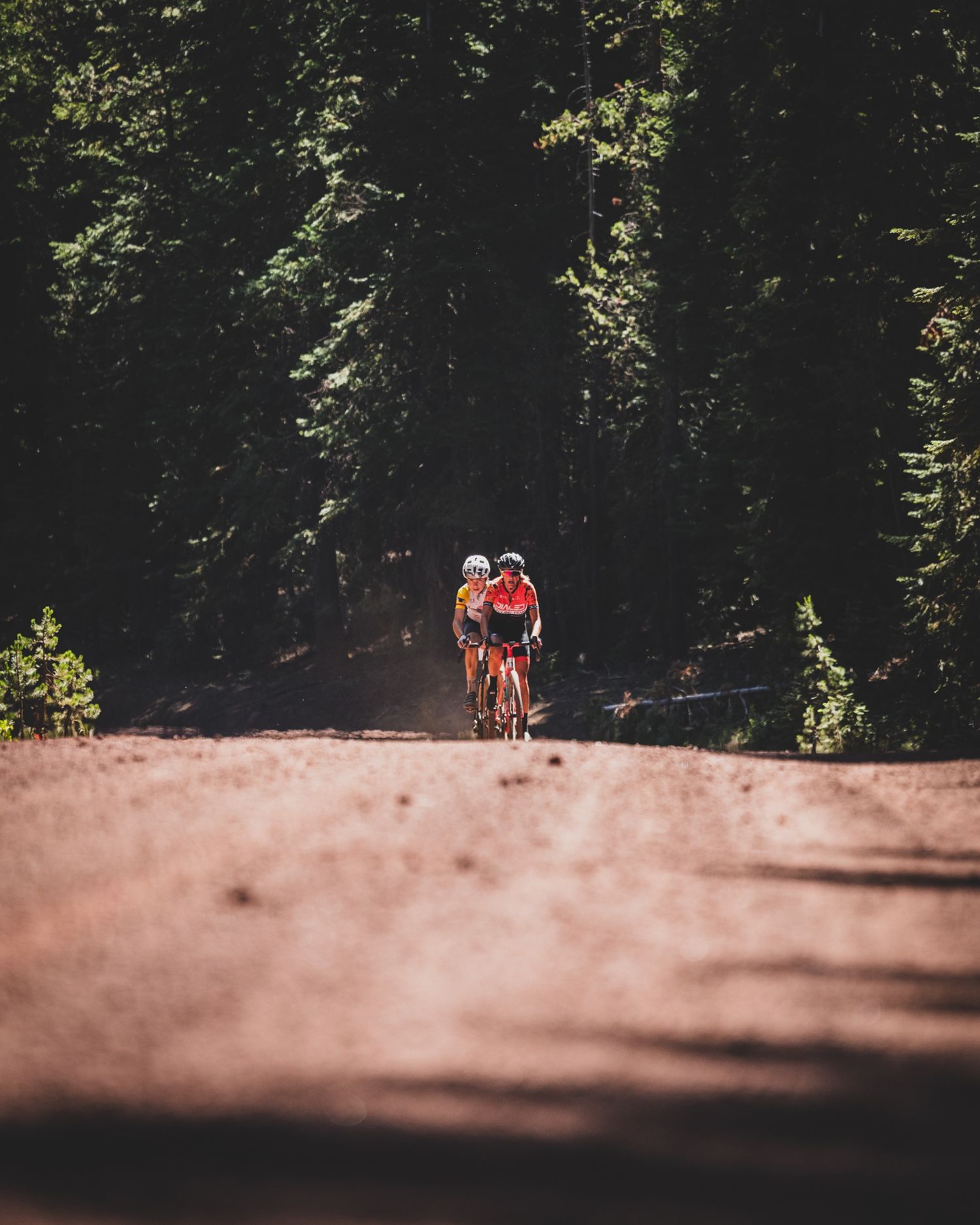
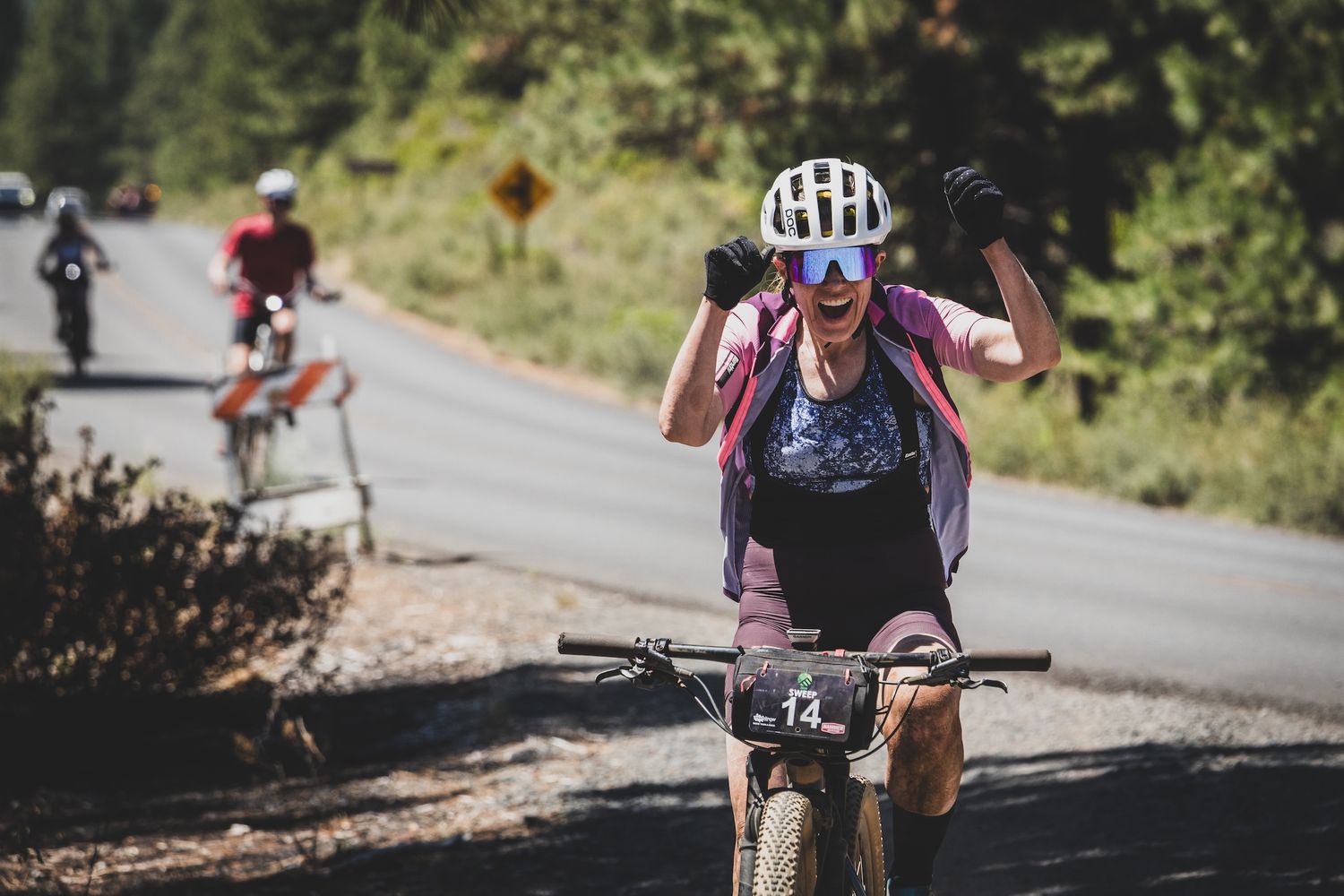
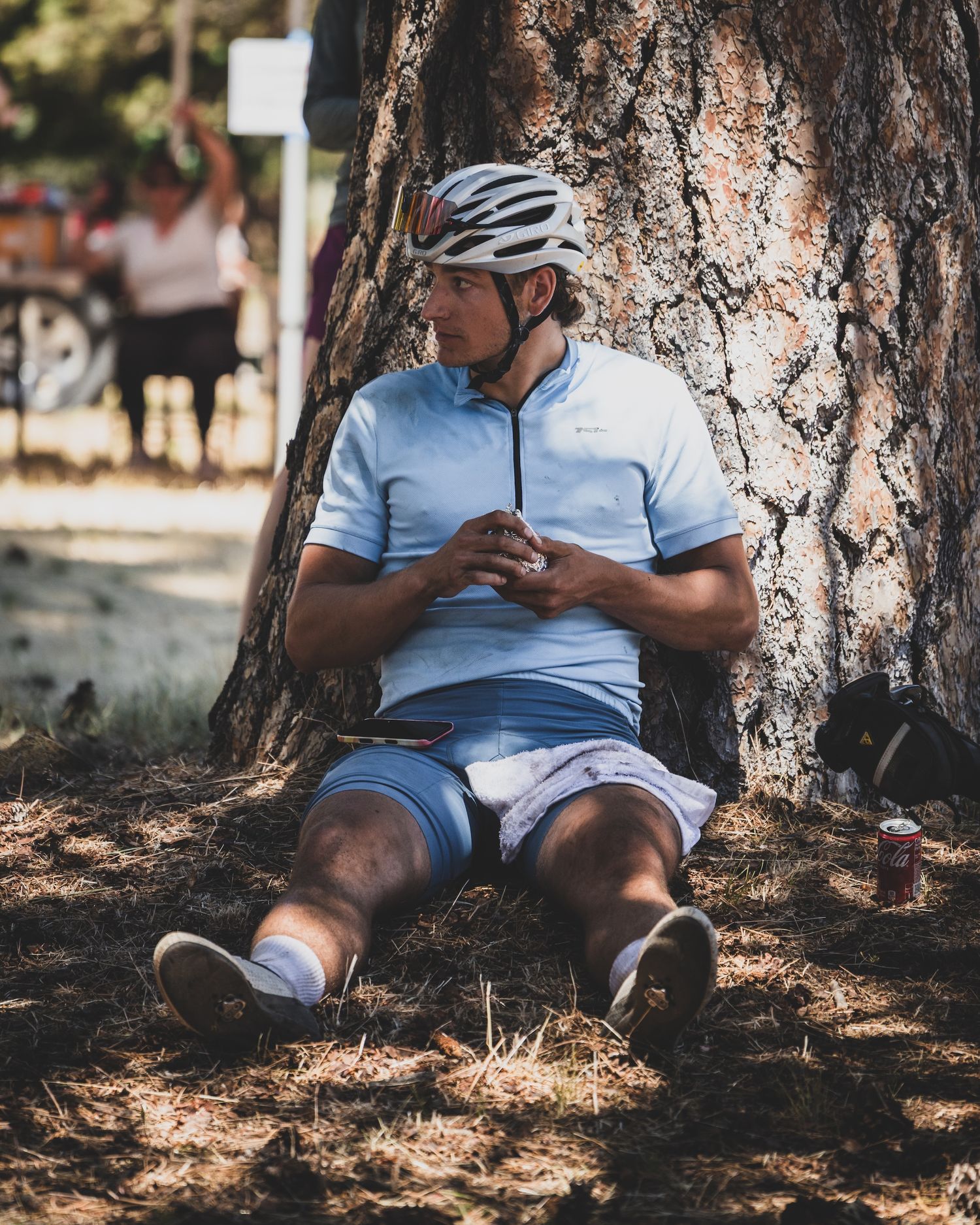
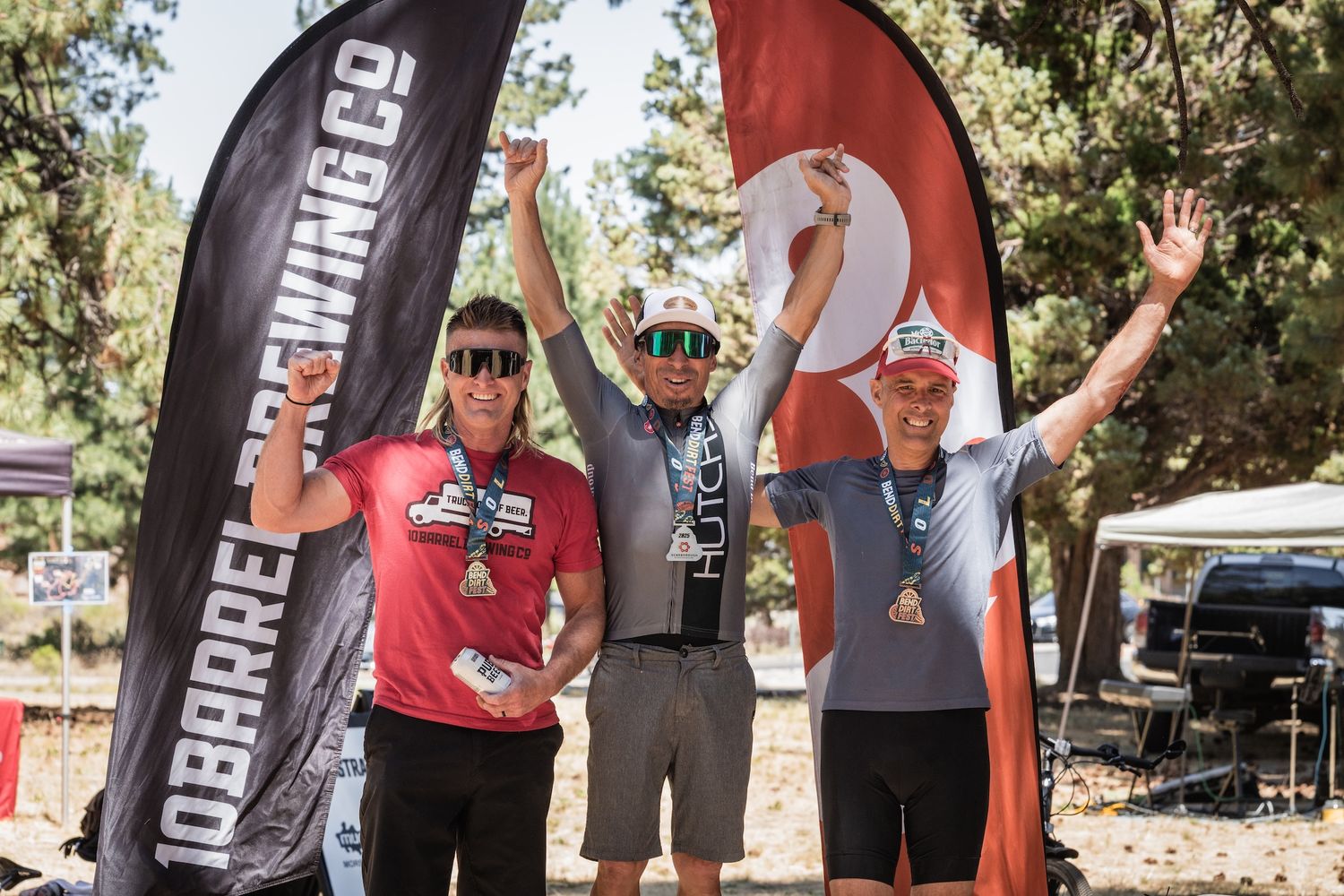
Social media is your race’s front door. Riders decide whether to enter based on what they see. That means your feed needs to visually capture the vibe and terrain of your event.
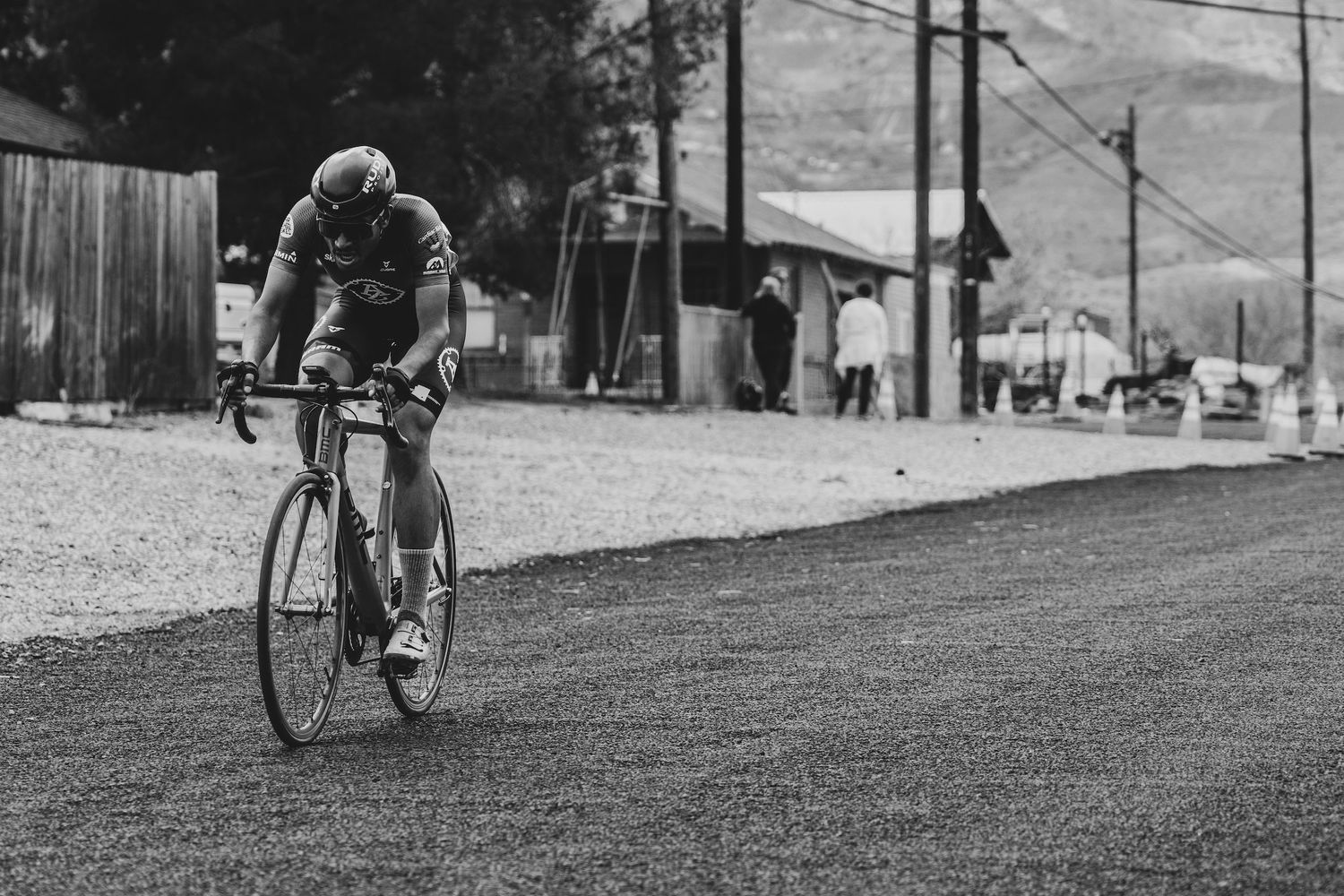
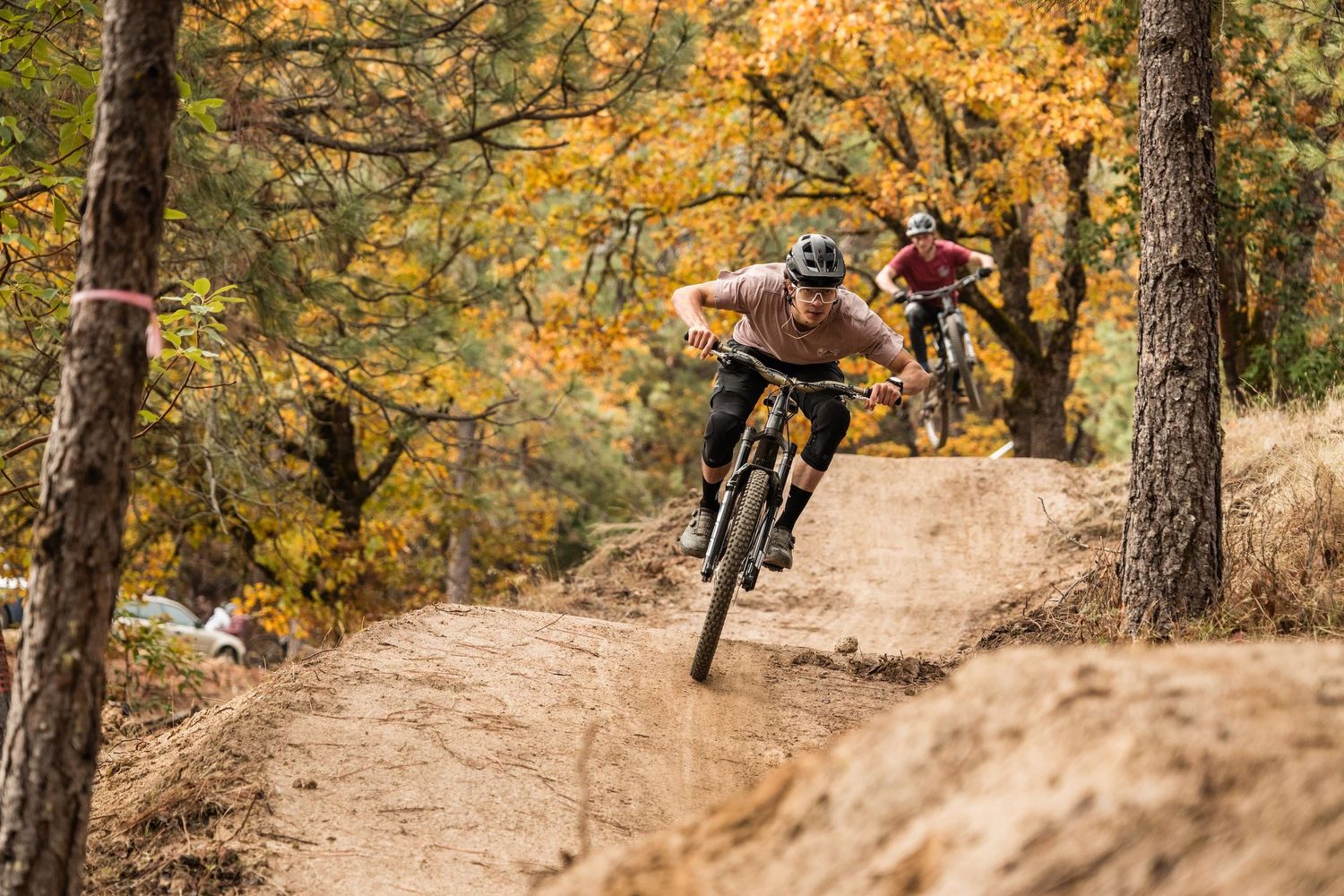
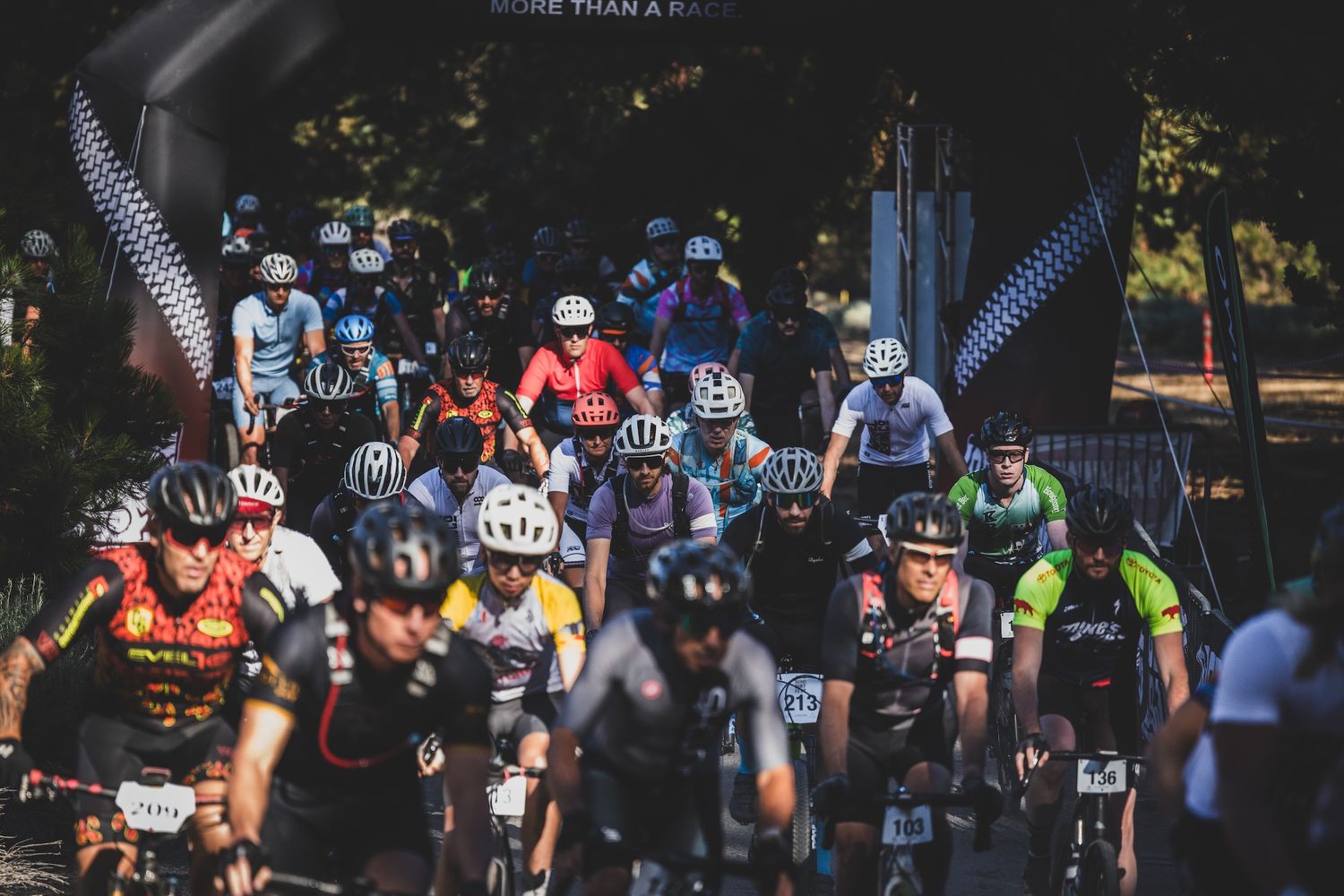
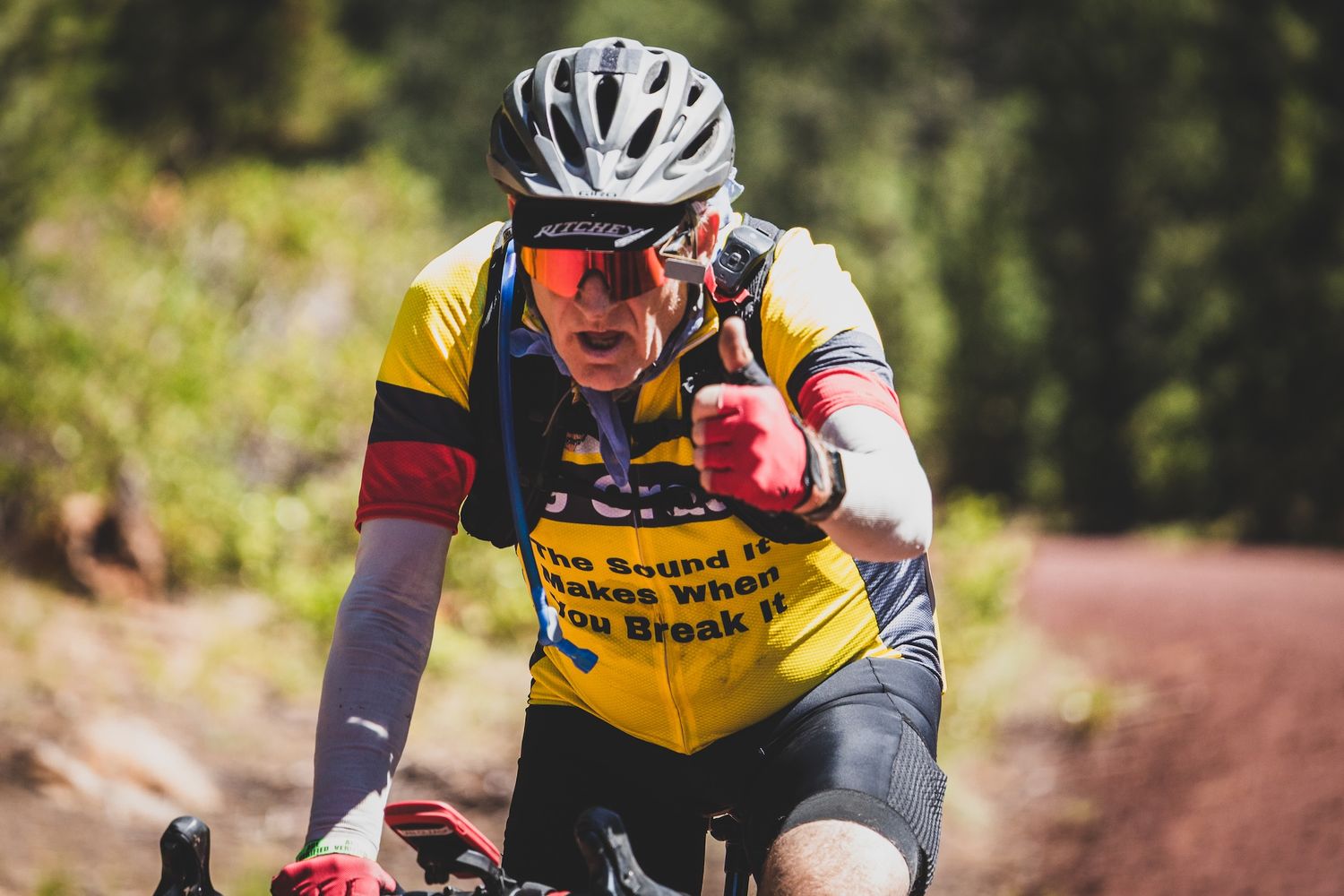
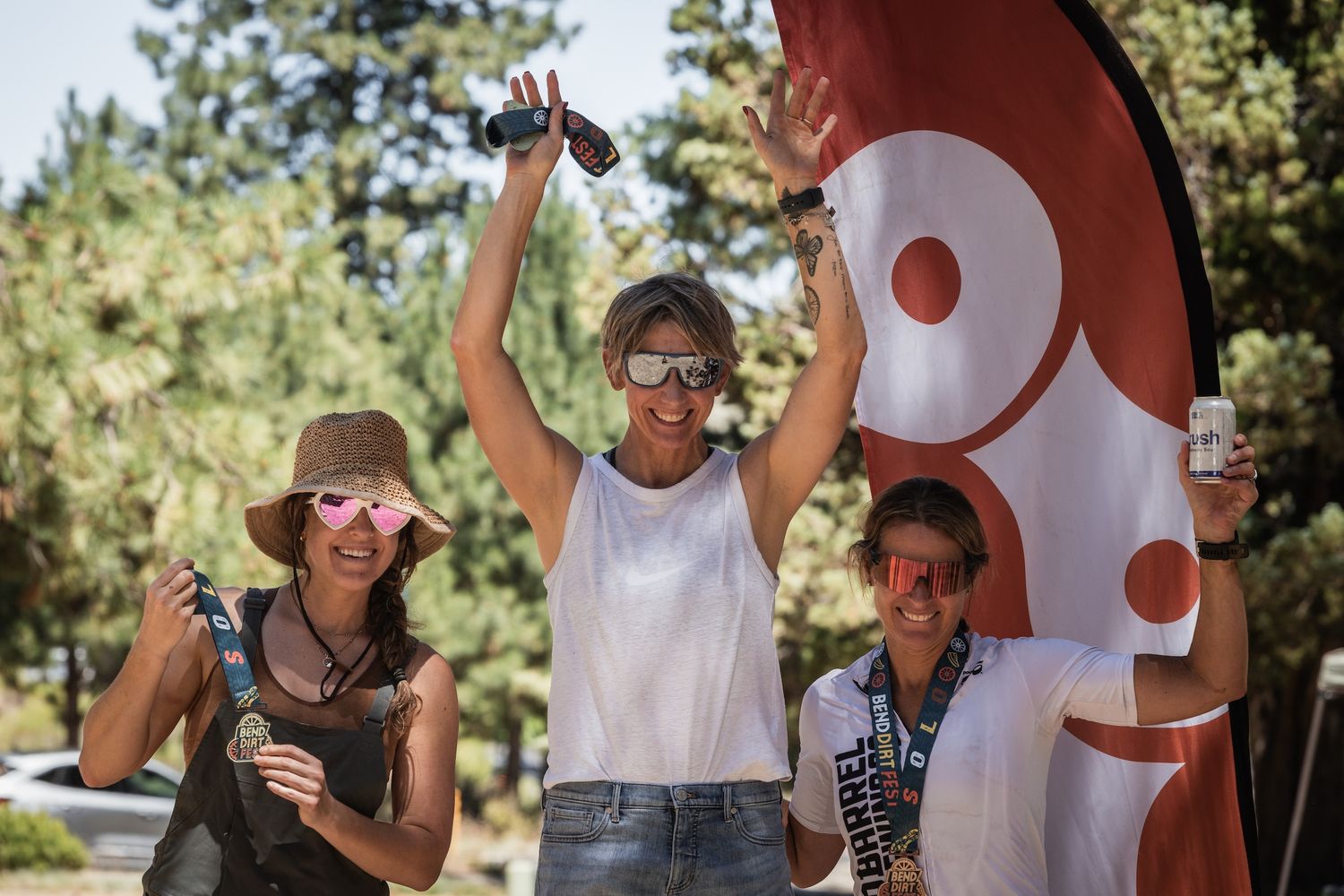
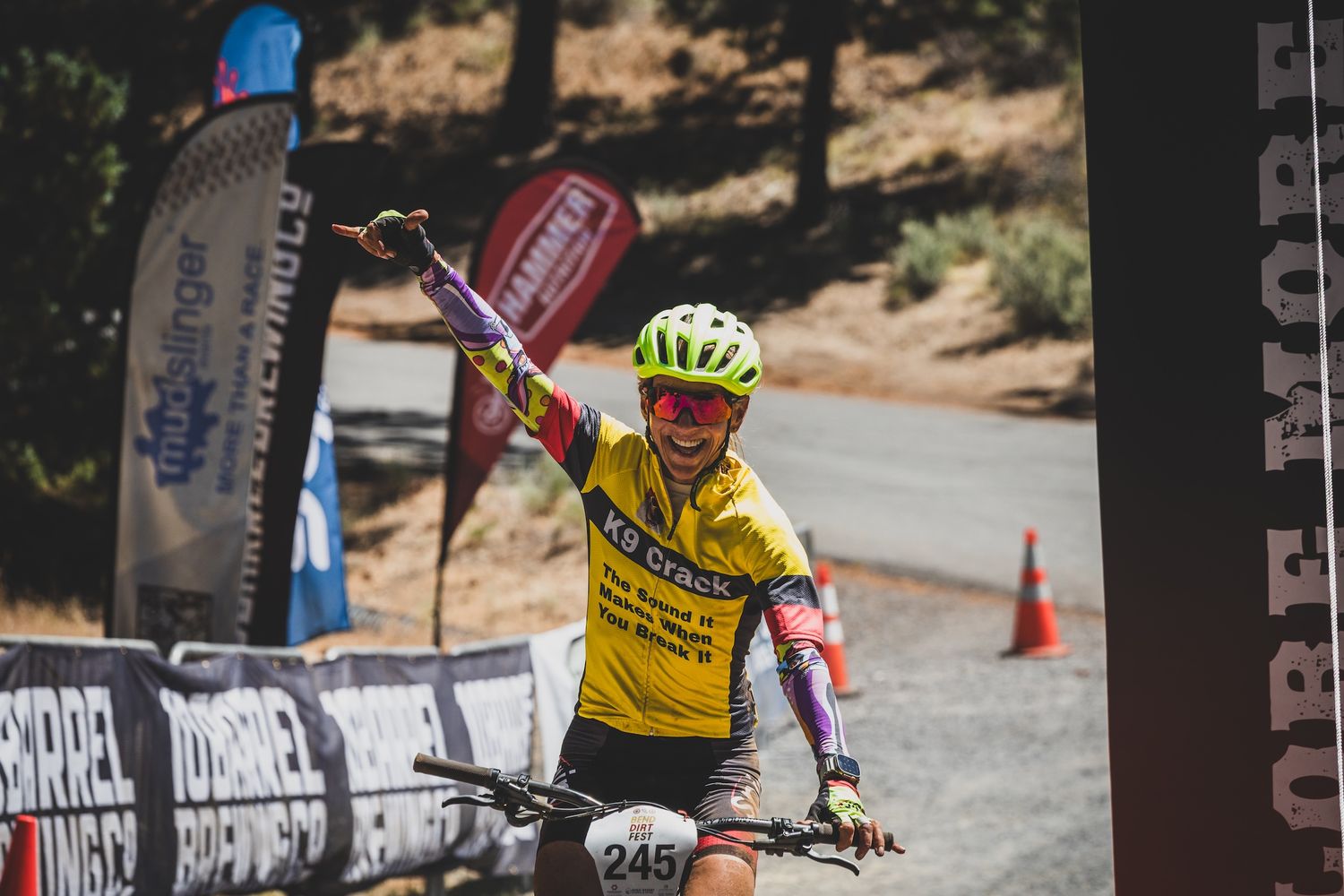
Photos. Reels. Race-day energy. Dust. Sweat. Smiles. The stuff that makes your event what it is.
And not just from you.
Encourage your riders to tag you. Re-share their content. Start building that loop where your race shows up in their stories, not just yours.
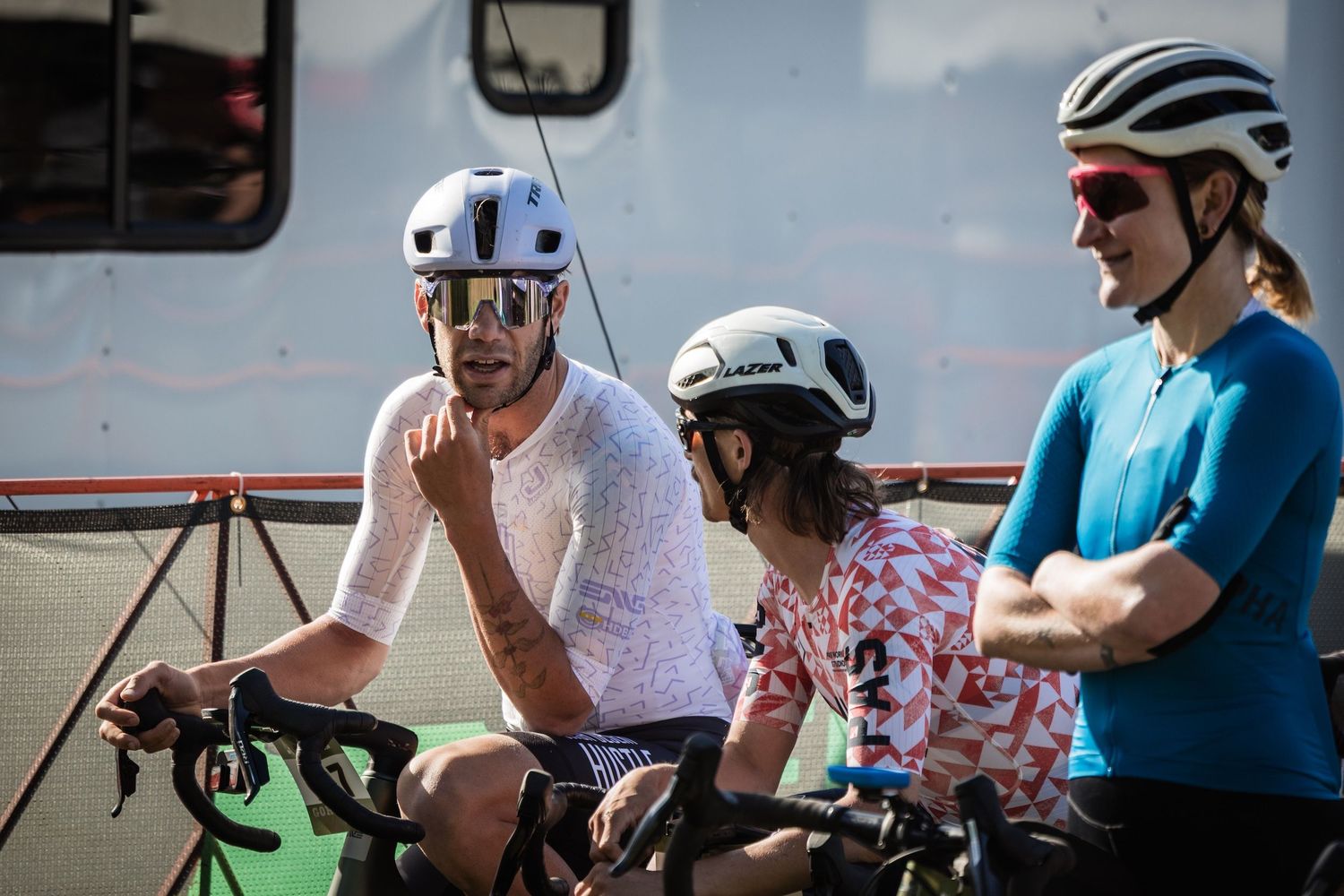
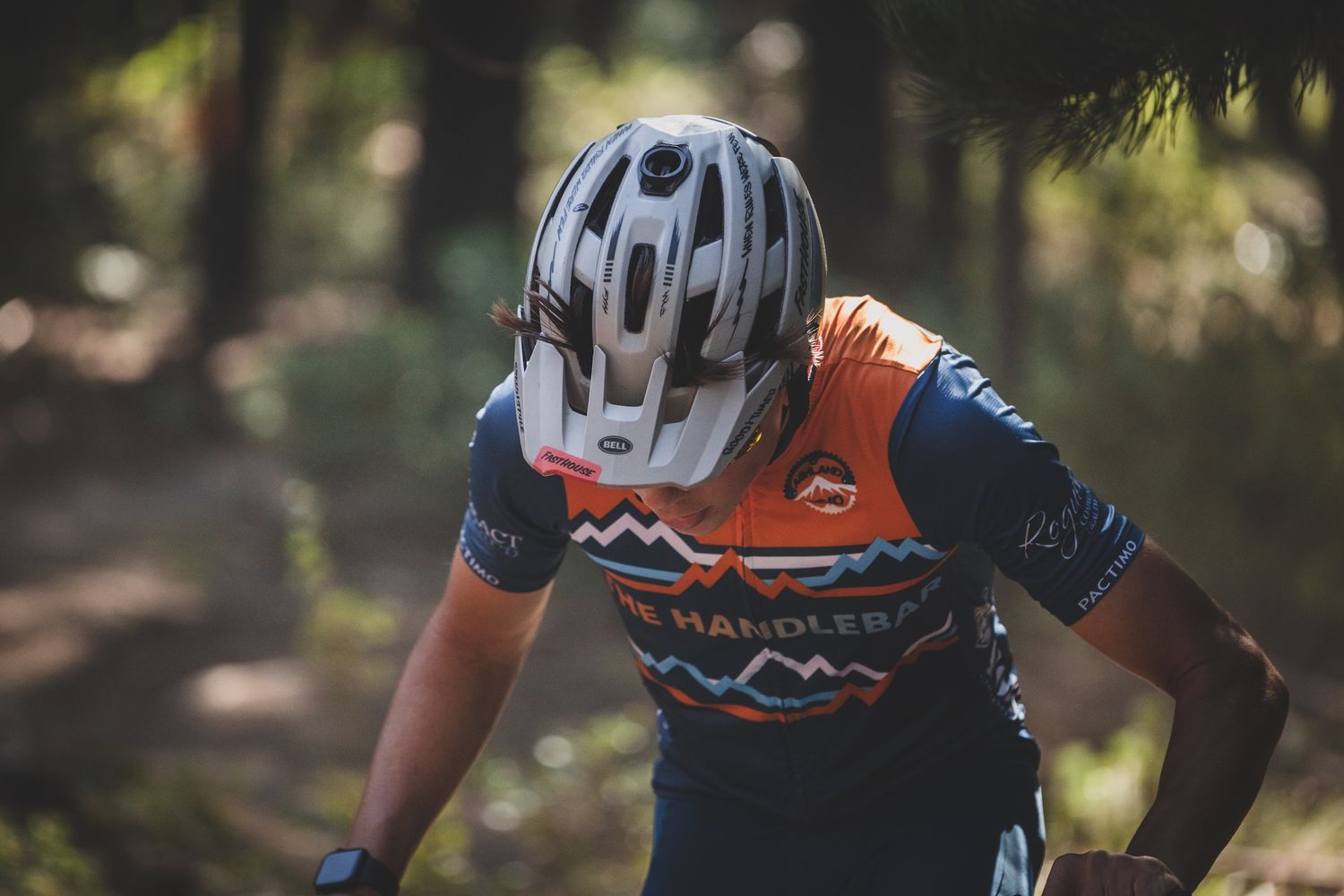
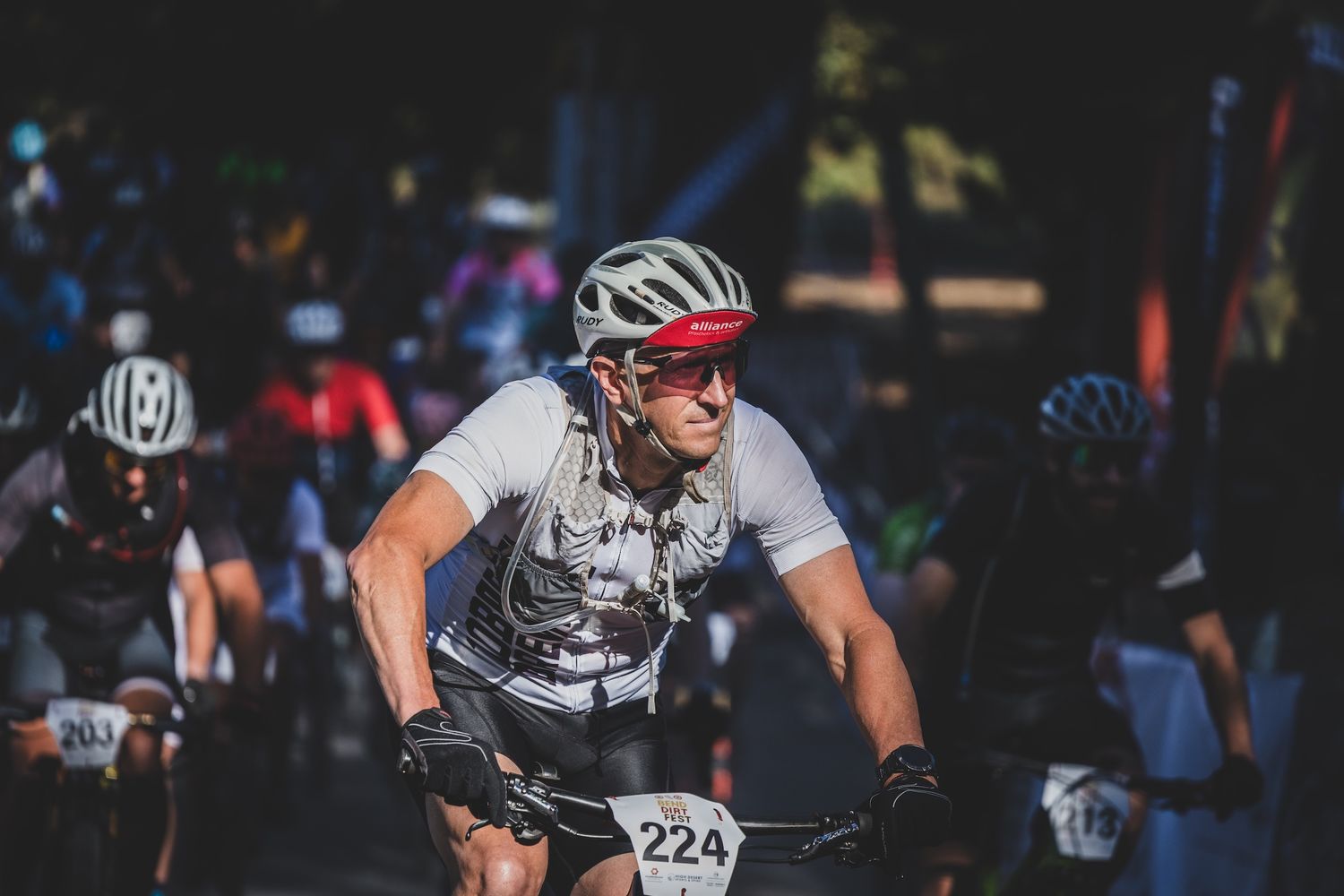
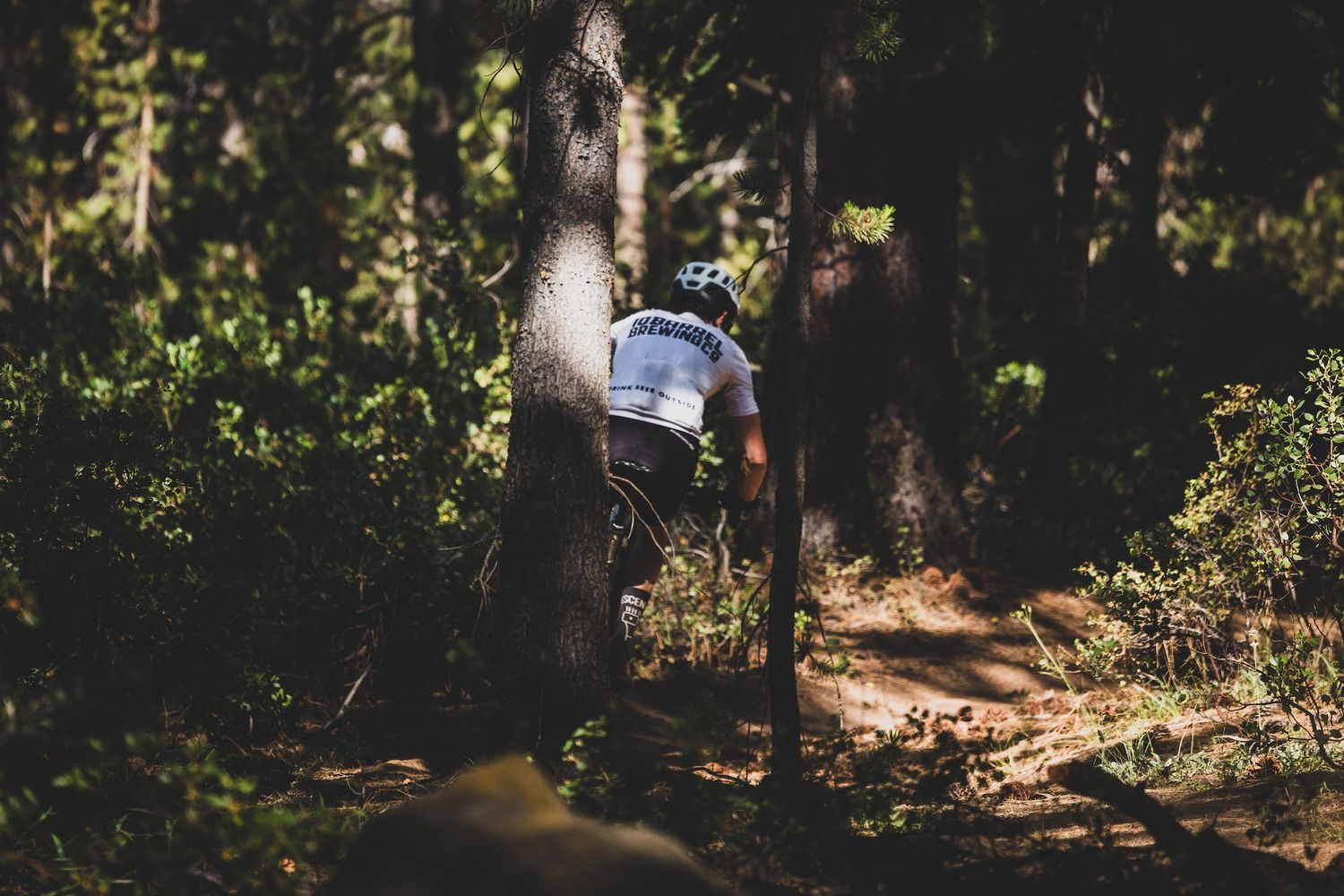
One of the things I enjoy after shooting photos for a race is how hyped the racers are about the photos. They love looking back through photos and videos of the race, seeing themselves, their teammates, and friends all on the same struggle bus together.
2. Create a Consistent Social Media Strategy for Race Promotion
You don’t have to post daily. But you do have to show up regularly. Aim for 3–4 solid posts per week. Rotate through:
- Course previews and map highlights
- Rider testimonials or past photos
- Registration reminders
- Behind-the-scenes content
And yes, that means even in the off-season. Use the time to build the story and community leading into race day. Don't go dark once your race season is over.
3. Increase Engagement to Grow Your Race’s Social Media Following
One of the best ways to grow organically? Actually be social on social media.
Comment on other race accounts. Cheer on your riders when they post training rides. Respond to every DM and question. When people feel like you see them, they’ll stick around, and they’ll tell others.
Most often, there's a direct correlation between your engagement and follower growth.
4. Turn Social Media Followers Into Loyal Race Participants
Don’t wait until you have 10k followers to act like a real brand. Be generous with the people who are already in your corner. Create content that serves them: tips, updates, even just behind-the-scenes peeks.
This kind of attention builds loyalty and turns casual followers into evangelists. When your race gets that kind of hype and energy, past and present racers will actually be the ones selling and promoting your race without realizing it.
5. Build a Marketing Funnel That Converts Followers Into Race Registrations
Your social media isn’t a billboard. It’s a bridge.
Use it to bring people into your race ecosystem. That means your posts should regularly include clear calls to action:
- “Registration closes next week.”
- “New route preview just dropped, check our stories.”
- “Not ready to sign up yet? Join our email list for updates.”
Keep it simple. Just give them the next step.
Why Organic Social Media Growth Still Matters for Cycling Events
Growing your race’s social media following organically is slow, but it’s real. There's a temptation to rush to paid ads and boost posts. I'm not saying don't do ads, but when was the last time you bought something from an ad? When was the last time you weren't annoyed by an intrusive ad?
When you build the right kind of presence, those followers become your best advocates.
And that kind of growth? That’s what matters. You're building for the long term.