For a lot of small towns and rural communities, social media feels like a chore. Something you’re “supposed” to be doing. So you post the event flyer. You share the fall colors. Maybe a historic building or two. Then … nothing. No engagement. No growth. Just crickets.
So you wonder ... what’s the point?
But here’s the thing: the problem isn’t the platform. It’s the lack of strategy. Or more specifically, the lack of a strategy that’s actually aligned with your tourism goals.
This isn’t about going viral. It’s about becoming visible to the right people, in the right way, at the right time.
Why Social Media Matters for Rural Tourism Marketing
The Mindset Shift
Let’s start with the big idea: Social media isn’t just a place to promote events. It’s your front door. Your front porch.
It’s how people discover your town, form a first impression, and decide whether or not it’s worth the drive. Before they Google your chamber’s website, they’re scrolling your feed. Before they book a weekend trip, they’re looking at photos tagged in your location. Your Instagram or Facebook page is more powerful than any brochure or billboard.
That’s why strategy matters.
Not a 30-page document. Not a color-coded spreadsheet. Just a clear, focused approach that connects what you post to the outcomes you care about.
Step 1: Start with Your Actual Tourism Goals
Define Clear Tourism Goals for Small Town Marketing
Before you touch content, ask this: What do we want to see happen?
Do you want: More weekend visitors from 2 hours away? To get on the radar of outdoor enthusiasts? To increase attendance at your annual festival? To help locals feel proud and involved?
Pick 1–2 primary goals. Everything else flows from there.
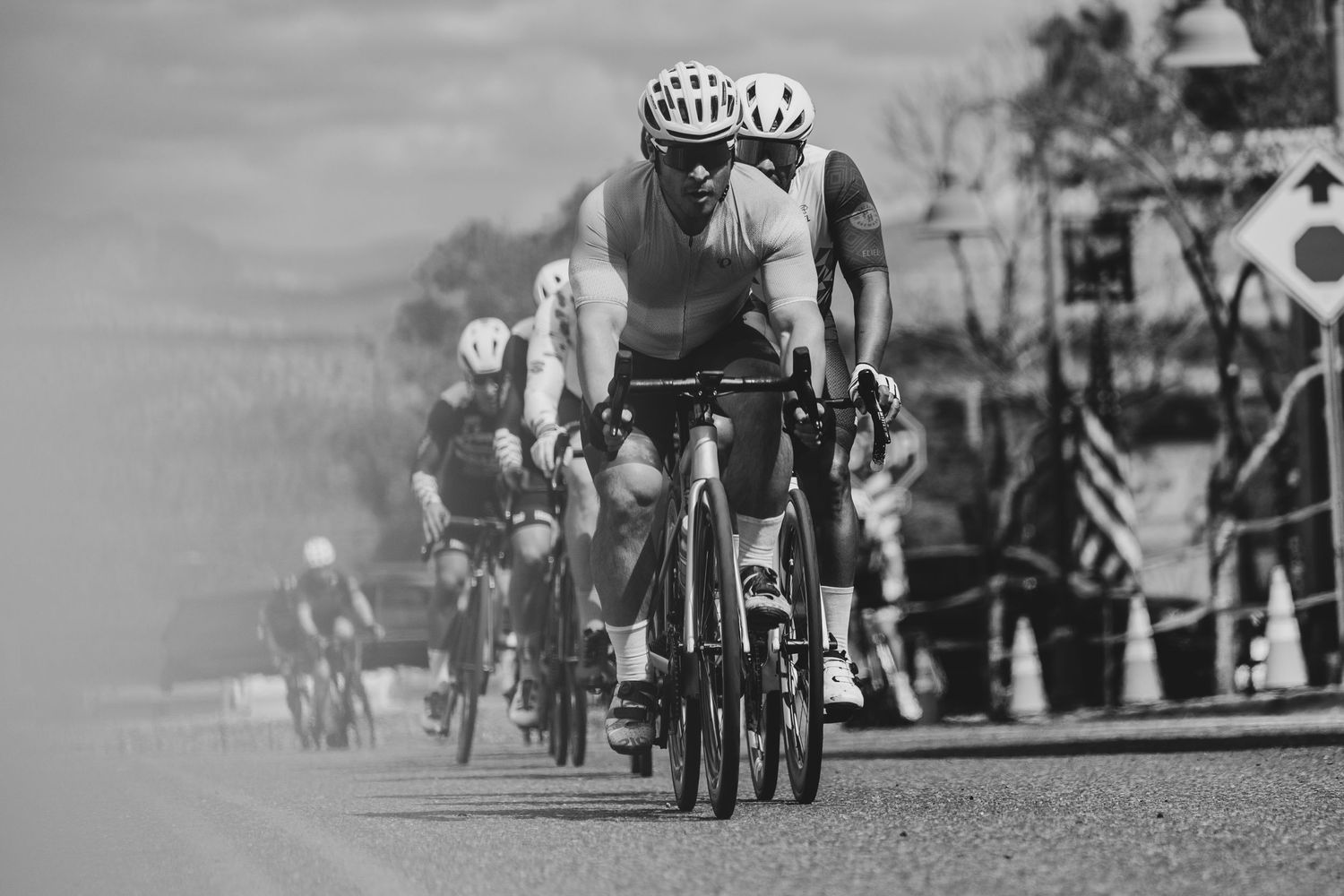
Example: In Douglas, Arizona, one of the biggest wins of launching the BorderLands Gravel race wasn’t just race-day turnout; it was getting people to realize Douglas even existed as a destination. Social media wasn’t about selling race entries (although it definitely was for the race). It was about building awareness, sparking curiosity, and shifting perceptions.
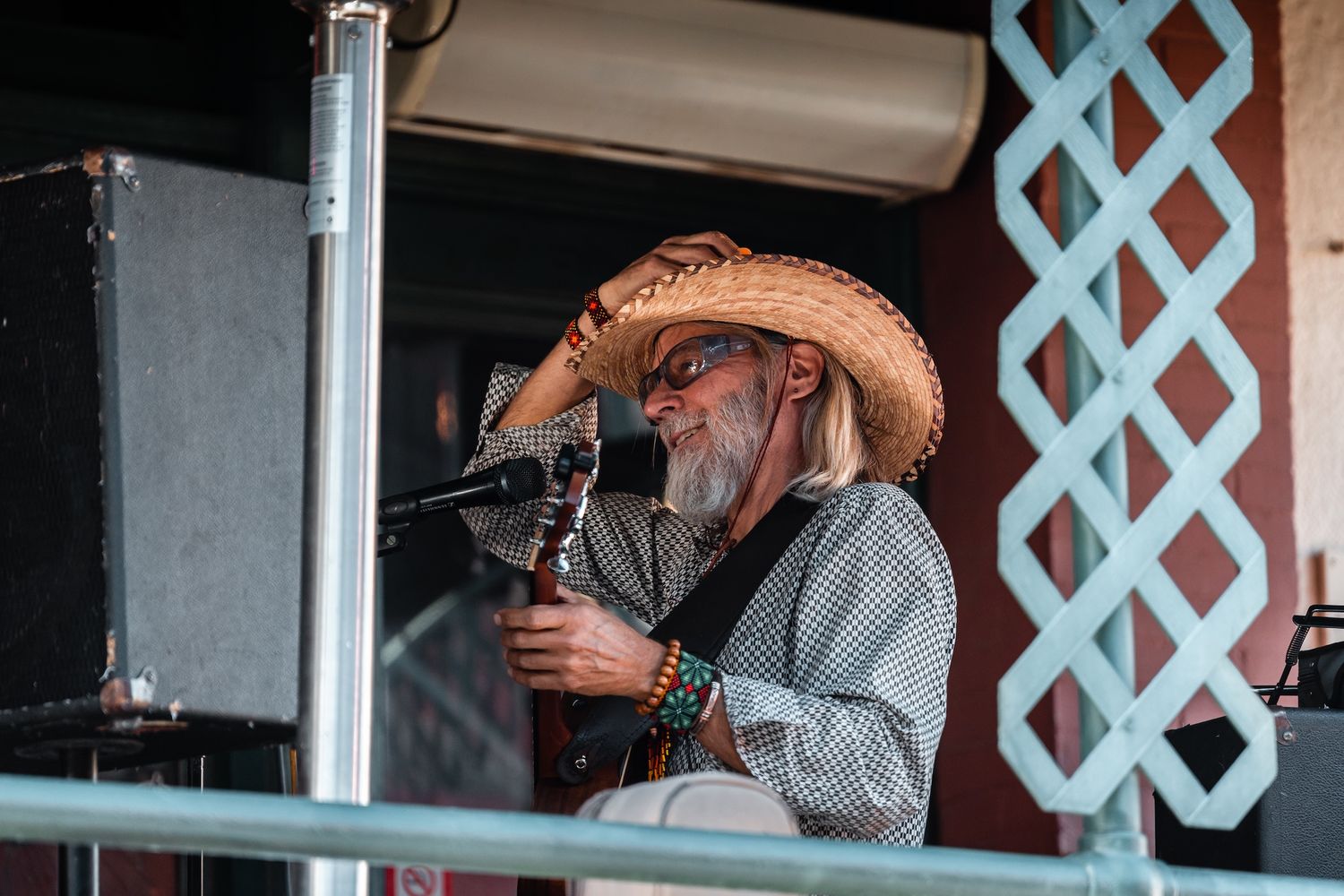
Step 2: Know Your Audience (and Talk to Them)
Identify Your Ideal Visitors for Rural Tourism Campaigns
Rural communities often try to be everything to everyone. That doesn’t work on social. Instead, ask: Who are we talking to?
Are they: 30-something adventure travelers with bikes on the roof? Young families looking for weekend getaways? Retired couples who love road trips and ghost towns?
Once you know who they are, you can start creating content for them, not just about you. That’s when things change.
Pro tip: Don’t just assume. Watch who’s already engaging with your content. What posts do they like? What questions do they ask? What do they tag when they visit?
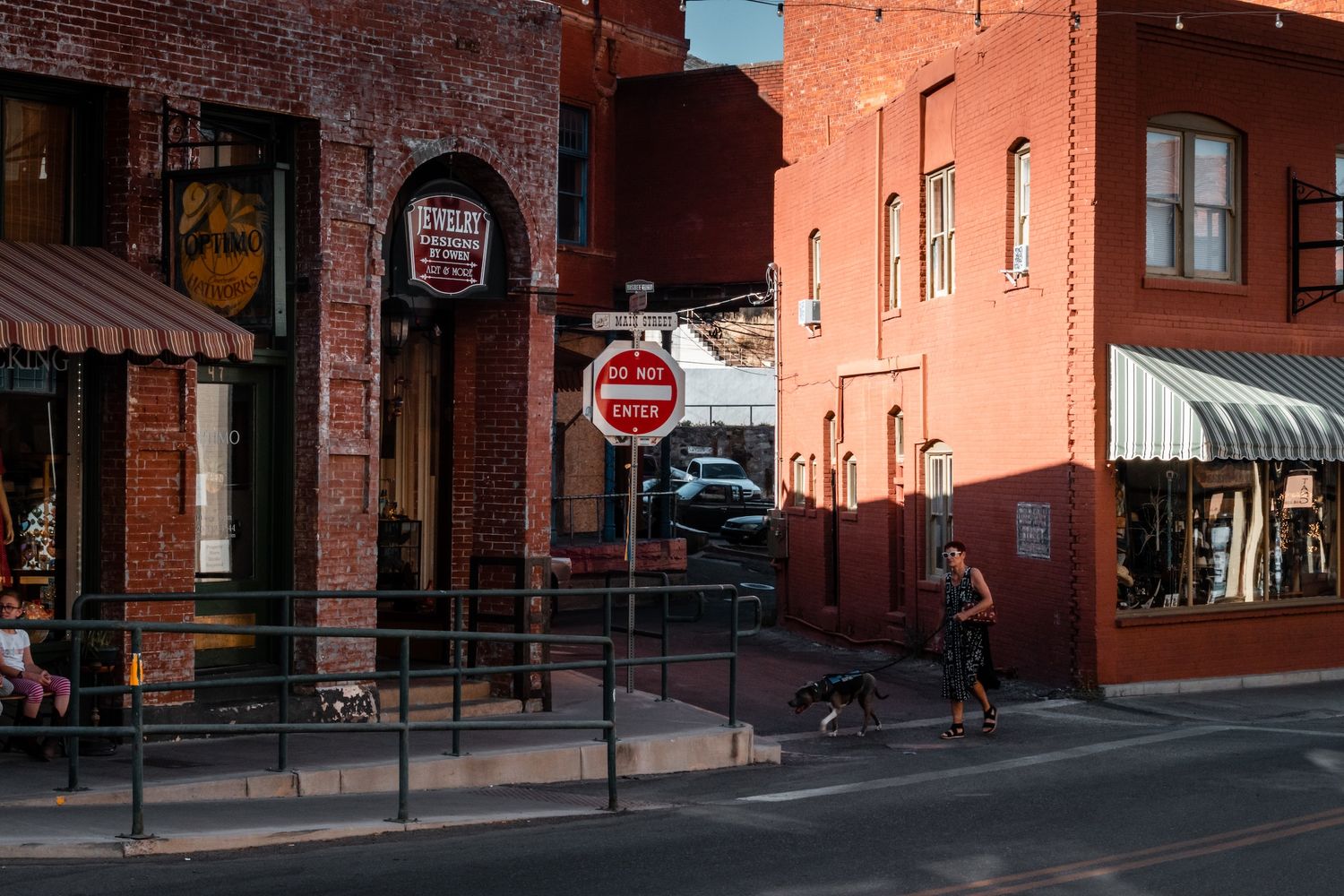
Step 3: Share Stories, Not Just Info
Storytelling Strategies to Attract Tourists to Small Towns
One of the most common mistakes small towns make? Only posting flyers and announcements.
Yes, events matter. But people connect with people, not PDFs.
Instead, try this: Share the story behind a local landmark. Introduce a business owner and why they moved back to town. Show behind the scenes at your town’s annual parade. Interview a visitor and why they chose your town over the more obvious spots.
You’re not just marketing a destination. You’re building a relationship.
Step 4: Stay Consistent (Even If You’re Busy)
How Often Small Towns Should Post on Social Media
You don’t need to post every day. But you do need to show up regularly.
Pick a schedule you can stick to. Maybe that’s two posts a week. Or just one really good one. The key is consistency. Not perfection.
If you have limited time: Focus on 1–2 platforms (Instagram + Facebook is plenty). Batch your content monthly. Use templates for recurring post types (e.g., “Throwback Thursday” or “Hidden Gem of the Week”).
Don’t overthink it. Just show up, tell stories, and stay visible.
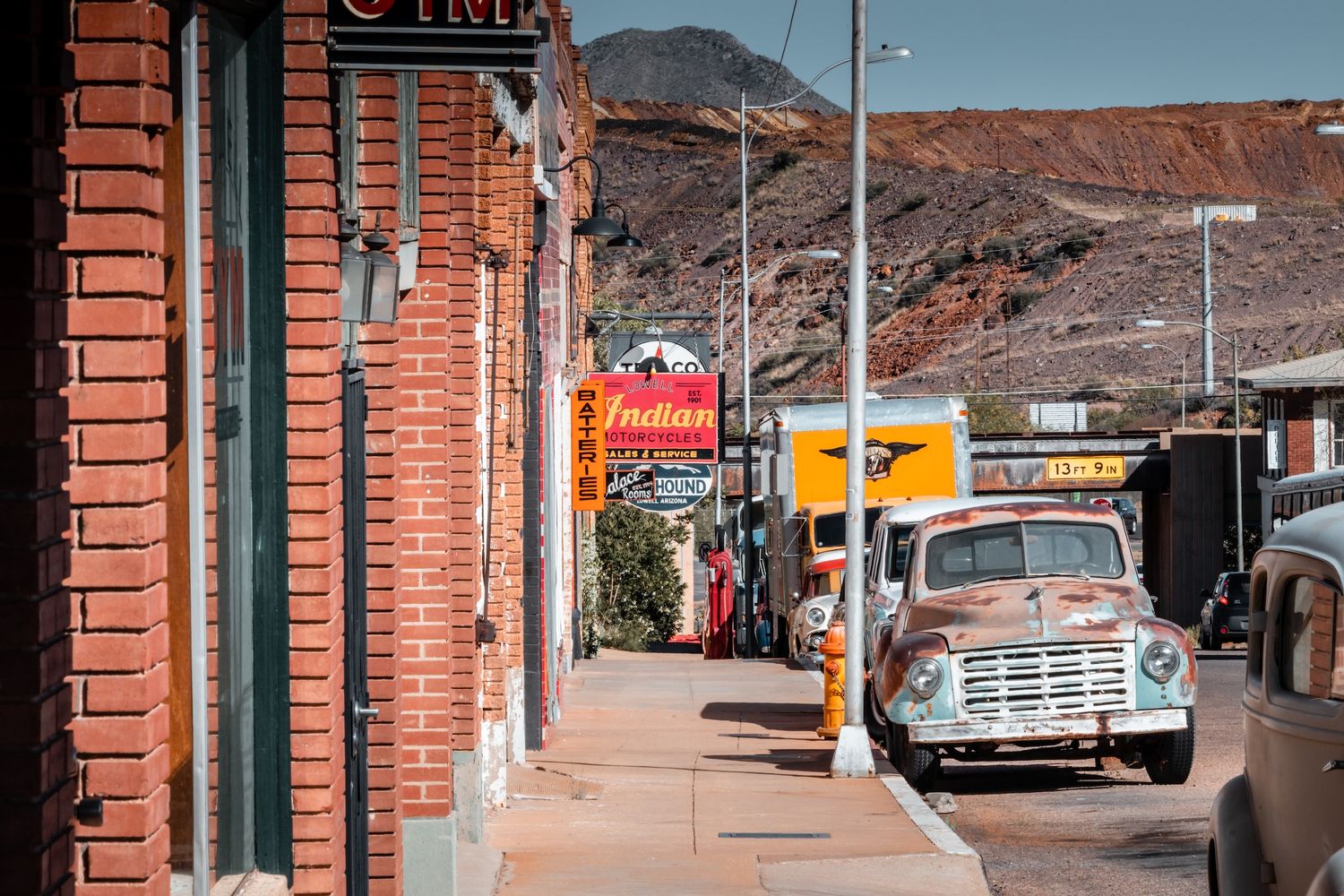
Step 5: Measure What Matters
How to Measure Tourism Marketing Success on Social Media
Forget likes and follower counts (at least for now). Instead, ask: Are more people asking about your events? Are local businesses noticing new foot traffic? Are visitors tagging you in their photos?
Those are the signals that your social media strategy is actually supporting your tourism goals.
Final Thought: You Don’t Have to Do It Alone
Building a Sustainable Social Media Strategy for Rural Communities
If this all feels overwhelming, that’s normal. Most small towns are working with limited staff, volunteer hours, and tiny budgets. But that doesn’t mean social media is out of reach. It just means you need a plan that fits your reality.
You don’t need more noise. You need a strategy that moves people. That makes them feel something. That makes them want to come and see it for themselves.
If your community could use help building a strategy that fits your goals and resources, reach out. I’d love to help.