
For small-town tourism, there’s a common trap: trying to appeal to everyone.
You end up with vague messaging, generic photos, and a website that says everything … and nothing.
And I get it. When you’re tasked with promoting your whole town, every event, every season, every “hidden gem,” you want to cast a wide net. Maybe someone out there will bite.
But here’s the hard truth: when you try to speak to everyone, you end up connecting with no one.
That’s why one of the most powerful things you can do for your town’s tourism is to get narrow.
Not niche for the sake of being trendy, but focused for the sake of actually reaching people who care about what you offer.
This isn’t simply theory. It’s the foundation for growing your town’s visibility, visitor base, and economy, especially when your resources are limited. It's also the same thing every brand has to do.
Why Niche Marketing Matters for Small Town Tourism
A Mindset Shift: You Don’t Need Everyone
Let’s take Douglas, Arizona. Tucked along the southern border with Agua Prieta, it’s got big skies, rich history, quiet beauty, and lots of gravel roads. But for years, it’s been overlooked by travelers who stop in Tombstone or Bisbee and never make it farther south.
Douglas could try to position itself as an “everyone-welcome" destination … or it could lean into who’s already intrigued:
- Birders: The San Bernardino National Wildlife Refuge offers one of the Southwest’s most important migratory corridors for birds. Douglas is also a great jumping-off point for birding in the Chiricahua Mountains.
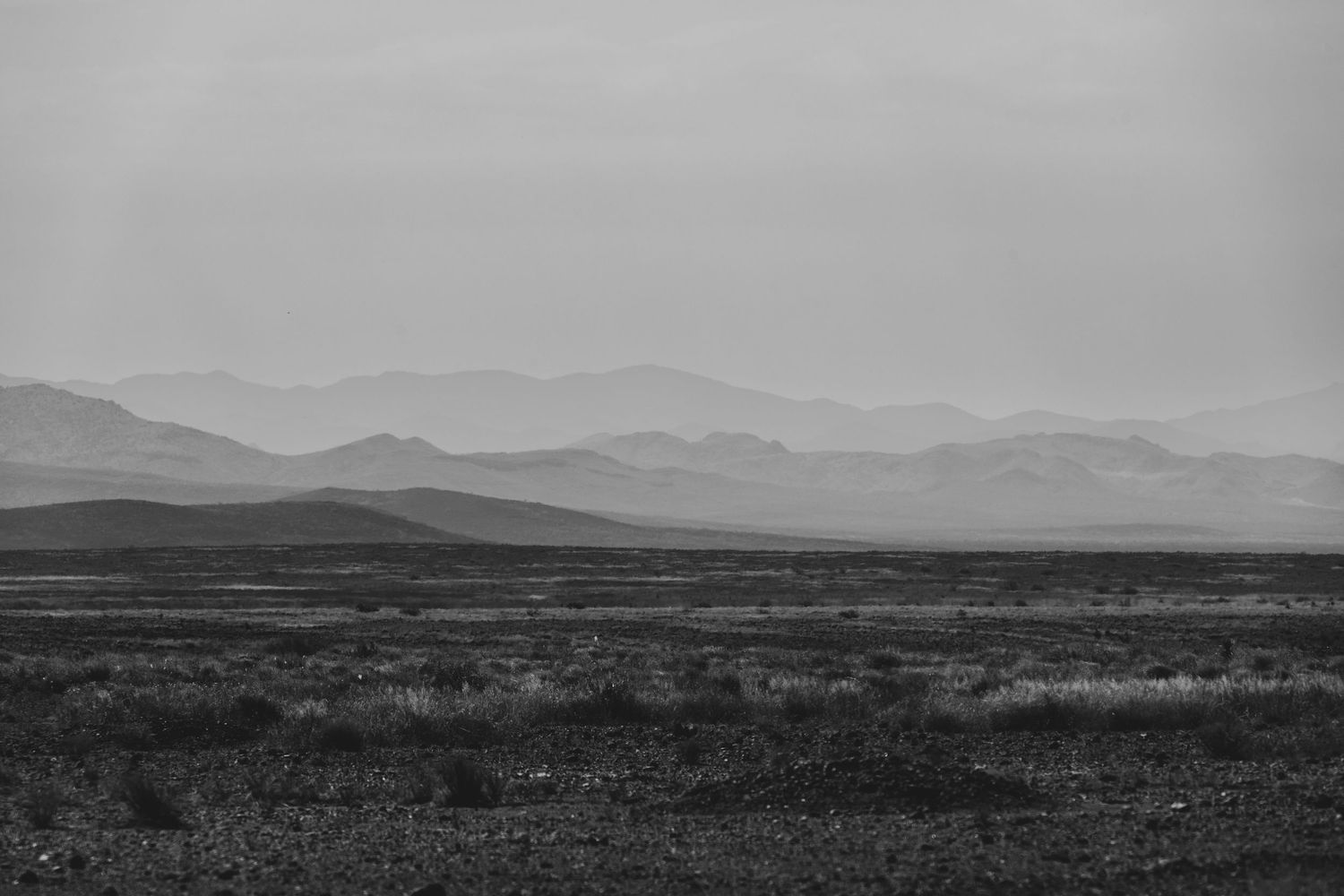
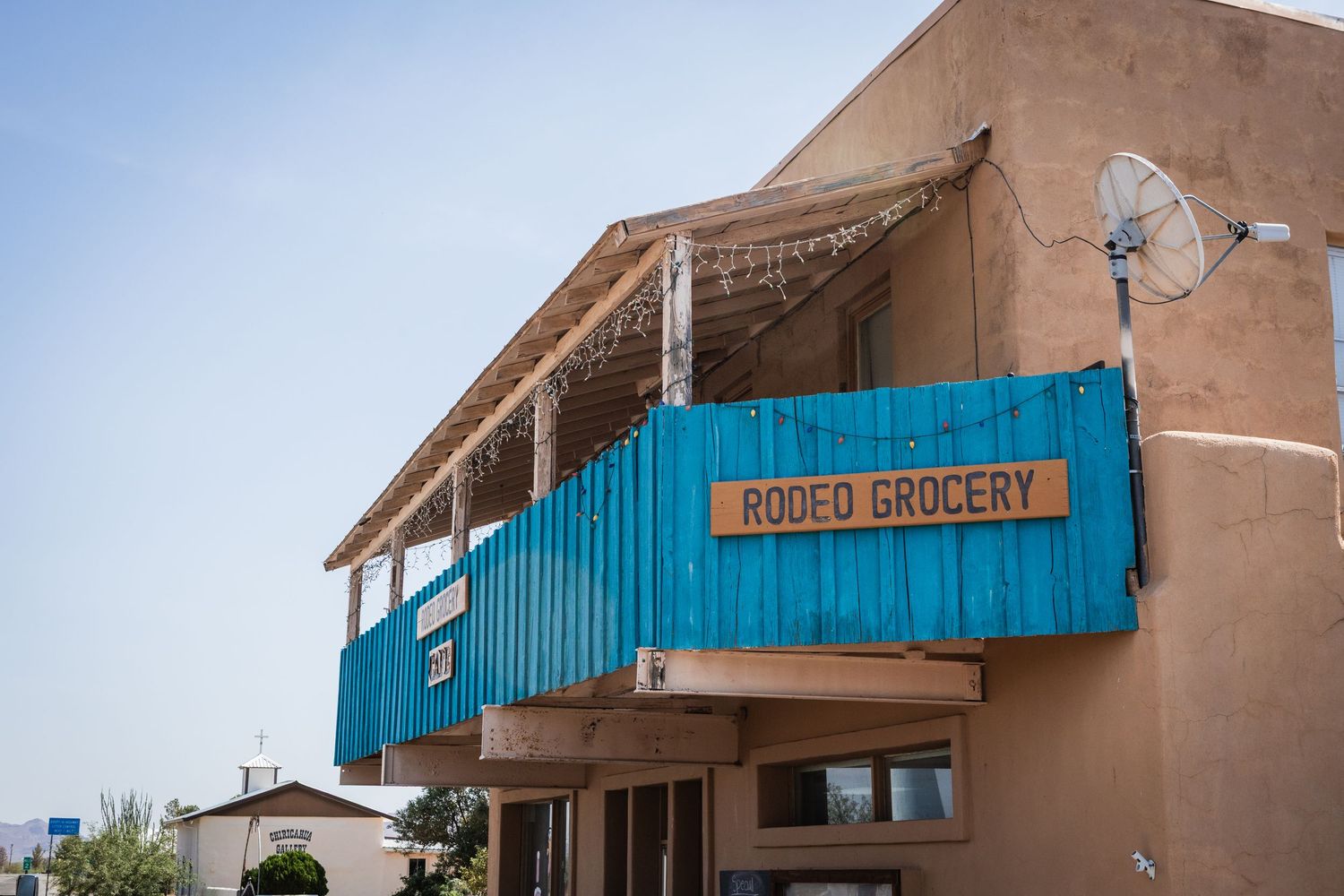
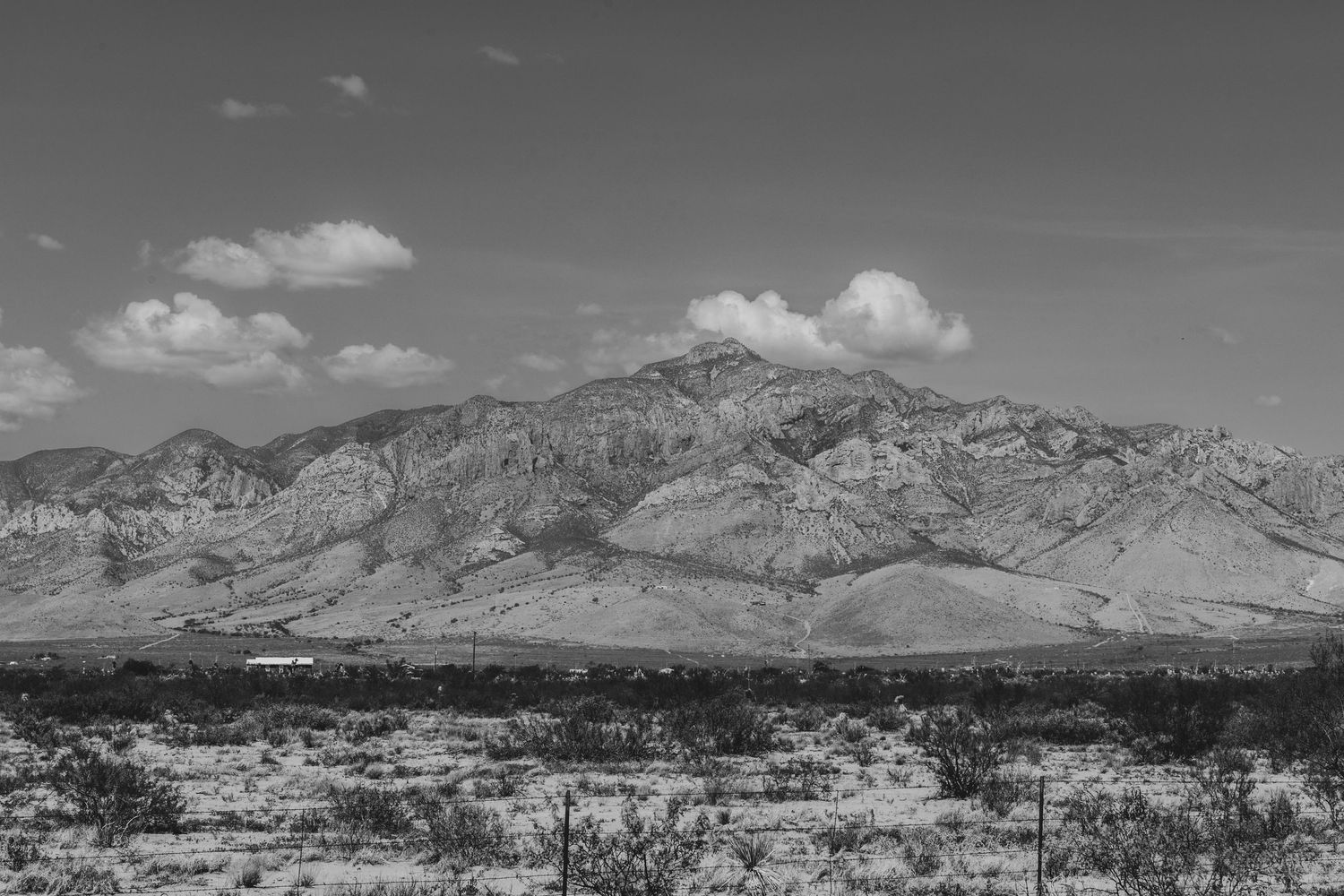
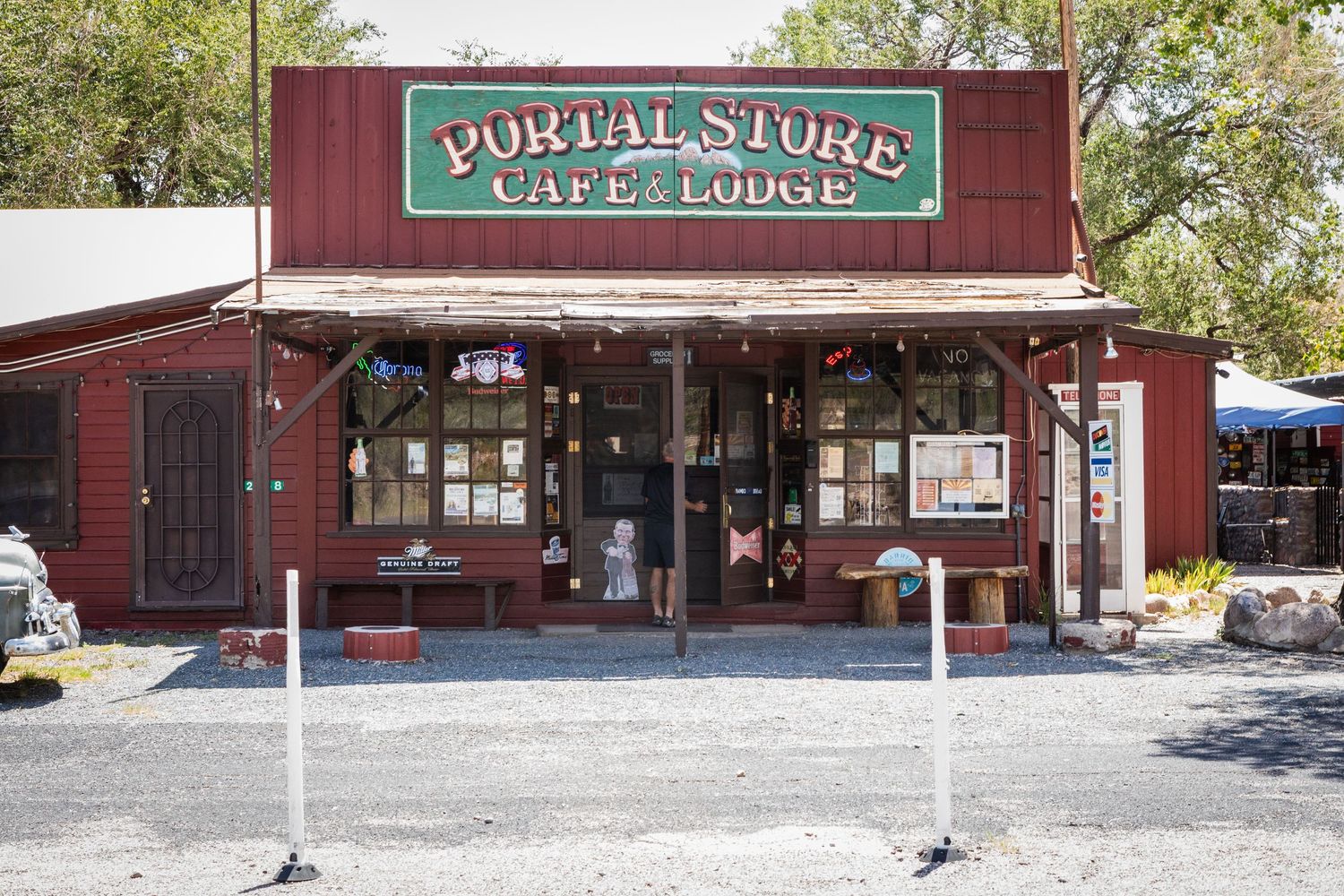
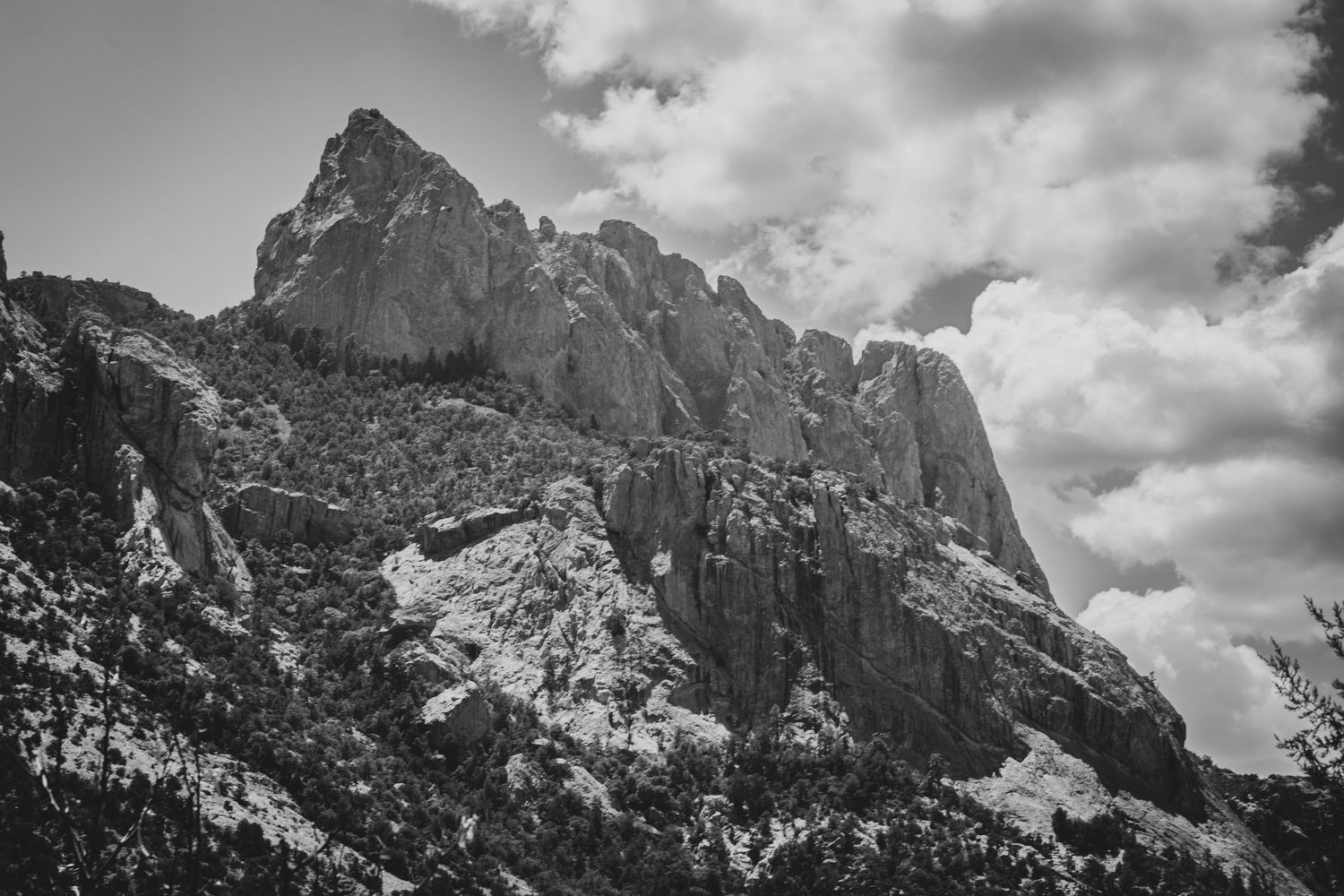
- RVers and vanlifers: Wide-open desert landscapes and uncrowded roads are the dream (trust me, the drive from Douglas to Portal on the east side of the Chiricahua Mountains is wide open, spectacular, and void of traffic. That's where all of these photos are from, too.).
- Gravel cyclists: Endless dirt roads, minimal traffic, and views that go on forever.
Those aren’t side audiences. They’re core audiences. And they’re groups who travel specifically for experiences like what Douglas already offers.
I like to bring up Douglas a lot because not only am I working with a gravel cycling race there, but I recently spent time there. It's also one of my favorite towns to visit.
Identifying Target Audiences in Rural Tourism: Real-World Examples
The Power of Getting Specific in Tourism Marketing
When you define your audience clearly, a few things happen:
- You know what kinds of stories to tell
- You understand what platforms to focus on
- Your visuals and messaging actually resonate
- You stop wasting time chasing generic content that doesn’t convert
You’re no longer trying to outshine major destinations. You’re just trying to show up where you belong in front of the right people.
How to Define Your Target Audience for Tourism Marketing (Step-by-Step)
Here’s a simple starting point you can use in a staff meeting, a notebook, or the back of a napkin.
1. Who already visits your town and why? Look through visitor center logs, hotel bookings, Instagram tags, and Airbnb reviews. Patterns will emerge.
2. What do you offer that nearby towns don’t? Maybe it’s dark skies for stargazers. Quiet roads for gravel riding. A downtown that hasn’t been overrun by tourism.
3. Where do your ideal visitors spend time online? Gravel cyclists are on Strava, Instagram, and YouTube. Birders are on Facebook and birding forums. RVers are swapping tips on Campendium and YouTube.
4. What do they care about beyond travel? This is where you build emotional connection. Birders care about conservation. Cyclists care about safety and solitude. Vanlifers care about remote beauty, coffee, and a cell signal (just enough of it).
5. What problems do they need solved? “Where can I park my van overnight without hassle?” “Is there a mellow gravel route with good coffee at the finish?” “Can I get to a birding spot without hiking five miles?”
Answer those, and you’re not just marketing, you’re helping.
Multi-Audience Strategy: How Small Towns Can Attract Different Types of Visitors
You Don’t Need to Pick Just One
This isn’t about choosing one audience forever and ignoring everyone else. It’s about prioritizing and sequencing.
Start with one core audience. Build out content that speaks to them. Then layer in the next. And don’t be surprised when they start overlapping.
Birders are often RVers. Gravel cyclists often double as photographers and beer or wine connoisseurs. Vanlifers? They might be all three.
What matters is that your content meets them where they are and shows them why your town is worth the detour.
Final Thought: How Small Towns Can Build a Strong Tourism Identity
Be Known for Something: A Simple Tourism Branding Strategy
You don’t have to be the next Sedona. You don’t have to be “the everything town.”
You just need to be known for something.
Because when you define your audience, they start finding you.